Waterproof Outside LED Display Screen for All Weather Use

Outdoor advertising and public information systems are no longer seasonal tools. Cities operate 24/7, commercial districts compete for attention every day, and transportation hubs must keep passengers informed under any conditions. In this context, a Waterproof Outside LED display screen for All Weather Use becomes a critical asset rather than a “nice-to-have” upgrade. From heavy rain and snowstorms to heatwaves and dust-laden winds, outdoor LED screens must deliver stable brightness, accurate color, and continuous uptime.
As a professional service provider, TW VISION focuses on building outdoor LED solutions that are engineered for resilience. The key is not only “waterproofing” as a feature, but a complete all-weather design strategy—covering enclosure protection, thermal control, electrical safety, maintenance convenience, and long-term performance stability. This article explores what truly defines an all-weather waterproof outdoor led display, why it matters for business and public services, and how to select a solution that remains dependable over years of operation.
What “All Weather Use” Really Means for Outdoor LED Displays
Many products claim outdoor readiness, but all-weather use has a higher standard. A Waterproof Outside led display screen for All Weather Use must withstand sustained exposure to rain, humidity, UV radiation, temperature extremes, and airborne pollutants—while continuing to operate safely and maintain strong visibility.
All-weather performance is usually built around a combination of:
1) Environmental protection (waterproof and dustproof structure)
2) Thermal management (stable heat dissipation and cold-start capability)
3) Optical performance (high brightness and controlled reflections)
4) Electrical reliability (surge protection and stable power systems)
5) Maintenance design (fast servicing to reduce downtime)
TW VISION designs solutions by treating these as a complete system. A screen that survives rainfall but fails under heat stress is not an all-weather product; likewise, a bright display that overheats and dims prematurely will not deliver long-term value.
Waterproof Engineering: More Than a Sealed Box
When discussing waterproof outdoor LED screens, buyers often focus on an IP rating. While IP ratings are important, true waterproof engineering involves multiple protective layers and careful structural details. Water intrusion commonly occurs through seams, cable entries, ventilation areas, and maintenance openings.
A robust all-weather design typically includes:
– Precision cabinet sealing to reduce infiltration through joints
– Waterproof connectors and cable glands to protect electrical routes
– Drainage and anti-condensation measures to manage moisture over time
– Corrosion-resistant materials and coatings for coastal or industrial zones
– Weatherproof module design to prevent local failure from spreading
TW VISION’s outdoor systems emphasize full-environment durability, supporting stable performance in long rainy seasons, high-humidity climates, and areas where dust and water can combine into conductive grime. The goal is not only preventing water entry, but also ensuring moisture does not accumulate internally over years of day-night temperature cycles.
High Brightness and Visibility Under Sunlight, Rain, and Snow
Outdoor screens compete with sunlight, streetlights, headlights, and changing weather. Visibility is not only about maximum brightness; it is also about contrast, viewing angle, uniformity, and how the screen behaves during harsh conditions like heavy rain or snow glare.
A Waterproof Outside LED Display Screen for All Weather Use should be configured for:
– Daytime readability with sufficient brightness output
– Adaptive brightness control to avoid glare at night and reduce power use
– Stable color calibration so content looks consistent in different seasons
– Anti-reflection surface strategies to improve contrast under strong light
– Wide viewing angles for roadsides, plazas, and crowded pedestrian zones
TW VISION supports application-specific tuning so the display remains clear during bright noon sunlight and does not become overly harsh after dark. This protects both brand image and audience comfort while extending component life through more intelligent brightness operation.
Thermal Management: The Hidden Requirement for All-Weather Reliability
Weatherproofing increases enclosure integrity, but that also affects heat. In outdoor environments, heat is generated internally by LEDs and power supplies while solar radiation adds external load. Without good thermal design, waterproof screens can trap heat, accelerating aging, color shift, and failure rates.
All-weather LED display design typically addresses:
– Heat dissipation paths using optimized cabinet structure and materials
– Temperature-aware control to protect the system under extreme heat
– Cold-weather start stability so the screen powers on reliably in winter
– Component selection suited for outdoor temperature ranges and long duty cycles
TW VISION approaches thermal management as a reliability foundation. If heat is handled well, brightness remains stable, color drift is reduced, and the display can maintain performance for longer operational lifetimes—especially for 24/7 installations.
Electrical Safety and Surge Protection in Outdoor Installations
Outdoor environments expose electronics to voltage instability, lightning-induced surges, and grounding challenges. A waterproof cabinet alone cannot protect against electrical risk. For true all-weather readiness, the system should integrate reliable electrical design and protection.
Key considerations include:
– Surge protection to mitigate transient voltage events
– Stable power distribution across cabinets and modules
– Grounding and insulation design appropriate for wet environments
– Protection against condensation-related leakage through material and layout design
– Safe maintenance access to reduce risk during servicing
TW VISION emphasizes engineering that supports safe long-term operation, especially in locations prone to thunderstorms or with unstable municipal power. Good protection reduces downtime, lowers maintenance cost, and prevents unexpected failures that can harm a brand’s credibility.
Front Service vs Rear Service: Practical Maintenance for Outdoor Screens
All-weather use also means maintenance must be possible in any season. If access is difficult, even a minor module issue can result in long downtime. Outdoor screens are often installed on building fa?ades, poles, or high structures where rear access may be limited.
Maintenance-friendly design typically includes:
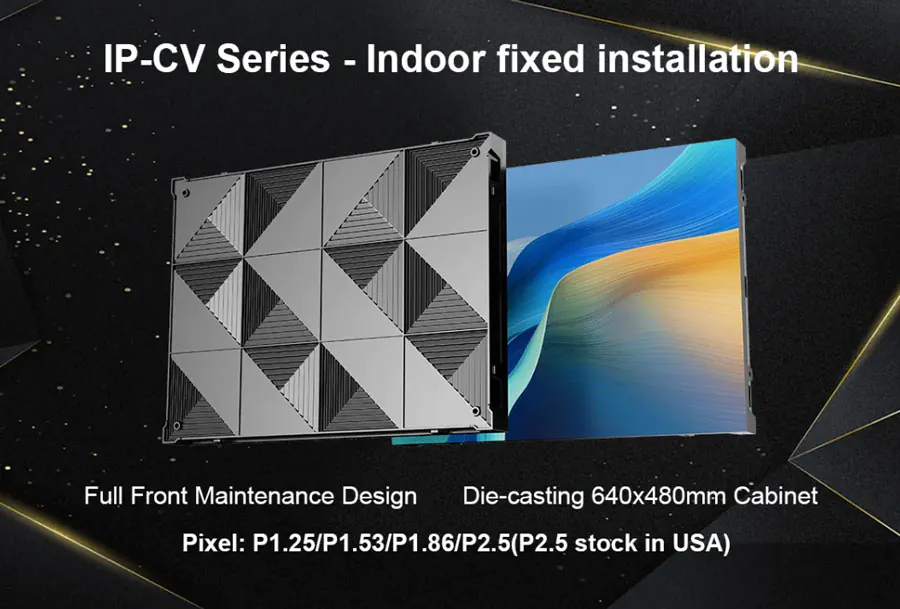
– Front-service modules for installations where rear access is impossible
– Quick-lock structures that reduce servicing time
– Modular replacement for power supplies and receiving cards
– Clear maintenance workflow to reduce operator error
TW VISION provides professional guidance on choosing service mode based on the site. For premium urban locations where downtime is costly, a front-service architecture can significantly simplify operations and lower lifetime maintenance expenses.
Use Cases: Where All-Weather Waterproof Outdoor LED Screens Create Value
A Waterproof Outside LED Display Screen for All Weather Use supports a wide range of scenarios, including:
– Retail and commercial districts: flagship promotions, brand videos, seasonal campaigns
– Transportation hubs: schedules, safety alerts, wayfinding, public messaging
– Sports venues and outdoor events: live broadcasts, sponsor ads, audience engagement
– Municipal and smart city deployments: emergency notices, civic information, cultural promotion
– Roadside and highway advertising: long-distance visibility and stable operation
What these applications share is the need for reliability. Rainy nights, dusty summers, and freezing mornings should not disrupt communication. TW VISION’s outdoor LED solutions are designed to maintain performance continuity so operators can focus on content and revenue rather than constant repairs.
How to Choose the Right Outdoor LED Screen: Key Evaluation Checklist
Selecting the right screen is not just about pixel pitch and size. All-weather performance depends on matching the product to the environment and operational goals. Consider evaluating:
– Weather exposure level: direct rain, coastal salt fog, desert dust, snow accumulation
– Brightness requirements: direct sunlight versus shaded streets
– Viewing distance and audience type: vehicles, pedestrians, mixed traffic
– Installation structure: wall-mount, pole-mount, rooftop, curved fa?ade
– Maintenance constraints: front access necessity, service frequency expectations
– Energy strategy: adaptive brightness, operational hours, power cost planning

– Supplier service capability: technical support, spare parts, long-term maintenance
As a service provider, TW VISION supports clients not only with product supply but also with solution planning—helping align technical parameters with the real conditions of the site. This reduces the risk of overpaying for unnecessary features or under-specifying for demanding climates.
Why TW VISION for Waterproof Outside LED Display Screen for All Weather Use
Choosing a waterproof outdoor LED display is a long-term investment. The value comes from stable operation, reduced downtime, consistent content quality, and predictable maintenance cost. TW VISION focuses on delivering outdoor LED systems that balance durability, performance, and service practicality.
Key value points typically expected from a professional outdoor LED solution include:
– Structural design aimed at long-term weather resistance
– Stable brightness and color performance for outdoor visibility
– Practical maintenance architecture for faster servicing
– Electrical reliability and protection measures
– Support for multiple application scenarios and installation types
For buyers who need a screen that works through storms, heatwaves, cold snaps, and high humidity, an all-weather approach is the only approach that delivers dependable outcomes.
All-Weather Waterproof LED Displays Are Built for Continuity
A Waterproof Outside LED Display Screen for All Weather Use is not simply an outdoor screen with a sealed cabinet—it is a carefully engineered system designed to handle water, dust, heat, sunlight, and electrical challenges without compromising visibility or reliability. When properly selected and professionally supported, it becomes a stable communication platform for advertising, public information, and brand storytelling throughout the year.
With TW VISION as your service provider, the focus stays on what matters most: long-term performance, efficient maintenance, and confidence that your outdoor display will keep working—no matter what the weather brings.