Modular Outdoor Digital Display for Flexible Installation Projects

Outdoor digital displays have evolved from single, fixed-format screens into adaptable visual systems that can be deployed in almost any environment. In today’s fast-changing retail, transportation, public service, and event landscapes, the ability to install quickly, expand later, and maintain efficiently has become a core requirement—not a luxury. This is where a Modular Outdoor Digital Display for Flexible Installation Projects stands out: it offers scalable design, simplified logistics, and dependable performance under outdoor conditions. As a service provider, TW VISION helps project owners and integrators implement modular solutions that meet both creative ambitions and on-site realities.
Why “Modular” Matters in Outdoor Digital Signage
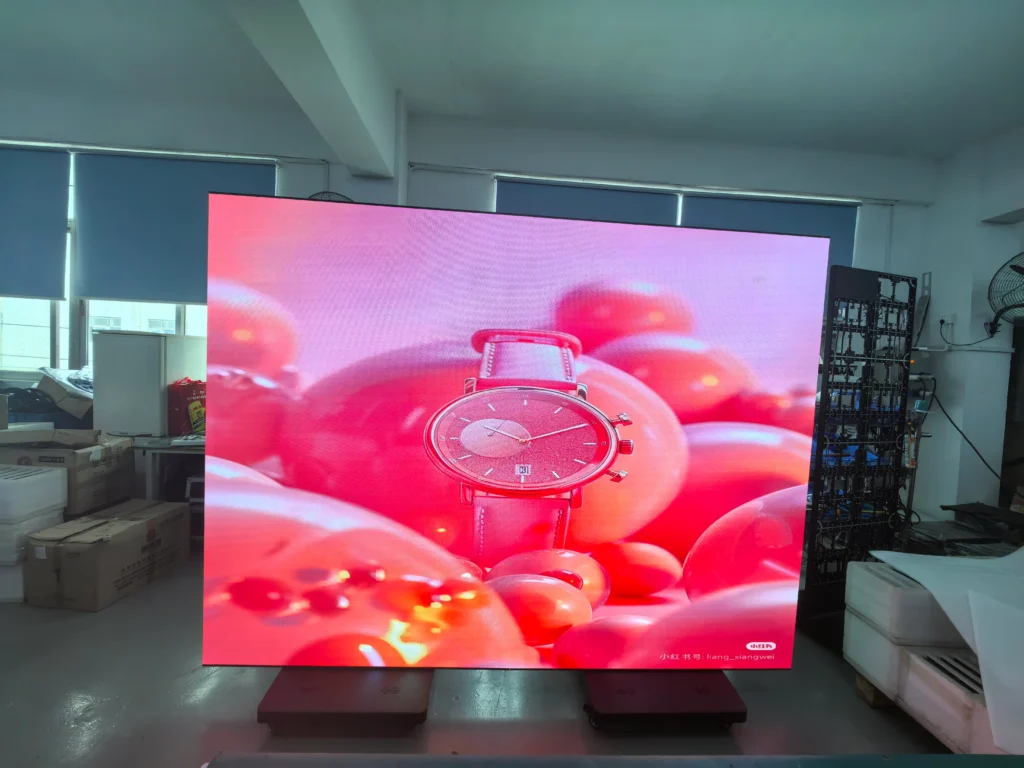
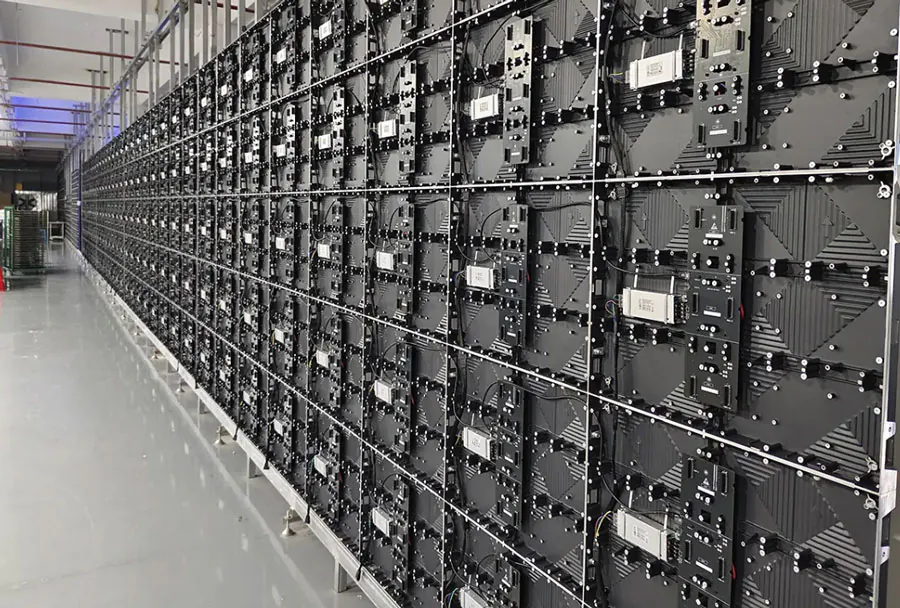
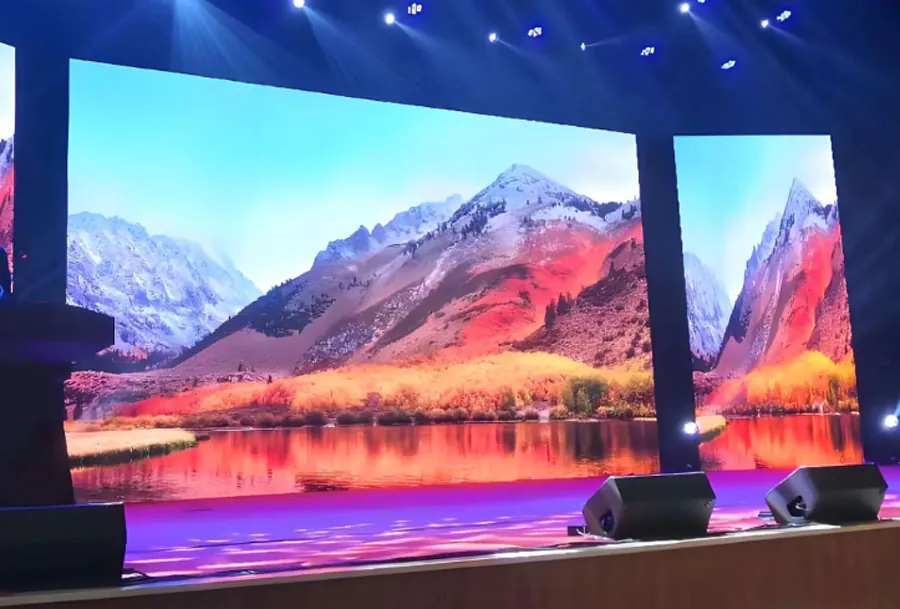
Traditional outdoor LED billboards are often designed as a one-time build: fixed dimensions, fixed pixel pitch, and a rigid cabinet structure that can be challenging to adapt once construction begins. Modular outdoor digital displays take a different approach. They are built from standardized LED cabinets and panels that can be combined like building blocks, enabling installers to create screens in a wide range of sizes and aspect ratios.
For flexible installation projects—where site constraints, structural limitations, or last-minute design changes are common—modularity reduces risk. If a steel frame shifts slightly, if a fa?ade has unexpected obstacles, or if local regulations require a change in screen size, modular design offers adjustment without forcing a full redesign.
Flexible Installation Scenarios: Where Modular Outdoor Displays Excel
A modular outdoor display is especially valuable when the environment is complex or the project timeline is tight. Common scenarios include:
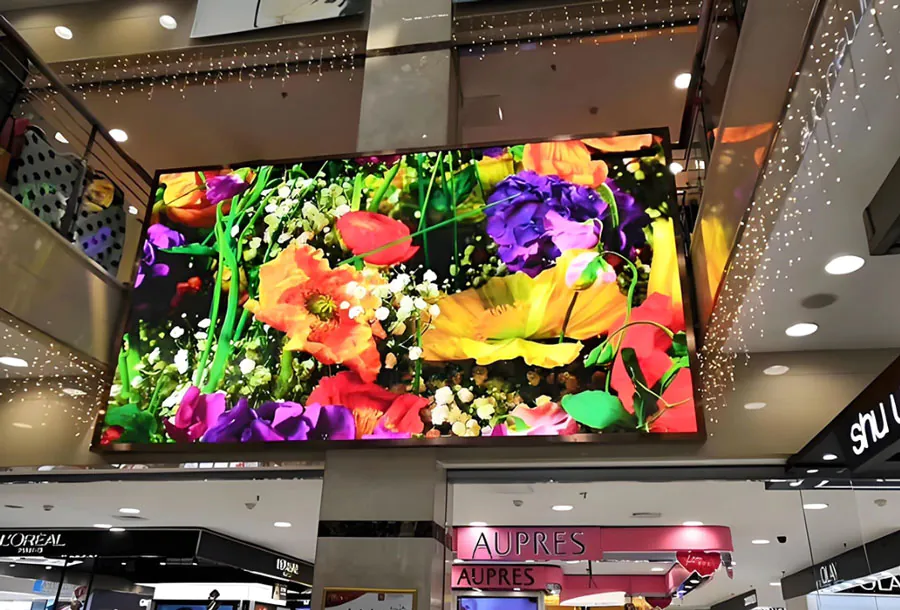
– Retail storefronts and shopping districts: Brands often need to fit digital displays into existing architecture, around signage rules, and within strict aesthetic guidelines. Modular units allow customized widths and heights while keeping a clean, professional finish.
– Stadiums and sports venues: Displays may wrap around structural beams, integrate with scoreboards, or expand over time as sponsorship inventory grows.
– Transportation hubs: Outdoor-facing screens at stations or terminals may require special brightness, redundancy, and serviceability due to 24/7 operation.
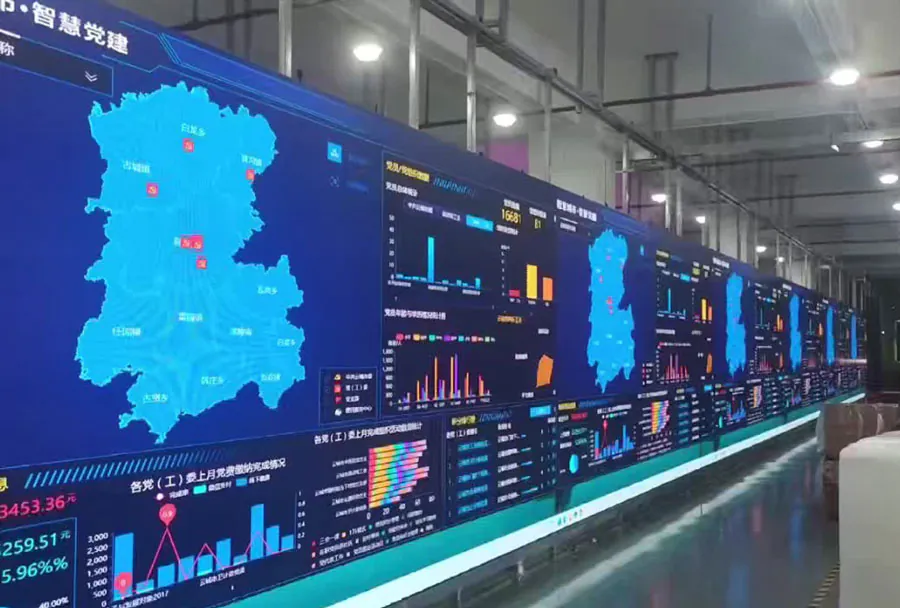
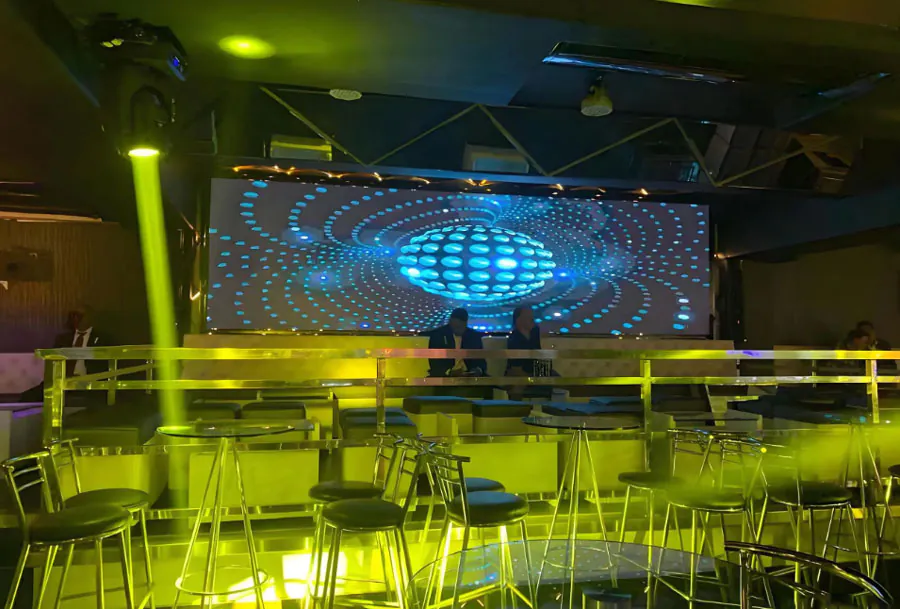
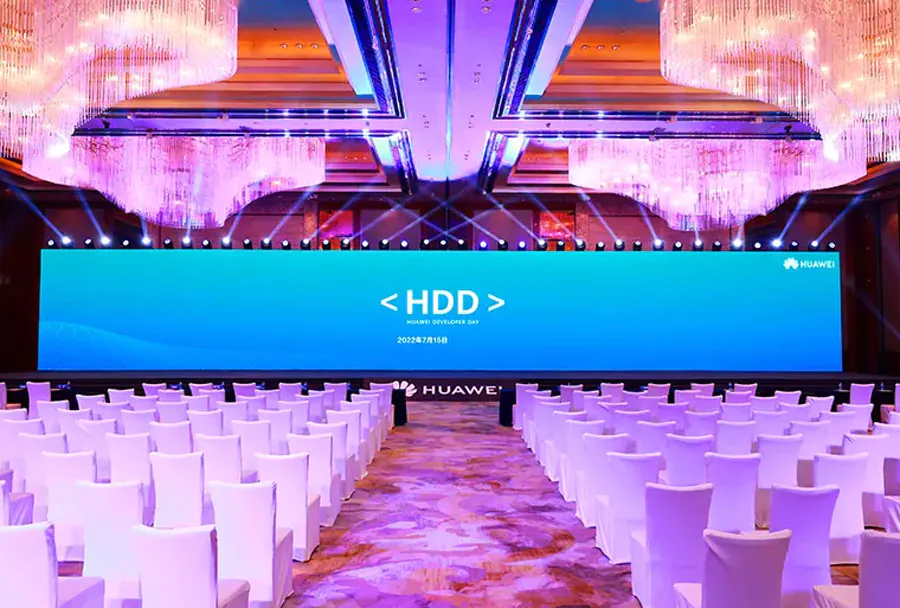
– Events, exhibitions, and pop-up installations: Temporary projects benefit from quick assembly and disassembly, with modular cabinets that support repeated deployments.
– Municipal and public information screens: City projects often face procurement constraints, future expansion requirements, and long-term maintenance planning—areas where modularity provides a clear advantage.
TW VISION supports these scenarios by aligning technical configuration with the realities of the site, including structural design, power distribution, and maintenance access planning.
Core Advantages: Speed, Scalability, and Maintainability
A Modular Outdoor Digital Display for Flexible Installation Projects is not just about changing the screen size. It’s also about making each stage of the project easier and more predictable.
1) Faster installation and predictable assembly
Standardized cabinets and consistent connection systems reduce on-site guesswork. Teams can install in parallel, verify modules step-by-step, and keep the project moving even if conditions are challenging.
2) Scalability without full replacement
Many projects start with a modest screen and expand later when budget, sponsorship, or traffic increases. With modular construction, you can often add more cabinets—rather than replacing the entire display.
3) Easier service and reduced downtime
Outdoor screens must handle weather, dust, and constant exposure. Modular systems allow technicians to replace individual units, power supplies, or control components without taking the entire screen offline for extended periods. This is especially important for advertising networks and public information displays where uptime directly impacts revenue and trust.
4) Logistics and inventory efficiency
Standard modules simplify shipping, storage, and spare parts planning. Instead of managing many unique components, operators can keep a small set of spare cabinets or modules to cover most service needs.
Outdoor Performance Requirements: Built for Real Weather
Flexibility means little if the display cannot withstand outdoor conditions. A reliable modular outdoor display must deliver consistent performance in:
– High brightness environments: Direct sunlight demands sufficient brightness and good contrast for readability.
– Humidity, rain, and wind: Outdoor enclosures require appropriate sealing and structural stability.
– Temperature swings: Heat management is crucial, particularly for installations exposed to midday sun.
– Dust and pollution: Urban roadsides and industrial areas can accelerate wear if ventilation and sealing are not properly engineered.
TW VISION focuses on matching display specifications to local climate and operating schedules, helping ensure long-term stability rather than short-term visual impact only.
Design Freedom: From Standard Billboards to Creative Architecture
A key reason modular displays are popular is design freedom. Many modern projects require more than a rectangle:
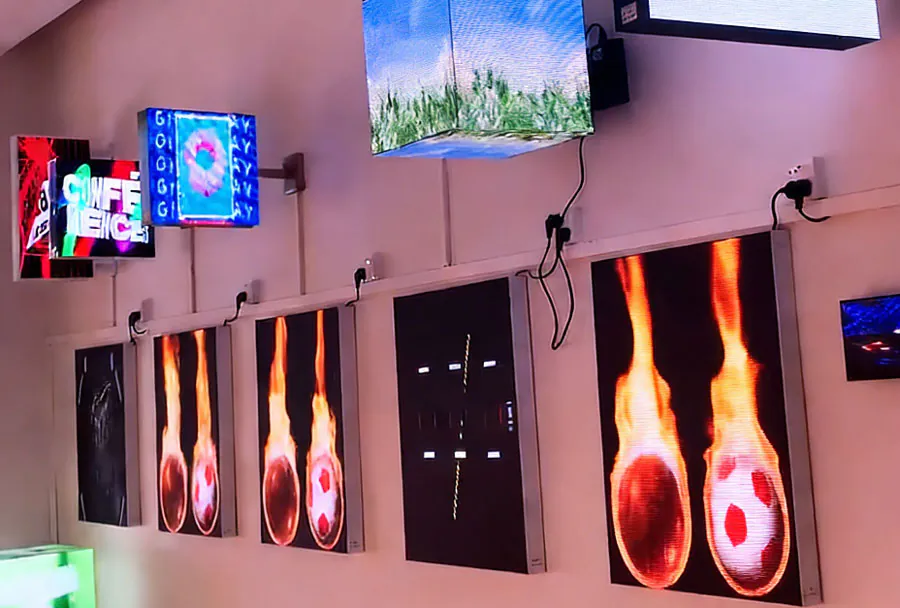
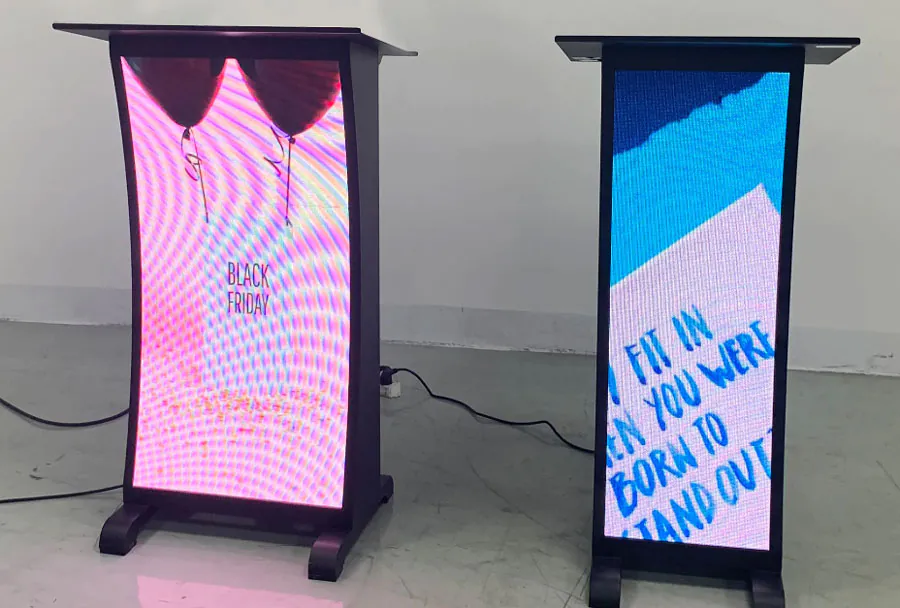
– Vertical “totem” screens for street-level branding
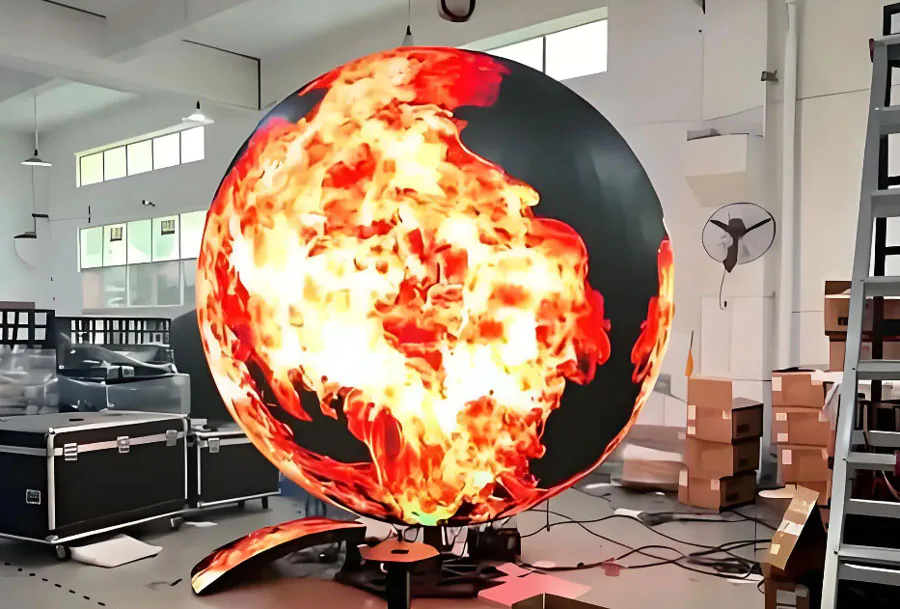
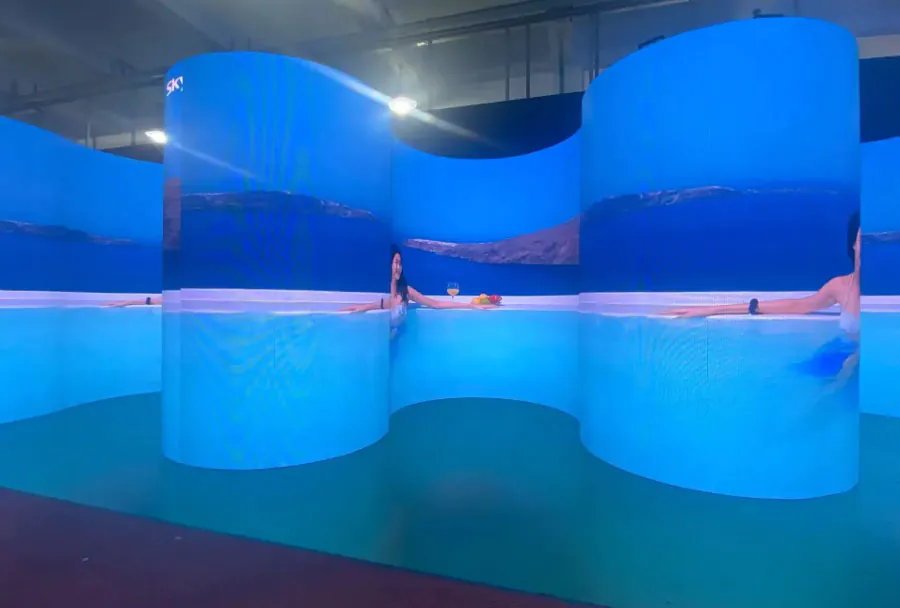
– Curved or corner-mounted screens that wrap building edges
– Long ribbon displays along rooftops or stadium facades
– Multi-screen networks that share content management while adapting to different sizes
With modular cabinets, integrators can plan around columns, windows, and irregular wall surfaces. The result is a display that feels integrated into the space rather than attached as an afterthought. TW VISION supports flexible design planning to help projects balance creativity with structural safety and service access.
Front Service vs. Rear Service: Choosing Based on Site Constraints
Flexible installation projects often face a common challenge: limited maintenance space. If a display is mounted flush against a wall, rear access may be impossible. In such cases, front-service modular cabinets enable technicians to replace modules from the front side, significantly reducing space requirements.
Rear service can still be advantageous when there is a dedicated catwalk or maintenance corridor behind the display. The best approach depends on:
– Building structure and access rules
– Whether the installation is wall-mounted, pole-mounted, or embedded
– Safety requirements for technicians
– Expected maintenance frequency and operating hours
TW VISION helps project stakeholders evaluate the service strategy early, preventing costly redesigns after construction begins.
Content Control and Operational Practicality
An outdoor digital display is only as effective as its operation. Flexible installation projects often involve multiple stakeholders: property owners, advertisers, city managers, or event organizers. This makes reliable content control essential.
Key operational considerations include:
– Remote monitoring to detect power, temperature, and module status
– Scheduling for different content types (ads, alerts, campaigns)
– Brightness management for day/night transitions and regulatory compliance
– Network stability and fail-safe behavior when connectivity drops
TW VISION, as a service provider, supports not only the physical deployment but also the practical workflow required to keep the screen useful every day—especially for multi-location or multi-user projects.
Project Planning: A Modular Mindset from Day One
To maximize the benefits of modularity, planning should start before procurement. A successful flexible installation project typically includes:
– Site survey and structural assessment: mounting surfaces, wind load, and anchoring points
– Viewing distance analysis: selecting the appropriate pixel pitch for readability
– Power and grounding design: stable distribution, surge protection, and safety compliance
– Thermal management strategy: ventilation design and heat dissipation approach
– Maintenance pathway planning: front/rear access, spare modules, and replacement workflow
– Acceptance testing: brightness uniformity, color calibration, and waterproof verification
With TW VISION involved early, the modular design can be aligned with the project’s real constraints—reducing installation friction and improving long-term operating efficiency.
Cost Efficiency Over the Display’s Lifetime
Modular outdoor displays can deliver strong long-term value even if initial procurement is similar to non-modular alternatives. The cost efficiency becomes clearer across the lifecycle:
– Lower downtime due to faster module replacement
– Reduced maintenance labor through standardized components
– Simplified spare parts strategy
– Easier upgrades and expansions without full reconstruction
– More stable performance through consistent calibration and component matching
For organizations managing multiple sites—such as retail chains or outdoor media networks—this standardization can become a strategic advantage.
How TW VISION Supports Flexible Installation Projects
TW VISION provides service-oriented support that focuses on project success rather than simply delivering hardware. For modular outdoor digital display deployments, this typically includes:
– Solution planning tailored to site conditions and usage goals
– Support for screen configuration and modular sizing strategy
– Installation guidance and system integration coordination
– Maintenance planning aligned with access limitations and uptime needs
– Operational considerations such as monitoring, scheduling, and stability
This service approach is particularly valuable when projects involve complex architecture, tight deadlines, or phased implementation plans.
A Modular Outdoor Digital Display Is the Smart Foundation for Flexibility
A Modular Outdoor Digital Display for Flexible Installation Projects is designed for the real world: changing requirements, unpredictable site conditions, and the need for fast, reliable operation. Modularity supports scalable screen design, easier service, and greater adaptability—whether the project is a landmark building fa?ade, a retail storefront upgrade, a stadium expansion, or a city information network. With TW VISION as the service provider, project teams can approach outdoor digital signage with a clear plan for installation, performance, and long-term maintenance—building a display system that remains effective not only on launch day, but for years to come.