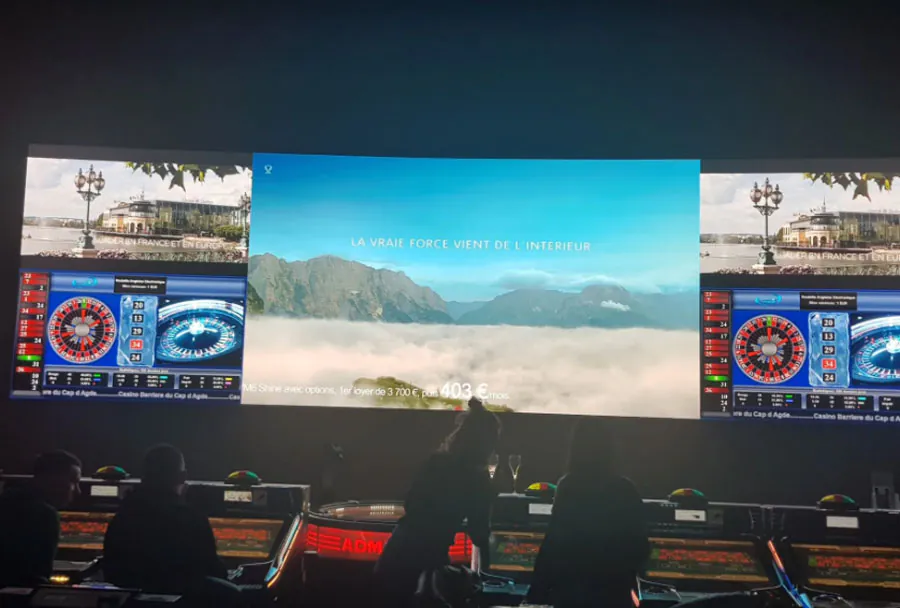
Rental LED Display Screen for Stage Background and Event Branding

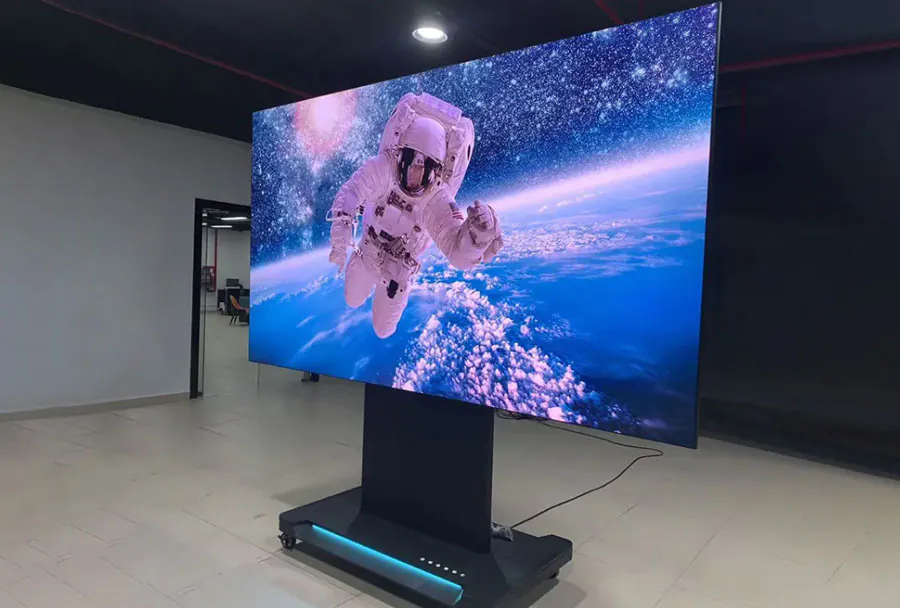
In today’s event industry, visuals are no longer a “nice-to-have”—they are the main stage language. From product launches and conferences to concerts, exhibitions, and corporate celebrations, audiences expect immersive content, clear messaging, and memorable brand moments. A Rental LED display screen for Stage Background and Event Branding has become one of the most effective solutions to deliver that experience with flexibility and professional results.
As a service provider, TW VISION supports event organizers, production companies, and brands with rental led display solutions designed for fast deployment, reliable performance, and strong visual storytelling. This article explores how rental led screens elevate stage backgrounds and branding, what to consider when selecting a system, and how to plan content and installation for maximum impact.
Why Rental led display screens Are the New Standard for Stage Backgrounds
Traditional stage backdrops—printed banners, static walls, or projection—often struggle with lighting conditions, venue constraints, or last-minute program changes. A rental LED display screen offers significant advantages:
– High brightness and clarity: LED screens remain vivid even under strong stage lighting, making them ideal for large venues and outdoor events.
– Flexible sizing and modular design: You can create a full-width stage wall, a center screen with side wings, or creative shapes to match stage architecture.
– Dynamic content switching: Agendas change, speakers run late, sponsors update logos—LED content can be adjusted quickly without reprinting materials.
– Immersive atmosphere: Motion graphics, cinematic backgrounds, and real-time camera feeds turn a stage into a storytelling environment.
For production teams, this flexibility reduces risk. For brand teams, it increases control over how the audience experiences the event.
Event Branding: Turning Screens into Brand Assets
Event branding is about more than placing a logo on a wall. It’s about creating consistent visual touchpoints throughout the audience journey—registration area, stage, breakout rooms, photo zones, and social media content. A rental LED display screen supports that strategy by enabling:
– Consistent brand identity: Color palettes, typography, and motion style can be unified across the entire venue.
– Sponsor visibility: Sponsor loops, lower-thirds, and intermission slides can be scheduled precisely, improving sponsor satisfaction and ROI.
– Campaign storytelling: Instead of a static brand message, you can build a narrative—teaser video, product reveal, key value points, and customer proof—delivered in sequence.
– Interactive moments: QR codes, social walls, live polls, or countdowns can be integrated to increase participation.
With TW VISION, many clients approach LED screens not as equipment, but as a branded media channel that supports both experience design and business outcomes.
Common Event Scenarios Where Rental LED Screens Excel
A Rental LED Display Screen for Stage Background and Event Branding can be adapted to a wide range of event types:
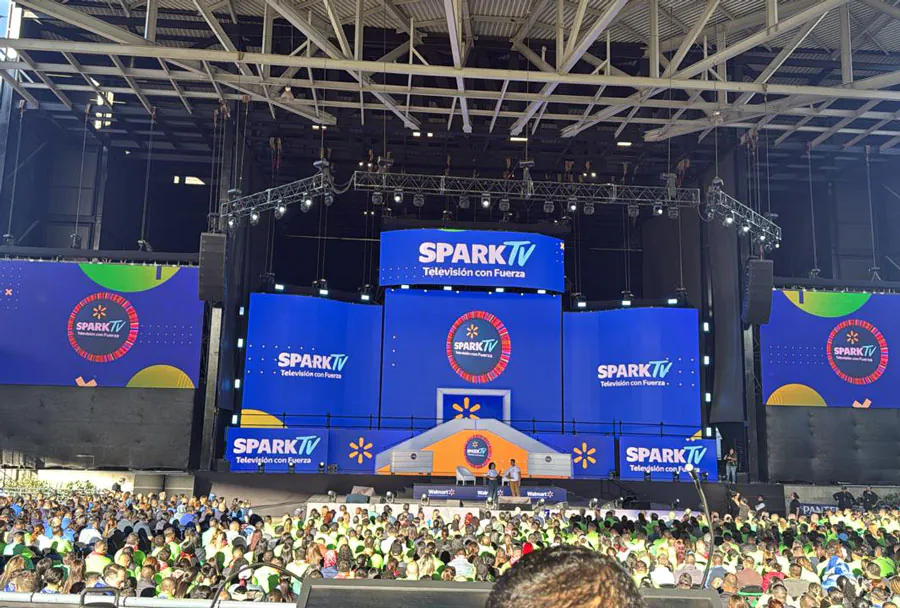
– Corporate conferences and summits: Clear speaker support, agenda display, branded transitions, and professional broadcast visuals.
– Product launches: High-impact reveal moments, synchronized lighting, and content designed for cameras and live audiences.
– Award ceremonies and gala dinners: Elegant motion backdrops, nominee videos, sponsor presentations, and live camera feeds.
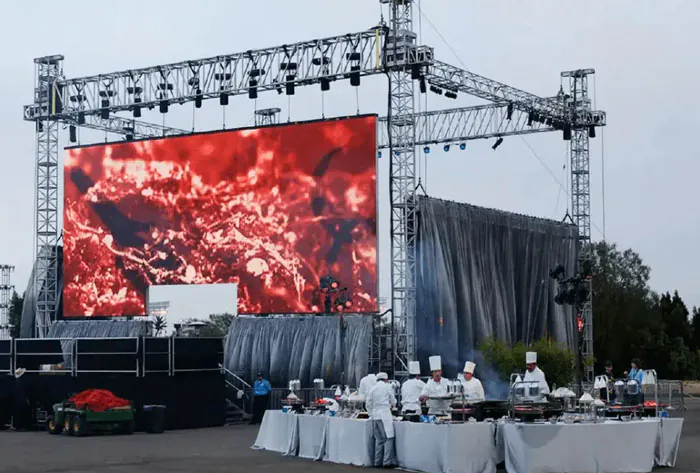
– Concerts and festivals: Massive stage backdrops, live IMAG (image magnification), and visual effects that match the music.
– Exhibitions and trade shows: Booth attraction, product demos, traffic capture, and brand differentiation in crowded halls.
– Outdoor events: Brightness and visibility where projection would fail, with the ability to scale to larger viewing distances.
Each scenario has different requirements for pixel pitch, brightness, rigging, and content pacing—rental solutions allow you to match the technical setup to the event goal without long-term hardware investment.
Key Technical Factors When Choosing a Rental LED Display Screen
To achieve a premium stage background and strong event branding, selection matters. Here are the core factors event planners should evaluate:
1. Pixel pitch (resolution vs. viewing distance)
Pixel pitch affects how sharp the image looks up close. Smaller pitch suits closer audiences and camera capture; larger pitch can be suitable for longer viewing distances. A well-matched pitch prevents the screen from looking “grainy” and keeps text readable.
2. Brightness and refresh rate
Brightness ensures visibility under stage lighting or sunlight. Refresh rate is crucial for filming—high refresh minimizes flicker and banding on camera, especially during live streaming.
3. Cabinet quality and flatness
A seamless stage background requires precise cabinet alignment. Poor flatness can create visible lines, damaging the premium look of branded visuals.
4. Rigging options and safety
Ground stacking, truss hanging, or custom structures must be engineered for the venue. Safety standards, load calculations, and secure locking systems are non-negotiable for public events.
5. Redundancy and stability
Professional events need reliable signal processing, stable power distribution, and contingency planning. A good rental provider designs the system with event risk management in mind.
As a service provider, TW VISION typically supports clients from planning to onsite execution, helping ensure the screen solution matches the venue conditions, camera needs, and branding expectations.
Designing Content for Stage Background and Branding Success
Even the best LED display cannot compensate for weak content. To maximize impact, event content should be created specifically for LED stage environments.
– Use large, readable typography: Many audiences sit far from the stage; avoid thin fonts and overly small text.
– Prioritize contrast: Strong contrast improves readability under stage lighting and camera exposure.
– Build motion with purpose: Subtle animated gradients and transitions can look premium; overly complex motion can distract from speakers.
– Plan “camera-friendly” layouts: If the event is being recorded or live streamed, ensure the background doesn’t cause moiré effects and doesn’t overpower the speaker.
– Create branded templates: Speaker intro, agenda slides, sponsor bumpers, Q&A pages, and break loops should share the same visual system.
For events with multiple segments, modular content packages help maintain brand consistency while allowing flexibility for last-minute schedule changes.
How TW VISION Supports Rental LED Display Screen Projects
A rental LED screen project is not just delivery and installation—it’s an integrated production task. TW VISION focuses on service workflows that help events run smoothly:
– Pre-event consultation: Understanding event type, venue dimensions, audience distance, and branding goals.
– System configuration: Matching pixel pitch, brightness, and screen size to the stage design and camera plan.
– Onsite setup and testing: Rigging, alignment, calibration, and signal checks to ensure a seamless visual wall.
– Content playback support: Coordinating with media servers, switching systems, and show control to ensure cues are executed accurately.
– Operational reliability: Monitoring during the event and handling rapid adjustments when schedules or content need changes.
For planners and production teams, this end-to-end support reduces complexity, especially when multiple vendors (lighting, audio, staging) must coordinate tightly.
Stage Design Trends: Beyond a Single Flat Screen
Modern stage design often uses LED screens in more creative ways to strengthen branding and audience immersion:
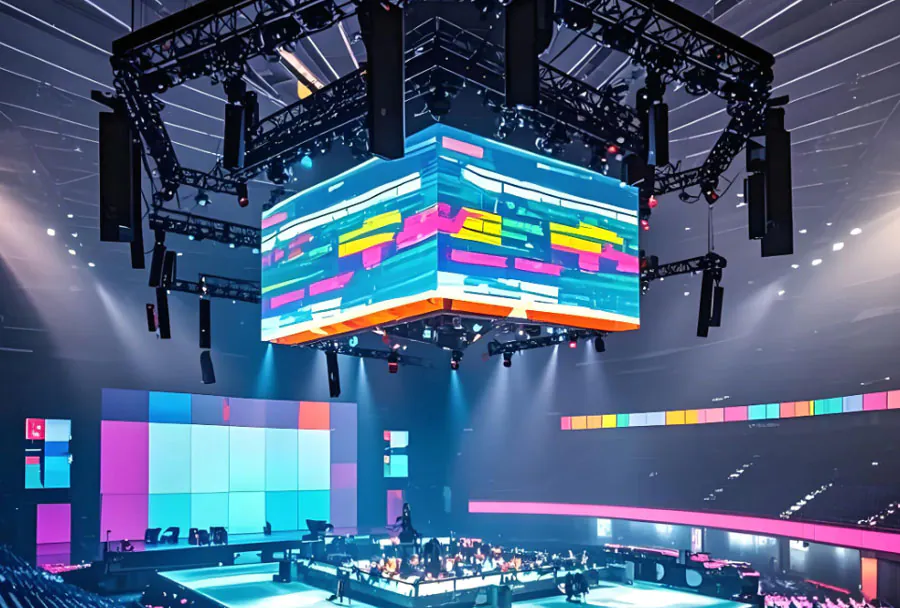
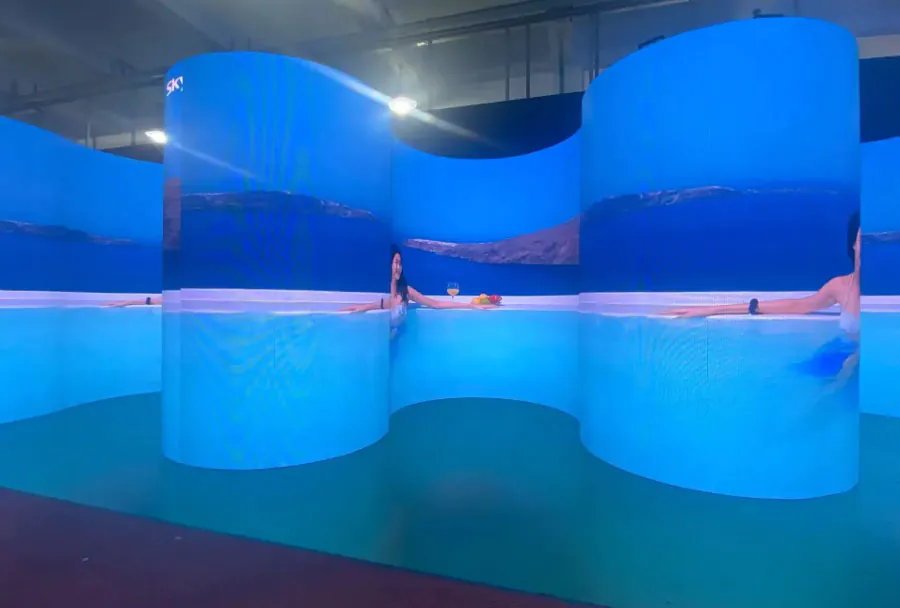
– Panoramic stage walls: Extra-wide canvases allow cinematic storytelling and brand world-building.
– Side wings and vertical totems: Extending brand identity beyond the center screen improves visibility from different angles.
– 3D and layered visuals: Strategic content design can create depth, making the stage feel larger and more dynamic.
– Hybrid setups: Combining LED backdrops with physical stage elements, lighting, and scenic design for a high-end look.
These approaches help brands create “signature moments”—the kind of visuals that get photographed, shared, and remembered.
Planning Checklist: Getting the Most from a Rental LED Display Screen
To ensure your Rental LED Display Screen for Stage Background and Event Branding delivers results, consider this planning checklist:
– Confirm venue measurements, rigging points, and load limits.
– Decide whether the screen is mainly for live audience, cameras, or both.
– Prepare content in the correct resolution and aspect ratio.
– Schedule rehearsal time for playback cues and transitions.
– Plan for sponsor rotations, intermission loops, and emergency slides.
– Align lighting design with LED brightness to avoid washed-out visuals.
– Ensure redundancy for critical events (power, signal, playback).
When these elements are planned early, the LED screen becomes a smooth extension of the show—not a technical challenge on event day.
A Smarter, More Powerful Way to Build Stage Presence
A Rental LED Display Screen for Stage Background and Event Branding is one of the most versatile tools in modern event production. It supports stronger storytelling, cleaner brand presentation, and the flexibility needed for fast-changing event schedules. Whether your goal is to impress a live audience, produce high-quality broadcast visuals, or maximize sponsor value, rental LED screens offer a scalable solution without the commitment of permanent installation.
With professional planning, tailored content, and reliable onsite execution, TW VISION helps event teams transform stages into branded experiences that audiences can see, feel, and remember.