

digital poster display: 5 Best : guide, uses, and benefits

Introduction
A digital poster display has become one of the most effective tools for modern visual communication. Businesses, schools, hospitals, retailers, and event organizers use this technology to share dynamic content, attract attention, and update messages in real time. Unlike static printed signage, a digital poster offers flexibility, sharper presentation, and better audience engagement across many environments.
Table of Contents
- Introduction
- What Is a digital poster display and How Does It Work?
- Key Benefits of Using a digital poster display for Business
- 1. Real-time content updates
- 2. Stronger audience engagement
- 3. Cost savings over time
- 4. Better brand consistency
- 5. Space-efficient communication
- 6. Data-driven improvement
- Best Places and Industries for digital poster display Solutions
- Retail stores
- Restaurants and cafés
- Hotels and hospitality venues
- Corporate offices
- Healthcare facilities
- Education campuses
- Transport hubs and public venues
- How to Choose the Right digital poster display
- Screen size and orientation
- Brightness and visibility
- Resolution and image quality
- Commercial-grade durability
- Content management software
- Connectivity and integration
- Installation style
- Total cost of ownership
- Content Strategy and Best Practices for digital poster display Success
- Keep messaging simple
- Design for portrait format
- Use motion carefully
- Schedule content by time and context
- Prioritize readability
- Refresh content regularly
- Align content with goals
- Measure and improve
- FAQ About digital poster display
- What is a digital poster display used for?
- Is a digital poster display better than printed posters?
- Where should I place a digital poster display?
- How much does a digital poster display cost?
- Can a digital poster display be updated remotely?
- What content works best on a digital poster display?
- Conclusion
As more organizations invest in digital signage, understanding how to choose, use, and optimize the right screen is essential. From boosting in-store promotions to improving visitor navigation, this solution supports both marketing and information delivery. In this guide, you will learn how a digital poster works, where it performs best, what features matter most, and how to maximize return on investment with the right strategy.
What Is a digital poster display and How Does It Work?
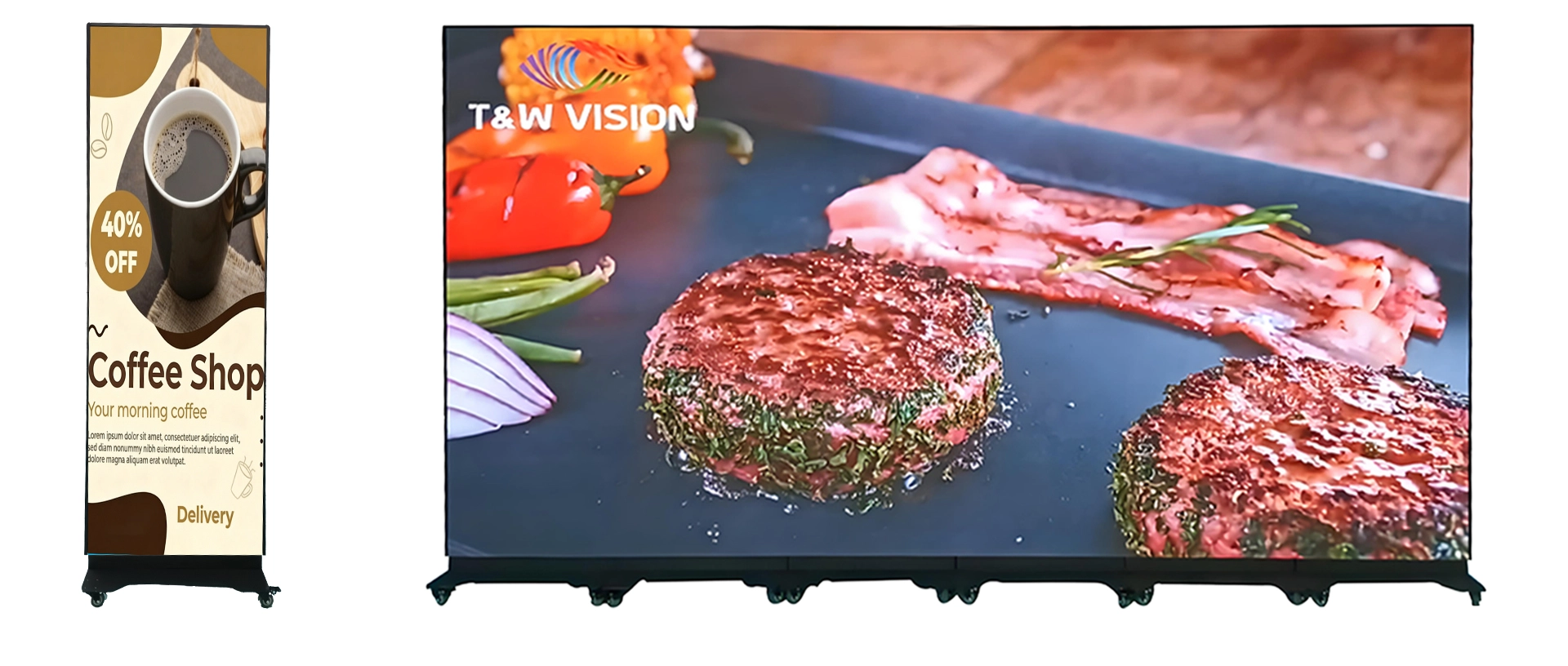
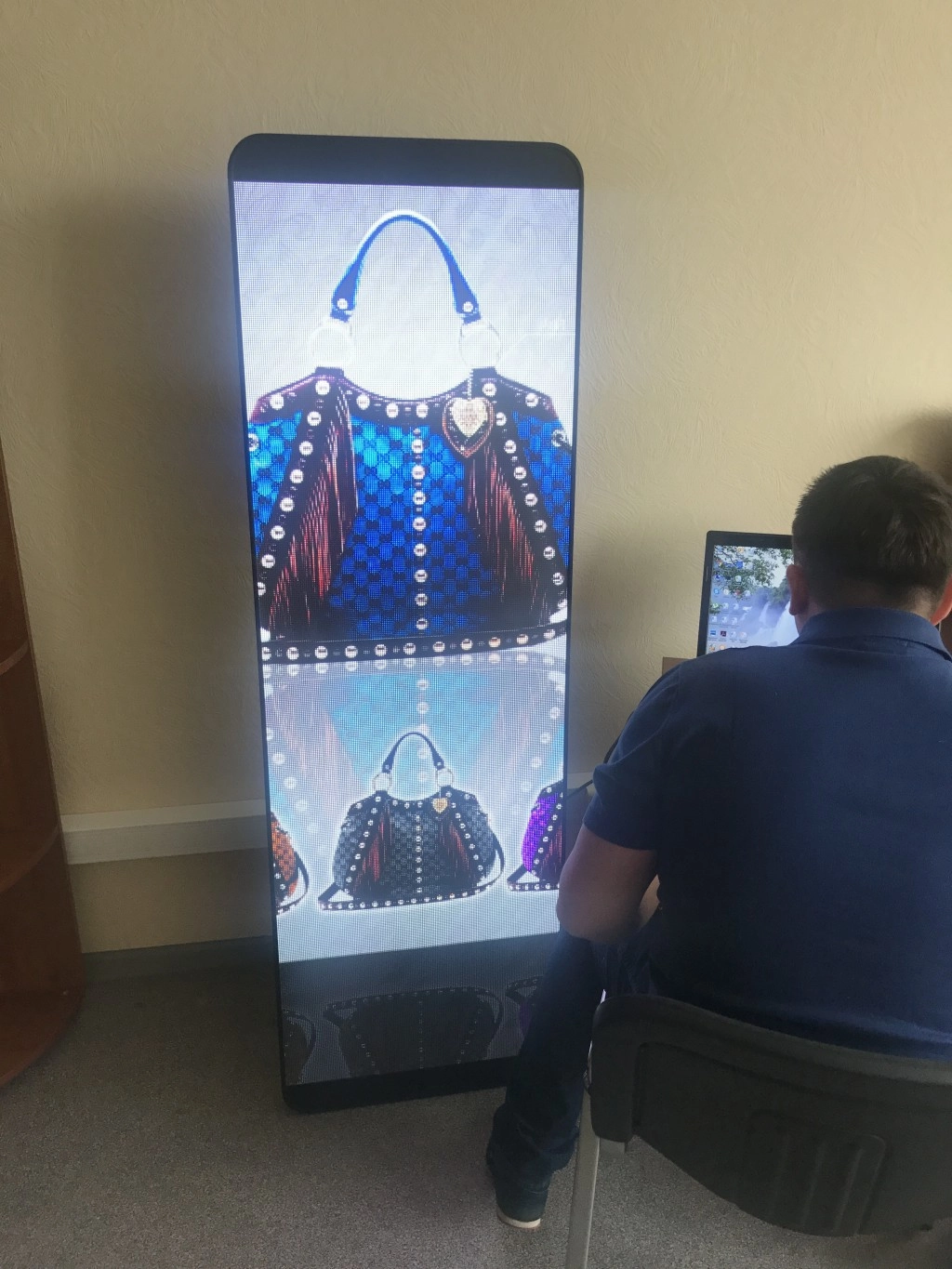
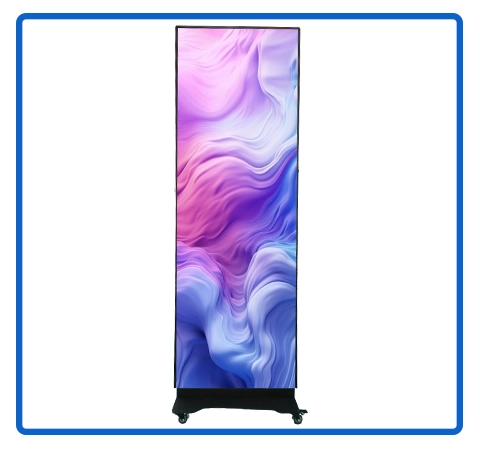
A digital poster is a vertically oriented digital signage screen designed to present advertising, announcements, branded visuals, or informational content in a highly visible format. It typically resembles the dimensions and orientation of a traditional printed poster, but it uses an LCD, LED, or similar commercial-grade screen to deliver moving, rotating, or interactive media.
The core advantage of this format is content flexibility. Instead of printing and replacing posters repeatedly, users can upload new graphics, videos, menus, schedules, or notices through content management software. This allows one screen to serve many purposes throughout the day. For example, a retail store can promote a morning offer, announce a lunchtime discount, and feature evening specials without physically changing any material.
Most solutions include a display panel, a media player or integrated system-on-chip, software for content scheduling, and network connectivity such as Wi-Fi, LAN, or cloud access. Once content is loaded, administrators can control one screen or an entire network from a central dashboard. This is particularly useful for franchises, campuses, airports, and corporate buildings where messaging must remain consistent across locations.
Another reason organizations choose this technology is visual impact. Motion graphics and bright, high-resolution screens naturally attract more attention than static signs. In high-footfall environments, that increased visibility can directly influence purchasing decisions, visitor behavior, and brand perception.
A well-placed poster can also support operational efficiency. Instead of relying on staff to replace signage manually, teams can automate updates in seconds. This not only saves time but also reduces printing costs and waste, making the system both practical and more sustainable in the long term.
Key Benefits of Using a digital poster display for Business
The popularity of the the approach is driven by its ability to combine marketing power with practical communication benefits. Whether used in hospitality, education, healthcare, or retail, this format offers clear advantages over traditional printed posters.
1. Real-time content updates
One of the biggest benefits is instant content control. Businesses can update promotions, event schedules, room bookings, directions, or emergency notices as needed. This is especially valuable in fast-changing environments where timing matters.
2. Stronger audience engagement
Movement, animation, and video capture attention more effectively than still images. A professionally designed screen can increase dwell time and encourage viewers to absorb more of the message. In customer-facing spaces, this may lead to improved conversion rates and stronger brand recall.
3. Cost savings over time
Although the initial investment is higher than printing a poster, long-term costs are often lower. Companies reduce recurring printing expenses, shipping fees, and labor associated with replacing outdated signage. Over time, a it can deliver meaningful savings, particularly for organizations that update content frequently.
4. Better brand consistency
When teams manage content centrally, they can ensure logos, colors, campaigns, and messaging remain aligned across all locations. This is important for multi-site businesses that want a professional and unified customer experience.
5. Space-efficient communication
Because the screen is typically slim and vertical, it fits well in entrances, corridors, checkout zones, waiting areas, and elevator lobbies. It provides high-impact messaging without requiring a large installation footprint.
6. Data-driven improvement
Modern signage platforms often provide playback reports, scheduling analytics, and integration with sensors or audience measurement tools. These insights help organizations refine messaging and improve campaign performance.
A digital poster is also versatile enough to support both promotional and non-promotional roles. In one setting it may advertise products, while in another it may guide visitors, educate patients, or reinforce internal communications. That flexibility increases the value of each deployed screen.
Best Places and Industries for digital poster display Solutions
A digital poster can be effective in almost any public or semi-public setting, but some industries gain especially strong results due to audience flow, content needs, and visibility opportunities.
Retail stores
Retail remains one of the strongest use cases. Stores can place screens near entrances, product zones, fitting rooms, and checkout areas to promote new arrivals, seasonal sales, loyalty programs, or limited-time offers. Eye-catching visuals can influence buyers at critical decision points.
Restaurants and cafés
Food service businesses use digital signage to highlight specials, combo offers, and featured menu items. A vertical screen near the entrance or ordering point can also improve upselling and reduce the perceived wait time by keeping customers visually engaged.
Hotels and hospitality venues
Hotels often use displays in lobbies, elevators, conference areas, and reception spaces. Content may include event schedules, wayfinding information, welcome messages, local attractions, and branded promotions. In these environments, a they can improve both guest experience and operational communication.
Corporate offices
In office settings, screens support internal communication, visitor information, meeting announcements, employer branding, and company updates. They are useful in reception areas, break rooms, and lift lobbies where staff and guests naturally pause.
Healthcare facilities
Hospitals, clinics, and medical centers benefit from clear, updatable messaging. Screens can share appointment guidance, department directions, wellness tips, health campaigns, and emergency notices. Digital communication also helps reduce confusion in busy environments.
Education campuses
Schools, colleges, and universities use signage for announcements, event promotions, schedules, deadlines, and directional support. Because information changes frequently, digital systems are often far more practical than printed posters.
Transport hubs and public venues
Airports, train stations, stadiums, museums, and exhibition centers require timely communication for large groups of people. Digital signage helps manage crowd flow, deliver updates, promote services, and maintain a modern visitor experience.
No matter the industry, success depends on placement, content relevance, brightness, and timing. When these elements align, a digital poster becomes a powerful communication asset rather than just another screen on the wall.
The followed video will tell you what a good led banner looks like and what kind of function it need.
How to Choose the Right digital poster display
Selecting the right the approach requires more than comparing screen sizes. The best option depends on your location, audience, content strategy, and budget. A careful evaluation at the start can prevent expensive mistakes later.
Screen size and orientation
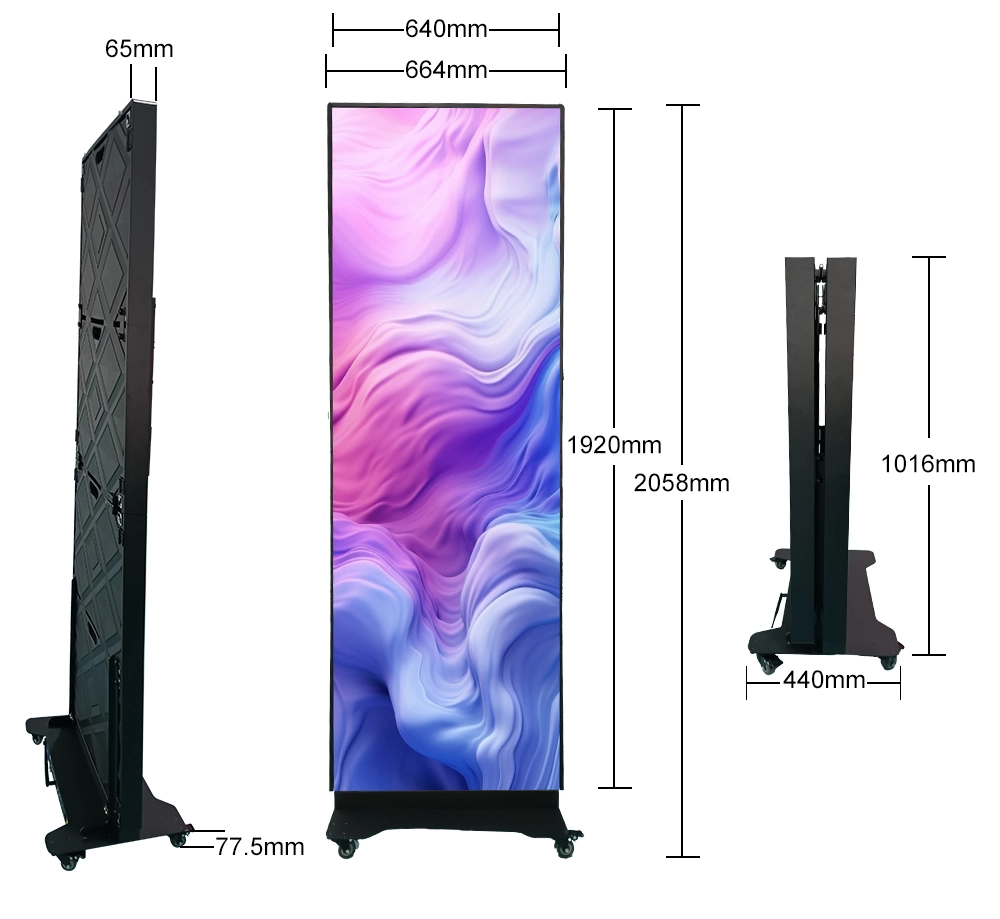
Most poster-style screens are designed for portrait use, but dimensions still vary. Choose a size that suits viewing distance and available space. A compact unit may work well in a boutique shop, while a larger display may be necessary in a mall corridor or hotel lobby.
Brightness and visibility
Brightness is a critical factor. Indoor environments usually require lower brightness than storefront windows or sunlit entrances. If glare or daylight is present, choose a commercial display with enough luminance to keep content readable throughout the day.
Resolution and image quality
High resolution improves text clarity, brand presentation, and overall professionalism. Full HD is common, but 4K may be worthwhile for premium environments or highly detailed content. Sharp visuals matter when the goal is to attract attention quickly.
Commercial-grade durability
Consumer TVs are not built for continuous signage use. A dedicated it is designed for longer operating hours, better heat management, and greater reliability. This is important for businesses that run content all day, every day.
Content management software
The software experience can be as important as the hardware. Look for a system that supports remote updates, scheduling, templates, playlists, user permissions, and reporting. Easy-to-use software reduces staff training time and improves campaign execution.
Connectivity and integration
Check whether the display supports Wi-Fi, Ethernet, USB, cloud platforms, and third-party integrations. Some organizations benefit from linking signage to social feeds, POS systems, room booking tools, or emergency messaging platforms.
Installation style
Freestanding units are popular for entrances and temporary campaigns, while wall-mounted options suit tighter spaces. Consider traffic flow, access to power, cable management, and maintenance requirements before installation.
Total cost of ownership
Beyond the purchase price, evaluate software licensing, installation, support, content creation, maintenance, and replacement planning. The cheapest screen is not always the best long-term value.
Choosing the right led poster means balancing performance, durability, ease of management, and visual impact. The most successful buyers treat it as part of a communication system rather than a standalone device.
Content Strategy and Best Practices for digital poster display Success
Even the best hardware will underperform without strong content. A digital poster succeeds when the message is visually clear, strategically timed, and tailored to the audience in front of it.
Keep messaging simple
People often view signage while walking, waiting briefly, or multitasking. That means content should be easy to grasp in a few seconds. Use short headlines, limited text, bold visuals, and a clear call to action.
Design for portrait format
Because poster displays are usually vertical, layouts should be built specifically for portrait orientation. Avoid simply cropping landscape graphics. Create content that uses vertical space intelligently, with strong hierarchy and balanced composition.
Use motion carefully
Animation can attract attention, but too much movement can distract or confuse. Subtle transitions, short loops, and focused motion cues tend to perform better than overly busy visuals.
Schedule content by time and context
Different messages may work better at different times of day. Breakfast promotions, afternoon reminders, evening events, and weekend campaigns can all be scheduled automatically. Context-aware programming makes a they far more effective than a static sign.
Prioritize readability
Use high-contrast colors, large fonts, and uncluttered layouts. If viewers cannot read the screen quickly from the intended distance, the message will fail regardless of how attractive the design looks.
Refresh content regularly
Repeated content loses impact over time. Keep messaging current with new visuals, seasonal themes, updated offers, or rotating informational slides. Frequent refreshes help maintain attention and communicate that the business is active and responsive.
Align content with goals
Every screen should have a purpose. Some aim to increase sales, others reduce confusion, build brand awareness, support wayfinding, or inform staff. Defining that goal in advance helps shape both creative direction and success metrics.
Measure and improve
Track outcomes such as sales lift, customer inquiries, foot traffic behavior, event attendance, or engagement duration where possible. The more you learn from performance data, the better you can optimize future content.
When content planning is treated seriously, a the concept becomes more than a decorative screen. It becomes a measurable communication channel that supports both customer experience and business growth.
FAQ About digital poster display
What is a digital poster display used for?
A the approach is used for advertising, promotions, announcements, wayfinding, branding, and real-time information sharing. Businesses and institutions deploy it in public-facing areas to communicate visually with greater flexibility than printed posters.
Is a digital poster display better than printed posters?
In many cases, yes. A it allows instant updates, motion graphics, scheduling, and long-term savings on printing and replacement costs. Printed posters may still suit very small budgets, but digital options provide more flexibility and impact.
Where should I place a digital poster display?
The best placement depends on audience flow. High-visibility areas such as entrances, waiting zones, lobbies, checkout points, corridors, and reception spaces usually work well. A digital poster display should be positioned where people naturally slow down or gather.
How much does a digital poster display cost?
Pricing varies based on size, brightness, software, mounting type, and commercial-grade features. Entry-level models may be affordable for small businesses, while premium units with advanced software and higher brightness cost more. The total investment should include hardware, software, installation, and content creation.
Can a digital poster display be updated remotely?
Yes. Most modern systems include software that allows remote content updates, scheduling, and screen management. This makes a digital poster display especially useful for businesses with multiple locations or frequently changing messages.
What content works best on a digital poster display?
Short headlines, bold visuals, limited text, promotions, announcements, and branded messaging usually perform best. A digital poster display should show content designed for quick viewing, with strong readability and a clear purpose.
Conclusion
A digital poster display is a smart investment for organizations that want more engaging, flexible, and efficient visual communication. It supports real-time updates, stronger branding, lower long-term printing costs, and better audience engagement across many industries. From retail and hospitality to healthcare and education, the format offers a practical way to modernize how information and promotions are delivered.
The key to success lies in choosing the right hardware, placing it strategically, and pairing it with clear, well-designed content. When managed effectively, a digital poster display can do far more than replace a printed sign. It can enhance customer experience, improve communication, and contribute directly to business goals in a measurable and scalable way.
