front service vs rear service LED display: 8 Best guide

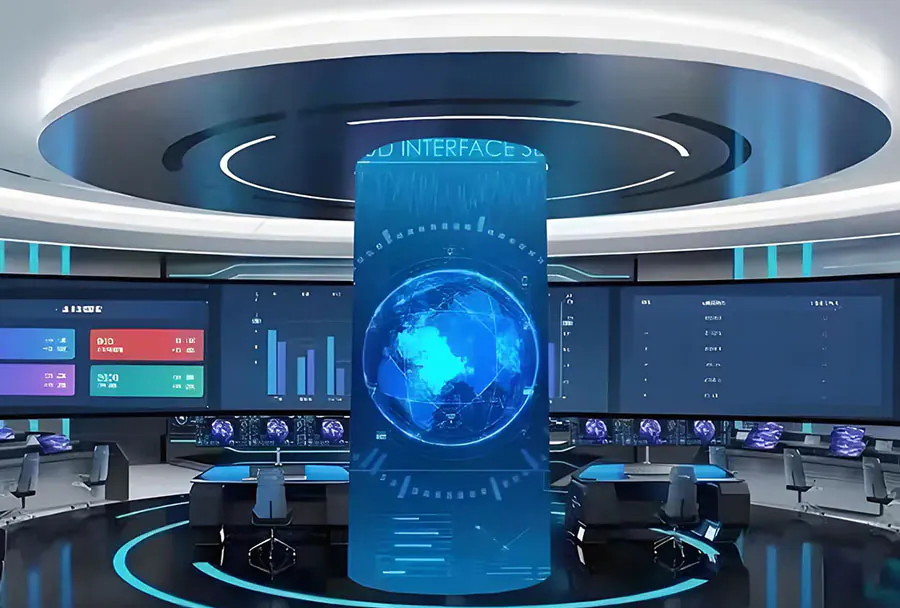
Choosing the right LED display configuration can affect installation cost, maintenance efficiency, wall clearance, service downtime, and long-term return on investment. When comparing front service vs rear service LED display options, buyers often focus on image quality first, but service access is just as important. The way technicians reach power supplies, receiving cards, modules, and cables can determine whether a display is practical for a retail wall, control room, stage, roadside billboard, or fixed outdoor installation.
Table of Contents
- What front service vs rear service LED display means
- Key differences in installation, maintenance, and cost
- Installation space
- Maintenance workflow
- Cost considerations
- Downtime and labor
- Safety and accessibility
- Best applications for each LED display type
- Best uses for front service LED displays
- Best uses for rear service LED displays
- Hybrid and dual-service options
- How to choose the right solution for your project
- 1. Check available space
- 2. Define maintenance frequency
- 3. Consider screen size and placement
- 4. Evaluate total project cost
- 5. Match to the environment
- 6. Ask about component-level servicing
- 7. Verify technician skill and tools
- 8. Plan for future upgrades
- Common misconceptions buyers should avoid
- Misconception 1: Front service is always better
- Misconception 2: Rear service means outdated technology
- Misconception 3: Service type affects image quality most
- Misconception 4: Front access always lowers maintenance cost
- Misconception 5: Rear access needs too much space for all projects
- Misconception 6: One solution fits every industry
- FAQ
- What is the main difference in front service vs rear service LED display systems?
- Which is better for wall-mounted installations: front service vs rear service LED display?
- Is front service vs rear service LED display an important decision for outdoor screens?
- Does front service vs rear service LED display affect project cost?
- Can I choose a hybrid option instead of front service vs rear service LED display?
- Conclusion
This guide explains the differences, strengths, limitations, and best-use scenarios for both service methods. If you are evaluating this systems for a new project or upgrade, understanding cabinet design, maintenance workflow, and site constraints will help you make a smarter decision. Below, we break down the topic in a clear, practical way so you can choose the best fit for performance, budget, and maintenance needs.
Followed is a video about front serivce cabinet from TW VISION.
What front service vs rear service LED display means
To understand these options, you first need to know what “service” means in LED display terminology. Service refers to how maintenance teams access internal components of the LED screen. These parts may include LED modules, power supplies, receiving cards, control systems, hub boards, and connecting cables.
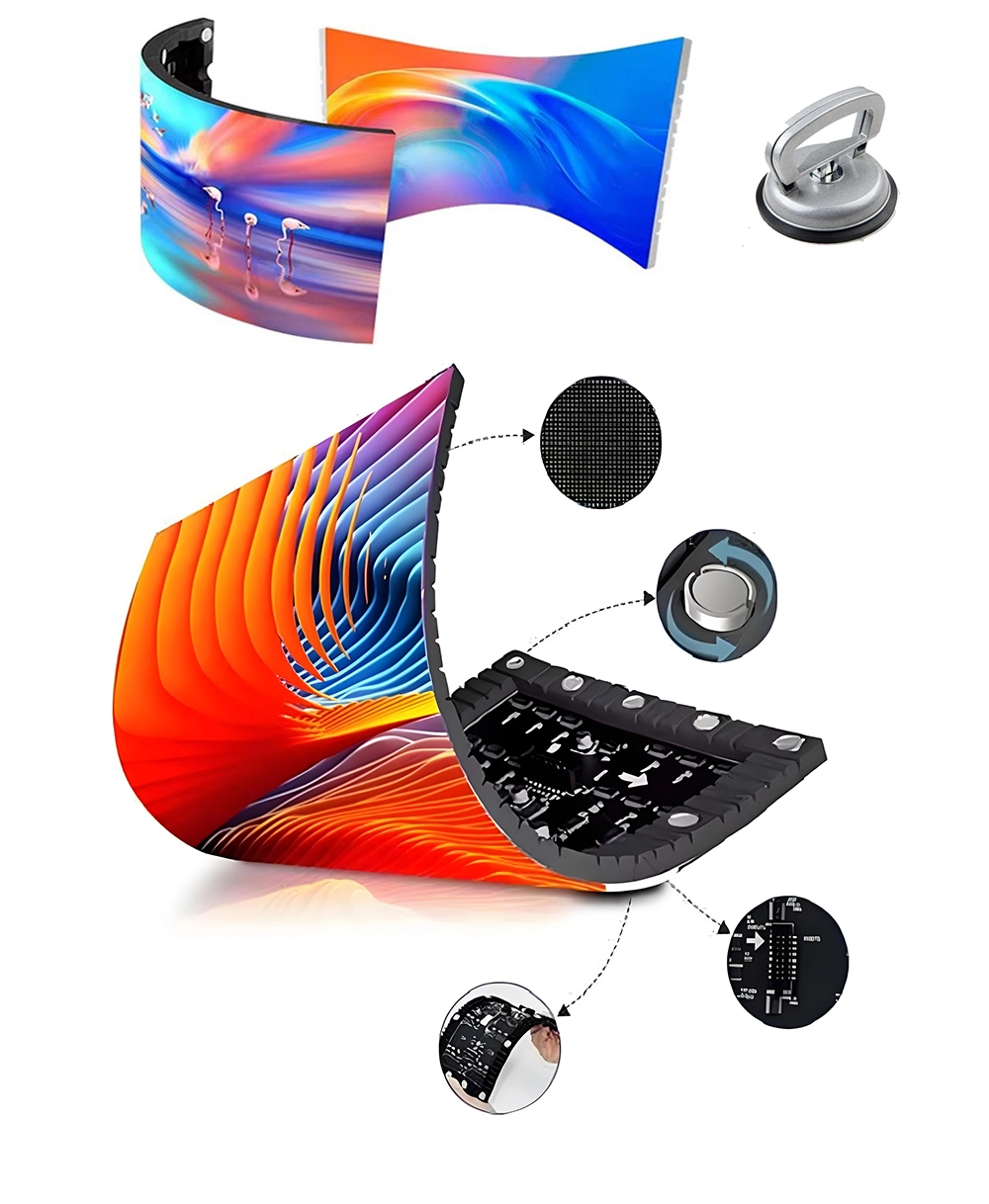
A front service LED display is designed so technicians can remove modules and key components from the front side of the screen. This often involves magnetic LED modules, vacuum tools, or front-access cabinet mechanisms. Front service designs are ideal when there is little or no space behind the display, such as wall-mounted indoor video walls, shopping malls, corporate lobbies, and broadcast studios.
A rear service LED display, by contrast, requires access from the back of the cabinet. Technicians walk behind the display to replace parts or inspect components. This design is common in larger fixed installations where there is enough maintenance space behind the screen, such as outdoor billboards, stage backdrops, and some sports venue displays.
When discussing front and rear service, the biggest difference is not visual output but maintenance accessibility. Both can deliver strong brightness, contrast, refresh rate, and color performance depending on the product grade. The service style mainly affects installation flexibility, labor time, and site planning.
Another important point in the the concept comparison is structural design. Front-access cabinets are often engineered for tighter spaces and cleaner wall integration. Rear-access systems may be mechanically simpler in some cases, which can reduce initial product cost. However, they require service corridors or enough rear clearance, which can raise total installation expense.
In practical terms, the right choice depends on where the screen will be installed, how often maintenance is expected, and how much access space the project allows. A premium boardroom display might strongly favor front access, while a giant outdoor sign with rear catwalk access might make rear service more efficient.
Key differences in installation, maintenance, and cost
The most useful way to evaluate the approach systems is to compare them across installation conditions, maintenance procedures, and overall cost. These three areas usually determine which option makes the most operational sense.
Installation space
Front service displays are ideal for locations with limited rear clearance. If a screen is mounted directly on a wall or integrated into architectural finishes, front access may be the only workable solution. This can save space and create a sleek, low-profile result. In many modern commercial interiors, this is a major advantage.
Rear service displays require room behind the cabinets. That means the design must include a service path, rear chamber, or structural access area. In large venues, this may not be a problem. But in tighter indoor environments, the extra space requirement can become costly or impossible.
Maintenance workflow
A major factor in it selection is the speed and convenience of maintenance. Front service screens allow a technician to replace faulty modules from the visible side of the display. This can be fast and efficient, especially in locations where rear entry is blocked.
Rear service screens can also be easy to maintain if the site includes safe and comfortable back access. For large-format outdoor displays, rear maintenance often gives technicians more room to work with internal electronics. In some cases, handling power supplies and cards from the back may be more straightforward than removing front modules.
Cost considerations
Product pricing varies by manufacturer, but front service systems can sometimes cost more because of specialized cabinet engineering, magnetic module design, and compact service architecture. However, lower installation space requirements can offset that added expense.
Rear service systems may seem less expensive at the product level, yet the need for rear access walkways, support structures, or service platforms can increase total project cost. That is why a complete front service vs rear service comparison should always include both product cost and site construction cost.
Downtime and labor
Downtime matters for advertising screens, retail environments, and mission-critical control rooms. Front service displays can minimize disruption if technicians can quickly access and replace a problem module without disassembling surrounding structures. Rear service displays can be just as effective when rear access is properly planned, but they depend more heavily on the installation layout.
Safety and accessibility
For high-mounted outdoor screens, maintenance safety is crucial. Rear access can be safer if catwalks and platforms are already in place. For indoor wall-mounted displays, front service may eliminate the need to remove the screen or open wall sections. In many projects, safety planning is one of the most overlooked parts of the these decision.
Best applications for each LED display type
The best choice in the front service vs rear service LED display debate depends heavily on application. Different environments create different service challenges, and matching the screen type to the setting is essential.
Followed is TW VISION totally front service rental led display video.
Best uses for front service LED displays
Front service LED displays are especially well suited for:
– Corporate meeting rooms
– Retail stores
– Shopping malls
– TV studios
– Hotel reception areas
– Museums
– Airports
– Wall-mounted indoor video walls
These environments often demand a clean installation with minimal depth. Because there may be no rear walkway, front access is the logical solution. For premium interiors, front service also supports a more elegant finish because the display can sit close to the wall.
In many commercial environments, the concept analysis leads directly to front access because space is expensive. Building owners do not want to sacrifice usable square footage just to leave room behind a screen.
Best uses for rear service LED displays
Rear service LED displays are often preferred for:
– Outdoor billboards
– Highway signs
– Stadium perimeter boards
– Large stage installations
– Building façade screens
– Fixed outdoor advertising structures
– Some rental and touring applications
In these cases, there is often a structural frame, access platform, or back corridor already included in the design. That makes rear maintenance practical. For very large displays, technicians may appreciate the room to work behind cabinets rather than servicing everything from the front.
When comparing the approach solutions for outdoor projects, weather exposure also matters. Some outdoor front-service products are excellent, but rear-access designs remain common because large outdoor structures are often built with maintenance access in mind from the beginning.
Hybrid and dual-service options
Some manufacturers offer cabinets with both front and rear service capability. These dual-access systems provide flexibility, especially in projects where future maintenance conditions may change. While they can be more expensive, they may solve complex architectural requirements. In a detailed front service VS rear service led display evaluation, hybrid systems are worth considering if the budget allows and the installation demands extra versatility.

How to choose the right solution for your project
Making the right decision in this planning requires more than comparing catalog features. You need to evaluate the real conditions of the project site, the expectations for maintenance, and the long-term operating model.
1. Check available space
Start by measuring how much clearance exists behind the display. If there is no safe or usable rear access, front service is usually the better option. This single factor eliminates many unsuitable designs early in the buying process.
2. Define maintenance frequency
How often will the display be serviced? High-use commercial screens and mission-critical displays benefit from easy access. If uptime is a priority, choose the format that allows the fastest intervention with the least disruption.
3. Consider screen size and placement
A small indoor boardroom display has very different service needs than a 200-square-meter roadside LED billboard. In a these comparison, size affects both labor and service practicality. Large screens may be easier to manage with rear access if the structure is designed for it.
4. Evaluate total project cost
Do not focus only on display cabinet price. Include:
– Mounting structure
– Installation labor
– Access space construction
– Service equipment
– Future maintenance labor
– Potential downtime cost
This broader view often changes the result. A front-service display may cost more upfront but save money by eliminating the need for rear maintenance corridors.
5. Match to the environment
Indoor applications often prioritize thin form factor, aesthetics, and limited installation space. Outdoor applications often prioritize durability, access safety, and structural maintenance planning. The best they decision reflects these environmental demands.
6. Ask about component-level servicing
Not all front-service or rear-service products are equally convenient. Some allow front removal of only modules, while others permit front access to power supplies and receiving cards as well. Ask suppliers exactly which components are serviceable from which side.
7. Verify technician skill and tools
Front service maintenance may require specific tools such as suction devices or magnetic extraction tools. Rear service may require platforms, ladders, or protected maintenance paths. Be sure your operations team can support the chosen system.
8. Plan for future upgrades
A screen installed today may need upgrades later. As you assess front service vs rear service LED display options, consider whether the cabinet design will make future module replacement, calibration, or component modernization easier.
Common misconceptions buyers should avoid
Many buyers oversimplify the front service vs rear service LED display decision. That can lead to expensive mistakes. Here are some common misconceptions to avoid.
Misconception 1: Front service is always better
Front service is excellent for tight spaces, but it is not automatically superior in every project. If a large outdoor structure already has safe rear access, rear service may be more practical and cost-effective.
Misconception 2: Rear service means outdated technology
Rear service is still widely used in many professional installations. It remains a strong option for large-format screens and outdoor applications where back access is easy and efficient.
Misconception 3: Service type affects image quality most
In the front service vs rear service LED display conversation, service type is mainly about maintenance access. Image quality depends more on pixel pitch, LED quality, driver ICs, calibration, brightness, grayscale performance, and refresh rate.
Misconception 4: Front access always lowers maintenance cost
It can, but not always. Maintenance cost depends on failure rate, technician availability, access safety, replacement process, and the exact cabinet design. Some front-service systems are highly efficient; others are more complex than expected.
Misconception 5: Rear access needs too much space for all projects
Some installations naturally include rear corridors, support frames, or catwalks. In those cases, rear service is not a burden at all. The right answer depends on project architecture, not assumptions.
Misconception 6: One solution fits every industry
Retail, broadcasting, transportation, control rooms, sports venues, and outdoor advertising all have different priorities. A good front service vs rear service LED display decision is industry-specific and site-specific.

FAQ
What is the main difference in front service vs rear service LED display systems?
The main difference in front service vs rear service LED display systems is how technicians access internal components. Front service allows maintenance from the display face, while rear service requires access behind the screen.
Which is better for wall-mounted installations: front service vs rear service LED display?
For wall-mounted installations, front service vs rear service LED display comparisons usually favor front service because there is often little or no space behind the screen for maintenance access.
Is front service vs rear service LED display an important decision for outdoor screens?
Yes, front service vs rear service LED display planning is very important for outdoor screens because access safety, structural design, and maintenance workflow can strongly affect operating cost and repair efficiency.
Does front service vs rear service LED display affect project cost?
Yes. In a front service vs rear service LED display project, total cost depends on both the display product and the installation environment. Front service may raise cabinet cost, while rear service may increase structural and access-space cost.
Can I choose a hybrid option instead of front service vs rear service LED display?
Some suppliers offer dual-access solutions. If your project has changing maintenance conditions or complex architectural requirements, a hybrid approach may be a useful alternative to a strict front service vs rear service LED display choice.
Conclusion
The best answer to front service vs rear service LED display depends on your installation space, maintenance strategy, budget, and operating environment. Front service is usually the top choice for wall-mounted indoor applications, premium interiors, and any project with limited rear clearance. Rear service remains highly effective for large outdoor screens, billboard structures, and installations with built-in maintenance access.
Instead of asking which option is universally better, ask which one fits your site conditions and long-term service needs. A smart front service vs rear service LED panel decision balances cabinet design, technician access, total cost, safety, and uptime. If you evaluate those factors carefully, you will choose an LED display system that performs well not only on day one, but throughout its full service life.