

Drive-In Movie Screen: Types, Sizing, Installation and Care

A drive-in movie screen is the piece of equipment that decides whether an outdoor screening feels magical or merely dim. Size, surface, support structure and site all shape what the audience sees from a car, a lawn chair or the back of a field.
Screen choice also drives cost and safety: wind loading, anchoring, storage and maintenance all follow from the type you buy. This guide compares the main options, explains sizing and materials, covers installation and care, and adds the LED alternative now used at many outdoor venues.
Table of Contents
- 1. Why a Drive-In Movie Screen Decides the Show
- 2. Permanent, Inflatable, Truss and DIY Options
- 3. Sizing, Material and Aspect Ratio
- 4. Site Orientation, Light and Budget
- 5. Installation, Anchoring and Tensioning
- 6. Cleaning, Storage and Projector Pairing
- 7. When an LED Video Wall Replaces the Projection Screen
- 8. Commercial, Community and Backyard Uses
- 9. Frequently Asked Questions
- 10. Conclusion
Why a Drive-In Movie Screen Decides the Show
A drive-in movie screen is more than a white surface. It controls brightness, contrast, colour and how much of the picture holds up at wide angles, and outdoors those factors are much harder to manage than inside a cinema.
The right surface lets the projector perform. A poor one washes out the image, softens detail or creates a hot spot in the centre that leaves the edges dull. For commercial operators that shows up in complaints and repeat visits; for families it becomes a night of fiddling instead of watching.
Audience scale changes the design. Outdoor crowds sit in cars, on chairs or across a field, so height, width and aspect ratio must stay readable from the farthest row. Weather adds another layer: wind, moisture, UV and temperature swings punish light structures and weak tensioning.
The screen is also the venue’s identity. A taut, well-built frame reads as professional before the first frame appears, which matters when neighbours, sponsors and first-time visitors are judging the site from the road.
Outdoor viewing brings limits an indoor theatre never faces: cars parked at different angles, headlights, distant street lamps and a sky that stays bright past showtime. Each one eats contrast, so the screen and its placement must compensate before the projector is even switched on.
Permanent, Inflatable, Truss and DIY Options
Four families cover most projects, and each fits a different budget and calendar. Compare them on setup labour, wind tolerance, storage and lifespan, not only on purchase price.
Permanent steel-frame screens
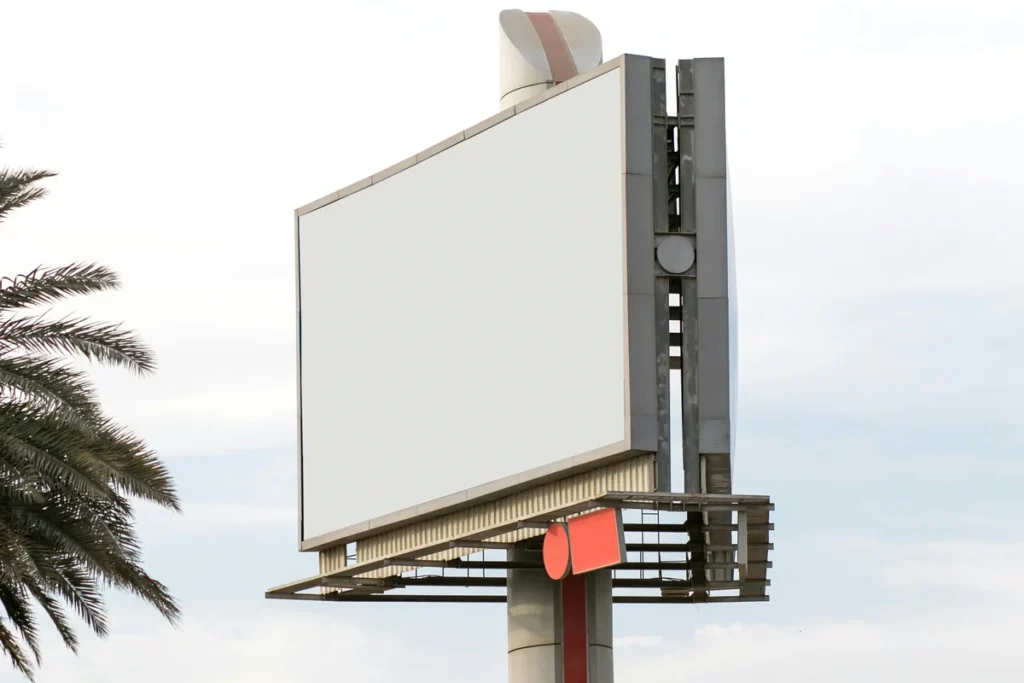
Fixed steel frames suit commercial drive-ins and year-round venues. They support very large surfaces, hold tension well and tolerate weather when engineered for local wind loads. They also need engineering, permits and professional installation, so cost and lead time are highest.
Because such a frame stays up all year, it carries real design responsibility: wind load, foundations, drainage and periodic inspection. That engineering keeps a large surface stable through storms.
Inflatable screens
Inflatable screens travel easily and set up fast for festivals, schools and backyard nights. Many kits include blower, tie-downs and a storage bag. They struggle in gusty conditions, and cheaper fabrics wrinkle or wear sooner. The blower also runs continuously, and a deflated screen in wind becomes a hazard rather than a display.
Truss and frame systems
Modular truss sits between the two: a professional look, repeat assembly and larger surfaces than most inflatables. Event companies favour it because it balances strength with transportability, at the cost of labour and careful anchoring on every build. Budget transport, crew and rigging time for each move, and inspect every connection when the system is rebuilt.
DIY backyard screens
Home-built frames from timber or PVC work for small private events. Material choice decides the result: bedsheets and hardware-store tarps rarely project well, while proper screen fabric with real tensioning looks far better. A frame that leans, a surface that flaps or an anchor that pulls out can injure someone, so treat the build like any other outdoor structure.
Sizing, Material and Aspect Ratio
Selecting a drive-in movie screen starts with the farthest viewer, not the biggest catalogue number. Too small and the back row squints; too large and the projector cannot fill it evenly.
Screen size and viewing distance
Work backwards from the last row. Choose dimensions that keep the image clear at that distance, then confirm the projector has enough output for the resulting area. Public events can justify a bigger surface with a brighter projector and stronger frame; home setups usually balance better at a moderate size. Rows parked at a wide angle to the screen also lose brightness at the edges, so the layout and the surface have to be judged together. Sizing by common formats, such as the 8 by 12 LED screen, helps when a venue has fixed parking rows.
Material and gain
Surface material decides how light reaches the audience. Wide-angle fabrics spread brightness across a field of cars; high-gain surfaces concentrate it forward and look brighter on axis but dimmer from the sides. Outdoor-rated fabric should also resist moisture, wrinkles and UV without cracking, and it should be cleanable without losing its coating.
Aspect ratio
Match the format to the content you show most. Widescreen suits films, while mixed programmes of sport, presentations and video need a compromise that avoids heavy cropping or large blank areas.
Site Orientation, Light and Budget
Placement is as important as the screen. Sunlight, streetlights and reflective surfaces all cut contrast, and a site chosen at midday may behave very differently after sunset.
Orient the surface away from the strongest evening light and check where the sun sets across the season. Lighting researchers at Rensselaer explain how ambient and reflected light reduce perceived contrast, which is why a grey-ish surface and a darker viewing area often beat a brighter projector. Open fields look ideal until wind arrives, so assess exposure before committing to a structure.
Budget has to include more than the fabric. Anchoring, projector, sound, transport, storage and replacement parts all belong in the total. A cheaper screen that needs re-tensioning every month rarely saves money over a season.
Installation, Anchoring and Tensioning
Installation quality decides both image and safety. A drive-in movie screen that is poorly positioned, loosely tensioned or inadequately anchored will disappoint even with a good projector, so level ground, clear sightlines and a sensible parking layout come first.
Check local rules early. Permanent builds may need permits, engineering approval or zoning clearance, and public temporary events often need a safety review, insurance and crowd planning.
Ground conditions change. Soil that was firm in July can soften after autumn rain, and anchor performance changes with it, so inspect the site before every season rather than trusting last year’s setup.
Anchoring is the part that cannot be improvised. Wind is the main risk in outdoor cinema, so every structure should follow manufacturer guidance and local conditions: concrete foundations for permanent frames, stakes, ballast or tie-downs for portable systems. Sudden gusts arrive faster than an audience can leave, so track forecasts through a service such as the National Weather Service and keep a shutdown plan.
Tension keeps the surface flat. Grommets, snaps or dedicated straps hold a smooth face, and tension should be checked after transport, rain or a cold night, because fabric expands and contracts with the weather.
Cleaning, Storage and Projector Pairing
Routine care extends life. Remove dust, pollen and marks with the method the manufacturer approves, and avoid harsh solvents that attack reflective coatings. A dry microfibre pass lifts dust without driving grit into the weave, and a mild soap solution handles marks when it is rinsed and dried completely.
Portable screens must be completely dry before folding. Trapped moisture causes mould, odour and fabric breakdown, so store in a cool dry place and inspect seams, grommets and hardware before each use.
Power and sound complete the system. Outdoors needs more projector output than a living room, and drive-ins traditionally rely on car audio or FM transmission while smaller events use speakers. A perfect image loses impact if nobody can hear it.
When an LED Video Wall Replaces the Projection Screen
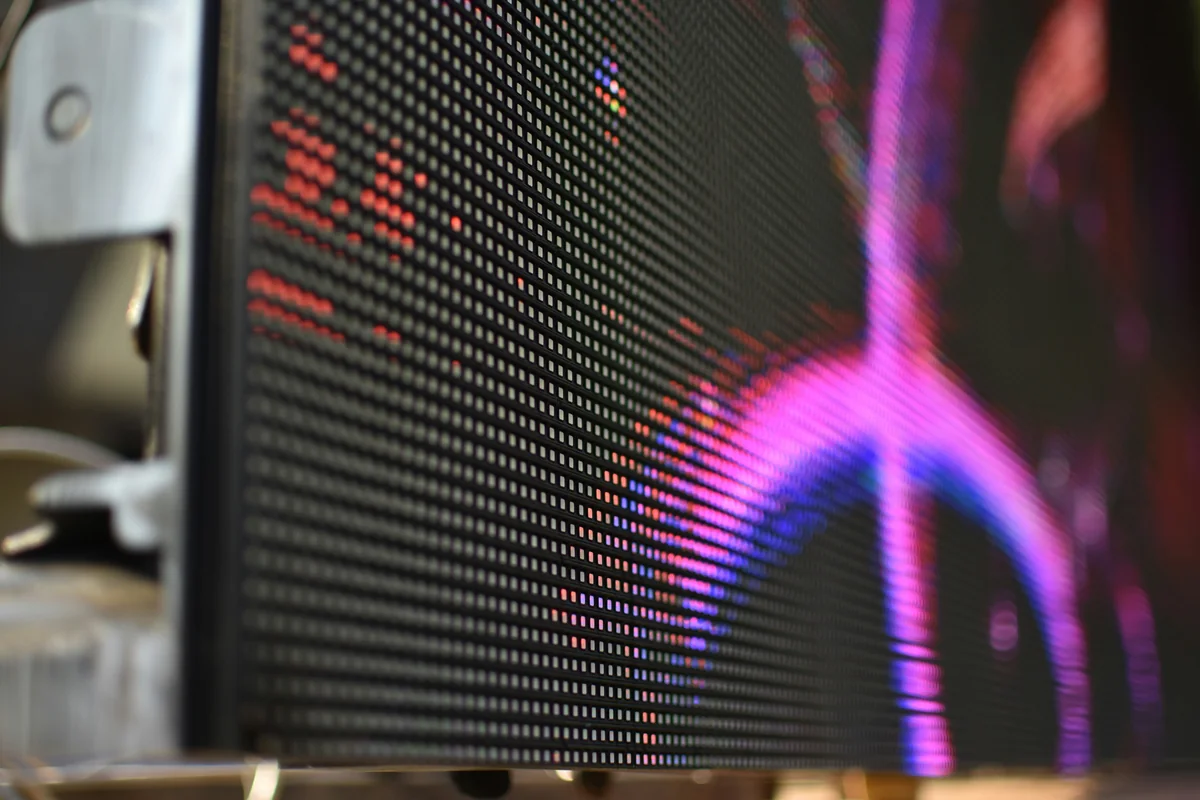
Projection depends on darkness, distance and a clean surface, which is why some venues now replace a drive-in movie screen with an emissive LED wall. A direct-view wall makes its own light, so the picture stays vivid at dusk and needs no throw distance behind the audience.
The trade-off is money and structure. An LED wall costs more per square metre than fabric and requires a certified frame, power distribution and weather protection, but it removes projector alignment, screen gain and ambient-light compromises. For a venue running screenings several nights a week, the reliability often justifies the price.
TW VISION manufactures outdoor cabinets rated for fixed installations, and the foldable P1.86 LED poster below shows how a portable emissive screen packs down for transport. Cabinet supply, power design and the interface drawings come from the factory; site build, anchoring and electrical connection stay with the owner’s licensed contractor. The Atlanta warehouse stocks the CT, LP-H and PQ lines, while outdoor and large-format cabinets are built to order. Cabinet structure and control options are covered in the LED video wall screen guide.
Commercial, Community and Backyard Uses
A drive-in movie screen serves more than a classic double feature. The same investment can carry sports nights, concerts, launches and community events, which spreads the cost across the season.
Commercial venues use them for ticketed screenings, sponsorship, private hire and seasonal programming. Restaurants, resorts and fairgrounds add outdoor projection to give visitors a reason to stay longer, and a large surface doubles as a screen for live sport and streaming.
Community groups use them for fundraisers, school events and festivals, where portability often matters more than permanence. A truss or inflatable system lets organisers repeat the event without a fixed build.
At home, backyard cinema has grown because it turns an ordinary garden into a gathering place for birthdays, game nights and weekend marathons. Plan for the next use as well: a screen bought for films may later carry sport, presentations or a neighbourhood event, so size the mounting and power for that second life.

Frequently Asked Questions
What is the best material for outdoor screening?
Durable vinyl or projection fabric made for outdoor use, with a smooth surface and weather resistance. For portable setups, prioritise wrinkle resistance, wide viewing angles and easy cleaning, because transport stresses the material more than a fixed frame does.
How big should the screen be?
Size it from the farthest row and the projector’s output. Larger audiences and longer distances need a bigger surface, but only if the projector can fill it evenly. Sizing a huge screen to a weak projector produces a dim image that looks worse than a smaller bright one.
Can I build one myself?
Yes, for personal or small-scale use. Timber or PVC frames with projection-grade fabric can work well if tensioning and stability are taken seriously. Public events and commercial sites usually justify a professional system, because wind loads and public safety carry real liability.
How much does it cost?
DIY and basic inflatable kits start in the hundreds of dollars, professional portable systems run into the thousands, and permanent commercial builds climb much higher once engineering, foundations and permits are included. Compare total ownership, not sticker price.
How do I maintain it?
Clean gently with approved products, dry portable surfaces fully before storage, and inspect frames, seams and hardware regularly. Permanent installations need checks for fabric wear, corrosion and anchor condition before each season opens.
Conclusion
A drive-in movie screen sets the ceiling on picture quality, safety and running cost. Match the type to your calendar, size it from the back row, choose a surface that suits your projector and site, and anchor it for the wind you might actually get.
If the venue runs often and dusk screenings matter more than nostalgia, compare an LED wall before buying fabric. Either way, plan the site, the power and the shutdown procedure before the first ticket is sold.
