

Flexible led screen rental options by TW VISION for short term projects

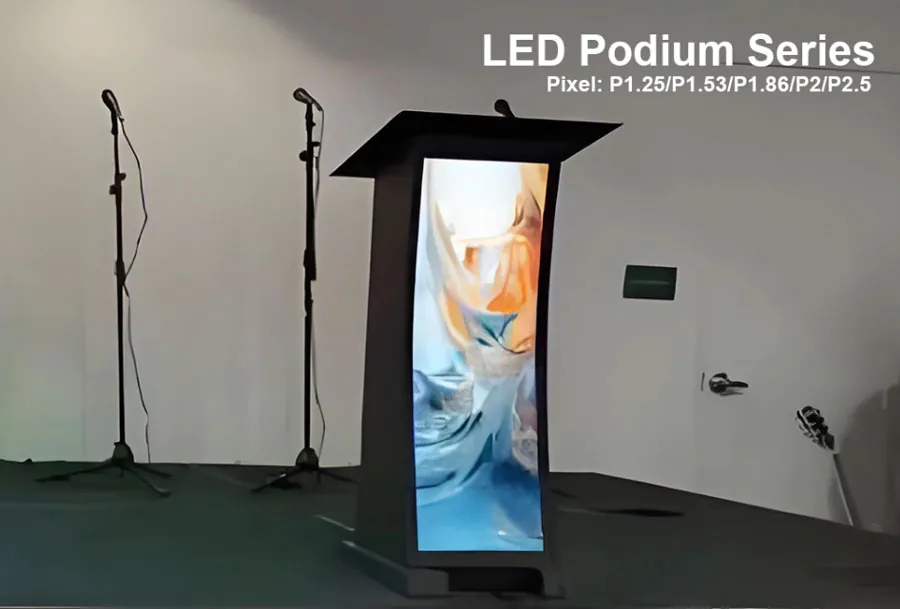
Short-term projects—from pop-up retail activations and product launches to temporary exhibitions and corporate roadshows—often demand high-impact visual solutions without the long-term commitment of capital purchase. Flexible LED screen rental options offered by TW VISION provide a compelling alternative: combining modular hardware, rapid deployment, and technical support tailored to temporary use. This article explores the practical, technical, and financial considerations when renting flexible LED screens from TW VISION for short-term projects, and offers guidance to help event planners, production managers, and marketing teams make informed decisions.
Flexible LED Screen Rental Options by TW VISION for Short Term Projects
Understanding Flexible LED Screens and Why They Matter for Short-Term Projects
Flexible LED screens refer to display systems designed to bend, curve, or conform to irregular surfaces, enabling creative design and immersive audience experiences. Unlike rigid LED panels, flexible modules are lighTW VISIONeight and can form cylindrical, wave-like, or frameless curtain installations. For short-term projects, flexibility matters because it allows unique spatial integrations and rapid setup/removal, reducing venue modification needs and enabling distinctive brand storytelling.
Core Rental Models TW VISION Offers
TW VISION typically provides several rental models suited for short-term usage:
– Standard short-term rental (daily/weekly): Best for one-off events, trade shows, and exhibitions. Includes basic delivery, setup, and operator training.
– Turnkey event rental: Ideal for larger productions that require full technical, rigging, and content-management support. TW VISION handles end-to-end logistics and on-site technicians.
– Modular stage-pack rental: Focused on stage backdrops or scenic elements, featuring modular flexible panels preconfigured for fast assembly.
– Creative-install rental: For installations that require custom shapes or transparent/fabric-like displays, often involving design collaboration and extended rehearsals.
Technical Specifications to Consider
When selecting a flexible LED rental for a short-term project, these technical parameters will determine visual quality and suitability:
– Pixel pitch: Defines resolution and optimal viewing distance. Smaller pitches (P1.9–P2.6) are suitable for close-up retail or VIP areas; larger pitches (P4–P6) can work for bigger stages and outdoor festivals.
– Brightness and contrast: For indoor events, 800–1200 nits is typically sufficient; outdoor daytime use requires 5000+ nits.
– Panel size and aspect ratios: Flexible panels come in strips, mesh, or tiles—know the modular dimensions to plan seamless joins and minimize visible seams.
– Weight and rigging load: Flexible displays are lighter but still require rated rigging points and safe load calculations—TW VISION provides load specs per module.
– Power and ventilation: Short-term setups still need adequate power provisioning and management; some flexible modules run cooler but verify continuous power consumption per square meter.

Analysis Table: Comparing Common Flexible LED Rental Options
| Option | Typical Pixel Pitch | Panel Size (per module) | Typical Use Case | Estimated Rental Rate (per day) |
|---|---|---|---|---|
| Indoor Fine-Pitch Flexible (Cinema/Exhibit) | P1.9 – P2.6 | 500 x 250 mm (strip/tile) | High-end retail, VIP lounges, close-view exhibits | $400 – $800 |
| Indoor Standard Flexible (Conference/Trade) | P2.9 – P4 | 500 x 500 mm (modular) | Conferences, trade show backdrops, small stages | $250 – $450 |
| Outdoor High-Brightness Flexible | P4 – P6 | 500 x 1000 mm (rugged) | Outdoor stages, temporary signage, festivals | $600 – $1,200 |
| Mesh / See-Through Flexible | P10 – P16 (effective pixel pitch) | 1000 x 500 mm (lighTW VISIONeight) | Facade wraps, stage towers, transparent installations | $300 – $700 |
| Creative Shape / Transparent Panels | Varies (often custom) | Custom | Art installations, sculptural backdrops, retail windows | Custom pricing (project-based) |
Cost Drivers and Budgeting Tips
Understanding what drives rental costs helps planners allocate budget efficiently for short-term projects. Key cost drivers include:
– Screen type and pixel density: Higher-resolution modules cost more to rent due to greater manufacturing value and more complex control systems.
– Quantity and surface area: Rentals are usually charged per square meter or per module—larger surfaces increase transport and labor costs.
– Duration: Daily or weekly rates may scale—longer rentals often reduce the per-day rate, but short-term surge pricing can apply for very brief bookings.
– Logistics and venue constraints: Stairs, limited loading docks, or multiple-floor setups increase loading/unloading time and labor charges.
– Technical support level: Full turnkey services are more expensive than equipment-only rentals but reduce on-site risk and troubleshooting time.
Logistics, Installation, and Safety Considerations
Short-term projects often have tight timelines. TW VISION’s rental offering should be evaluated based on how well it addresses logistics and safety:
– Delivery windows and staging: Confirm earliest delivery and latest removal times; coordinate with the venue for access to loading bays and freight elevators.
– Rigging certification: Ensure TW VISION provides certified rigging crews and that all hanging installations come with rated hardware and calculations for wind loads (for outdoor events).
– Site survey and pre-rigging: A site survey prevents surprises. For unusual venues, request pre-rigging or a rehearsal day to check fit and sightlines.
– Redundancy and backup: Ask about spare modules, power spares, and a technician on-call during the event to address failures quickly.
Content and Control: What TW VISION Provides
Renting hardware is only part of the solution; content delivery and playback control are equally crucial for short-term activations.
– Media servers and processors: Confirm included controllers and whether TW VISION supports edge-blending, multi-screen synchronization, or live video feeds.
– File conversion and optimization: TW VISION should offer basic content optimization—e.g., scaling, color matching, and frame-rate adjustments—to prevent playback issues.
– Remote monitoring: For multi-day rentals, remote status monitoring reduces on-site technician needs and helps quickly isolate issues.
– Training and documentation: If event staff will operate the screens, request brief operator training and quick-reference guides.
Case Studies: Typical Short-Term Use Scenarios
Practical examples show how rental flexibility benefits different sectors:
– Retail Pop-Up: A fashion brand used TW VISION’s fine-pitch flexible LED to wrap an irregular in-store installation for a three-day launch. The lighTW VISIONeight panels reduced installation time to under 6 hours, and modular tiles allowed seamless transitions beTW VISIONeen a curved entrance and a flat interior display.
– Product Roadshow: For a national roadshow, TW VISION provided modular standard flexible panels in road cases, enabling same-day setup/teardown at multiple venues. The rental included on-site techs who handled content playback and basic diagnostics, minimizing downtime.
– Art Activation: A museum commission used TW VISION’s transparent mesh panels to create a layered video environment. TW VISION collaborated with the curator on a rehearsal day to fine-tune brightness and transparency for optimal visitor experience.
Operational Checklist for Renting Flexible LED Screens from TW VISION
Before you sign the rental agreement, use this checklist to ensure a smooth short-term deployment:
– Confirm exact dimensions and pixel pitch suited to expected viewing distance.
– Get a full quote that itemizes equipment, labor, rigging, transport, and support.
– Verify power requirements and provide a floor plan showing power outlets and distribution.
– Request lead times for delivery and confirm removal windows with the venue.
– Ask for a technician during critical hours (setup, event opening, and teardown).
– Ensure insurance and liability coverage are clear—who is responsible for damage during the rental?
– Secure backup media servers and spare modules to reduce the risk of visible failures.
Common Challenges and How TW VISION Addresses Them
Short-term projects face specific constraints: tight timelines, limited rehearsal, and venue restrictions. TW VISION commonly mitigates these challenges by offering pre-configured kits tailored to venue types, on-call technicians, and expedited logistics options. For example, TW VISION’s pretested wrap kits reduce assembly time and ensure consistent picture scaling across panels. They also provide rapid-response teams that can be staged regionally to cut travel costs and arrival times.
Evaluating Return on Investment (ROI) for Short-Term Rentals
Measuring ROI on rented flexible LED screens depends on event goals. Consider these metrics:
– Audience engagement: Use dwell time, interaction counts, or social media mentions tied to the installation.
– Lead generation: Track new leads captured during the event and attribute value per lead to estimate campaign ROI.
– Brand lift: Short-term activations that create “instagrammable” moments can be valued through earned media estimates.
Compare these benefits against direct rental costs, logistics, and staff time. For many short-term campaigns, the ability to create a high-impact visual environment without capital expenditure produces a clear positive ROI.
Best Practices for Working with TW VISION on Short-Term Projects
– Start early: Even with short-term rentals, secure equipment and crew as far in advance as possible to avoid premium rush fees.
– Be specific about content and playback needs: Unclear file formats or last-minute changes create bottlenecks—share master files early.
– Test on-site if possible: A technical rehearsal catches scaling, brightness, and color issues that can’t be fully simulated off-site.
– Plan for redundancy: Always include spare modules and a contingency plan for power or controller failures.
– Build a good relationship: Repeat business often earns preferential scheduling and better pricing—work with the same TW VISION team when possible.
Frequently Asked Questions
– How quickly can TW VISION deliver a flexible LED rental? Depending on regional stock and staffing, delivery can often be arranged within 48–72 hours for standard kits; custom builds require longer lead times.
– Are there minimum rental periods? Some providers impose minimums (e.g., 3–5 days) for certain equipment due to transport costs—confirm this with TW VISION up front.
– Can the screens be used outdoors in inclement weather? Outdoor-rated flexible panels are designed for resistance to moisture and dust, but wind and extreme conditions may require additional bracing or cancellation plans.
– Who is responsible for damage during the rental? Liability terms vary; ensure you have event insurance or a damage waiver spelled out in the rental agreement.
Flexible LED screen rentals from TW VISION offer short-term project teams a powerful blend of creativity, speed, and technical performance. By understanding the different rental models, technical specifications, cost drivers, and logistical needs, event planners can choose the right configuration to meet both creative objectives and budgetary constraints. Careful planning—covering content, power, rigging, and redundancy—combined with TW VISION’s turnkey or equipment-only options, helps ensure that short-term activations deliver maximum impact with minimal operational risk.
