2026 Mobile LED Screen Rental Prices and Packages in Toronto

Introduction — Why mobile LED screens matter in Toronto’s 2026 events landscape
Mobile LED screens have become a cornerstone of modern events, advertising and public engagement. In dynamic urban centers like Toronto, they deliver high-impact visibility for concerts, sports, festivals, political rallies, brand activations and outdoor cinema. By 2026, the market has matured: rental fleets are larger, technology (HDR, 4K-equivalent pixel density, weatherproof cabinets) is more capable, and competition among suppliers has pushed toward clearer packages and bundled services. This guide provides a practical, data-driven view of typical rental prices and packages in Toronto for 2026, explains the cost drivers, regulatory considerations, and offers negotiation and planning tips so event planners, marketers and municipalities can budget confidently.
Market snapshot — What’s changed in 2026
Equipment evolution
– Higher pixel density and better brightness for daytime outdoor viewing.
– More self-contained trailer units with onboard power, climate control and remote connectivity.
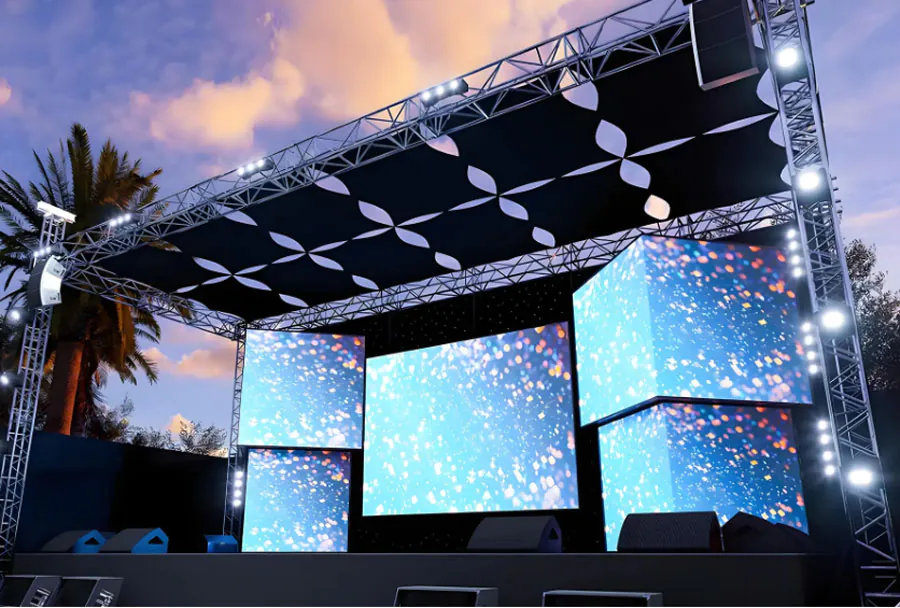
– Rise of hybrid packages that combine LED trailers, LED cubes/stages and live-feed integration.
Business model trends
– Flat-rate daily or per-event packages with optional add-ons (tech support, permits, crew).
– Subscription-style agreements for multi-event series (seasonal campaigns).
– Bundled service offers including content creation and live-stream integration.
Typical packages and price ranges (Toronto, 2026)
Below is an analytical comparison table showing common rental packages you’ll encounter in Toronto. Prices are given as ranges in CAD and reflect typical 2026 market conditions across reputable rental suppliers in the Greater Toronto Area (GTA). Actual quotes will vary by vendor, location and event specifics.
| Package Name | Screen Size & Type | Ideal Events | Included Services | Estimated Price (CAD) |
|---|---|---|---|---|
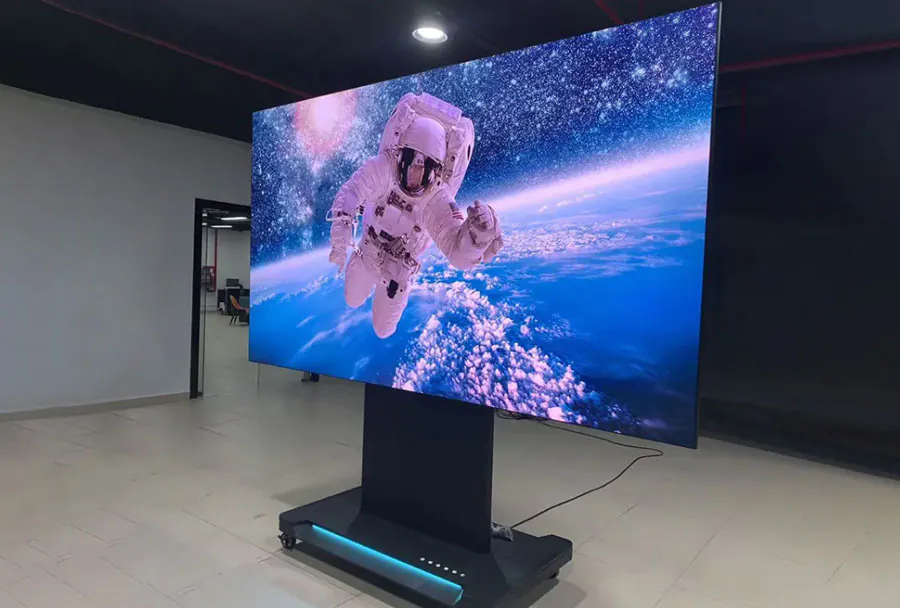
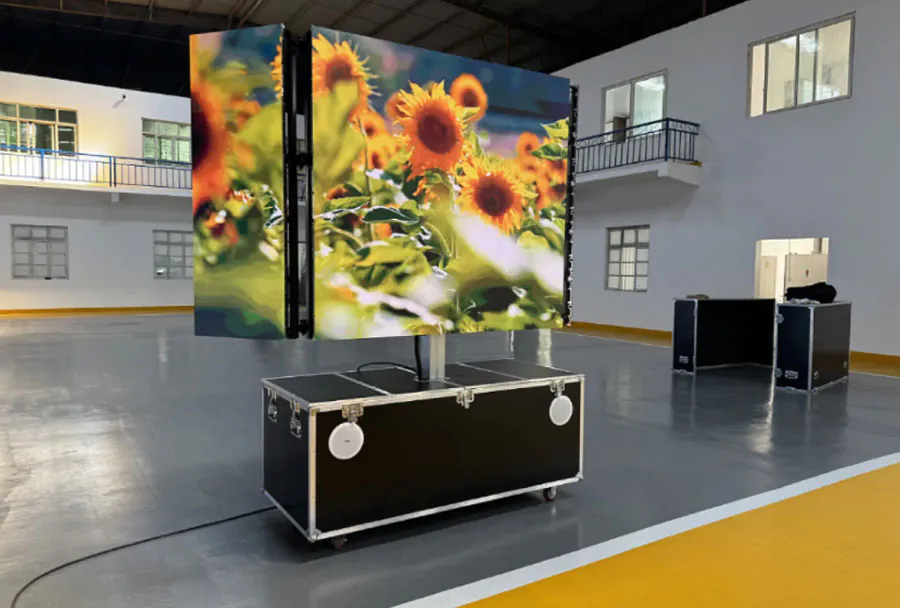
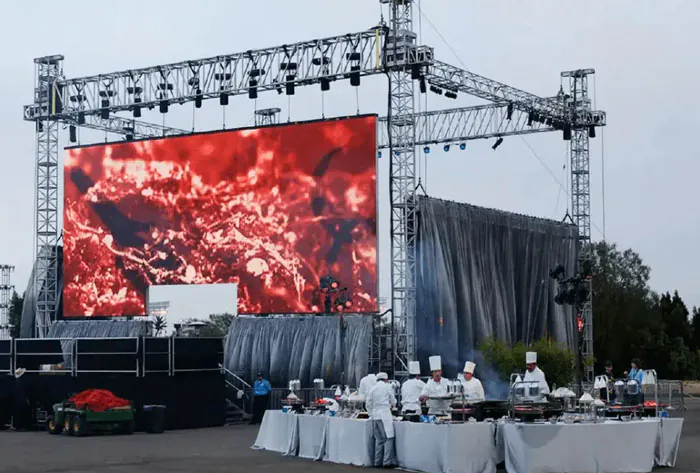
| Compact Day | 10′ x 6′ trailer-mounted LED; 6–8 mm pitch | Small pop-ups, street activations, community events | Delivery (GTA up to 25 km), basic setup, 4 hrs tech support | $700–$1,500/day |
| Standard Weekend | 14′ x 8′ trailer LED; 4–6 mm pitch | Festivals, corporate events, mid-size sporting events | Delivery, setup, on-site tech (8 hrs/day), generator | $1,500–$3,200/day or $2,800–$6,500 weekend |
| Large Event | 20′ x 12′ truck/trailer LED; 3–4 mm pitch | Major festivals, concerts, stadium sidescreens | Full rigging, long-distance transport, crew, live-feed integration | $3,500–$8,500/day; weekly $12,000–$30,000 |
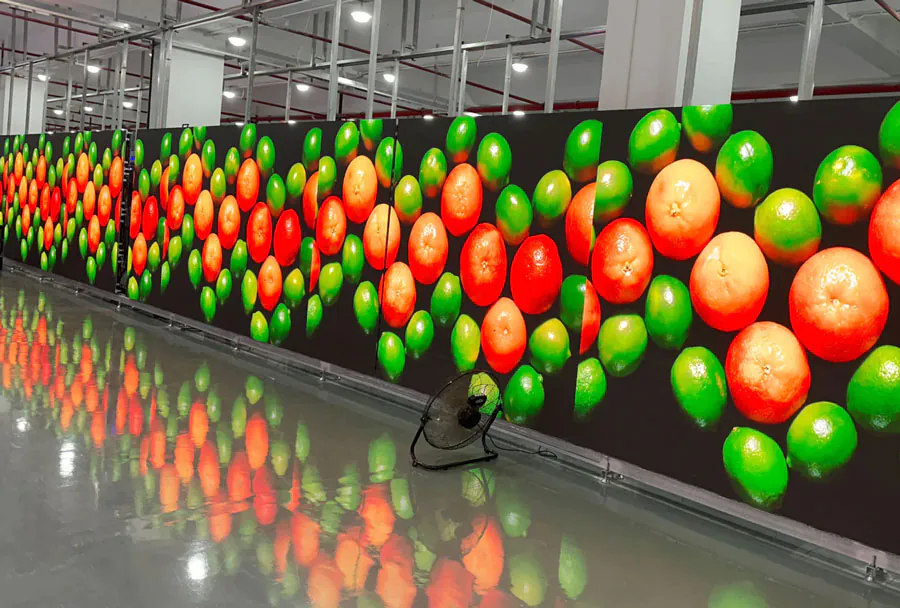
| Premium Multi-Site | Multiple trailers or modular LED walls (high pixel density) | Large-scale marketing tours, election campaigns, outdoor movie series | Campaign management, content creation, 24/7 support, permits assistance | $15,000–$60,000+ per week |
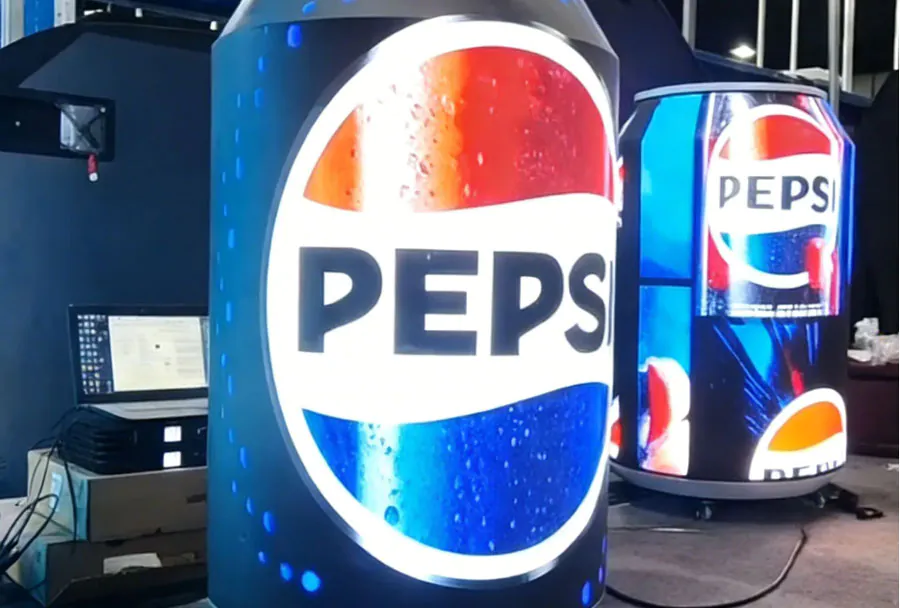
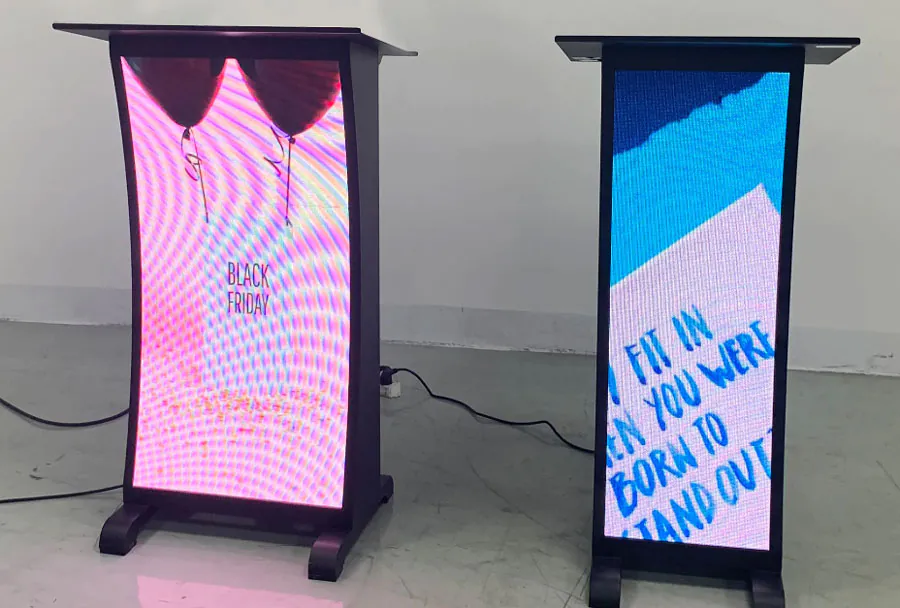
| Short-Term Small Screen | Inflatable LED cube or pop-up LED (portable) | Trade shows, mall activations, temporary signage | Setup, basic content playback | $300–$900/day |
Breaking down the price — What you’re really paying for
Base rental rate
The base rate covers the equipment day-to-day rental: the LED cabinet(s), control system and basic playback hardware. Screen size, pixel pitch and brightness primarily determine this base cost.
Logistics and transport
Delivery distance within the GTA influences quotes significantly. Typical delivery fees range from a flat $100–$500 for short runs to $500–$1,500 for long hauls or multi-stop tours. Large truck-mounted screens incur higher fees due to weight and route planning.
Setup, teardown and labor
Skilled technicians are essential for safe, reliable operation. Expect to pay $40–$80 per hour per tech (2026 rate estimate). Many vendors roll a set number of tech-hours into packages and charge overtime above that.
Power and fuel
Self-powered trailers include generators; fuel costs are often passed through as a daily charge ($50–$300/day) for extended use. If venue power is used, setup to tie into local supply may add electrician fees.
Content services
Content playback is typically included, but content creation (motion graphics, formatting, live feed integration) is an add-on. Expect $500–$4,000 depending on complexity.
Permits, insurance & municipal fees
City permits or street-activity approvals and insurance endorsements are often required. Permit fees vary; allow $100–$1,500 for municipal approvals and $150–$600 for event insurance add-ons (subject to event risk and coverage limits). Always confirm whether the vendor’s liability insurance suffices or if event organizers must provide extra coverage.
Factors that influence cost in Toronto
Location and site access
Downtown Toronto (York, Queen West, waterfront) often carries higher costs due to traffic control, restricted access, and higher permit complexity. Parks and municipal properties may require advance applications and fees.
Time of year and demand
Summer months and festival weekends increase demand. Booking during TIFF, Pride, Canadian National Exhibition periods, or June–September weekends typically raises rates. Booking off-peak can reduce costs.
Duration and frequency
Daily rates are higher per day than weekly or monthly rates. Vendors often offer steep discounts for locked-in multi-event runs or seasonal programs.
Technical requirements
Higher brightness (for direct sunlight), smaller pixel pitch (for close viewing), live-switching, satellite uplink/4G/5G bonding and redundancy all add to costs.
Permits, bylaws and location rules — Toronto considerations
Municipal approvals
Using mobile LED screens on public property or for events that impact pedestrian or vehicle flow typically requires city permits. For private property, landlords and property managers may impose their own rules and insurance requirements.
Important planning steps:
– Confirm whether your site is city-owned. If yes, apply for the appropriate street activity or special events permit well in advance.
– Check sign and advertising bylaws if the screen will display commercial messages; some applications or temporary sign permits may be required.
– Coordinate with Toronto Police Service and Traffic Management for road closures or lane encroachments — these can add costs for traffic control and TPS permits.
Note: Municipal requirements change; confirm details with the City of Toronto’s events office and the vendor’s permit support team.
Hidden costs and common add-ons
– Overnight storage or parking for large trailers in Toronto may incur fees or require private lots.
– Late changes to content or schedules often incur rush charges.
– Weather contingencies: additional rigging, wind rating plans or cancellations due to weather can affect refunds or rebooking costs.
– Extended technician hours, second or third-day setup calls, and remote monitoring beyond contract hours.
How to choose the right package — a practical decision framework
Step 1: Define your viewing distance and content needs
Pixel pitch should match typical viewing distance: closer audiences require smaller pitch for legibility. If you plan live video, ensure the package includes live-feed capture and latency control.
Step 2: Assess environment and ambient brightness
If your event is daytime with direct sunlight, prioritize higher nits (brightness) even if it costs more.
Step 3: Ask about redundancy and reliability
For high-profile events, insist on redundant control units and an on-site technician who can act fast if problems occur.
Step 4: Confirm the full quote scope
Request the quote to be itemized: base rental, delivery, setup, tech hours, generator fuel, permits assistance, content services, taxes (HST 13%) and insurance lines. Itemization avoids surprises.
Negotiation tips and cost-saving strategies
– Bundle multiple services (content + tech + permits) with one supplier to secure discounts.
– Book early and target off-peak days or multi-day blocks for per-day savings.
– Consider smaller pixel-pitch “viewing zones”: use a large lower-resolution screen for distant viewers and small high-res screens near VIP areas—this can reduce overall costs.
– Ask about demo or refurbished units at a discount if peak appearance is not mission-critical.
– Request a cap on overtime charges and clear escalation procedures in the contract.
Sample budget scenarios (quick planning references)
– Community film night (one evening, small 10′ x 6′ unit): base $900 + delivery $150 + tech $400 + permits $200 + HST → ~ $1,900–$2,300.
– Corporate product launch (mid-size 14′ x 8′ for two days downtown): $3,500/day package x 2 + transport $600 + crew overtime $300 + content prep $1,200 + permits/insurance $1,000 + HST → ~ $12,000–$15,000.
– Multi-city political tour (premium multi-site weekly package, 4 weeks): $25,000/week x 4 + long-haul logistics + content production & legal compliance → $120,000+.
These scenarios show how quickly costs escalate with scale, location and added services.
Vendor selection checklist
– Equipment specifications: pixel pitch, brightness (nits), cabinet durability and IP rating.
– On-site technical support: hours included, response time, escalation plan.
– Insurance: verify limits and certificates; ensure coverage meets venue/municipal requirements.
– References and past events: ask for case studies or references for similar events in Toronto.
– Clear cancellation and weather policies: define refund or rescheduling terms.
Case examples — Realistic use cases and outcomes
– Festival main stage: A 20′ x 12′ trailer screen integrated into the main stage produced better engagement metrics (dwell time, sponsor recall)—but required specialized rigging and two extra techs; spend justified by sponsor revenue.
– Political rally: Compact units placed at multiple ingress points drove higher message frequency; lower per-unit spend but required more staff for deployment.
– Retail pop-up tour: A three-city strategy using smaller trailer packages reduced per-site costs and allowed cross-promotion—volume pricing and fixed-route logistics reduced overall spend by 18%.
Timeline and planning milestones
– 8–12+ weeks before event: RFP and vendor selection for large events or downtown sites requiring city permits.
– 4–8 weeks: Finalize content specs, confirm power and site access, file permits.
– 2–3 weeks: Confirm logistics, production schedule, and tech crew roster.
– 3–7 days: Vendor delivery window and final dry-run.
– Event day: On-site technician and manager; have backup media and contact list.
Final recommendations and best practices
– Start with a realistic budget range and request multiple, itemized quotes.
– Prioritize reliability and on-site support over the lowest headline rate—downtime costs more than rental savings.
– Factor in municipal permit timelines and insurance early—these can be gating items in Toronto.
– Consider full-service packages if you lack local event production experience; the premium often reduces risk and administrative workload.
– Keep a contingency line (10–20%) for last-minute content edits, extra tech hours, or weather-related changes.
Mobile LED screen rentals in Toronto for 2026 present a range of options, from economical pop-up units to fully managed multi-site campaigns. Prices vary significantly by screen size, pixel density, location, duration and service level. The market favors transparent, bundled offers but the key to success remains careful scoping, early planning and clear contract terms that cover permits, insurance and on-site support. Use the price ranges, checklist and planning timeline in this guide to create realistic budgets and secure the right supplier for your event goals. Always validate final costs and municipal requirements with vendors and the City of Toronto before committing.