Professional Outdoor LED Screen Rental with Setup in Florida

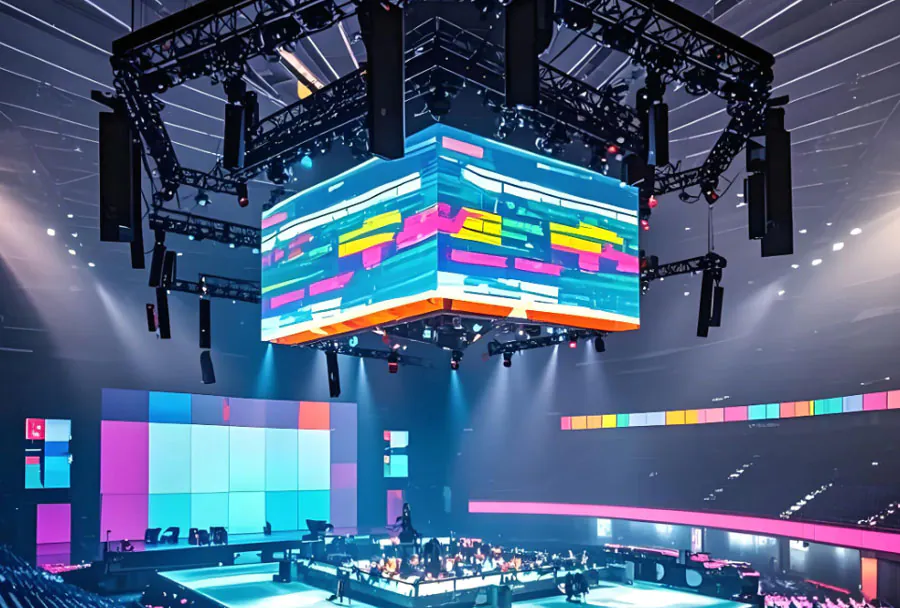
Florida’s events market — from beachfront concerts and sports watch parties to corporate brand activations and municipal outdoor cinemas — demands reliable, high-visibility display solutions. Professional outdoor LED screen rental with complete setup delivers the visual impact and technical support event organizers need while avoiding the capital expense and logistics of owning large-format LED screens. In Florida’s varied climates and regulatory environments, professional providers bring expertise in site assessment, equipment selection, safe rigging, power and signal management, local permitting, and weather contingency planning.
This article explains the essential components of a professional rental and setup service, compares common outdoor LED options, outlines logistical and regulatory considerations specific to Florida, and provides an actionable checklist and recommendations to ensure your event runs smoothly.
Understanding Outdoor LED Screen Technology
LED Modules, Pixel Pitch, and Resolution
Outdoor LED screens are composed of modular panels containing LEDs arranged in a grid. Pixel pitch (measured in millimeters) is the center-to-center distance between adjacent LED pixels. Smaller pixel pitch yields higher resolution and is better for close viewing; larger pitch is more cost-effective for long-distance viewing. For outdoor events in Florida:
– P6 to P10: Common for large-scale displays where viewer distance is >30 feet.
– P2.5 to P4: Used for events with closer audiences or premium activations.
Understanding pixel pitch helps match screen choice to viewing distance and content detail.
Brightness, Contrast, and Color Calibration
Brightness (measured in nits/candelas per square meter) is critical outdoors, especially in Florida’s bright sunlight. Outdoor LED rentals typically range from 4,000 to 8,000 nits or higher to maintain legibility in daylight. Contrast and color calibration are essential for accurate brand representation and consistent imagery. Professional rental providers calibrate screens on-site and can adjust brightness dynamically for varying light conditions.
Ingress Protection and Durability
Look for IP65 or higher ratings for cabinets and connections to protect against rain and salt air (important near coasts). Modules, power supplies, and seams should be weather-sealed. Providers offering screens specifically rated for maritime environments are preferable for beach or pier events.
Site Assessment and Pre-Event Planning
Site Survey and Sightline Analysis
A thorough site survey is the foundation of a successful rental. A professional team assesses:
– Viewing angles and primary sightlines
– Optimal screen location relative to audience flow
– Mounting options (ground stacks, truss, flown)
– Potential obstructions (trees, buildings, utility lines)
– Sun orientation throughout the event window
This analysis determines screen size, pixel pitch, and mounting strategy.
Power & Signal Requirements
Outdoor LEDs demand stable, often three-phase power. Providers calculate power loads, bring distribution panels, and include generators if site power is inadequate. Signal (video feed) management includes long-run fiber or SDI solutions, wireless backup links, and redundancy to avoid interruptions. In Florida’s humid climate, weather-protected cable runs and connectors are mandatory.
Permitting, Insurance, and Local Regulations
Florida municipalities have varied rules on temporary structures, crowd control, and amplified sound. A professional vendor assists with:
– Permits for temporary structures and street or park closures
– Engineering stamps for rigging calculations (for flown displays)
– Certificates of insurance and vendor compliance
This reduces the risk of last-minute shutdowns or fines.
Rigging, Safety, and Weather Contingency
Mounting Options and Structural Safety
Common mounting solutions:
– Ground stacks with ballast and cross bracing — preferred for quick installs
– Flown screens on truss or chain hoists — requires certified riggers and structural calculations
– Mobile LED trucks — built-in stabilization, quick setup, great for roadshows
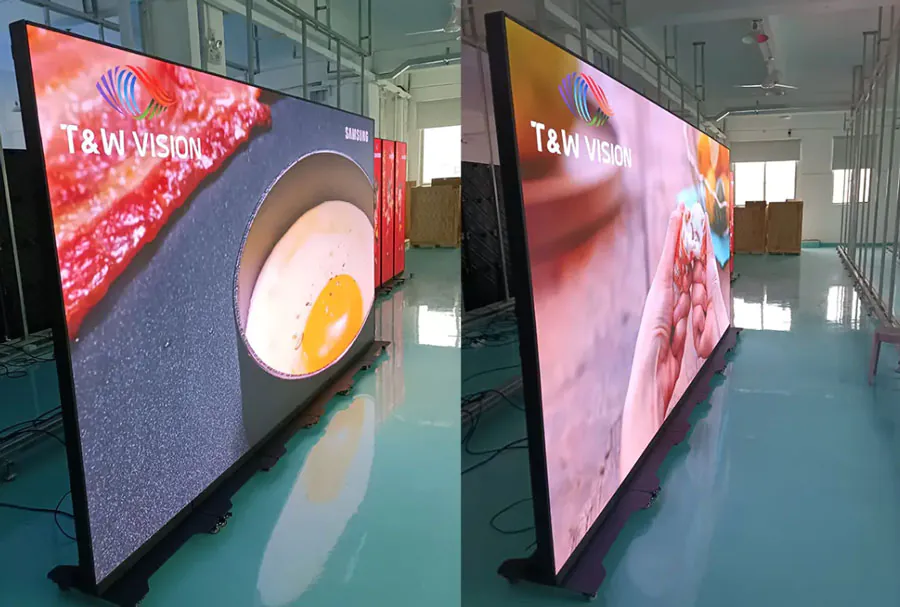
Professional crews perform load calculations, use safety hardware, and provide fall-protection systems for technicians.
Wind Loads and Weather Plans
Florida’s weather includes sudden squalls and potential tropical storms. Wind load calculations are non-negotiable for any large outdoor surface. Providers plan for:
– Maximum allowable wind speeds for operation
– Emergency takedown procedures
– Tarps or covers for electronics
– Backup displays or rescheduling options
These measures protect attendees and equipment.
Typical Rental Packages and Pricing Models
Rental pricing in Florida typically includes:
– Screen rental per day (or multi-day discounts)
– Setup and teardown labor
– Transportation and local permits assistance
– Power distribution and signal equipment
– On-site technician during the event (recommended)
Factors affecting price: screen size, pixel pitch, rigging complexity, distance, and staffing. Transparent quotes should itemize all elements.
Analysis Table: Common Outdoor LED Screen Options
| Screen Type | Pixel Pitch (mm) | Recommended Viewing Distance | Brightness (nits) | Typical Use Case |
|---|---|---|---|---|
| Large-Scale Ground Stack | P6–P10 | 30–200 feet | 5,000–8,000 | Outdoor concerts, stadium side screens, festivals |
| Truss-Flown LED Wall | P4–P8 | 25–150 feet | 6,000–9,000 | Corporate events, stage backdrops, film screenings |
| Mobile LED Truck | P6–P10 | 40–300 feet | 5,000–10,000 | Political rallies, roadshows, sporting events |
| High-Resolution Close-View Wall | P2.5–P4 | 10–50 feet | 4,000–7,000 | Premium activations, VIP viewing areas, product demos |
| Beach/Coastal-Rated Screen | P6–P10 | 30–200 feet | 6,000–9,000 | Outdoor cinemas, beachfront concerts (salt-air resistant) |
Pre-Event Checklist: What a Professional Rental Should Deliver
Consultation and Planning
– Site survey and visuals/mockups of screen placement
– Recommended screen size and pixel pitch based on sightlines
– Power, signal, and rigging plans
– Contingency plan for weather and technical failures
Equipment and Logistics
– LED screen panels (with IP rating specified)
– Control system (media server, switchers)
– Redundant signal paths (fiber/SDI/wireless)
– Power distribution and generator(s) if needed
– Truss, ballast, and certified rigging hardware
– Transport and heavy equipment (forklifts, cranes if required)
On-Site Services
– Certified installation crew with safety gear
– On-site technician(s) during load-in, event runtime, and teardown
– Real-time monitoring of brightness, color, and connectivity
– Emergency takedown and cover options
Content and Playback Considerations
Media Servers and Formats
Professional setups typically use media servers that accept multiple inputs (HDMI, SDI, DVI, fiber) and handle scaling across large pixel matrices. Deliver content in the native resolution and aspect ratio the vendor specifies. Use uncompressed or lightly compressed codecs to avoid artifacts at large sizes.
Timing, Frame Rates, and Synchronization
Confirm frame rate compatibility (typically 30/60 fps) and synchronization methods for multi-screen or multi-camera events. Professional providers use frame-locked inputs when mixing live cameras and pre-recorded content.
Maintenance, Troubleshooting, and Support
On-Site Monitoring
A technician should monitor brightness, temperature, and on-screen diagnostics. Heat and humidity can affect modules; proactive monitoring catches issues before they impact viewers.
Quick-Replace Panels and Spare Parts
Reputable rental providers bring spare modules, power supplies, and spare controllers. Quick-swap panels reduce downtime during a show.
Case Studies: Successful Florida Events
– Beach Film Festival: A P6 ground-stack screen with coastal-rated cabinets delivered bright, legible images at sunset and into the evening. The vendor provided a generator and a rapid breakdown plan when a localized thunderstorm developed.
– Corporate Expo in Miami: Flown P4 wall behind a stage, with a backup LED truck on standby. The event required daily calibration to match daylight conditions and close camera integration for live feeds.
– High School Graduation at Outdoor Stadium: Mobile LED truck provided consistent, scalable imagery across audience sections. The rental included live captioning and remote operator support.
Environmental and Coastal Considerations in Florida
Florida hosts many coastal venues where salt-laden air can corrode electronics. Choose operators who:
– Use marine-grade finishes and sealed connectors
– Flush and dry equipment after use near salt water
– Choose corrosion-resistant hardware and stainless steel fittings
Additionally, humidity and rapid temperature shifts require climate-aware maintenance and protective storage between load-in and showtime.
Insurance, Liability, and Vendor Selection
When hiring a rental provider, require:
– Certificate of Insurance with limits suitable for your event
– Proof of bonding and worker certifications
– W-9 and business licensing if cross-county
– Written agreements specifying responsibilities for permit delays, weather cancellations, and equipment damage
A professional provider will have standard terms but remain open to negotiating clear liabilities.
How to Evaluate and Choose a Vendor
Ask potential vendors for:
– Photos and videos of past Florida events
– Reference clients in Florida or similar coastal environments
– Detailed quotes with a line-item breakdown
– Onsite technician-to-screen ratios (recommended: at least one technician per significant installation)
– Equipment data sheets (IP rating, brightness, power draw)
– Emergency response and backup equipment plans
Shortlist vendors and conduct interviews focusing on their local knowledge of Florida permitting and weather response. Choose a partner who anticipates problems and offers documented contingencies.
Final Checklist and Best Practices
– Book early: peak season rentals fill quickly in Florida.
– Confirm permits and submit engineering calculations if required.
– Specify IP rating and coastal readiness for beach events.
– Get power and signal plans approved by venue operators.
– Require on-site technical support for duration.
– Ask for spares and a clear emergency takedown plan for severe weather.
– Request a site map with exact screen coordinates and ingress/egress plans for crew and vehicles.
Maximizing Impact with Minimum Risk
Professional outdoor LED screen rental with full setup in Florida provides event organizers with a balance of impact and risk management. By selecting the right pixel pitch and brightness, planning for power and signal redundancy, adhering to local regulations, and partnering with an experienced provider, you minimize surprises and maximize audience engagement. Whether you are running a seaside film night, a stadium-sized concert, or a corporate outdoor activation, the right rental partner brings technical expertise, operational reliability, and local knowledge — ensuring your visual content looks great and stays live, rain or shine.