Affordable led screen rental by TW with global support

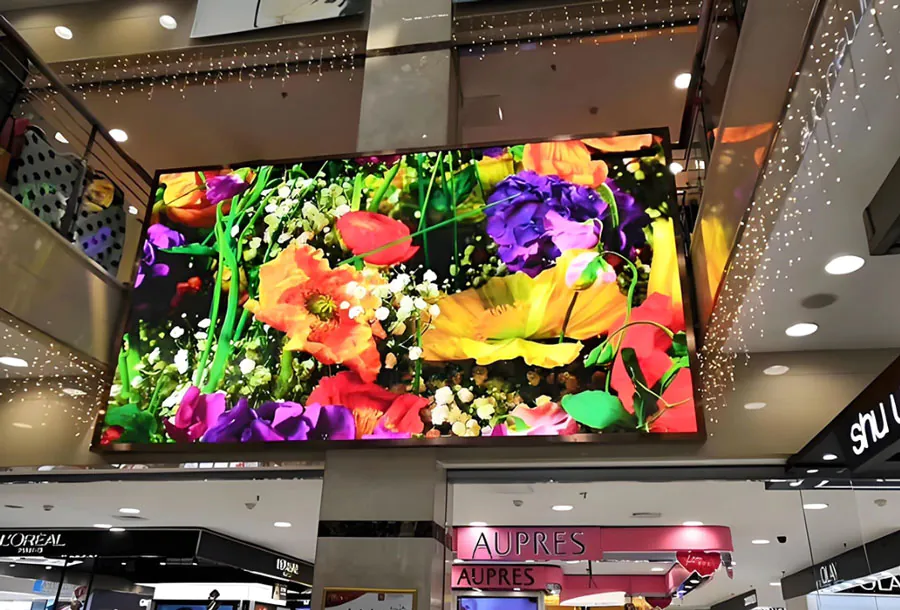
In today’s fast-paced events and marketing landscape, visual impact drives attendance, engagement, and brand recall. But high-quality LED screens can come with steep upfront costs and logistical headaches — especially for organizations operating across borders. That’s where affordable LED screen rental by TW with global support becomes a game-changer. This article analyzes the value proposition, technical options, operational considerations, and measurable returns for event planners, marketers, and production houses seeking flexible, cost-effective LED solutions worldwide.
Affordable LED Screen Rental by TW with Global Support
Why Rental Makes Sense for More Organizations
Ownership of LED display inventory requires capital, storage, maintenance, and an ongoing refresh cycle to keep up with advances in resolution and brightness. Renting allows organizations to access cutting-edge screen technology on demand, only paying for the days they need it. TW’s rental model targets affordability without sacrificing service levels, pairing competitive pricing with a distributed logistics and technical support network. The result: customers get high-impact displays for concerts, conferences, retail activations, trade shows, and corporate events without the burden of ownership.

TW’s Global Support Network: What Sets It Apart
Global reach matters when events or campaigns span multiple countries. TW differentiates itself by combining centralized inventory management with local partner coordination. That means consistent hardware standards, unified configuration practices, and a single point of contact for multinational clients — yet technicians and rigs are available locally for transport, installation, and on-site troubleshooting. For clients this translates to fewer surprises (customs delays, incompatible power specs, or regional installation permit issues) and reliable service levels across territories.
Core Offerings and Rental Packages
TW structures offerings around typical event use-cases, making it easier for planners to choose the right package. Common categories include:
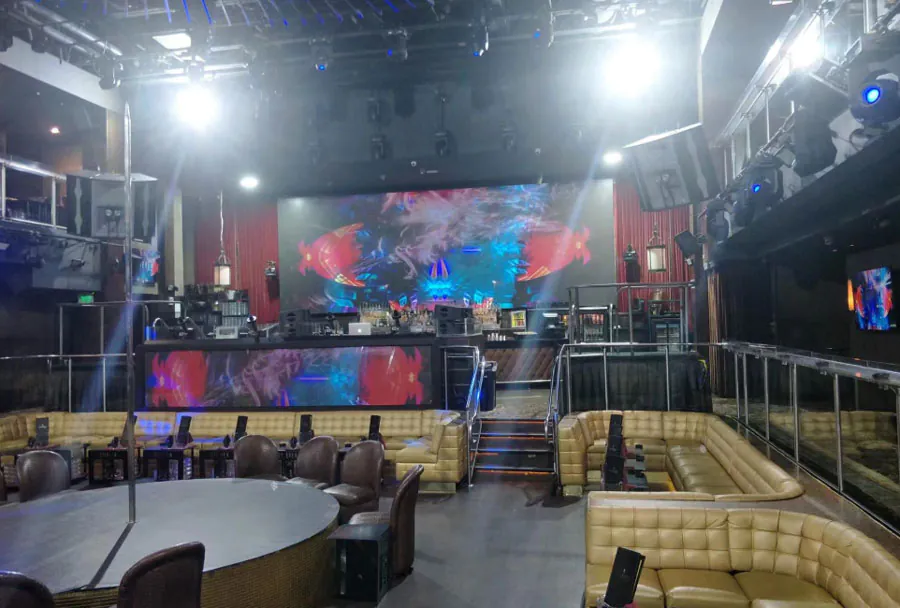
– Standard Indoor Rentals: High-resolution panels for trade shows and corporate stages where pixel pitch ranges from fine to medium.
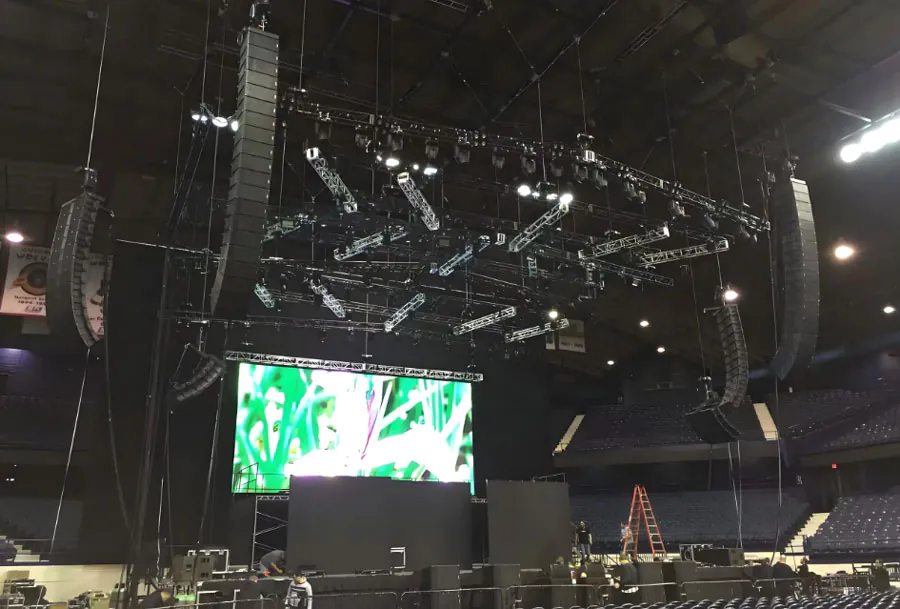
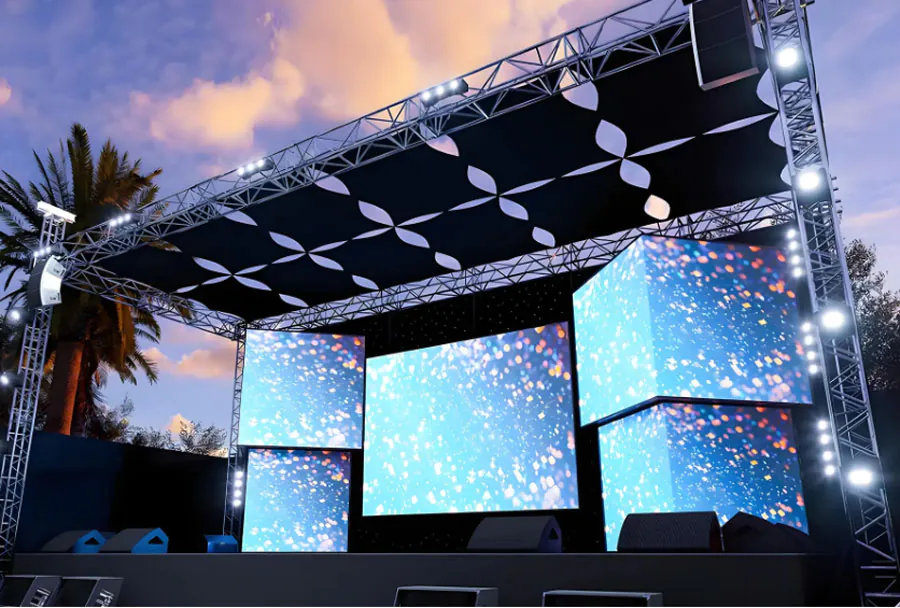
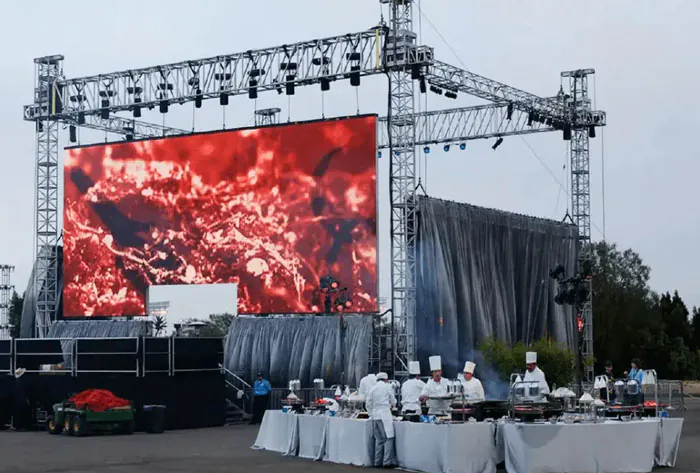
– Outdoor and Touring Rentals: Rugged, high-brightness screens suitable for concerts, sports, and outdoor festivals.
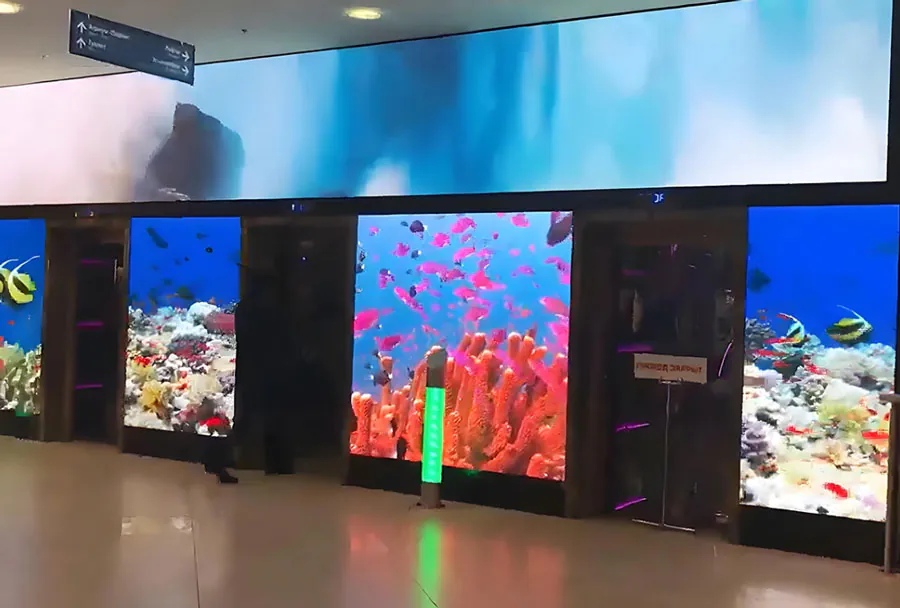
– Digital Signage and Retail Rentals: Modular setups optimized for window displays and pop-up stores.
– Long-term and Project Rentals: Designed for exhibitions or seasonal activations where screens remain deployed for weeks or months.
Technical Specifications: Matching Performance to Purpose
Choosing the correct screen involves assessing pixel pitch, brightness, resolution, size, refresh rate, and durability. TW’s inventory covers a wide range:
– Pixel Pitch: From P1.2 for ultra-high-definition indoor use to P8 and higher for long-throw outdoor visibility.
– Brightness: Typical indoor screens are tuned around 800–1,200 nits; outdoor screens reach 5,000–7,000 nits for daytime visibility.
– Refresh Rate: High refresh rates (3,840 Hz or higher) are offered for broadcast-level capture and camera-friendly live events.
– Durability & IP Rating: Outdoor panels are IP65-rated or better for rain and dust protection; touring cabinets feature reinforced corners and flight-case-ready design.
Cost Components and Affordability Strategies
When evaluating rental affordability, clients should consider multiple cost components beyond the base daily rate: transportation, installation labor, site power requirements, control system rental, content playback hardware, and optional on-site technicians. TW’s approach to affordability includes bundled packages that reduce the need for add-ons, volume discounts for multi-event contracts, and local fulfillment to cut shipping costs. Transparent pricing with clear line items helps planners compare scenarios: a single-day concert will have a different cost profile than a month-long retail installation.
Analysis Table: Rental Packages and Comparative Features
| Rental Package | Typical Pixel Pitch | Screen Size Range | Approx. Daily Rental Cost (USD) | Global Support & Services |
|---|---|---|---|---|
| Indoor Premium | P1.2 – P2.5 | 6′ x 4′ to 40′ x 20′ | $400 – $2,500 | On-site techs, local staging, calibration, content ingest |
| Indoor Standard | P2.6 – P4.8 | 8′ x 6′ to 60′ x 30′ | $250 – $1,200 | Local delivery, installation crew, remote support |
| Outdoor Touring | P4 – P8+ | 10′ x 6′ to 80′ x 40′ | $1,000 – $6,000 | Turnkey load-in, rigging, weather-proofing, de-rig |
| Digital Signage | P2 – P6 | 2′ x 2′ to 20′ x 10′ | $150 – $900 | Installation, scheduled content updates, long-term rates |
| Long-Term Project | P2 – P6 | Custom modular sizes | Weekly/Monthly pricing ($800+/week) |
Inventory rotation, periodic maintenance, remote monitoring |
Operational Workflow: From Quote to Strike
A predictable operational flow is essential to control costs and ensure reliability. TW’s standardized workflow typically follows these steps:
1. Needs Assessment: TW consults on the event objectives, venue constraints, audience distance, ambient light, and camera requirements.
2. Proposal & Visualization: Clients receive a scaled mockup, equipment list, and transparent pricing including contingencies.
3. Logistics Planning: TW coordinates international shipping, customs documentation, and local permits when needed.
4. Pre-Event Testing: Systems are assembled and smoke-tested off-site where feasible; control systems and content playback are verified.
5. Load-In and Installation: Local crews execute delivery, rigging, power distribution, and alignment with the stage or set.
6. Live Support: Technical teams monitor performance and address issues in real time.
7. De-Rig and Return: Efficient teardown minimizes venue costs and turnaround time for the next event.
Typical Use Cases and Case Studies
– Concert Tours: TW provides touring screens with reinforced cabinets and camera-friendly refresh rates. A mid-size band reduced capital expenditure by 70% by choosing rental across a 12-city tour.
– International Conferences: A multinational corporation used TW to deliver identical stage looks across three continents. TW’s local teams standardized rigging and content workflows, saving the client logistics overhead and ensuring uniform brand presentation.
– Retail Pop-Ups: A consumer brand ran a 6-week pop-up campaign with high-resolution signage rented from TW. The short-term rental allowed them to test merchandising concepts without committing to permanent installs.
Installation, Safety, and Compliance
Safety and local compliance are non-negotiable. TW enforces rigorous standards on rigging points, load calculations, electrical distribution, and wind-loading for outdoor screens. The company works with certified local riggers and follows venue-specific requirements including union rules where applicable. For cross-border deployments, TW coordinates with customs brokers to ensure harmonized product declarations and temporary import/export bonds, reducing the risk of costly holds or fines.
Content Management and Playback Systems
Delivering crisp visuals requires more than panels: media servers, playback software, and content formatting are equally critical. TW provides configurable media server options and content-check services to ensure files are encoded at the right resolution, color space, and aspect ratio. For broadcast-sensitive events, TW supports frame-locking and genlock across multiple screens to avoid tearing and latency issues. For retail or long-term signage, TW offers scheduled content updates and remote content management systems.
Maintenance, Warranty, and On-Site Troubleshooting
Even with robust hardware, LEDs can develop dead pixels, power supply failures, or control glitches — especially after transport. TW’s rental model includes proactive maintenance: panels are inspected before dispatch, and spare cabinets and modules are staged for rapid on-site replacement. For clients choosing the premium support level, TW guarantees technician arrival times and maintains parts inventories at regional hubs to minimize downtime. Warranty coverage is clearly defined in rental contracts to delineate damage liability versus wear-and-tear.
Environmental and Sustainability Considerations
LED technology consumes power and can have environmental impacts through transport and disposal. TW addresses sustainability through efficient logistics planning (minimizing empty miles), energy-efficient power supplies, and a lifecycle approach to equipment refurbishment. Panels past their prime are responsibly recycled or refurbished. For clients interested in green credentials, TW can provide data on energy usage and transport emissions to support sustainability reporting.
Measuring ROI: Beyond the Visual
Return on investment for LED rentals is measurable across multiple dimensions:
– Attendance and Dwell Time: High-quality screens draw visitors and increase time spent at booths or activations.
– Lead Generation & Conversions: Integrated QR codes, call-to-action overlays, and dynamic content drive engagement metrics.
– Brand Perception: Professional staging elevates perceived brand quality, which can influence purchase intent and partnership opportunities.
– Cost Avoidance: Rental eliminates capital expenditure, depreciation, storage, and maintenance overheads.
TW helps clients track these indicators through event analytics, footfall counters, and post-event surveys, enabling better decisions for future campaigns.
Choosing the Right Rental Partner: Checklist
When selecting TW or any rental provider, consider the following:
– Hardware Quality: Are panels high refresh, camera-friendly, and from reputable manufacturers?
– Service Level Agreements: Does the vendor guarantee response times, and what’s included in the base price?
– Global Reach: Can the provider support the specific countries and venues on your itinerary?
– Local Expertise: Do they work with certified riggers and know local electrical and permitting rules?
– Transparency: Are costs itemized clearly, including potential surcharges for customs, overtime, or extended hold times?
Risk Management and Contract Terms
Rental contracts should outline damage thresholds, insurance requirements, and liability for third-party delays. TW typically offers insurance options and recommends client-side event insurance to cover unforeseen incidents. Cancellation terms and force majeure clauses are tailored to account for international travel disruptions. Clear acceptance testing prior to event start establishes a baseline for equipment condition and reduces disputes at strike.
Future Trends in LED Rental and How TW Is Preparing
Several trends will shape the rental market in coming years:
– Higher Pixel Densities at Lower Costs: As manufacturing scales, fine-pitch options will become affordable for more use-cases.
– Augmented Reality Integration: LED backdrops will be integrated with AR overlays for immersive experiences.
– Smarter Content Automation: AI-driven content scheduling and personalization will increase impact with less manual effort.
– Remote Monitoring and Predictive Maintenance: IoT-enabled panels will report health metrics proactively, reducing downtime.
TW is investing in inventory refresh cycles, media server compatibility, and regional service hubs to stay ahead of these trends while preserving affordability.
Final Recommendations for Event Planners
To maximize value from an affordable LED screen rental by TW with global support, follow these practical steps:
– Start early: Lock in inventory and crew availability, especially for peak seasons.
– Define objectives: Align pixel pitch, brightness, and size to audience distance and content needs.
– Bundle services: Choose packages that include rigging and technicians to avoid hidden costs.
– Insist on testing: Pre-event dry runs catch compatibility and playback issues.
– Track outcomes: Use analytics and post-event reports to evaluate ROI and refine future specifications.
Affordable LED screen rental by TW with global support offers a powerful combination of cost-effectiveness, technical flexibility, and consistent international service. By leveraging TW’s networked approach — combining standardized hardware, local fulfillment, and clear SLAs — organizations can deploy standout visual experiences anywhere in the world without the capital burden of ownership. Whether you’re staging a global product launch, producing a touring show, or testing retail concepts, a carefully chosen rental strategy can amplify impact while controlling costs and logistical complexity.