Touchscreen Digital Signage Monitor for Interactive Displays

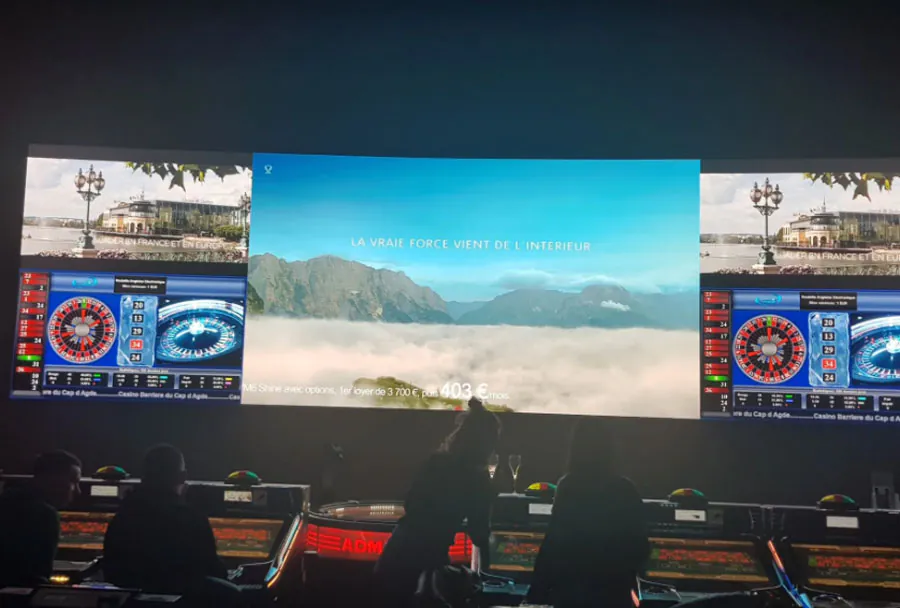
Interactive screens have moved far beyond “playing a looped video.” Today, a Touchscreen Digital Signage Monitor for Interactive Displays is a practical tool for selling, guiding, educating, and collecting real-time data—especially in retail, hospitality, corporate spaces, museums, healthcare, and transportation hubs. When designed correctly, it turns foot traffic into meaningful engagement: people tap, explore, compare, register, navigate, and even complete purchases.
As a service provider, TW VISION focuses on delivering touchscreen digital signage solutions that are reliable in public environments, visually compelling, and easy to manage at scale. Below is a complete, experience-driven look at what these monitors are, how to choose them, and how to use them to create interactive displays that perform.
What a Touchscreen Digital Signage Monitor Really Is (and Why It’s Different)
A Touchscreen Digital Signage Monitor for Interactive Displays combines commercial-grade display performance with touch input and software integration. Unlike consumer tablets or home TVs, interactive signage is expected to run long hours, stay bright under harsh lighting, handle repeated touch interactions, and remain stable for months or years with minimal downtime.
The key difference is not just “adding touch.” It’s the expectation of continuous operation, public-use durability, and content control across one or hundreds of endpoints. With interactive signage, the screen is part of a broader system: content management, analytics, remote monitoring, on-site mounting, and user experience design.
Why Interactive Displays Are Becoming the Default in Public Spaces
Traditional digital signage speaks at people; interactive signage speaks with them. That shift matters because attention is expensive and time is limited. An interactive display creates a “micro-journey” where users can self-serve information and move forward without waiting for staff.
Common business outcomes include:
– Higher conversion: interactive product finders, comparison tools, and guided selection flow.
– Reduced operational load: self-service directories, FAQs, queue and appointment check-ins.
– Better brand recall: hands-on exploration is more memorable than passive viewing.
– Measurable engagement: taps, dwell time, popular pages, and interaction funnels can be tracked.
– Faster updates: promotions and information can be changed instantly without reprinting materials.
TW VISION typically positions touchscreen signage not as “a screen purchase,” but as an experience infrastructure that supports customer service, marketing performance, and operational efficiency.
Core Features to Look for in a Touchscreen Digital Signage Monitor
Choosing the right monitor determines whether your interactive display becomes a long-term asset or a constant maintenance issue. Below are the features that matter most in public-facing environments.
Commercial-Grade Reliability (Not Consumer Hardware)
Public displays should be built for long operating schedules. Commercial units are designed for extended runtimes, improved thermal control, and stable performance in varied environments. Reliability affects everything: maintenance cost, user trust, and brand perception.
Touch Accuracy and Responsiveness
Interactivity fails when touch feels laggy, inaccurate, or inconsistent near the edges. A good touchscreen digital signage monitor supports smooth navigation and precise selection—especially for directories, maps, forms, and multi-step user flows.
High Brightness and Visibility
Interactive displays must remain readable under strong ambient light, including storefront windows, lobby lighting, or overhead downlights. Brightness, contrast, and anti-glare design influence whether users approach the screen confidently or walk away.
Durability for Frequent Use
In public spaces, the screen needs strong protective glass and a robust chassis. The display should be designed to handle frequent touches, cleaning routines, and accidental bumps in high-traffic areas.
Connectivity and System Integration
Interactive signage rarely works alone. A touchscreen monitor may need to integrate with content platforms, POS systems, CRM membership flows, queue systems, IoT sensors, or building directories. Stable connectivity and compatible interfaces simplify deployment and scaling.
Flexible Mounting and Installation Options
Wall-mounted, floor-standing kiosk, countertop, or embedded installations all have different requirements. The monitor’s mounting compatibility, cable routing, and service access strongly affect installation time and the final appearance.
Interactive Display Scenarios That Perform Well
A Touchscreen Digital Signage Monitor for Interactive Displays can be used in many ways, but the highest ROI usually comes from experiences that solve a clear user problem in a simple flow. Here are proven scenarios that TW VISION often supports through planning and deployment services.
Retail Product Discovery and Endless Aisle
Interactive catalogs allow customers to browse colors, sizes, specifications, and availability. Instead of walking away when an item is out of stock, users can find alternatives or place orders.
Wayfinding and Interactive Directories
In malls, hospitals, campuses, and corporate buildings, interactive maps reduce confusion and staff interruptions. Users can search by store, department, service type, or appointment name and get step-by-step directions.
Self Check-In and Queue Management
Clinics, banks, government service counters, and showrooms use touchscreen displays to reduce waiting friction. Customers can check in, receive queue numbers, and get guidance about required documents.
Museum and Exhibition Engagement
Interactive storytelling creates deeper learning: timelines, zoomable images, 3D models, quizzes, multilingual content, and accessibility-friendly navigation.
Corporate Lobby and Visitor Management
A lobby touchscreen can handle visitor registration, host notifications, meeting room directions, and company introductions—creating a consistent, premium first impression.
Designing Content for Touch: What Makes Interactivity Work
Many interactive signage projects fail not because of hardware, but because the user experience is designed like a poster. Touch content needs a different approach: fewer steps, larger buttons, and immediate feedback.
Key best practices include:
– Clear first action: one obvious starting point (e.g., “Find a store,” “Browse products,” “Check in”).
– Big touch targets: buttons sized for real fingers, not a mouse pointer.
– Shallow navigation: avoid deep menus; keep users within 2–3 taps of the goal.
– Fast performance: loading delays kill engagement; optimize media and transitions.
– Idle-to-attract loop: when untouched, the screen should invite interaction with a short, clear call-to-action.
– Accessible UI: support readable typography, high contrast, and multilingual options when needed.
TW VISION often supports clients by aligning the touchscreen content structure with the physical environment: where people stand, how long they wait, what they need, and how quickly they move.
Deployment at Scale: Remote Management and Operational Control
For a single site, a touchscreen monitor is manageable. For multiple branches, it becomes a networked system that needs control and visibility. The operational value comes from being able to update content, monitor status, and troubleshoot without onsite visits.
A strong solution typically includes:
– Central content scheduling (by time, location, or user segment)
– Remote health monitoring (online/offline status, temperature alerts, performance checks)
– User interaction analytics (tap events, popular pages, session length)
– Permission control (brand headquarters vs. local store edits)
– Security policy (lockdown modes, restricted ports, safe browsing rules where relevant)
TW VISION’s service approach emphasizes that interactive signage is not a “one-time install,” but an ongoing channel—like a website in the physical world—requiring updates, governance, and performance measurement.
How TW VISION Supports Touchscreen Digital Signage Projects
As a service provider, TW VISION helps clients implement Touchscreen Digital Signage Monitor for Interactive Displays projects with a focus on stability, usability, and brand impact. Typical support areas include:
– Solution consulting: choosing screen sizes, placement strategy, and interaction goals.
– Hardware selection and configuration: matching commercial-grade monitors to usage scenarios.
– Installation planning: cable routing, mounting method, power/network readiness, and site conditions.
– Content and interaction planning: ensuring the UI is designed for touch behavior and real environments.
– System integration: connecting signage with business workflows (directories, check-in, CRM, or product data).
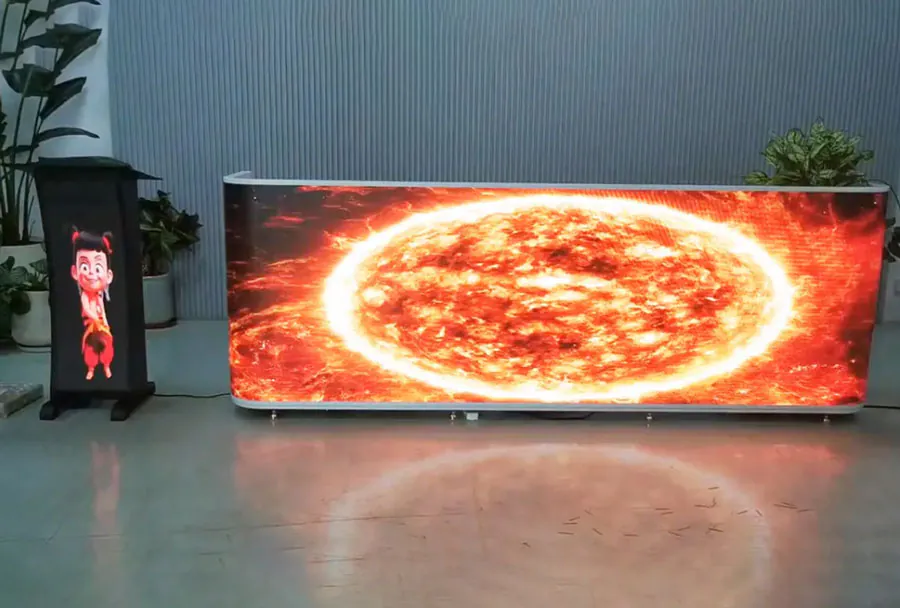
– Maintenance and lifecycle support: keeping the display network consistent and operational.
The result is a deployment that looks professional, works smoothly for users, and remains manageable for operations teams.
Measuring Success: What to Track Beyond “It Looks Good”
Interactive signage should be evaluated like any performance channel. Visibility alone is not the goal—outcomes are.
Meaningful metrics include:
– Engagement rate: how many passersby start interacting.
– Session duration: time spent per user (context matters—short can be good for wayfinding).
– Top actions: most-used functions, most-viewed products, most-searched departments.
– Completion rate: check-in completed, form submitted, map route generated, catalog inquiry sent.
– Operational impact: reduced counter questions, shorter wait times, improved staff efficiency.
By aligning metrics to business goals, TW VISION helps clients iterate: refine menus, adjust calls-to-action, optimize placement, and keep content relevant.
Turning Screens into Real Interactions with TW VISION
A Touchscreen Digital Signage Monitor for Interactive Displays is more than a display—it’s a customer-facing interface, a service tool, and a measurable engagement channel. When built with commercial-grade reliability, thoughtful UX design, and scalable management, interactive signage can elevate brand experiences while improving operational efficiency.
With TW VISION as the service provider, businesses can move from “installing a touchscreen” to building a consistent interactive ecosystem: one that attracts attention, guides users, reduces friction, and delivers insights that help teams keep improving long after launch.