Flexible LED Display Screens for Retail and Commercial Spaces

In today’s retail and commercial landscape, attention is the rarest currency. Customers move faster, compare more, and expect physical spaces to feel as dynamic as digital platforms. Traditional signage—static lightboxes, printed posters, even rigid LED walls—often struggles to match the pace of modern campaigns and experiential marketing. That is why flexible LED display screens have become a powerful tool for stores, malls, showrooms, airports, hotels, and corporate venues. They do more than “show content.” They reshape how people experience a space.
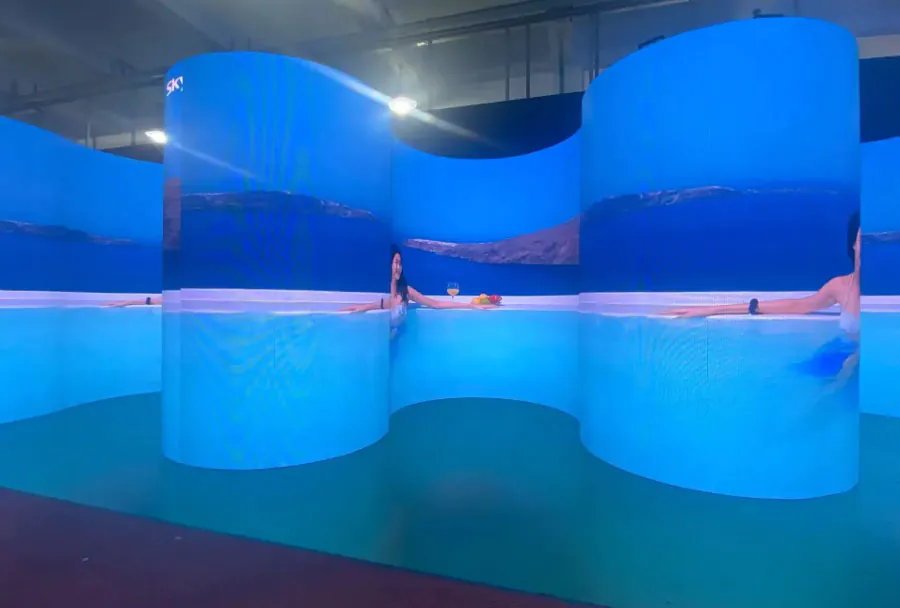
flexible led display screens can wrap around pillars, bend along curved walls, integrate into architectural features, and create immersive visual journeys without compromising brightness or clarity. When deployed strategically, they increase dwell time, elevate brand perception, and improve the effectiveness of promotions. As a service provider, TW VISION supports retailers and commercial operators with end-to-end solutions—helping them plan, install, and operate flexible LED systems that look premium and perform reliably.
Why Flexible LED Displays Are Changing Retail and Commercial Design
Retail and commercial environments are no longer built only for transactions; they are built for experiences, content creation, and brand memory. Flexible led display screens fit this shift perfectly because they free designers from flat rectangles and unlock new display geometry.
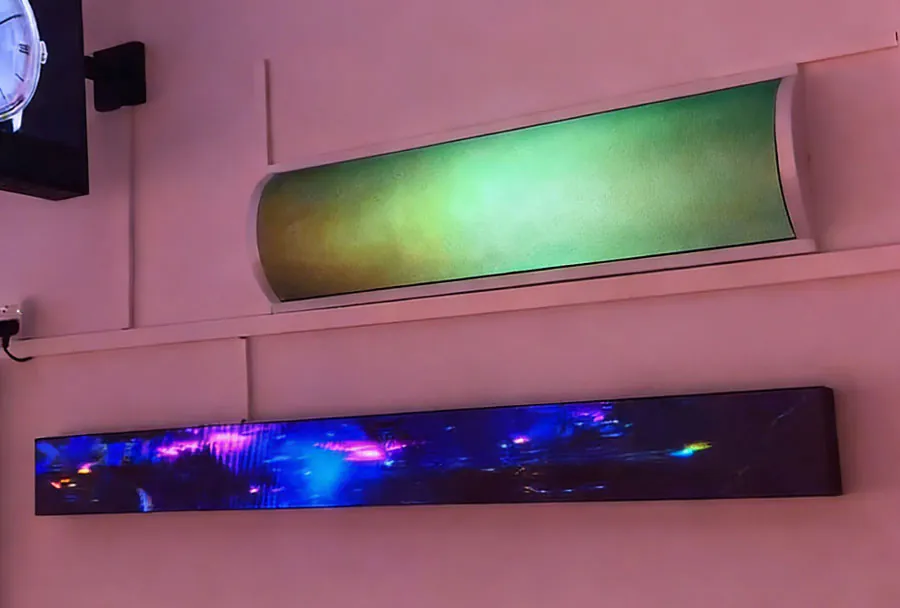
Unlike rigid panels that require a perfectly flat structure, flexible LED modules can adapt to curves and irregular surfaces. This enables a new generation of “architectural media,” where the screen becomes part of the building. A curved LED ribbon above a cosmetics counter, a cylindrical column wrap in a shopping mall atrium, or a wave-shaped display behind a hotel reception desk can achieve a level of visual sophistication that printed materials cannot.
flexible led screens also support rapid content updates. Seasonal campaigns, flash promotions, product launches, or event-specific messaging can be scheduled and changed without reprinting or downtime. For multi-store retailers and chain commercial spaces, centralized content management creates brand consistency while allowing local customization.
Key Advantages of Flexible LED Display Screens in High-Traffic Spaces
1) Design Freedom for Curved and Irregular Surfaces
Commercial architecture often includes columns, rounded corners, arches, and feature walls. Flexible LED displays can follow these shapes, turning previously “dead” surfaces into high-value media. This makes them especially effective in malls and transit hubs where sightlines shift constantly and curved displays naturally guide attention.
2) Strong Visual Impact in Bright Environments
Retail lighting is designed to make products shine, but that brightness can wash out projectors or low-grade displays. Quality LED technology is built for high luminance and vivid color, which helps messaging remain clear even under strong spotlights or daylight near storefront windows.
3) Improved Space Utilization and Brand Storytelling
Because flexible LED screens can be integrated into existing structures—columns, soffits, facades, or counters—they reduce the need for bulky sign frames. This keeps spaces clean and premium. At the same time, the brand can tell richer stories: product features, lifestyle visuals, influencer campaigns, live social content, or interactive promotions.
4) Faster Campaign Updates and Lower Long-Term Content Friction
Printed signage requires lead time, shipping, installation labor, and waste disposal. Flexible LED screens reduce that cycle dramatically. Marketing teams can test creatives, localize messaging, and respond to inventory or seasonal changes quickly—critical advantages for fast-moving consumer goods, fashion, and electronics.
Where Flexible LED Screens Deliver the Most Value
Retail Storefronts and Window Displays
A storefront must win attention within seconds. Flexible LED screens allow brands to create curved or wraparound window displays that stand out in crowded streets or shopping centers. Motion and high contrast visuals are proven to attract the eye, and a flexible format makes the storefront itself feel like a “living” brand asset.
In-Store Feature Zones and Product Launch Areas
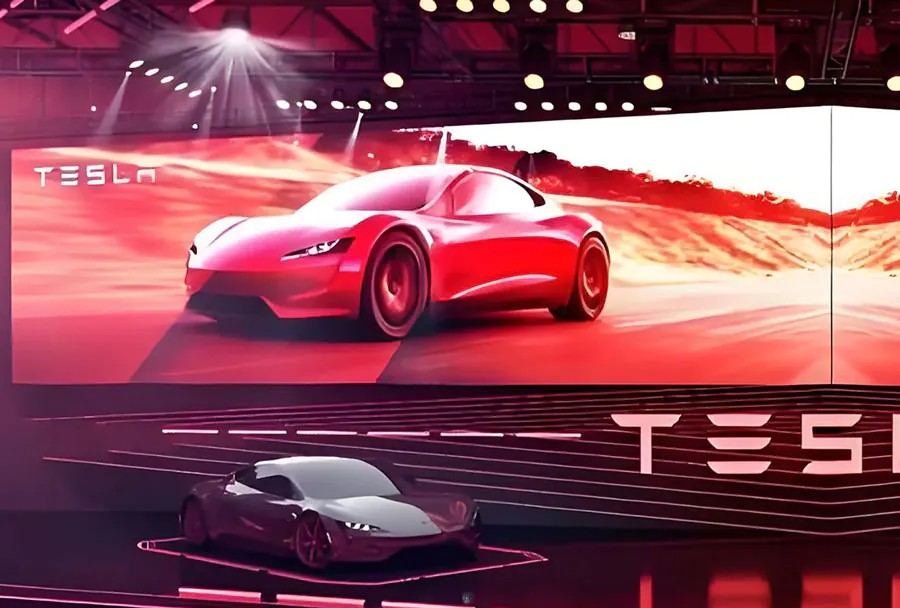
Feature zones—new arrivals, hero products, collaboration drops—benefit from bold visuals and constant updates. A flexible LED backdrop can curve behind a product table to create depth and immersion, especially when combined with carefully synchronized lighting and audio.
Mall Atriums, Columns, and Wayfinding
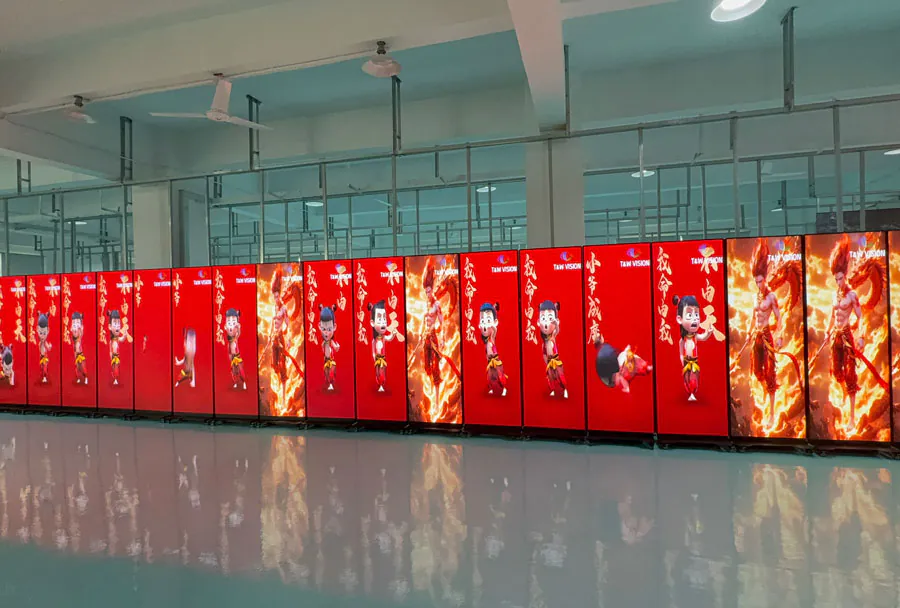
Mall operators need both advertising revenue and seamless navigation. Flexible LED wraps on columns or curved overhead bands can serve dual purposes: brand campaigns and directional messaging. With scheduling, the same surface can rotate through tenants’ promotions, event announcements, and real-time information.
Hotels, Restaurants, and Entertainment Venues
Hospitality spaces compete on atmosphere. Flexible LED screens can form artistic feature walls, animated ceilings, or curved bar backdrops that transform ambiance by time of day—breakfast calm, evening energy, weekend event mode—without rebuilding the interior.
Corporate Lobbies and Showrooms
Corporate environments increasingly function as brand showrooms for partners and visitors. A curved LED wall can present company milestones, product demos, sustainability commitments, or live data dashboards. In showrooms, flexible screens can frame product displays, simulate environments, and support guided storytelling.
Core Considerations When Choosing Flexible LED Display Screens
Selecting a flexible LED solution is not just about “what looks good.” Retail and commercial spaces demand durability, safety, and stable performance. The following factors directly influence results.
Pixel Pitch and Viewing Distance
Pixel pitch determines how sharp the image appears at a given distance. A luxury cosmetics counter viewed from 1–2 meters may require a finer pitch than an atrium display viewed from 10–30 meters. Over-specifying increases cost; under-specifying reduces perceived quality. A professional provider like TW VISION helps match pitch to real viewing behavior, not just technical preference.
Brightness, Color Accuracy, and Content Quality
Retail visuals must match brand color standards. Food, fashion, and cosmetics are especially sensitive to color reproduction. Brightness must also be appropriate for ambient light to prevent washed-out content. Just as importantly, content should be produced to fit the curved format; graphics designed for flat screens can distort when wrapped around columns unless adapted.
Mechanical Structure and Installation Environment
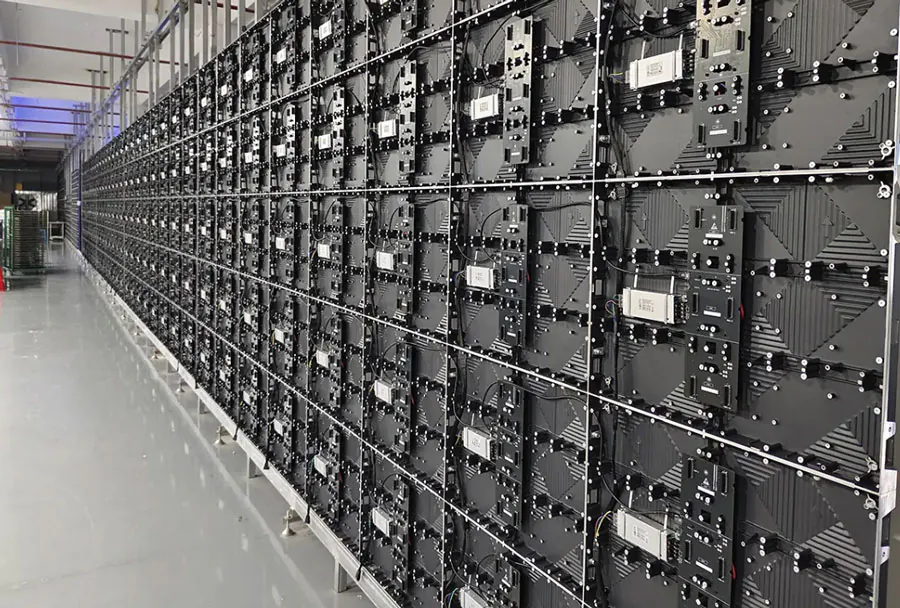
Flexible LED modules still require a safe mounting system, proper ventilation, and access for maintenance. Curved does not mean “easy.” Poor structural planning can lead to uneven surfaces, visible seams, or service difficulties. Commercial deployments need engineering discipline—especially in high-traffic public areas.
Reliability, Serviceability, and Total Cost of Ownership
A retail screen is expected to run for long hours, often seven days a week. Components, power design, and heat management influence lifetime. Service access matters: replacing a module should not require dismantling an entire architectural feature. Planning for maintenance reduces downtime and protects investment.
How TW VISION Supports Retail and Commercial LED Projects
TW VISION serves as a solution-oriented provider for flexible LED display screens in retail and commercial spaces. The value is not only in supplying hardware, but in ensuring that the screen fits the space, the brand, and the operational reality.
Consultation and Scenario Planning
TW VISION helps clients define goals—brand immersion, promotional conversion, wayfinding, or experiential engagement—and then translates those goals into display strategy. This includes recommending screen shape, size, pixel pitch, brightness targets, and installation approach based on foot traffic, sightlines, and architectural constraints.
Design Coordination with Architects and Contractors
Flexible LED installations work best when planned early with interior designers and builders. TW VISION can coordinate technical requirements—mounting surfaces, power supply, cable routes, ventilation, and service access—so the display becomes a clean architectural integration rather than an afterthought.
System Delivery, Installation, and Commissioning
From module assembly to calibration and on-site testing, TW VISION supports the deployment process to ensure uniform brightness, consistent color, and stable performance. For commercial operators, commissioning is critical: the screen must run predictably from day one, with clear settings and operating procedures.
Content and Operational Support
A flexible screen reaches its full potential when content is designed for its geometry. TW VISION can support clients in aligning screen format with content workflows—ensuring that visuals, animations, and transitions look natural on curves, corners, and wrap-around surfaces.
Best Practices: Turning a Flexible LED Screen into a Business Asset
To maximize ROI, retailers and commercial operators should treat flexible LED as part of the customer journey rather than a standalone “wow factor.”
Use Zoning and Timing, Not Constant Noise
High-impact screens can become visual clutter if they are always intense. Instead, use content zoning (brand story, product highlight, price/promotion, wayfinding) and timing (peak hours vs. quiet hours). A premium feel often comes from controlled rhythm, not nonstop motion.
Design for Curvature and Real Sightlines
Curved screens change how viewers perceive text and faces. Avoid tiny typography, place key messages within central viewing zones, and test content from multiple angles. If the screen wraps around a column, consider looping visuals that read naturally from different entry points.
Connect Campaigns to Measurable Outcomes
Flexible LED screens can support QR-driven promotions, product launch countdowns, and event announcements that link to trackable actions. The strongest deployments connect beautiful visuals with measurable goals: increased footfall, higher conversion in feature zones, or improved tenant advertising value in malls.
The Future of Retail and Commercial Spaces Is Adaptive
Retail and commercial environments are becoming more adaptive, more content-driven, and more experiential. Flexible LED display screens align with this future because they blend into architecture while remaining instantly updatable. They help brands communicate faster, create stronger emotional impact, and make physical spaces feel alive.
For retailers, the opportunity is clear: transform surfaces into storytelling platforms and make every visit feel current. For commercial operators, flexible LED can modernize public areas, increase advertising inventory, and improve navigation—while elevating the overall perception of the venue.
TW VISION supports this transformation by providing flexible LED display solutions designed for real-world commercial performance. When technology, architecture, and content strategy are aligned, flexible LED screens become more than displays—they become a living part of the space, shaping how customers feel, where they look, and what they remember.