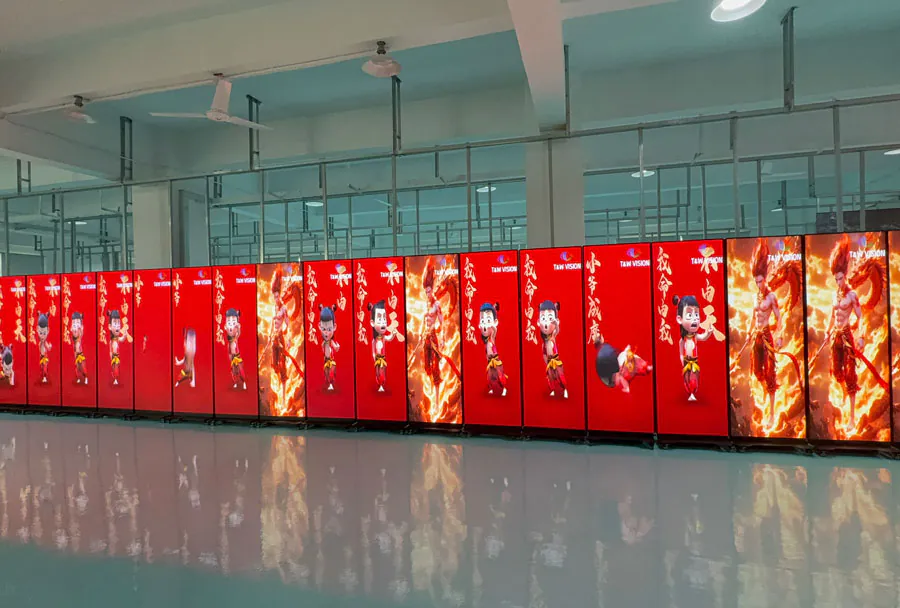
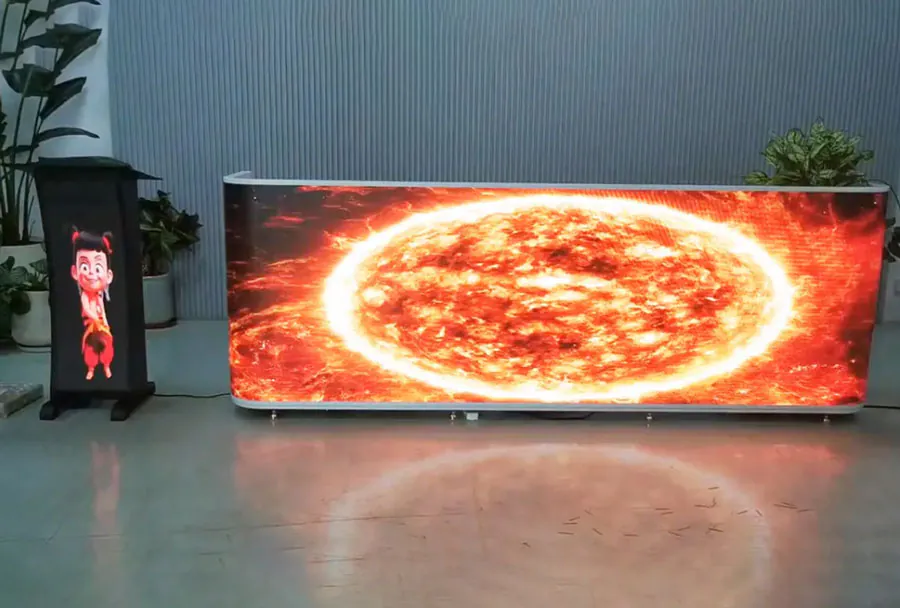
Custom Shaped LED Screens: 6 Best for Immersive Brand Design

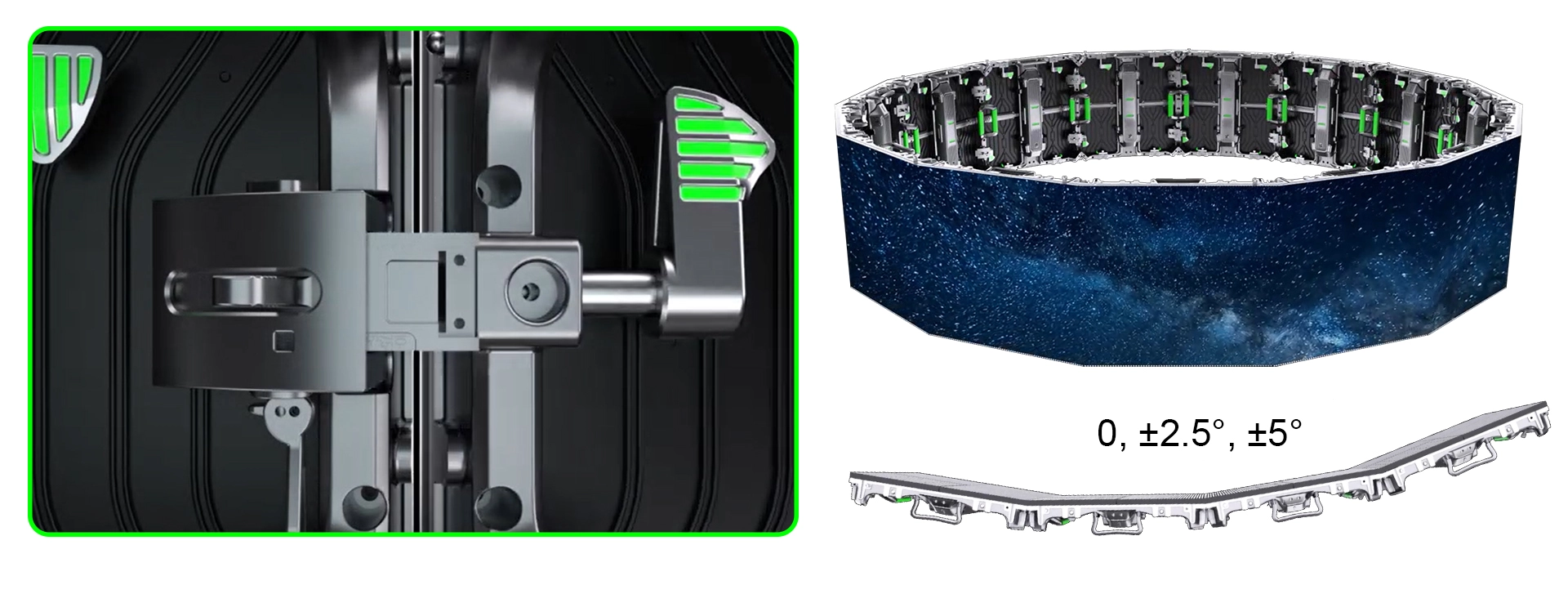
Introduction
Custom Shaped LED Screens are changing the way brands, venues, and event organizers think about digital display technology. Businesses can now create visual installations that follow curves, angles, product outlines, architectural features, or fully artistic forms instead of relying on standard rectangular displays. That flexibility turns a screen from a simple content surface into part of the environment itself. From flagship retail stores to concert stages and corporate lobbies, businesses choose Custom Shaped LED Screens to turn attention into engagement and engagement into action. When designed well, these displays combine engineering, creativity, and storytelling in a way that static signage rarely can. They are not just larger or brighter screens; they are tools for building memorable experiences that audiences notice, photograph, share, and remember.
TW VISION has stock LED panels in the USA. Click www.cstwvision.com to talk.
Table of Contents
- Introduction
- Why unique display forms matter in modern visual marketing
- Design and engineering considerations before production
- Top applications across retail, events, architecture, and entertainment
- Buying tips, content strategy, and long-term maintenance
- FAQ
- What makes a shaped LED display different from a standard one?
- Are these displays more expensive than regular LED walls?
- Can they be installed outdoors?
- How long does it take to build and install one?
- Conclusion
Why unique display forms matter in modern visual marketing
Digital signage has evolved far beyond the role of simply showing announcements or looping ads. In today’s crowded media environment, a display must do more than present information clearly. It has to attract attention instantly, reflect the identity of the brand, and feel integrated into the physical space. That is where Custom Shaped LED Screens create a major advantage.
Unlike traditional flat displays, these solutions give designers the freedom to match the screen to a concept instead of forcing the concept to fit a standard panel. A display can mimic a brand logo, form a wave across a wall, wrap around a column, create a suspended ring over a showroom, or become a sculptural focal point inside a venue. This ability to break out of the rectangle changes the audience’s perception immediately. The screen feels less like equipment and more like an experience.
One reason brands invest heavily in standout display technology is simple: attention is expensive. Consumers are surrounded by visual noise in stores, airports, malls, arenas, exhibitions, and city centers. A distinctive installation becomes a visual interruption, which is exactly what marketers want. Because Custom Shaped LED Screens are built around creative goals rather than standard dimensions, they often deliver stronger first impressions and greater social media value than conventional signage.
These displays also support storytelling. Shape influences emotion. A curved screen can feel elegant and immersive. A circular display can suggest unity or motion. Angular geometry can imply innovation, speed, or energy. When the physical form supports the content theme, the screen becomes part of the narrative. For example, an automotive launch might use flowing contours that echo vehicle aerodynamics, while a sports venue may choose bold, aggressive lines that reinforce excitement and competition.
Another key benefit is architectural harmony. Many interior and exterior environments include unusual surfaces, columns, atriums, arches, corners, or facades where a standard screen would look awkward. Custom-shaped solutions can be designed to complement those features instead of competing with them. This helps architects, interior designers, and AV integrators maintain aesthetic consistency while still delivering impactful digital messaging.
Business value matters too. A highly visible display can increase dwell time, encourage product interaction, improve wayfinding, and support premium brand positioning. Entertainment environments benefit from deeper audience immersion, while retail spaces can use it to guide traffic toward featured collections. Museums and experience centers can also transform educational content into more dynamic and intuitive experiences. The better the visual impact, the greater the chance the display contributes to measurable outcomes.
Finally, unique LED installations are highly versatile in terms of content. They can show video, motion graphics, live feeds, product animations, data visualizations, ambient visuals, or interactive elements. With thoughtful content design, the unusual shape becomes an advantage rather than a limitation. Brands that understand this often achieve a display presence that feels original, memorable, and difficult for competitors to replicate.
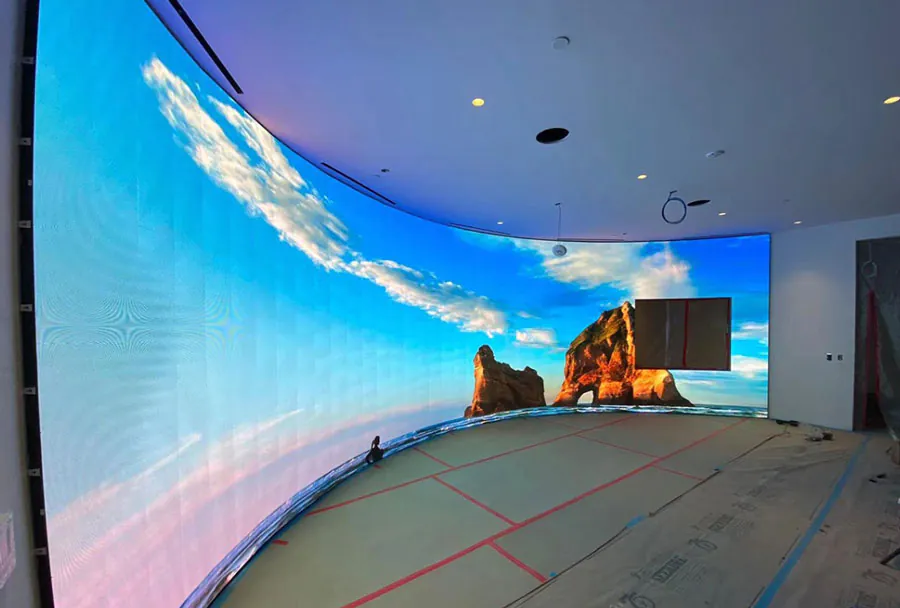
Design and engineering considerations before production
A successful project begins long before fabrication. Planning Custom Shaped LED Screens starts with a clear understanding of purpose, location, audience behavior, and content strategy. The shape should never be chosen only because it looks interesting in a concept rendering. It must serve a communication goal, fit the physical environment, and remain practical to build, install, operate, and maintain.
The first design question is objective. Is the display meant to stop foot traffic, showcase a hero product, create immersive ambiance, deliver directional information, or support a live performance? A retail centerpiece may prioritize visual drama and brand recognition, while a transportation hub display may need to balance shape with readability from multiple angles. Clarifying the objective helps determine the best geometry, size, brightness, and viewing distance.
Screen shape is the next major decision. Designers may use curves, circles, waves, spirals, faceted polygons, tunnels, cubes, ribbons, spheres, or fully bespoke contours. Each option influences not only appearance but also structural complexity, content creation, and cost. For example, a gentle arc may be relatively straightforward with flexible modules, while a three-dimensional suspended sculpture requires more involved structural engineering and careful load calculations.
Pixel pitch is equally important. Fine pixel pitch is ideal for close viewing in luxury retail, control rooms, broadcast environments, or indoor lobbies where image detail must remain crisp at short distances. Larger pixel pitch can work well for stage backdrops, atrium installations, and large public spaces where viewers stand farther away. Choosing the wrong pitch can either inflate the budget unnecessarily or compromise image quality.
Content compatibility should be considered early. At the engineering stage, Custom Shaped LED Screens require close collaboration between screen fabricators, content creators, architects, and system integrators. An unusual physical layout affects aspect ratio, resolution mapping, and media server requirements. If content is not planned around the screen’s geometry, even the most impressive hardware can underperform. Motion graphics may need masking, custom canvases, segmented playback zones, or anamorphic techniques to make full use of the structure.
Structural support is another critical factor. LED modules, frames, power supplies, cabling, controllers, and safety hardware all add weight. A suspended feature in a mall atrium or exhibition hall needs proper rigging design and approvals. A wall-mounted installation may require reinforcement behind finishes. Outdoor projects need to account for wind load, water resistance, drainage, thermal expansion, and environmental sealing.
Power and heat management also affect reliability. LED systems generate heat, and a non-standard shape can influence airflow patterns. Designers must ensure adequate ventilation or cooling, especially for enclosed or tightly integrated installations. Power distribution should be planned for efficiency, service access, and compliance with local electrical codes.
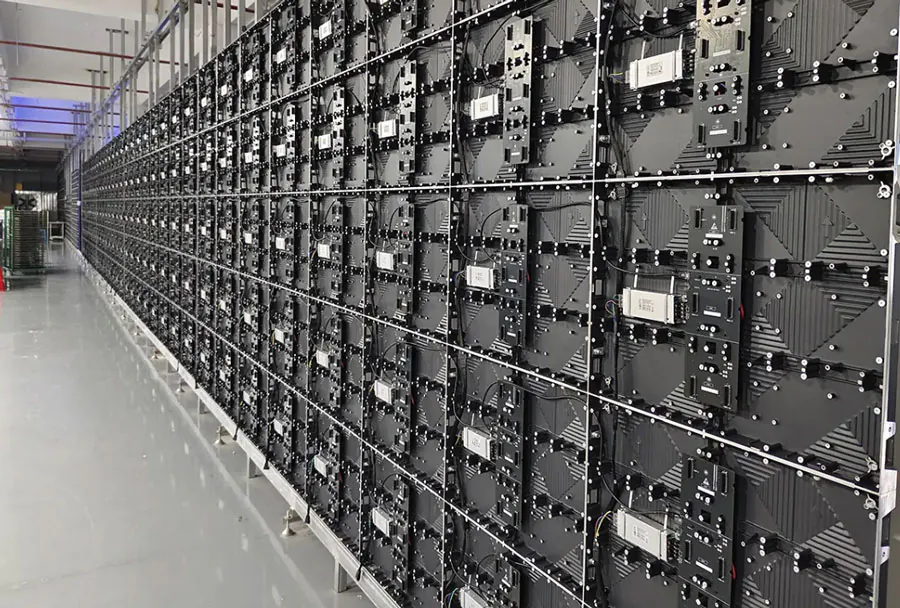
Maintenance access is often overlooked during early concept development. Yet it is essential. If a module fails, technicians need a safe and efficient way to replace it. Front-service or rear-service design, spare module planning, controller access, and cable routing all influence long-term operating costs. An installation that looks spectacular but is difficult to maintain can become a burden.
Finally, teams should build around budget realities. Custom fabrication, specialized mounting, content adaptation, and testing all contribute to total project cost. However, the right partner can help optimize design without losing creative impact. Value engineering might include adjusting module sizes, simplifying certain curves, choosing a more efficient pixel pitch, or reducing hidden complexity while preserving the visual statement.
Top applications across retail, events, architecture, and entertainment
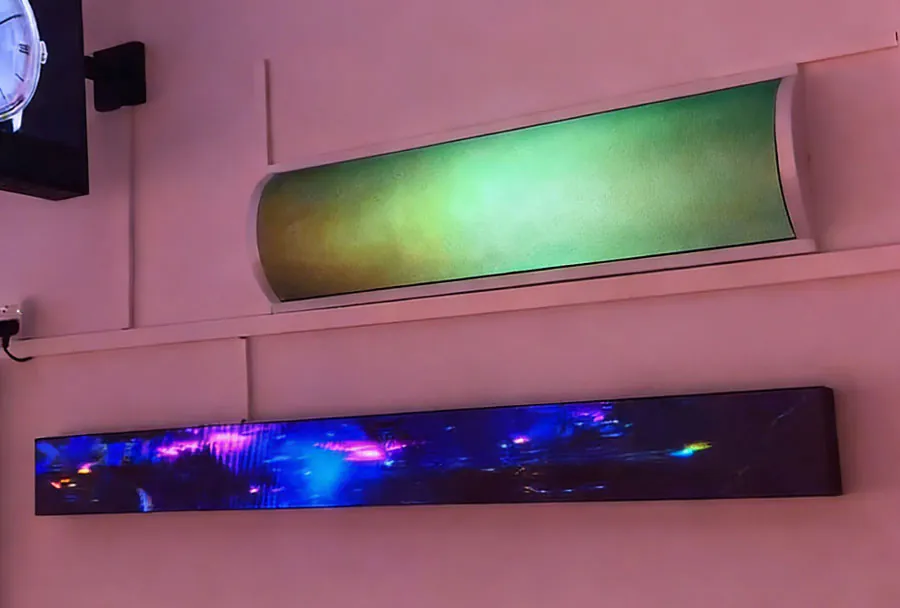
One of the strongest arguments for investing in shaped LED technology is the wide range of applications it supports. In retail, Custom Shaped LED Screens can wrap around product islands, frame entry portals, form branded sculptures, or transform window displays into animated attractions. For luxury stores, they add exclusivity and artistic polish. For sportswear, beauty, electronics, and automotive brands, they create high-energy environments that align with aspirational identity.
Retailers especially benefit from the ability to match display design to product storytelling. A cosmetics brand might use petal-like forms, while a tech brand might choose sleek geometric lines. A footwear launch could incorporate outlines inspired by the sole pattern of a signature shoe. These visual links reinforce recognition and make the space feel purpose-built rather than generic.
Trade shows and exhibitions are another major use case. Exhibitors compete aggressively for attention, and unusual screens can help a booth stand out from a distance. A suspended circular banner display, a curved immersive wall, or a product-shaped LED feature can increase booth traffic and encourage visitors to spend more time exploring. Because exhibition environments are often temporary, modular design and efficient assembly are key advantages.
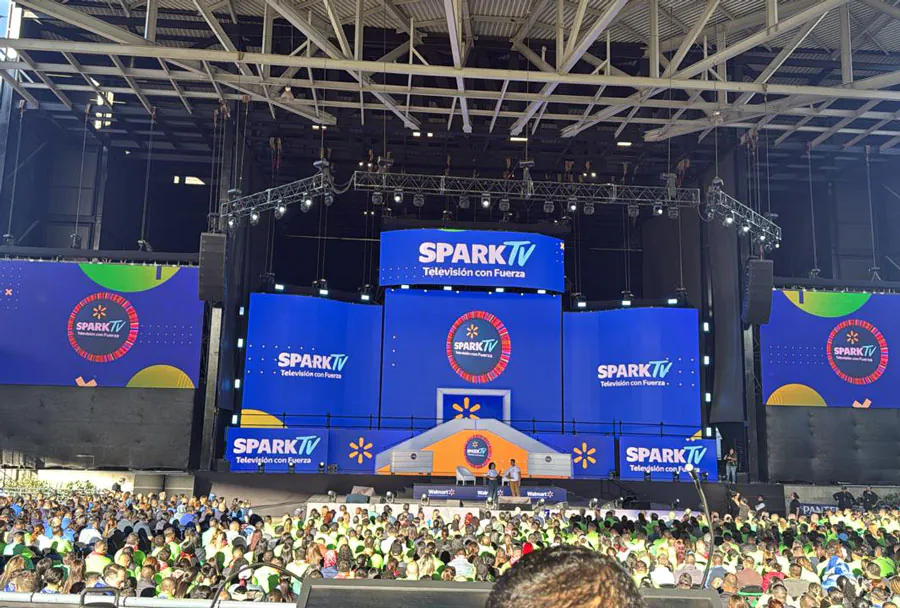
Live events and concerts use shaped LED installations to intensify atmosphere and elevate stage design. Instead of relying on a single backdrop, production teams can build layered visual environments with arches, rings, side wings, tunnels, or kinetic-looking forms. The result is a more immersive audience experience and stronger visual impact for camera broadcasts. Music tours, product launches, esports tournaments, and award shows all benefit from this approach.
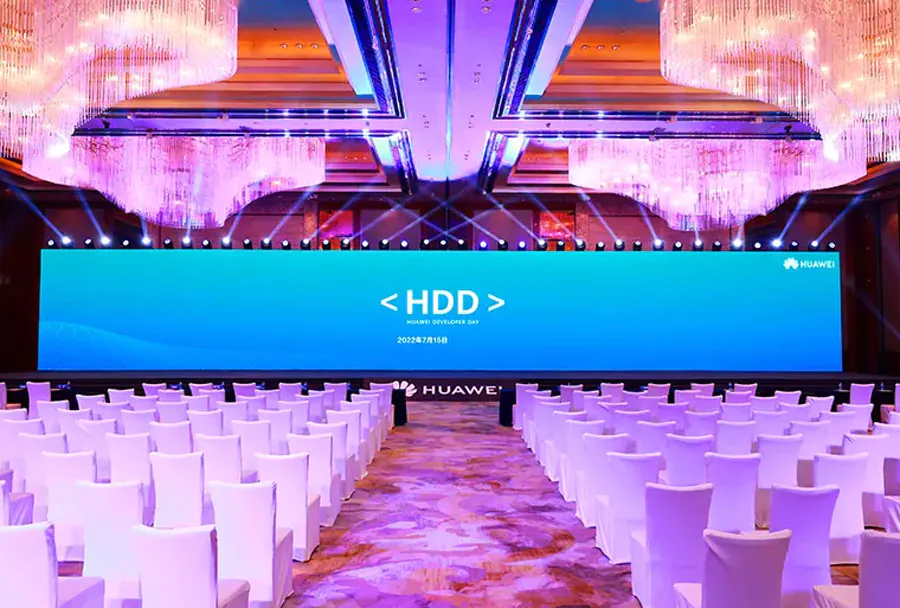
Corporate spaces also use distinctive LED features to communicate innovation. Headquarters lobbies, briefing centers, customer experience hubs, and executive event spaces often need statement displays that reflect a company’s brand values. A sculptural LED installation can present company milestones, live dashboards, investor messaging, or ambient brand visuals while doubling as a design centerpiece.
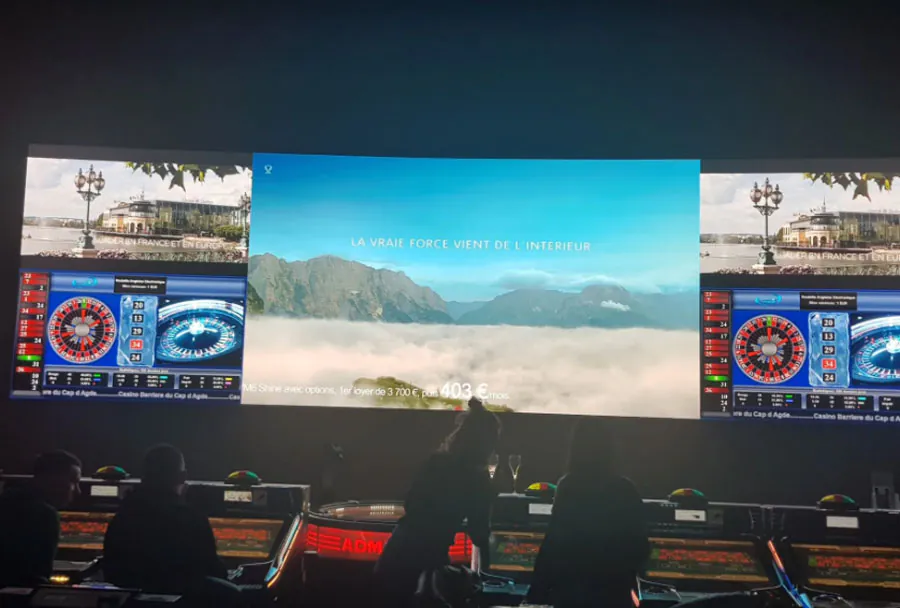
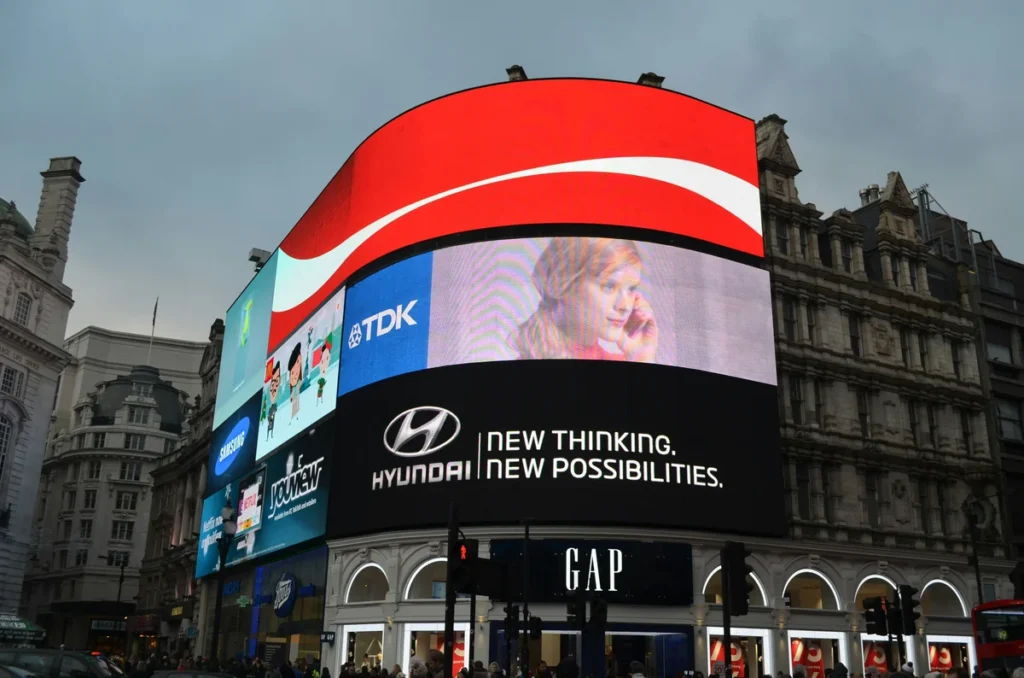
Architectural integration is another fast-growing area. Developers, hotels, casinos, mixed-use properties, and cultural venues increasingly incorporate digital media into facades and interiors. Curved or sculpted LED surfaces can accentuate ceilings, wrap columns, animate atriums, or enhance public art. When integrated thoughtfully, they contribute to placemaking, visitor engagement, and the perceived value of the property.
Museums and experience centers benefit as well. Since learning environments often depend on immersion and narrative flow, custom display forms can guide movement through exhibits and support thematic storytelling. A science exhibit might use orbital rings, a marine center might create wave-like displays, and a history installation might embed digital content into reconstructed architectural forms.
Sports venues use LED creatively to energize fan engagement. Entrance tunnels, halo boards, concourse displays, sponsor activations, and hospitality areas can all be enhanced with non-standard shapes. These installations create premium atmospheres that support ticket sales, sponsorship value, and social sharing.
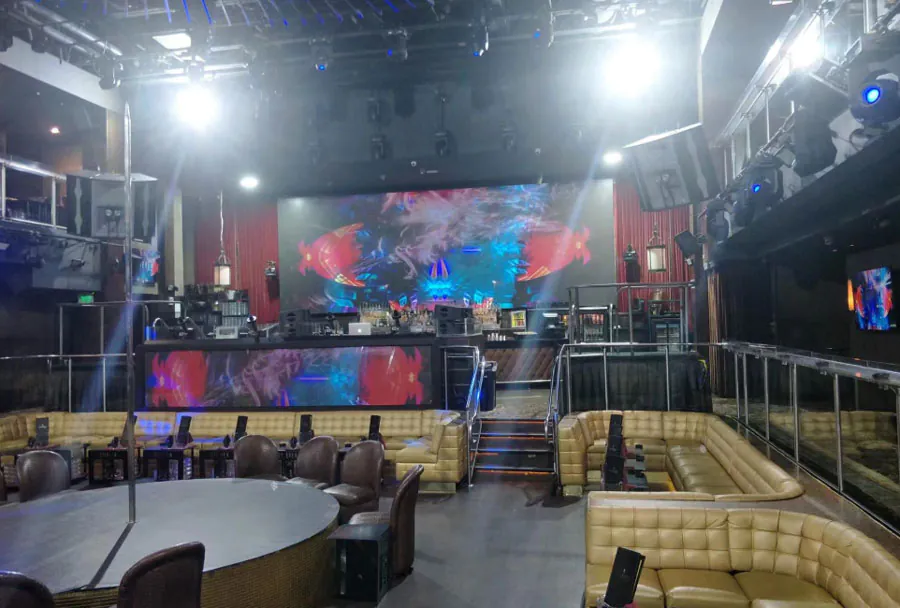
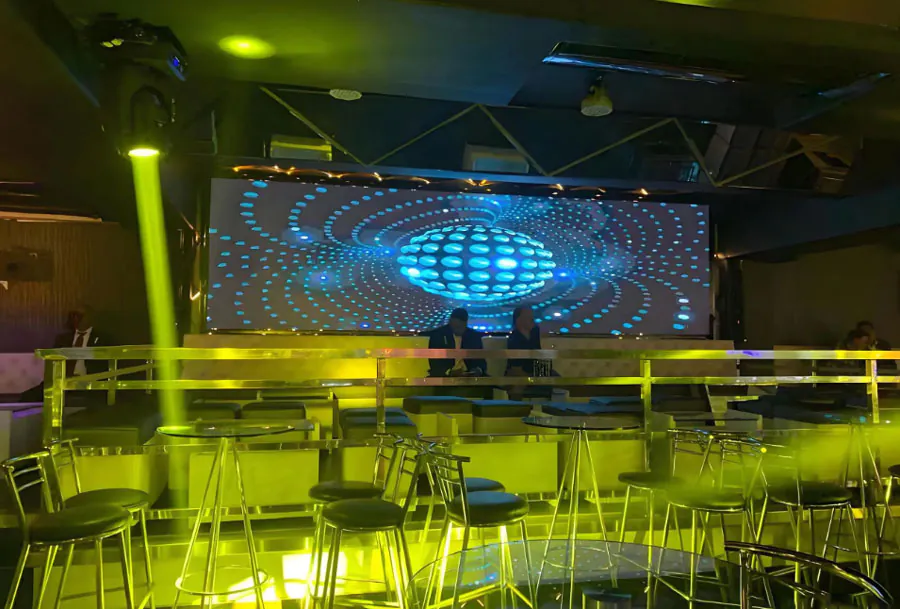
Hospitality brands also see clear value. Restaurants, bars, clubs, cruise ships, and themed attractions use artistic LED forms to define mood and differentiate their environments. A dramatic display feature can become a signature visual that guests associate with the brand long after the visit ends.
Across all these sectors, the real strength lies in adaptability. The technology can support brand building, entertainment, navigation, ambiance, education, or revenue generation depending on how the project is conceived and executed.
Buying tips, content strategy, and long-term maintenance
Choosing the right vendor and planning for the full lifecycle are just as important as the creative concept. Buying Custom Shaped LED Screens means balancing design ambition with technical performance, support quality, and operational practicality. A lower upfront quote may look attractive, but poor build quality, weak support, and difficult servicing can make the total cost far higher over time.
Start by evaluating supplier experience. Not every LED manufacturer or integrator is equally capable of delivering complex shapes. Ask for examples of similar projects, especially those involving curves, suspended structures, architectural integration, or custom framing. Review build quality closely. Precision matters because irregular seams, poor color consistency, or unstable structure can undermine the entire visual effect.
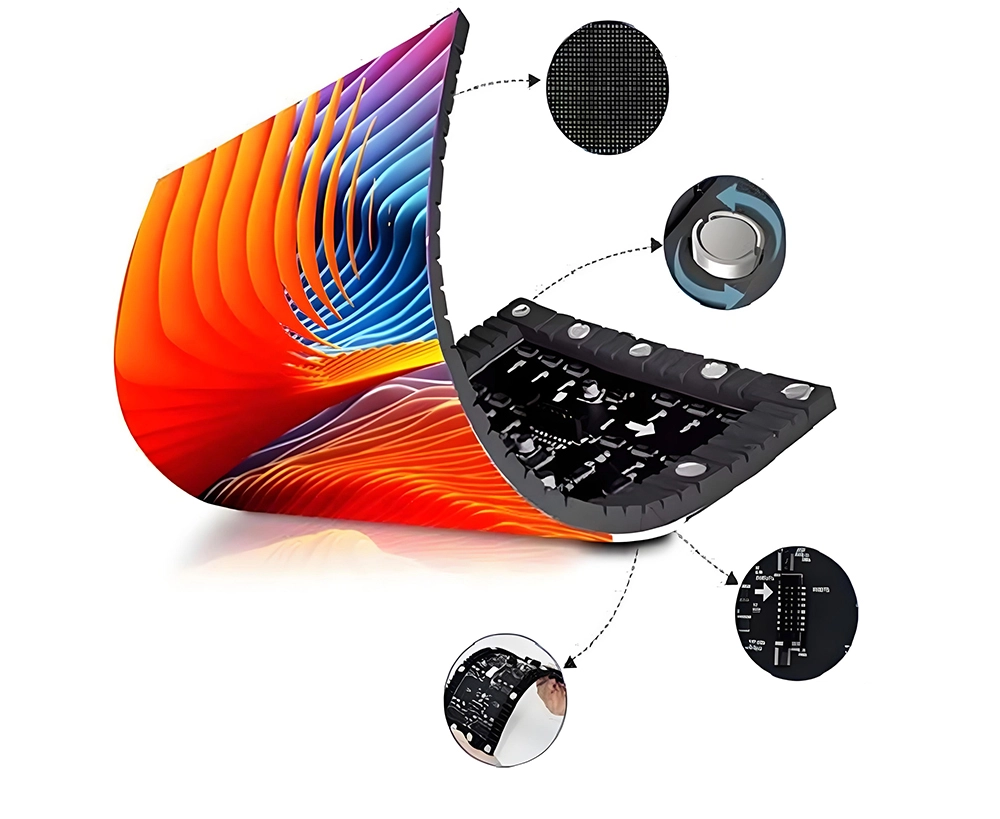
Module quality and calibration should be examined in detail. Look for strong brightness uniformity, accurate color reproduction, reliable driver IC performance, and stable grayscale handling. If the display will be viewed at close range, fine visual consistency becomes even more important. Ask about factory calibration, on-site calibration, and the process for matching replacement modules later.
Control systems and content workflow deserve careful attention. Some unusual screen layouts require advanced media servers, custom mapping tools, or interactive software integration. Make sure the playback ecosystem is compatible with your internal team or agency partners. If content updates will be frequent, prioritize user-friendly control platforms and remote management features.
Content strategy is often the difference between a merely expensive installation and a truly effective one. A custom screen shape demands custom creative thinking. Designers should consider how motion flows across the form, where the audience will stand, and how negative space can be used intentionally. Not every piece of existing rectangular content will translate well. In many cases, bespoke animations, segmented compositions, generative visuals, or reactive content will produce much stronger results.
Brightness and environmental suitability are also crucial. Indoor installations may prioritize fine detail and color richness, while outdoor systems need higher brightness, weather resistance, and robust thermal management. If the screen sits behind glass, receives direct sunlight, or operates in dusty or humid conditions, those factors must be addressed during specification.
Installation planning should include site surveys, structural review, electrical requirements, transport logistics, and safety compliance. Large or complex forms may need sectional assembly, lifting equipment, overnight installation windows, or coordination with other trades. A realistic schedule helps avoid costly surprises.
Warranty and service support should be part of the buying decision from the start. Manufacturers should support Custom Shaped LED Screens with accessible spare parts, documented maintenance procedures, responsive technical support, and clear service-level agreements to protect long-term performance. Buyers should confirm whether the modules support front-service or rear-service access, how quickly manufacturers can deliver replacement components, and whether local technicians can provide immediate assistance for urgent repairs.
Routine maintenance includes cleaning, visual inspection, color checks, software updates, controller monitoring, and occasional recalibration. Outdoor and public-facing installations may need more frequent inspections due to dust, moisture, temperature variation, or user interaction. It is also wise to schedule periodic performance reviews to ensure the content remains fresh and aligned with business objectives.
Another smart practice is planning for scalability. If a brand intends to roll out similar display concepts across multiple locations, a standardized design language with adaptable dimensions can control cost while preserving identity. Centralized content templates and remote monitoring make multi-site deployment much easier.
Ultimately, the best buying decision comes from treating the display as a long-term communication asset, not a one-time visual stunt. The right partner, thoughtful content, and reliable maintenance strategy will protect both performance and return on investment.
FAQ
What makes a shaped LED display different from a standard one?
The main difference is that Custom Shaped LED Screens are designed to fit a creative or architectural concept instead of standard rectangular dimensions. They can curve, wrap, angle, or form unique structures, which allows brands to create more immersive and memorable visual experiences.
Are these displays more expensive than regular LED walls?
The cost of Custom Shaped LED Screens depends on factors such as complexity of shape, pixel pitch, structural requirements, installation conditions, and content mapping needs. They usually cost more than conventional LED walls, but the added visual impact and branding value can justify the investment.
Can they be installed outdoors?
Yes, Custom Shaped LED Screens can be used outdoors when they are engineered for weather exposure, brightness requirements, and structural safety. Outdoor projects need proper ingress protection, thermal management, wind-load planning, and durable materials suited to the local climate.
How long does it take to build and install one?
Lead times for Custom Shaped LED Screens vary based on design complexity, fabrication method, content preparation, and site readiness. Simple indoor forms may take a few weeks, while large architectural or suspended installations can require several months from concept approval to final commissioning.
Conclusion
For brands that want unforgettable visual impact, Custom Shaped LED Screens offer a rare combination of creativity, technology, and strategic value. They can transform ordinary spaces into destinations, strengthen brand identity, support immersive storytelling, and help organizations stand out in highly competitive environments. The most successful projects begin with clear goals, thoughtful engineering, and content designed specifically for the form. When supported by the right manufacturing partner and a practical maintenance plan, these displays become more than digital signage. They become signature experiences that people notice, remember, and share. If your objective is to create a display solution that feels distinctive rather than standard, a well-executed custom LED design can be one of the most powerful visual investments available today.