

Effective Outdoor LED Display Placement: 7 Strategies to Maximize Visibility

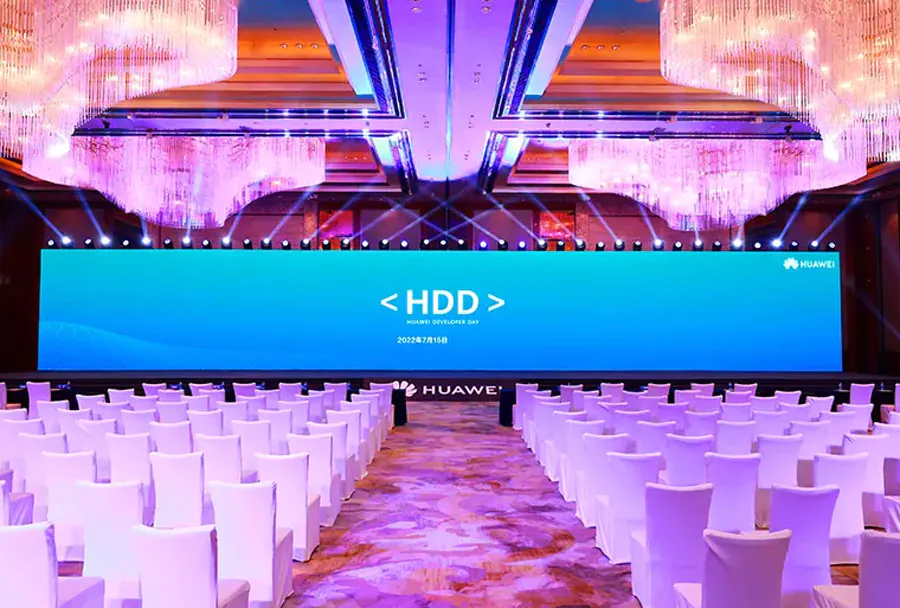
Effective Outdoor LED Display Placement: 7 Strategies to Maximize Visibility starts with a simple observation: most signs are mounted where they fit, not where they are seen. A driver traveling at 35 mph covers about 51 feet every second — roughly the length of three parallel parking spaces.
Table of Contents
- Strategy 1: Map Traffic Flow and Sight Lines Before You Mount
- Strategy 2: Match Pixel Pitch to Your Real Viewing Distance
- Understanding Pixel Pitch Numbers
- Strategy 3: Claim Dwell-Time Zones, Not Just Busy Corners
- Strategy 4: Set Height, Tilt, and Angle for the Human Eye
- Strategy 5: Outsmart Sun and Glare With Brightness and Orientation
- Strategy 6: Clear Zoning and Sign Codes Before You Install
- What Your City’s Sign Ordinance Usually Covers
- Strategy 7: Validate Visibility With Real-Time Tests at Every Hour
- Using Google Street View for Seasonal Sun Checks
- How far away can people actually read an outdoor LED display?
- What happens if my outdoor LED is too bright at night?
- Do small storefront LED signs need a permit even for a small window display?
- Is a higher-resolution outdoor LED always worth the extra money?
- Can I predict foot traffic before drilling mounting holes?
- Conclusion
At that speed, your screen has only a few seconds to register before it leaves the driver’s field of view.
The problem is familiar to storefront owners, gas station operators, and event venues alike: an expensive LED screen that looks great in the showroom but gets ignored on the street. The difference between a sign that performs and one that disappears comes down to placement decisions made before the installers arrive.
This guide walks through seven practical strategies: reading traffic patterns, matching resolution to distance, finding dwell-time zones, setting the right height and tilt, managing sunlight, clearing local codes, and testing under real conditions. Each strategy closes with one action you can take today.
Indoor/outdoor LED display for rental usage-totally front service-PI series-Made by TW VISION.
Strategy 1: Map Traffic Flow and Sight Lines Before You Mount
Pedestrians walk at roughly 3 mph, and a typical storefront window earns no more than a two- or three-second glance from someone on the move. Your first job in Outdoor LED Display Placement: 7 Strategies to Maximize Visibility is to learn where eyes already point — not where you hope they will point.
Trace every approach path to your location. Which direction do morning commuters come from? Where do pedestrians cross the street? A screen aimed at the wrong approach loses most of its audience before a single frame plays.
Open Google Maps and switch to satellite view, then stand at the curb and photograph sight lines during morning, midday, and evening rush. Mark where heads turn, where phones come out, and where pedestrians slow down.
A common scenario: a cafe owner mounts a screen above the door on a one-way street. Lunch traffic approaches from the left, but the screen faces straight out — so drivers only see the edge of the cabinet. A 15-degree rotation toward oncoming traffic would have doubled its exposure.
Every subsequent decision in your Outdoor LED Display Placement: 7 Strategies to Maximize Visibility checklist builds on this traffic map.
How to apply this: spend 30 minutes at the busiest hour sketching approach paths on a simple map before drilling a single hole.
Strategy 2: Match Pixel Pitch to Your Real Viewing Distance
Pixel pitch — the distance in millimeters between LED clusters — dictates how close a viewer can stand before the image breaks into visible dots. The industry rule of thumb for Outdoor LED Display Placement: 7 Strategies to Maximize Visibility is simple: comfortable viewing distance in meters roughly equals the pitch number in millimeters.
A P4 screen resolves cleanly from about 4 meters (13 feet) away. A P10 screen needs roughly 10 meters (33 feet) before it looks sharp. Mount a P10 panel above a storefront where pedestrians pass 8 feet away, and they will see a wall of dots instead of your promotion.
Understanding Pixel Pitch Numbers
– P2.5 to P4 — storefront windows, walk-up counters, close-range retail
– P6 — drive-thrus, gas station canopies, curbside pickup lanes
– P8 to P10 — roadside pylon signs, mid-speed roads, parking lots
– P16 and above — highways and billboard-scale displays
Measure the real minimum distance from your sign location to the closest viewer. If the sidewalk sits 6 feet from your facade, do not buy a P10 display hoping for close-up detail — the math will not work.
| Pixel Pitch | Typical Viewing Distance | Best Placement | Action to Take |
|---|---|---|---|
| P2.5 to P4 | 8–15 ft | Storefront windows, walk-up counters | Measure curb-to-sign distance first |
| P6 | 20–30 ft | Drive-thrus, canopy signs | Confirm where vehicles actually stop |
| P8 to P10 | 30–60 ft | Roadside pylons, parking lots | Check speed limit and setback rules |
| P16 and up | 60+ ft | Highways, digital billboards | Design for fast, short-glance content |
TW VISION, one of the largest outdoor LED manufacturers, publishes viewing-distance guidance built around this same pitch rule, and their engineering resources are a useful cross-check before you purchase.
How to apply this: measure the curb-to-facade distance, convert to meters by dividing by 3.28, and choose a pitch at or below that number.

Strategy 3: Claim Dwell-Time Zones, Not Just Busy Corners
High foot traffic means little if people walk past at full stride. The strongest Outdoor LED Display Placement: 7 Strategies to Maximize Visibility targets dwell-time zones — places where pedestrians and drivers naturally pause.
Red lights, crosswalk signals, bus stops, queue lines, cafe patio seating, and checkout windows all create 10- to 60-second pauses. During those pauses, a screen has a captive audience. A sign placed 30 feet beyond a crosswalk loses most of that audience, because people have already resumed walking and their attention has shifted forward.
Position your screen within the sight cone of the pause, not the path. At an intersection, that means the screen should face the corner where drivers sit at the red light, not the far side of the block.
One gas station operator moved a canopy display from the pump aisle to the side of the convenience store facing the car queue. The sign is visible during the entire 3- to 5-minute refueling window rather than only while people walk from pump to register.
How to apply this: list every spot within 50 feet of your location where people stand still for 10 seconds or longer, then rank them by daily frequency.
Strategy 4: Set Height, Tilt, and Angle for the Human Eye
Mounting height decides whether a screen sits inside a viewer’s natural gaze or above it. Average standing eye level is roughly 5 to 5.5 feet, so a street-level shop display performs best when its center sits 8 to 10 feet off the ground — high enough to clear crowds, low enough to stay in view.
For Outdoor LED Display Placement: 7 Strategies to Maximize Visibility on a second-story or pylon mount, tilt becomes essential. Screens above eye level without a downward tilt present a glare-heavy, foreshortened image. A tilt of 5 to 15 degrees down from horizontal brings a high-mounted screen back into the viewer’s line of sight.
The angle matters horizontally too. A screen flush with a building wall is invisible to anyone approaching from the side. Rotating the cabinet 10 to 20 degrees toward the primary approach path can dramatically increase the number of people who actually see it.
Test before drilling: have a helper hold a cardboard cutout at the proposed height and angle while you stand at the actual viewing distances. If you have to crane your neck, pedestrians will not look.
How to apply this: mark your proposed center height on the wall with tape and photograph it from the curb and from 50 feet before finalizing the mount.
Strategy 5: Outsmart Sun and Glare With Brightness and Orientation
Bright full sunlight delivers about 100,000 lux to a facade, and any screen under that light must fight to stay readable. Outdoor-rated LEDs counter this with brightness measured in nits: direct-sun locations typically need 5,000 to 8,000 nits, while shaded or north-facing spots can get by with 2,500 to 3,500.
Direction changes everything in Outdoor LED Display Placement: 7 Strategies to Maximize Visibility. In the northern hemisphere, a south-facing screen catches direct sun for most of the day and may need its brightness maxed constantly. A north-facing screen stays in shadow, runs cooler, and uses less power.
Glare is a separate problem from brightness. Even a 6,000-nit screen becomes unreadable when direct sunlight reflects off the protective glass into viewers’ eyes. Anti-glare coatings and louvers help, but the cheapest fix is choosing an orientation that avoids the sun’s reflection path during peak hours.
Modern outdoor LED controllers include ambient light sensors that adjust brightness automatically as clouds pass and dusk falls — a feature worth confirming before purchase, and standard on most commercial panels from suppliers like Planar.
How to apply this: note which hours your proposed wall face gets direct sun in summer and winter, and buy auto-brightness hardware if any of those hours overlap peak business traffic.
Strategy 6: Clear Zoning and Sign Codes Before You Install
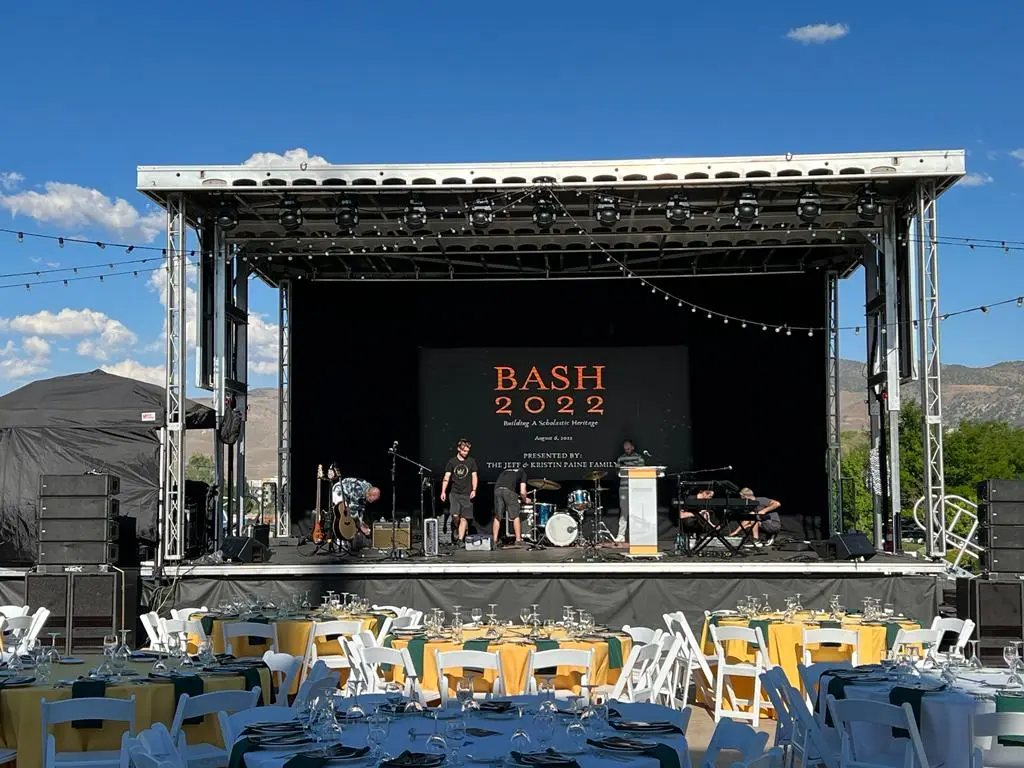
Sign rules are local, detailed, and frequently more restrictive than owners expect. Many cities regulate electronic sign area, brightness, zoning districts, and hours of operation — and enforcement often begins with a neighbor’s complaint about a too-bright screen.
Before committing to Outdoor LED Display Placement: 7 Strategies to Maximize Visibility, request your city’s sign ordinance from the planning or zoning office and look for the electronic or digital sign section. Pay attention to maximum size, minimum setbacks from intersections, and any nighttime brightness caps measured in nits.
What Your City’s Sign Ordinance Usually Covers
– Maximum sign area and height per zoning district
– Setback rules from roadways and property lines
– Brightness limits, especially after dark
– Hours of operation and animation restrictions
– Permit fees and renewal terms
For roadside locations, the Federal Highway Administration’s Manual on Uniform Traffic Control Devices (MUTCD) states that signs must provide adequate legibility distance and should not obstruct sight distance at intersections. Local codes build on that federal baseline, which is why a state-approved sign can still fail a city inspection.
How to apply this: call the planning office and ask specifically for the electronic sign section of your municipal code before paying a deposit on hardware.
Strategy 7: Validate Visibility With Real-Time Tests at Every Hour
A screen that reads beautifully at 2 p.m. can wash out at 10 a.m. and blind passersby at 9 p.m. The final step in Outdoor LED Display Placement: 7 Strategies to Maximize Visibility is on-site validation across the full daily light cycle.
Test at dawn, midday, dusk, and after dark. Photograph the screen from every actual viewing position: the sidewalk, the crosswalk, the turning lane, the bus stop. Ask a partner to rate readability on a simple scale from 50 and 100 feet — if you cannot read your own message instantly, passing traffic will not try harder.
Using Google Street View for Seasonal Sun Checks
Open Google Street View and pull the historical imagery slider to see how the sun and shadows hit your facade in different seasons. This does not replace a real-world test, but it reveals spring and fall shadow patterns you would otherwise wait months to observe.
If the display has not been purchased yet, run a temporary test with a printed banner at the same size and height. The banner will not prove brightness, but it will reveal whether the location actually earns attention — and many site owners change placement entirely after this one test.
How to apply this: create a one-page checklist with time of day, viewing angle, and readability score, then test on three different days before final commissioning.
Frequently Asked Questions About Outdoor LED Display Placement: 7 Strategies to Maximize Visibility
How far away can people actually read an outdoor LED display?
Legibility depends on both pixel pitch and the text size you design. A pitch-appropriate screen still fails if your font is too small for the distance. A practical rule: capital letters need roughly one inch of height for every 30 feet of viewing distance.
A P4 panel with 4-inch letters may render cleanly at 12 feet but become unreadable at 60 feet. This matters for Outdoor LED Display Placement: 7 Strategies to Maximize Visibility because a drive-up customer might be 5 feet away one moment and 50 feet away three seconds later.
What happens if my outdoor LED is too bright at night?
An over-bright screen at night creates glare, wastes power, and often triggers complaints from neighbors or passing drivers. Many municipal codes cap nighttime brightness — some jurisdictions set limits far below daytime levels after sundown. If your street runs along residential property, a complaint can lead to a citation even if you passed inspection.
For Outdoor LED Display Placement: 7 Strategies to Maximize Visibility, confirm your display has scheduled dimming or ambient auto-brightness tied to a light sensor rather than just a fixed clock.
Do small storefront LED signs need a permit even for a small window display?
Often yes, because codes usually govern total sign area and brightness, not just physical size. Some cities exempt signs under a few square feet, but those exemptions frequently exclude electronic displays entirely. Window-mounted screens can also hit different rules than wall-mounted ones.
In Outdoor LED Display Placement: 7 Strategies to Maximize Visibility, check whether your city distinguishes between “window signs” and “wall signs” in the ordinance — a distinction that occasionally lets small window LEDs bypass the full application, though not always.
Is a higher-resolution outdoor LED always worth the extra money?
Not always. If your closest viewers stand 40 feet away, a P2.5 and a P6 panel look nearly identical, but the P2.5 can cost significantly more per square foot. The exception is close-range retail: a jewelry store with a window screen at arm’s length needs fine pitch, while a canopy sign over gas pumps does not.
In Outdoor LED Display Placement: 7 Strategies to Maximize Visibility, spend on pitch only where viewers actually stand close enough to see the difference — otherwise redirect budget to brightness or weatherproofing.
Can I predict foot traffic before drilling mounting holes?
You can build a reliable estimate with low-tech methods. Count pedestrians during three 15-minute windows across different days, then scale up for a rough daily figure. A temporary printed banner at the proposed height works even better, revealing whether the spot earns real glances.
For Outdoor LED Display Placement: 7 Strategies to Maximize Visibility, remember seasonal variation: a tourist-area screen tested in February will not predict July, so note the season in your count.
Conclusion
Outdoor LED displays fail on the street more often from poor placement than from bad hardware. The strategies above give you a repeatable way to pick a spot that earns attention:
– Map real traffic flow and dwell-time zones before deciding on a location
– Match pixel pitch to actual viewing distance, not marketing specs
– Set height, tilt, and orientation for a natural, glare-free line of sight
– Clear local sign codes, then validate on-site at multiple times of day
Your next step: photograph your storefront from the curb at morning, noon, and night, mark the approach paths on a simple sketch, and measure the viewing distance to the closest sidewalk. Those three data points will put you ahead of most installations before a single dollar goes to hardware.
A disciplined Outdoor LED Display Placement: 7 Strategies to Maximize Visibility plan is the cheapest marketing upgrade a physical business can make — no ad spend, no campaign, just the right screen in the right place.
Related Articles
- TW VISION Offers Custom Foldable Led Screen For Business
- Choose TW VISION For Reliable Foldable Led Screen Service
- Outdoor Digital Display for Smart City Information Systems – LED DISPLAY MANUFACTURE TW VISION
