Energy-Efficient Outdoor LED Displays for Smart City Applications

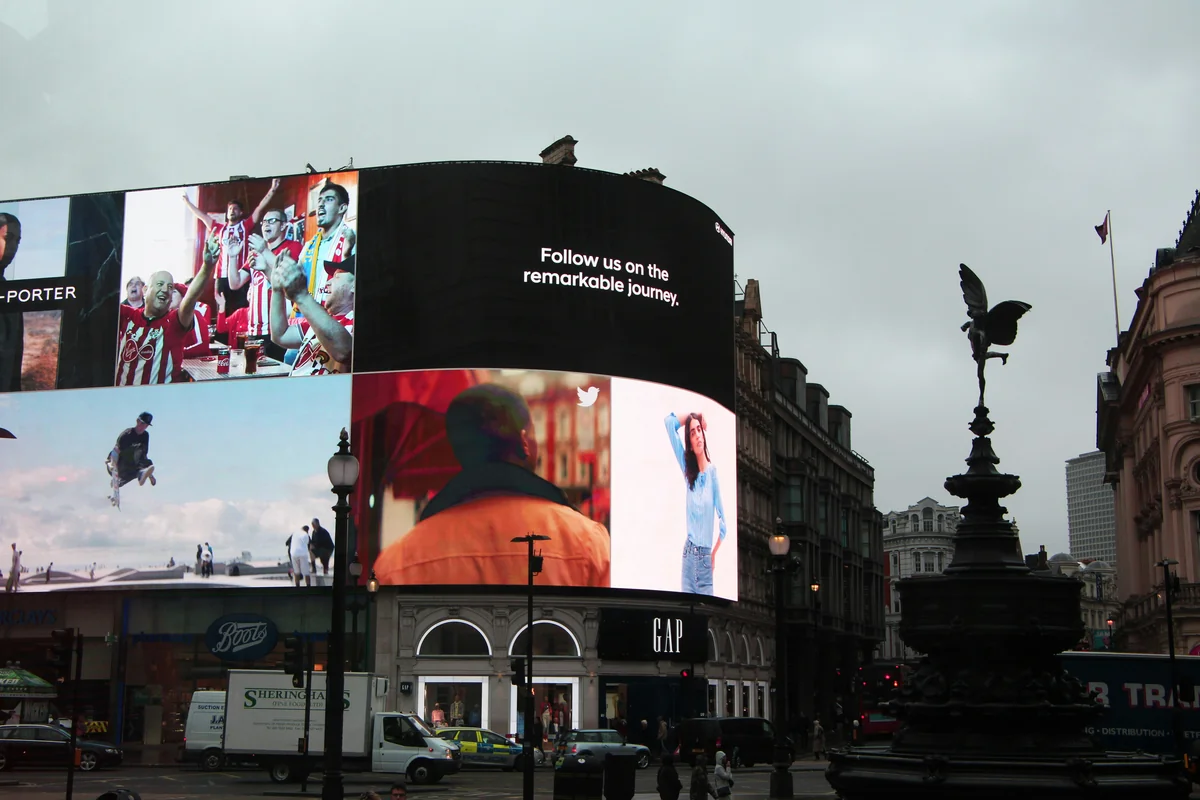
Smart cities are built on data, connectivity, and the ability to communicate with people in real time. From transit updates and emergency alerts to public service announcements and cultural events, cities increasingly rely on outdoor digital signage to keep citizens informed and engaged. However, traditional outdoor displays can be energy-intensive, especially when operating 24/7 under harsh weather conditions and high ambient light. That is why an Energy-Saving Outdoor LED display screen for Smart Cities is no longer a “nice-to-have”—it is a strategic infrastructure choice.
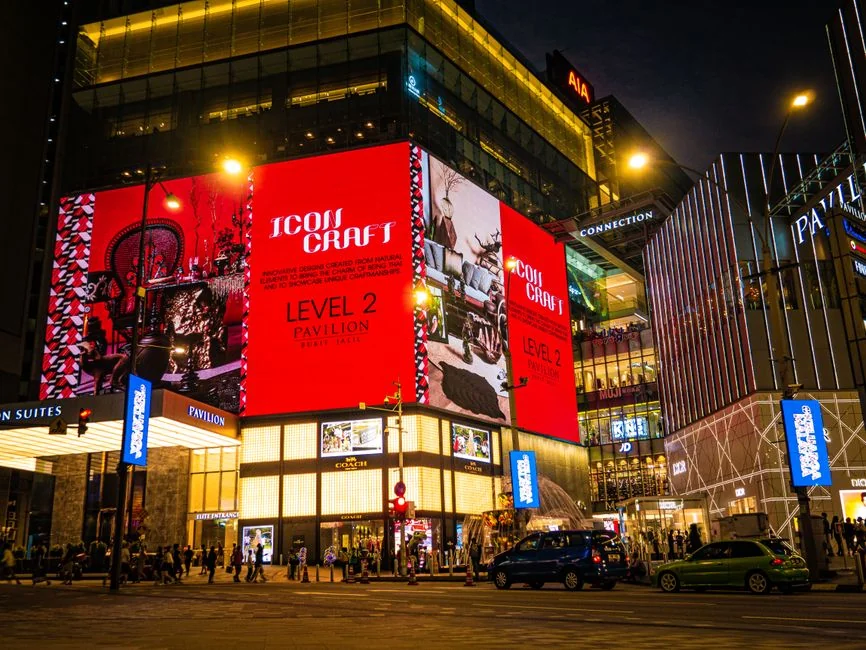
For brands that advertise across roads, stadiums, campuses, and retail facades, Energy-Efficient Outdoor LED Displays are no longer a niche option; they are a practical way to stay visible while controlling operating costs. Outdoor digital signage has evolved far beyond simple bright screens. Today, businesses want longer lifespans, lower power consumption, smarter brightness control, and reliable performance in sun, rain, dust, and extreme temperatures. That combination matters because outdoor displays run for long hours and often in demanding conditions. The right system can reduce electricity usage, simplify maintenance, and improve return on investment without sacrificing impact. In this guide, we’ll break down what makes these displays efficient, where they work best, and how to choose the right solution for your goals.
Table of Contents
- Why Energy-Efficient Outdoor LED Displays Matter
- Core Technologies Behind Energy-Efficient Outdoor LED Displays
- Use Cases and ROI for Energy-Efficient Outdoor LED Displays
- How to Choose Energy-Efficient Outdoor LED Displays
- FAQ
- Are outdoor LED screens expensive to run all day?
- Do these displays still look bright in direct sunlight?
- What should I prioritize when comparing models?
- Conclusion
Why Energy-Efficient Outdoor LED Displays Matter
Energy-Efficient Outdoor LED Displays solve a simple but costly problem: how to deliver large-scale visibility without wasting power. Traditional outdoor advertising formats can be expensive to print, replace, and update. Older digital systems can be even more expensive if they draw too much electricity or require frequent servicing. When a screen runs day and night, even small efficiency gains add up quickly over a year.
Efficiency is not only about the electric bill. It also affects heat output, component stress, and long-term reliability. A display that consumes less power typically generates less heat, which helps protect internal parts and can extend operational life. That means fewer interruptions, fewer emergency repairs, and better uptime for campaigns that must stay live.
Businesses also gain more control over performance. Modern LED systems can automatically adjust brightness based on ambient light, which reduces unnecessary power draw after sunset or on overcast days. That kind of intelligence makes it easier to maintain visibility while avoiding the common mistake of overdriving a screen at all hours.
Energy-Efficient Outdoor LED Displays are especially valuable in locations where screens must run for long periods: transportation hubs, shopping districts, event venues, quick-service restaurants, and roadside advertising networks. In those environments, the display is part of a broader business asset strategy, not just a marketing tool. The more predictable the energy use, the easier it becomes to forecast operating costs and justify the investment.
Another reason these displays matter is sustainability. Many organizations now track carbon impact alongside revenue and brand exposure. A more efficient display helps support those goals while still delivering high-brightness content. For companies under pressure to demonstrate responsible operations, efficiency can become a selling point rather than a compromise.
Finally, outdoor signage is no longer judged only by how bright it looks from the curb. Buyers care about total cost of ownership, content flexibility, and measurable performance over time. Energy-Efficient Outdoor LED Displays align with all of those expectations, which is why they have become a strong choice for businesses that want both visibility and discipline in spending.
Core Technologies Behind Energy-Efficient Outdoor LED Displays
The performance of Energy-Efficient Outdoor LED Displays comes from several engineering choices working together. The first is LED chip quality. Better chips convert more electrical energy into visible light, which means less waste heat and stronger brightness per watt. High-quality chips also tend to maintain color consistency longer, so the screen keeps its visual impact even after extended use.
The second key element is the power supply design. Efficient drivers and well-regulated systems distribute electricity more intelligently across the panel. Rather than feeding every module at maximum output all the time, the display can operate with more precise power management. This matters because outdoor screens rarely need a fixed brightness level around the clock. Efficient power handling allows the screen to adapt to real conditions instead of running at full force unnecessarily.
Brightness control is another critical technology. Sensors can detect surrounding light and adjust output automatically. During a bright afternoon, the screen can increase intensity to remain readable. At night, it can dim to an appropriate level while preserving clarity. This is one of the biggest reasons Energy-Efficient Outdoor LED Displays can reduce operating costs without reducing advertising effectiveness. The display uses only the light it needs, when it needs it.
Thermal management also plays an important role. Heat is one of the main enemies of outdoor electronics, so efficient housing, ventilation, and heat-dissipation design help prevent energy loss and component wear. When a display can stay cooler with less active cooling, the system becomes more reliable and may require fewer service calls. In many cases, the display also operates more quietly, which can matter in hospitality, civic, or mixed-use settings.
Control software adds another layer of efficiency. Scheduling tools allow content teams to change brightness profiles by time of day, region, or season. Power-saving presets can reduce output when traffic is low, while still keeping the screen active for essential messages. Well-designed Energy-Efficient Outdoor LED Displays often support remote monitoring as well, so technicians can detect issues before they become costly failures.
Weather protection contributes to efficiency in a less obvious but equally important way. Outdoor enclosures that block moisture and dust help maintain stable performance across changing conditions. If parts stay clean and dry, the screen spends less time compensating for environmental stress. That reliability helps preserve brightness and reduces the energy wasted by struggling components.
There is also a growing focus on pixel architecture and module design. Finer engineering can improve visual quality at lower power levels, especially when content is created thoughtfully. Dark backgrounds, strategic contrast, and motion-aware design can all improve perceived brightness without increasing output. This is where content and hardware work together: the most efficient display is not just built well, it is used well.
In practical terms, businesses should think beyond a single efficiency metric and look at the full system. The best Energy-Efficient Outdoor LED Displays combine advanced chips, smart drivers, ambient brightness control, strong thermal management, and remote software tools. That combination is what turns efficiency from a marketing claim into measurable operational value.
Use Cases and ROI for Energy-Efficient Outdoor LED Displays
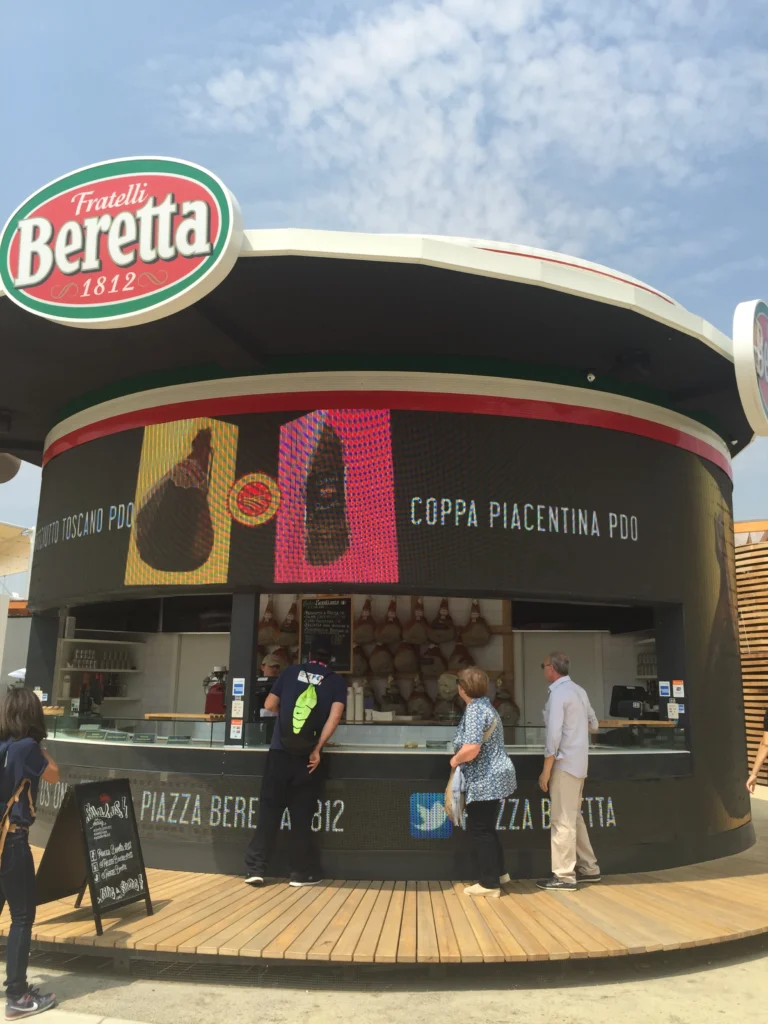
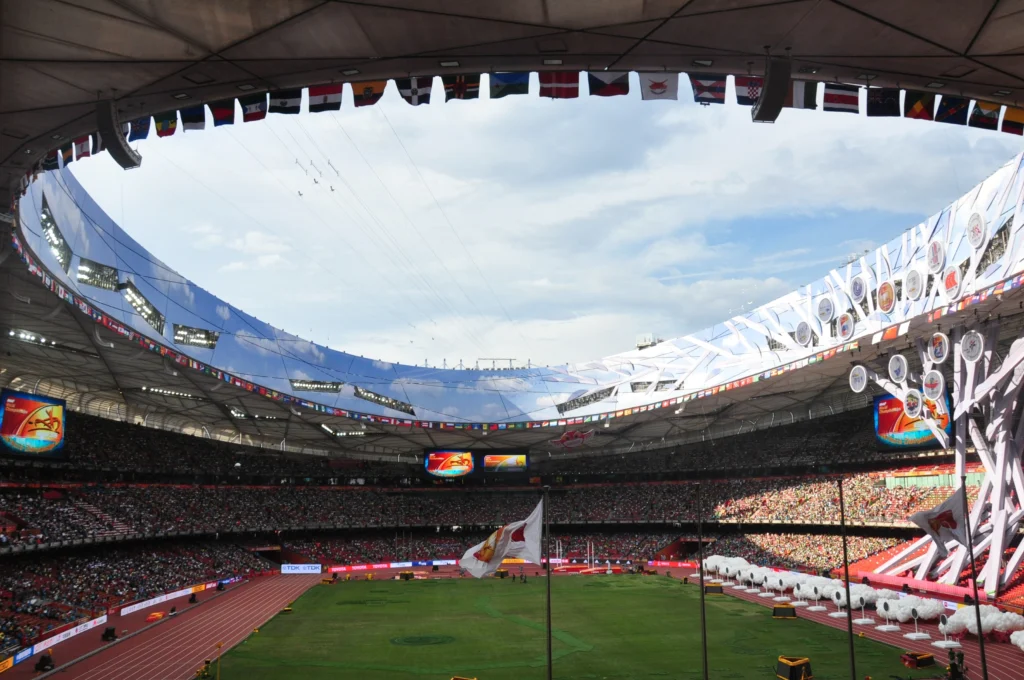
Energy-Efficient Outdoor LED Displays deliver value in many environments, but the strongest results usually appear where visibility, uptime, and frequent content updates are all important. Retail centers use them to promote seasonal offers, events, store openings, and directional guidance. Quick-service restaurants rely on them for menu boards and roadside messaging that can change by time of day. Municipalities use them for public alerts, transit updates, and community information. Sports venues, campuses, and entertainment districts use them to guide visitors and support sponsors.
In each of these cases, the value proposition is about more than attention. A digital screen can replace repeated printing, reduce labor tied to manual swaps, and allow faster campaign changes. That alone can produce strong operational savings. When those savings are combined with lower power consumption, the financial case becomes even stronger. Energy-Efficient Outdoor LED Displays can shorten the path to ROI because they reduce two major ongoing expenses at once: updates and electricity.
Advertisers also gain flexibility. A roadside screen can promote breakfast in the morning, lunch specials at noon, and evening events after dark. A venue can switch between sponsor messages and live information without reprinting anything. That flexibility can increase ad inventory value and improve monetization. Instead of being locked into a static message for weeks, the business can optimize content around traffic patterns, audience segments, and time-sensitive offers.
There is another ROI factor that is easy to overlook: durability. When a display is built to handle outdoor conditions efficiently, it often experiences less thermal strain and fewer service interruptions. Reduced downtime can protect campaign revenue and limit the cost of field repairs. Over several years, these savings can be substantial, especially for networks with multiple locations.
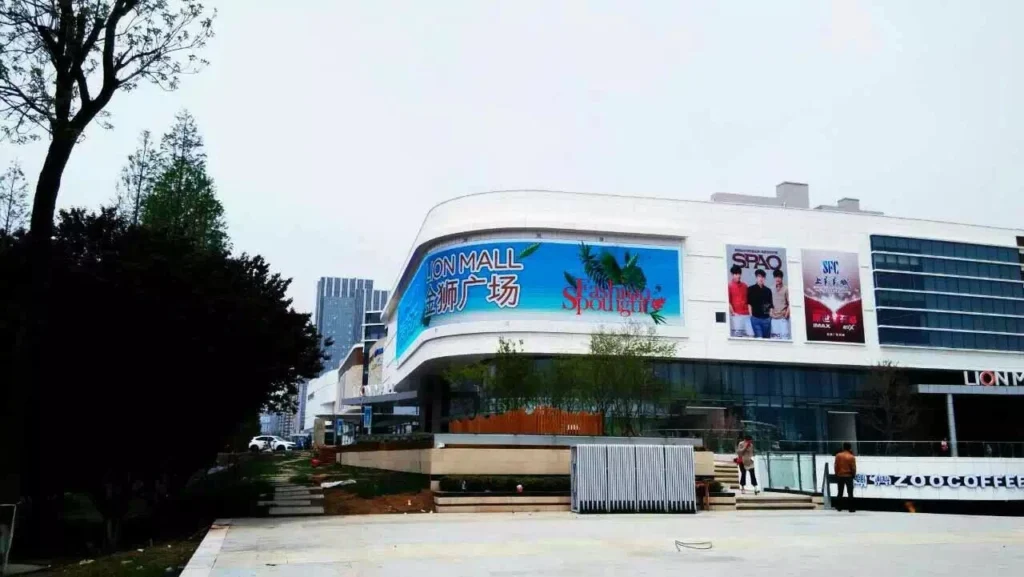
To evaluate return on investment, buyers should look at the full lifecycle. Initial purchase price matters, but so do installation, power, service, warranty coverage, content management, and expected lifespan. The strongest Energy-Efficient Outdoor LED Displays are not always the cheapest upfront, but they often become the most cost-effective over time. That is especially true for organizations that plan to run content continuously or update it frequently.
Businesses should also match screen specifications to the environment. A display placed in direct sun needs different brightness and weather protection than one in a partially shaded plaza. Overspecifying a screen can waste budget and power, while underspecifying it can hurt visibility and shorten lifespan. Good ROI comes from right-sizing the solution to the location and use case.
When the strategy is aligned, Energy-Efficient Outdoor LED Displays can do three things at once: lower operating costs, increase message flexibility, and support stronger long-term revenue. That is why they are increasingly seen as a business infrastructure asset rather than a simple signage purchase.
How to Choose Energy-Efficient Outdoor LED Displays
Choosing the right system starts with understanding where and how it will be used. Before comparing models, define the viewing distance, average ambient light, weather exposure, and daily operating hours. A highway billboard has different needs from a storefront screen or a stadium entrance board. Clear use-case planning prevents overbuying and helps you select a display that is efficient in real-world conditions.
Brightness is one of the first specifications to review, but it should not be evaluated in isolation. Higher brightness can improve readability in direct sunlight, yet inefficient designs may push power use too high. Look for systems that balance brightness with smart control features. In many cases, Energy-Efficient Outdoor LED Displays deliver better results because they combine strong peak output with automatic dimming and scheduling.
Pixel pitch is another important factor. A smaller pixel pitch usually creates sharper images at close viewing distances, while a larger pitch can be enough for far-away audiences. Choosing the correct pitch helps avoid unnecessary power demand and keeps the total project cost aligned with viewing needs. The goal is not the densest screen possible; it is the most appropriate screen for the audience.
Build quality matters just as much as electrical efficiency. Check enclosure ratings, temperature tolerance, corrosion resistance, and service access. Outdoor environments can be harsh, and a design that is easy to maintain will save money over time. Modular construction can also reduce downtime because technicians can replace only the affected section rather than disassembling the entire unit.
Software should be part of the buying decision. A display that includes remote management, brightness automation, scheduling, and diagnostics will usually be easier to operate efficiently. These features make it possible to keep the display aligned with real-world conditions instead of relying on manual adjustments. For multi-site businesses, centralized control can deliver major labor savings.
It is also worth asking vendors about power consumption under different settings, not just maximum output. Request realistic usage data, especially for the hours your screen will actually run. This can reveal whether the system remains efficient across day and night cycles. Energy-Efficient Outdoor LED Displays should be evaluated based on typical operating behavior, not just best-case showroom specs.
Warranty and support should never be an afterthought. A strong warranty can protect your investment, while responsive service can preserve uptime and reduce surprise expenses. If your organization depends on the display for revenue or public communication, support quality may be as important as hardware quality.
Finally, consider the content strategy. A well-designed screen with efficient power use can still underperform if the content is hard to read or overly busy. Plan for bold typography, high-contrast visuals, and brief messaging that works at a glance. Good creative design improves communication and can help Energy-Efficient Outdoor LED Displays deliver more impact at lower operational cost.
FAQ
Are outdoor LED screens expensive to run all day?
They can be, but efficient design changes the economics. Energy-Efficient Outdoor LED Displays use better power management, automatic brightness adjustment, and lower-waste components to reduce operating costs compared with older systems. For businesses that run screens many hours a day, those savings can become significant over time.
Do these displays still look bright in direct sunlight?
Yes. The best Energy-Efficient Outdoor LED Displays are built to maintain strong visibility outdoors while avoiding unnecessary power draw. They use high-quality LEDs, intelligent dimming controls, and weather-ready enclosures so the screen stays readable in bright conditions without being overpowered all day.
What should I prioritize when comparing models?
Start with real-world brightness needs, viewing distance, weather exposure, and content schedule. Then compare power usage, serviceability, software tools, and warranty coverage. Energy-Efficient Outdoor LED Displays perform best when the hardware and control features are matched to the installation site, not chosen by price alone.
Conclusion
Energy-Efficient Outdoor LED Displays bring together visibility, lower operating costs, and long-term reliability in a way that fits modern advertising and communication needs. They help businesses reduce waste, adapt content quickly, and improve the overall return on digital signage investments. Just as important, they support sustainability goals without forcing a compromise on brightness or performance. If you choose the right hardware, manage brightness intelligently, and plan content for real viewing conditions, Energy-Efficient Outdoor LED Displays can become one of the most practical and profitable tools in your outdoor marketing strategy.
Related Articles
- rgb led screen panel: A Complete Guide
- LED Color Displays: Best LED Color Displays: Features
- outside led display screen: 9 : Complete Buyer Guide