Flexible LED Display Manufacturer for Custom Creative Solutions:TW VISION

In a world where brands compete for attention on screens, walls, stages, and façades, visual flexibility has become a serious advantage. Choosing a Flexible LED Display Manufacturer partner can make the difference between a standard installation and a showstopping experience that bends, curves, wraps, and transforms with the environment. Flexible LED technology is no longer limited to novelty projects; it is now used in retail, entertainment, exhibitions, corporate spaces, and architectural branding. The right supplier should deliver more than a screen—they should provide engineering support, reliable performance, customization, and long-term value. In this article, we’ll explore what matters most when selecting a flexible LED solution, how the technology works, and why informed buyers look beyond price alone.
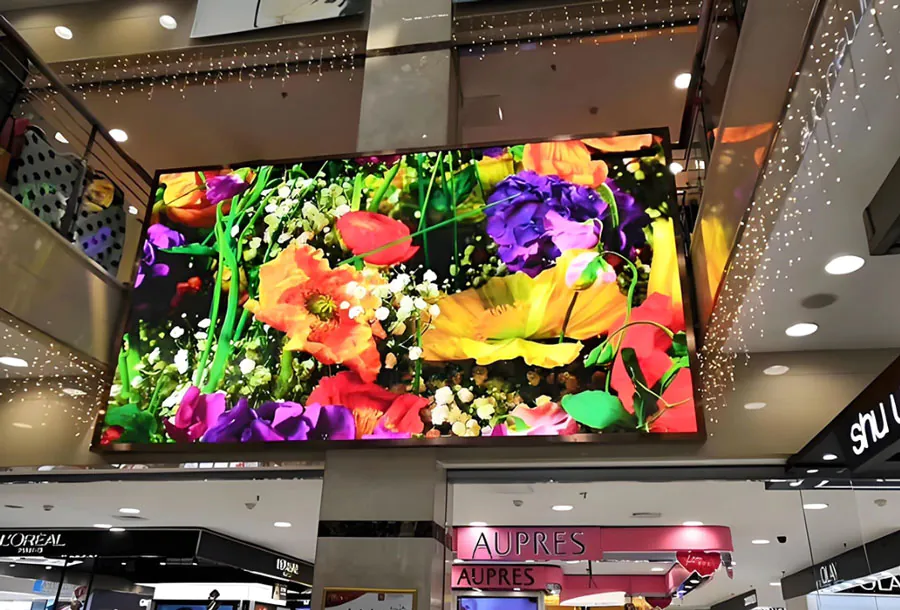
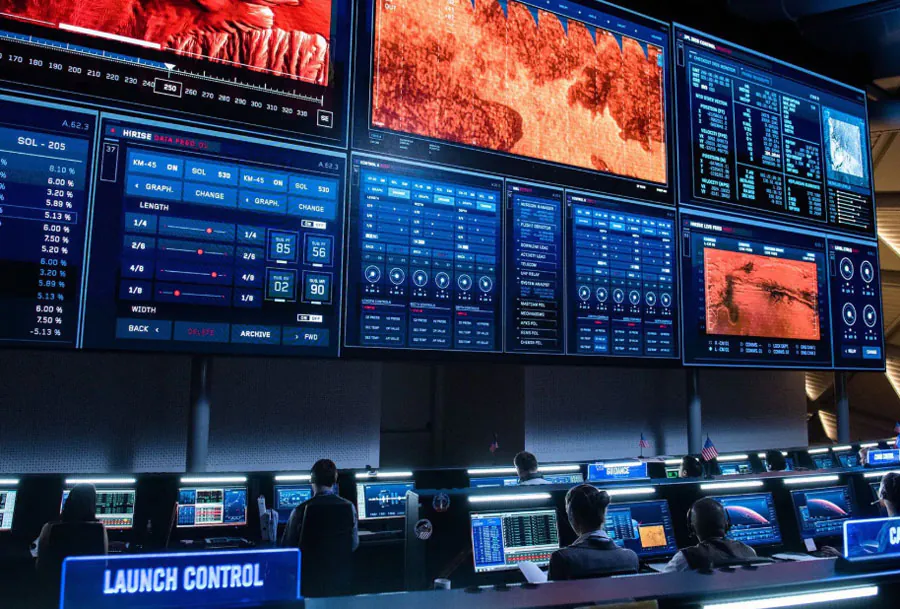
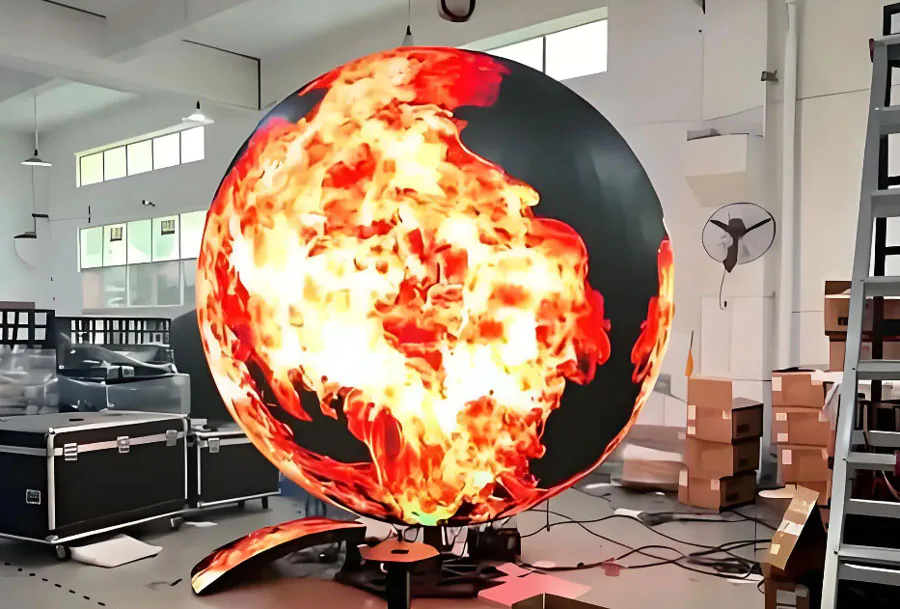
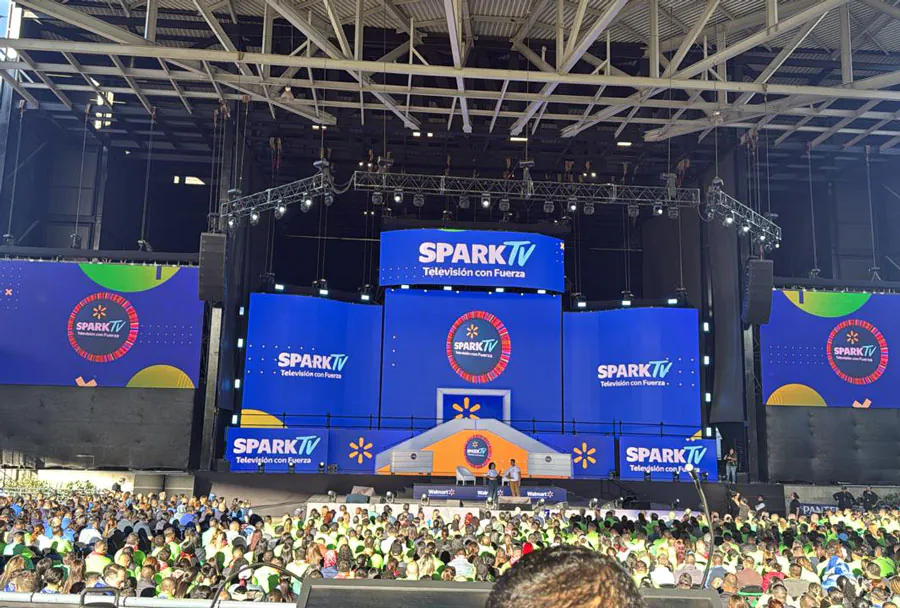
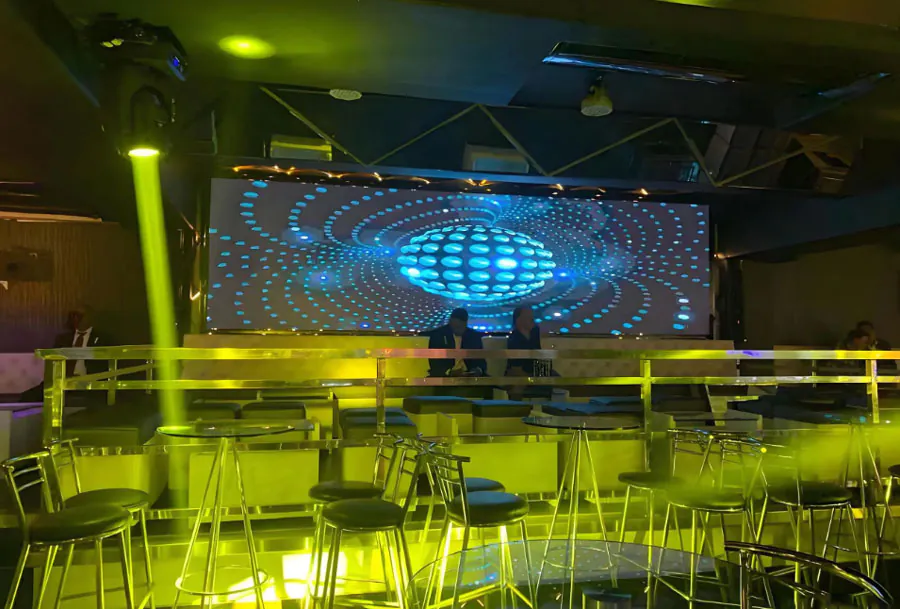
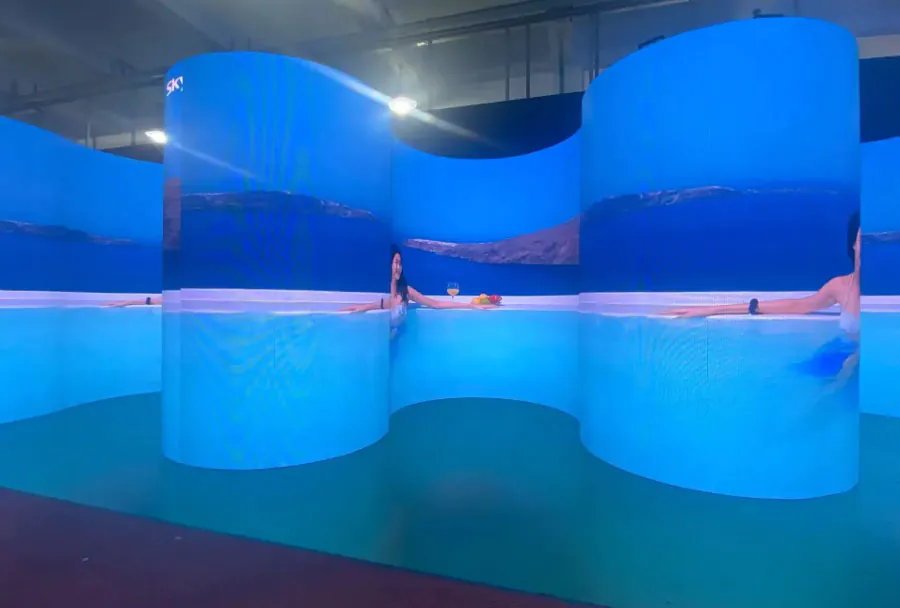
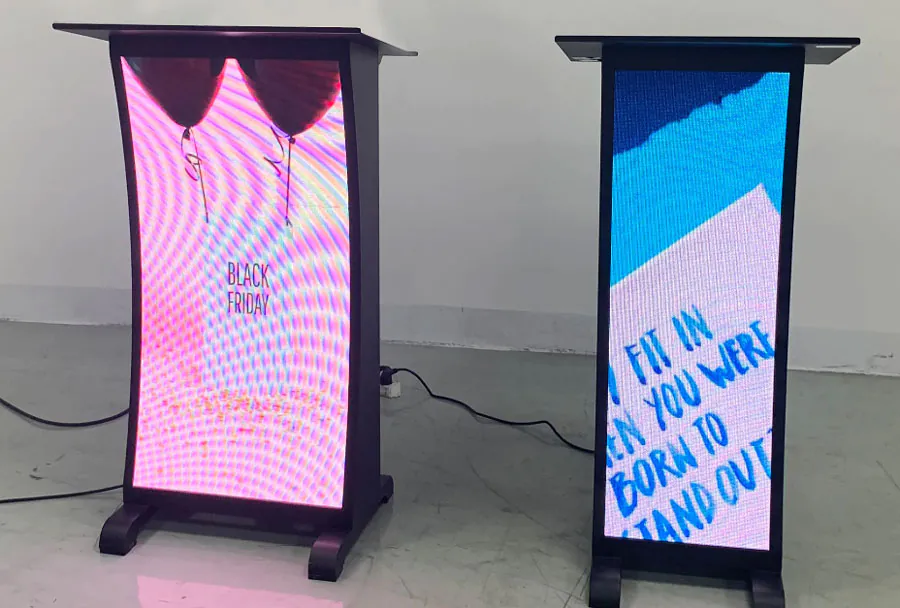
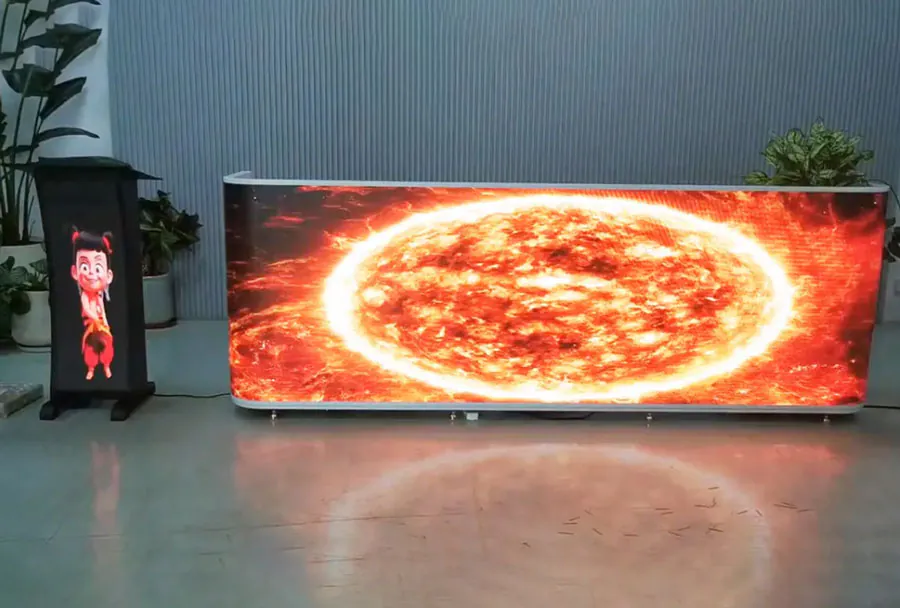
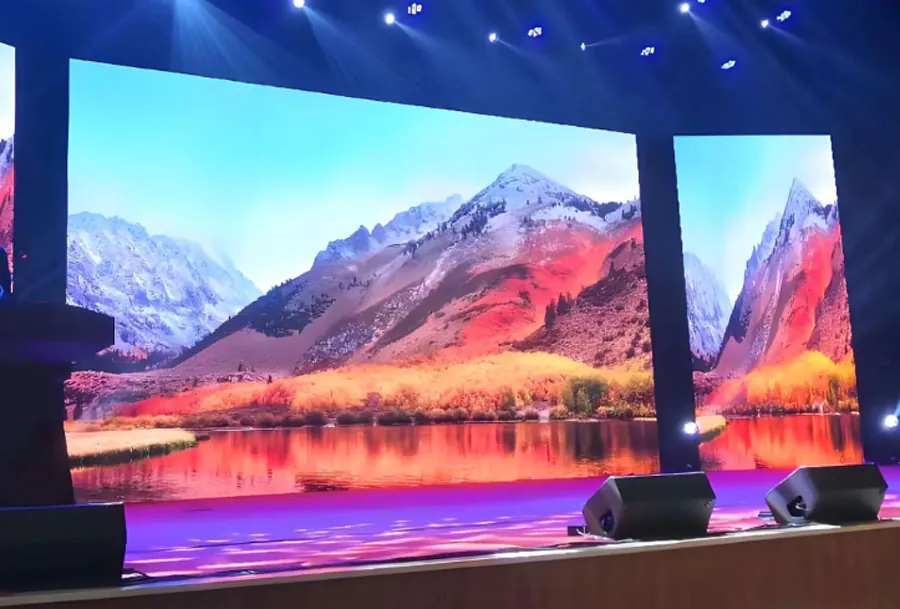
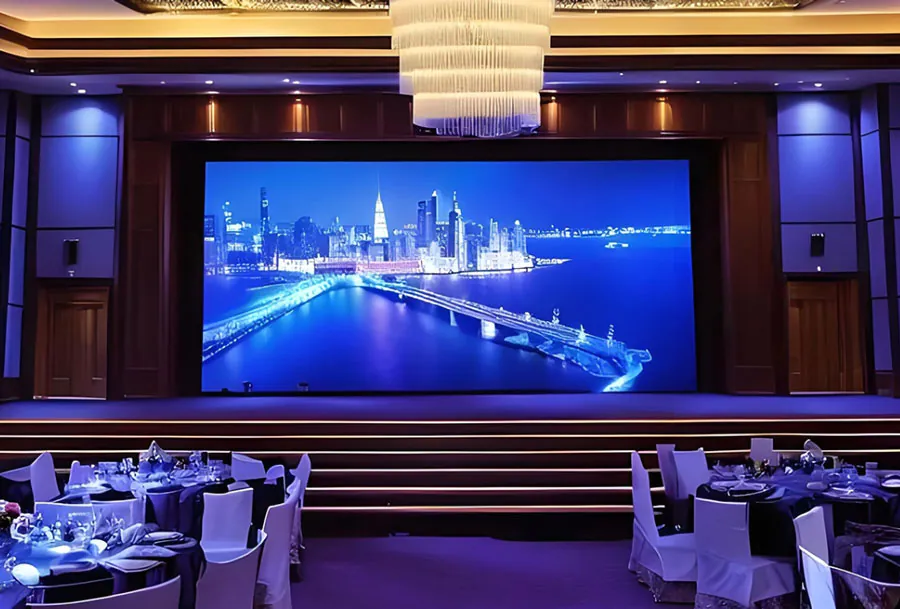
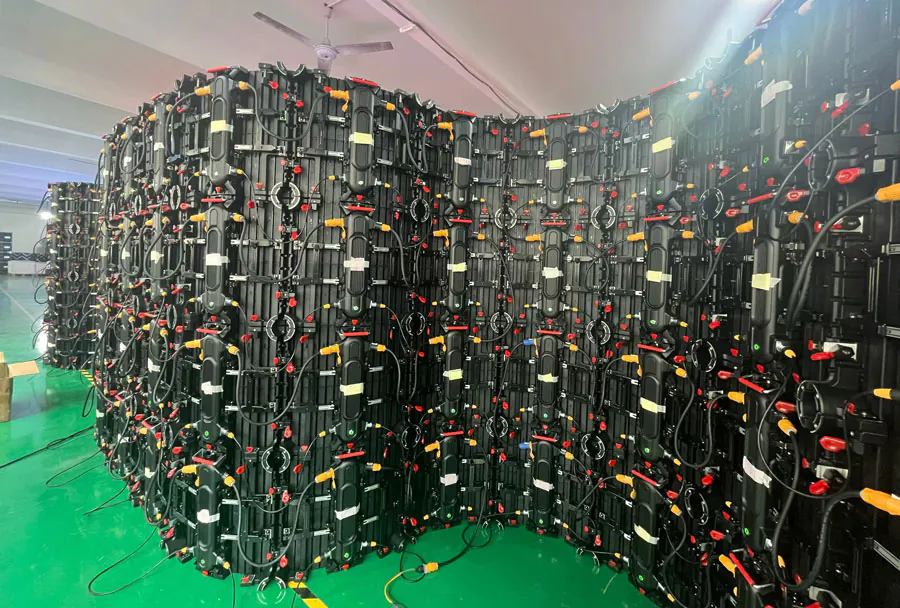
Following is TW VISION’s flexible LED display PD series.
Table of Contents
- Why Flexible LED Displays Are Transforming Visual Design
- Engineering Features That Matter Most in Flexible LED Systems
- High-Impact Applications Across Industries
- How to Evaluate a Supplier and Plan a Successful Project
- FAQ
- What makes flexible LED technology different from standard LED walls?
- How do I know if a flexible display is suitable for my project?
- Can flexible LED displays be repaired or serviced easily?
- What industries benefit most from flexible LED installations?
- Conclusion
Why Flexible LED Displays Are Transforming Visual Design
A Flexible LED Display Manufacturer helps brands move beyond the constraints of flat panels and rigid layouts. Traditional display systems are excellent for many applications, but they can’t always conform to curved walls, columns, waves, or immersive installations. Flexible LED products open the door to designs that feel architectural, artistic, and memorable. That flexibility matters because modern audiences are drawn to spaces that feel dynamic rather than static.
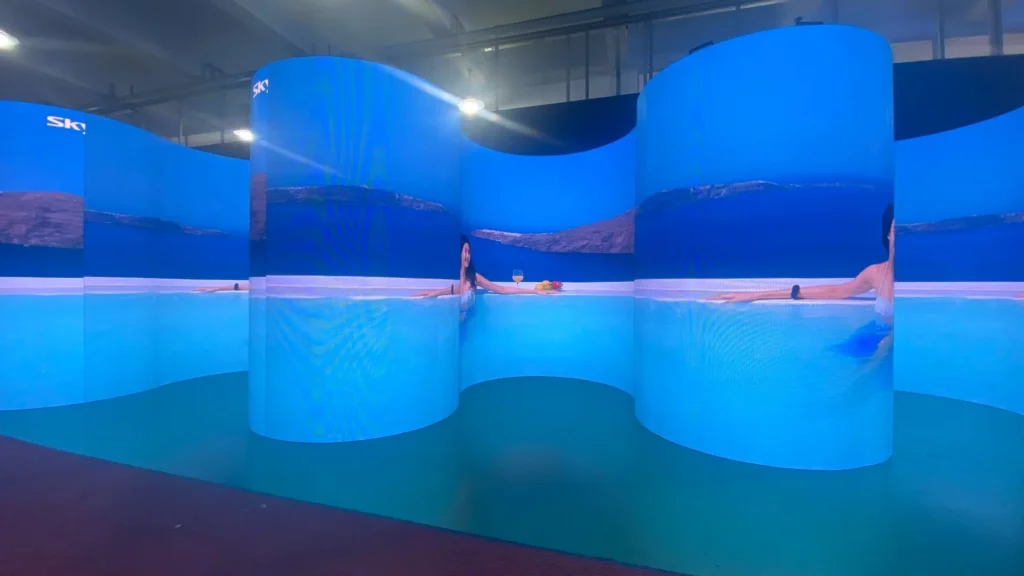
One of the main reasons these displays are gaining traction is creative freedom. Designers can create concave and convex surfaces, wrap displays around pillars, form cylindrical structures, or build seamless undulating features that attract attention from every angle. Instead of designing a space around the screen, project teams can now design the screen around the space. Flexible LED displays help retailers strengthen brand storytelling, create more dramatic stage environments for events, and deliver a strong visual presence in corporate lobbies and museums without sacrificing aesthetics.
Another advantage is adaptability. A Flexible LED Display Manufacturer can supply displays that are suitable for different pitches, brightness levels, and installation environments. Some projects need ultra-fine detail for close viewing; others need high brightness for bright indoor atriums or semi-outdoor settings. The key is that flexibility does not have to come at the expense of clarity or durability. Modern designs can maintain impressive image quality while still being light enough and adaptable enough for creative use.
For buyers, choosing a Flexible LED Display Manufacturer team means thinking about the full lifecycle of the installation. You want a display that looks great on day one, but also holds up under repeated use, transportation, maintenance, and structural movement. The best suppliers approach flexible LED design as an engineering challenge, not just a product sale. That mindset is essential if the installation is expected to perform reliably in real-world conditions.
The market is also being shaped by the rise of experiential branding. Customers now expect immersive, interactive, and shareable environments. Flexible LED technology supports that shift by making it easier to create spaces that people want to photograph, post, and remember. In a crowded market, this can become a powerful competitive advantage.
Engineering Features That Matter Most in Flexible LED Systems
A Flexible LED Display Manufacturer typically focuses on the details that determine whether a project is successful long after installation. At first glance, flexible LED panels may look similar across different vendors, but the differences in module design, magnetic alignment, cabinet structure, wiring, and calibration can have a major impact on performance. Understanding these engineering features helps buyers make smarter decisions.
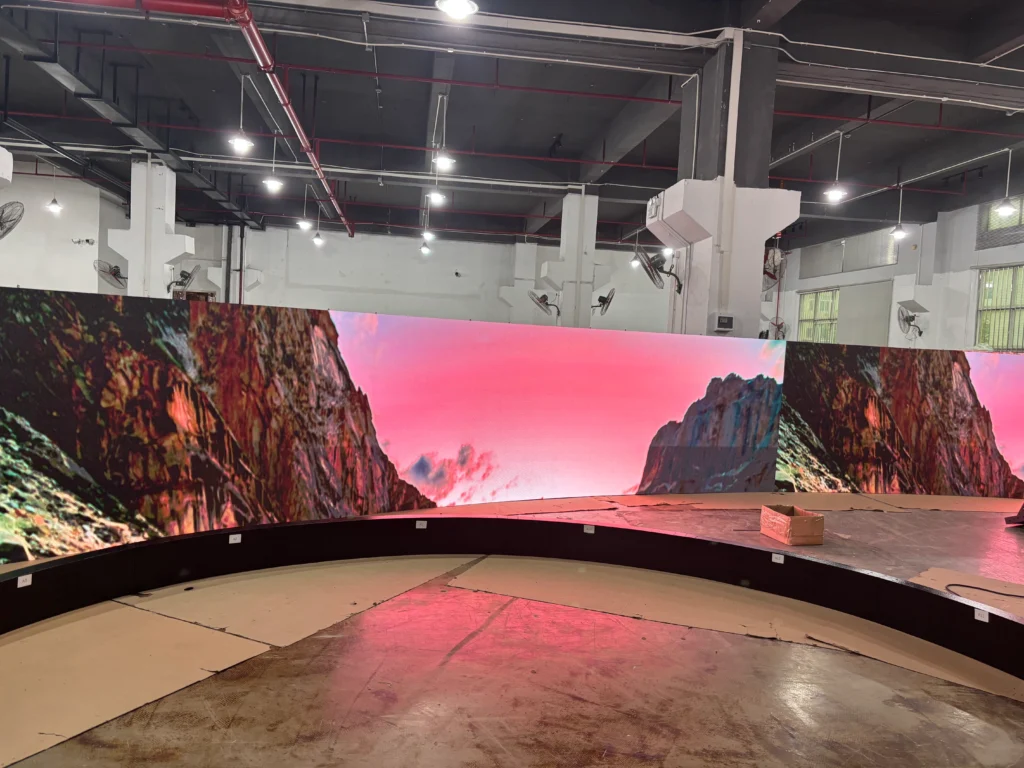
One of the most important factors is bending capability. Not every flexible display supports the same radius, and not every application needs the same level of curvature. A quality product should be able to bend in a controlled way without damaging the LEDs, the PCB, or the underlying structure. This requires careful material selection and precision manufacturing. If the panel is too stiff, creative possibilities become limited. If it is too weak, the installation may become unstable or difficult to maintain.
Magnetic or modular attachment systems are also crucial. They allow installers to create smooth surfaces with less effort and more consistency. Alignment accuracy is especially important in curved applications because even a small mismatch can become visible across the display. A Flexible LED Display Manufacturer should be able to explain how modules connect, how curvature is maintained, and how service access is handled. These details matter for both aesthetics and long-term maintenance.
Heat management is another engineering priority. LED displays generate heat during operation, and flexible systems need designs that dissipate heat effectively without compromising the panel’s shape or reliability. A well-built system helps extend component life and maintain stable brightness over time. In demanding environments, thermal performance can be a deciding factor.
Brightness and refresh rate should also be evaluated carefully. Flexible displays may be used in environments ranging from indoor retail spaces to large event venues. The right specifications depend on viewing distance, ambient light, and content type. A Flexible LED Display Manufacturer should help customers balance these variables rather than pushing a one-size-fits-all recommendation. High refresh rates are especially valuable for camera-friendly installations, live broadcasts, and stage production.
Durability is just as important as image quality. Flexibility introduces physical stress, so the product must be designed for repeated adjustment, transportation, and installation cycles. Buyers should ask about protective coatings, module lifespan, serviceability, and quality control procedures. A supplier that documents testing and inspection standards is more likely to deliver consistent results.
For businesses planning a custom installation, a Flexible LED Display Manufacturer may also provide engineering drawings, structural guidance, and pre-installation consultation. This support can save time and prevent costly errors. It is especially valuable when the display is part of a larger architectural or experiential build that includes lighting, sound, or interactive elements. In these projects, the display is not an isolated component; it is part of a coordinated system.
Finally, software compatibility should not be overlooked. Content management, control systems, and calibration tools all influence how easy the display will be to operate. Buyers should look for systems that simplify setup, allow precise color adjustment, and make maintenance manageable for in-house teams. A thoughtful supplier will support not only the hardware but the user experience around it.
High-Impact Applications Across Industries
When a project demands visual impact, a Flexible LED Display Manufacturer can support use cases that standard flat panels simply cannot achieve. The value of flexible LED technology becomes obvious when you see how it adapts to different industries and environments. From retail to entertainment, these displays are helping organizations turn ordinary spaces into memorable destinations.
In retail, flexibility enables immersive brand expression. Curved screens can wrap around product zones, form branded entryways, or become the centerpiece of a flagship store. A dynamic display can guide customer flow, highlight seasonal campaigns, and reinforce brand identity in a way that static signage never could. In high-end retail, the display often becomes part of the architecture, blending technology and design into one experience. That is why brands increasingly rely on advanced visual solutions rather than conventional advertising formats.
In the events and entertainment sector, flexible displays are especially powerful. Stage designers can use them to create waves, arches, and sculptural backgrounds that react to music, lighting, and performance. Concerts, trade shows, launches, and conferences all benefit from visuals that feel custom-built rather than rented from a catalog. A Flexible LED Display Manufacturer can help production teams match screen geometry with stage design, which leads to more cohesive and emotionally resonant experiences.
Corporate environments also benefit from flexible LED installations. In lobbies, atriums, and executive spaces, curved displays convey innovation and sophistication. They can present brand messages, live data, welcome content, or artistic visuals without overwhelming the space. Flexible LED systems allow designers to integrate displays into walls and architectural features, creating a cleaner and more premium visual experience than traditional signage. For organizations that care about first impressions, that matters.
Museums and exhibition spaces are another strong fit. Curved and custom-shaped displays support storytelling by helping curators guide attention and build atmosphere. Instead of using a simple rectangular screen, designers can wrap content around a structure or create a visually immersive environment that supports the narrative. This is especially valuable when the goal is to educate, inspire, or emotionally engage visitors.
Architectural installations are perhaps the most visually striking use case. Exterior façades, media columns, interior sculptures, and landmark features all benefit from the ability to follow unusual shapes. A Flexible LED Display Manufacturer supports projects that involve custom dimensions, unique viewing angles, and seamless integration with glass, metal, and composite surfaces. These builds demand close collaboration between designers, engineers, and installers.
In practice, a Flexible LED Display Manufacturer can support many of these industries by tailoring pixel pitch, cabinet design, curvature limits, and mounting methods to the project. The more specialized the use case, the more important that tailoring becomes. Buyers should not assume that a flexible product is automatically suitable for every environment; instead, they should match the technology to the goal, the audience, and the site conditions.
The common thread across all industries is engagement. Flexible LED solutions attract attention, but they also shape how people move, feel, and remember a space. That combination of visual impact and spatial adaptability is why demand continues to grow.

How to Evaluate a Supplier and Plan a Successful Project
Before choosing a display partner, you should evaluate a Flexible LED Display Manufacturer by considering product quality, technical expertise, customization capabilities, and support—not just photos and price quotes. A successful project depends on technical competence, communication, documentation, and after-sales support. Since flexible LED installations often require custom planning, the supplier’s ability to collaborate is just as important as the quality of the hardware.
Start with project discovery. A capable supplier should ask about viewing distance, environment, screen shape, content type, mounting conditions, and maintenance expectations. These questions reveal whether the team understands how to tailor a solution. If the supplier jumps straight to generic product recommendations, that is a warning sign. You want a partner that thinks in terms of outcomes, not just inventory.
Next, review technical documentation. Ask for product specifications, bending radius limits, brightness ranges, refresh rate details, operating temperature guidelines, and service procedures. A professional Flexible LED Display Manufacturer should provide clear answers and explain how different specifications affect real-world performance. If the project is for a public venue or a large commercial installation, you should also ask about safety certifications and compliance with regional standards.
Prototype testing can be extremely valuable. For custom projects, a small test sample or mockup helps verify the visual effect, curvature, and installation method before full production begins. This step can catch problems early and reduce risk. It also helps designers and engineers align expectations before final fabrication. In large projects, small details like seam visibility or cable routing can have a major effect on the final appearance.
Logistics and installation support are equally important. Flexible LED products may require special packing, handling, and on-site assembly. A dependable supplier should explain how modules are shipped, how they should be stored, and what tools or procedures are needed for installation. If your team is working under a tight schedule, these details can affect the success of the entire rollout.
After-sales support is another major differentiator. Displays eventually need maintenance, replacement parts, calibration checks, or software assistance. A Flexible LED Display Manufacturer with strong support infrastructure can reduce downtime and make ownership much easier. This matters especially for high-traffic venues where visual downtime directly affects revenue or brand perception.
Price should always be considered in context. The lowest upfront cost is not always the best value if the product has weaker durability, limited support, or poor visual consistency. Over the lifetime of the installation, quality often delivers better returns through lower maintenance costs and better audience impact. That is why buyers should evaluate total value rather than only unit price.
Working with a Flexible LED Display Manufacturer also helps when the project needs customization beyond standard dimensions. Whether the display must wrap around a column, fit a curved wall, or align with a unique architectural feature, custom engineering can make the difference between a compromised installation and a seamless one. In these situations, communication, testing, and documentation become essential parts of the process.
A final planning tip is to think ahead about content creation. Even the best hardware will underperform if the content is not designed for curved or flexible surfaces. Designers may need to adjust motion graphics, aspect ratios, focal points, and viewing assumptions. The most successful projects treat the display as part of a wider creative ecosystem, not just a screen on a wall.
Case Studies and Typical Use Cases
– Luxury Retail: A flagship boutique used TW VISION flexible displays to wrap a curved window, delivering dynamic promotions seamlessly across a non-planar surface, increasing dwell time and conversion.
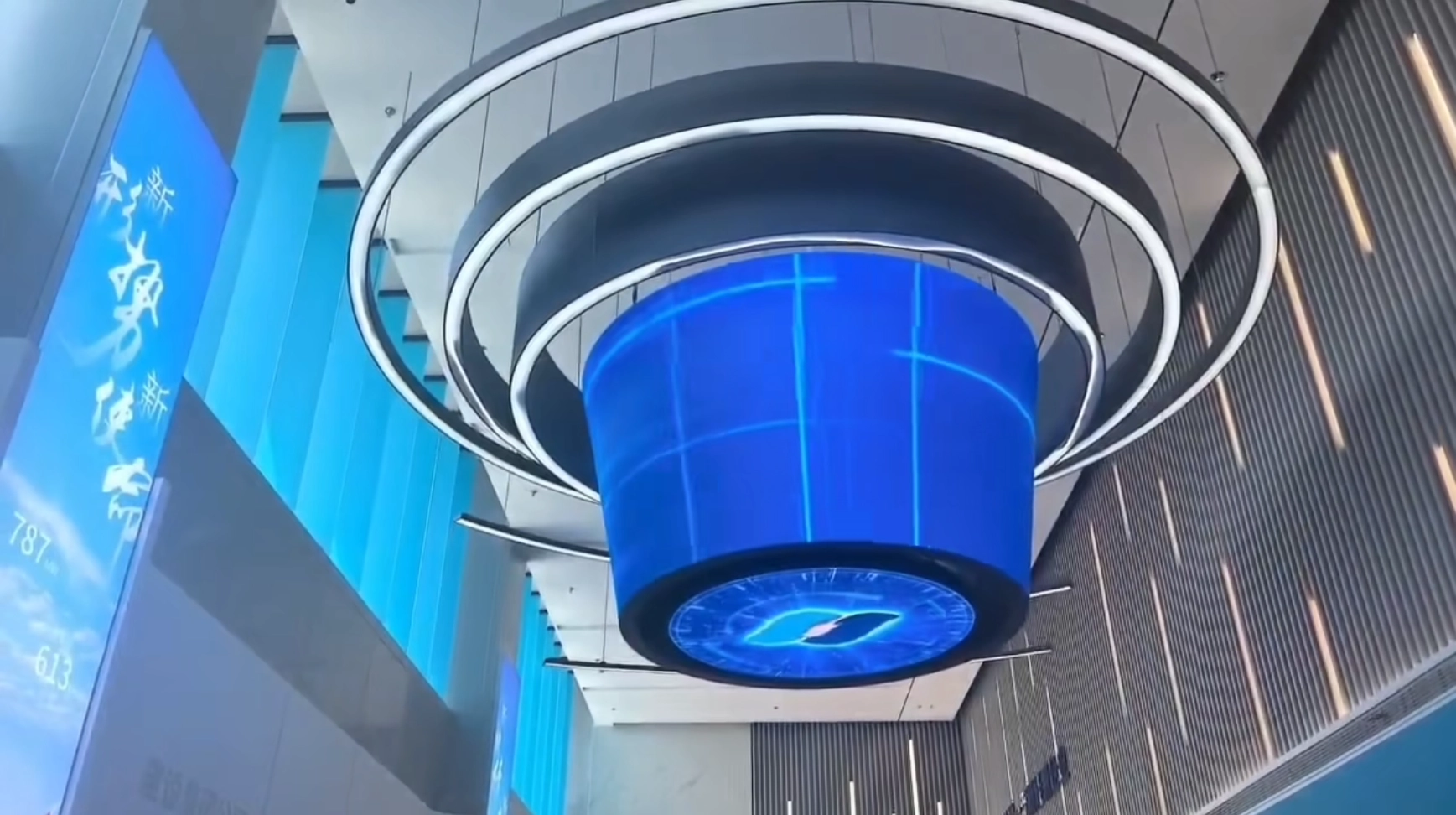
– Corporate Lobby: A multinational company installed a cylindrical news-and-brand wall in the atrium to communicate corporate values and live feeds, enhancing brand presence.
– Entertainment Touring: A production company reduced truck load and rigging time by using rollable flexible modules for stage backdrops, enabling complex visuals on curved stage sets.
These examples illustrate how customization, combined with high-quality hardware, allows flexible displays to become a strategic asset, not just decorative surfaces.
Analysis Table: Key Attributes Comparison
| Feature | Typical Specification | Benefit | Best Use Case | Notes |
|---|---|---|---|---|
| Pixel Pitch | P2.5 – P6.0 | Balances image resolution and cost | Indoor displays, curved LED walls | Choose the pixel pitch based on the minimum viewing distance. |
| Bending Radius | 5 – 50 cm (model dependent) | Creates smooth curves, cylinders, and creative shapes | Architectural columns, retail wraps | Do not exceed the manufacturer’s recommended bending radius. |
| Brightness | 800 – 3000+ nits | Ensures clear visibility under different lighting conditions | Indoor displays, semi-outdoor façades | Outdoor applications require higher brightness and anti-glare performance. |
| Water & Dust Protection | IP20 – IP65 | Provides protection for indoor and outdoor environments | Outdoor façades, semi-covered installations | Higher IP ratings may require additional housing or structural modifications. |
| Refresh Rate | ≥1920Hz – ≥3840Hz | Delivers smooth motion and reduces camera flicker | Broadcast studios, live events, virtual production | A higher refresh rate is recommended for professional video recording and live streaming. |
FAQ
What makes flexible LED technology different from standard LED walls?
Flexible LED panels bend and adapt to non-flat surfaces, giving designers greater freedom in architecture and storytelling. Unlike rigid walls, they allow designers to create curved installations, wave-shaped displays, columns, and custom forms. A Flexible LED Display Manufacturer focuses on materials, module structure, and installation systems that preserve image quality while allowing controlled curvature. That flexibility is what makes the technology valuable for immersive retail, events, and architectural projects.
How do I know if a flexible display is suitable for my project?
You should evaluate viewing distance, ambient light, desired shape, and maintenance access before selecting a product. A Flexible LED Display Manufacturer should help you determine whether the display can achieve the required radius, brightness, and resolution for your space. It is also important to consider whether the installation will be indoor, semi-outdoor, or exposed to heavy usage. A good supplier will ask detailed questions and recommend a solution based on your actual conditions, not just a generic catalog option.
Can flexible LED displays be repaired or serviced easily?
Yes, but serviceability depends on how the product is built. A well-designed system should allow module replacement, front or rear access, and straightforward calibration. A Flexible LED Display Manufacturer with strong engineering standards will make maintenance easier by using organized module layouts and accessible components. Before buying, ask how replacement parts are handled, how long repairs typically take, and whether technical support is available after installation. These questions can save time and reduce operational disruption later.
What industries benefit most from flexible LED installations?
Retail, entertainment, exhibitions, museums, hospitality, and corporate branding all benefit from flexible LED solutions. A Flexible LED Display Manufacturer can support projects that need a visual centerpiece, an architectural feature, or an immersive storytelling surface. The biggest advantage is the ability to fit the display into the design rather than forcing the design to fit the display. That makes flexible LED especially valuable in spaces where creativity and audience engagement are priorities.
Conclusion
The demand for innovative, adaptable visual technology continues to rise, and the best projects are often the ones that combine engineering precision with creative ambition. A Flexible LED Display Manufacturer can help businesses, designers, and event teams create installations that feel distinctive, reliable, and highly engaging. From the earliest planning stages to installation and long-term support, the right supplier brings value by aligning technical capability with project goals. If your next display project needs more than a flat screen, flexible LED technology may be the ideal path forward.
Related Articles
- led screen 100 inch: A Complete Guide
- led screen panel price: led screen panel price: Complete
- led screen factory Guide to Quality and Value: Expert Guide