High-Quality Outdoor Rental LED Screen for Concerts and Festivals

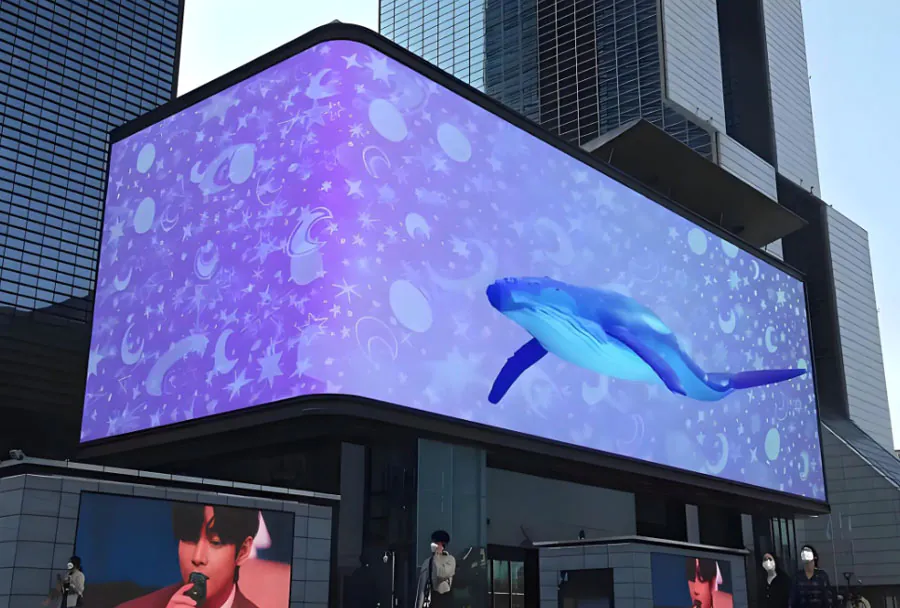
Outdoor concerts and festivals are experiences built on sight and sound. In large-scale live events, the visual element is often as critical as the music itself — attendees expect immersive visuals, dynamic stage backdrops, live camera feeds, and reliable information displays. A high-quality outdoor rental led screen transforms stages, enhances audience engagement, and amplifies the perceived value of an event. For production managers and festival organizers, choosing the right rental LED screen is a strategic decision that balances performance, reliability, cost, and logistics.
This article provides a professional, practical guide to selecting, specifying, and deploying high-quality outdoor rental LED screens specifically for concerts and festivals. It covers technical specifications, operational considerations, content and control workflows, safety and weatherproofing, and an analysis table comparing common rental options.
Core Performance Metrics: What to Prioritize
When evaluating LED screens for outdoor events, several technical metrics should be non-negotiable:
– Pixel Pitch: Measured in millimeters (mm), pixel pitch determines the density of LEDs and the optimal viewing distance. Smaller pixel pitch (e.g., P2.9) provides higher resolution for closer viewing; larger pitch (e.g., P8) is suitable for long-distance viewing.
– Brightness (nits): Outdoor screens must overcome sunlight and ambient light. Typical outdoor rental screens range from 5,000 to 7,500 nits for daytime visibility; variable brightness control is essential.
– Refresh Rate and Scan Rate: A high refresh rate (≥3,840 Hz) prevents flicker and ensures clean live-camera capture for broadcast and FOH video feeds.
– Contrast and Color Accuracy: High dynamic contrast and robust color calibration enable vivid visuals and reliable playback of creative content.
– IP Rating and Weatherproofing: Minimum IP65 for outdoor front protection; IP54 or above for full cabinet protection depending on exposure.
– Modularity and Rigging Compatibility: Quick-lock mechanisms, curved/bowed capabilities, and standard rig points simplify setup and creative staging.
– Power and Thermal Management: Efficient power usage and active cooling prevent overheating during long sets.
Screen Types and Use Cases
– Close-Range Stage Backdrops: Use fine-pitch (P2.9–P4) cabinets when the audience is within 20–40 feet and visual detail matters.
– Large Venue Displays / Field Views: Coarser pitches (P6–P10) are cost-effective for distant viewing and huge stage walls.
– Perimeter and Wayfinding: Lower-resolution screens can be used for directional, schedules, and sponsor messaging.
– Flexible / Curved Arrays: Rental panels that support convex/concave shaping offer creative freedom for production designers.
Analysis Table: Typical Outdoor Rental LED Options
| Model/Type | Pixel Pitch (mm) | Brightness (nits) | Typical Max Panel Size (sqm) | Best For |
|---|---|---|---|---|
| ProFine P3.9 | 3.9 | 6,500 | 36 | High-res stage backdrops for mid-range viewing |
| SunView P6.25 | 6.25 | 7,000 | 120 | Large field screens, daytime festivals |
| RidgeFlex P4.8 | 4.8 | 6,000 | 72 | Flexible walls and curved stage elements |
| StormGuard P8 | 8.0 | 7,500 | 200+ | Big-distance viewing and perimeter advertising |
| AllWeather P10 | 10.0 | 8,000 | 250+ | Outdoor signage, sponsor boards, festival entrances |
Design and Creative Considerations
Content producers must design specifically for LED screens. Unlike home TVs, LED walls can appear oversaturated if content isn’t graded properly. Use broadcast-grade color spaces (Rec. 709 / Rec. 2020 for HDR workflows) and preview content on a calibrated LED test wall. Motion content requires attention to camera shutter speeds and shutter angle to avoid tearing or flicker — match camera settings to the LED refresh rate.
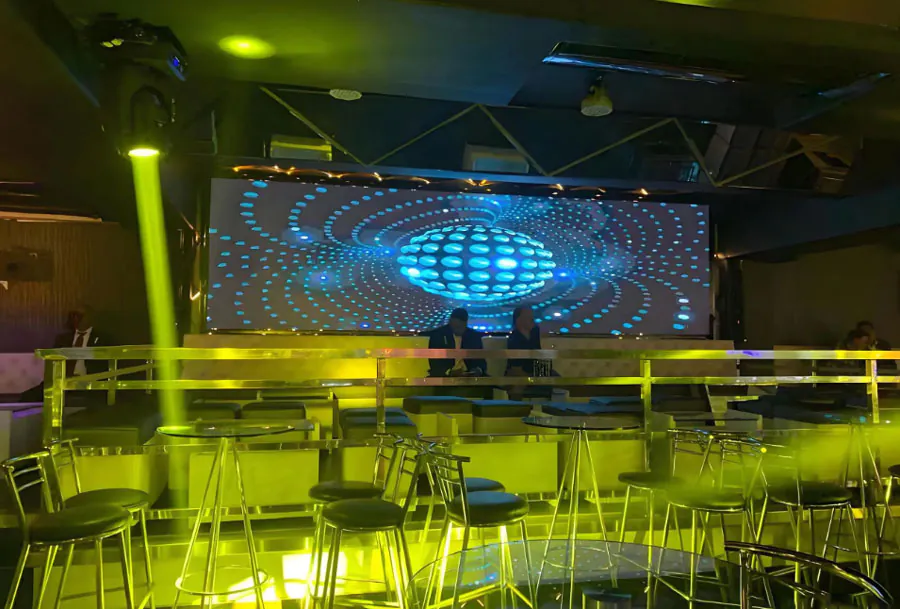
Pixel pitch influences creative choices: fine-pitch walls can support detailed graphics and legible text from relatively close distances; coarse-pitch requires bolder typefaces and larger visuals. Edge blending and bezel design on modular panels affect the seamlessness of large canvases. Choose panels with narrow cabinet gaps for immersive looks.
Rigging, Weight, and Wind Load
Outdoor setups face wind and gravity loads. Rental LED solutions should include:
– Certified rigging points and truss adapters.
– Load ratings for each cabinet and for assembled arrays.
– Wind-permeable designs or perforated options to reduce sail effect.
– Redundant safety measures: safety chains/cables, secondary supports, and ground-anchoring.
Organizers must perform site-specific structural analysis and consult a rigging engineer for large-scale or elevated arrays. Use modular ground-stacked frames when truss hanging is not feasible.
Power, Cooling, and Runtime
Power planning is critical. Calculate total wattage per cabinet (typical 250–450 W/m2 peak), and add headroom for spare capacity. Use stable, phase-balanced power distribution, UPS for critical control systems, and redundant power feeds for long events. Ensure cabinets feature adequate thermal design — passive heatsinking plus forced-air cooling in hot climates. Monitor cabinet temperatures remotely to avoid thermal shutdown during peak daytime events.
Control Systems and Connectivity
Professional rental screens come with robust control suites. Key features to require:
– Multi-input support (SDI, HDMI, DVI, fiber) with scaling and switching.
– Real-time mapping and content scheduling software.
– Redundant link paths (fiber + copper) to prevent single-point failures.
– Monitoring dashboards showing pixel health, power draw, and temperature.
– Compatibility with broadcast workflows for FOH and director feeds.
For festivals with multiple stages, consider centralized content servers and synchronized playback across several screens.
Operational Logistics: Transport, Setup, and Turnaround
Rental LED panels must be road-ready. Durable flight cases, quick-connect cabling, and repeatable setup procedures speed deployment. A typical installation team for a mid-size festival includes LED technicians, riggers, a head engineer, and a content operator. Plan for:
– Load-in/load-out timelines.
– Staging locations close to power and network sources.
– Testing windows for camera integration and color calibration.
– Redundancy panels and spare parts on-site (PSUs, receiving cards, modules).
Efficient logistics reduce labor hours and minimize risk of delays on show day.
Safety, Weatherproofing, and Regulatory Compliance
Ensure compliance with local regulations for outdoor temporary structures. Important checks include:
– IP rating documentation and real-world testing for rain and dust ingress.
– Grounding and electrical safety inspections.
– Fire safety clearances and emergency egress planning.
– Noise and light pollution considerations for neighboring areas (brightness zoning at night).
– Insurance coverage for equipment and third-party liability.
Always plan for worst-case weather scenarios: have tarps or quick-retraction options and evacuation protocols in place.
Maintenance and On-Site Troubleshooting
Routine maintenance extends screen life. Common practices:
– Pre-load test of all cabinets before each show.
– Real-time LED mapping to catch dead pixels or failed modules.
– Firmware management to keep control cards and receiving units updated.
– Spare module swaps and trained technicians for rapid replacement.
Create a troubleshooting flowchart for on-site teams to expedite fixes during a performance.
Cost Considerations and Rental Economics
Comparing rental prices requires more than cabinet cost per square meter. Include:
– Transport and heavy-lift rigging fees.
– Technician labor hours and overtime.
– Additional infrastructure: power generation, network fiber, ground frames.
– Insurance and contingency allowances.
A high-quality rental LED may cost more upfront but reduces risk of downtime, results in better audience experience, and improves sponsor impressions — often leading to higher ancillary revenue.
Environmental and Sustainability Factors
Eco-conscious festivals should evaluate LED supplier sustainability practices: energy-efficient panels, recyclable components, and fuel-efficient logistics. Consider dimming profiles for night hours, solar-powered auxiliary systems, and carbon-offset programs for freight.
Selection Checklist: Quick Reference for Event Producers
– Confirm viewing distances and choose pixel pitch accordingly.
– Specify minimum brightness and dimming control.
– Require IP rating documentation and wind load specs.
– Verify refresh rate and camera-friendly scan rates.
– Check for modular rigging compatibility and curved-panel options.
– Ensure professional-grade control systems and redundancy.
– Include spares and technical team in the rental proposal.
– Confirm insurance and safety compliance.
Case Study Snapshot (Example)
At a 40,000-attendee daytime festival, the production selected P6.25 panels for the main stage to balance cost and visibility across the field. A secondary P3.9 LED wall provided close-in visuals for VIP areas and performer playback. The vendor supplied dual power feeds, on-site spare modules, and redundant fiber links. The result: crisp, visible graphics from 100+ meters, no downtime during performances, and high sponsor satisfaction with daytime branding visibility.
Investing in the Right Rental LED Solution
High-quality outdoor rental LED screens are more than a display; they are a central element of the live experience. For concerts and festivals, the right screen combination — chosen with attention to pixel pitch, brightness, weatherproofing, rigging, and control infrastructure — contributes directly to audience satisfaction, safety, and commercial success. Producers should prioritize vendors with proven outdoor solutions, transparent technical documentation, and on-the-ground support. By aligning technical choices with creative goals and logistical realities, event teams can deliver unforgettable visual experiences that stand up to bright sun, late-night encores, and the rigors of live production.