LED Screen Rental Dubai Complete Guide for Events and Exhibitions

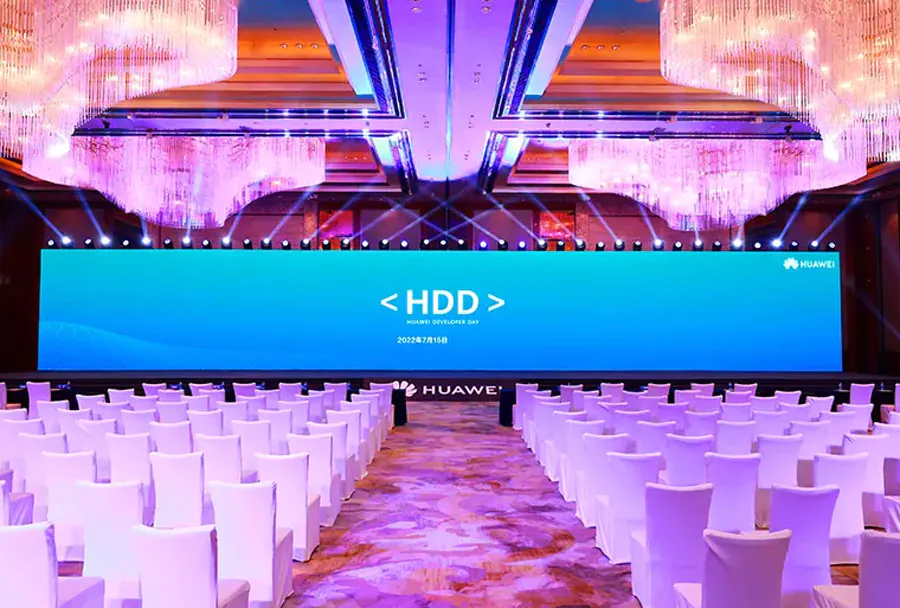
Dubai is a global hub for high-profile events, exhibitions and live experiences. In a market where visual impact and brand presence are critical, renting an LED screen is often the best way to guarantee attention, deliver clear messaging and create memorable attendee experiences. This guide covers everything event planners, exhibition managers and production companies need to know about LED screen rental in Dubai — from technical specifications and costs to logistics, permits and best practices.
Who Should Use This Guide
This guide is aimed at:
– Event planners and producers in Dubai and the UAE
– Exhibition organizers, trade show managers and booth designers
– AV rental companies and technical buyers
– Marketing and brand teams responsible for on-site communications
Types of LED Screens for Events and Exhibitions
Choosing the right LED technology depends on event type, venue (indoor or outdoor), viewing distance and content. Main types include:
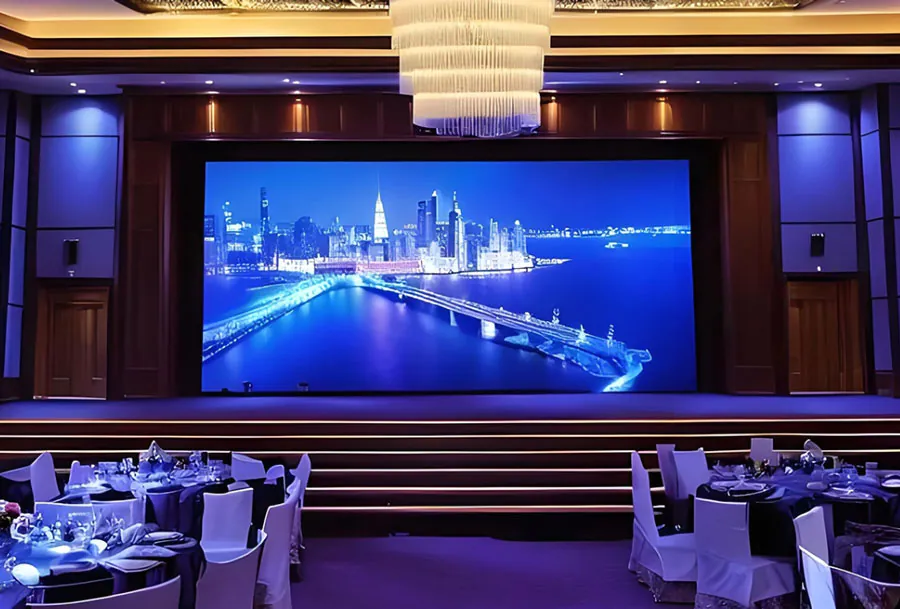
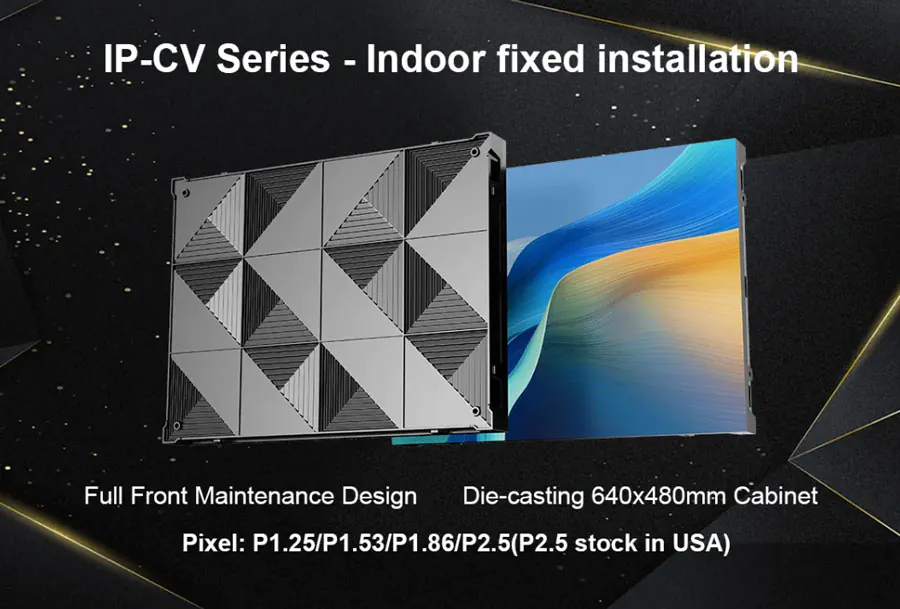
– Fixed indoor LED walls: High-resolution panels for close viewing at conferences, award shows and indoor exhibitions.
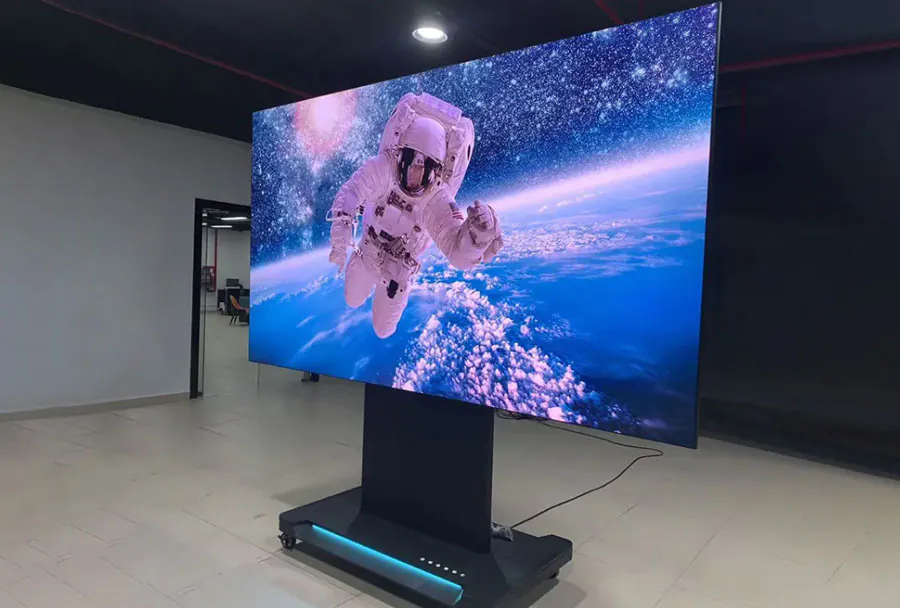
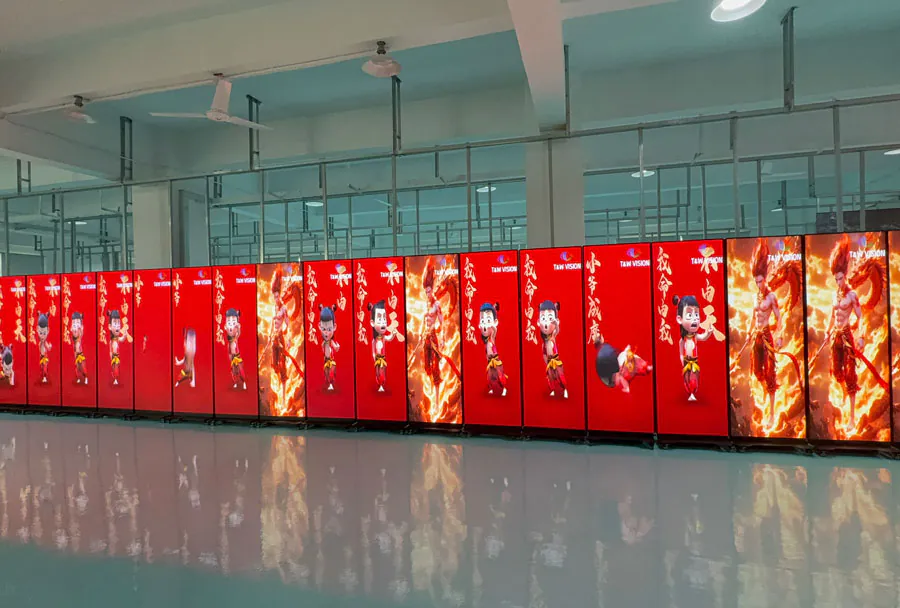
– Rental/portable LED tiles: Modular, stackable panels designed for rapid setup and teardown at temporary events.
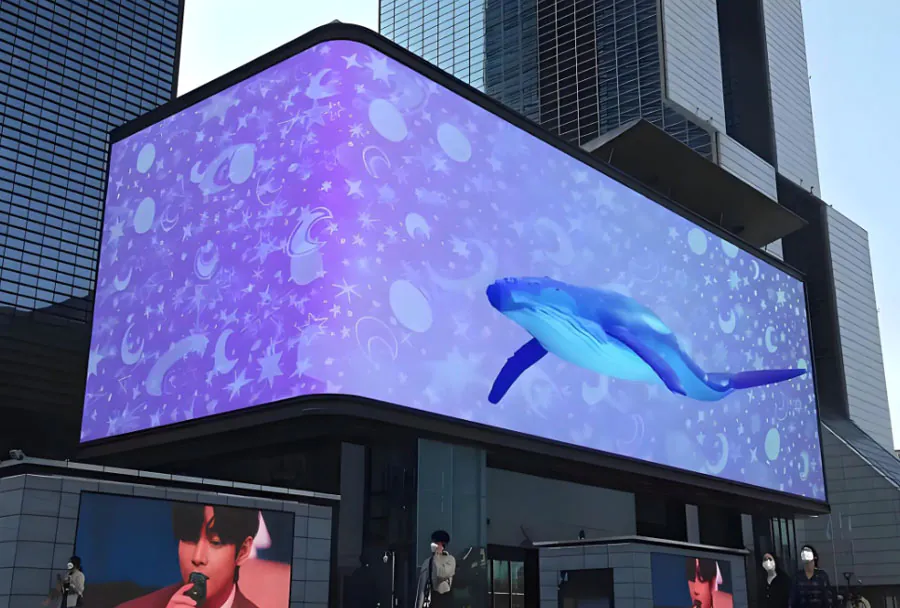
– Outdoor LED facades and billboards: Weatherproof, high-brightness displays for stadiums, public squares and building wraps.
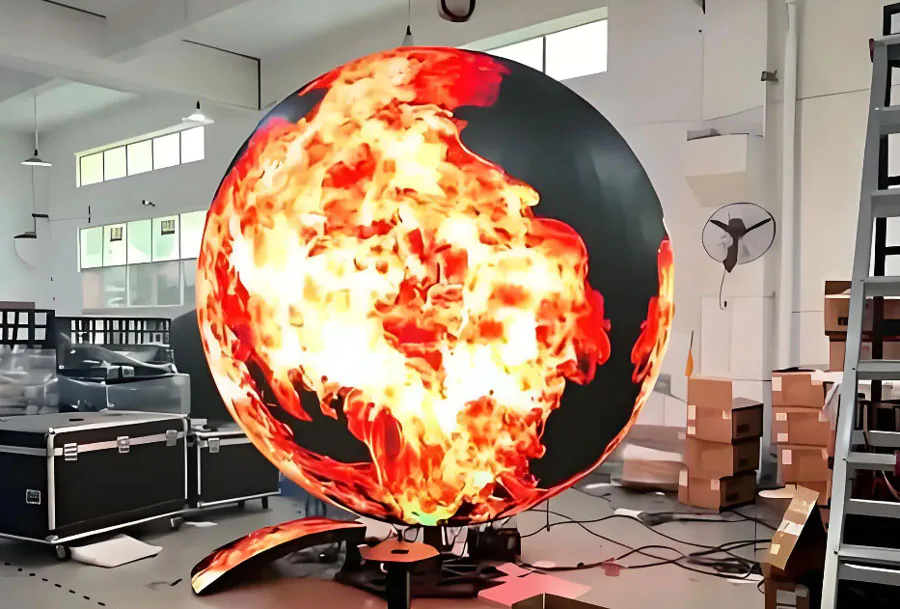
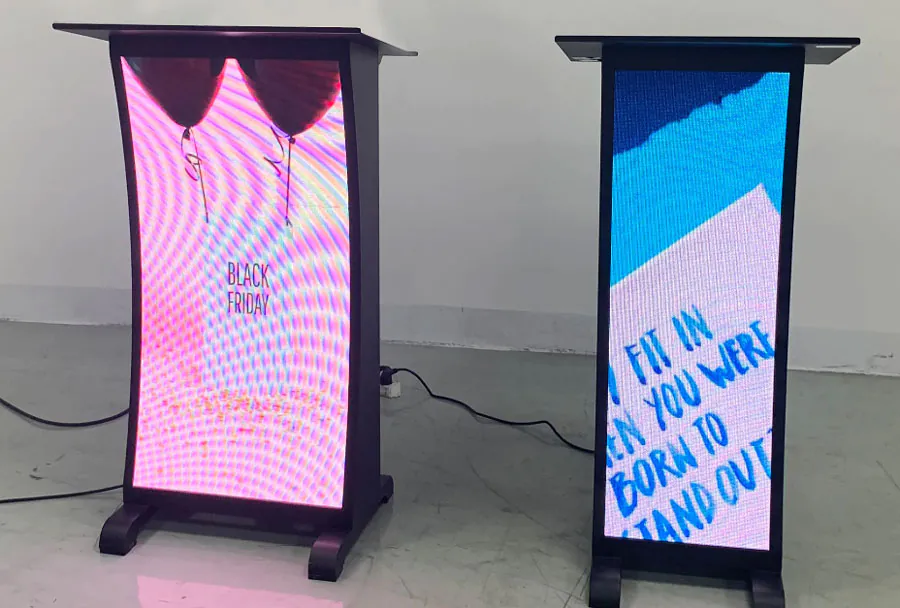
– Curved and creative-shaped screens: Flexible panels for immersive booths and branded environments.
– Transparent LED screens: Allow light to pass through; ideal for storefronts or exhibition booth fronts.
Technical Specs That Matter
Key technical parameters to evaluate when renting:
– Pixel pitch (P): Distance in millimeters between LED pixel centers. Lower pitch = higher resolution and closer optimal viewing distance (e.g., P1.5–P2.5 for close indoor viewing; P4–P10 for medium distance; P10+ for outdoor billboard viewing).
– Brightness (nits): Measured in cd/m2. Indoor screens usually need 800–1,200 nits; outdoor screens need 5,000–12,000 nits or more for daylight visibility.
– Refresh rate (Hz): Higher refresh rates (≥3,840Hz) reduce flicker in live camera feeds and recording.
– Contrast ratio and color accuracy: Important for brand visuals and broadcast-quality content.
– Panel size and weight: Impacts rigging, transport and structural needs.
– Power consumption and cooling: Critical for planning electrical loads and backup.
How to Choose the Right LED Screen for Your Event
Start by answering these questions:
– Venue: Is it indoor or outdoor? What are the sightlines and ceiling height?
– Audience distance: How far will the nearest and farthest viewers be from the screen?
– Content type: Will you show live video, high-detail graphics, text, or dynamic animations?
– Budget and time: What is the rental budget and how long is the rental period?
– Logistics: Are there rigging points, floor load limits, power access, or permit requirements?
Rule of thumb for pixel pitch and viewing distance:
– Multiply pitch (mm) by 1,000 and then divide by 3 to estimate comfortable viewing distance in meters for high-detail content. Example: P2.5 → (2.5/3)1000 ≈ 833 meters? (This is incorrect; better provide practical table — see analysis table below.)
To avoid confusion, consult your AV supplier for precise viewing-distance calculations tailored to content.
Indoor vs Outdoor Considerations
Indoor:
– Lower brightness required; emphasis on resolution and color.
– Easier to control ambient lighting.
– Panels are lighter and often higher resolution (P1.2–P2.5).
Outdoor:
– Requires weatherproof IP-rated cabinets (IP65+ often).
– High brightness and anti-glare surface necessary.
– Structural rigging, wind loading and permits are major considerations.
Cost Factors and Typical Pricing in Dubai
Several variables influence rental rates:
– Screen size (square meters): Most rentals are quoted per square meter per day.
– Pixel pitch and resolution: Finer pixel pitches cost more.
– Brightness and special features: Outdoor-rated, high-nit displays cost more.
– Installation complexity and labor: Rigging, scaffolding, scaffolding, geotechnical tests for outdoor structures.
– Transport and logistics: Distance, quantity and handling costs.
– Content playback system and technical crew: Media servers, switchers, on-site operators.
– Insurance and permits.
Typical pricing (indicative; AED = United Arab Emirates Dirham):
– Indoor high-resolution P1.9–P2.5: AED 400–800 per m2/day
– Standard indoor P2.9–P4: AED 300–600 per m2/day
– Outdoor P4–P6: AED 500–1,000 per m2/day
– Large outdoor billboard-grade P8–P10: AED 400–900 per m2/day
Note: Prices fluctuate with demand (e.g., Expo, Dubai Shopping Festival) and include or exclude transport, installation and operator costs.
Analysis Table: Comparing Common LED Options for Dubai Events
| Screen Type | Typical Pixel Pitch (mm) | Brightness (nits) | Ideal Viewing Distance | Typical Rental Rate (AED/m2/day) |
|---|---|---|---|---|
| Indoor High-Res (conference) | P1.2 – P2.5 | 800 – 1,200 | 1 – 5 meters | AED 400 – 800 |
| Indoor Standard (exhibition) | P2.9 – P4 | 1,000 – 2,000 | 3 – 10 meters | AED 300 – 600 |
| Outdoor Rental Wall | P4 – P6 | 5,000 – 8,000 | 10 – 30 meters | AED 500 – 1,000 |
| Outdoor Billboard / Facade | P8 – P10+ | 8,000 – 12,000+ | 30+ meters | AED 400 – 900 |
| Creative / Transparent LED | P2.5 – P6 | 1,500 – 6,000 | Variable (depends on design) | AED 600 – 1,200 |
Logistics, Permits and Local Regulations in Dubai
Dubai has clear regulations for temporary structures and outdoor signage. Steps to follow:
– Venue approval: Obtain permission from the venue and understand load-bearing and rigging points.
– Dubai Municipality and relevant authority approvals: Outdoor screens on public property or building facades often require permits from Dubai Municipality and in some cases from RTA or DED.
– Civil defense and safety: Fire safety compliance, emergency exits and evacuation plans must be respected.
– Cable routing and power: Ensure certified electricians handle mains connections and that load calculations are approved.
– Noise and light nuisance: Some neighborhoods and residential areas may restrict brightness or operation hours.
Work with your rental supplier; experienced companies usually manage permits as part of the service or advise you on required documentation and fees.
Installation and Structural Considerations
– Rigging: Use rated trusses, motors and safety chains. Verify wind-load calculations for outdoor screens.
– Ground support: For temporary outdoor walls, ballast, ground anchors or scaffolding may be required.
– Floor loading: Confirm floor capacity for heavy floor-standing walls in exhibition halls.
– Weatherproofing: Ensure sealing and drainage for outdoor displays; monitor for condensation in evening transitions.
– Backup systems: Redundant power supplies, backup media players and network failover reduce downtime risk.
Content and Media Management
High-impact content elevates ROI on LED rentals. Consider:
– Resolution matching: Produce content at native screen resolution to avoid scaling artifacts.
– Aspect ratio and pixel mapping: Coordinate with technician to map multiple panels into a single canvas.
– Color calibration: Request color profiles and calibrate to the screen for brand accuracy.
– File formats and codecs: Use widely supported codecs (H.264/H.265 for video) and uncompressed formats for critical pieces.
– Scheduling and playout: Use media servers or playback systems capable of playlists, live inputs and queued transitions.
– Live feeds: If broadcasting live cameras, ensure low-latency routing and high refresh rates to avoid flicker on camera.
On-site Operation and Troubleshooting
Common on-site considerations:
– Assign a dedicated AV technician for the event duration.
– Monitor thermal performance; schedule cool-downs if necessary.
– Keep spare modules, power supplies and cables on-site.
– Check for hot pixels, dead LEDs and perform a screen sweep pre-event.
– Plan for network security if using remote control or content updates over IP.
Contracts, Insurance and Liability
Key contract items:
– Scope of work: Detailed deliverables — screen size, pixel pitch, ancillary equipment, crew hours.
– Delivery and pickup windows: Include penalties for late setup or teardown.
– Damage and loss clauses: Define responsibility for breakage, theft or water damage.
– Insurance: Suppliers should carry public liability and equipment insurance; event organizers might need additional coverage.
– Force majeure and cancellations: Clear terms for weather-related cancellations, especially for outdoor installations.
Selecting the Right Supplier in Dubai
Look for suppliers that offer:
– Proven experience with similar event types in Dubai.
– Local inventory and fast logistics.
– Technical certifications and trained rigging crews.
– Transparent pricing and itemized quotes.
– References and portfolio of past events.
Top suppliers in the region often offer full production services — from design and content creation to installation and live operation — which simplifies coordination and single-point accountability.
Case Studies & Practical Examples
1. Exhibition Booth (Indoor): A 6m x 3m P2.9 LED wall used to display product demos and live social media feeds. Result: Improved booth dwell time and higher lead capture due to dynamic content.
2. Corporate Conference (Indoor): A 12m x 4m P1.9 screen for keynote presentations and branded video. Result: Repeatable, visually consistent presentations and reduced need for printed backdrops.
3. Outdoor Product Launch: A 20m x 6m P6 LED wall on a temporary truss with high-nit output for daylight visibility. Result: High visibility from a distance and strong pedestrian engagement.
Final Checklist Before You Book
– Confirm indoor/outdoor screen spec and pixel pitch.
– Get a detailed quote (screen, transport, install, crew).
– Verify power availability and floor/rigging capacity.
– Ask about spares and on-site support.
– Confirm permits and insurance responsibilities.
– Request a site survey by the supplier if possible.
Renting an LED screen in Dubai for events and exhibitions can dramatically increase audience engagement and elevate brand presence — but success depends on matching the right technology to your venue, content and logistics. Prioritize experienced suppliers, understand the technical trade-offs (pixel pitch, brightness, refresh rate) and plan early for permits, power and safety. With thorough planning, proper content and professional execution, an LED screen can be the centerpiece that transforms an ordinary event into an unforgettable experience.