LED Screens for Stage Design: Trends, Benefits, and Best Practices

Introduction
Live events have become more immersive, more visual, and more technically ambitious than ever before. Audiences now expect concerts, conferences, theater productions, esports tournaments, worship events, and brand launches to deliver memorable environments that feel dynamic from every angle. That shift has pushed display technology to the center of creative planning, with screens serving as both scenic elements and storytelling tools. Among the most influential developments, `LED Screens for Stage Design: Trends` now shape how designers think about depth, motion, flexibility, and audience engagement. From modular backdrops to interactive surfaces, today’s solutions blend aesthetics with performance. Understanding where the market is heading helps producers, designers, and venue operators invest more wisely and build stages that feel current, adaptable, and visually powerful.
Table of Contents
- Introduction
- Why LED Technology Dominates Modern Stages
- Key Visual Trends Shaping Stage Design
- How Designers Use LED Screens for Different Event Types
- Technical and Creative Considerations Before You Invest
- The Future of LED Stage Design
- FAQ
- What makes LED better than projection for stage design?
- How do I choose the right pixel pitch for a stage event?
- Are curved and transparent LED screens worth the extra cost?
- Can smaller events still benefit from LED stage design?
- Conclusion
Why LED Technology Dominates Modern Stages
Stage design used to rely heavily on printed backdrops, projection surfaces, drape systems, and static scenic builds. Those tools still have value, but they rarely match the versatility of LED systems. One of the biggest reasons professionals track `LED Screens for Stage Design: Trends` is because LED walls can function as scenery, content platforms, lighting sources, and spatial architecture at the same time.
Unlike projection, LED displays maintain strong brightness even in environments with heavy lighting. This makes them especially useful for concerts, corporate keynote stages, television sets, festival platforms, and hybrid events that must look strong both in person and on camera. Designers can create vivid visuals without sacrificing front light, beam effects, or audience blinders. The result is a stage that remains readable and impactful under complex show conditions.
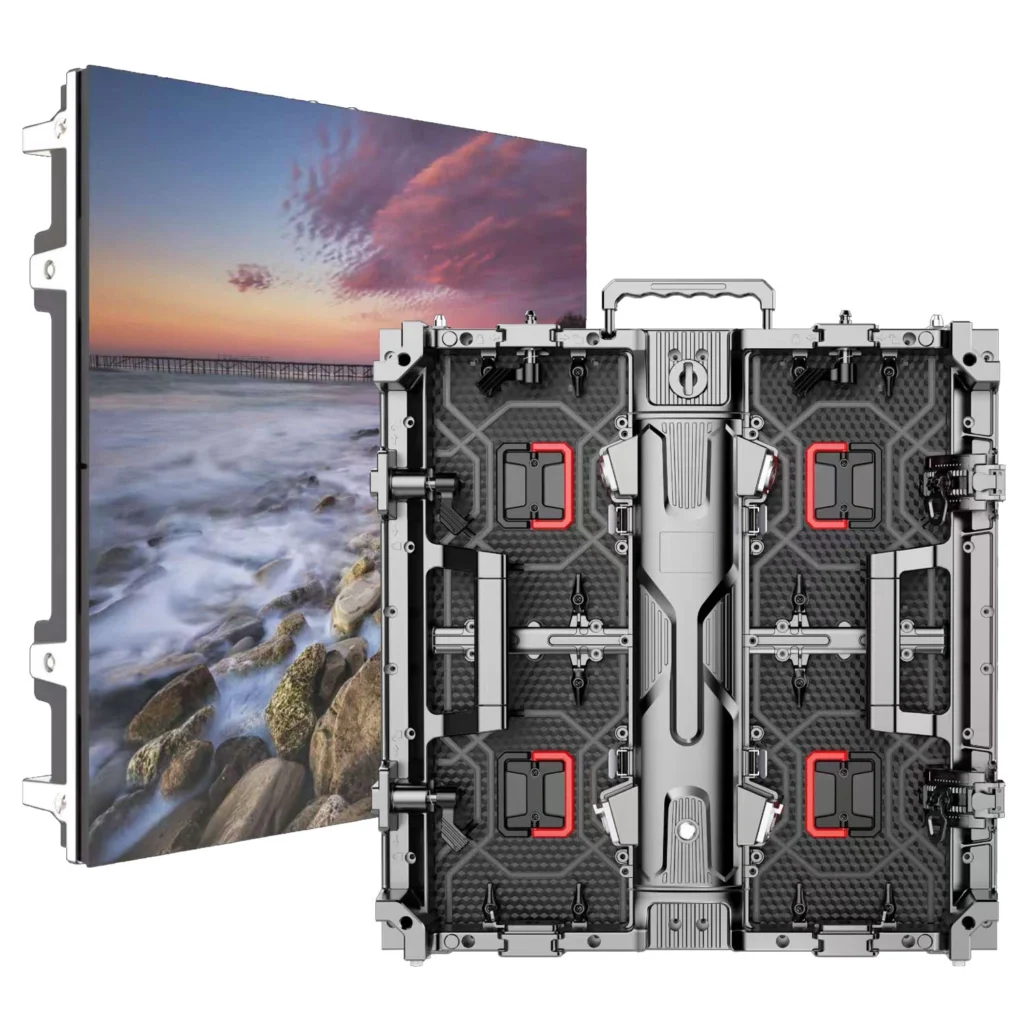
Another major advantage is modularity. Panels can be configured into flat walls, curves, columns, cubes, tunnels, ceilings, riser faces, DJ booths, and scenic accents. That flexibility allows production teams to scale the same inventory across different room sizes, budgets, and creative concepts. When analyzing `LED Screens for Stage Design: Trends`, this modular nature consistently stands out as one of the main drivers of adoption.
Content control is equally important. Designers can switch from branded welcome loops to cinematic motion graphics to live camera feeds in seconds. A single stage can support multiple moods throughout an event day, which is especially valuable for conferences and multi-act performances. Instead of rebuilding scenery between segments, teams can transform the environment digitally.
There is also a practical business case. Although LED can represent a higher upfront investment, it often reduces repeated scenic printing, labor-intensive scenic changes, and transportation of bulky decorative materials. Rental houses and venues appreciate systems that can be reused across many productions. Event organizers appreciate visual impact with less physical waste. As sustainability becomes a bigger factor in event planning, reusable display infrastructure is gaining more strategic value.
Finally, LED systems help unify live and broadcast experiences. In an age of streaming, social media clips, and event recap videos, the stage must perform for cameras as much as for the audience in the room. High-quality displays support that need by offering crisp graphics, controllable color, and strong visual consistency. That is why LED is no longer treated as an optional add-on. It is often the centerpiece of the design itself.
Key Visual Trends Shaping Stage Design
The most exciting changes in stage production are happening at the intersection of display engineering and creative storytelling. Anyone researching `LED Screens for Stage Design: Trends` will notice that the focus has shifted from simply installing a large video wall to using screens as integrated design objects.
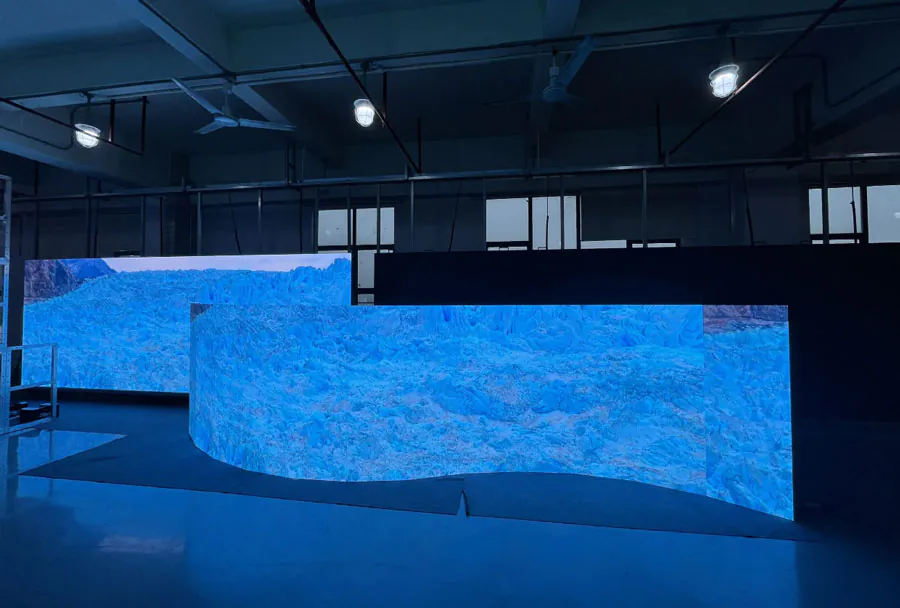
One leading trend is dimensional composition. Rather than building one giant rectangular backdrop, designers now break surfaces into layers, offsets, slices, and floating forms. Staggered panels create depth, while negative space gives the stage more rhythm and visual sophistication. This approach helps avoid the “flat TV wall” effect and allows content to interact with architecture instead of overpowering it.
Curved LED is another major direction. Concave walls can wrap visuals around performers and speakers, creating a more immersive field of view. Convex builds can produce sculptural focal points that feel premium and modern. Even subtle curves can soften the stage geometry and make the design feel less rigid. As manufacturers improve panel systems and support structures, curved configurations are becoming more accessible for touring and one-off productions.
Transparent and semi-transparent LED is also reshaping how stages are built. These products allow light, movement, and scenic elements to remain visible behind the screen. Designers use them to preserve depth while still adding dynamic content. For example, a performance stage may place musicians or lighting trusses behind a transparent video layer, creating a futuristic visual effect without fully blocking the scene.
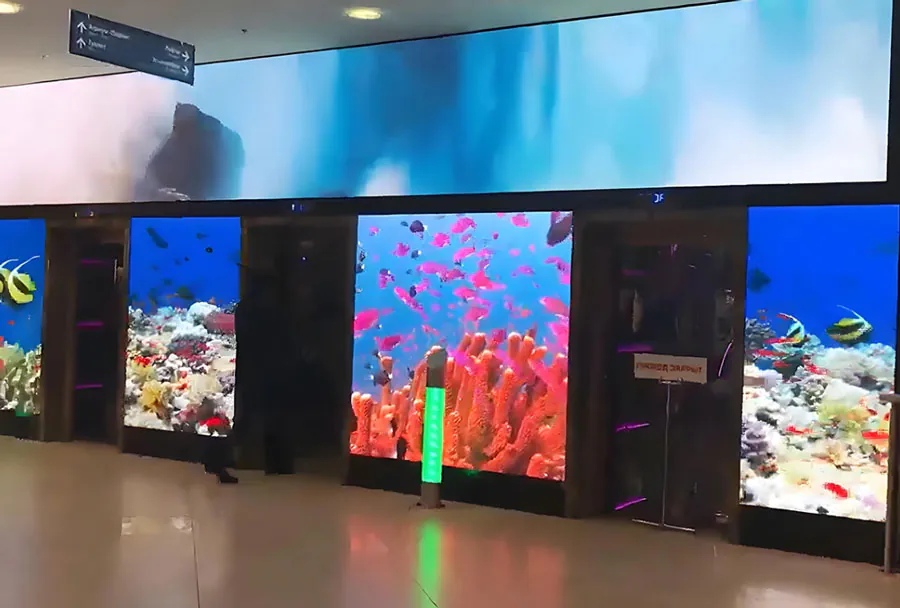
A closely related development in `LED Screens for Stage Design: Trends` is the use of LED on nontraditional surfaces. Floors, stair risers, runway edges, and overhead grids are now part of the digital canvas. This expands the stage from a background-focused composition to a 360-degree environment. When content is coordinated across multiple surfaces, the audience experiences a more cohesive and cinematic show.
Interactive visuals are gaining ground as well. Motion tracking, real-time rendering, and sensor-driven content allow the graphics to respond to performers, presenters, or audience actions. In a concert, visuals may pulse and shift with live music data. In a product launch, a speaker’s movement might trigger animations or reveal information. These techniques create a sense of immediacy that static playback cannot match.
Minimalist content design is another important trend. As screens become larger and more numerous, not every show benefits from filling every pixel with constant motion. Many of the most effective designs use restraint: clean typography, bold color fields, subtle texture, and carefully timed animation. This helps preserve focus on the talent or message while still leveraging the power of digital surfaces.
Designers are also paying more attention to camera-friendly visuals. Moire issues, refresh behavior, color rendering, and exposure balance matter greatly in streamed and televised productions. A stage that looks impressive in person can fail on camera if the screen specs and content strategy are not aligned. The most forward-thinking teams now consider broadcast performance from the start, not as an afterthought.
How Designers Use LED Screens for Different Event Types
The practical value of `LED Screens for Stage Design: Trends` becomes clearer when viewed through the lens of different event categories. Each type of event has its own creative priorities, technical demands, and audience expectations, so the best use of LED depends on context.
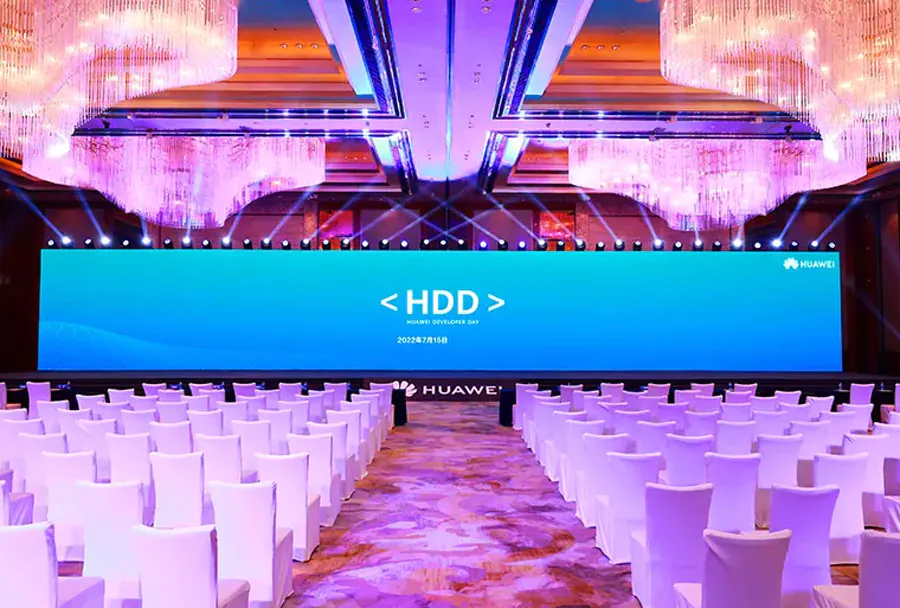
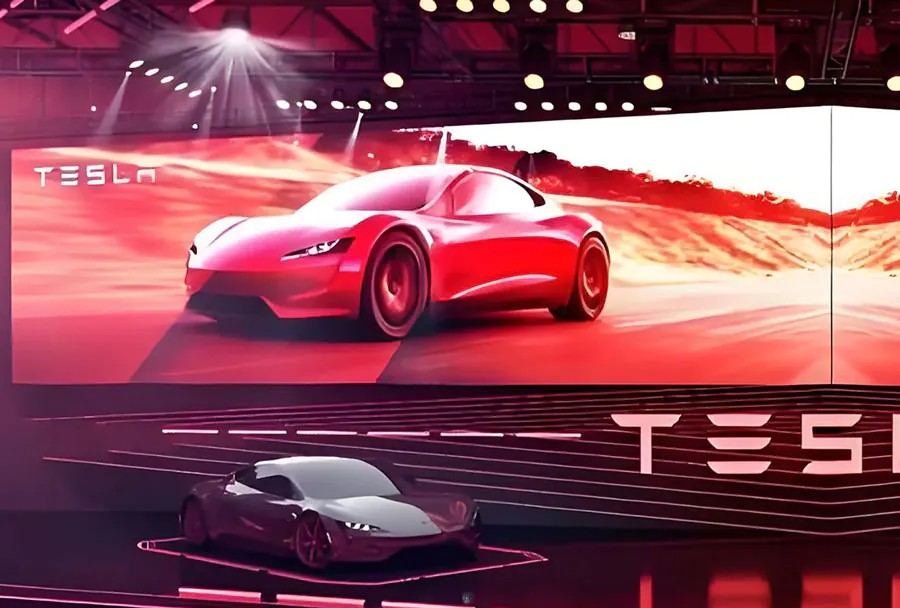
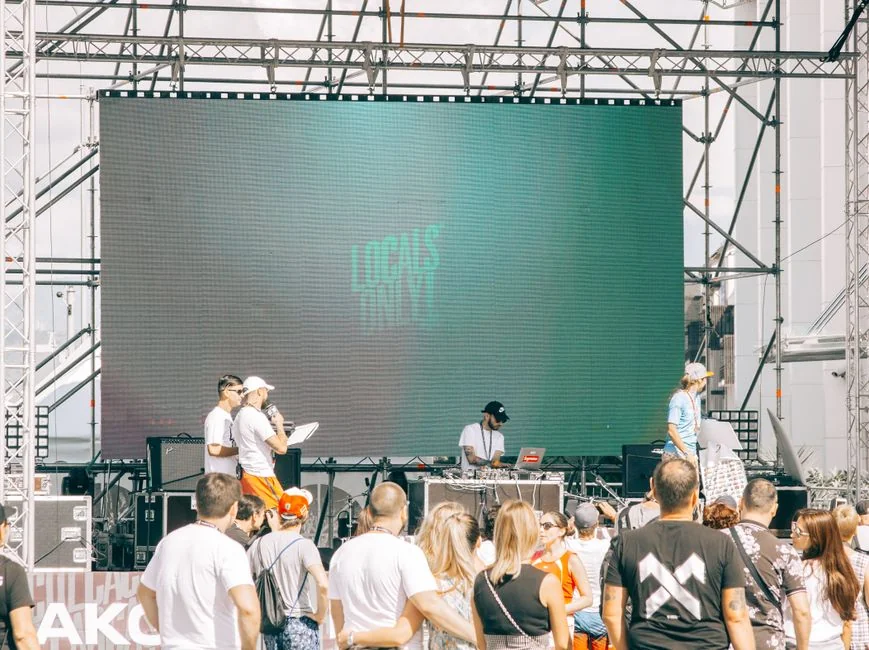
In concerts and music festivals, LED screens often serve as emotional amplifiers. Large background walls support artist branding, music-synced content, live close-up cameras, and visual transitions between songs. Touring productions increasingly rely on segmented layouts, moving screen elements, and side-stage extensions to create a signature look that audiences remember. For headline acts, the screen system is often a core part of the performance identity.
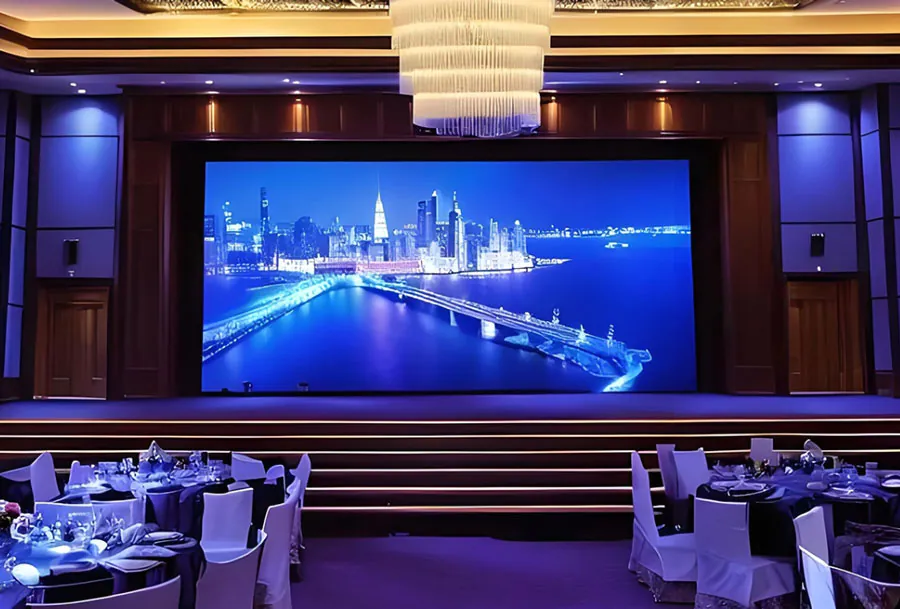
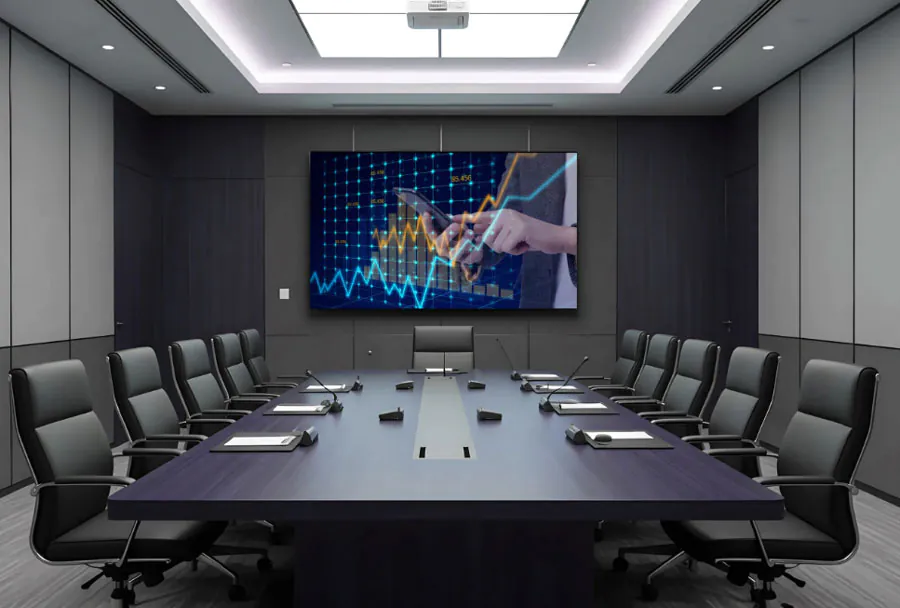
Corporate events use LED somewhat differently. In conferences, sales meetings, and executive keynotes, clarity matters as much as style. Presentations must be readable from the back of the room, logos must appear crisp, and transitions must feel polished. At the same time, the stage should support brand storytelling. That is why many planners studying `LED Screens for Stage Design: Trends` look for ways to combine clean presentation zones with more expressive scenic framing. The goal is to make the event feel elevated without reducing information legibility.
Theater and live performance environments often use LED in selective, highly intentional ways. Instead of replacing all scenery, designers may use screens to extend environments, add atmosphere, or support narrative shifts that would be difficult to build physically. A digital skyline, moving landscape, or abstract visual motif can change the emotional tone of a scene in seconds. In these settings, LED works best when it supports storytelling rather than distracting from it.
Esports and gaming events are particularly strong showcases for advanced display design. These productions typically favor high energy, layered content, dramatic entrances, and integrated player or team branding. LED can wrap around competition pods, frame casters, and create immersive opening moments that match the visual language of gaming culture. Because the audience is already accustomed to digital motion and screen-based experiences, ambitious display builds feel especially natural in this space.
Worship events and community productions have also embraced LED because of its adaptability. A single system can support song lyrics, sermon notes, scenic atmospheres, seasonal themes, and live video reinforcement. For organizations managing recurring weekly events, the ability to refresh the visual environment without rebuilding scenery offers long-term value. Even a modest setup can create a more engaging and contemporary stage presence.
Brand activations and product launches often push creative experimentation the furthest. Here, LED may appear in portals, reveal boxes, mirrored spaces, and interactive installations that blur the line between stage and exhibit. Content is frequently synchronized with lighting, automation, and sound effects to create a high-impact moment for media capture. In these cases, the stage is not just a place to speak or perform; it becomes part of the brand narrative itself.
Across all these event types, the most successful designs start with audience goals. Is the aim to inform, energize, immerse, inspire, or all of the above? Once that is clear, the screen system can be specified in a way that supports both function and creative intent.
Technical and Creative Considerations Before You Invest
Excitement around visuals can lead teams to focus on size and spectacle first, but a successful stage system depends on the right technical choices. One reason professionals keep analyzing `LED Screens for Stage Design: Trends` is that the market evolves quickly, and poor specification decisions can create expensive problems.
Pixel pitch is one of the first decisions to make. The ideal pitch depends on viewing distance, content detail, and camera use. A tighter pitch usually provides higher resolution and better close-range performance, but it also costs more. For a ballroom keynote viewed from relatively near distances, fine pitch can make a significant difference. For a large outdoor concert where the audience sits farther back, a wider pitch may be perfectly appropriate.
Brightness is another key variable. Indoor environments often need less brightness than outdoor settings, but that does not mean brighter is always better. Excessive brightness can wash out performers, strain the eyes, and reduce content quality if not managed properly. The best setups offer enough headroom for the environment while maintaining strong color and contrast control.
Processor and playback systems matter just as much as the panels themselves. A premium screen can underperform if the signal chain is poorly designed. Media servers, switchers, processors, content resolutions, mapping workflows, and backup systems all influence the final result. When teams evaluate `LED Screens for Stage Design: Trends`, they should look beyond the display surface and consider the full ecosystem required to support reliable show operation.
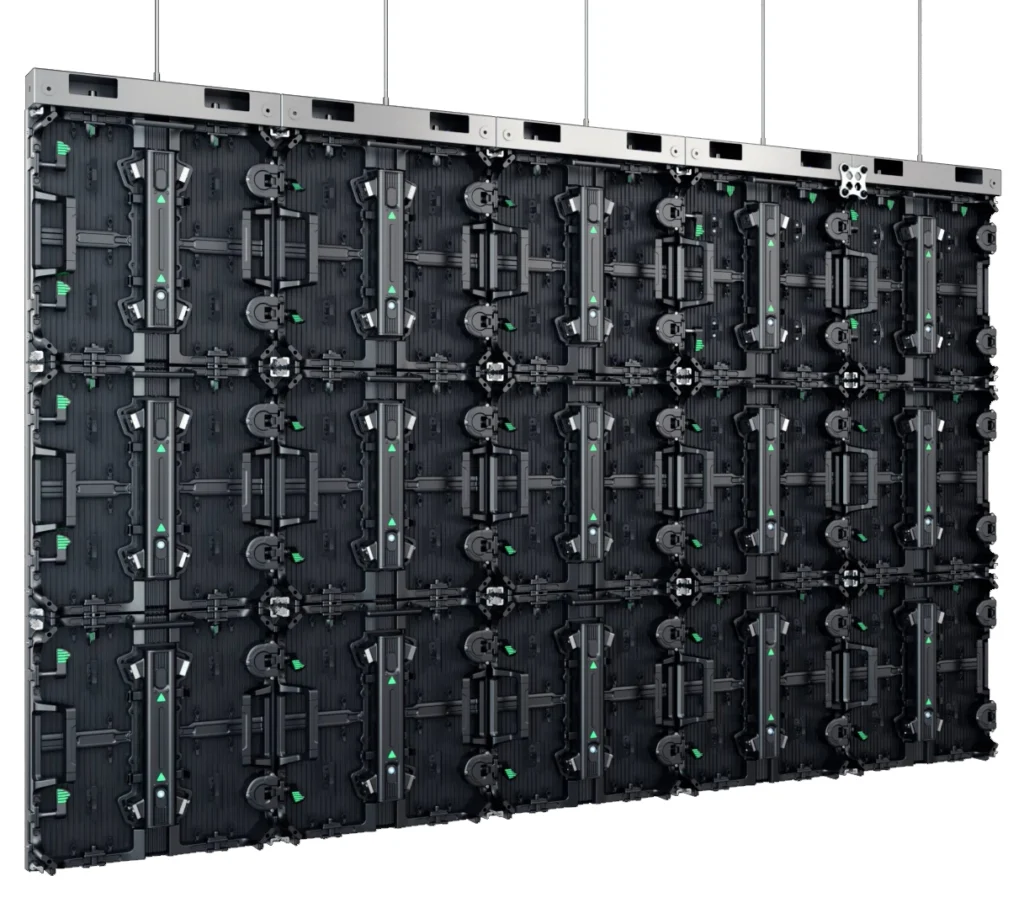
Rigging and structural planning are equally critical. Consider weight loads, trim height, wind exposure, support frames, cable paths, and maintenance access from the start of your stage design. This ensures your creative concepts remain practical, safe, and easy to install. Collaboration between designers, technical directors, engineers, and vendors is essential from the concept phase onward.
Content strategy deserves early attention as well. Too many productions finalize the screen design before deciding what will actually be displayed. That often leads to stretched visuals, empty areas, or content that fails to fit the stage geometry. A better process aligns scenic layout, aspect ratios, and motion design from the beginning. If the stage includes multiple surfaces, the content team should know how those surfaces relate to one another so that visuals feel intentional rather than improvised.
Color calibration and camera performance should not be overlooked. If the event is streamed or recorded, the screen must work well with broadcast cameras. Refresh rates, scan settings, white balance, and contrast all affect how the display appears on screen. Testing in advance can prevent major issues during live production.
Budget planning also requires realism. Costs do not stop with the panels. Teams should factor in transport, rigging, processing, content creation, crew, installation time, rehearsal time, power distribution, and contingencies. In many cases, a smaller but smarter design delivers better results than a larger wall with inadequate content and support.
Finally, maintenance and durability matter, especially for venues and rental inventories. Frequent setup and teardown, touring conditions, and tight production schedules can be hard on equipment. Reliable panel construction, serviceability, spare parts availability, and vendor support should all influence purchasing decisions. A visually impressive system only becomes a smart investment when it performs consistently under pressure.
The Future of LED Stage Design
Looking ahead, `LED Screens for Stage Design: Trends` point toward stages that are more immersive, data-driven, and integrated with other production disciplines. The next phase is not just about bigger walls; it is about smarter experiences.
Real-time graphics are likely to become standard in more event categories. Instead of relying only on pre-rendered videos, productions will increasingly use engines that generate visuals live based on music, motion, lighting cues, or audience interaction. This approach supports personalization, adaptability, and more fluid show direction.
Virtual production techniques will also influence physical stage design. As film and broadcast workflows adopt LED volumes and camera-tracked environments, some of those practices will migrate into branded events, product launches, and hybrid experiences. This can allow a single stage environment to serve both live attendees and remote viewers in more sophisticated ways.
Another future-facing shift is tighter integration between LED, lighting, and automation. Screens are no longer isolated scenic tools. They increasingly move, change orientation, reveal hidden spaces, and coordinate with beam looks and kinetic effects. Designers who understand these systems holistically will be better positioned to create standout shows.
Sustainability will remain an important factor. Clients and venues want designs that can be repurposed, transported efficiently, and used across multiple event cycles. Modular LED systems support that need better than many disposable scenic elements. As environmental accountability becomes more prominent, reusable digital infrastructure will gain additional appeal.
Artificial intelligence may also influence content adaptation, system diagnostics, and audience-responsive experiences. While creativity will remain human-led, software tools can help production teams optimize playback, automate format variations, and analyze engagement patterns. That could make ambitious visual design more scalable across different budgets and timelines.
The future is ultimately about intentionality. Screens will keep improving in resolution, flexibility, and control, but the most meaningful innovation will come from using them with purpose. The best stages will not simply display content. They will shape atmosphere, direct attention, and deepen the audience’s emotional connection to the event.
FAQ
What makes LED better than projection for stage design?
For many live events, `LED Screens for Stage Design: Trends` favor LED over projection because LED offers higher brightness, stronger contrast in lit environments, and more flexibility in modular scenic construction. Projection still works well in some artistic and budget-conscious contexts, but LED usually performs better when you need vivid visuals, camera-friendly output, and reliable impact under concert or conference lighting.
How do I choose the right pixel pitch for a stage event?
The right choice depends on audience distance, content detail, and whether the event is being filmed. When planning around `LED Screens for Stage Design: Trends`, start by identifying the closest viewing position and the role of text, branding, and live video. Fine pitch is often better for close viewing and premium corporate environments, while wider pitch may be more practical for large venues and outdoor shows.
Are curved and transparent LED screens worth the extra cost?
They can be, especially when the creative concept benefits from immersion, depth, or architectural uniqueness. Many current `LED Screens for Stage Design: Trends` emphasize sculptural layouts rather than standard flat rectangles. If a curved or transparent screen adds storytelling value, improves sightlines, or elevates the brand experience, the additional cost may be justified.
Can smaller events still benefit from LED stage design?
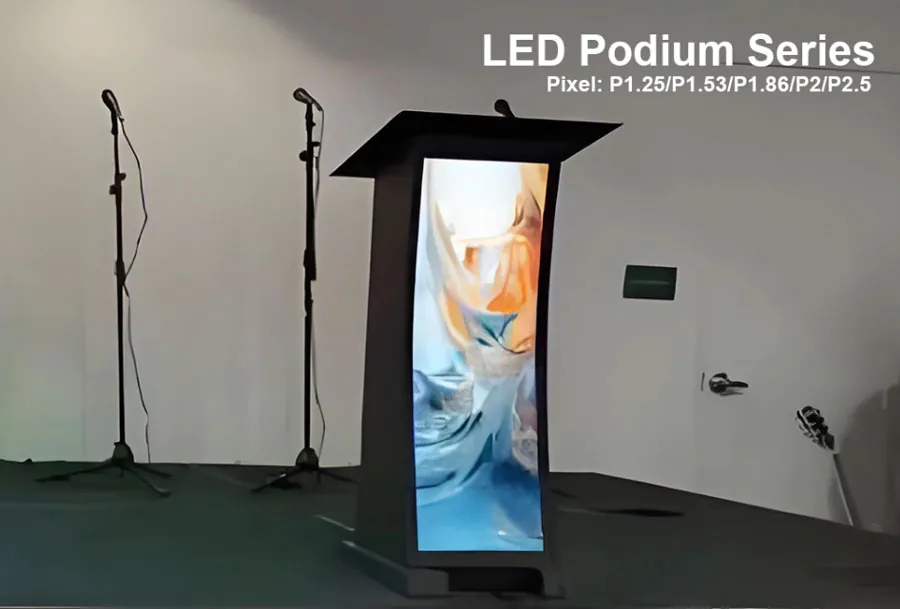
Yes. You do not need an arena-sized wall to take advantage of `LED Screens for Stage Design: Trends`. Smaller events can use compact upstage walls, side accents, lectern surrounds, or LED riser faces to create a polished and modern look. The key is matching the screen size and content style to the room, the audience, and the event goals.
Conclusion
The rapid evolution of live production has turned screens into one of the most important tools in scenic storytelling. From layered stage architecture and curved displays to interactive content and camera-optimized workflows, `LED Screens for Stage Design: Trends` continue to redefine what audiences expect from modern events. For designers, producers, and venue teams, the opportunity is not just to follow visual fashion but to build environments that are flexible, memorable, and purpose-driven. When chosen carefully and supported by strong content, the right LED approach can transform a stage from a simple platform into a fully immersive experience that serves both creative vision and practical event goals.
Related Articles
- High Resolution Jumbotron Screen with Wide Viewing Angle
- TW VISION LED Screen for Stage Rental in Atlanta Enhancing Concert Experiences
- 2026 Creative Display Trends Technological Breakthroughs and Market Expansion by TW VISION Custom Shape LED Screens