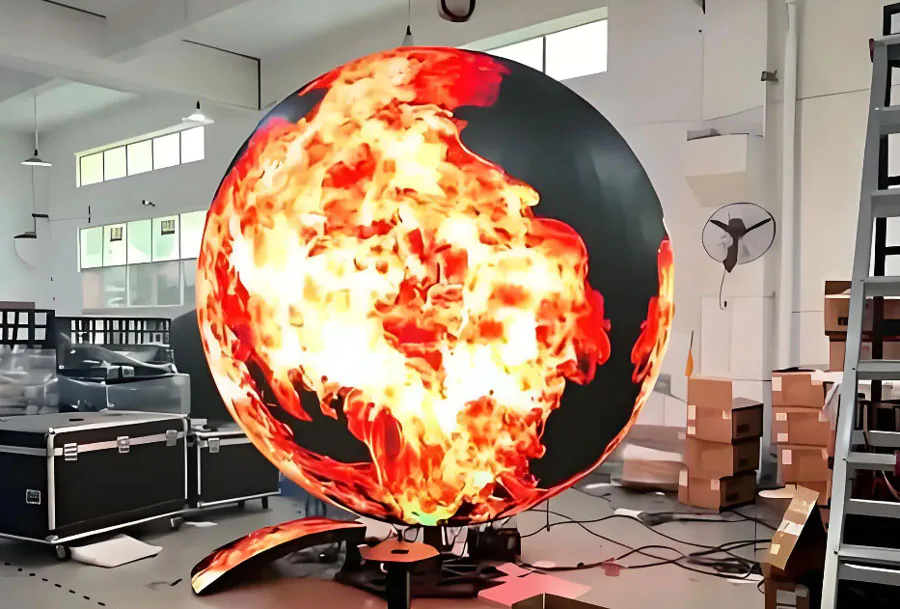
Outdoor LED screen Manufacturer: From Design & Production to Global Delivery

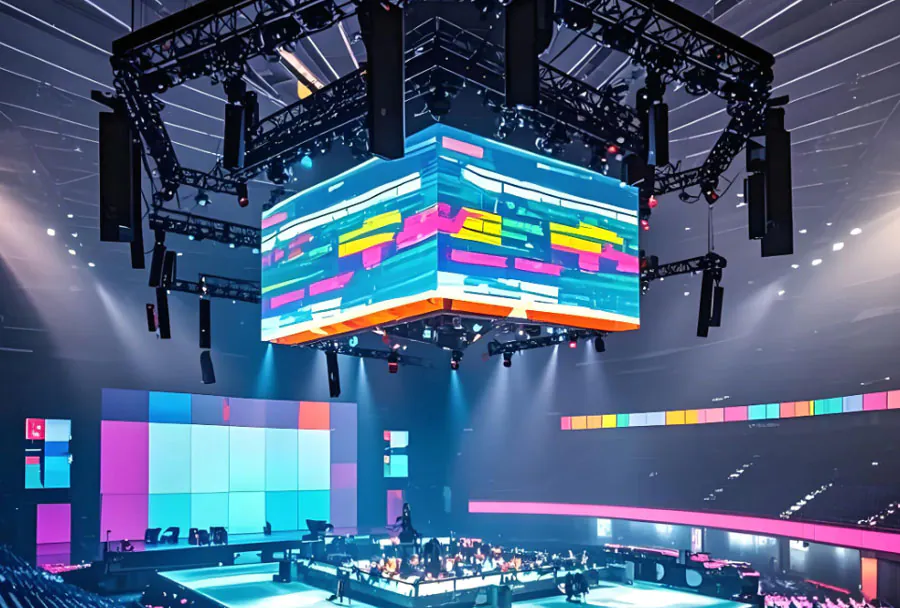
Choosing the right Outdoor LED screen Manufacturer can make the difference between a screen that merely works and a display system that drives real visibility, traffic, and revenue. From stadiums and retail facades to transportation hubs and city landmarks, outdoor LED screens must perform under intense sunlight, rain, wind, dust, and constant operation. That means every step matters: engineering, materials, testing, packaging, and shipping. A dependable partner does not just sell panels; it delivers a complete solution with long-term stability, energy efficiency, and service support. In this guide, we’ll break down what a full-service manufacturer should offer, how the production process works, and what to look for when planning a global installation.
Table of Contents
- Design Engineering: Building the Right Display from the Start
- Production Process: From Components to Reliable Outdoor Systems
- Packaging, Logistics, and Global Delivery
- How to Choose a Manufacturer for Long-Term Success
- FAQ
- What makes an outdoor LED display different from an indoor one?
- How do I know if a manufacturer can handle export projects?
- Can outdoor LED displays be customized for different projects?
- What support should I expect after delivery?
- Conclusion
Design Engineering: Building the Right Display from the Start
A professional Outdoor LED Display Manufacturer begins with engineering, not just assembly. The design phase determines whether the final display will meet brightness requirements, survive harsh weather, and remain easy to maintain over years of use. This is where pixel pitch, cabinet size, module layout, viewing distance, structural support, and protection ratings are defined.
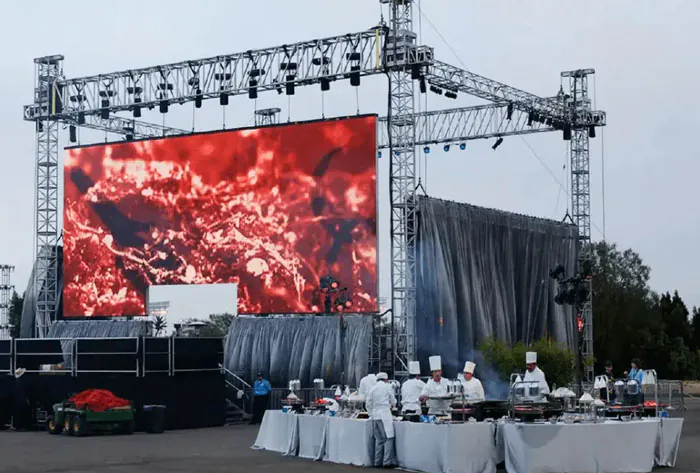
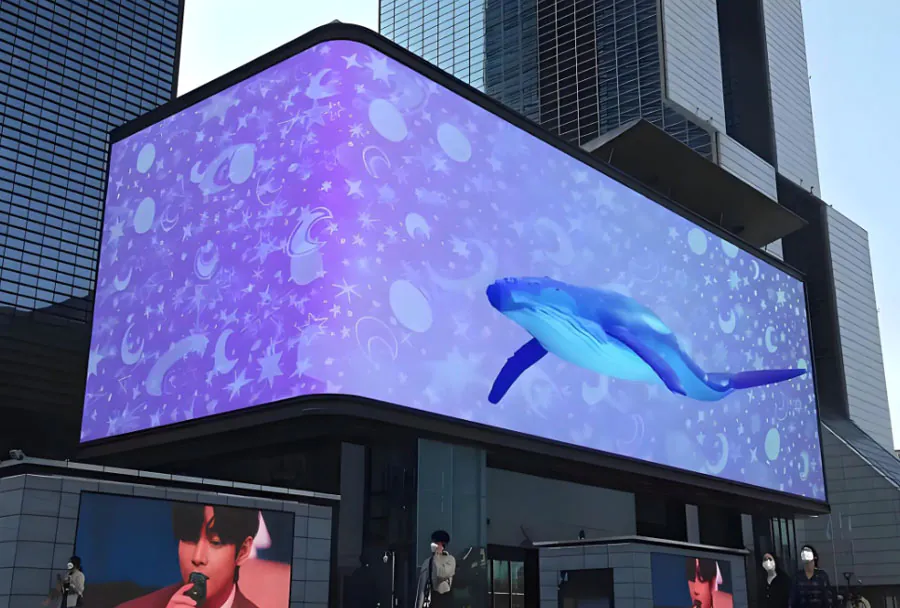
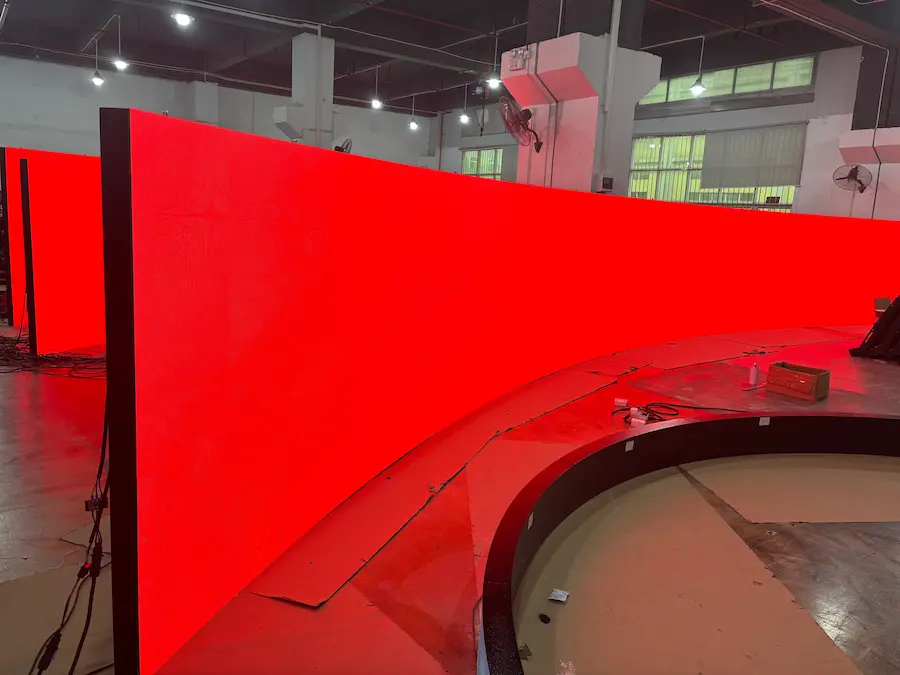
The first step is application analysis. A roadside billboard has different needs from a sports arena ribbon display or a building-mounted advertising wall. The manufacturer should evaluate ambient light, installation height, audience distance, content type, and local climate. For example, high-brightness LEDs are essential for direct sunlight, while curved or irregular shapes may require customized cabinet structures.
Mechanical design is equally important. Outdoor installations face vibration, thermal expansion, water exposure, and wind loading. The frame, cabinet, and mounting system must be engineered to handle those forces safely. An experienced Outdoor LED Display Manufacturer will also consider service access, so technicians can replace modules, power supplies, or receiving cards without dismantling the full system.
Another critical part of design is thermal management. Heat is one of the biggest threats to LED performance. Good designs use ventilation, heat sinks, efficient power distribution, and smart temperature control to reduce stress on components. A well-designed cabinet not only improves lifespan but also stabilizes color performance and reduces maintenance costs.
Content performance matters too. Outdoor screens need excellent refresh rates, grayscale depth, and color calibration to produce clean video playback, live broadcasts, and sharp text. The best manufacturers balance visual impact with energy consumption, ensuring the display looks bright without wasting power.
Finally, design should align with local compliance requirements. Electrical standards, mounting regulations, and environmental certifications vary by market. A reliable Outdoor LED Display Manufacturer will design with exportability in mind, so the final product can pass inspection and installation requirements in multiple countries.
Production Process: From Components to Reliable Outdoor Systems
Once the design is approved, the production stage turns engineering into a finished product. A trusted Outdoor LED Display Manufacturer controls each step carefully because outdoor reliability depends on component quality as much as final assembly.
The process begins with sourcing. LED chips, driver ICs, power supplies, printed circuit boards, cabinet materials, cables, and sealing materials must all come from stable and verified supply chains. Low-grade components may reduce upfront cost, but they often create problems such as dead pixels, color shift, signal instability, or power failure. High-quality sourcing is essential for long-term outdoor performance.
Next comes module manufacturing. LED modules are assembled with precise soldering, automated placement, and strict calibration. Uniform brightness and color consistency are crucial, especially for large displays where even minor differences become visible across the screen. A strong Outdoor LED Display Manufacturer will test modules before they move into cabinet assembly, catching defects early and reducing field failures.
Cabinet production is another major stage. Outdoor cabinets are typically made from aluminum, steel, or a hybrid structure depending on weight, budget, and application. Precision machining ensures tight tolerances, better sealing, and easier alignment during installation. The cabinet must support internal electronics while resisting corrosion, deformation, and moisture intrusion.
Assembly is followed by electrical integration. Power supplies, control cards, signal wiring, cooling systems, and protective sealing are installed and organized for dependable operation. Good cable management reduces interference and simplifies future maintenance. At this stage, manufacturers also apply waterproofing measures, anti-rust coatings, and gasket sealing to protect the display from rain and humidity.
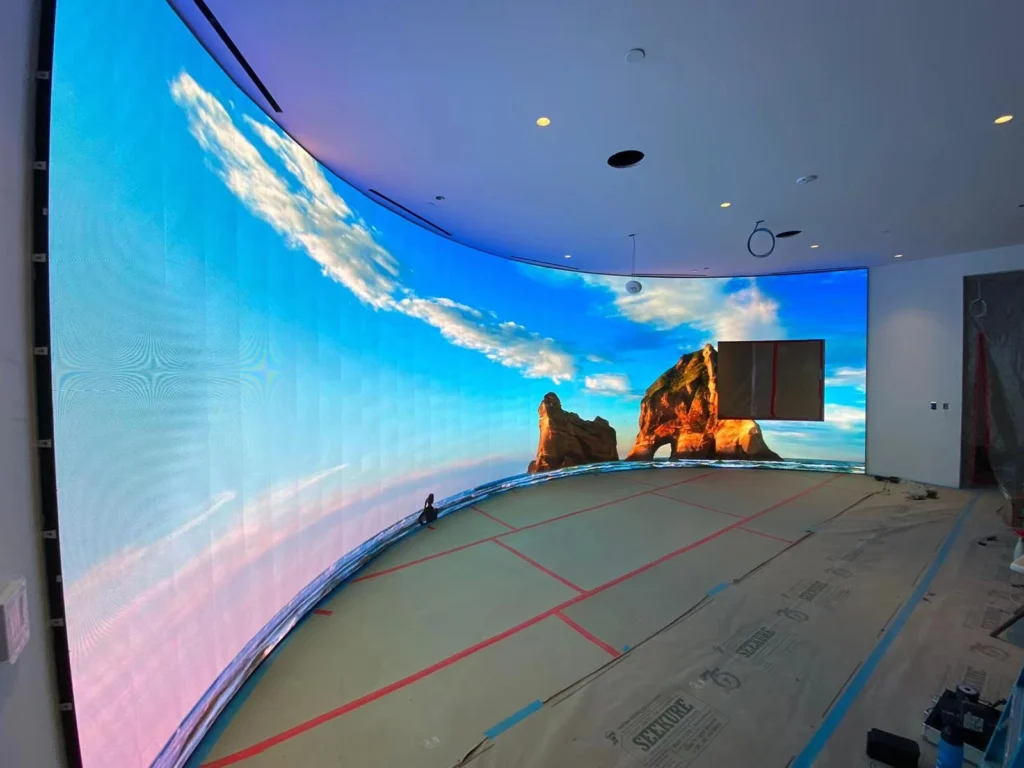
Testing is where a professional Outdoor LED Display Manufacturer proves its value. Before shipment, displays should undergo aging tests, brightness checks, color uniformity checks, vibration resistance checks, and power-on reliability checks. Some suppliers also conduct burn-in testing for extended periods to identify weak components before deployment.
Quality control should not be a one-time inspection. It needs to exist at every stage, from incoming material verification to final packing. The best manufacturers document each unit with traceable records, enabling faster troubleshooting and better after-sales support. This traceability becomes especially important for large-scale international projects where consistency across multiple display batches is essential.
Production excellence is not only about technical precision; it is also about repeatability. A dependable Outdoor LED Display Manufacturer can produce one screen or hundreds of square meters of screens with the same standards, the same color profile, and the same structural reliability.
Packaging, Logistics, and Global Delivery
A great display can still fail as a project if shipping and logistics are handled poorly. That is why the logistics phase is an essential part of the value chain for an Outdoor LED Display Manufacturer. International delivery requires careful coordination between packaging design, freight planning, customs documentation, and on-site delivery schedules.
Packaging begins with protection. Manufacturers must pack outdoor LED panels carefully to protect sensitive electronics and precision-aligned components from vibration, compression, moisture, and impact. Foam inserts, anti-static wrapping, reinforced crates, and moisture barriers all help protect cabinets during transit. For long-distance shipping, especially by sea, manufacturers must design packaging to withstand multiple handling points and changing humidity levels.
Export documentation is another key responsibility. A skilled Outdoor LED Display Manufacturer understands invoices, packing lists, certificates of origin, HS codes, and destination-specific compliance paperwork. When companies prepare documents correctly, they can achieve smoother customs clearance and minimize delays. This matters because project timelines often depend on venue openings, campaign launches, or public events.
Freight planning should also match the project scale and urgency. Air freight may be suitable for urgent replacement parts or smaller orders, while sea freight is often better for large installations due to cost efficiency. In some cases, mixed logistics strategies are used: core cabinets shipped by sea, with critical spares or controllers sent by air. An experienced Outdoor LED Display Manufacturer can recommend the most practical option based on budget, lead time, and destination.
Global delivery is more than shipping boxes. It includes coordination with distributors, installers, and local partners. Accurate labeling, pallet numbering, and installation documentation save time once the equipment reaches the project site. Good manufacturers also provide spare parts kits, wiring diagrams, configuration files, and remote support so the installation team can move quickly from delivery to commissioning.
Another important point is risk management. Weather delays, port congestion, and customs checks can affect schedules. The best suppliers build buffer time into the plan, share tracking updates, and communicate proactively when issues arise. That level of service separates a transactional supplier from a dependable project partner.
When a company manages packaging and international transport well, the result is a seamless buyer experience. That is why the most effective Outdoor LED Display Manufacturer treats logistics as part of product quality, not as an afterthought.
How to Choose a Manufacturer for Long-Term Success
Selecting the right supplier is a strategic decision that affects return on investment, maintenance burden, and brand reputation. A trustworthy Outdoor LED Display Manufacturer should be evaluated on more than price alone. Buyers should look at engineering depth, production capacity, testing standards, reference projects, and after-sales support.
Start by reviewing the company’s project portfolio. Real outdoor installations in diverse climates are one of the strongest indicators of capability. A manufacturer with stadium, retail, transportation, and roadside billboard experience is more likely to understand different structural and performance demands. Ask for case studies, photos, and technical details, not just marketing claims.
Next, evaluate the technical specifications in context. High brightness, IP protection, wide viewing angle, and fast refresh rate are important, but they must align with the actual application. A knowledgeable Outdoor LED Display Manufacturer will help you balance pixel pitch, cabinet size, and viewing distance instead of overselling features that do not improve the real viewing experience.
Service support is another major factor. Outdoor LED screens need calibration, replacement parts, troubleshooting, and sometimes remote diagnostics. A reliable supplier offers clear warranty terms, spare part availability, and responsive technical support. If a manufacturer cannot explain how it handles maintenance after installation, that is a warning sign.
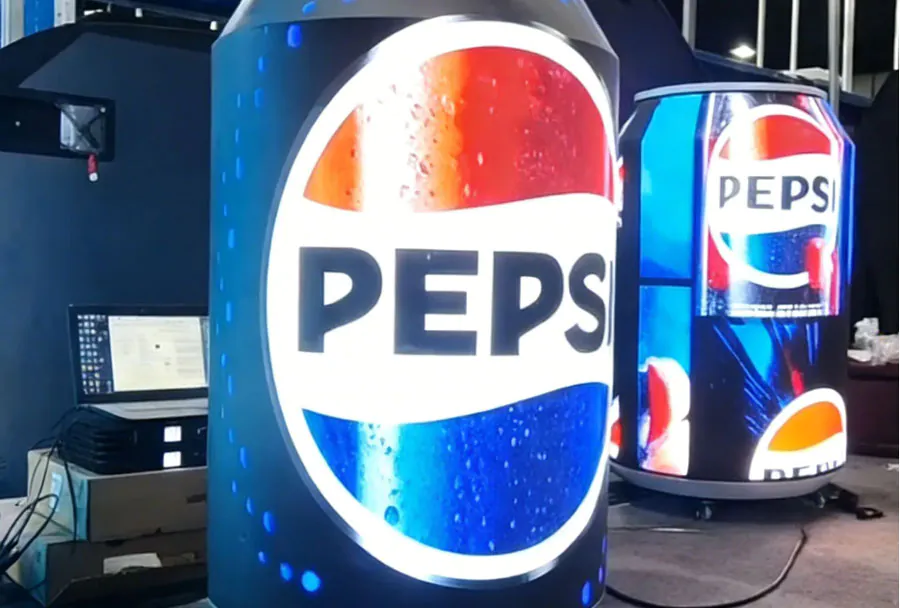
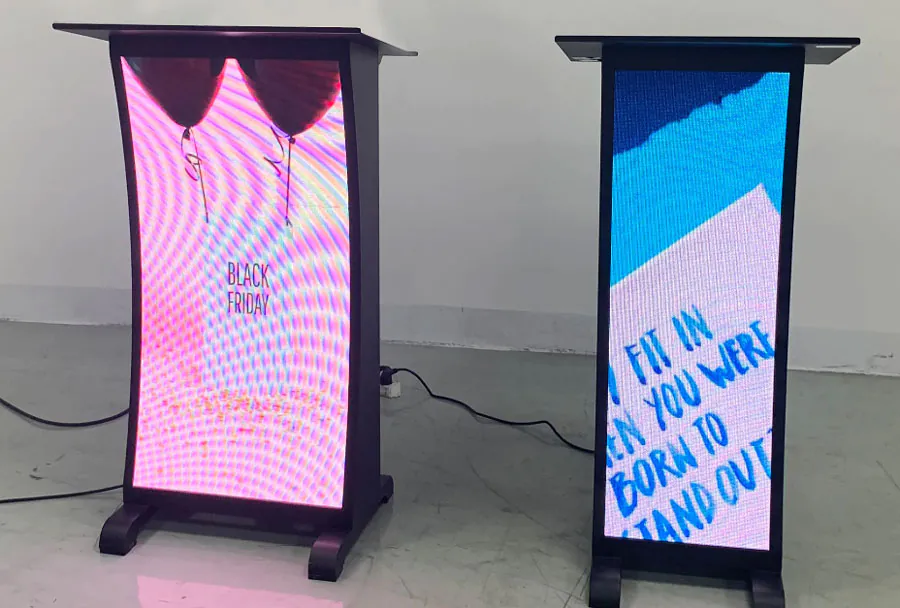
Customization capability is also valuable. Many projects require non-standard shapes, special mounting systems, front or rear maintenance access, or integration with content control systems. A flexible Outdoor LED Display Manufacturer can adapt the product to the site instead of forcing the site to fit the product.
Communication quality matters as well. Project managers should receive timely updates on production status, test results, and delivery schedules. Clear communication reduces errors and builds trust, especially for international buyers working across time zones and languages. A manufacturer that responds quickly and documents decisions well is usually easier to work with throughout the lifecycle of the project.
Finally, consider the total cost of ownership. The lowest purchase price may lead to higher maintenance costs, energy waste, and more frequent replacements. A better investment is a system built for durability, efficiency, and serviceability. When those elements are in place, the relationship with an Outdoor LED Display Manufacturer becomes a long-term asset rather than a one-time transaction.
FAQ
What makes an outdoor LED display different from an indoor one?
Outdoor screens must be much brighter, more weather-resistant, and structurally stronger than indoor displays. A qualified Outdoor LED Display Manufacturer will build products with higher protection standards, better thermal control, and reinforced cabinets to handle sunlight, rain, dust, and wind.
How do I know if a manufacturer can handle export projects?
Look for experience with customs documentation, international freight, and multilingual technical support. A proven Outdoor LED Display Manufacturer should provide packaging details, shipping plans, and installation manuals that are suitable for overseas deployment.
Can outdoor LED displays be customized for different projects?
Yes. Screen size, shape, pixel pitch, brightness, mounting method, and maintenance access can all be tailored. A capable Outdoor LED Display Manufacturer will offer engineering support so the display fits the site and the content strategy.
What support should I expect after delivery?
You should expect installation guidance, remote troubleshooting, spare parts availability, and warranty coverage. A reliable Outdoor LED Display Manufacturer treats after-sales support as part of the product, helping you keep the display running efficiently over time.
Conclusion
The best results come from working with a partner that understands the full lifecycle of the product, not just the sale. From the first design sketch to production inspection, packaging, shipping, and commissioning, every stage affects final performance and project success. A dependable Outdoor LED Display Manufacturer brings together engineering skill, quality control, logistics expertise, and service support so your investment delivers value for years. If you are planning an outdoor digital project, choose a manufacturer that can prove reliability, communicate clearly, and support your display from concept all the way to global delivery.