Rental LED Display Screen for Events with High Brightness Output

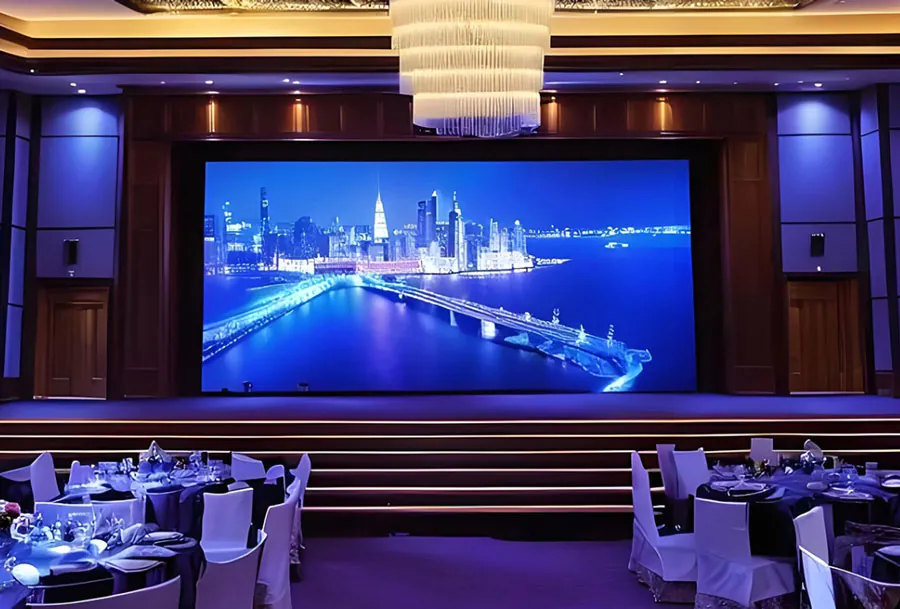
In today’s event industry, you win audience attention in seconds and lose it just as quickly. Whether you are producing a large-scale outdoor festival, a brand launch in a city plaza, a sports viewing party, or a corporate conference with a hybrid live stream, visual impact is no longer optional—it is the backbone of engagement. That’s why a Rental LED display screen for Events with High Brightness Output has become the preferred choice for event organizers who need clarity, scale, and reliability without the long-term investment of permanent installations.
As a professional service provider, TW VISION delivers high-brightness rental led display solutions designed for real-world event conditions: changing ambient light, tight production schedules, demanding venues, and high expectations from sponsors and audiences. From creative stage visuals to information screens and broadcast-friendly backdrops, high-brightness LED rental is a strategic upgrade that transforms how people experience events.
Why High Brightness Output Matters in Event Environments
Brightness is not a “nice-to-have” specification; it directly determines whether your content is actually visible. Event environments are rarely controlled like studios. Outdoor sunlight, venue spotlights, reflective surfaces, and distance between viewers and screens all challenge legibility. A screen with insufficient brightness will look washed out, dull, and unprofessional—making brand visuals, stage content, and sponsor ads ineffective.
A high brightness rental LED display ensures:
– Sunlight readability for daytime outdoor events and open-air venues
– High contrast stage performance even under strong lighting and follow spots
– Clear text and graphics for schedules, directions, and emergency messages
– Vibrant brand color reproduction that supports marketing goals and sponsorship value
– Camera-friendly results for livestreams, media coverage, and post-event recaps
TW VISION focuses on brightness output that matches actual event use cases, not just spec-sheet marketing. The goal is simple: your audience should see what you want them to see, from every key angle, in every lighting condition.
How to Verify Actual LED Display Brightness Before Purchase
Compare meters and evidence, not showroom impressions
A useful brightness check depends on a suitable instrument and a repeatable procedure. The NIST guide to the SI identifies the candela as the SI base unit for luminous intensity; display luminance is commonly expressed as candelas per square metre.
That unit definition does not certify a seller’s measurement, so you still need to know which instrument and method were used. How to Verify Actual LED Display Brightness Before Purchase requires evaluating the evidence behind the number.
| Evidence or tool | What it tells you | Action to take |
|---|---|---|
| Luminance meter | Light emitted by the display in a viewing direction | Request the meter model and reading |
| Lux meter | Light falling on a surface | Do not use it as a direct nits reading |
| Phone camera | Relative appearance in a photo | Do not treat it as a calibrated measurement |
| Written test report | Conditions and recorded result | Check that settings and test content are listed |
Consider a quote that lists a maximum value but provides no mode or test pattern. It may still be accurate under a particular condition, but you cannot tell whether that condition matches your intended use. When applying How to Verify Actual LED Display Brightness Before Purchase, missing test information should be treated as an unanswered question.
How to apply this: compare written measurement records side by side, and ask for missing details before accepting a brightness claim. This comparison is a central step in How to Verify Actual LED Display Brightness Before Purchase because it separates measured evidence from showroom impressions.
Verify performance under your installation conditions
A display that looks bright indoors may be difficult to read in direct sunlight or behind reflective glass. The relevant question is not only “How many nits?” but also whether the screen remains legible at the intended viewing distance, angle, and ambient-light level.
How to Verify Actual LED Display Brightness Before Purchase must account for the environment where the screen will operate.
Ask the supplier to demonstrate the display in conditions that resemble your installation. For a window-facing screen, check reflections and visibility from outside; for a large venue, check the farthest expected viewing position. If an exact-site test is not possible, request a return or acceptance clause that defines the conditions and the remedy if the delivered unit falls short.
This is how to Verify Actual LED Display Brightness Before Purchase when the installation environment affects readability.
The CIE’s official publications catalogue is a source for lighting and colorimetry guidance. It can help you locate relevant technical publications, but it does not validate any particular vendor’s product claim. Those publications can support How to Verify Actual LED Display Brightness Before Purchase without replacing a product-specific test.
How to apply this: document the viewing position, surrounding light, content, and acceptable outcome before ordering, then have the supplier confirm how those conditions will be assessed. A site-specific record strengthens How to Verify Actual LED Display Brightness Before Purchase.
Rental led display screens: A Practical Choice for Events
Renting LED screens is not only cost-effective; it is operationally smarter for most event organizers. Buying a system means storage, maintenance, transportation, repairs, upgrades, and trained technicians on standby. Rental offers access to modern equipment and professional support—when you need it, for as long as you need it.
A Rental LED Display Screen for Events is ideal when you want:
– Scalable screen sizes from small indoor panels to massive outdoor video walls
– Flexible configurations such as main stage backdrops, side screens, or curved setups
– Fast deployment with professional rigging and efficient panel structures
– Short-term usage for tours, roadshows, seasonal festivals, and pop-up activations
– Reduced risk because experienced teams handle installation and system stability
With TW VISION, rental is not just equipment delivery—it is a full event display service, ensuring the LED wall performs reliably throughout rehearsals, showtime, and teardown.
Key Performance Factors Beyond Brightness
High brightness is the core requirement in many scenarios, but a great rental LED solution must also deliver stable image quality, smooth playback, and safe operation. Professional event audiences notice flicker, color inconsistency, and poor scaling instantly—especially on camera.
When selecting a high-brightness rental LED display, the following factors matter:
1) Pixel Pitch and Viewing Distance
Pixel pitch impacts perceived resolution. Indoor conferences often require finer pitch for close viewing, while outdoor festivals can use larger pitch due to longer distances. TW VISION supports event planning with recommendations that match crowd distance, venue size, and content type.
2) Refresh Rate and Camera Compatibility
Events today are almost always recorded or streamed. A high refresh rate reduces scan lines and flicker on video, protecting the quality of your livestream and media output.
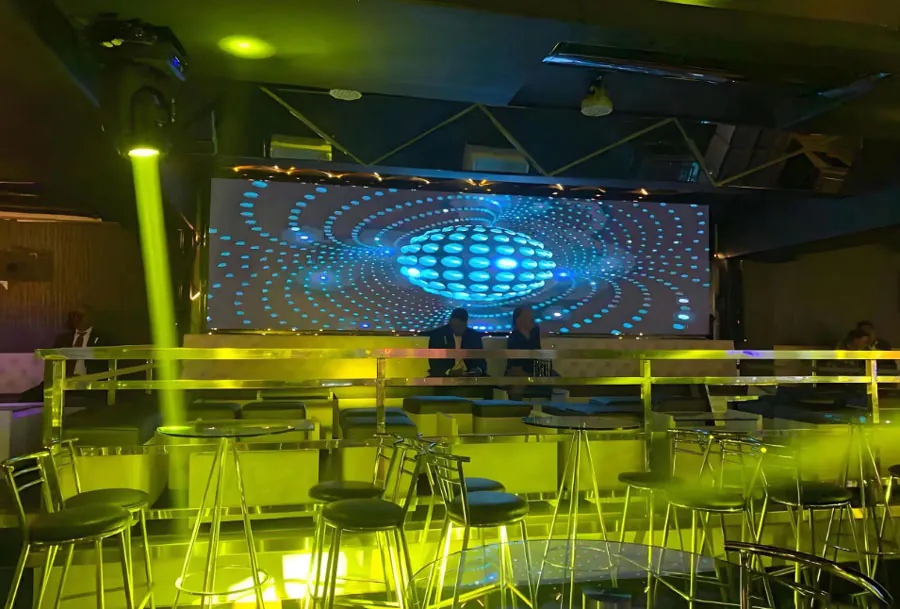
3) Color Calibration and Uniformity
Multi-panel LED walls must look consistent across the entire surface. Professional calibration ensures that whites are truly white and brand colors stay accurate.
4) Wide Viewing Angles
Crowds do not stand perfectly centered. Wide viewing angles maintain brightness and color even for side audiences.
5) Reliability and Redundancy
Events have no “pause button.” Professional LED rental setups require robust power management, stable control systems, and expert monitoring.
TW VISION approaches rental LED engineering as a complete performance system: content source, processing, panel deployment, rigging, and onsite control all work together.
Best Use Cases for High-Brightness rental led screens
A high-brightness rental LED display is not limited to concerts. It is a versatile platform that supports many event formats, each with its own content and operational needs.
Outdoor Festivals and Concert Stages
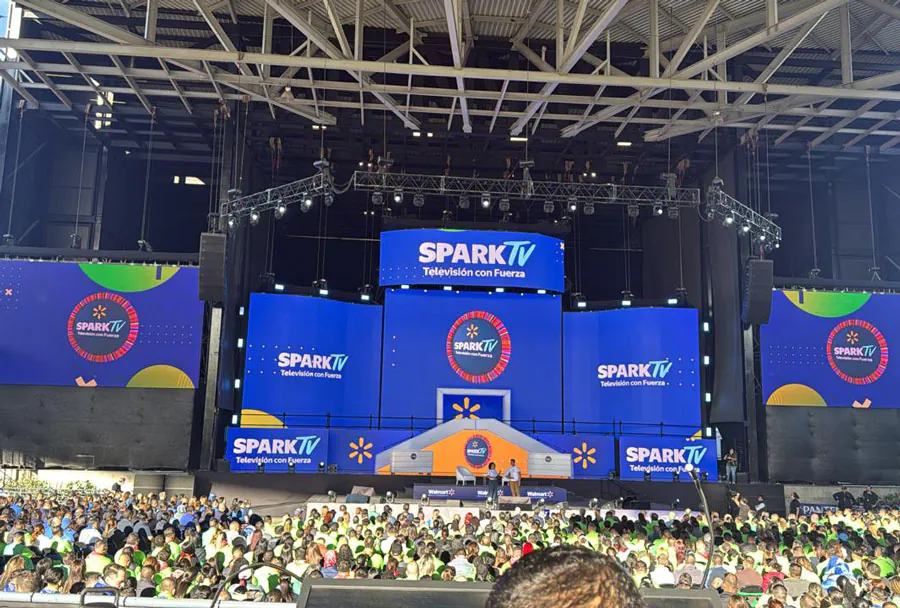
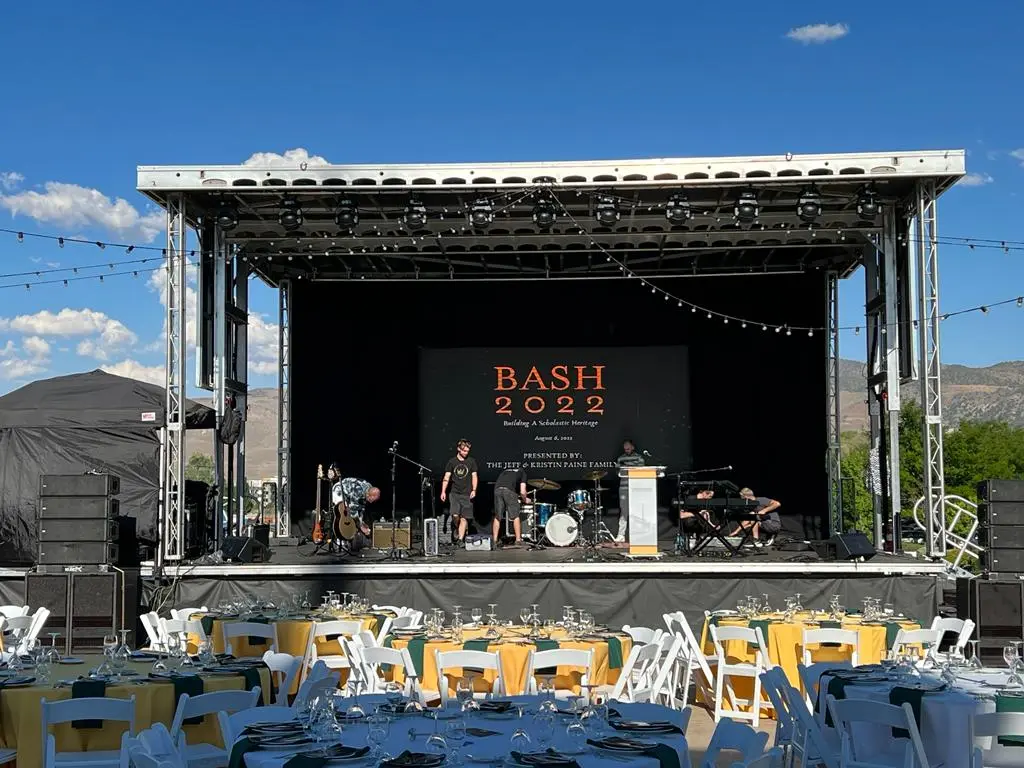
In bright daylight and high-contrast lighting, brightness output ensures your stage visuals stay bold. Side screens help audiences farther away feel connected to the performance.
Sports Events and Public Viewing Areas
Large LED screens provide immersive viewing for crowds. Clear motion performance and reliable brightness keep fast action sharp and readable.
Brand Activations and Product Launches
High brightness enhances product visuals, cinematic content, and branding. This is critical for photos, influencer coverage, and sponsor ROI.
Corporate Conferences and Awards Shows
Indoor venues still benefit from high-brightness screens because stage lights can overpower weak displays. LED backdrops also upgrade the perceived production value dramatically.
Trade Shows and Exhibitions
Booth competition is intense. A bright, crisp LED wall attracts attention and keeps messaging readable across busy aisles.
In all these cases, TW VISION helps align screen choice with event goals—whether your priority is maximum impact, clear information delivery, or broadcast-grade visuals.
How TW VISION Designs a High-Brightness Rental LED Solution
Delivering a successful LED screen rental requires more than arriving with panels. The best results come from planning, engineering, and execution. TW VISION follows a practical workflow that reduces risk and increases show quality:
Needs Assessment
The team evaluates venue type, ambient light, crowd distance, content format, rigging options, and schedule constraints. This prevents mismatched configurations and last-minute compromises.
Screen Configuration Proposal
Based on your event’s purpose, TW VISION proposes appropriate screen size, pixel pitch, brightness level, and structural approach (ground support, truss hanging, stage integration, or modular scenic design).
Logistics and Safety Planning
LED walls are heavy and electrical. TW VISION coordinates transportation, loading access, rigging method, wind considerations (for outdoor), and cable routing—ensuring compliance and safety.
Installation, Testing, and Rehearsal Support
Before showtime, panels are checked for uniformity, signal stability, and content playback. This is where professional execution prevents on-stage failures.
Onsite Operation and Troubleshooting
Events are dynamic. TW VISION provides technical presence to monitor system health, manage switching, and respond fast if conditions change.
This service model allows clients to focus on the event experience while the LED system remains stable, bright, and visually consistent.
Content Strategy: Making High Brightness Work for You
High brightness is powerful—but it must be paired with good content decisions. A screen can be extremely bright and still fail if content is poorly designed for event viewing. TW VISION often supports clients by advising on practical content rules:
– Use large typography and strong contrast for announcements and schedules
– Keep brand logos clear with enough padding and safe margins
– Avoid over-detailed visuals when viewing distances are long
– Design with camera framing in mind for livestream and highlights
– Build content cues that match the show flow: countdowns, transitions, sponsor loops, performer visuals
A high-brightness rental LED wall becomes a storytelling tool: it can guide attention, create atmosphere, and unify the audience with synchronized visuals.
Indoor vs. Outdoor: Choosing the Right High-Brightness Rental LED Screen
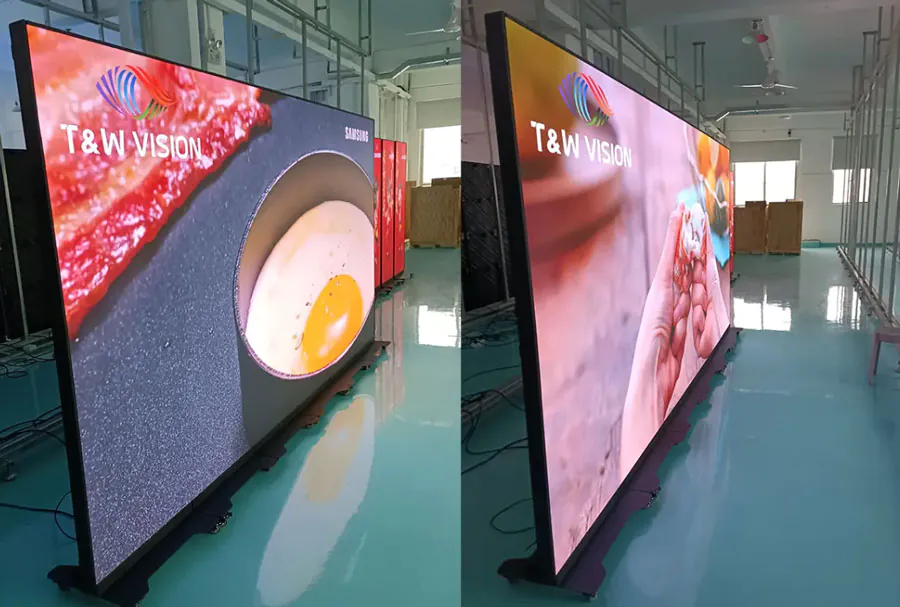
Not all events require the same brightness output, and choosing correctly can reduce cost while improving performance.
Indoor Events
Indoor venues often have controlled lighting, but stage lighting can still be intense. Brightness must be sufficient to remain vivid under spotlights, while also avoiding glare for close viewers.
Outdoor Events
Outdoor daylight demands higher brightness to remain readable and maintain color saturation. Weather resistance, stable mounting, and wind safety become key priorities.
TW VISION tailors the rental solution to the venue reality, ensuring you get brightness where it matters, without over-specifying or under-delivering.
Why High Brightness Does Not Always Mean Better Outdoor Visibility
Screen reflections can overpower the display
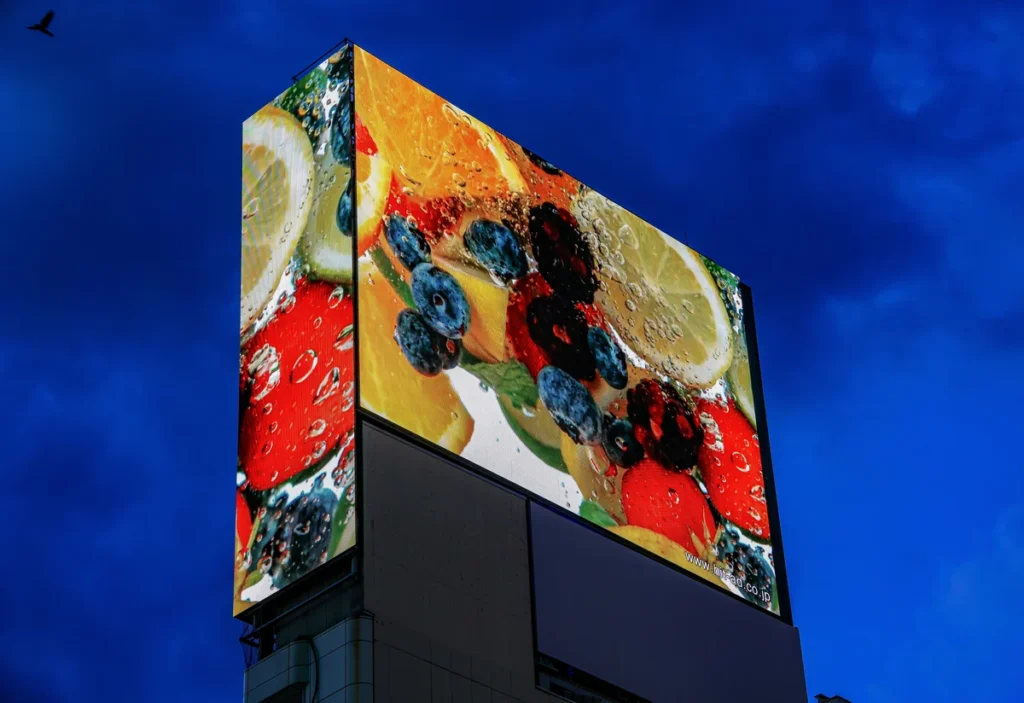
A bright screen can remain difficult to read when it reflects sunlight toward the viewer. Outdoor readability depends on the light reaching your eyes from the display compared with reflected light from the screen surface and its surroundings.
OSHA’s computer workstation guidance identifies glare and reflections as factors that can interfere with viewing a monitor. That principle applies outdoors too: increasing display output does not remove reflections from a glossy surface, a nearby window, or bright objects behind the viewer.
Why High Brightness Does Not Always Mean Better Outdoor Visibility is especially clear on glossy phones and tablets. Raising the backlight can make the display emit more light, but it cannot stop the screen from acting like a mirror. A matte finish can reduce distracting reflections, though it may also affect perceived sharpness or image appearance.
The lesson behind Why High Brightness Does Not Always Mean Better Outdoor Visibility is that reducing reflected light can be as important as increasing emitted light.
– Glossy surfaces tend to show distinct reflections.
– Matte surfaces diffuse reflections, which can make them less distracting.
– Anti-reflective coatings can help, but their performance depends on the screen and lighting conditions.
How to apply this: Before buying, view the display outdoors or under strong overhead lighting, and check whether reflections obscure text at your usual viewing angle.
Contrast matters as much as peak brightness
Contrast determines how easily you can distinguish text, icons, and images from their backgrounds. A display may have a high peak-brightness rating but still look washed out if bright ambient light reduces the apparent difference between dark and light areas.
Why High Brightness Does Not Always Mean Better Outdoor Visibility also explains why black levels matter. On some display types, dark areas can appear less dark in bright surroundings, reducing perceived contrast. Small text, thin fonts, and low-contrast interface elements can become hard to read even when the screen looks bright.
Understanding Why High Brightness Does Not Always Mean Better Outdoor Visibility helps explain why a brighter backlight cannot fully restore detail that has been lost through glare or reduced contrast.
The U.S. Access Board’s guidance on visual contrast discusses contrast as an important consideration for accessible content. For outdoor use, the practical lesson is to prioritize clear separation between foreground and background, rather than assuming that more light output alone will solve readability.
| Display factor | What it affects | What to check |
|---|---|---|
| Peak brightness | Maximum light output | Specified brightness and operating conditions |
| Contrast | Separation of light and dark details | Text and image clarity outdoors |
| Screen finish | Reflections and glare | Glossy, matte, or coated surface |
| Viewing angle | Color and contrast off-center | Readability from the actual user position |
| Automatic brightness | Adjustment to ambient light | Whether it responds smoothly and consistently |
How to apply this: Test the display with the smallest text and lowest-contrast content you expect to use, not just a bright photograph or video.
Viewing angle and placement change what you see
A screen’s visibility depends on where the viewer stands and how the display is mounted. Some panels lose contrast or shift color when viewed from the side, while direct sunlight can strike the surface at an angle that creates strong reflections.
Why High Brightness Does Not Always Mean Better Outdoor Visibility matters when selecting screens for kiosks, vehicles, storefronts, and outdoor workstations. A display that looks clear from directly in front may be difficult to read for someone approaching from the side. The mounting position can also expose the screen to glare during certain hours.
This is another practical reason Why High Brightness Does Not Always Mean Better Outdoor Visibility: the best brightness level cannot compensate for a poor viewing angle or an installation that faces the sun.
Consider a digital sign installed facing west: late-afternoon sunlight may reflect directly toward people approaching from the street. Rotating or tilting the screen can sometimes improve readability more effectively than increasing its brightness.
Check these conditions during evaluation:
– The normal viewing distance.
– The range of angles from which people need to read the screen.
– The direction of direct sunlight at different times.
– Whether a hood, canopy, or repositioning can shade the display.
How to apply this: Evaluate the screen from the real approach path and viewing distance, then adjust its position before deciding that the brightness is insufficient.
Reliability on Show Day: What Professional Rental Should Guarantee
Event producers measure success in minutes: opening moments, keynote transitions, headline performances, award announcements. A screen failure at the wrong time can damage reputation and sponsor relationships. A professional rental partner should guarantee consistent performance through:
– Tested panels and standardized maintenance processes
– Stable power distribution and clean signal paths
– Backup planning for critical components
– Skilled technicians who understand event workflows
– Clear communication with stage, audio, and livestream teams
TW VISION treats LED walls as mission-critical infrastructure, not simply visual decoration. This mindset is what keeps high-brightness performance stable under pressure.
Why TW VISION Is the Right Partner for High-Brightness LED Screen Rental
Choosing a rental supplier is ultimately choosing a production partner. Equipment specifications matter, but service capability matters more when timelines are tight and expectations are high.
TW VISION delivers value through:
– Event-focused LED screen systems built for fast installation and stable operation
– High brightness output optimized for both outdoor readability and stage visibility
– Professional onsite support to ensure seamless show execution
– Flexible rental packages for different event sizes and durations
– Solution thinking that matches screen configuration to your event objectives
From planning to showtime, TW VISION supports events where image quality, brightness, and reliability must be guaranteed—not hoped for.
High Brightness Rental LED Screens Create Real Event Impact
A Rental LED Display Screen for Events with High Brightness Output is one of the most effective upgrades you can make to an event experience. It increases visibility, enhances brand presence, supports sponsors, improves audience engagement, and elevates production value—both in person and on camera.
With TW VISION as your service provider, you gain more than an LED wall. You gain a professional team that understands event pressure, venue constraints, and the importance of consistent, high-brightness performance. When every second on stage matters, the right rental LED solution becomes the visual backbone of your event—and the difference between “good” and unforgettable.
Frequently Asked Questions About Rental LED Display Screen for Events with High Brightness Output
Can a rental LED display work behind a presenter?
Yes, if the display placement, content, and lighting are coordinated so it supports rather than distracts from the speaker. A presenter standing in front of bright or rapidly changing content may become harder to see, especially on camera.
Rental LED Display Screen for Events with High Brightness Output may also involve a masking or layout adjustment when the stage design changes late. Ask for a stage view and camera test with the presenter position marked.
What should I do if the screen looks striped on camera?
Ask the video team and display operator to test camera shutter, frame rate, and LED refresh settings together. Bands or flicker can appear when camera capture interacts with how the screen refreshes, even if the audience sees a stable image.
Testing is a key part of HRental LED Display Screen for Events with High Brightness Output: use the actual cameras and intended recording settings before doors open. Do not assume a test using a phone camera predicts broadcast-camera results.
Can I use a rental LED wall for a curved stage?
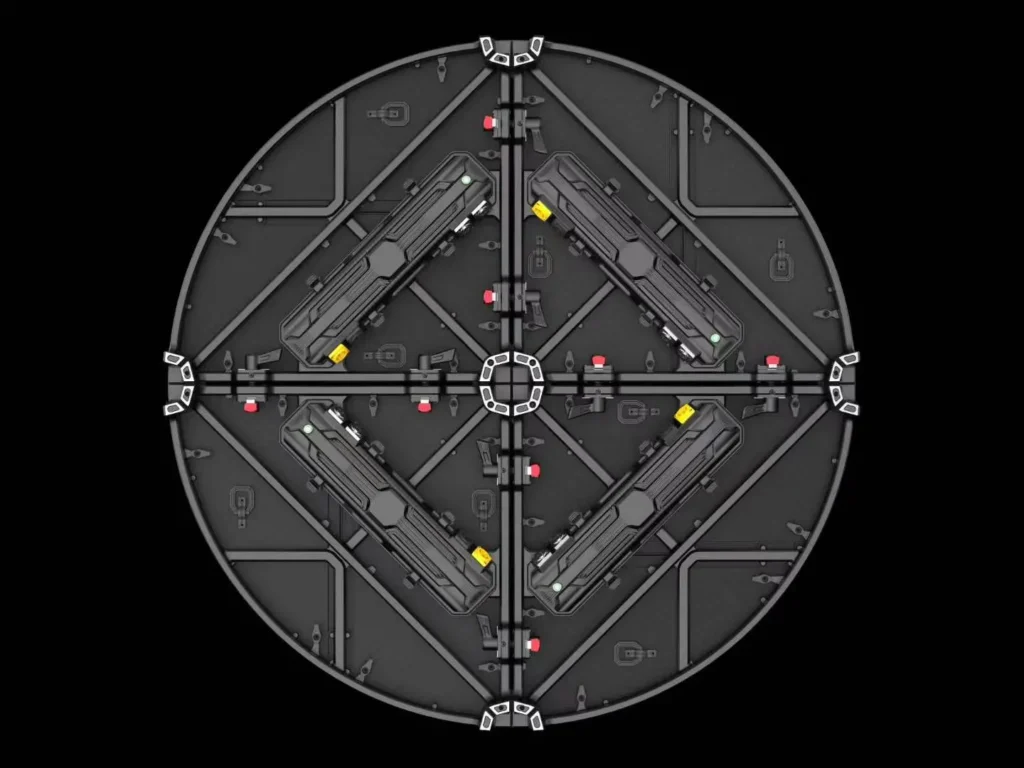
Often, but only if the specific panels and support system are designed for the planned curve. Rental panels vary in whether and how they can be angled, and the allowable configuration is a product-specific constraint.
Rental LED Display Screen for Events with High Brightness Output on a curve needs a layout confirmed by the supplier, including the viewing angle and structural method. Send a drawing with the curve dimensions before the quote is finalized.
What happens if a panel fails during the event?
The response depends on the supplier’s spare-parts plan, crew coverage, and access to the affected panel. A fault in a hard-to-reach location may take longer to address than one at the edge of a ground-supported wall.
For Rental LED Display Screen for Events with High Brightness Output, agree on a fault-escalation process, including who makes the decision to continue, switch content, or pause. Ask how spare panels and service time are handled in the contract.
Is an LED wall suitable for displaying fine text or spreadsheets?
It can be, but small text may be difficult to read from a distance or at an oblique angle. The content’s font size, contrast, and layout matter alongside the screen resolution. Rental LED Display Screen for Events with High Brightness Output for dense data should be tested with the actual slide or spreadsheet from the audience’s farthest seats.
If viewers need to read detailed information, consider distributing the source material separately.
Conclusion
Choosing an event LED display means matching the screen to the audience, venue, content, and operating plan. Brightness matters, but it cannot compensate for unsuitable pixel pitch, poor sightlines, incomplete power planning, or an unclear support scope. Each is a consideration in High-Brightness Rental LED Displays for Events: How to Choose the Right Screen.
– Map the audience before selecting pixel pitch.
– Confirm brightness against real event lighting and camera needs.
– Review venue limits, weather procedures, and installation responsibilities.
– Compare complete rental scopes, not just panel prices.
Rental LED Display Screen for Events with High Brightness Output work best when the supplier has the same practical information as your production team. Before booking, send the venue plan, schedule, content requirements, camera details, and power information to shortlisted providers, then request a written configuration and operating plan.