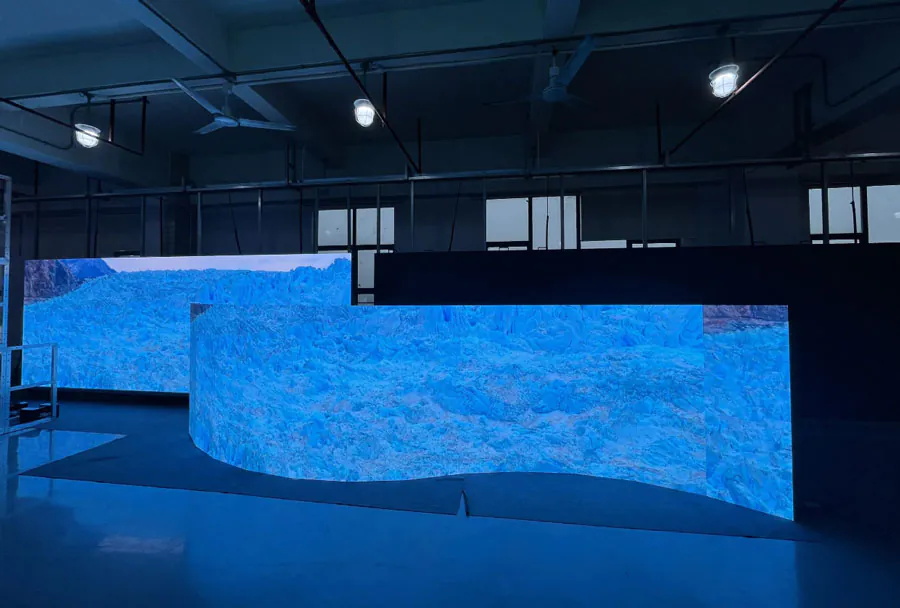
What Does an LED Display Manufacturer Supply? Hardware, Controllers, installation, and content responsibilities

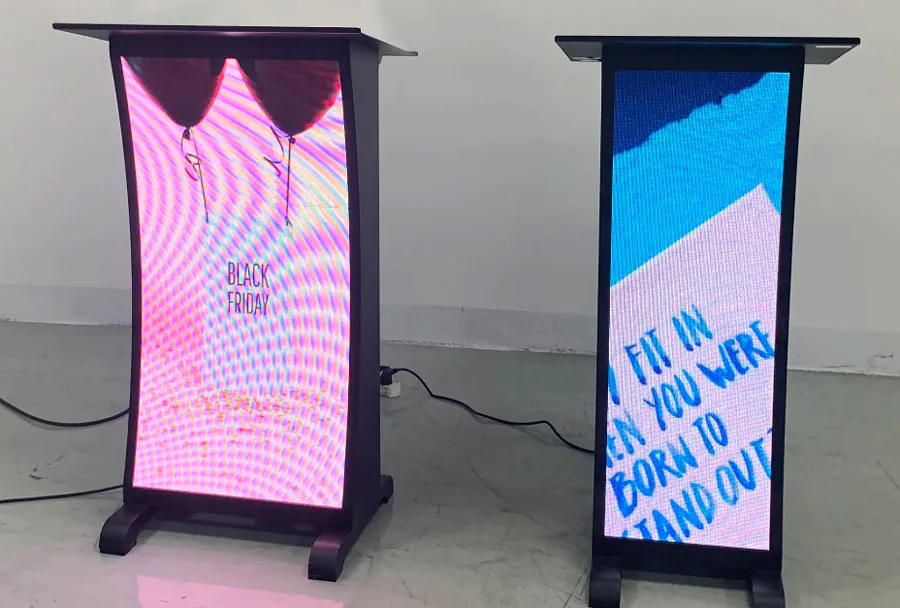
What Does an LED Display Manufacturer Supply? Hardware, Controllers, installation, and content responsibilities are scope questions that should be answered before you compare quotations or sign a purchase order.
Table of Contents
- 1. Define the LED Display Hardware Package
- Core Display Components
- Documents That Should Accompany the Hardware
- 2. Confirm Controllers, Processing, and Configuration Files
- Synchronous and Asynchronous Control
- Required Digital Handover
- 3. Separate Installation From Manufacturing
- Installation Responsibilities
- Safety and Regulatory Boundaries
- 4. Assign Content Creation and Playback Duties
- Content Deliverables
- Pixel Maps and Output Templates
- 5. Put Every Responsibility Into the Contract
- Responsibility Comparison
- Acceptance and Ownership
- Who is responsible if the screen does not fit the installation space?
- What happens when the buyer uses a different controller brand?
- How should spare parts be stored after delivery?
- Can the owner create content without specialist software?
- Why can a display look different on camera than in person?
- Conclusion
An LED system is rarely one product: Brompton Technology describes its Tessera ecosystem as processors, distribution units, receiver cards, and software, while a complete project may also require structures, power distribution, installation labor, media equipment, and content services. (bromptontech.com)
The challenge is that suppliers use terms such as “complete screen,” “turnkey solution,” and “installation included” differently. A low quotation may cover cabinets and basic control hardware but exclude steelwork, electrical circuits, commissioning, content production, or ongoing operation.
This guide separates the project into five practical responsibility areas. You will learn what manufacturers normally supply, what may come from an integrator or contractor, and which deliverables must appear in your contract.
1. Define the LED Display Hardware Package
The hardware package normally includes the physical components required to create the illuminated display, but its exact boundaries must be documented.
What Does an LED Display Manufacturer Supply? Hardware、Controllers、Installation and Content Responsibilities begins with the LED modules, cabinets, power components, data components, and service accessories. These parts determine the screen’s dimensions, resolution, maintenance method, and environmental suitability.
Core Display Components
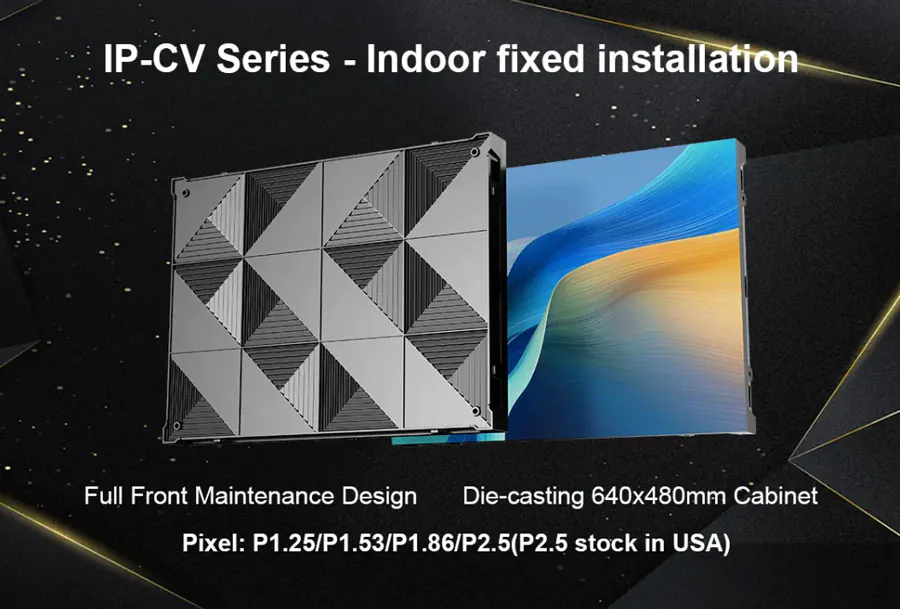
A typical bill of materials may include:
– LED modules containing the pixels, driver components, and module connectors
– Cabinets or frames that hold modules in fixed positions
– Receiving cards that distribute image data within the cabinets
– Power supplies, internal wiring, and power distribution components
– Data cables, power cables, aviation connectors, or compatible alternatives
– Mounting locks, alignment pins, brackets, and cabinet hardware
– Spare modules, power supplies, receiving cards, and cables
– Flight cases for rental displays or packaging for fixed installations
Do not evaluate the system only by its outside dimensions. A 1920 × 1080 display contains 2,073,600 physical pixels, while another screen of the same size may have a very different resolution because its pixel pitch is different.
Documents That Should Accompany the Hardware
Request a detailed packing list, cabinet drawings, module specifications, wiring diagrams, spare-parts list, and maintenance instructions. If the screen is used as an electric sign in the United States, compliance discussions may include UL 48, whose scope covers changing-message signs using LED technology. (code-authorities.ul.com)
What Does an LED Display Manufacturer Supply should also clarify whether support structures, decorative cladding, cooling equipment, and external power panels are included. These items are frequently supplied by local contractors rather than the display factory.
How to apply this: Ask the supplier to convert every hardware promise into a line-item bill of materials with quantities, model numbers, spare quantities, and exclusions.
2. Confirm Controllers, Processing, and Configuration Files
The control package converts a video source or scheduled media into data that the LED modules can display.
When reviewing What Does an LED Display Manufacturer Supply distinguish between receiving cards inside the cabinets and the external equipment that processes or transmits the image. A screen can arrive with all cabinet electronics installed while still requiring a separate processor, playback computer, or media server.
Synchronous and Asynchronous Control
A synchronous system displays a live source from a computer, camera, switcher, or media server. An asynchronous system stores content on a local player and follows a publishing schedule.
NovaStar’s official NovaLCT manual explains that control systems require supporting software for configuration and describes NovaLCT as a tool for screen configuration, monitoring, redundancy, brightness adjustment, and related functions. It also states that saved configuration information can remain in the hardware after power is removed. (oss.novastar.tech)
Useful control and playback tools include:
– NovaLCT for configuring compatible NovaStar receiving cards and screen connections
– Tessera Software for mapping and controlling compatible Brompton processors and LED fixtures
– Resolume Arena for live media playback, multi-screen output, and advanced pixel mapping
Brompton’s Tessera software supports local or remote processor access, preset storage, panel association, input settings, and fixture positioning. Its Offline Editor can also prepare project configurations before the hardware reaches the site. (bromptontech.com)
Required Digital Handover
What Does an LED Display Manufacturer Supply? Hardware、Controllers、Installation and Content Responsibilities must include the configuration files used during commissioning. Request receiving-card files, screen-connection maps, processor backups, firmware records, login credentials, and recovery instructions.
How to apply this: Require the supplier to demonstrate a full configuration restore from a blank replacement receiving card before final acceptance.
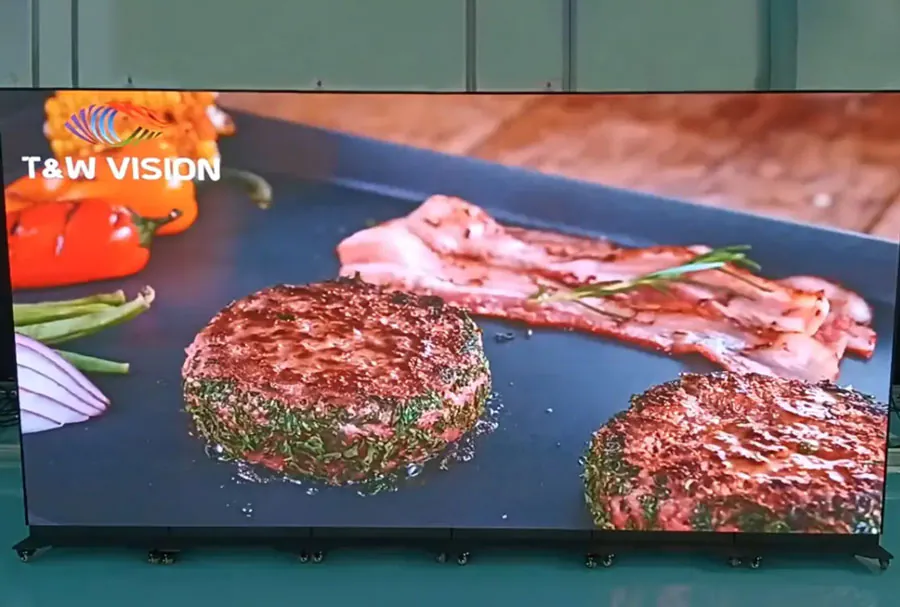
3. Separate Installation From Manufacturing
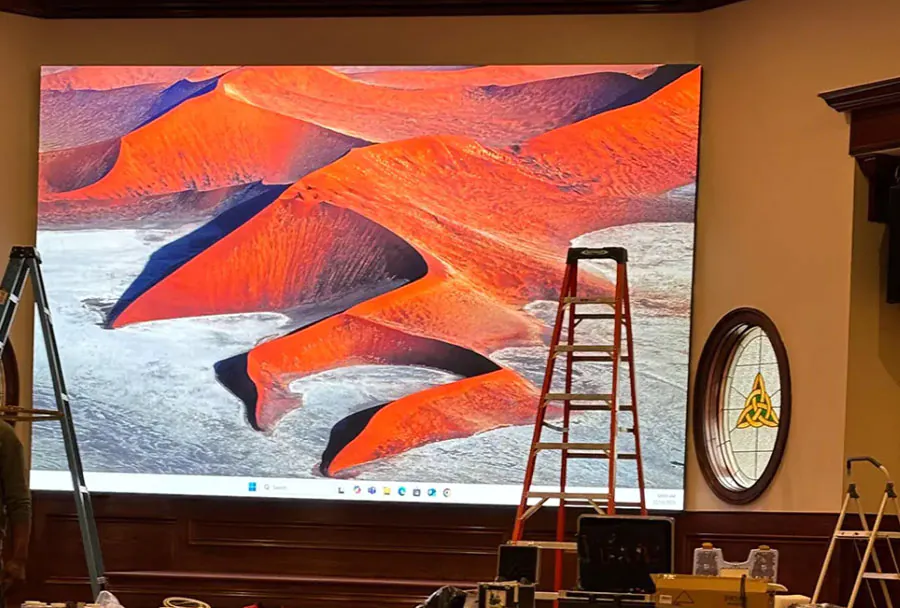
Installation covers the work required to mount, connect, test, and commission the system at its final location.
What Does an LED Display Manufacturer Supply? Hardware、Controllers、Installation and Content Responsibilities does not automatically mean the factory will perform local installation. Manufacturers may provide remote guidance or a supervising engineer while local licensed contractors handle structural work, lifting, electrical circuits, permits, and site safety.
Installation Responsibilities
A complete installation scope may involve:
– Site measurement and access assessment
– Structural calculations and stamped drawings where required
– Wall, ground, hanging, or freestanding support structures
– Lifting equipment, scaffolding, or mobile elevated work platforms
– Main electrical feeds, grounding, and surge protection
– Data cable routes between the control room and screen
– Cabinet assembly, alignment, waterproofing, and ventilation
– Configuration, color adjustment, testing, and operator training
A common scenario is a manufacturer supplying the cabinets and sending one technician to supervise assembly. The buyer remains responsible for cranes, electricians, riggers, permits, and a safe work area.
Safety and Regulatory Boundaries
Installation contracts must name the party responsible for job-site safety. The Occupational Safety and Health Administration states, “Workers who are six feet or more above lower levels are at risk for serious injury or death.” OSHA generally requires construction fall protection at elevations of six feet, although thresholds differ in other industries. (osha.gov)
What Does an LED Display Manufacturer Supply? Hardware、Controllers、Installation and Content Responsibilities should therefore identify who supplies fall protection, conducts safety training, controls the work zone, and verifies the supporting surface.
How to apply this: Create a site-responsibility matrix naming one accountable party for structure, electrical work, lifting, safety, network access, weatherproofing, and commissioning.
4. Assign Content Creation and Playback Duties
Content responsibility determines who creates media, converts it to the correct format, publishes it, and keeps it running after installation.
What Does an LED Display Manufacturer Supply? Hardware、Controllers、Installation and Content Responsibilities usually does not include unlimited video production. Many manufacturers provide test patterns, sample clips, or a basic publishing demonstration rather than branded campaigns, live-show graphics, or long-term content management.
Content Deliverables
Content work may include:
– Designing static graphics, animations, or video loops
– Adapting media to the screen’s native pixel dimensions
– Building layouts for unusual screen shapes
– Scheduling content by date, time, or location
– Connecting live video, cameras, or broadcast systems
– Reviewing licenses for fonts, music, stock footage, and trademarks
– Monitoring playback devices and replacing outdated campaigns
Consider a 10-second animation played at 60 frames per second. The playback system must process 600 frames during each loop, but smooth output also depends on the media codec, computer performance, processor settings, and refresh synchronization.
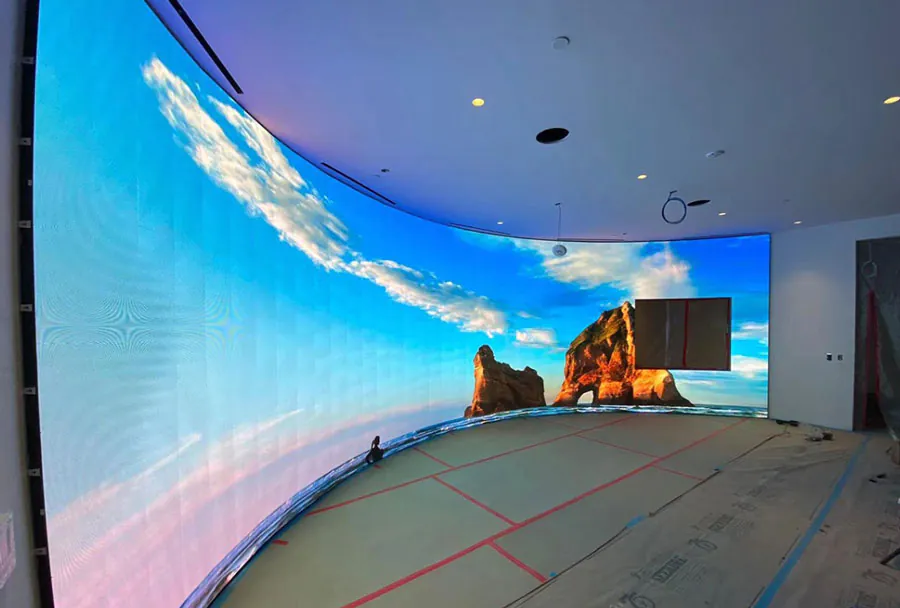
Pixel Maps and Output Templates
A content producer needs the final screen resolution and pixel map before creating deliverables. Resolume explains that an LED processor may divide one video input among multiple screens and recommends obtaining the output mapping from the LED supplier. Its Output Transformation feature can reposition and warp content before it reaches the processor. (resolume.com)
What Does an LED Display Manufacturer Supply? Hardware、Controllers、Installation and Content Responsibilities should specify whether the supplier provides only technical templates or also produces finished media. The contract should name accepted resolutions, frame rates, codecs, color spaces, file-transfer methods, and approval deadlines.
How to apply this: Request a pixel map and tested content template before creative production starts, then run one real campaign file during factory or site acceptance testing.
5. Put Every Responsibility Into the Contract
A strong LED display contract converts broad promises into measurable deliverables, acceptance tests, and ownership rules.
The commercial answer to What Does an LED Display Manufacturer Supply? Hardware、Controllers、Installation and Content Responsibilities must be based on written scope rather than sales language. “Turnkey” is not precise enough unless the agreement defines the starting condition, completed condition, exclusions, and responsible parties.
Responsibility Comparison
| Scope | Manufacturer normally supplies | Possible exclusion | Action to take |
|---|---|---|---|
| Display hardware | Modules and cabinets | Structural frame | Check bill of materials |
| Control system | Receiving cards and processor | Playback computer | Confirm signal path |
| Installation | Technical guidance | Lifting and electrical labor | Assign local contractors |
| Configuration | Initial setup files | Future reprogramming | Obtain editable backups |
| Content | Test media or templates | Branded production | Sign a separate brief |
| Support | Warranty and troubleshooting | On-site labor and travel | Define response terms |
Acceptance and Ownership
Your acceptance plan should test physical condition, dead pixels, cabinet alignment, signal redundancy, power recovery, brightness control, content playback, and configuration restoration. Avoid relying only on a photograph of the completed screen.
The contract should also identify who owns the configuration files, custom software, content source files, project passwords, structural drawings, and training materials. If a third-party integrator controls the processor credentials, the owner may be unable to replace a failed component without outside help.
What Does an LED Display Manufacturer Supply? Hardware、Controllers、Installation and Content Responsibilities also affects warranty claims. Hardware defects, incorrect installation, unsuitable content settings, unstable site power, and unauthorized configuration changes may be handled by different parties.
How to apply this: Attach the responsibility table, acceptance checklist, file-handover list, and exclusions page to the signed purchase order rather than keeping them in email discussions.
Frequently Asked Questions About What Does an LED Display Manufacturer Supply?
Who is responsible if the screen does not fit the installation space?
The responsible party depends on who approved the final dimensions and site survey. What Does an LED Display Manufacturer Supply should identify whether the factory worked from buyer-provided measurements or performed its own verification.
If a local structure was built before certified cabinet drawings were issued, liability may sit with the installer or project manager rather than the manufacturer.
What happens when the buyer uses a different controller brand?
A different controller may work only when its receiving cards, firmware, data protocol, and cabinet wiring are compatible. What Does an LED Display Manufacturer Supply? Hardware、Controllers、Installation and Content Responsibilities should list approved controller models and any warranty limitations.
In a retrofit project, replacing only the external processor may not be enough because the receiving cards inside every cabinet may also need replacement or reconfiguration.
How should spare parts be stored after delivery?
Spare modules, receiving cards, power supplies, and cables should remain labeled, dry, protected from impact, and matched to the installed production batch. What Does an LED Display Manufacturer Supply? Hardware、Controllers、Installation and Content Responsibilities should include an inventory record and storage instructions.
For outdoor sites, do not assume unused parts can be stored inside the display structure unless that area provides suitable environmental protection.
Can the owner create content without specialist software?
Yes, if the display uses a standard rectangular canvas and the playback system accepts common media formats. What Does an LED Display Manufacturer Supply? Hardware、Controllers、Installation and Content Responsibilities becomes more complex with curved screens, separated display zones, transparent panels, or mixed pixel pitches.
In those cases, the owner may need a custom pixel-map template or media-server software rather than exporting an ordinary full-screen video.
Why can a display look different on camera than in person?
Camera artifacts can result from refresh behavior, shutter settings, frame-rate mismatch, scanning patterns, or processor configuration. What Does an LED Display Manufacturer Supply? Hardware、Controllers、Installation and Content Responsibilities should address camera testing when the display will be used for broadcast or virtual production.
A screen that looks stable to an audience may still show bands or color differences through a particular camera and lens setup.
Conclusion
An LED display is a coordinated system, not just a group of illuminated cabinets. A reliable purchase separates equipment supply from site work, system configuration, creative production, and long-term operation.
– Hardware: Confirm every cabinet, module, cable, accessory, and spare part.
– Controllers: Obtain compatible equipment, editable configuration files, and recovery procedures.
– Installation: Assign structural, electrical, safety, and commissioning duties in writing.
– Content: Secure the pixel map, technical specifications, publishing process, and ownership rights.
What Does an LED Display Manufacturer Supply? Hardware、Controllers、Installation and Content Responsibilities should be answered through a detailed scope matrix rather than a one-line quotation. Before placing your order, ask each bidder to mark every item as included, excluded, buyer-supplied, or provided by a third party.