Custom LED Screen Rental for Events | Create Stunning Visual Experiences with TW VISION

Introduction
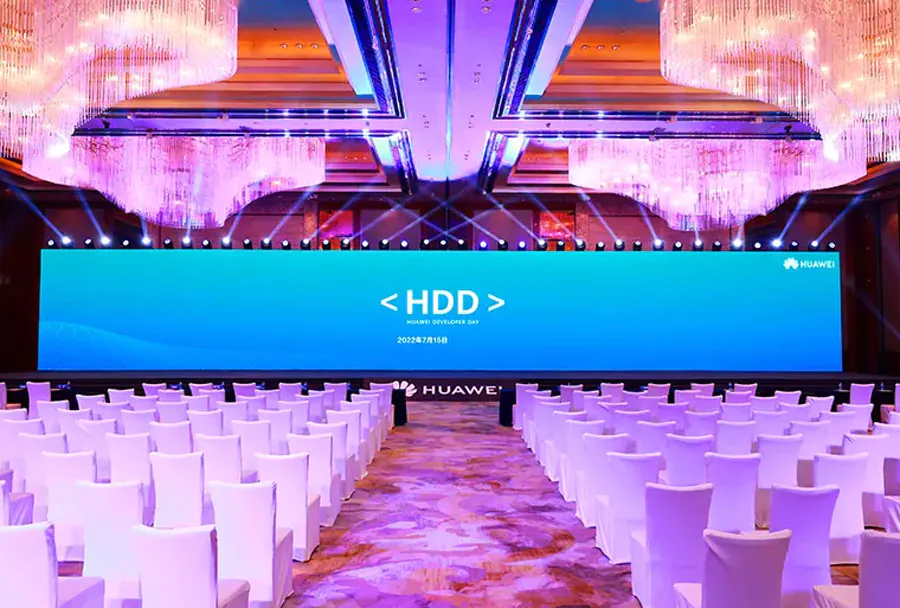
Modern events are no longer judged only by the venue, speakers, or entertainment. Audiences now expect immersive visuals, dynamic branding, and crystal-clear content delivery from start to finish. That is why Custom LED Screen Rental for Events has become a practical solution for organizers who want flexibility, impact, and dependable performance without the cost of buying permanent display equipment. Whether you are producing a corporate conference, trade show, concert, festival, product launch, wedding, or sporting event, the right screen setup can transform the attendee experience. From stage backdrops to live video walls and interactive displays, LED technology helps communicate messages with brightness, scale, and precision in almost any environment.
TW VISION has LED Screen stock in the USA. Welcome to inquire.
Table of Contents
- Introduction
- Why Custom LED Screen Rental for Events Improves Audience Experience
- Choosing the Right Custom LED Screen Rental for Events Setup
- 1. Consider the event type
- 2. Evaluate the venue
- 3. Understand pixel pitch
- 4. Match content to screen format
- 5. Plan for support and redundancy
- 6. Align the screen with budget priorities
- Custom LED Screen Rental for Events Design and Technical Planning
- Budgeting for Custom LED Screen Rental for Events Without Sacrificing Quality
- Screen size and configuration
- Pixel pitch and resolution
- Rental duration
- Labor and logistics
- Content production
- Support level
- Working With a Vendor for Custom LED Screen Rental for Events
- FAQ
- What types of events benefit most from LED screens?
- How far in advance should I book a screen rental?
- Is LED better than projection for events?
- How do I choose the right screen size?
- Do I need onsite technical support during the event?
- Conclusion
Why Custom LED Screen Rental for Events Improves Audience Experience
Event visuals do more than decorate a room. They guide attention, support storytelling, reinforce brand identity, and keep guests engaged across every part of a program. Custom LED Screen Rental for Events gives planners the ability to build display solutions around a venue’s dimensions, audience size, and content needs rather than settling for a one-size-fits-all screen.
One of the biggest advantages of LED screens is brightness. Unlike traditional projectors that can struggle in daylight or heavily lit venues, LED panels maintain strong visibility in indoor and outdoor settings. This matters for conferences with stage lighting, daytime festivals, retail activations, and sports viewing events where image clarity must stay sharp throughout the program.
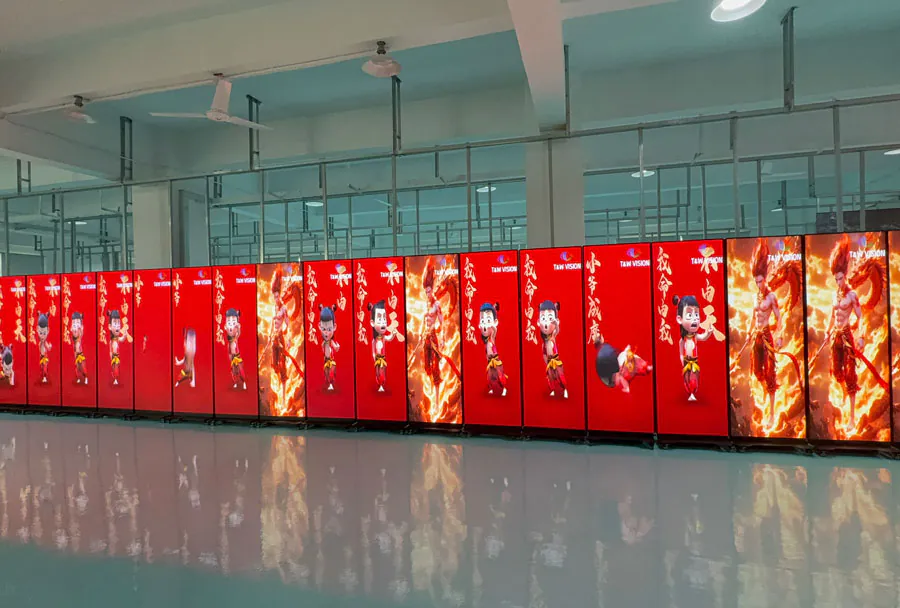
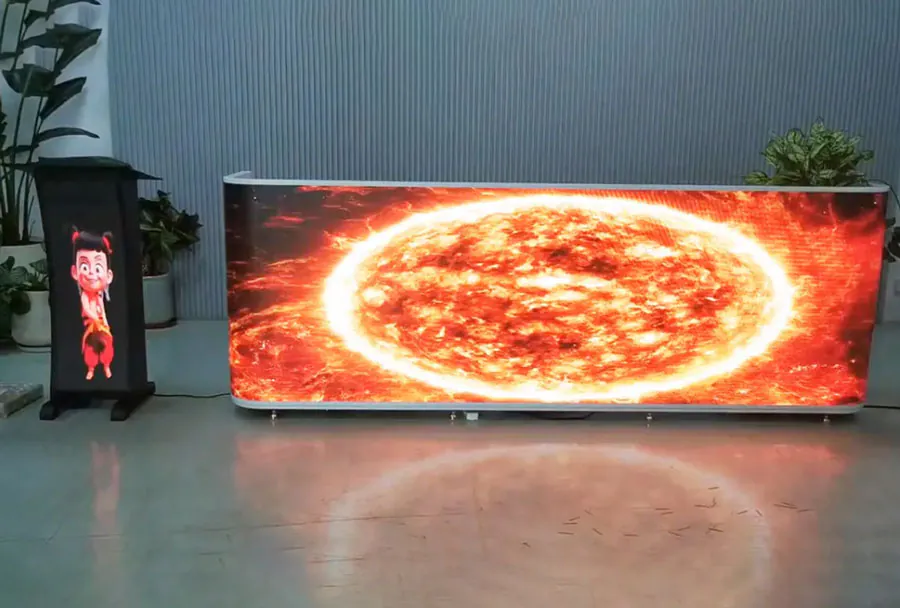
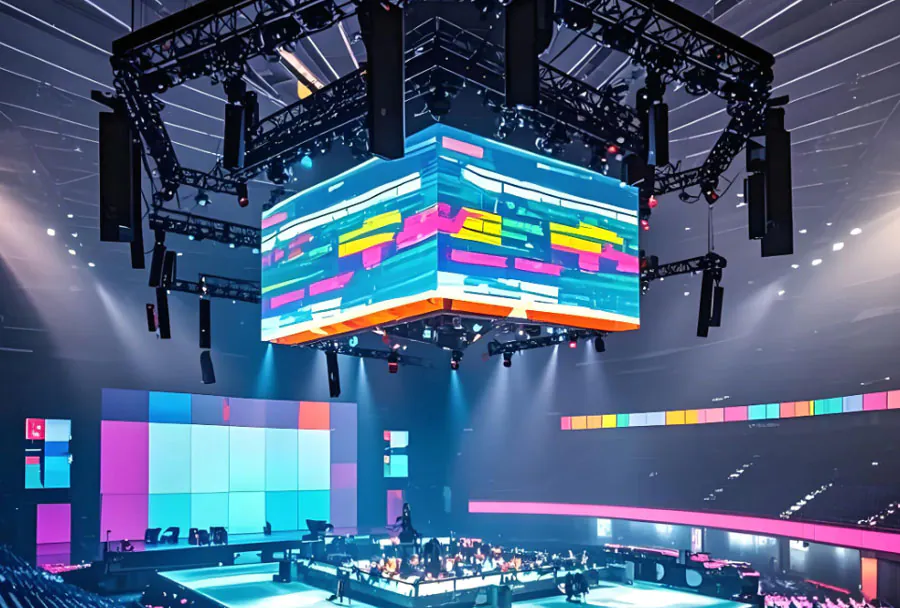
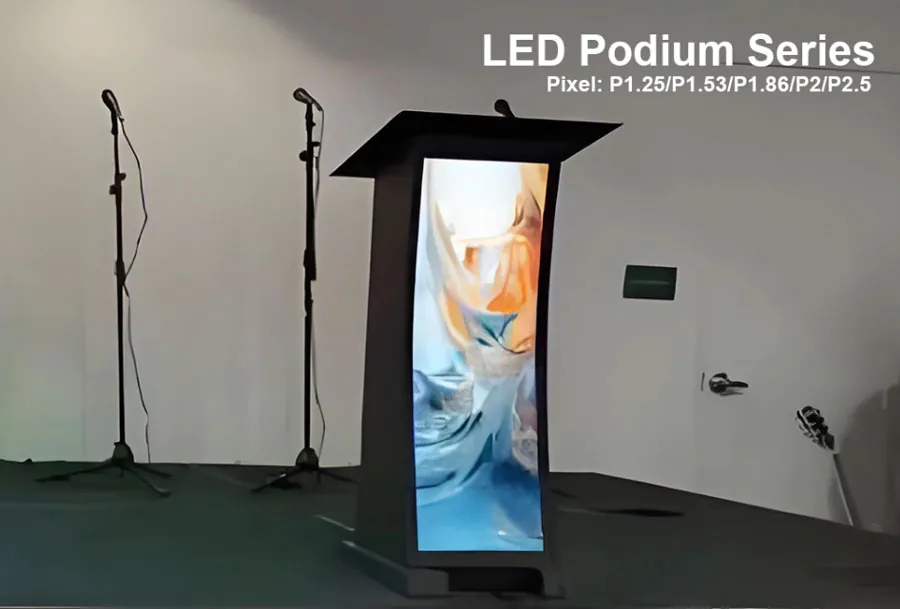
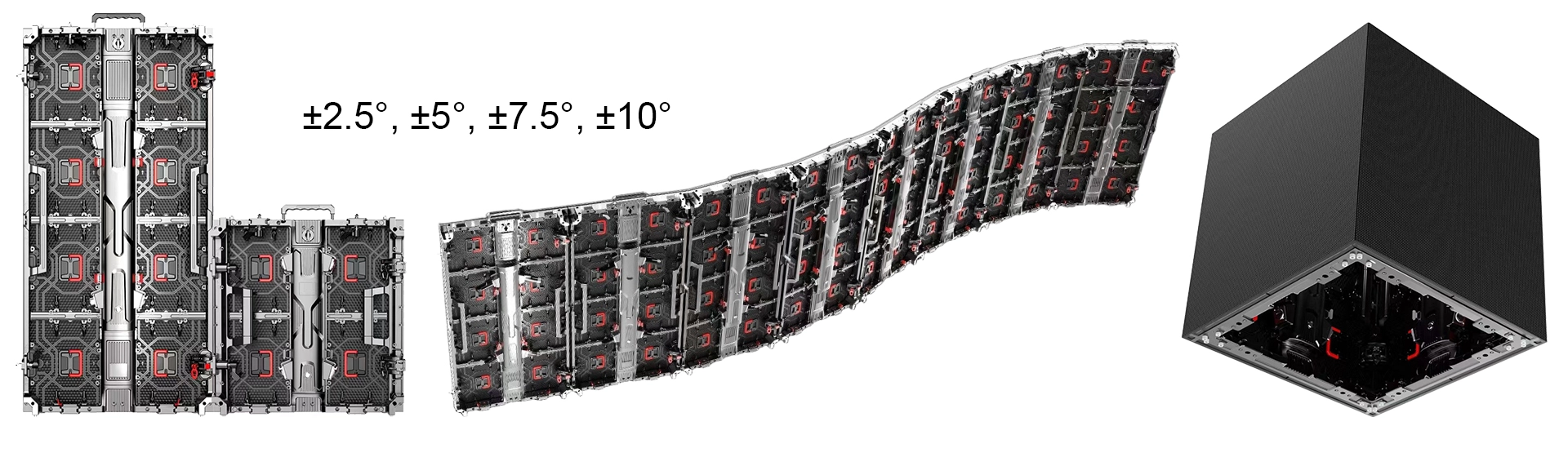
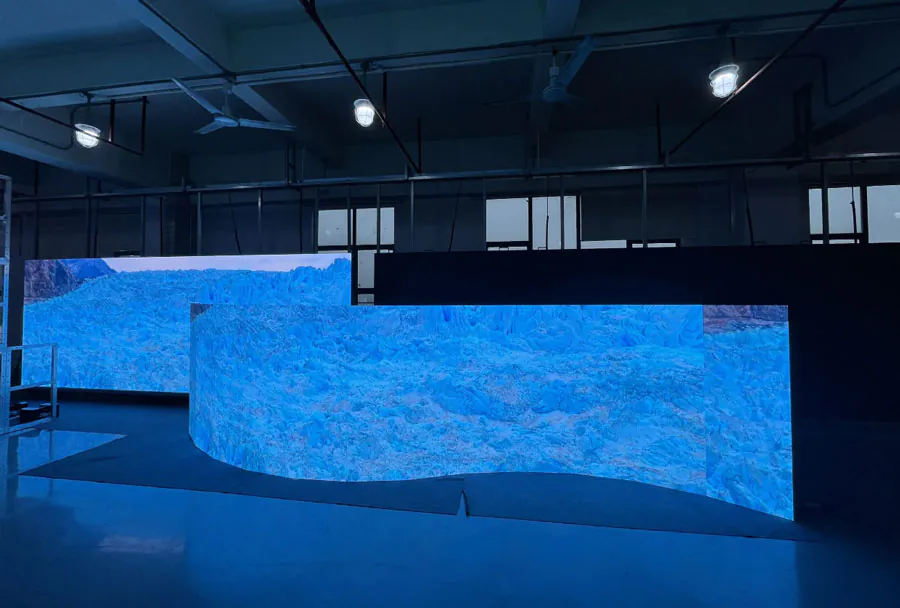
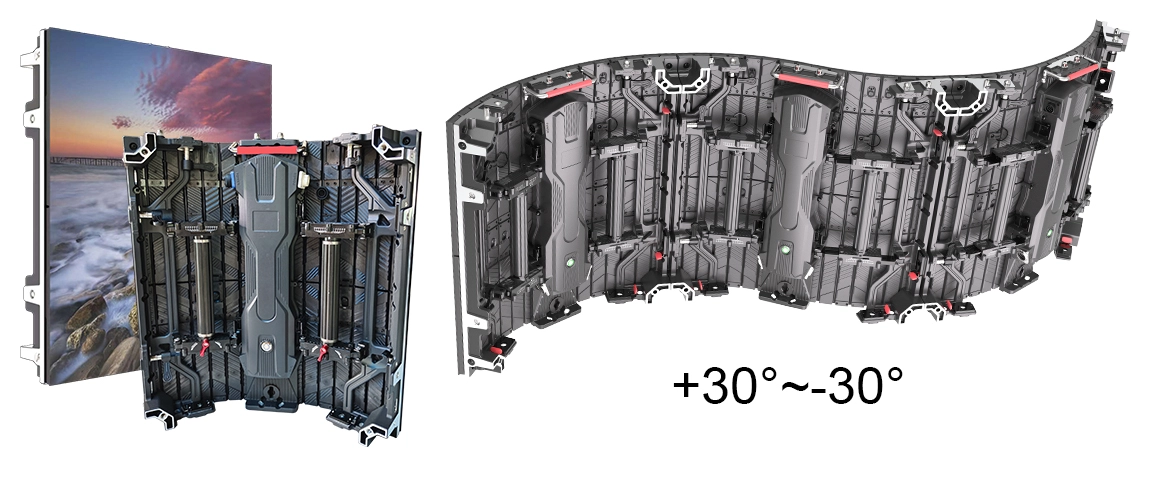
Flexibility is another major benefit. LED panels are modular, which means they can be assembled into many shapes and sizes. Organizers can create a massive backdrop behind a keynote speaker, a curved wall for a product reveal, vertical columns for sponsor branding, or side screens that help large audiences see live action. This modularity makes LED rental ideal for both compact venues and large-scale productions.
Audience engagement also improves when content is easy to see and professionally presented. A well-placed screen can display live camera feeds, slides, countdown timers, animations, social media walls, sponsor messages, and event agendas. Guests remain informed, connected, and visually stimulated. For concerts and festivals, close-up video can make the front-row experience feel accessible even for attendees standing far from the stage.
Another reason planners choose LED screens is reliability. Quality rental providers typically test panels, processors, and cabling before installation. They also offer technical support during the event, reducing the chance of visual disruptions. That support can be especially valuable for multi-speaker conferences, hybrid events, and productions with live switching or time-sensitive presentations.
Branding opportunities should not be overlooked either. A custom video wall can turn an ordinary space into a branded environment. Logos, themed graphics, motion visuals, and sponsor loops can be integrated before, during, and after the main program. This creates a more polished atmosphere and can increase perceived event quality among attendees, clients, and stakeholders.
In short, a strong visual setup is no longer optional for many events. It is part of the experience, part of the communication strategy, and part of what makes an event memorable.
Choosing the Right Custom LED Screen Rental for Events Setup
Selecting the best Custom LED Screen Rental for Events package starts with understanding your event goals. Before comparing screen sizes or panel specifications, define what the display must accomplish. Is it meant to support presentations, provide live IMAG video, showcase advertising, create a scenic backdrop, or all of the above? The answer affects every technical and creative decision.
1. Consider the event type
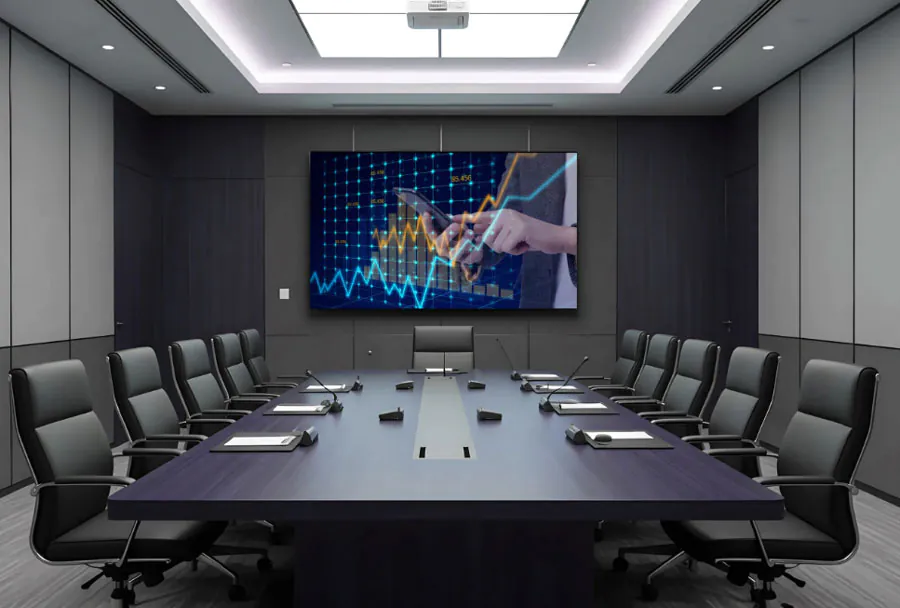
Different events require different screen strategies. A corporate seminar may need a wide center screen for presentation slides and live video. A trade show booth may benefit from a tall, eye-catching display that attracts foot traffic. A concert might use a large upstage wall combined with side screens. A wedding could call for elegant visuals, photo montages, and subtle decorative motion backgrounds rather than intense commercial graphics.
2. Evaluate the venue
Venue measurements are essential. Ceiling height, stage width, rigging limitations, power access, and audience distance all influence screen design. An experienced rental partner should conduct a site survey or request detailed venue information before finalizing the setup. Outdoor venues also require attention to weather resistance, wind load planning, and ambient light levels.
3. Understand pixel pitch
Pixel pitch refers to the distance between LED pixels. A lower pixel pitch means higher resolution and better close-up viewing. For indoor events where guests sit near the screen, finer pixel pitch is usually preferred. For outdoor concerts or festivals with long viewing distances, a larger pitch may still look excellent while keeping costs more manageable.
4. Match content to screen format
A screen is only as effective as the content shown on it. Event teams should prepare presentation decks, video assets, live camera feeds, and animated graphics in the correct resolution and aspect ratio. They may also need switching systems and media servers when their production includes multiple content sources. Good planning prevents stretched images, black bars, or low-quality playback.
5. Plan for support and redundancy
Professional events should include more than panels alone. Ask what is included in the rental package: transport, installation, disassembly, video processing, technicians, backup components, power distribution, and cabling. Redundancy matters for mission-critical events. A launch presentation or annual meeting should not depend on a fragile setup with no contingency plan.
6. Align the screen with budget priorities
Price should be evaluated in context. A cheaper screen that lacks brightness, support, or resolution may create more problems than value. On the other hand, not every event needs the most premium configuration. The goal is to spend on what attendees will notice most: visibility, reliability, placement, and content quality.
A thoughtful selection process helps avoid overspending while ensuring the visual impact matches the importance of the occasion.

Custom LED Screen Rental for Events Design and Technical Planning
When planning Custom LED Screen Rental for Events, design and technical preparation should happen together. A visually impressive screen setup can fail if logistics, power, content flow, or structural details are ignored. The best results come from coordinating creative intent with production realities from the beginning.
Start with screen placement. The display should be visible without obstructing sightlines or creating distraction. In general sessions, the main wall is usually centered behind the stage or slightly elevated for clarity. In banquet layouts, side screens may be necessary for guests seated at angles. At trade shows, the screen should face incoming foot traffic and leave enough room for demonstrations, product displays, or conversations.
Next, think about content hierarchy. Not every event needs nonstop motion graphics. Sometimes simple, high-contrast visuals work better than busy animations. Presentations should use readable fonts, clear color contrast, and concise text. Production teams should render video packages to the correct dimensions. They should also space sponsor logos properly and display them long enough for audiences to see. If teams use multiple screen surfaces, they should decide whether to mirror the same content across all screens or run independent visuals.
Power and signal flow are equally important. LED systems require stable electrical supply, and larger displays may need dedicated circuits or generator support. Cabling paths must be clean, safe, and protected from foot traffic. For events with live presentations, video switching should be tested in advance with all input sources, including laptops, cameras, playback devices, and streaming encoders.
Structural safety is another major concern. Screens can be ground-supported, wall-mounted, truss-mounted, or flown, depending on the venue and design. Each method requires proper engineering and professional installation. Outdoor builds may also need ballast, weather-rated components, and wind management procedures. Safety is not just a technical item on a checklist; it protects guests, staff, performers, and equipment.
Rehearsals matter more than many organizers expect. Running content on the actual screen before guests arrive helps identify issues with color balance, text size, playback timing, cueing, and camera framing. This is especially critical for award shows, keynote sessions, and performances where the screen is tightly integrated into the program. A rehearsal can reveal whether a speaker’s slides are readable from the back row or whether a camera operator needs a different shot composition for IMAG.
Technical staffing also deserves attention. A skilled operator can manage transitions, troubleshoot quickly, and coordinate with show callers, AV teams, and stage managers. If your event includes live streaming, panel discussions, or hybrid participation, an operator becomes even more valuable because visual timing affects both in-room attendees and remote viewers.
Finally, remember that screen design influences atmosphere. A seamless LED wall can make a ballroom feel modern and high-end. Curved panels can create depth and motion. Transparent LED can add a futuristic element to product showcases. Even a simple rectangular display can feel premium when the content is sharp and the installation is clean. Great technical planning supports great creative outcomes.
Budgeting for Custom LED Screen Rental for Events Without Sacrificing Quality
For many planners, the first question is cost. The price of Custom LED Screen Rental for Events depends on several factors, and understanding them helps you build a realistic budget without compromising the attendee experience.
Screen size and configuration
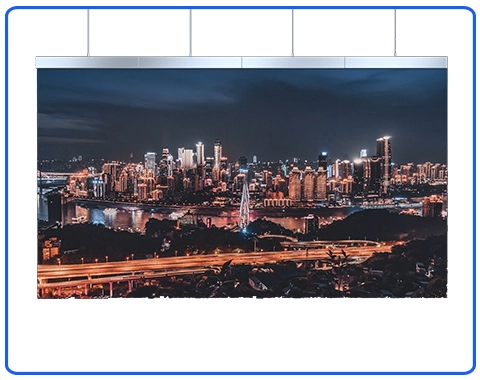
Larger screens naturally cost more because they require more panels, more support structure, more transport space, and more labor. Unique shapes, curved walls, or multi-screen environments can also raise pricing due to complexity. However, bigger is not always better. A right-sized display that fits the room and the audience can deliver stronger results than an oversized wall used inefficiently.
Pixel pitch and resolution
Finer pixel pitch usually increases rental cost because it offers better visual detail at short distances. For upscale indoor events, this can be worth the investment. For outdoor events with long viewing distances, spending heavily on ultra-fine resolution may not be necessary. The best value comes from matching pitch to audience proximity.
Rental duration
Single-day rentals cost less than multi-day activations, but setup and teardown still represent significant labor and logistics. If your event spans rehearsals, exhibitor move-in days, or back-to-back sessions, include those time blocks in your planning. A quote that appears lower at first may not include all required days.
Labor and logistics
Delivery, setup, onsite operation, and dismantling are major cost components. Venues with difficult access, overnight labor windows, union requirements, or strict loading procedures can increase expenses. If your venue is in a remote location, travel and accommodation for technicians may also be part of the budget.
Content production
Screen rental is only part of the visual equation. Custom graphics, playback formatting, live camera operation, switching, and motion design may be separate line items. High-quality content can dramatically improve the value of the screen itself, so it should not be treated as an afterthought.
Support level
Some events need a simple installed display with minimal supervision. Others require full technical management throughout the show. If timing is critical or there are many presenters, live cues, and media changes, onsite technicians are worth budgeting for. The cost of professional support is often lower than the cost of a major onstage problem.
To control spending, begin with event priorities. Ask yourself what matters most: visibility from a distance, branding impact, live video reinforcement, sponsor exposure, or scenic design. Once priorities are clear, you can make smarter trade-offs. For example, you may choose a modestly smaller screen while investing in better content, or reduce decorative elements to preserve budget for a higher-quality main display.
It is also wise to request detailed quotes from providers. Compare what is included, not just the headline price. One package may bundle transport, processing, and technicians, while another charges extra for each item. Transparency helps avoid surprise costs close to show day.
A strong visual result does not always require the most expensive build. It requires choosing the right components for your audience, venue, and message.
Working With a Vendor for Custom LED Screen Rental for Events
The success of Custom LED Screen Rental for Events depends heavily on the vendor you choose. Equipment quality matters, but communication, planning discipline, and technical experience matter just as much. A dependable vendor does more than drop off panels. They help translate goals into a working visual solution.
Start by reviewing the company’s event portfolio. Look for experience with your type of production, whether that is corporate meetings, exhibitions, concerts, social events, or outdoor festivals. A provider that understands your event category will better anticipate needs related to screen size, brightness, camera integration, setup timing, and audience flow.
Ask detailed questions during the proposal stage. Important topics include:
– What panel types and pixel pitches are available?
– Is the equipment suitable for indoor, outdoor, or both?
– What video processors and playback systems are used?
– Is installation handled by in-house crews or subcontractors?
– What backup gear is available if a component fails?
– Will a technician remain onsite during the event?
– How much lead time is recommended for planning and content testing?
Responsiveness is another key indicator. A vendor that answers clearly, asks the right questions, and provides organized documentation is more likely to deliver a smooth experience. Good vendors request floor plans, run-of-show details, presentation requirements, and venue access information because they know details prevent problems.
Site visits can be extremely useful, especially for complex builds. Seeing the room in person allows the vendor to assess ceiling height, rigging points, power locations, entry routes, and sightlines. It also supports better placement decisions and more accurate budgeting.
Contracts should define scope clearly. Make sure the agreement outlines equipment list, labor schedule, operating hours, technical support, insurance, cancellation terms, and responsibility for venue approvals. Clarity protects both sides and reduces last-minute confusion.
Partnership mindset is what separates average suppliers from excellent ones. The best teams offer suggestions that improve your event rather than simply fulfilling a basic order. They may recommend a different screen orientation, advise on content dimensions, or flag a potential issue with ambient light. That proactive guidance can save time and improve the final result.
Finally, book early whenever possible. Popular dates, premium inventory, and experienced crews are often reserved well in advance. Early booking also gives you more time for content development, rehearsal planning, and technical coordination with other production partners.
A reliable vendor helps ensure the screen enhances the event instead of becoming a source of stress. In live production, preparation is everything.
FAQ
What types of events benefit most from LED screens?
Almost any event can benefit from Custom LED Screen Rental for Events, including conferences, trade shows, product launches, concerts, weddings, fundraisers, festivals, and sporting events. Event organizers benefit from greater adaptability because they can size and configure screens to suit both formal presentations and entertainment-focused experiences.
How far in advance should I book a screen rental?
It is best to secure Custom LED Screen Rental for Events as early as possible, especially during busy conference, festival, and holiday seasons. Booking several weeks or months ahead gives you better equipment availability, more design options, and enough time for venue coordination, content preparation, and rehearsal planning.
Is LED better than projection for events?
In many cases, Custom LED Screen Rental for Events offers stronger brightness, better visibility in ambient light, and more flexible installation options than projection. Projection can still work well in dark rooms, but LED is often the better choice when image clarity, impact, and reliability are top priorities.
How do I choose the right screen size?
Event organizers can determine the ideal size for Custom LED Screen Rental for Events by considering audience distance, venue dimensions, stage design, and content requirements. A professional vendor can recommend a setup that balances visibility, proportion, and budget while making sure text, video, and branding remain easy to see.
Do I need onsite technical support during the event?
For many professional productions, onsite support is strongly recommended with Custom LED Screen Rental for Events. A technician can manage playback, monitor signal flow, solve unexpected issues quickly, and coordinate with the AV team so the screen performs smoothly throughout the program.
Conclusion
A well-executed visual strategy can elevate an ordinary gathering into a memorable experience, and Custom LED Screen Rental for Events gives organizers the flexibility to do exactly that. From audience engagement and brand storytelling to technical reliability and scalable design, LED screens offer practical advantages for events of all sizes. The key is matching the screen solution to your venue, content, budget, and production goals. With the right planning and the right vendor, you can create a display environment that looks professional, communicates clearly, and leaves a lasting impression on every attendee.
Related Articles
- Outdoor LED Screen Houston: Buy, Rent, Install: Expert Guide
- led screen rental tampa: 9 Best for Events and Promotions
- led screen panel price: led screen panel price: Complete