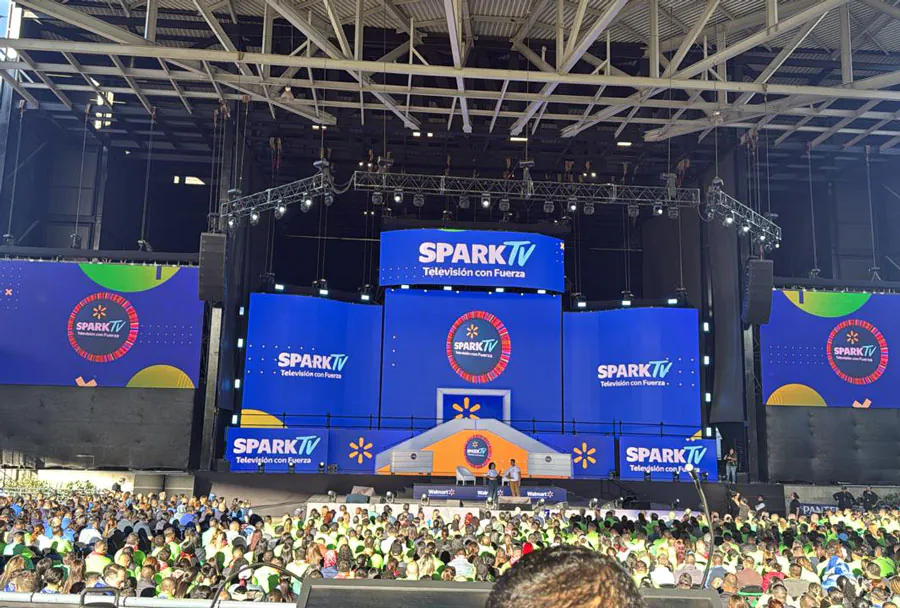
Benefits of Renting Outdoor LED Screen for Large Outdoor Events

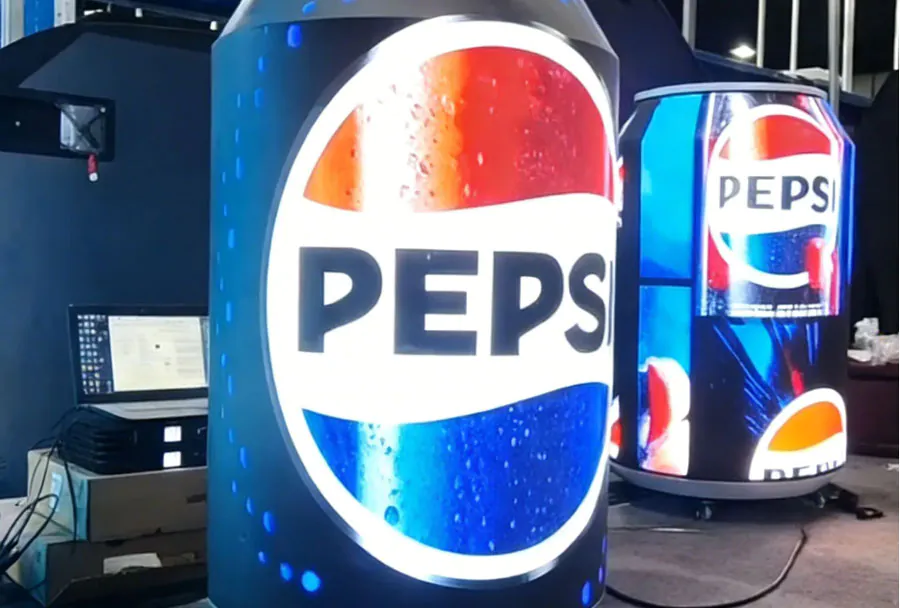
Large outdoor events — festivals, sports matches, political rallies, product launches, and community gatherings — demand clear communication, strong visual impact, and smooth audience experiences. Renting an outdoor LED screen has become a go-to solution for event organizers who want to deliver high-quality visuals without the capital expense and long-term commitment of purchasing. This article examines the practical, financial, and creative advantages of renting outdoor LED screens, offers a comparative analysis table, and provides guidance on choosing the right rental solution and maximizing return on investment.
Why Outdoor LED Screens Matter for Big Events
Outdoor LED screens offer high brightness, excellent color fidelity, and large-scale visibility that traditional projection systems struggle to match under daylight or adverse weather. They convert a dispersed crowd into an engaged audience, enabling everyone — from the front row to the back — to experience the event equally. For organizers focused on branding, sponsorship revenue, audience experience, or live-stream integration, LED screens become the central hub that links content, commerce, and community.
Primary Benefits of Renting an Outdoor LED Screen
– Superior Visibility and Readability: Modern LED panels deliver high nit brightness (often 5,000 nits or more for outdoor models), meaning content remains vivid even in full sun. High contrast and precise color reproduction keep video, graphics, and text legible at great distances.
– Flexibility and Scalability: Rentals allow you to tailor screen size, resolution, and configuration to the venue and expected audience. Modular LED panels make it easy to create custom aspect ratios or curved screens and to scale up or down as required.
– Cost-Effectiveness and Lower Risk: Renting avoids large capital expenditures, storage costs, depreciation, and technological obsolescence. For one-off or irregular events, rental minimizes financial risk while delivering professional-grade equipment.
– Technical Support and Turnkey Services: Most reputable rental companies include setup, testing, on-site technicians, and troubleshooting. That removes technical burdens from event teams and keeps the show running smoothly.
– Weather Resistance and Durability: Outdoor LED screens are designed to withstand wind, rain, and temperature variations. Rental fleets are regularly inspected and maintained, reducing the likelihood of onsite failures.
– Rapid Deployment and Logistics Efficiency: Rental providers have experience with permits, rigging, transport, power management, and safety compliance, accelerating setup and teardown while ensuring regulatory adherence.
– Enhanced Sponsorship and Revenue Opportunities: Large, high-quality led displays create premium ad inventory (static and dynamic) that attracts sponsors and enables higher CPMs or package deals including live ad rotation.
– Improved Audience Experience and Engagement: With clear sightlines and interactive content possibilities (social feeds, live polls, dynamic sponsor overlays), LED screens increase dwell time and participant satisfaction.
Analysis Table: Benefit Comparison
| Benefit | Impact on Audience | Cost Implication | Setup Complexity | Ideal Use Cases |
|---|---|---|---|---|
| High Brightness & Readability | Improves visibility for large crowds; consistent viewing in daylight | Higher-rent for high-nit screens; eliminates purchase cost | Moderate; requires power planning and proper mounting | Sporting events, outdoor festivals, public broadcasts |
| Scalability & Custom Sizes | Fit the screen to venue size; better sightlines for attendees | Pay only for the size needed; scalable pricing | Variable; modular builds need precise planning | Product launches, large ceremonies, multi-stage festivals |
| Turnkey Technical Support | Reduced downtime and seamless show flow | Often included or available for a fee; predictable expense | Low for organizers; rental team handles complexity | Events without in-house AV teams, short-notice productions |
| Weatherproof Durability | Reliable performance despite sun, rain, or wind | Premium for outdoor-rated hardware; mitigated by rental | Moderate; requires safety rigging and weather precautions | Open-air concerts, rallies, outdoor cinemas |
| Sponsorship Revenue Potential | Dynamic branding and ad rotation increases engagement | Can offset rental costs; high ROI from ad sales | Low; content scheduling and playback management needed | Festivals, trade shows, sporting events with advertisers |
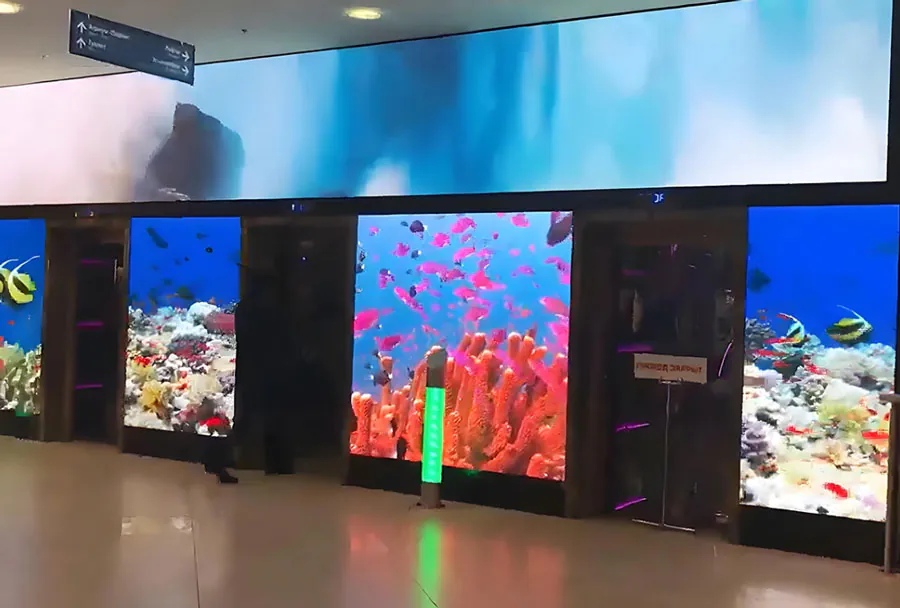
Financial and Operational Advantages
Renting minimizes up-front capital outlay and transforms a potentially large fixed cost into a variable cost tied to event frequency and scale. For organizations that host yearly or occasional large events, rental preserves budget flexibility. Rental pricing often includes delivery, setup, and onsite technical support packages, allowing event planners to forecast costs more accurately.
Additionally, rental providers maintain fleets to professional standards. Regular maintenance and upgrades mean renters benefit from newer technology — better pixel pitches, improved power efficiency, and advanced connectivity — without paying for full equipment replacement.
Technical Considerations and Best Practices
– Pixel Pitch and Viewing Distance: Choose a pixel pitch appropriate for audience distance. Smaller pitches (e.g., P3–P6) deliver sharper images for close-range viewing; larger pitches (P8–P16+) work for distant viewing and reduce rental cost for very large screens.
– Brightness and Contrast: Ensure the chosen screen has adequate nit rating for daytime visibility. Discuss ambient light conditions with the provider to select the correct model.
– Frame and Rigging: Verify rigging methods for safety and wind load. Freestanding frames, truss-mounted screens, and flown configurations have different structural and permit implications.
– Power and Redundancy: Plan power distribution with redundancy (backup generators or UPS) to avoid interruptions. Rental providers can assist with load calculations and safe cabling.
– Control Systems and Playback: Confirm content ingestion, media server compatibility, and the provider’s capability for live switching or overlays. Test all playback scenarios during technical rehearsals.
– Connectivity and Latency: For live feeds and remote presenters, ensure robust signal paths and minimal delay. Rental vendors should support fiber links, SDI, and IP-based transport as needed.
– Weatherproofing & Ventilation: Outdoor screens need appropriate ingress protection (IP-rated) and airflow considerations to avoid overheating.
Logistics, Safety, and Compliance
Rental vendors with event experience handle permits, local regulations, and insurance requirements more effectively than one-off purchasers. They can advise on:
– Local rigging certifications and engineer sign-offs
– Wind-bracing and ballast requirements for freestanding screens
– Public safety distances and crowd-control measures
– Noise ordinances linked to supporting audio systems
– Electrical safety inspections and load permits
A qualified rental partner will provide risk assessments, method statements, and certificates of compliance, often necessary for venue approval.
Optimizing Sponsorship and Content Strategy
An LED screen is prime real estate. Use a layered approach to content:
– High-impact opening visuals to establish brand and tone
– Rotating sponsor blocks with clear timing windows
– Real-time social media integration to boost organic reach
– Dynamic lower-thirds for announcements, schedule updates, and safety information
– Emergency messaging capability woven into control workflows
Sell sponsorship packages tied to guaranteed impressions, slot placements, and cross-channel promotion (e.g., live stream + on-site LED). Provide post-event analytics when possible — impressions, dwell time, and engagement metrics — to strengthen future sponsor relationships.
Choosing the Right Rental Provider
Select a vendor with:
– Proven outdoor LED inventory and recent client references
– Onsite technical teams and rapid-response coverage for the event
– Transparent pricing, including delivery, rigging, power, and testing
– Clear SLAs for uptime and contingencies for equipment failure
– Knowledge of local permitting and venue requirements
– Ability to support content management and live feeds
Request a site visit or detailed venue drawings so the vendor can propose a rigging solution and power plan tailored to the location and audience.

Case Examples and ROI Considerations
– Music Festival: Renting a 40×22 ft LED wall for a weekend festival allowed organizers to sell premium sponsor slots, significantly offsetting rental costs. Onsite dynamic content increased sponsor visibility by 30% over static signage.
– City-Wide Celebration: A holiday broadcast displayed on multiple rented LED screens in public squares improved crowd satisfaction and enabled municipal messaging for safety and transport updates.
– Product Launch: A temporary LED installation created a high-impact backdrop for a new vehicle reveal; the rental eliminated the need for permanent build, and the event team used the saved capital for experiential elements that drove social amplification.
ROI should be evaluated across direct revenue (ticket sales uplift, sponsorship fees) and indirect value (brand exposure, audience satisfaction, and reduced risk). Renting often increases net ROI for infrequent large events due to lower fixed costs and higher production quality.
Planning Checklist for Renting Outdoor LED Screens
– Define audience size and viewing distances.
– Confirm ambient light and weather expectations.
– Establish budget range, including support and transport.
– Request vendor site assessment and written proposal.
– Verify pixel pitch, brightness (nits), and IP rating.
– Review rigging plan, safety certifications, and insurance.
– Schedule tech rehearsals and content delivery deadlines.
– Plan power supply and redundancy.
– Arrange on-site technical support and SLAs.
– Define sponsorship inventory and content playlist.
Renting an outdoor LED screen offers event organizers a powerful blend of visual quality, operational flexibility, and financial prudence. For large outdoor events where visibility, engagement, and brand impact matter, rental solutions provide access to top-tier hardware, expert technical support, and flexible configurations that align with specific event goals. By partnering with experienced rental providers and planning carefully around pixel pitch, brightness, rigging, and power, organizers can transform outdoor venues into immersive, high-impact experiences while minimizing risk and maximizing return on investment.