Top Rated Stage LED Screen Rental Companies Near You

The right stage LED screen can transform an event—from concerts and corporate conferences to festivals and theatrical productions—providing visual impact, audience engagement, and practical information delivery. But success doesn’t come from the screen alone. It comes from the combination of high-quality LED panels and a skilled rental company that knows how to design, install, operate, and support that technology under real-world event conditions. Choosing a top-rated stage LED screen rental company near you reduces risk, saves time, and elevates the audience experience.
This article is a practical, professional guide to help event producers, venue managers, and production coordinators identify, evaluate, and partner with the best local LED screen rental companies. You’ll get criteria to assess providers, a comparative analysis table, technical buying points, logistical considerations, pricing drivers, questions to ask potential vendors, and a concise checklist to use when making the final selection.
How to Find Top-Rated Companies Near You
Online Research and Verified Reviews
Start with proximity searches, but prioritize verified reviews and case studies. Look for detailed feedback about on-time delivery, image quality, technical reliability, and crew professionalism on platforms such as Google Business, industry forums, LinkedIn recommendations, and event technology review sites. Pay particular attention to recent reviews and those from events similar in size and scope to yours.
Portfolio, Case Studies, and Showreels
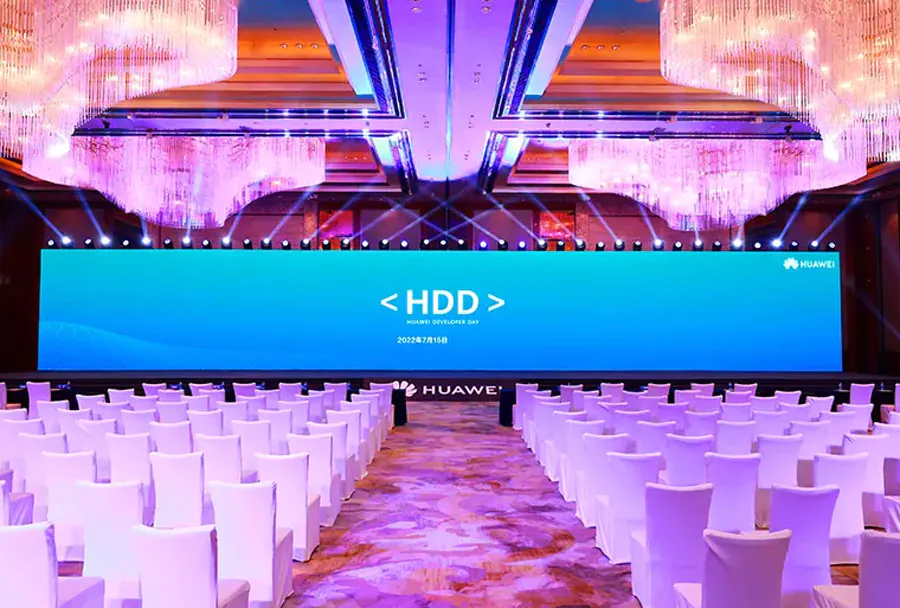
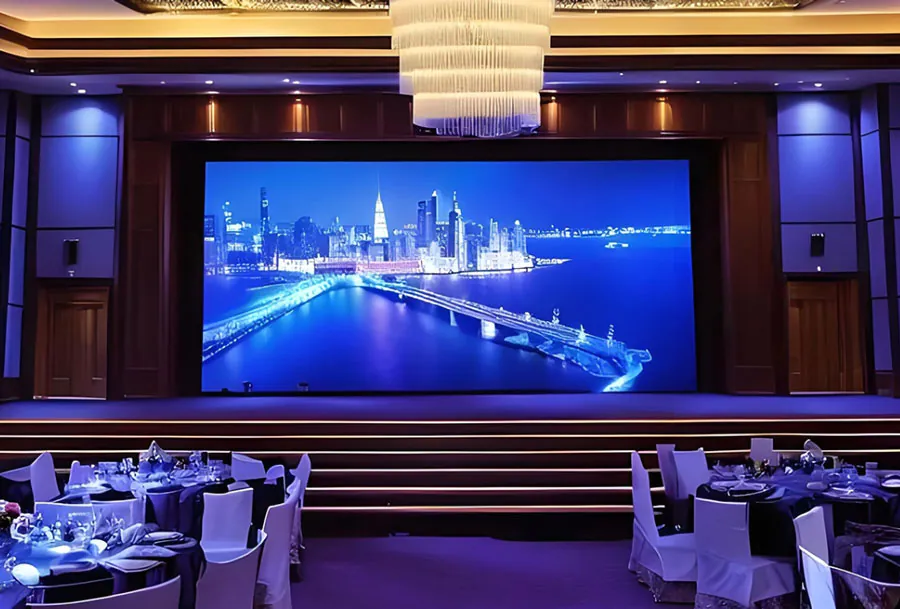
Top-rated providers maintain portfolios that demonstrate a range of projects: outdoor festivals, indoor arenas, corporate conferences, and touring concerts. Request showreels or site photos showing full build-outs, not just close-ups of panels. This helps you evaluate seam visibility, rigging integration, and how content scales across varied screen sizes.
Site Visits, Demonstrations, and Mockups
Ask for a demo of the exact panels you’ll rent. A live demo shows true brightness, color reproduction, and contrast—far more reliable than spec sheets alone. If your event is outdoors, insist on testing in daylight conditions. For large builds, a mock-up or on-site temporary install can reveal sightline and mounting issues early.
What Top-Rated Stage LED Screen Rental Companies Offer
Top providers combine technology with service. Expect the following baseline offerings:
– A range of pixel pitches and panel types (indoor/outdoor, fine pitch, flexible).
– Experienced rigging and structural engineering support.
– Integrated video processing (scalers, switchers, media servers).
– Skilled operators and technicians for rehearsal, event runtime, and strike.
– Weatherproofing, redundancy plans, and backup components.
– Clear insurance, bonding, and safety documentation.
– Project management and coordination with lighting, stage, and audio teams.
Comparative Analysis Table: Typical Provider Categories
| Provider Type | Typical LED Types | Service Area | Strengths | Typical Event Types |
|---|---|---|---|---|
| National AV Rental House | Modular outdoor/indoor LED, fine-pitch, touring-rated | Multi-state, nationwide | Large inventory, logistics, standardized processes | Stadium concerts, touring productions, major festivals |
| Local Rental House | Indoor and outdoor cabinets, smaller fine-pitch options | City/metro and surrounding regions | Faster response, lower transport cost, local knowledge | Corporate events, theater, mid-size concerts |
| Touring Production Company | High-end touring LED, specialty curved/flexible panels | Regional to international | Turnkey production, experienced road crews | Artist tours, large-scale corporate roadshows |
| Festival/Fabrication Specialist | Large-format outdoor LED, custom shapes | Regional, festival circuits | Custom scenic integration, weatherproof solutions | Outdoor festivals, immersive installations |
| Corporate AV Integrator | Fine pitch indoor LED, video walls, meeting-room solutions | Local to regional commercial buildings | System integration, long-term contracts, maintenance | Conferences, board meetings, trade shows |
Key Technical Metrics to Compare
When comparing rental companies, focus on how they match their hardware and workflow to your event’s needs.
– Pixel Pitch: Measured in millimeters (mm), this determines optimal viewing distance and image detail. Use finer pitch (P1.5–P2.5) for close-up corporate stages; P3–P6 for general stage use; P6+ for large outdoor signage viewed from distance.
– Brightness (nits): Outdoor daytime events require high brightness (5,000–7,000 nits or more), while indoor venues can work at 1,000–2,500 nits.
– Refresh Rate: Choose panels with a high refresh rate (≥3,000 Hz) for camera work to avoid flicker on broadcast and live streaming.
– Contrast and Color Calibration: Ask how they perform color calibration across large arrays to avoid visible banding or mismatched color temperatures.
– Power and Redundancy: Confirm electrical load, UPS/backup power, and spare modules/drivers onsite for quick replacements.
– Rigging and Structural Specs: Panels must integrate with rigging systems and meet safety certifications. Ask for engineer-signed designs for any suspended structures.
Pricing: What Drives Cost and How to Budget
LED screen rental pricing is influenced by several factors:
– Screen Size & Pixel Pitch: Larger areas and finer pitches cost more per square meter.
– Panel Type and Age: Newer, higher-performance panels command higher rates.
– Duration: Longer rental periods reduce daily rates but increase logistics and service costs.
– Location Logistics: Transport distance, load-in complexity, and overnight crew needs add to costs. Urban venues may incur parking and lift fees.
– Installation Complexity: Towers, scaffolding, outriggers, or custom scenic integration require more labor and engineering oversight.
– Additional Equipment: Video processing, playback servers, distribution amps, and cabling often aren’t included in the panel rate.
– Staffing: Tech crew for load-in, rehearsal, showtime, and strike is often billed separately.
– Insurance and Permits: Municipal permits, street closure coordination, and insurance can be significant for large outdoor builds.
Budgeting tip: Ask vendors for a line-item estimate (panels, transport, rigging, labor, power, extras) so you can compare apples-to-apples and identify where costs can be optimized.
Logistics, Installation, and Onsite Support
Good providers plan for the entire lifecycle of the screen at your event:
– Pre-event planning: Site survey, power plan, venue liaison, safety plan, and schedule coordination.
– Rigging and structural engineering: Signed plans for any hanging or freestanding structures; wind-load calculations for outdoor screens.
– Onsite deployment: Staged load-in, cable management, and integration with stage set, lighting, and audio.
– Rehearsal and content check: Time for content mapping, color matching, and latency checks with AV systems.
– Redundancy and on-call spares: Providers should have backups for controllers, power supplies, and panels.
– Strike and post-event logistics: Efficient breakdown minimizes overtime and venue disruption.
Common Pitfalls and How Top-Rated Providers Avoid Them
– Underestimating brightness for daylight events — fix: insist on specifying nits for daytime outdoor use.
– Not accounting for camera flicker — fix: require high refresh-rate panels for any event with broadcast or livestreaming.
– Poor sightline planning — fix: work from CAD/3D sightline studies and on-site mockups.
– Lack of redundancy — fix: ensure vendors include spare modules and quick-swap procedures.
– Vague contracts — fix: demand clear service-level agreements (SLAs) that define who is responsible for which elements and include response time commitments.
Questions to Ask Potential LED Screen Rental Companies
– Can you provide references and recent case studies for events of similar scale?
– What exact panel model will you supply, and can we see a live demo?
– What is the pixel pitch and recommended viewing distance for the proposed screen size?
– What is the maximum brightness in nits, and is the display camera-friendly (refresh rate)?
– Who is responsible for structural engineering and permits for suspended screens?
– What spares and redundancy plans do you carry on site?
– What are your crew hours for load-in, rehearsal, showtime, and strike, and how are overtime rates handled?
– What insurance and liability coverage do you carry, and can you supply certificates?
– How do you handle content mapping, scaling, and preview before the event?
Negotiation and Contract Tips
– Obtain multiple bids with the same technical specs to compare pricing fairly.
– Require a detailed quote with line items: panels, transport, rigging, labor, power, control gear, and spares.
– Define acceptance criteria for image quality at a site visit or demo and include it in the contract.
– Include a contingency/penalty clause for missed deadlines if timing is critical.
– Clarify cancellation and postponement terms, especially for festivals or outdoor events vulnerable to weather.
– Require a run-of-show document to be agreed upon and a defined change-order process.
Case Examples and Best Practices
– Small corporate event (500 attendees): Opt for a fine-pitch indoor LED wall (P2.6–P3.9) behind a podium. Use a local rental house for fast load-in and reduced transport costs; schedule a content mapping session the day before.
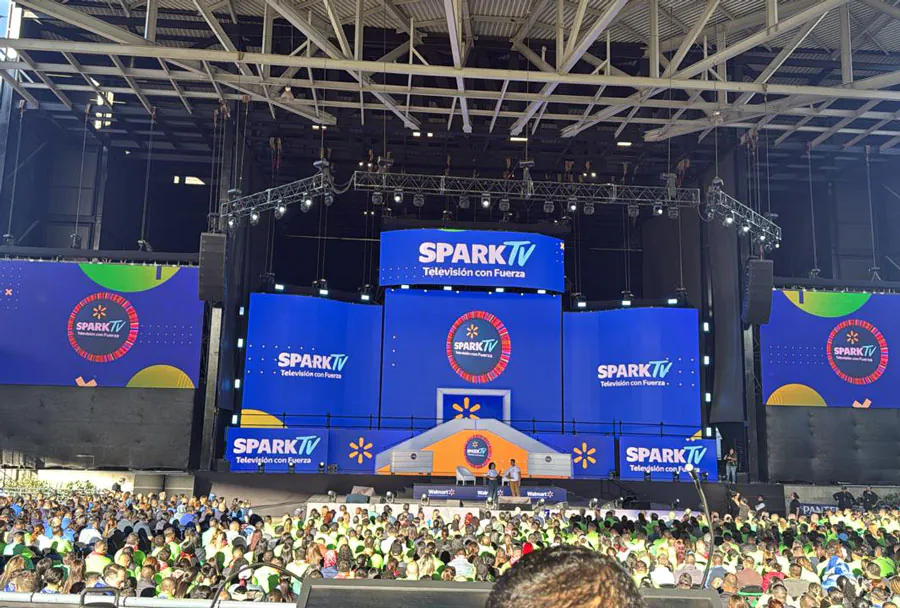
– Outdoor festival main stage: Use touring-grade outdoor panels with >6,000 nits and full weatherproofing. Choose a festival specialist with experience integrating LED into stage rigging and wind-load mitigation.
– Touring concert (arena): Use a touring production company that offers lightweight, quick-lock modules, consistent color calibration across large arrays, and staged spare inventories to avoid show interruptions.
– Hybrid conference with livestream: Insist on high refresh-rate panels and a dedicated video server operator to manage virtual audience screens and stage content simultaneously.
Final Checklist Before You Book
– Confirm panel model and pixel pitch fits viewing distance and venue size.
– Verify brightness and refresh rate for camera usage.
– Check vendor references and recent similar projects.
– Review engineering, rigging designs, and permit responsibilities.
– Ensure spares, redundancy, and onsite technical support are included.
– Get a detailed line-item quote and SLA.
– Schedule a demo and a content-mapping rehearsal.
– Confirm power requirements, distribution, and backup solutions.
– Agree on crew hours, overtime rates, and strike timing.
– Obtain insurance certificates, liability coverage, and any bonding needed.
Partnering for Success
Selecting a top-rated stage LED screen rental company near you is about more than price or inventory; it’s about matching technical capability, logistical expertise, safety, and service culture to your event objectives. The best vendors bring not only reliable panels but also planning, engineering, and on-site solutions that eliminate surprises and let your content shine. Use the criteria, questions, and checklist in this guide to vet providers thoroughly, and insist on demos and references. When you partner with the right rental company, your LED screen becomes a tool for storytelling and engagement rather than a logistical liability.