LED Screen Rental Dubai: 9 : Complete Event Hire Guide

For business events, LED displays help deliver messages more effectively, while entertainment events benefit from stronger audience engagement and retail activations gain greater visibility and increased foot traffic. Dubai’s events ecosystem is highly competitive and visually driven. Whether you’re staging a corporate conference, product launch, concert, trade show, or an outdoor advertising campaign, the LED screen you rent will shape audience experience, brand perception, and event success. Choosing the right LED screen rental vendor in Dubai is more than just picking the biggest display; it involves technical compatibility, logistics, creative support, and value for money. This guide walks you through practical, professional steps to select the best LED screen rental in Dubai and includes a concise analysis table to help you compare options quickly.
Table of Contents
- Why LED Displays Are a Smart Fit for Dubai Events
- Screen Types, Sizes, and Technical Specifications
- What to Look for in a Rental Partner
- High-Impact Use Cases for Brands and Organizers
- FAQ
- How far in advance should I book a screen rental?
- Can LED screens be used outdoors in Dubai’s daylight?
- What affects the total rental cost?
- Do rental companies help with content and operation?
- Conclusion
Why LED Displays Are a Smart Fit for Dubai Events
Dubai creates a spectacular event environment where organizers transform hotel ballrooms, exhibition centers, outdoor festivals, and waterfront launches into modern, immersive, and visually memorable experiences. Traditional projection can struggle in bright venues, and printed signage cannot match the movement, flexibility, or clarity that a digital display offers. This is where LED Screen Rental Dubai becomes more than just a technical service; it becomes part of the event strategy itself.
A well-designed LED wall helps you do several things at once. It can present live video, brand videos, speaker slides, animated visuals, sponsor logos, and social media content without interrupting the flow of the event. It also creates a focal point that directs attention naturally, which is especially useful in large spaces where guests are spread across multiple seating areas. For business events, LED displays help deliver messages more effectively, while entertainment events benefit from stronger audience engagement and retail activations gain greater visibility and increased foot traffic.
Another major advantage is adaptability. Dubai venues vary widely in size, ceiling height, lighting conditions, and audience capacity. A modular LED solution can be customized to fit a small stage, wrap around a display booth, or span an outdoor façade. That flexibility is one reason LED Screen Rental Dubai works so well for both one-day activations and multi-day conferences. Instead of forcing your event concept around fixed equipment, you can build the visual experience around your goals.
There is also a practical side to this choice. Renting a screen removes the burden of storage, maintenance, transport, and long-term ownership. You get access to the latest equipment only when you need it, which is ideal for companies that host occasional events or agencies that manage multiple client projects. With professional setup and on-site support, the technical risk is lower, and the end result usually looks more polished. In a city where first impressions matter, that can make a real difference.
For organizers who want to impress attendees without overcomplicating production, LED Screen Rental Dubai offers the right balance of quality, convenience, and impact.
Screen Types, Sizes, and Technical Specifications
Choosing the right display starts with understanding the environment. The best LED rental solution depends on venue conditions, content needs, audience distance, and event design. Once those basics are clear, the technical decisions become much easier.
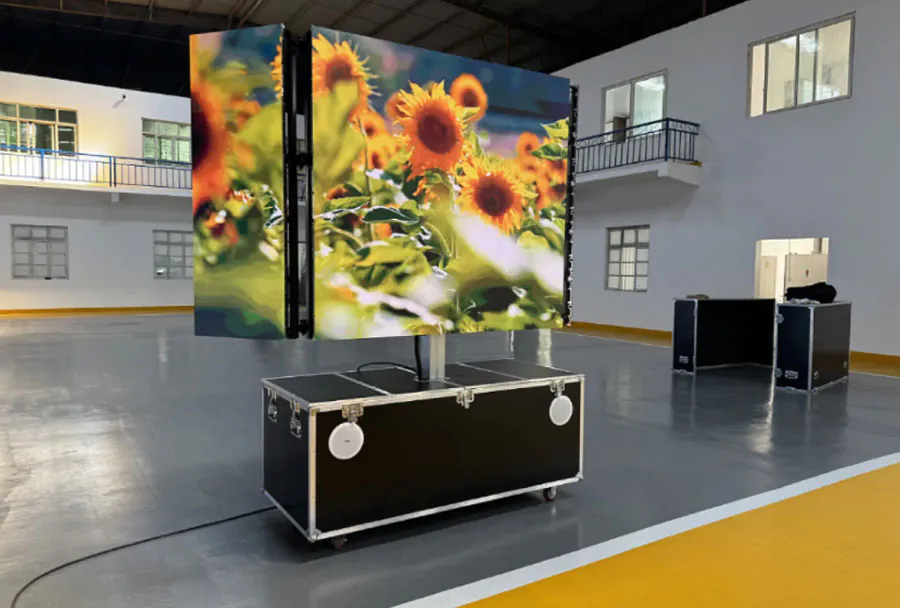
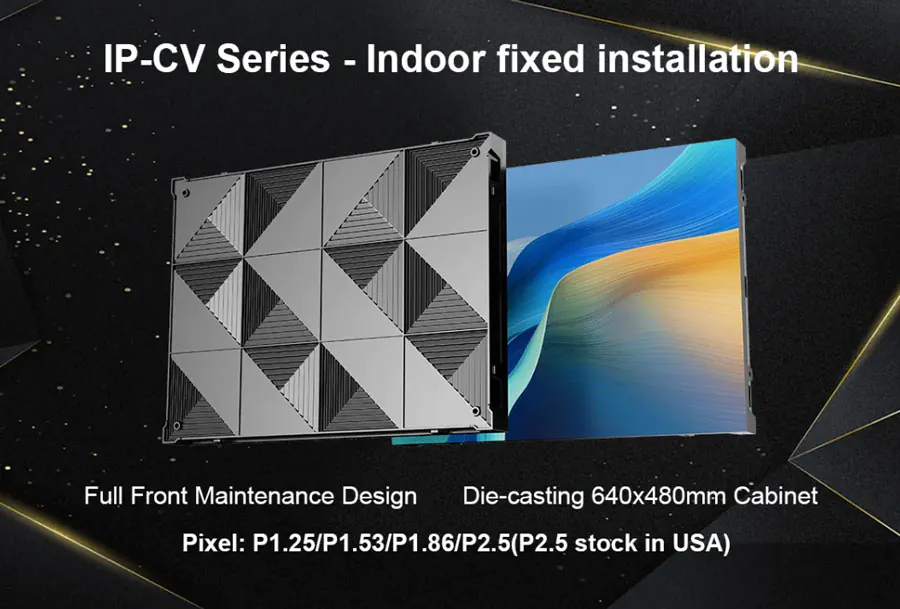
The first factor is pixel pitch, which refers to the distance between LED pixels. A smaller pixel pitch usually means a sharper image at close viewing distances, making it suitable for conferences, product demos, and indoor exhibitions. A larger pixel pitch can work well for outdoor events or large crowds viewing from farther away. In a professional LED Screen Rental Dubai setup, this specification matters because it affects clarity, budget, and the viewing experience all at once.
Next is brightness. Dubai’s strong sunlight and bright interior lighting mean that screen brightness must be chosen carefully. Indoor setups need enough brightness to stay vivid under spotlights and ambient venue lighting. Outdoor setups need significantly higher brightness so the image remains visible during daytime or at dusk. If the screen will run content outdoors, weather resistance and secure installation are also critical. Wind load, stability, and waterproofing should never be treated as afterthoughts.
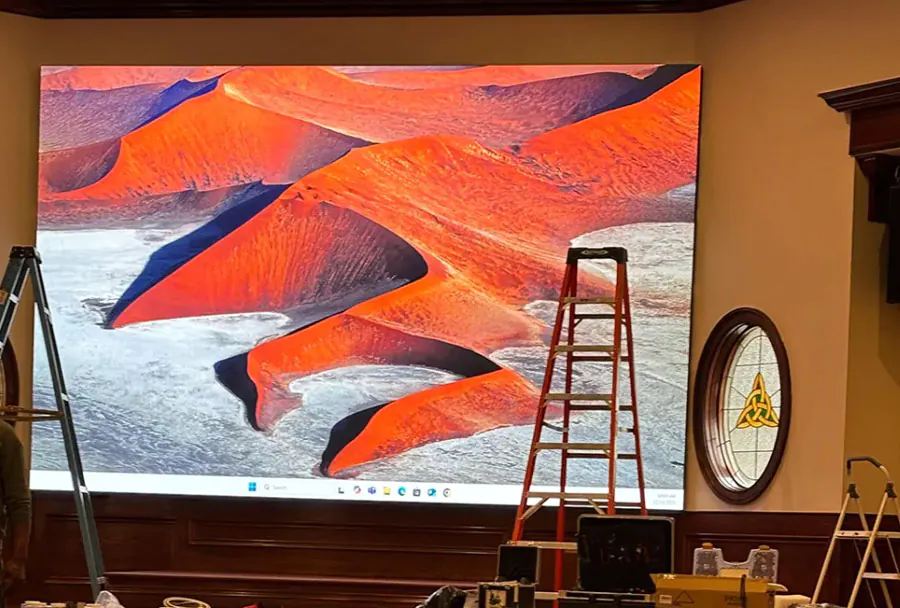
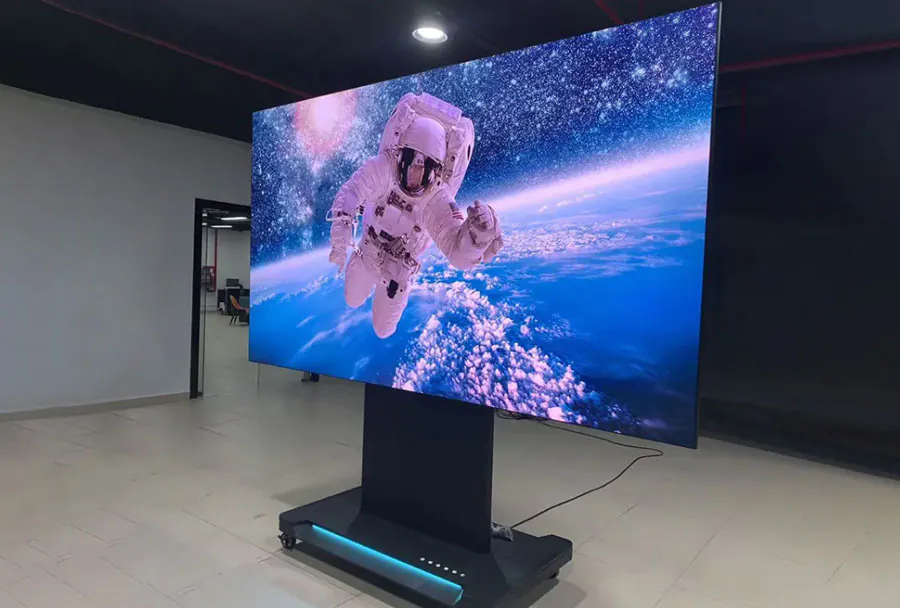
Screen size is another key consideration. Bigger is not always better, but the screen should be large enough that guests can read text and recognize visuals from every important angle. A sales presentation in a 200-seat hall may need a different configuration from a stadium-style activation. Aspect ratio also matters because your content should fit the screen correctly without stretching or unwanted borders. This is one of the reasons working with an experienced LED Screen Rental Dubai provider is so valuable: the team can recommend a layout that matches your content rather than forcing you to redesign everything at the last minute.
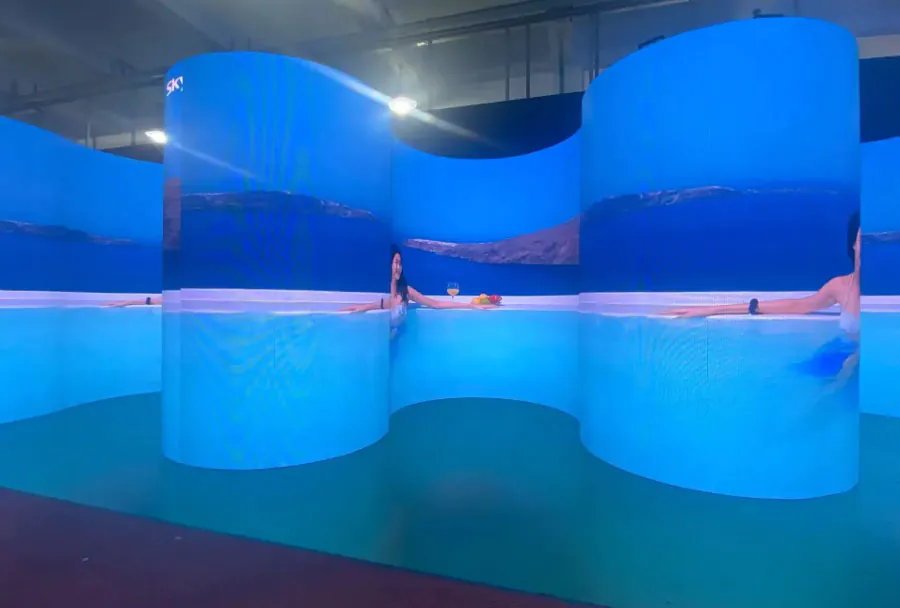
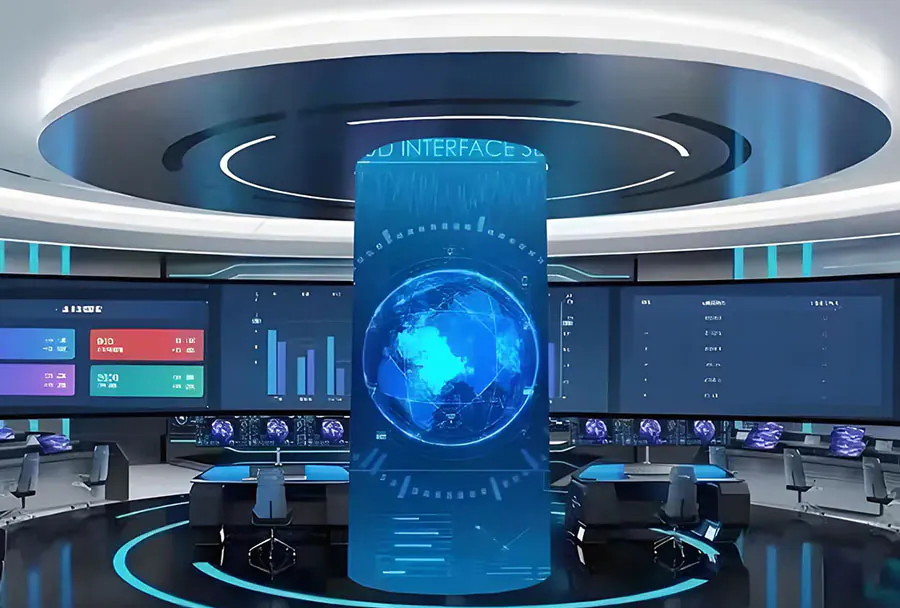
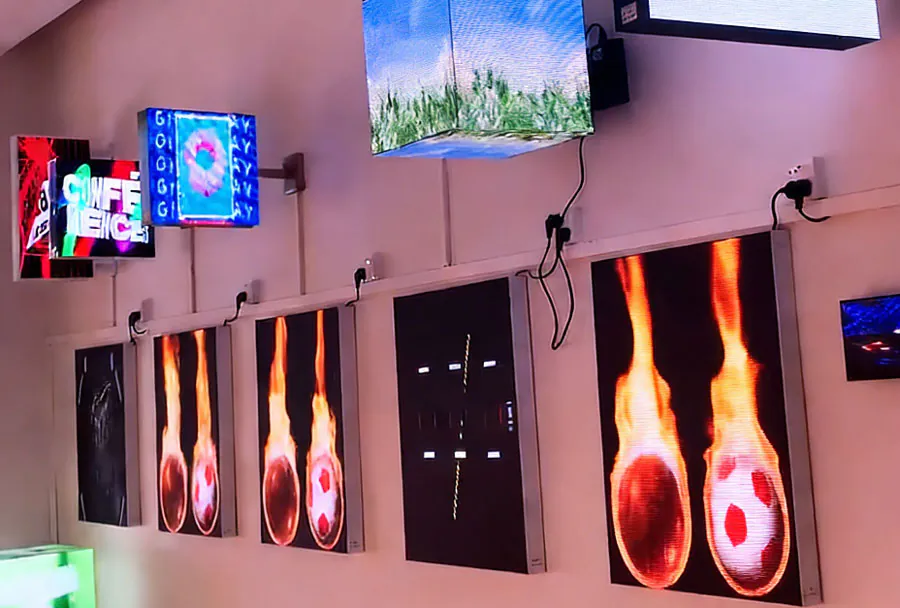
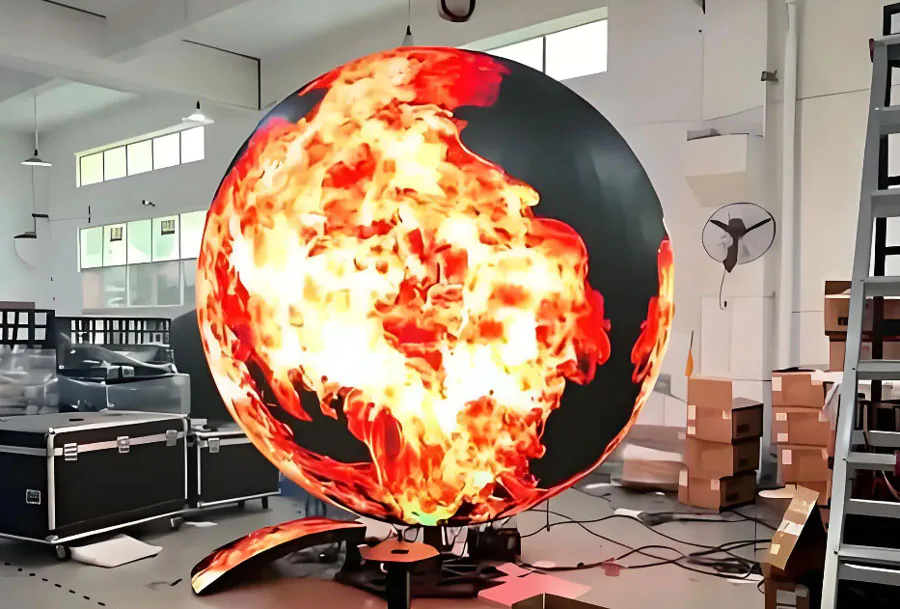
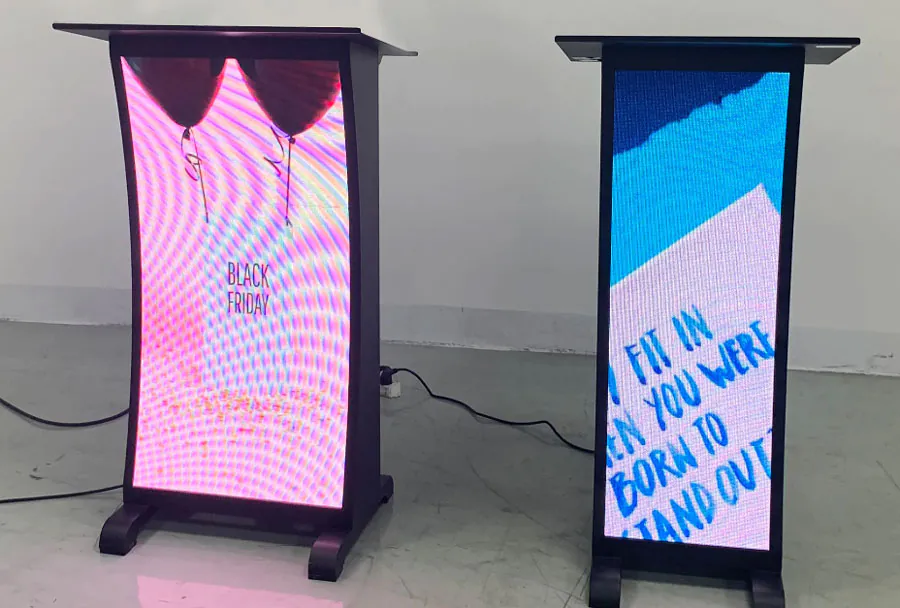
There are also format choices to consider. Some projects require a straight LED wall behind a stage. Others work better with curved displays, columns, cube-like structures, or custom shapes that reflect a brand identity. Creative installations are increasingly popular in Dubai because they help events stand out in crowded markets. If your goal is to draw attention on social media, a visually unique screen can become part of the content itself.
Finally, think about the support equipment around the screen. Signal processors, media players, rigging, cabling, backup systems, and technicians all affect reliability. The best rental packages do not just deliver hardware; they deliver confidence. When you compare LED Screen Rental Dubai options, ask how the provider handles testing, redundancy, and live operation. A lower quote may look attractive, but if the display fails during a keynote or performance, the cost of that failure can be far higher than the rental fee.
What to Look for in a Rental Partner
A successful event depends on more than screen quality. The provider you choose should be able to guide you from planning to teardown with minimal stress and clear communication. In a market as fast-moving as Dubai, reliability and responsiveness matter just as much as technical specs.
Start by looking at experience. A professional LED Screen Rental Dubai company should have a portfolio that includes events similar to yours, whether that means exhibitions, corporate conferences, concerts, retail launches, or private celebrations. Relevant experience shows that the team understands venue access, timeline pressure, and the realities of live event production. It also suggests that they know how to coordinate with AV teams, stage designers, and venue managers.
Service scope is equally important. Some suppliers only drop off equipment, while others provide full-service support including planning, installation, operation, and dismantling. For complex events, full-service support is usually the better choice. It reduces the number of moving parts and gives you a single point of contact if changes are needed. The best LED Screen Rental Dubai partners also help you decide on content specifications, input formats, and backup procedures so that your presentation runs smoothly.
You should also ask about response time and on-site support. Events are dynamic, and last-minute changes are common. A supplier that can adjust screen placement, update content sources, or troubleshoot signal issues quickly will save time and reduce stress. In a live environment, small technical delays can disrupt the schedule, so having trained operators nearby is a major advantage.
Another factor is transparency. A reliable provider should clearly list screen size, resolution, installation, support, duration, and extra costs. If pricing is vague, compare it carefully against what is actually being offered. A trustworthy LED Screen Rental Dubai provider will help you understand the true value of the package rather than hiding charges in fine print.
It is also wise to assess content support. Even the best screen will not perform well if the visual assets are poorly prepared. Ask whether the provider can advise on video resolution, file formatting, aspect ratio, and motion graphics. Some teams can even help optimize slides and animations so they look better on a large display. This kind of support is especially useful for brands that want a consistent visual identity across stage design, promotional material, and live presentations.
Safety and compliance should never be overlooked. Equipment must be installed correctly, especially for suspended screens, outdoor structures, or busy public areas. The provider should understand venue regulations and local safety requirements. A professional LED Screen Rental Dubai team will treat stability, cable management, and crowd safety as part of the service, not as optional extras.
In short, the right partner gives you more than equipment. They give you planning support, technical confidence, and the peace of mind that allows your team to focus on the event itself.
High-Impact Use Cases for Brands and Organizers
One of the reasons this service is so popular is its versatility. A single display solution can serve a wide range of event formats and business goals. Whether the objective is selling products, educating an audience, or creating a memorable guest experience, digital screens can make the message clearer and more persuasive.
For corporate conferences, large screens are invaluable for keynote presentations, panel discussions, and live demos. They help every attendee see charts, video clips, and speaker names clearly, even from the back of the room. In these settings, LED Screen Rental Dubai improves both professionalism and audience engagement. It also allows speakers to maintain energy without worrying that the room is too large for their visuals to carry.
For exhibitions and trade shows, screens can work as attention magnets. Booths often compete with dozens or even hundreds of nearby stands, so motion graphics and live demonstrations can make a big difference. A screen can show product walkthroughs, testimonial videos, or brand storytelling that encourages visitors to stop and ask questions. If your team is trying to generate leads, the display can also highlight offers, QR codes, and event-specific calls to action.
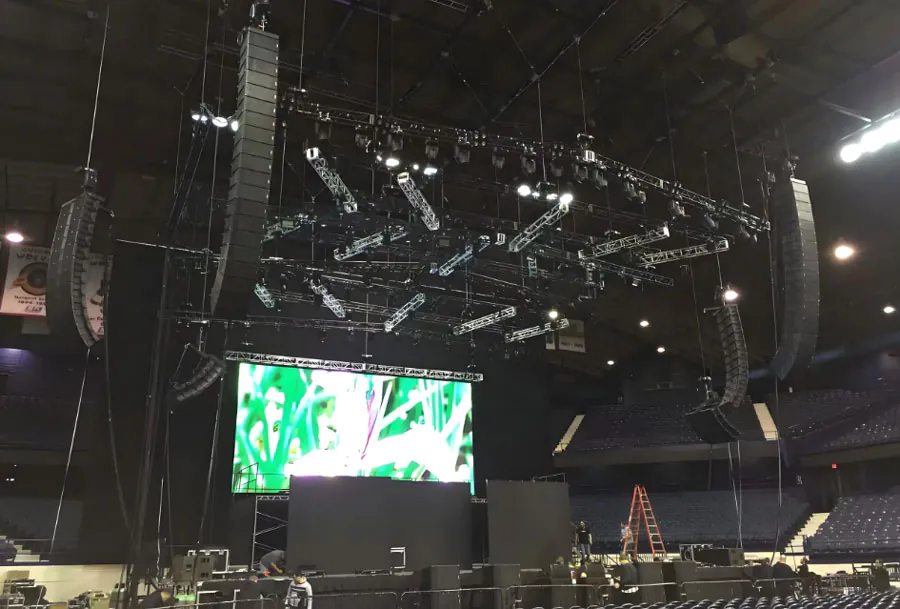
For concerts and live entertainment, the value is even more obvious. Screens can extend visibility to guests farther from the stage and help create dramatic visual moments that enhance the performance. They are also useful for real-time camera feeds, sponsor recognition, and countdown graphics. When managed well, LED Screen Rental Dubai can turn a stage into a full visual environment instead of a simple performance platform.
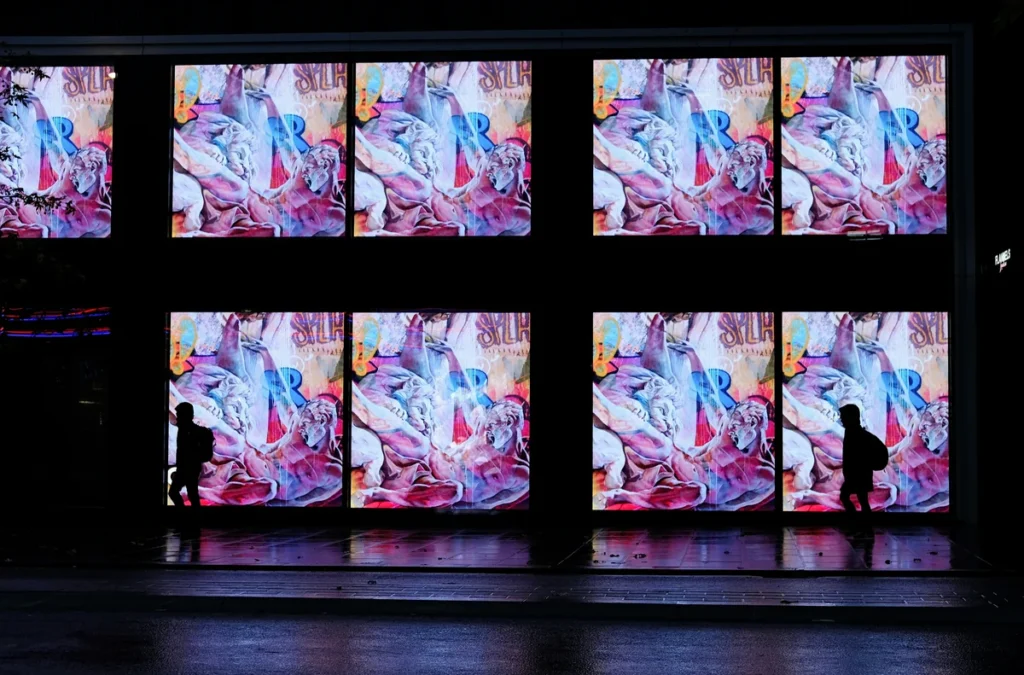
Retail and mall activations benefit too. Digital screens can reinforce a promotion, showcase a launch, or create an eye-catching seasonal installation. Because they can change content quickly, they are ideal for campaigns that need updates throughout the day or across multiple locations. This makes them especially useful for brands running time-sensitive promotions, experiential marketing campaigns, or high-footfall mall events.
Even private events can benefit from the same technology. Weddings and celebrations use LED screens for live video, photo montages, messages, and themed visuals. In these settings, the screen adds emotion as well as style.
Across all of these use cases, the common thread is flexibility. LED Screen Rental Dubai gives organizers the ability to adapt visuals to the audience, the venue, and the purpose of the event. That adaptability is one of the strongest reasons the service remains in such high demand.
FAQ
How far in advance should I book a screen rental?
For smaller events, a few days may be enough if equipment is available. For peak seasons, larger productions, or custom installations, booking earlier is better. Book LED Screen Rental Dubai 2–4 weeks ahead for proper setup, logistics, and content planning.
Can LED screens be used outdoors in Dubai’s daylight?
Yes, but the screen must be chosen for high brightness and outdoor visibility. Sunlight, heat, and weather protection all matter. A reliable LED Screen Rental Dubai solution for outdoor use should include sturdy installation, proper weather resistance, and a brightness level that keeps the image clear even during the day.
What affects the total rental cost?
Size, resolution, rental duration, installation complexity, venue access, and support staff all influence the final price. Content preparation and specialized structures can also increase the cost. Compare LED Screen Rental Dubai offers by reviewing included setup, operation, and dismantling services.
Do rental companies help with content and operation?
Many do, especially full-service providers. They may assist with file formatting, aspect ratio, screen testing, and on-site playback support. A reliable LED Screen Rental Dubai partner provides technical support for smooth, live events.
Conclusion
For brands, event agencies, and organizers who want better visibility, stronger audience engagement, and more control over the presentation experience, digital screens are a powerful choice. They work across indoor and outdoor venues, suit everything from corporate launches to large-scale entertainment, and offer the flexibility needed in a city that expects high standards. If you choose the right size, the right specs, and the right team, LED Screen Rental Dubai can do much more than display content. It can shape the entire atmosphere of the event and help your message leave a lasting impression.