Large LED Video Wall for Events & Commercial Applications: TW VISION

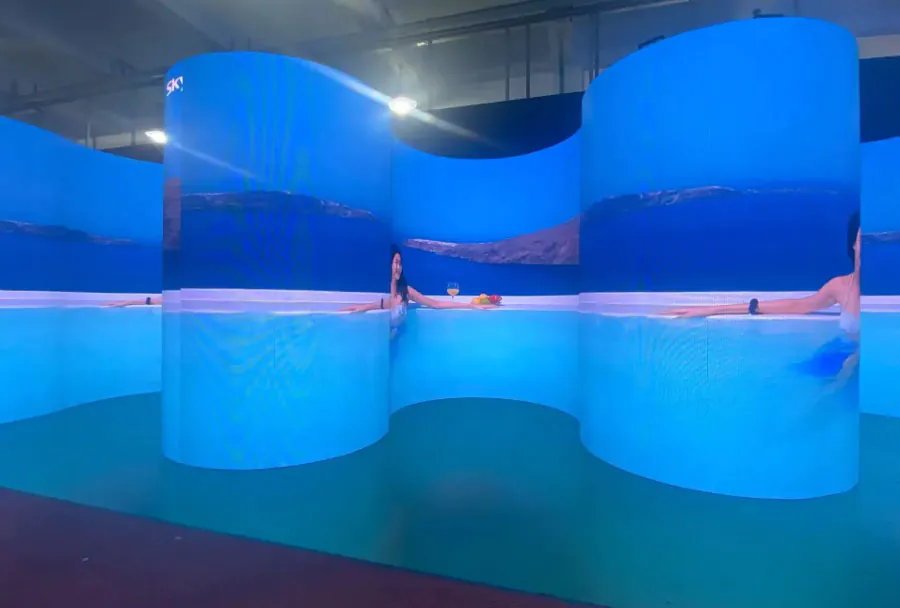
A Large LED Video Wall for Events & Commercial Applications has become one of the most effective tools for capturing attention, delivering information, and creating memorable visual experiences. From conferences and concerts to retail stores, corporate lobbies, stadiums, and control rooms, LED video walls provide bright, scalable, high-impact displays that conventional projectors and television screens cannot match. Their modular design makes it possible to build displays in nearly any size, aspect ratio, or installation format. However, choosing the right LED solution requires more than selecting the biggest screen available. Businesses and event professionals must consider pixel pitch, viewing distance, brightness, content management, installation conditions, and long-term operating costs. This guide explains how to plan, select, deploy, and maintain an LED wall that produces reliable results.
Table of Contents
- Large LED Video Wall for Events & Commercial Applications: Event Planning
- Match Screen Size to Venue Dimensions
- Design Content for LED, Not Just Any Screen
- Create Redundancy for Critical Events
- Large LED Video Wall for Events & Commercial Applications: Commercial Uses
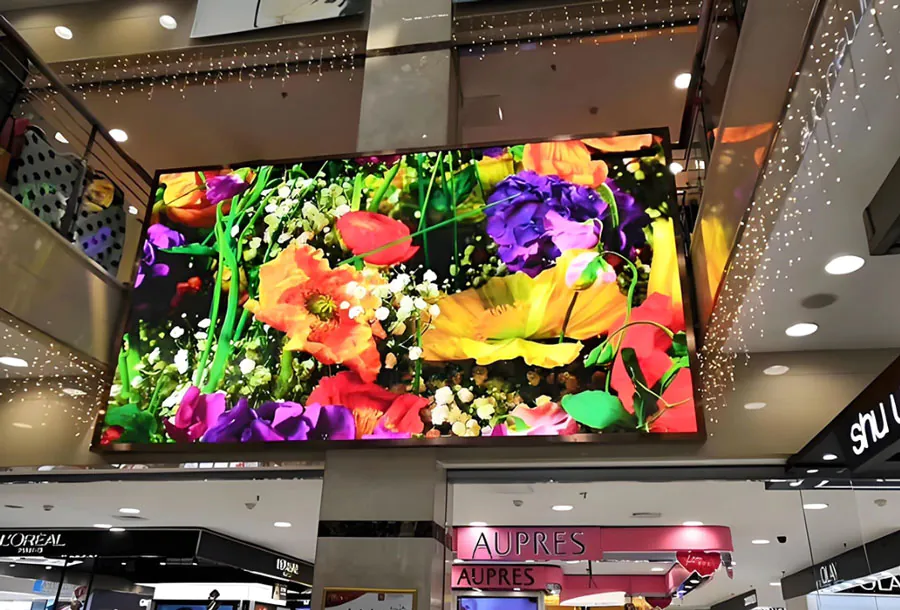
- Retail Stores and Shopping Centers
- Corporate Offices and Lobbies
- Hospitality, Entertainment, and Public Venues
- Command Centers and Operations Rooms
- Large LED Video Wall for Events & Commercial Applications: Technical Selection
- Pixel Pitch and Viewing Distance
- Brightness and Contrast
- Refresh Rate and Camera Performance
- Indoor, Outdoor, and Rental-Grade Construction
- Large LED Video Wall for Events & Commercial Applications: Buying and Deployment
- Start With a Defined Business Objective
- Compare Total Cost of Ownership
- Plan Power, Data, and Structural Requirements
- Train the Operating Team
- What size LED wall is best for an event?
- Is an LED wall better than a projector?
- How long does an LED video wall last?
- Can LED video walls be used outdoors?
- Large LED Video Wall for Events & Commercial Applications: Conclusion
Large LED Video Wall for Events & Commercial Applications: Event Planning
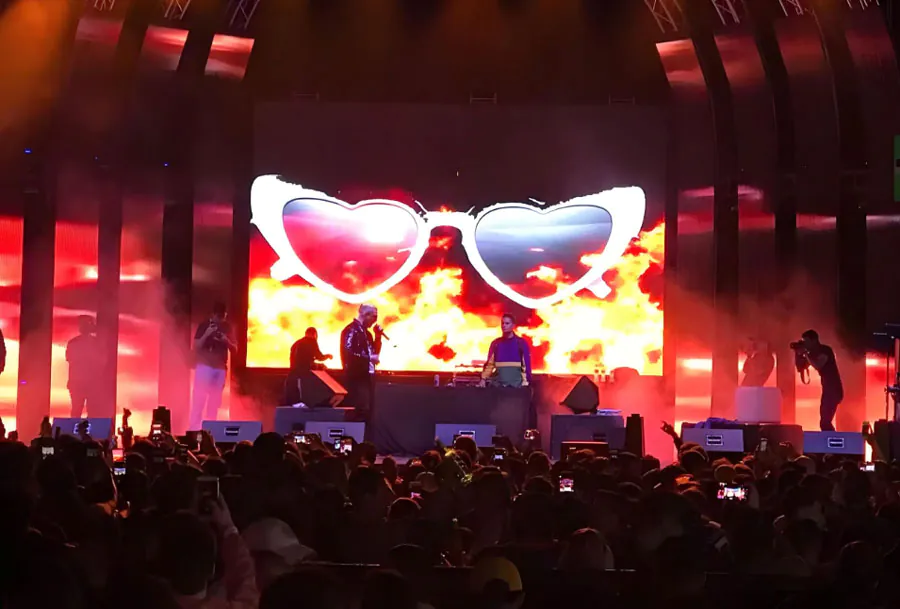
Events depend on visibility, timing, atmosphere, and audience engagement. A Large LED Video Wall for Events & Commercial Applications can support all four by presenting live camera feeds, presentations, branding, sponsor graphics, social media content, performance visuals, schedules, and wayfinding information from one central display platform.
For event environments, the planning process should begin with the audience. A display that looks impressive from the front row may appear unclear from the back of a large venue if it is undersized or uses an unsuitable pixel pitch. Likewise, an LED wall designed for an outdoor festival must deliver substantially higher brightness than one used inside a hotel ballroom.
Match Screen Size to Venue Dimensions
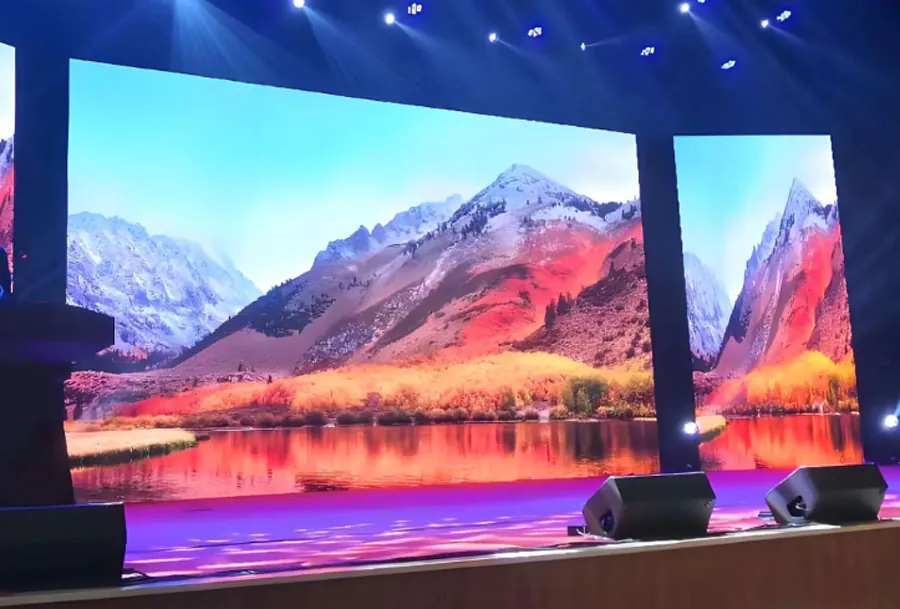
The ideal screen size depends on the room layout, audience capacity, and content type. Presentation-heavy conferences need text that remains readable from the most distant seats. Concerts and sporting events need large visuals that can be seen quickly from many angles. Trade show booths need displays that attract attendees without overwhelming a compact floor plan.
A practical planning process includes:
– Measuring the maximum viewing distance.
– Identifying the closest expected viewing distance.
– Reviewing seating angles and potential obstructed views.
– Confirming ceiling height, stage space, rigging points, and load limits.
– Determining whether the display will be ground-supported, flown, wall-mounted, or installed on a custom structure.
– Allowing adequate room for processors, power distribution, cabling, and technical access.
As a general rule, larger venues benefit from larger displays and wider pixel pitch, while intimate indoor spaces often require finer pixel pitch for close viewing. A display with overly large pixels can look coarse when guests stand nearby, while an unnecessarily fine-pitch screen can increase cost without producing a meaningful improvement at long distances.
Design Content for LED, Not Just Any Screen
LED walls have different characteristics than projection screens, desktop monitors, or printed signage. Content must be produced with the display resolution and canvas ratio in mind. For example, a wide stage screen may use a custom ultrawide layout, while a retail wall may use a portrait orientation.
Event content should prioritize:
– Large, high-contrast typography.
– Simple layouts that remain readable at a distance.
– Video files optimized for the processor and playback system.
– Brand colors that remain consistent under high-brightness LED output.
– High-resolution photographs and motion graphics.
– Clear safe areas around important text and logos.
Testing content before the event is essential. The production team should review every video, slide deck, live camera input, and transition on the actual LED configuration whenever possible. This prevents scaling problems, unexpected cropping, weak contrast, or unreadable text during the live program.
Create Redundancy for Critical Events
For a keynote presentation, product launch, live broadcast, or major entertainment event, display failure can disrupt the entire program. The most dependable setups include spare receiving cards, modules, power supplies, signal cables, processors, and backup playback equipment.
A qualified technical team should also establish a clear show-flow process. This includes identifying who controls the content, who manages live camera feeds, how presentation handoffs occur, and what happens if a primary source fails. Event success depends as much on preparation and technical coordination as it does on display quality.
Large LED Video Wall for Events & Commercial Applications: Commercial Uses
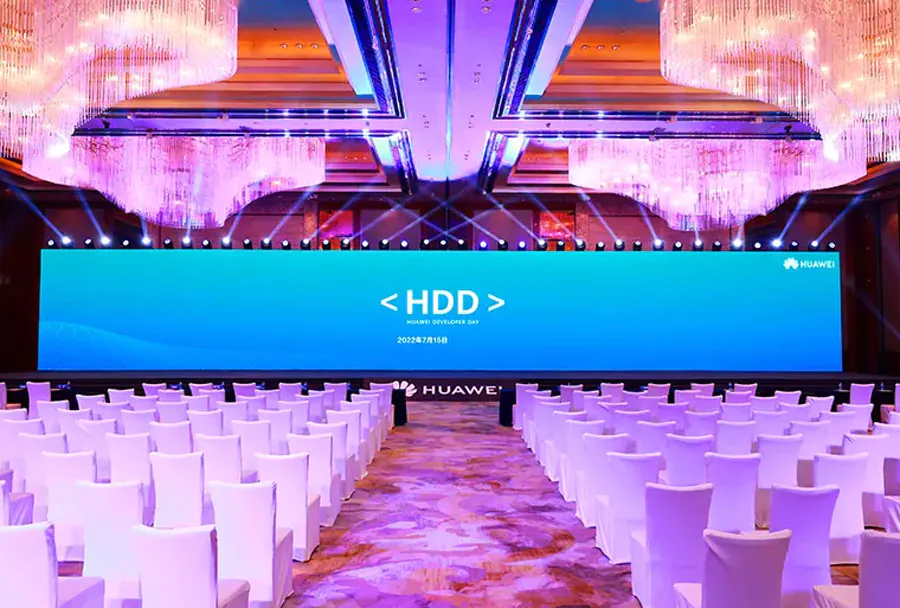
A Large LED Video Wall for Events & Commercial Applications can be a permanent business asset rather than a one-time event expense. Commercial organizations use LED displays to improve customer experiences, strengthen brand visibility, communicate operational information, and create premium environments.
Unlike static signage, LED technology gives teams the ability to update messaging immediately. A retailer can promote changing offers throughout the day. A corporate office can share announcements, data dashboards, and company news. A transportation hub can publish live arrival information. A venue can adjust advertising and wayfinding based on the current event schedule.
Retail Stores and Shopping Centers
Retail environments benefit from motion, brightness, and visual scale. LED walls can be used in storefront windows, entrance displays, feature walls, fitting-room areas, and product launch zones. High-quality digital displays help retailers create a more immersive brand environment and make promotions easier to update.
Retail LED installations should account for ambient light, especially in malls and storefronts exposed to daylight. Brightness must be strong enough to maintain visibility without causing glare or making the space uncomfortable for shoppers. Content should also be refreshed regularly, since repetitive or outdated messaging quickly loses impact.
Corporate Offices and Lobbies
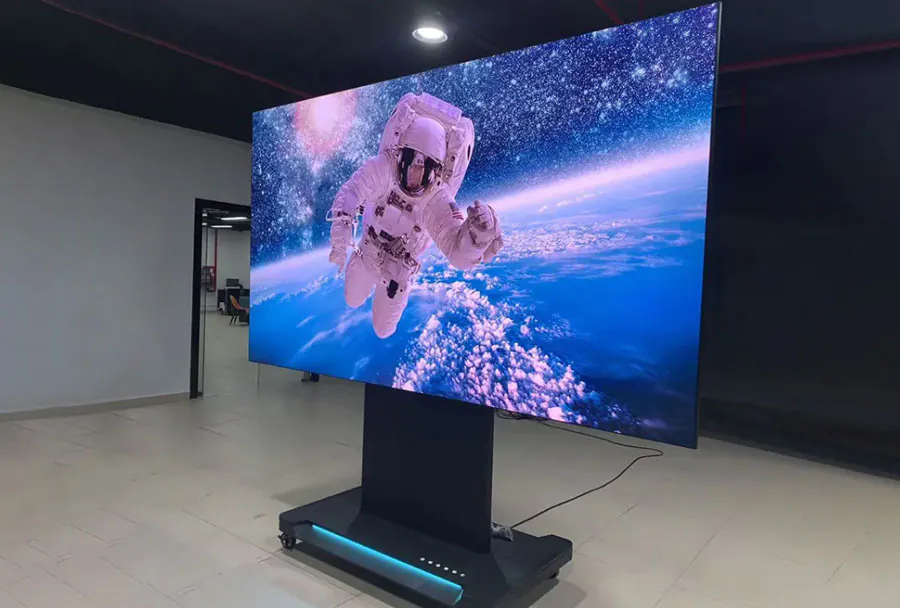
Corporate environments increasingly use LED walls in reception areas, executive briefing centers, training rooms, collaboration spaces, and auditoriums. These installations can display brand storytelling, visitor information, digital art, meeting schedules, company performance data, or live news feeds.
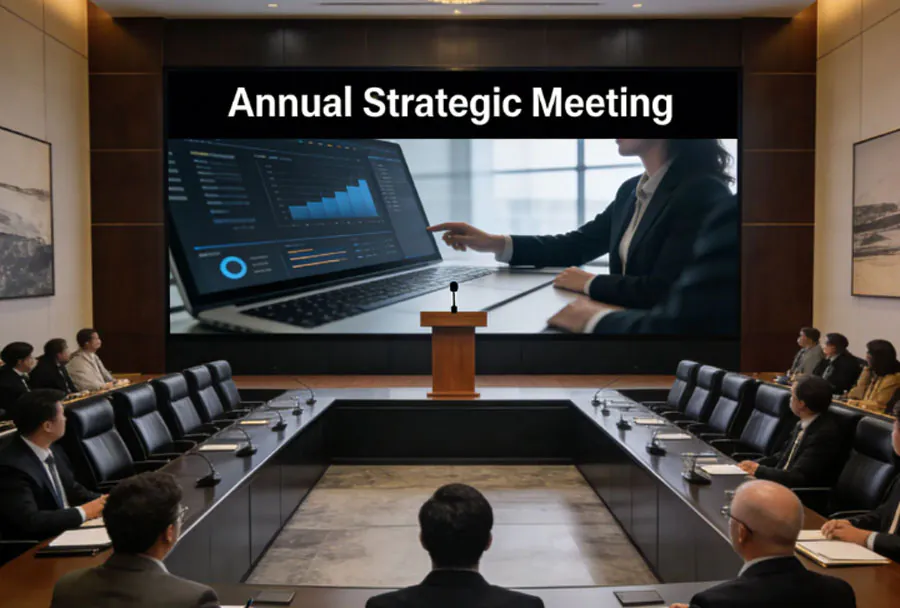
For boardrooms and briefing centers, image quality matters as much as scale. Fine-pitch LED displays can replace projector systems while avoiding shadows, lamp replacements, and limitations caused by ambient light. They also create a seamless presentation surface that supports videoconferencing, presentations, and interactive data visualization.
Hospitality, Entertainment, and Public Venues
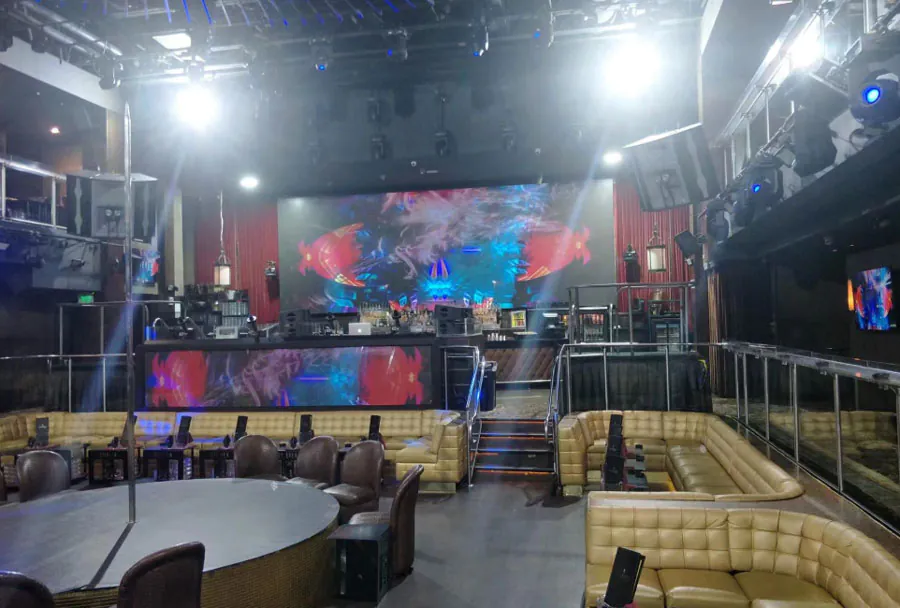
Hotels, casinos, restaurants, museums, theaters, sports venues, and entertainment districts use LED walls to make information more visible and experiences more dynamic. A hotel may use an LED display for event listings and digital art. A sports venue may use it for scores, replays, advertising, and crowd engagement. A museum may use it for immersive educational installations.
In these locations, the display must fit the character of the environment. Premium hospitality spaces may require fine-pitch LED surfaces with quiet operation and refined cabinet finishes. Outdoor entertainment areas may need weather-resistant panels, higher brightness, and rugged structural support.
Command Centers and Operations Rooms
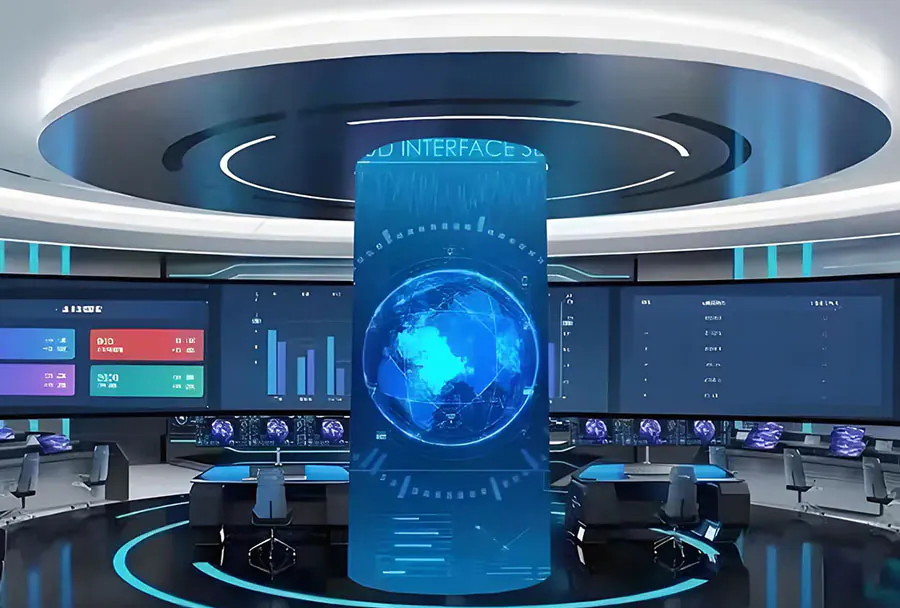
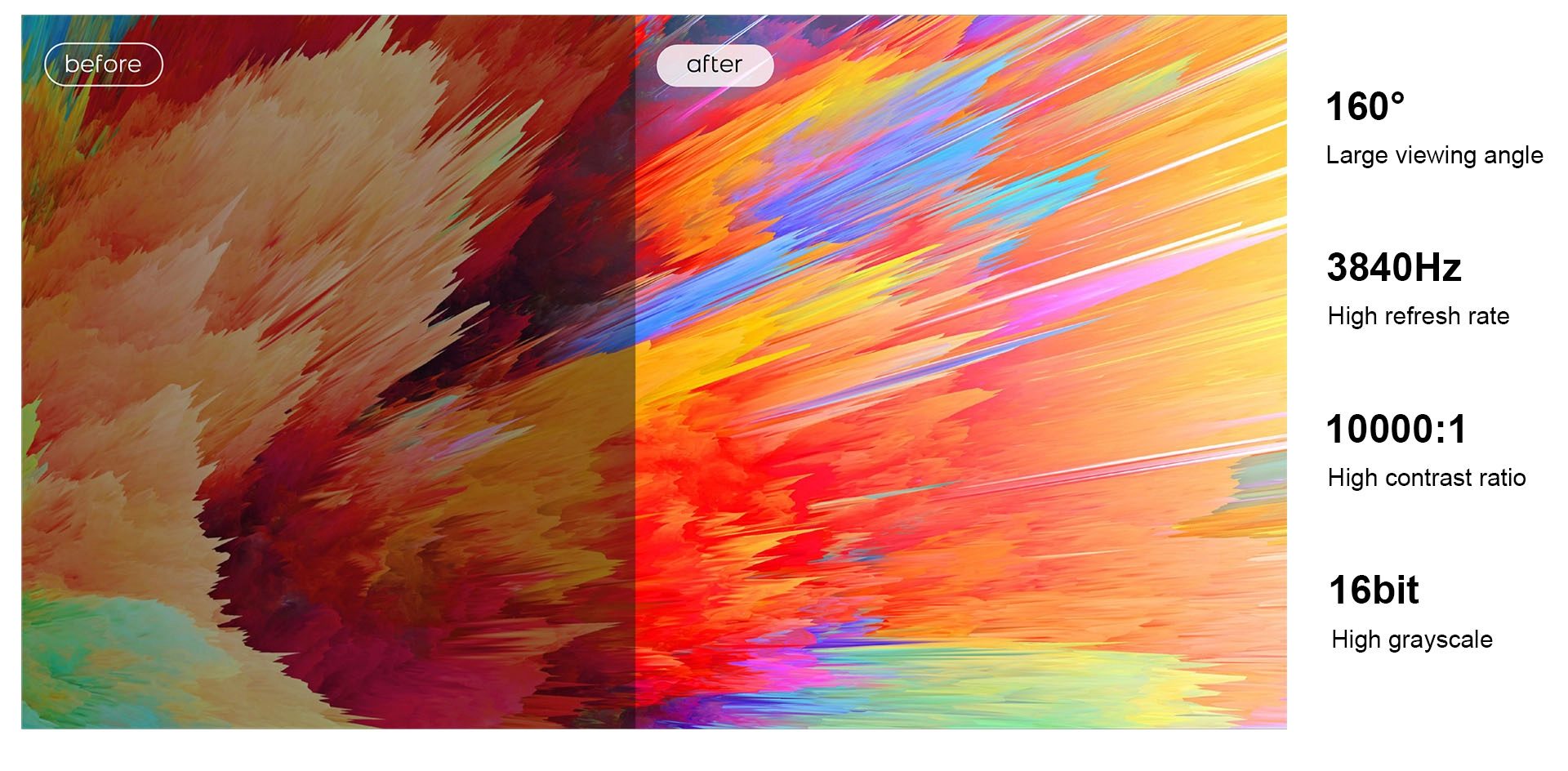
Operations centers rely on real-time information. Security teams, utilities, emergency response departments, manufacturing plants, and logistics companies use LED walls to monitor dashboards, video feeds, maps, alerts, and operational data.
These installations prioritize reliability, uptime, color consistency, low maintenance requirements, and flexible signal management. The display must support multiple sources at once and allow operators to change layouts quickly. In many cases, a video wall controller is as important as the panels themselves because it determines how content is routed, scaled, and managed.
Large LED Video Wall for Events & Commercial Applications: Technical Selection
Selecting a Large LED Video Wall for Events & Commercial Applications requires a clear understanding of the technical specifications that affect visual performance and long-term reliability. The best choice is not always the highest-resolution option. It is the option that fits the audience, environment, content, budget, and operating schedule.
Pixel Pitch and Viewing Distance
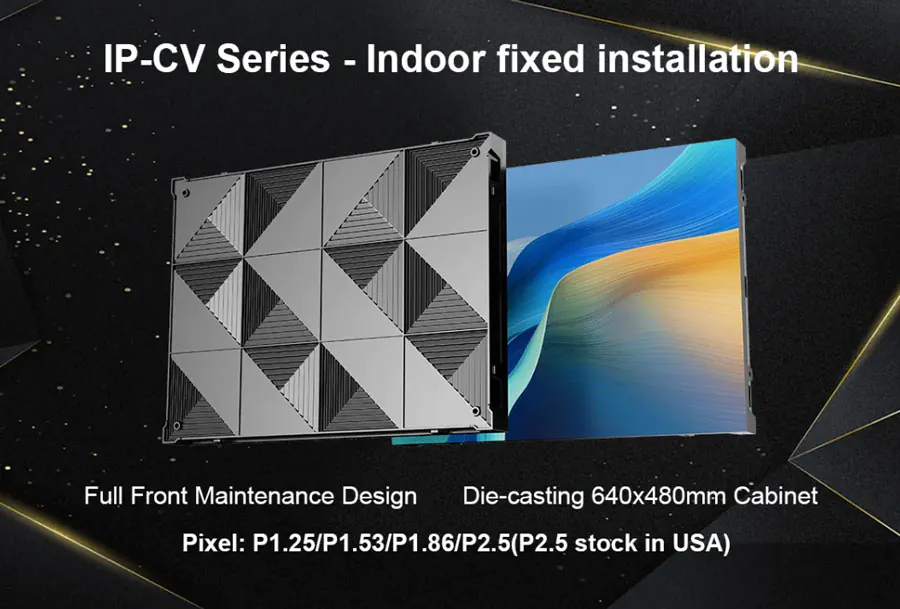
Pixel pitch refers to the distance, measured in millimeters, between LED pixels. A smaller pixel pitch creates a higher pixel density and a sharper image at close range. A larger pixel pitch is usually more suitable for viewers standing farther away.
Fine-pitch LED walls are often used in:
– Boardrooms and executive spaces.
– Retail interiors.
– Broadcast studios.
– Control rooms.
– Museum exhibits.
– Conference venues with close seating.
Larger-pitch LED walls are often used in:
– Outdoor festivals.
– Stadiums and arenas.
– Large concert venues.
– Building facades.
– Highway-visible signage.
– Distant audience environments.
The most important question is not simply, “What is the smallest pixel pitch available?” Instead, ask, “How close will viewers stand, and what content must they read?” A display used primarily for video and bold graphics can tolerate a larger pixel pitch than one used for spreadsheets, detailed dashboards, or small presentation text.
Brightness and Contrast
Brightness is generally measured in nits. Indoor LED walls often operate at lower brightness levels because controlled lighting reduces the need for intense output. Outdoor LED walls require much higher brightness to compete with direct sunlight.
However, excessive brightness can create eye strain, washed-out colors, and unnecessary energy use. A well-designed installation includes brightness controls that adjust output based on ambient conditions and operating hours. This helps preserve visual comfort, reduce power consumption, and extend LED lifespan.
Contrast also affects perceived image quality. Deep blacks, accurate color calibration, and controlled reflection are particularly important for indoor commercial installations. In high-end applications, black-face LEDs, cabinet design, and surface treatment can significantly improve visual depth.
Refresh Rate and Camera Performance
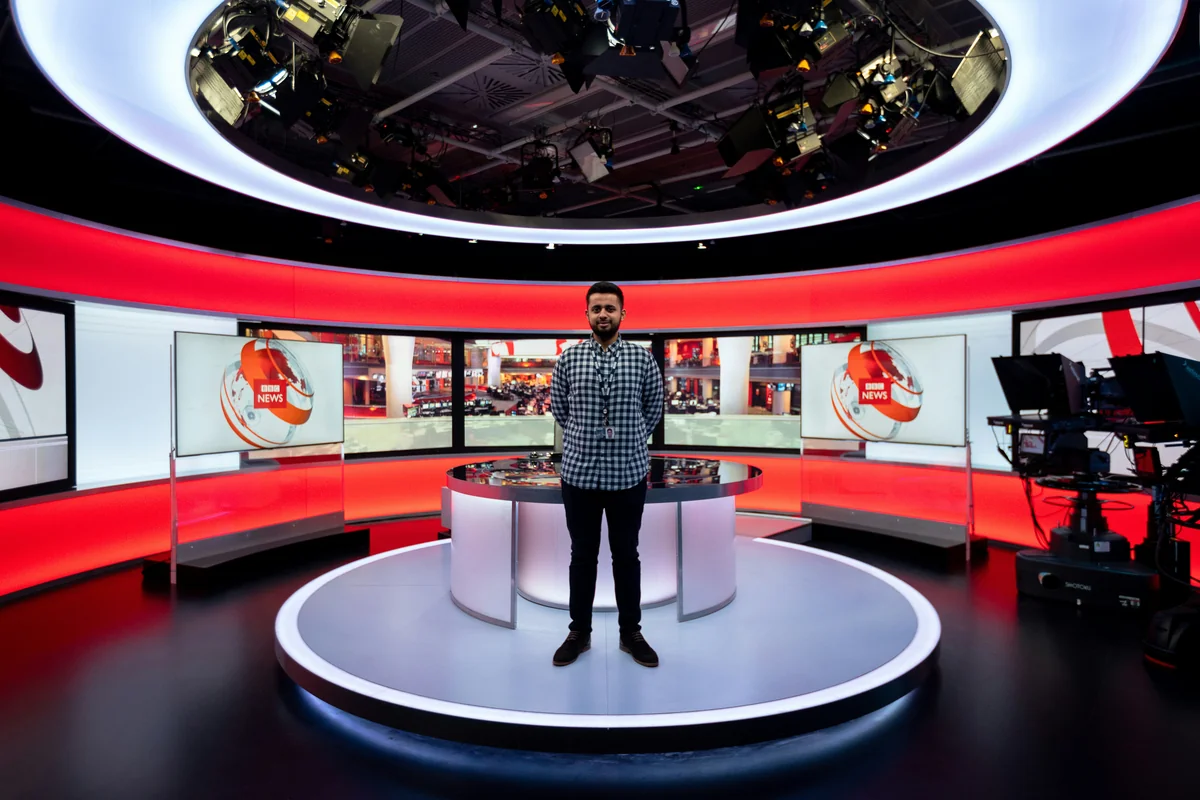
Refresh rate determines how frequently the LED wall updates its image. This is particularly important for live events, broadcast production, and any environment where cameras will record or stream the display.
A low refresh rate can produce flicker, scan lines, or uneven brightness when captured on camera. High refresh-rate LED products are better suited for presentations with live camera feeds, virtual events, television production, and social media content creation.
Before purchasing, confirm that the LED wall is compatible with the cameras, switchers, processors, and production workflow being used. Testing the system under actual lighting and camera settings is preferable to relying solely on specification sheets.
Indoor, Outdoor, and Rental-Grade Construction
Not every LED cabinet is built for the same environment. Permanent indoor installations may use thinner, lighter cabinets that prioritize image quality and seamless appearance. Outdoor displays require weather protection, robust cooling, higher brightness, and resistance to dust and moisture.
Rental-grade LED products are designed for fast assembly and repeated transport. They often include quick-lock systems, protective corners, lightweight cabinets, and flexible rigging options. These features are useful for touring, exhibitions, corporate events, and production companies that install and remove walls frequently.
Choosing the wrong construction type can lead to unnecessary maintenance, poor performance, or installation challenges. The physical design of the wall should match the actual operating environment.
Large LED Video Wall for Events & Commercial Applications: Buying and Deployment
A Large LED Video Wall for Events & Commercial Applications should be evaluated as a complete system. The panels are only one part of the final solution. A successful deployment also includes mounting, processing, power, networking, ventilation, content workflows, training, and service support.
Start With a Defined Business Objective
Before requesting quotes, define what the display must accomplish. Common objectives include increasing foot traffic, improving audience engagement, supporting presentations, selling advertising inventory, sharing operational data, or creating a premium customer experience.
This objective affects nearly every specification. A retail display focused on visual impact may prioritize brightness and color. A control-room display may prioritize fine pixel pitch, uptime, and multi-source control. An event display may prioritize fast installation, modularity, and rental durability.
A clear brief should include:
– Intended location and available installation space.
– Indoor or outdoor conditions.
– Audience size and viewing distances.
– Primary content types.
– Operating hours.
– Required inputs and source devices.
– Structural or mounting requirements.
– Budget range for equipment, installation, and support.
– Desired timeline.
Compare Total Cost of Ownership
The purchase price is important, but it should not be the only consideration. Total cost of ownership includes installation, engineering, structural work, electrical upgrades, content management, preventive maintenance, spare parts, and energy consumption.
A lower-cost LED product may become expensive if replacement modules are difficult to obtain, calibration is inconsistent, service support is weak, or the system consumes excessive power. Established suppliers should provide clear warranty terms, recommended spare-part quantities, technical documentation, and response expectations for service issues.
For permanent installations, ask how the supplier will support the wall after commissioning. For rental inventory, ask about repairability, replacement lead times, cabinet compatibility, and the availability of matching panels in the future.
Plan Power, Data, and Structural Requirements
LED walls require professional electrical and structural planning. Larger displays can consume substantial power, particularly at high brightness. A qualified installer should calculate circuits, load distribution, cable paths, ventilation, grounding, and backup requirements.
The structure must safely support the total weight of cabinets, frames, rigging hardware, processors, and accessories. For flown event walls, this often requires approval from venue rigging professionals. For permanent installations, wall reinforcement or custom mounting structures may be necessary.
Data routing also deserves careful attention. Signal paths should be designed to minimize failure points and provide appropriate redundancy. Networked content systems should be secured, especially in public-facing commercial environments where unauthorized access could create operational or reputational risk.
Train the Operating Team
Even the most advanced display will underperform if staff cannot manage it confidently. Training should cover startup and shutdown procedures, brightness adjustments, basic troubleshooting, content scheduling, input selection, emergency procedures, and escalation contacts.
For commercial installations, assign clear ownership. One person or department should be responsible for content quality, while another may oversee technical maintenance. This prevents outdated content, inconsistent messaging, and delayed responses to display issues.
Frequently Asked Questions About Large LED Video Wall for Events & Commercial Applications
What size LED wall is best for an event?
The best Large LED Video Wall for Events & Commercial Applications depends on the venue size, audience distance, screen purpose, and available budget. For presentations, prioritize readable text from the furthest seat. For concerts or large public events, prioritize overall screen scale and visibility across wide viewing angles. A site survey and audience-distance calculation provide a more reliable answer than choosing a standard size.
Is an LED wall better than a projector?
A Large LED Video Wall for Events & Commercial Applications is often better than a projector in bright environments because it produces stronger brightness, higher contrast, and more consistent visibility. LED walls also avoid shadows caused by presenters walking in front of a projector. Projectors may still be suitable for smaller budgets, temporary installations, or spaces where a large LED display is impractical.
How long does an LED video wall last?
A Large LED Video Wall for Events & Commercial Applications can operate for many years when properly specified and maintained. Actual lifespan depends on LED quality, operating brightness, daily run time, environmental conditions, cooling, power stability, and maintenance practices. Lower brightness settings and routine inspections can help extend useful operating life.
Can LED video walls be used outdoors?
Yes, a Large LED Video Wall for Events & Commercial Applications can be used outdoors when it is designed for weather exposure. Outdoor models typically include high brightness, weatherproof enclosures, robust cabinets, sealed connections, and appropriate ingress-protection ratings. The installation must also address wind load, drainage, electrical safety, structural support, and local regulations.
Large LED Video Wall for Events & Commercial Applications: Conclusion
A Large LED Video Wall for Events & Commercial Applications can transform how organizations communicate with audiences, customers, employees, and visitors. Its value comes from more than visual scale. The right solution improves visibility, supports flexible content, strengthens brand presence, and provides a platform that can adapt to changing operational needs.
The strongest results come from careful planning. Define the audience, viewing distance, environment, content requirements, technical specifications, and long-term support expectations before selecting a product. By treating the display as a complete system rather than a standalone screen, businesses and event teams can create an LED installation that performs reliably, looks professional, and delivers measurable value over time.
Related Articles
- mobile led screen rental: 5 Best for Events and Promotions
- flexible transparent led screen: 6 Best for Modern Displays
- led screen panel: Complete Buyer & Usage Guide: Expert Guide