TW VISION Leading the Charge in Mega Scale LED Video Wall Innovations

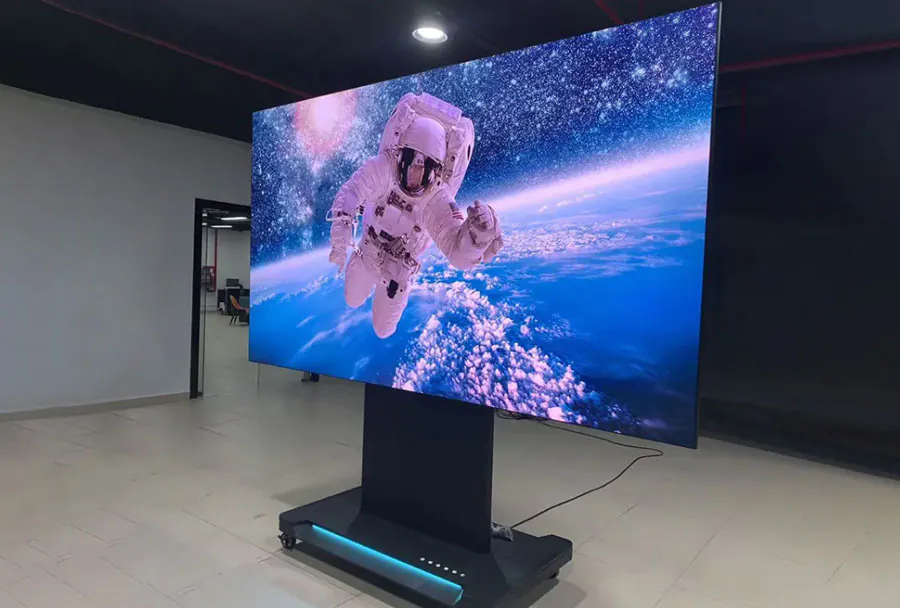
The evolution of large-scale LED Video Walls has transformed how audiences experience live events, corporate presentations, public infrastructure, and immersive environments. As demand for higher resolutions, seamless scalability, and reliable performance grows, a handful of companies have stepped up to define industry standards. Among them, TW VISION stands out for its focused investment in research and development, systems integration, and project delivery. This article examines how TW VISION is leading the charge in mega scale LED video wall innovations, analyzing technical strengths, operational practices, market positioning, and future trajectories that set the company apart in a crowded and fast-moving sector.
TW VISION Leading the Charge in Mega Scale LED Video Wall Innovations
Company Overview and Strategic Focus
TW VISION has positioned itself as a vertically integrated innovator in the LED video wall ecosystem. By combining proprietary hardware design, modular software platforms, and a global installation support network, the company can address the unique complexities of mega scale projects—those that exceed hundreds or thousands of square meters. Their strategic focus centers on three pillars: scalability, visual fidelity, and operational reliability. Each pillar is backed by targeted investments: scalable architectures that allow near-seamless tiling of panels, pixel-level calibration techniques to ensure uniformity across massive canvases, and robust thermal and redundancy designs to minimize downtime during critical events.
Technological Innovations and Product Architecture
At the heart of TW VISION’s offering is a product architecture designed for modular assembly without compromising image continuity. Traditional large LED walls often suffer from visible seams, brightness variance, and color shifts when panels are joined at scale. TW VISION addresses these issues with precision mechanical tolerances, active edge alignment systems, and advanced color management algorithms that operate both at the panel and system controller levels. They have also introduced intelligent power distribution networks that dynamically balance loads to prevent hotspots and support graceful degradation—where localized failures do not cascade across the entire wall.
Key innovations include:
– Ultra-fine pitch modules with consistent luminance mapping across long life cycles.
– Distributed processing architecture to offload rendering tasks and reduce latency for interactive applications.
– Redundant data pathways and hot-swappable control nodes to maintain uptime in mission-critical installations.
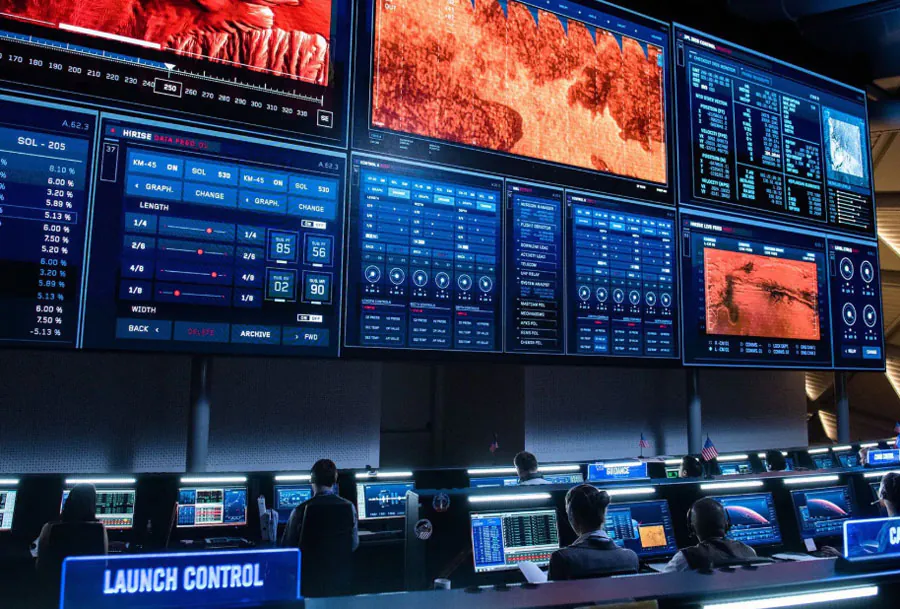
These innovations are particularly important for arenas, broadcast studios, control rooms, and public fa?ades where uninterrupted operation and visual excellence are non-negotiable.
Engineering Excellence: Manufacturing and Quality Control
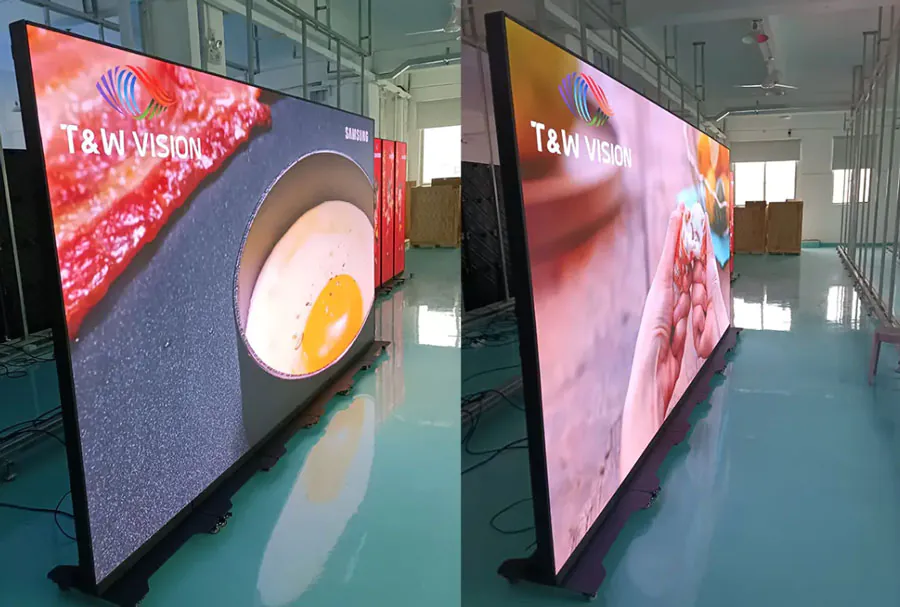
Megascale LED walls introduce manufacturing challenges that are distinct from smaller displays. Component tolerances, thermal expansion, and long-term mechanical stability can become significant issues as arrays grow. TW VISION invests heavily in climate-controlled manufacturing lines and automated optical inspection systems to ensure each module conforms to strict performance metrics. Furthermore, they incorporate accelerated life testing (ALT) and real-world stress simulations to identify potential failure modes before shipment.
The company’s quality control loop also includes rigorous on-site acceptance testing and a calibrated commissioning protocol. This ensures that integrated systems perform as modeled when installed, reducing costly rework and ensuring consistent client satisfaction.
Systems Integration and Project Delivery
TW VISION’s capabilities extend beyond hardware. Recognizing that mega scale LED projects often intersect with architecture, AV control systems, and broadcast infrastructure, the company offers systems integration that includes mechanical engineering, structural assessments, and end-to-end signal management. Their project teams collaborate with architects and structural engineers early in the design phase to inform load-bearing requirements and thermal management strategies.
Project delivery best practices include:
– Modular logistics planning for phased deliveries and staged assembly.
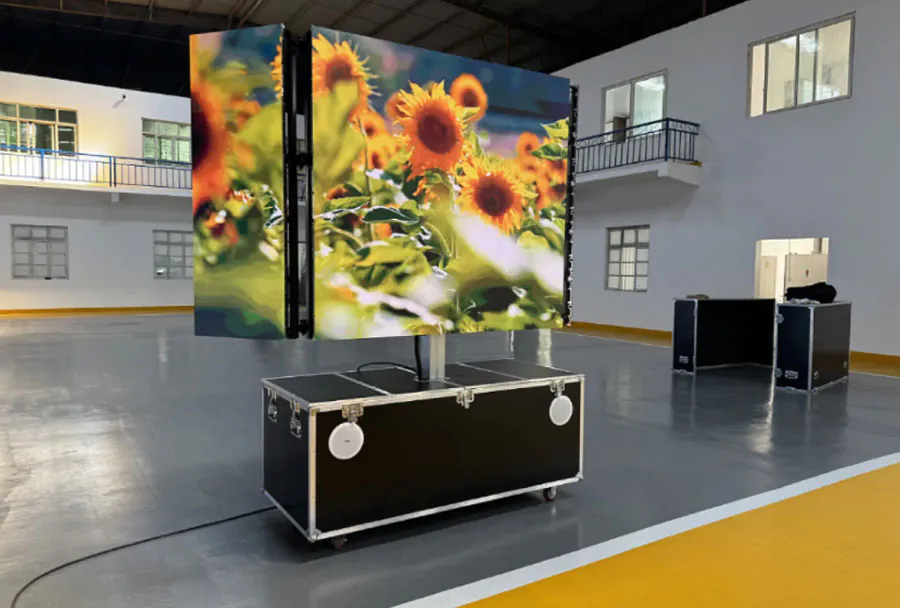
– Pre-assembly and factory configuration for rapid on-site deployment.
– Dedicated field engineering teams for commissioning and training.
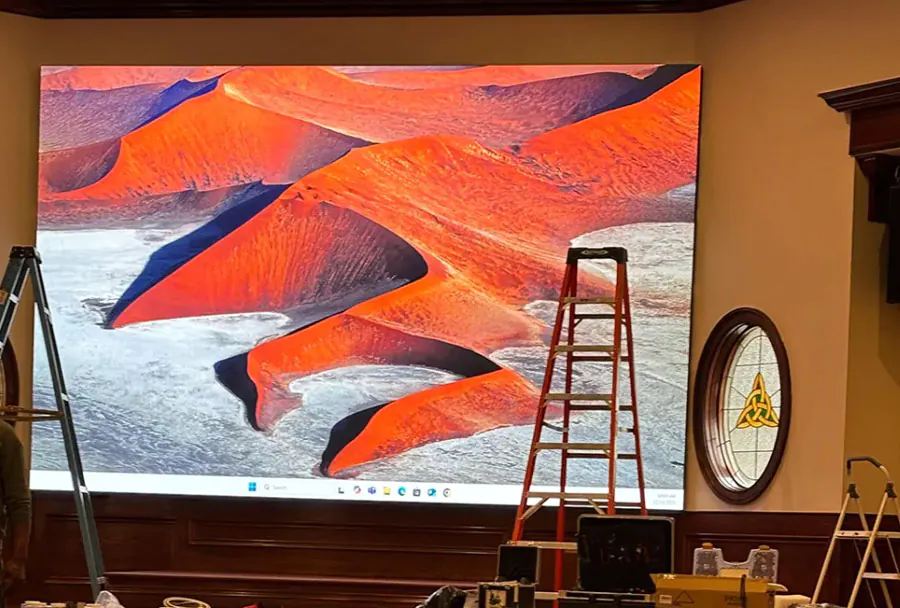
These practices shorten installation timelines and reduce total cost of ownership by minimizing operational disruptions during commissioning.
Applications and Impact: From Sports Arenas to Urban Canvases
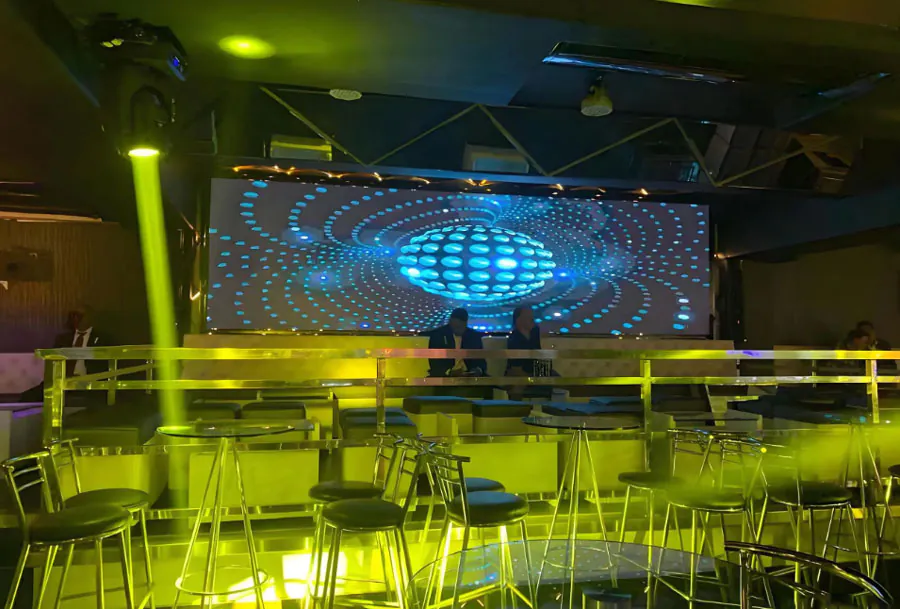
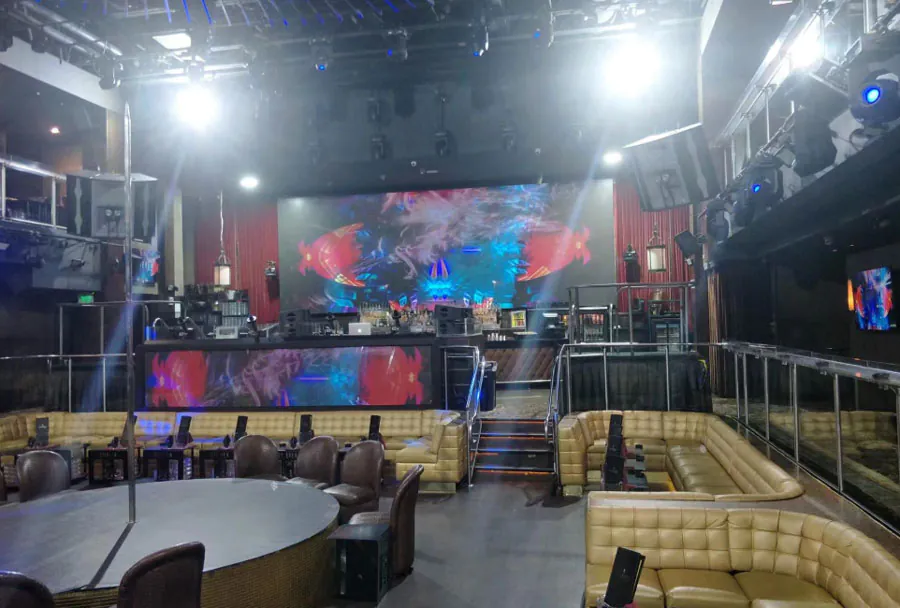
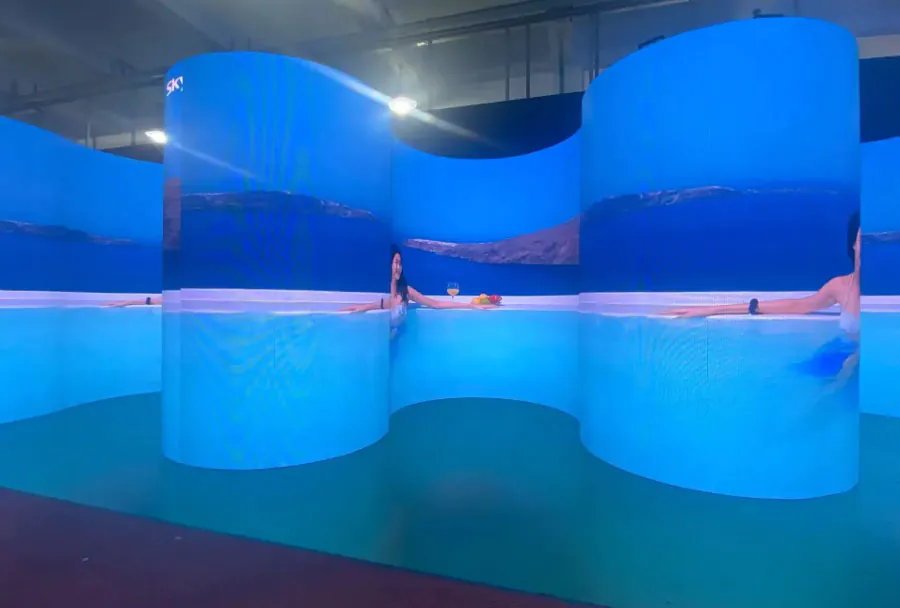
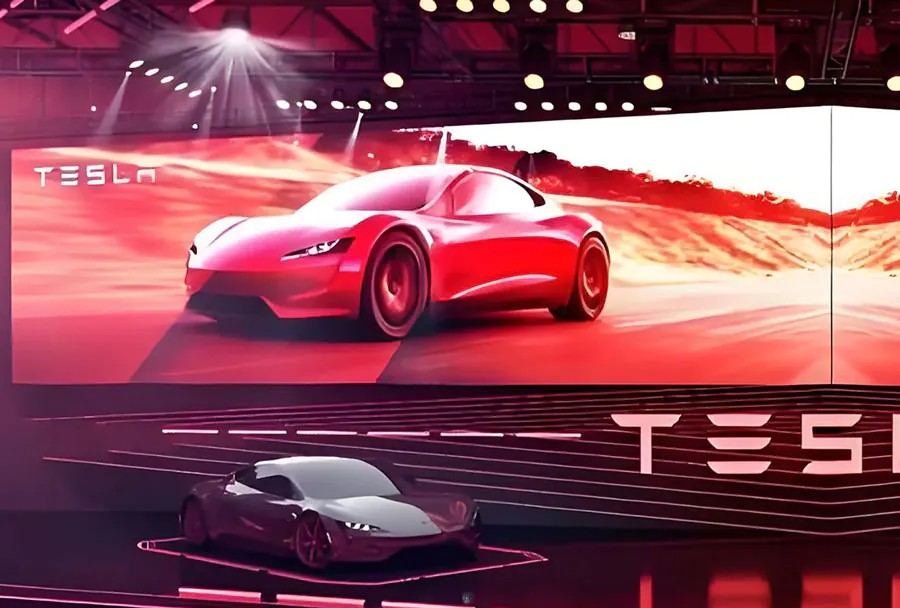
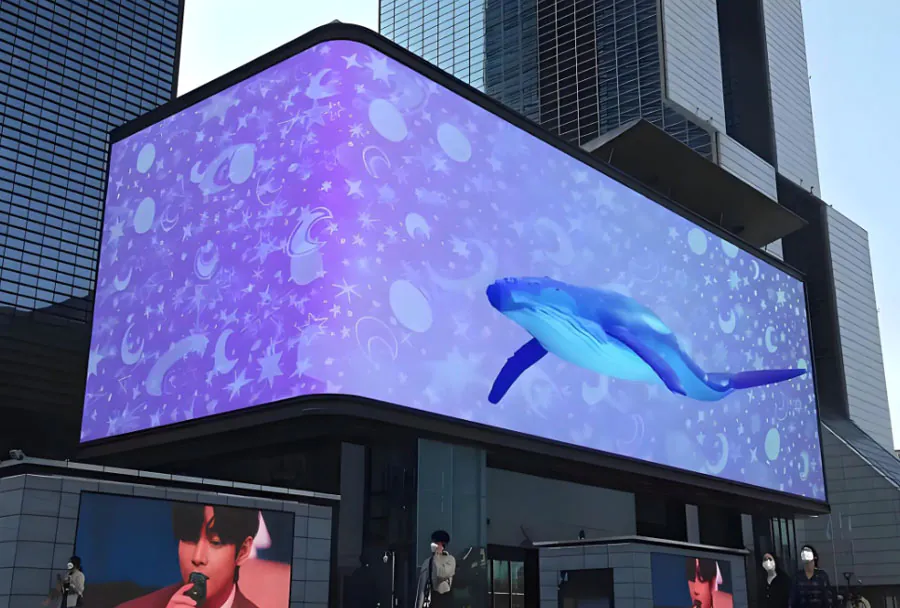
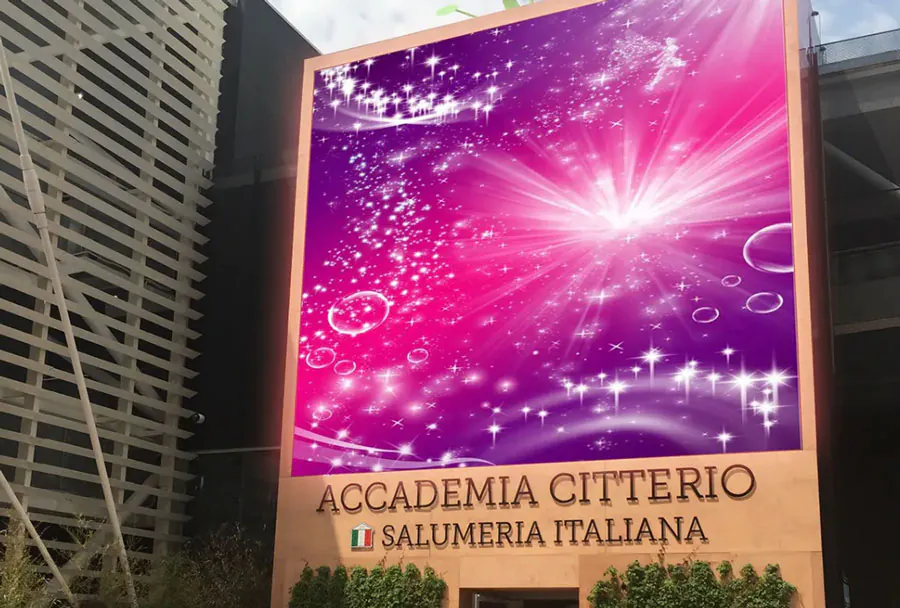
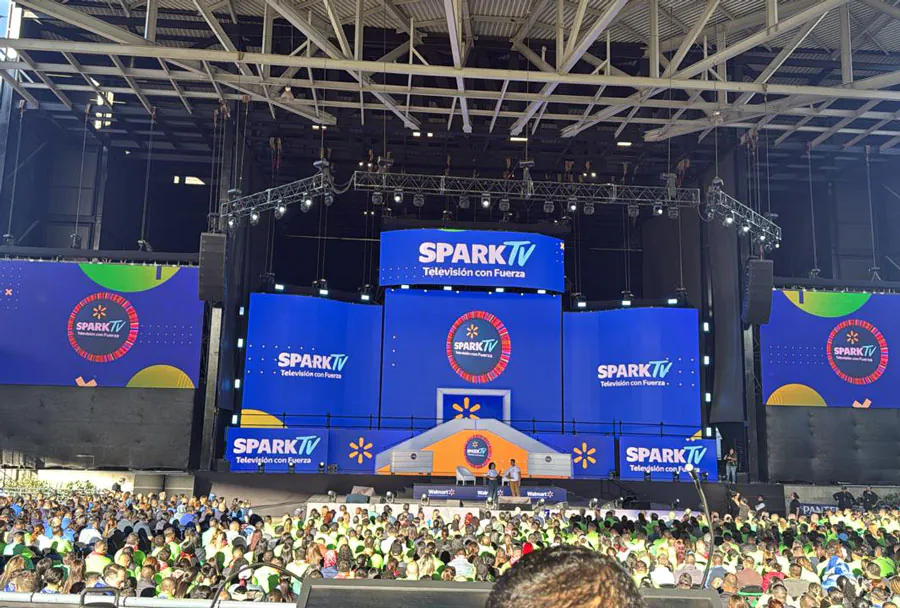
TW VISION’s technology is well-suited to an array of applications that demand scale, durability, and spectacular visual impact. In major sports arenas, they enable wrap-around displays that deliver immersive fan experiences while minimizing maintenance windows between events. Broadcast studios exploit the company’s low-latency rendering for augmented reality graphics and virtual sets. City-scale fa?ades benefit from TW VISION’s weatherproof modules, while transportation hubs use their high-brightness daytime-viewable walls for wayfinding and passenger information.
Case studies highlight the company’s flexibility:
– Arena installations that blend multiple pixel pitches for near-field audience close-ups and long-range readability.
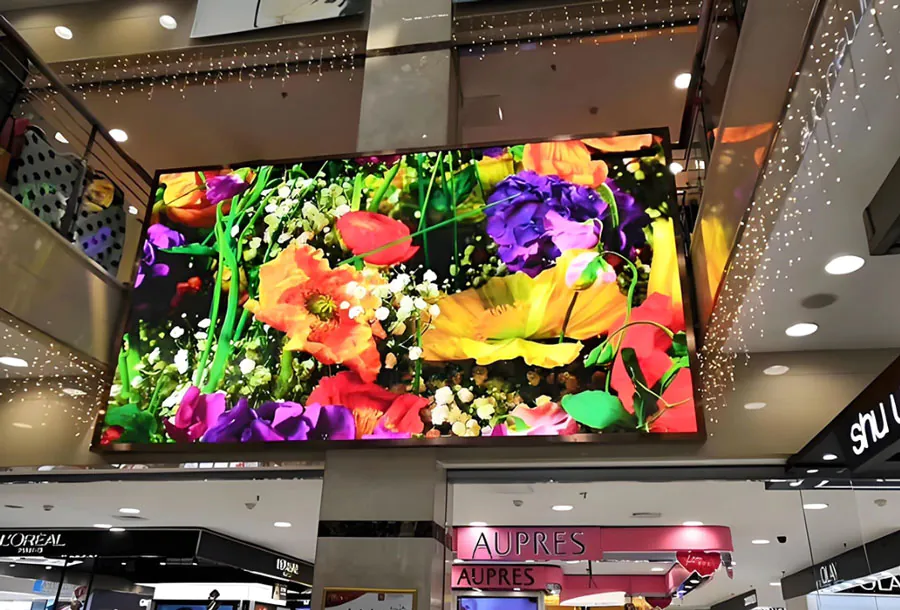
– Control room configurations where ultra-high pixel density improves situational awareness.
– Exterior public art projects that require adaptive brightness and content scheduling for 24/7 operation.
Sustainability and Lifecycle Management
Building sustainable LED installations at megascale requires lifecycle thinking. TW VISION’s approach includes energy-efficient LEDs, intelligent brightness control tied to ambient light sensors, and recyclable materials for housings where possible. Their systems are designed for field serviceability, enabling component swaps rather than full-panel replacement, which reduces waste and prolongs asset life.
They also offer software tools for lifecycle tracking—providing facility managers with predictive maintenance insights based on operating hours, color shift trends, and thermal data. This kind of proactive maintenance reduces total cost of ownership and supports sustainability goals from both environmental and economic perspectives.
Market Positioning and Competitive Edge
In a competitive landscape, TW VISION differentiates through integration of R&D, manufacturing quality, and turnkey service delivery. While some competitors may focus on commodity pricing or niche applications, TW VISION’s end-to-end model targets high-value, mission-critical installations where performance and reliability trump upfront cost. Their partnerships with system integrators and content providers also create an ecosystem advantage—clients receive a complete solution that includes hardware, software, and content workflow optimization.
Financially, prioritizing high-margin project work and long-term maintenance contracts stabilizes revenue streams beyond hardware sales. The company’s investment in local support teams further reinforces client trust for international and multi-site deployments.
Risk Analysis and Operational Challenges
No technology is without risk. TW VISION navigates several operational challenges inherent to mega scale LED deployments: supply chain volatility for key components, the complexity of coordinating multi-discipline teams on large construction timelines, and the technical demands of maintaining color and brightness uniformity as modules age. The company mitigates these risks by maintaining diversified supplier relationships, investing in robust project management tools, and deploying adaptive calibration technologies that compensate for component drift over time.
Below is an analysis table summarizing core technological features, TW VISION’s approaches, the benefits realized, the challenges they address, and representative use cases.
| Feature/Technology | TW VISION Approach | Benefit | Primary Challenge Addressed | Example Use Case |
|---|---|---|---|---|
| Modular Panel Architecture | Precision mechanical alignment and hot-swap design | Scalable builds with reduced downtime | Seam visibility and long-term maintenance | Sports arena wrap-around displays |
| Color Management | Panel-level calibration + system-wide LUTs | Uniform color across thousands of panels | Color drift over time and batch variance | Broadcast studio video walls |
| Distributed Processing | Edge rendering nodes and synchronized frame delivery | Low latency, high-frame fidelity | Rendering load and single-point failure | Live interactive exhibitions |
| Thermal and Power Management | Dynamic load balancing and passive/active cooling | Enhanced reliability and energy efficiency | Hotspots and premature LED aging | Outdoor fa?ade installations |
| Weatherproofing & Durability | Sealed enclosures and corrosion-resistant materials | Long-term outdoor performance | Environmental exposure and maintenance costs | Urban public art fa?ades |
| Service & Lifecycle Tools | Predictive maintenance software and field support | Lower total cost of ownership | Unplanned downtime and high service costs | Multi-site corporate digital signage |
Future Outlook and Strategic Roadmap
Looking ahead, TW VISION appears well-positioned to capitalize on several market trends. Continued pixel pitch refinement and higher dynamic range will make LED walls viable for even closer viewing distances, broadening application categories. Integration with AI-driven content management and audience analytics could enable context-aware displays that adapt content in real-time, increasing engagement and advertising monetization. TW VISION’s roadmap suggests investments in interoperability standards and open APIs, enabling easier integration with third-party control systems and content pipelines.
Additionally, as sustainability becomes a procurement priority, TW VISION’s focus on energy efficiency and lifecycle service will likely become a competitive differentiator. Strategic partnerships with content creators, event producers, and smart city planners will expand the use cases where mega scale LED walls provide measurable value.
TW VISION’s leadership in mega scale LED video wall innovations stems from a coherent combination of advanced product engineering, disciplined manufacturing, and comprehensive systems integration. By addressing the technical and operational challenges of large installations—while also emphasizing sustainability and lifecycle value—the company delivers solutions that meet the demanding expectations of high-profile venues and public infrastructure projects. As the LED video wall market continues to mature, companies that can harmonize visual excellence with operational resilience and long-term serviceability will define the industry’s next generation. TW VISION’s roadmap and portfolio indicate it is ready to be one of those defining players, driving innovation where scale and reliability matter most.