Why TW VISION Leads the Market in High Brightness Outdoor Digital Display Technology

Outdoor environments present a uniquely demanding set of challenges for digital displays: intense sunlight, wide temperature swings, moisture, dust, and the expectation of uninterrupted, consistent performance. Meeting these demands requires more than scaling up brightness—it calls for integrated design across optics, electronics, thermal engineering, and service ecosystems. TW VISION has emerged as a market leader in high brightness outdoor digital display technology by addressing these multidimensional challenges with a thorough, systems-level approach.
Why TW VISION Leads the Market in High Brightness Outdoor Digital Display Technology
Engineering for True Daylight Visibility
High brightness is often discussed purely as a numeric target—how many nits a display can produce—but visibility in sunlight depends on contrast, anti-reflection, optical layering, and adaptive control as much as on peak luminance. TW VISION’s displays combine high-output LEDs (often exceeding 7,000–10,000 nits in peak modes) with precision-engineered secondary optics and low-reflection front media. The result is a visual performance optimized for perceived contrast rather than raw brightness alone. By reducing surface reflections and funneling more emitted light toward the viewer’s angle, TW VISION achieves better legibility at lower average power levels than competitors that rely solely on brute-force increased drive current.
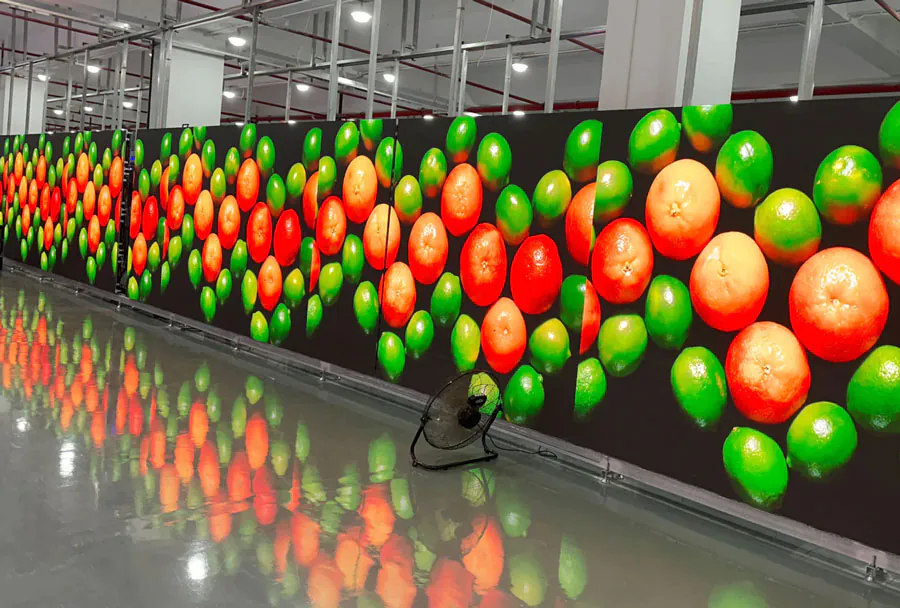
TW VISION also places significant emphasis on color accuracy and uniformity at high luminance. Using factory-calibrated color mapping and multi-point gamma correction, their displays maintain consistent chromaticity across large panels and over time, avoiding the washed-out appearance that can plague poorly tuned high-brightness systems.
Advanced Thermal Management and Long-Term Reliability
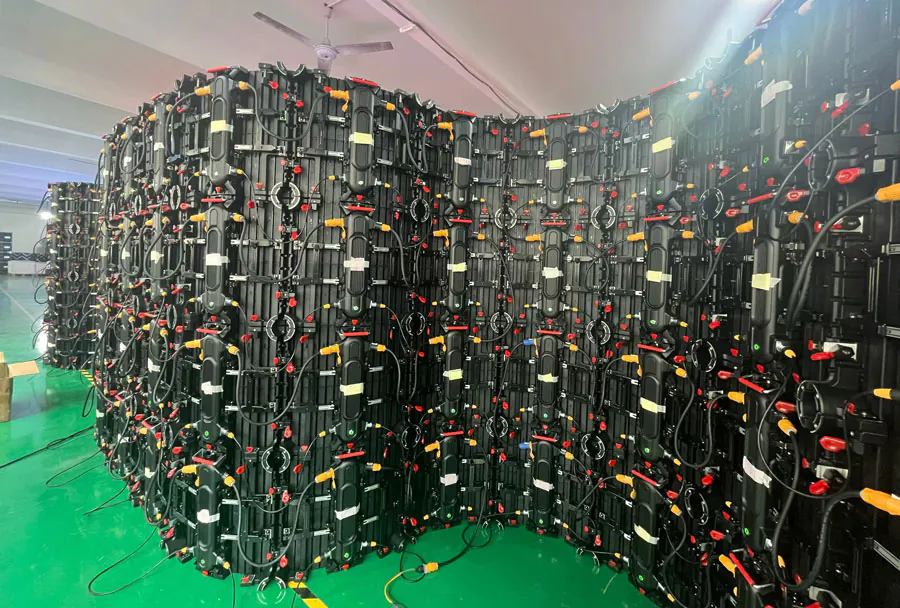
Driving LEDs to high brightness generates heat, and uncontrolled thermal buildup shortens component life and degrades visual uniformity. TW VISION’s advantage comes from proactive thermal architecture: thermally conductive PCB materials, optimized LED placement for heat spreading, and passive/active cooling hybrids that prioritize reliability in outdoor conditions. Their modular chassis design separates heat-generating electronics from optical elements, improving serviceability while ensuring heat dissipation paths remain effective.
In addition to thermal design, the company implements stress testing that mirrors real-world outdoor exposures—thermal cycling, humidity, salt-fog, and UV exposure—to certify performance over years, not months. Such rigor reduces field failures and lowers total cost of ownership (TCO) for clients, a critical differentiator in large-scale outdoor deployments.
Robust Ruggedization for Harsh Environments
True outdoor leadership requires more than weather sealing; it requires product architectures designed around environmental hazards. TW VISION integrates IP65–IP67-rated enclosures, corrosion-resistant hardware, and conformal coatings on PCBs to guard against moisture and salt. Lens and diffuser materials are UV-stabilized to prevent yellowing and loss of transmission over time. Mechanical design prioritizes vibration damping and impact resistance, important for signage exposed to high winds or physical contact.
Moreover, locking modular tiles and hot-swappable power/control modules enable rapid onsite repairs without the need to dismount entire panels—minimizing downtime and service labor costs for municipalities, transport hubs, and advertising networks.
Intelligent Controls and Adaptive Brightness Management
Brightness alone is not efficient; adaptive systems provide better visibility, energy savings, and component longevity. TW VISION integrates ambient light sensors and networked control systems that dynamically adjust luminance based on real-time conditions. Advanced algorithms consider not only lux levels, but viewing distance, time of day, and content type to optimize brightness profiles.
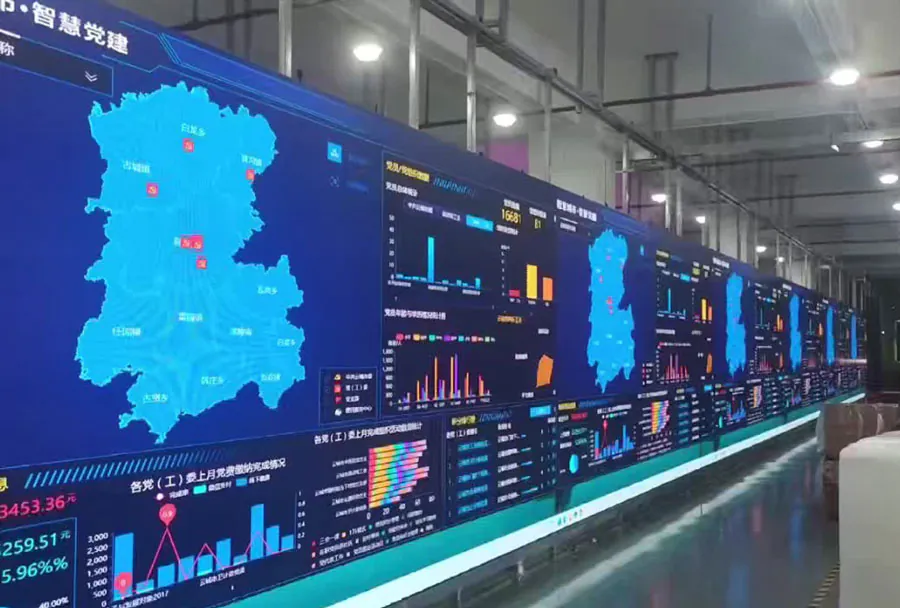
Their control suite offers remote calibration, over-the-air firmware updates, real-time health monitoring, and analytics dashboards. This reduces manual maintenance and enables predictive servicing—replacing parts before failures occur. For operators, these capabilities translate to lower operational costs and higher uptime.
Power Efficiency Without Compromising Output
High brightness traditionally increases power consumption. TW VISION mitigates this through efficient driving schemes, high-efficiency power supplies, and thermal-aware brightness management. Techniques such as high-frequency PWM, current balancing, and dynamic segment dimming enable displays to deliver necessary outputs while reducing wasted energy. The company’s engineering balances peak-mode brightness for direct-sun readability with lower baseline luminance settings during non-peak conditions, improving lifecycle efficiency.
This focus on efficiency is also attractive for solar- or battery-powered installations, where energy budgets are constrained but visibility must remain uncompromised.
Scalable Manufacture and Supply Chain Excellence
Market leadership depends on more than design excellence; it requires predictable supply and consistent manufacturing quality. TW VISION invests in standardized module architectures that simplify scaling, spare-part stocking, and cross-model compatibility. Their supplier qualification processes emphasize long-term availability of LED dies, high-grade drivers, and robust optical materials. The company’s ability to maintain production fidelity at scale reduces delivery risk for large deployments—an important consideration for international projects and large advertising networks.
Validated Performance: Standards and Testing
TW VISION aligns its products with industry norms for measurement and reliability—luminance in cd/m2 (nits), color metrics (CIE coordinates, Delta E), refresh rates (Hz), and IP/IK mechanical ratings. Independent labs and in-house test chambers validate performance under real-world stressors including direct-sun exposure, thermal extremes, and prolonged operation at peak brightness. These documented qualifications make it easier for architects, planners, and purchasers to compare TW VISION solutions against alternatives with confidence.
Real-World Deployments and Case Evidence
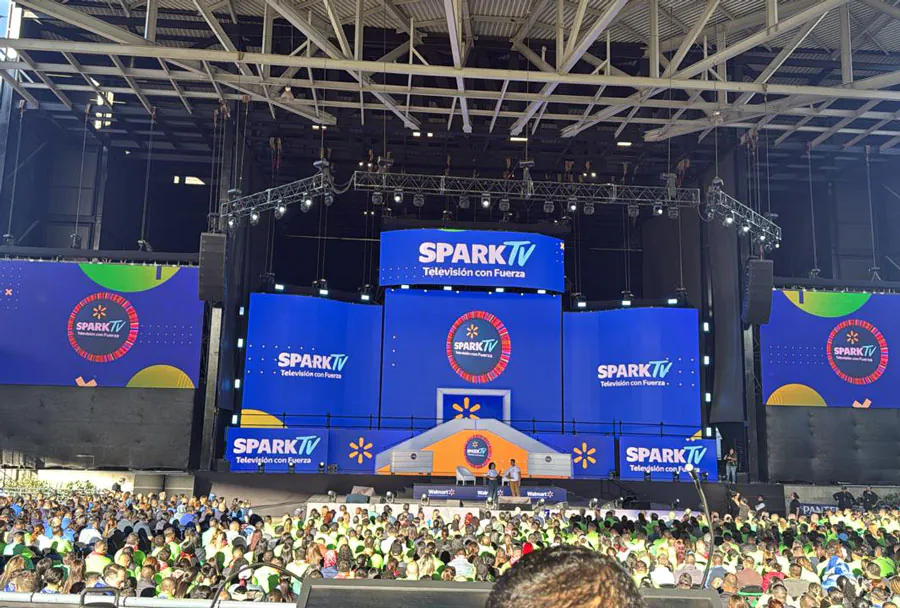
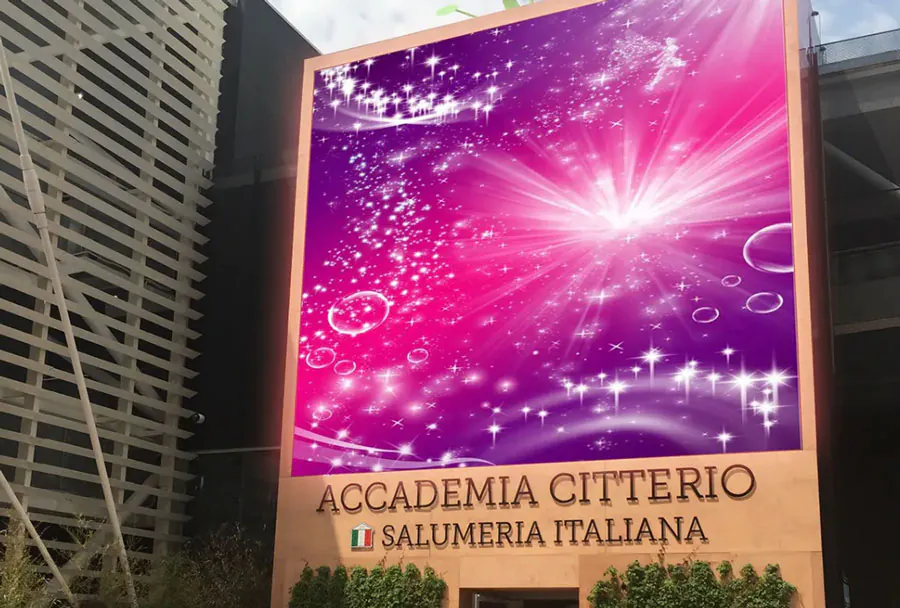
Leadership is reinforced by successful high-visibility installations. TW VISION has implemented large-format stadium displays, transit signage, fa?ade video systems, and roadside advertising panels where sustained daylight performance, low maintenance, and regulatory compliance were mission-critical. These projects show consistent pixel uniformity, long mean time between failures (MTBF), and simple local support processes. Case studies often highlight how integrated controls and modular service models reduced overall operational disruptions and costs.
Customer-Centric Service and Lifecycle Support
Beyond hardware, TW VISION differentiates through lifecycle partnerships. Offerings include site surveys, installation supervision, preventative maintenance schedules, spare-part logistics, and training for local technicians. For corporate and municipal clients, predictable service agreements and robust warranties reduce procurement friction and build trust—an underappreciated but decisive advantage in public-facing installations.
Analysis Table: Comparative Breakdown of Critical Outdoor Display Attributes
| Aspect | TW VISION Strength | Typical Competitor Position | Customer Benefit | Technical Evidence / Metric |
|---|---|---|---|---|
| Peak Brightness | 7,000–10,000 nits peak with controlled output | 5,000–8,000 nits, often less efficient | Better daylight legibility and content impact | Measured luminance (cd/m2), peak/average ratios |
| Optical Design | Low-reflectance glass, optimized secondary optics | Basic diffusers, higher reflection losses | Improved perceived contrast; lower required luminance | Reflection %; contrast ratio in ambient light |
| Thermal Management | Hybrid passive/active cooling, thermal PCBs | Passive cooling only; hotspots common | Longer lifespan, stable color/brightness | Operating temp range, component Tj stability |
| Durability | IP65–IP67, UV-stable materials, salt-fog tested | IP54–IP65; limited corrosion resistance | Reduced failures in coastal and exposed sites | IP/IK ratings; corrosion test certifications |
| Control & Monitoring | Networked sensors, cloud diagnostics, OTA updates | Basic schedule-based dimming, limited remote access | Lower O&M costs, predictive maintenance | MTTR, uptime %, remote alert metrics |
| Service & Supply | Modular spares, global logistics, OEM warranties | Patchwork spare policies, varied lead times | Faster repair cycles, lower inventory risk | Warranty terms, spare-part lead times |
A Systems-Level Advantage
TW VISION’s market leadership in high brightness outdoor digital displays is not the product of a single innovation, but of a systems-level philosophy executed across optics, electronics, mechanical engineering, software, and service. By prioritizing perceived contrast, thermal and environmental resilience, adaptive intelligence, and scalable manufacturing, TW VISION delivers displays that perform reliably where it matters most: in the real world, under harsh sunlight, and over long lifecycles.
For buyers and specifiers, the decision calculus increasingly favors holistic solutions that minimize total cost of ownership while maximizing visibility and uptime. TW VISION’s integration of proven high-output hardware with smart control systems, robust testing, and service frameworks creates a compelling value proposition—one that explains why they lead the market and why their installations consistently meet or exceed expectations in some of the most challenging outdoor contexts.
If stakeholders prioritize visible performance under direct sunlight, long-term reliability, and operational efficiency, TW VISION’s approach offers both technical justification and real-world validation. Their continued investments in material science, thermal engineering, and networked control suggest their leadership position will remain robust as outdoor digital signage requirements evolve.