All Weather Outdoor Advertising Solutions Using Waterproof LED Roll Up Screens

All-weather outdoor advertising presents unique challenges: exposure to rain, sun, wind, dust, and fluctuating temperatures demands display solutions that are both rugged and visually compelling. Waterproof LED roll-up screens combine the portability and rapid deployment of traditional roll-up banners with the brightness, motion, and dynamic content advantages of LED digital signage. Properly engineered and specified, these systems deliver high-impact campaigns across events, retail activations, transit hubs, and temporary outdoor signage needs while minimizing downtime and maintenance.
All Weather Outdoor Advertising Solutions Using Waterproof LED Roll Up Screens
What a Waterproof LED Roll-Up Screen Is
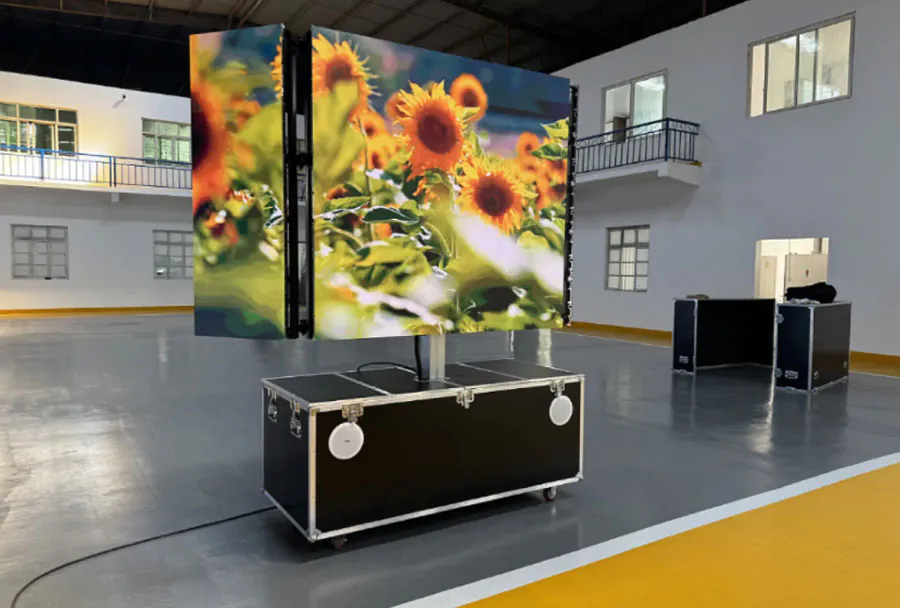
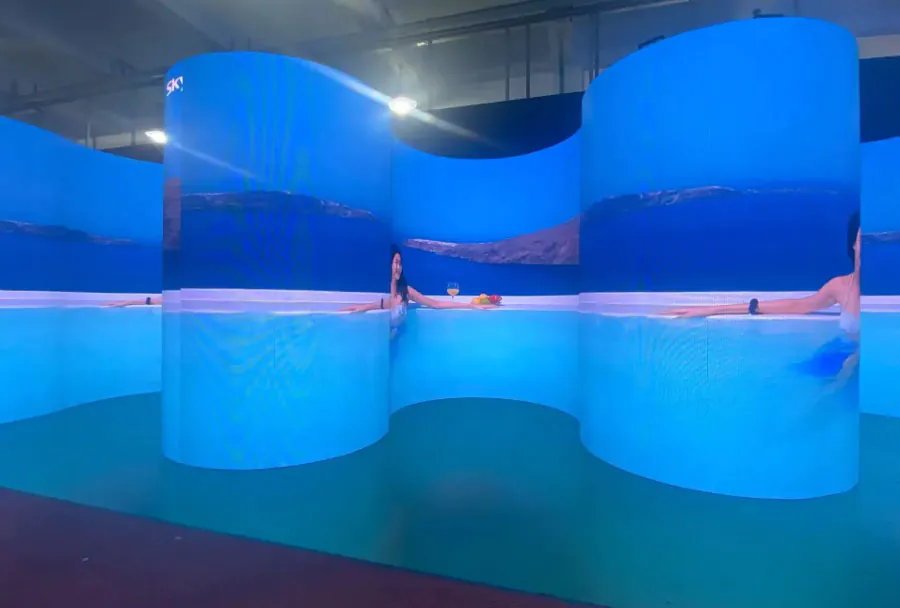
A waterproof LED roll-up screen is a flexible led display that rolls into a compact housing for transport and unrolls for use, similar to a portable projector screen. Unlike indoor counterparts, these units feature weatherproof materials, sealed electronics, high-brightness LEDs, and robust mechanical housings to withstand rain, splashes, dust, and UV exposure. They are designed for temporary or semi-permanent outdoor deployment: events, street-level promotions, construction site notices, and pop-up advertising where quick setup and takedown are essential.
Key Technical Features and Weatherproofing Strategies
– IP Rating: Look for IP65–IP67 protection for the display surface and connectors to ensure water jets or immersion resistance as required. Housing should protect against dust ingress.
– LED Brightness: Typical outdoor roll-up LED screens run between 5,000 and 8,000 nits to remain visible in direct sunlight.
– Pixel Pitch: Choose based on viewing distance. Common outdoor flexible pitches: P4–P10 (4–10 mm). Closer pedestrian environments favor lower pitch (P4–P6).
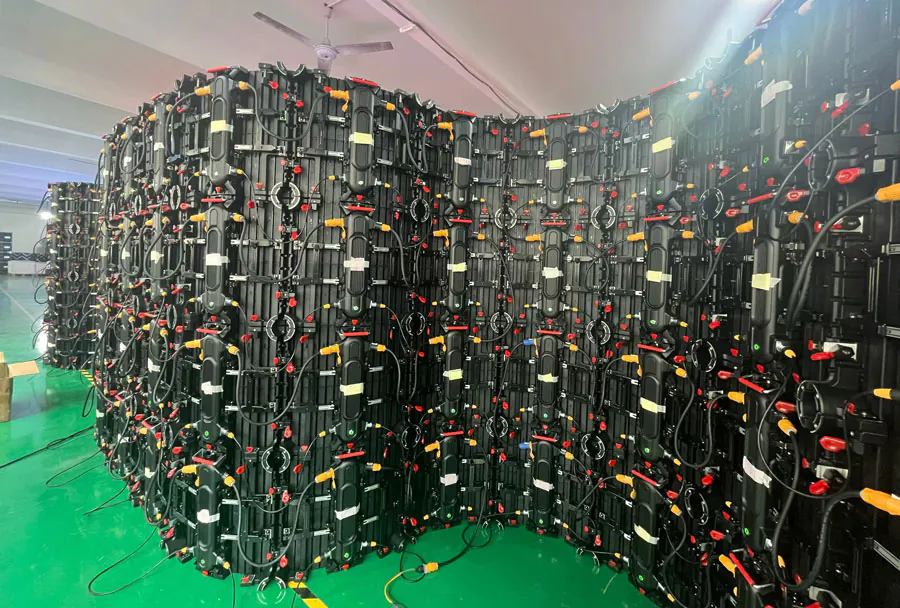
– Materials: UV-stable, flame-retardant flexible PCBs, silicone potting or conformal coatings on electronics, corrosion-resistant aluminum or stainless steel housings, and weatherproof seals.
– Mechanical Design: Reinforced roll housings, locking mechanisms, wind baffles or vents, and anchoring points for ballasts, straps, or ground stakes.
– Connectivity & Control: Weatherproof ports, 4G/5G or Wi-Fi connectivity, local USB/SD options, and cloud-based CMS compatibility.
– Safety & Certification: CE, RoHS, FCC, and third-party testing for IP/IK where applicable.
Advantages over Traditional Outdoor Media
– Dynamic Content: Video, animation, real-time updates (weather, scoreboards, promos), and programmatic advertising.
– Portability: Lightweight housings and quick roll-up mechanisms enable fast deployment and low labor costs.
– Weather Resilience: Properly sealed units reduce downtime due to rain or dust and cut replacement costs compared to paper banners.
– Energy Efficiency: Modern LED modules and intelligent brightness control reduce power draw during night or overcast conditions.
– Reusability: Multiple campaigns with the same physical asset lower long-term media costs and environmental impact.
Typical Deployment Scenarios
– Outdoor events and festivals where rapid setup and teardown are needed.
– Retail pop-ups and sidewalk promotions requiring eye-catching digital content.
– Transportation hubs and temporary signage at airports, bus terminals, and train stations.
– Construction site branding and safety messaging that must remain visible in all weather.
– Mobile promotions and experiential marketing activations.
Design, Installation and Operational Best Practices
– Site Assessment: Measure ambient light, typical viewing distance, wind patterns, and local regulations. Choose pixel pitch and brightness accordingly.
– Anchoring & Wind Loads: Use anchoring points, ground stakes, sandbags, and wind vents. Calculate safe deployment limits for expected wind speeds; retract or stow screens when gusts exceed manufacturer recommendations.
– Power & Backup: Provide protected power sources and surge protection. Use power distribution units with weatherproof enclosures and consider battery backup for critical messages.
– Content Optimization: High contrast, bold typography, slower transitions, and optimized color profiles for outdoor brightness. Avoid fine detail at greater distances.
– Preventive Maintenance: Regularly inspect seals, connectors, and roll mechanisms. Clean with non-abrasive methods and ensure drainage channels are clear.
– Remote Monitoring: Deploy CMS with health monitoring to receive alerts for module failures, temperature extremes, or connectivity loss.
Performance and Specification Comparison (Analysis Table)
| Feature | Typical Specification | Benefit | Ideal Use Case | Notes |
|---|---|---|---|---|
| IP Rating | IP65–IP67 | Protection from water jets to temporary immersion and dust | Outdoor events, rainy climates | Confirm sealing on connectors and control boxes |
| Brightness | 5,000–8,000 nits | Readable under direct sunlight | Street-level billboards, transit stops | Auto-dimming saves power at night |
| Pixel Pitch | P4–P10 | Balance between resolution and cost | Pedestrian vs. roadside viewing distances | Choose based on minimum viewing distance |
| Power Consumption | 150–600 W/m2 (avg-to-peak) | Estimate operational costs | Continuous campaigns and long events | Use energy-saving profiles when idle |
| Weight & Portability | 20–60 kg per unit (varies by size) | Quick deployment and transportability | Pop-ups, mobile activations | Consider case design and handles for logistics |
| Connectivity | Wired Ethernet / Wi-Fi / 4G/5G | Remote updates and monitoring | Programmatic campaigns and remote sites | Verify weatherproof ports and antenna routing |
Durability and Maintenance Considerations
Durability for outdoor roll-up LED screens derives from both materials and engineering. Look for displays using UV-stable encapsulants, silicone potting for PCB protection, and gasketing around seams and connectors. Replaceable module designs simplify field service: modular LED tiles or strips can be swapped without replacing the whole screen. Routine checks should include verifying seal integrity, inspecting for moisture ingress, testing brightness uniformity, and exercising the rolling mechanism to prevent corrosion or mechanical binding.
Maintenance tip: keep a lightweight spare module kit, gasket sets, and a small toolkit in the transport case to quickly restore service at events.
Content and Creative Optimization for Outdoor Visibility
Outdoor content differs from indoor: higher contrast, larger font sizes, slower scene changes, and bolder color palettes improve legibility in bright environments. Use motion strategically—large, smooth motion attracts attention without creating flicker. Plan message loops for dwell time typical of the location (short loops for passing traffic, longer sequences for foot traffic). Integrate ambient sensors (brightness, temperature) to automatically adjust content and protect the display during severe weather.
Safety, Compliance and Local Regulations
Verify local signage, electrical, and public safety regulations before deployment. Some municipalities restrict digital signage brightness or flashing frequencies, especially near roads to avoid driver distraction. Ensure all electrical installations use certified components and licensed electricians. Wind load calculations and anchoring compliance are often required for public events and large installations.
Cost-Benefit and ROI Considerations
While waterproof LED roll-up screens have higher initial costs than vinyl banners, their durability, dynamic content, and reusability improve ROI for repeat or multi-site campaigns. Consider metrics such as cost per impression (CPI) and campaign flexibility gains. Savings accrue from reduced production time for multiple campaigns, elimination of printing and disposal costs, and higher engagement rates enabled by dynamic content.
Example ROI scenario:
– One-time investment in a waterproof LED roll-up screen used across 10 events per year may reduce media production costs and increase engagement by 30–60% compared to static banners, often paying back the investment within 12–36 months depending on usage intensity.
Procurement Checklist
– Confirm IP and IK ratings for screen and connectors.
– Specify required brightness and pixel pitch based on viewing distance.
– Verify power consumption specs and backup power options.
– Check modularity for field serviceability and spare parts availability.
– Request third-party testing certificates and warranty terms (ideally 2–5 years).
– Ensure CMS compatibility and remote management features.
– Validate mechanical design for wind anchoring and transport practicality.
– Ask for local references or case studies in similar climates.
Real-World Example
A city festival replaced static vinyl banners with waterproof roll-up LED screens at several stages and entry points. The screens were mounted in housing units anchored to temporary structures and linked to a cloud CMS. Organizers reported fewer weather-related failures, higher sponsor engagement due to dynamic ad spots, and reduced labor for installation. The screens were rolled up and stowed quickly during an unexpected storm, avoiding damage that would have affected printed banners.
Waterproof LED roll-up screens bridge the gap between mobility and durability in outdoor advertising. When specified and deployed correctly—paying attention to IP rating, brightness, pixel pitch, anchoring, and content optimization—they enable high-impact, weather-resilient campaigns across diverse outdoor environments. For brands and agencies focused on flexible, repeatable, and measurable outdoor activations, these displays offer a compelling combination of performance and operational savings. Prioritize rugged engineering, proactive maintenance, and compliance with local regulations to maximize uptime and campaign effectiveness.