Outdoor Jumbotron Screen: Energy-Efficient LED Display

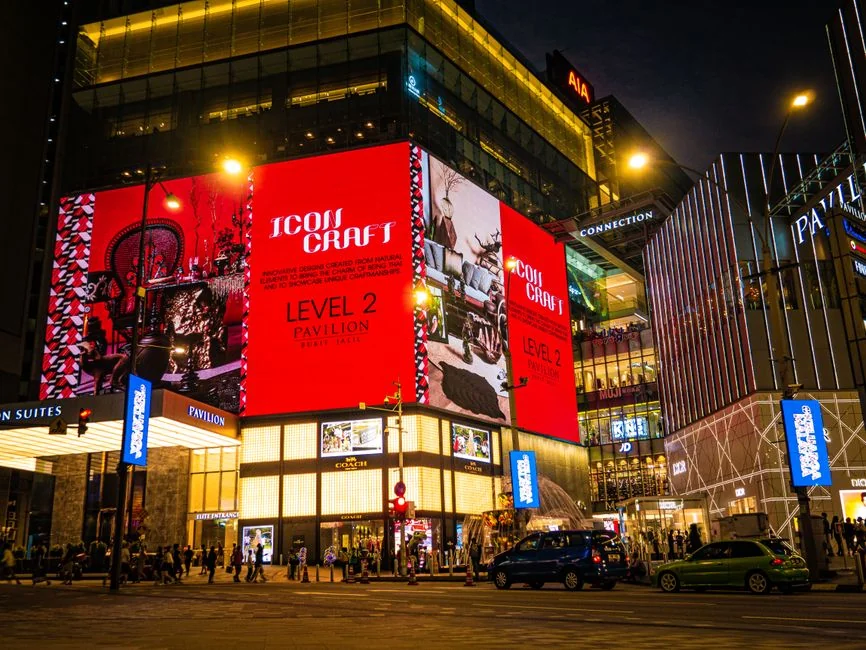
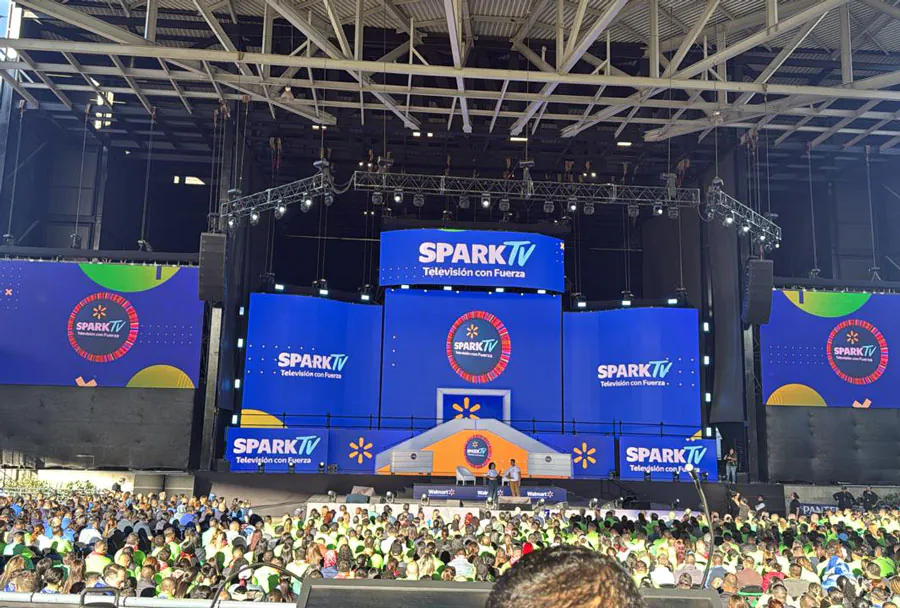
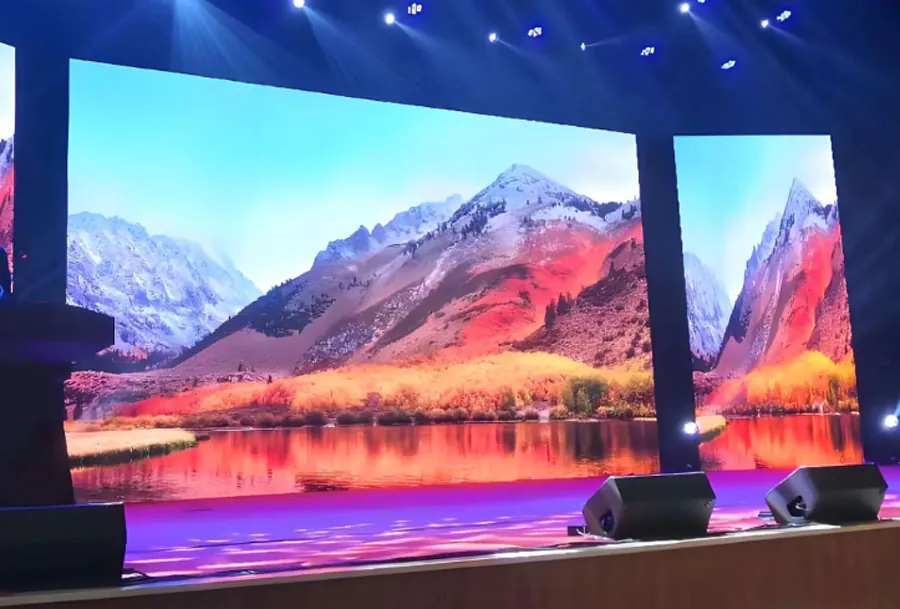
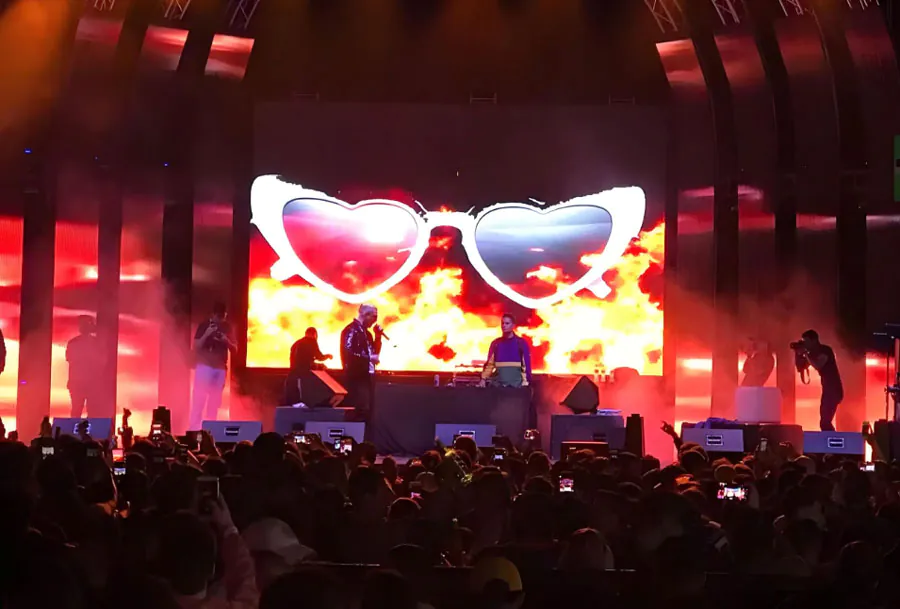
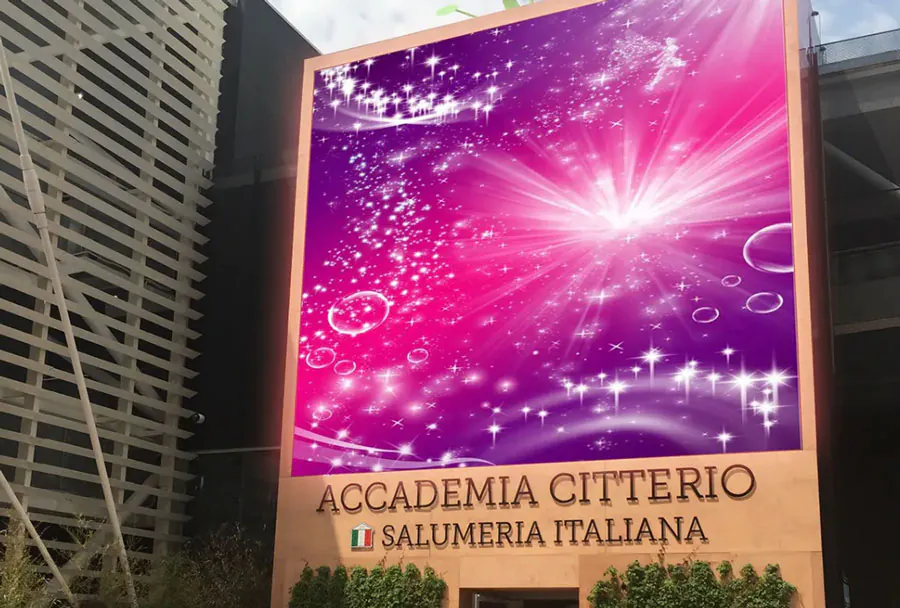
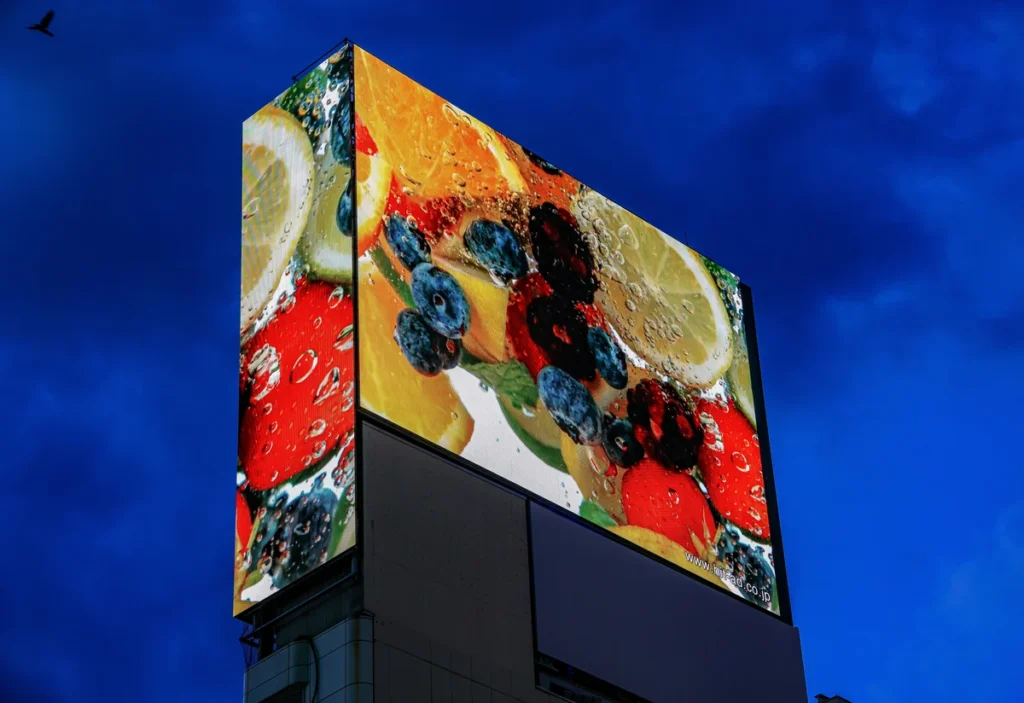
An outdoor Jumbotron screen is a large-format, weather-sealed LED video wall built to deliver high-brightness images in direct daylight, and it has become the centerpiece for stadiums, racetracks, arenas, and outdoor advertising plazas. A single large display can contain over a million individual LED pixels, and many outdoor models run several times brighter than commercial indoor screens.
Table of Contents
- What Defines an Outdoor Jumbotron Screen?
- How to Choose the Right Pixel Pitch for Your Outdoor Jumbotron Screen
- Viewing Distance Cheat Sheet
- Brightness and Weatherproofing: Critical Specifications for an Outdoor Jumbotron Screen
- IP Ratings and Nits Explained
- Power, Cooling, and Installation Requirements for an Outdoor Jumbotron Screen
- Permits and Code Requirements
- How to Maintain and Monitor an Outdoor Jumbotron Screen for Long-Term Performance
- Do I need a permit to install an outdoor Jumbotron screen?
- Can an outdoor Jumbotron screen operate in extreme cold or heat?
- How long does an outdoor Jumbotron screen last?
- Can I use a consumer TV outside instead of an outdoor Jumbotron screen?
- What maintenance does an outdoor Jumbotron screen need after installation?
- Conclusion
The challenge is that buyers often compare only panel price while overlooking pixel pitch, brightness, weather sealing, and power load. This guide breaks down the five factors that separate a reliable installation from an expensive mistake.
What Defines an Outdoor Jumbotron Screen?
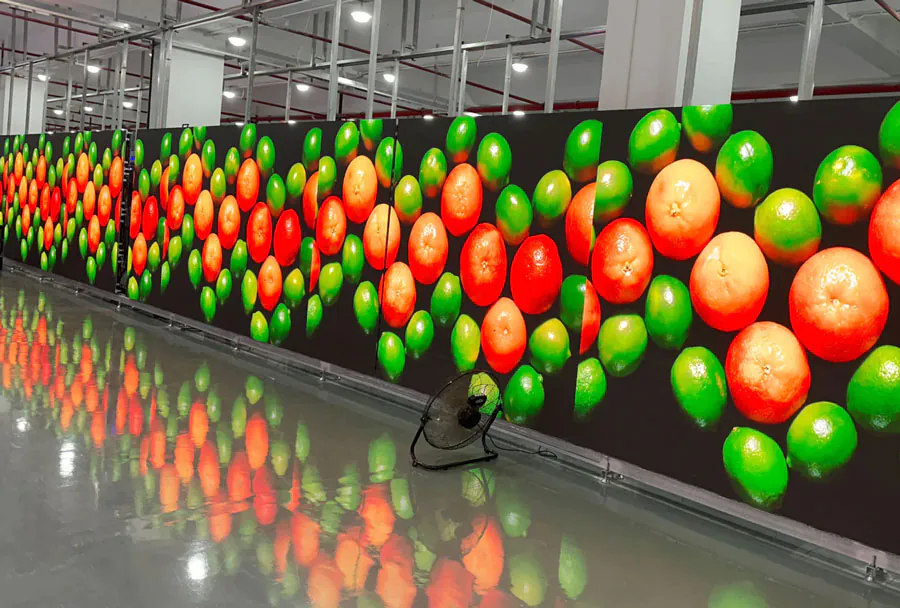
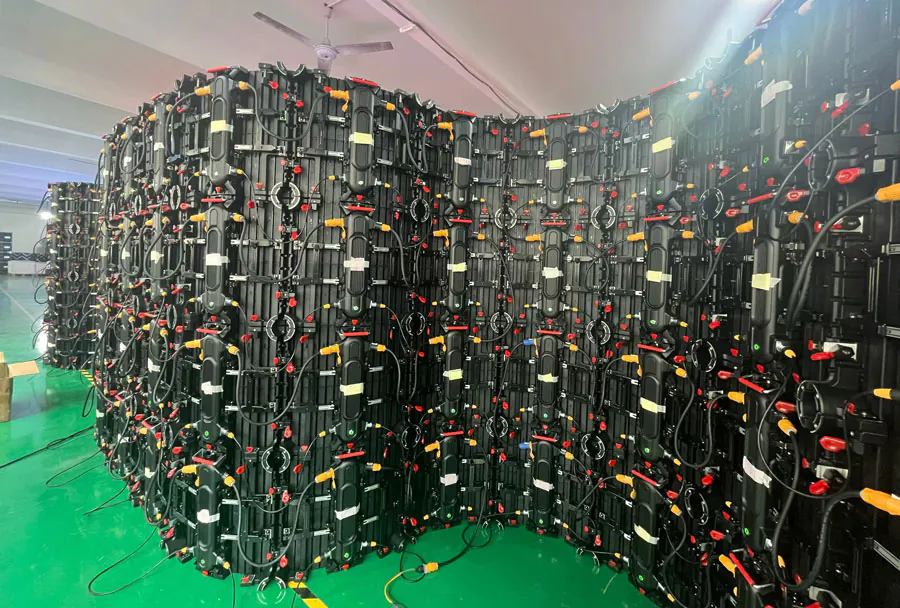
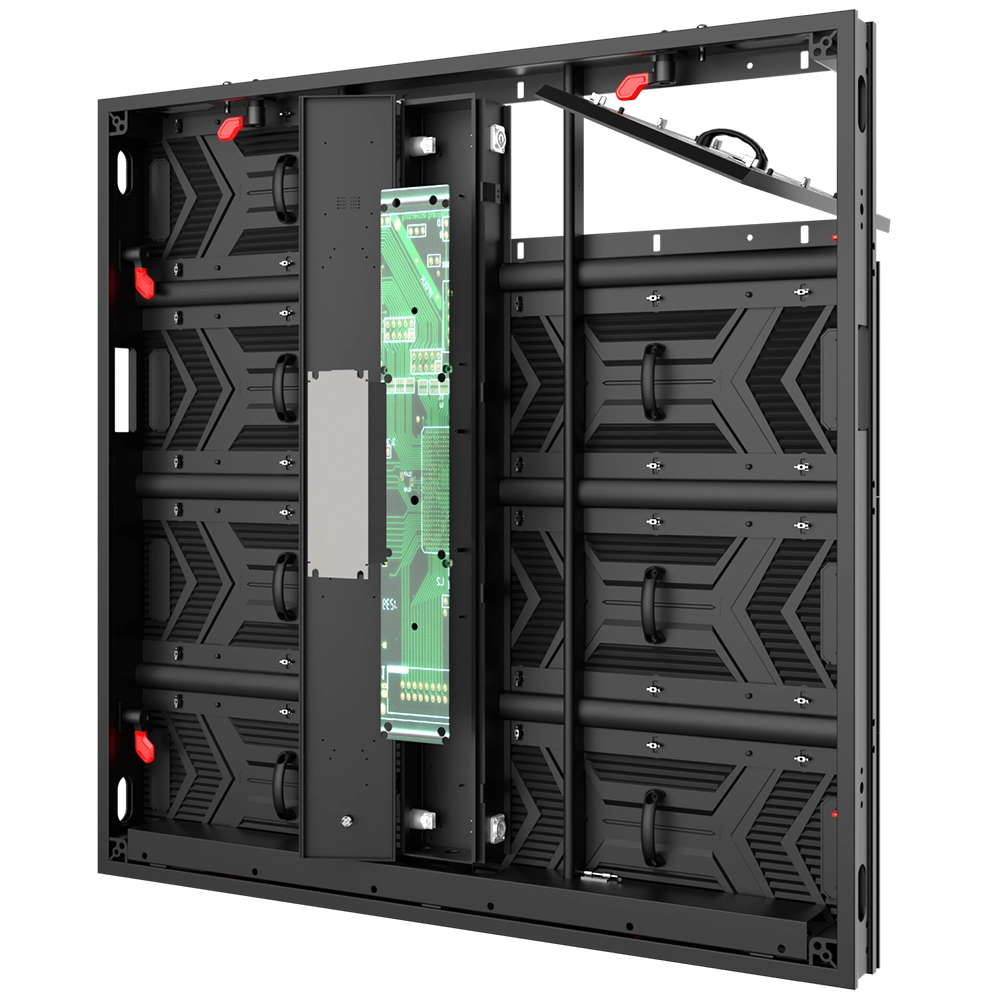
An Jumbotron Screen is best understood as a complete video system rather than a single monitor. It includes LED modules, a steel or aluminum support frame, power supplies, cooling fans or heat sinks, a video processor, and receiving cards that distribute signal to each panel.
Most outdoor screens use SMD LED technology, while very long viewing distances may use DIP packaging for higher punch. Panel sizes, called cabinets, often range from roughly 500 mm by 500 mm to larger custom formats.
Grand View Research’s LED display market analysis describes high-brightness outdoor screens as a core growth segment in digital signage, driven by sports venues and out-of-home advertising.
A common mistake is to buy the cheapest cabinet without checking if the controller, spare modules, and mounting structure are included. When you budget an outdoor Jumbotron screen, separate hardware cost from installation and electrical work.
How to apply this: Request a full system quotation that lists panels, processor, mounting hardware, cabling, and at least two years of spare-parts support before comparing prices.
How to Choose the Right Pixel Pitch for Your Outdoor Jumbotron Screen
Pixel pitch is the distance in millimeters between adjacent LED pixels, and it directly controls both image clarity and minimum viewing distance. A simple rule of thumb: multiply pixel pitch in millimeters by roughly 8 to estimate the minimum comfortable viewing distance in feet.
An Jumbotron Screen with a 10 mm pitch starts to look sharp at about 80 feet or more. If most viewers stand 30 to 50 feet away, a 5 mm or 6 mm pitch is usually a better match. Larger pitches cost less because they use fewer LEDs per square meter, but they can look pixelated up close.
Smaller pitches improve close-view impact but raise the total LED count, power draw, and cost.
Consider a restaurant patio screen viewed from 20 feet: a 4 mm pitch panel gives a much cleaner image than an 8 mm board. Choosing the right pixel pitch for an outdoor Jumbotron screen means balancing image resolution against a realistic budget.
Viewing Distance Cheat Sheet
– 6-10 ft: 2-3 mm pitch
– 20-40 ft: 4-5 mm pitch
– 50-100 ft: 8-10 mm pitch
– 100+ ft: 12 mm pitch or larger
How to apply this: Stand at your actual audience distance before selecting a pitch, then ask vendors to show a sample cabinet at that same distance.
| Specification | What it tells you | Action to take |
|---|---|---|
| Pixel pitch | Minimum clear viewing distance | Measure your audience distance first |
| Brightness (nits) | Sunlight visibility | Ask for 5,000+ nits for direct sun |
| IP rating | Dust and water protection | Choose IP65 or higher outdoors |
| Refresh rate | Flicker on video and cameras | Require 3,840 Hz or higher |
| Module access | How quickly faults can be repaired | Confirm front-service design |
| Operating temperature | Climate compatibility | Match the range to your region |
Brightness and Weatherproofing: Critical Specifications for an Outdoor Jumbotron Screen
Brightness and environmental protection determine whether an outdoor Jumbotron screen remains visible in full sun and survives rain, snow, dust, and temperature swings.
Indoor digital signage typically runs at 500-1,000 nits, but outdoor daylight viewing generally requires 5,000 nits or more. Many stadium models from manufacturers like Daktronics are designed to exceed 6,000 nits and include auto-brightness sensors that adjust output as daylight changes.
Look for an IP65 rating or higher on the front of the cabinet, which means the enclosure is dust-tight and protected against low-pressure water jets. Rear cabinets often use IP54 or IP65 depending on whether the screen is open to weather or enclosed in a structure.
An Outdoor Jumbotron LED Screen should also specify an operating temperature range that covers your local climate, along with humidity resistance. How to apply this: Require the brightness and IP rating in writing, then match those numbers to your installation’s sun exposure and weather history.
IP Ratings and Nits Explained
– IP65 front: safe against dust and water jets, standard for outdoor LED faces
– 5,000-6,500 nits: common brightness for direct-sun visibility
– 6,500+ nits: used on stadium and highway-facing installations
– Auto-brightness sensor: adjusts output as daylight changes to save power and LED life

Power, Cooling, and Installation Requirements for an Outdoor Jumbotron LED Screen
Power planning is where many Jumbotron screen projects go over budget. A large display can draw tens of kilowatts, and local electrical codes may require a dedicated circuit, disconnect switch, and surge protection.
Cooling strategy matters because heat shortens LED life. Most outdoor cabinets use sealed enclosures with air conditioning, heat exchangers, or passive ventilation to keep internal temperatures within the manufacturer’s safe range.
Installation requires a structural review. The mounting structure must support not only panel weight but also wind load, snow load, and service access. An outdoor Jumbotron screen mounted to a pole or building also needs permitting and sometimes an engineering stamp. Skipping this step can void insurance or lead to dangerous failures.
How to apply this: Have a licensed electrician and structural engineer review your site before you finalize any screen order.
Permits and Code Requirements
– Sign permit: verifies the display complies with local size and brightness rules
– Electrical permit: confirms proper circuit sizing and grounding
– Structural review: checks wind and snow load on the mounting structure
– Insurance check: confirms the installation is covered against weather or structural failure
How to Maintain and Monitor an Outdoor Jumbotron LED Screen for Long-Term Performance
A successful Jumbotron Screen does more than look good on day one; it stays reliable through years of continuous operation. Choose cabinets with front-service modules so a technician can swap a failing LED tile without removing the entire screen.
Monitoring software from controller vendors like Novastar can report panel faults, temperature, fan status, and input signal health in real time. Schedule a monthly visual inspection and a deeper electrical check every six to twelve months, depending on dust and humidity.
Keep spare modules, power supplies, and receiving cards on-site. A failed module on a 10 mm pitch screen may not be visible from the main audience distance, but it becomes obvious on camera close-ups during live events. When you invest in an outdoor Jumbotron screen, treat maintenance as a recurring line item, not an afterthought.
How to apply this: Set up remote monitoring alerts, order at least 2% of the total module count as spares, and assign a staff member to log every inspection.
Frequently Asked Questions About Outdoor Jumbotron LED Screen
Do I need a permit to install an outdoor Jumbotron screen?
In most municipalities, yes. An Jumbotron Screen mounted on a building or pylon usually requires a sign permit, electrical permit, and sometimes a structural review. Requirements vary widely; some cities limit size, brightness, or operating hours near residential areas. Before ordering, contact your local planning department and ask for the specific sign code.
In one case, a venue delayed installation by months because it skipped a simple variance application.
Can an outdoor Jumbotron screen operate in extreme cold or heat?
Yes, when it is rated for your climate. Commercial panels often list an operating range such as -20°F to 122°F, but exact limits vary by manufacturer. In extreme heat, auto-brightness reduction and cooling fans protect the LEDs. In severe cold, some screens need preheating before reaching full brightness.
Request the manufacturer’s environmental datasheet for an outdoor Jumbotron screen before buying for a desert or northern installation.
How long does an outdoor Jumbotron screen last?
LED modules in a well-maintained outdoor Jumbotron screen often last 50,000 to 100,000 hours before brightness drops to a noticeable level. That usually translates to 8-12 years at 12 hours per day, but power supplies and receiving cards may fail sooner. Brightness degrades gradually, so a screen can still operate beyond that window.
Ask about module life and power supply warranty separately, not a single lifespan for the whole cabinet.
Can I use a consumer TV outside instead of an outdoor Jumbotron screen?
No. A consumer TV is not sealed against moisture, dust, or temperature swings, and its panel is typically under 1,000 nits, which washes out in daylight. An outdoor Jumbotron screen uses weather-sealed cabinets and high-brightness LEDs designed for 24/7 exposure. There are cheaper outdoor TV enclosures, but they rarely match the size or viewing distance of a true jumbotron.
For a large venue or public space, choose the purpose-built display.
What maintenance does an outdoor Jumbotron screen need after installation?
Plan for monthly cleaning of the face to remove dust and pollen, quarterly inspection of seals and fans, and an annual electrical check of connections and grounding. If your outdoor Jumbotron screen is near saltwater, wash it more frequently and inspect corrosion points. Keep a log of any dead pixels or module faults.
Many operators store spare modules and power supplies on-site so a repair takes minutes instead of weeks.
Conclusion
Choosing the right Jumbotron Screen comes down to understanding five factors: how the system is packaged, what pixel pitch your audience needs, how bright and weather-ready the enclosure is, how much power and mounting support it requires, and how you will maintain it after launch.
– Compare full system quotes, not panel prices alone.
– Match pixel pitch to real viewing distance, not a sales sheet.
– Verify 5,000+ nits and an IP65 rating for direct sun and weather.
– Plan power, permits, and spare parts before installation.
Next step: measure your primary viewing distance and gather local sign-code requirements, then request a demo sample from at least two vendors that provide front-service modules and remote monitoring.