Giant LED Display: Types Applications & Complete Buying

Introduction
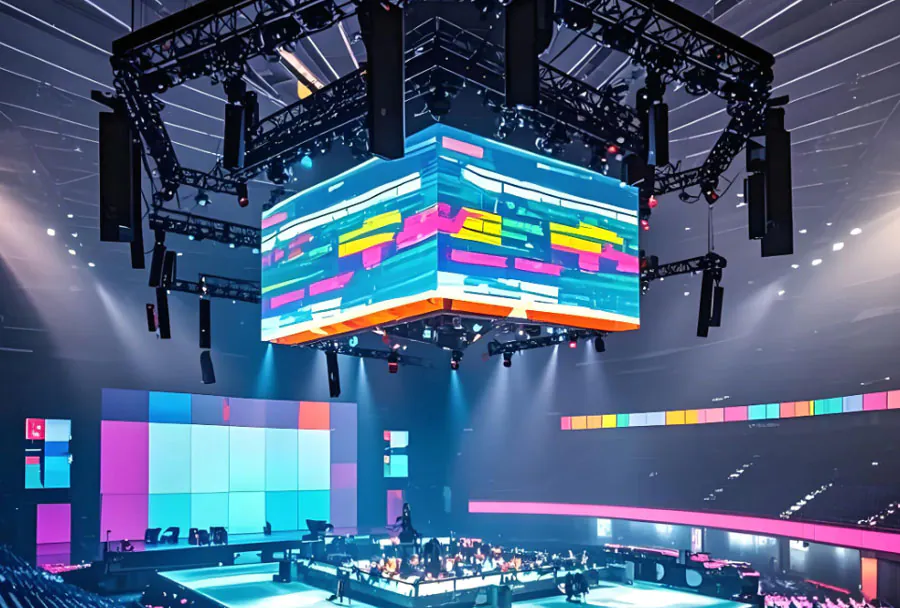
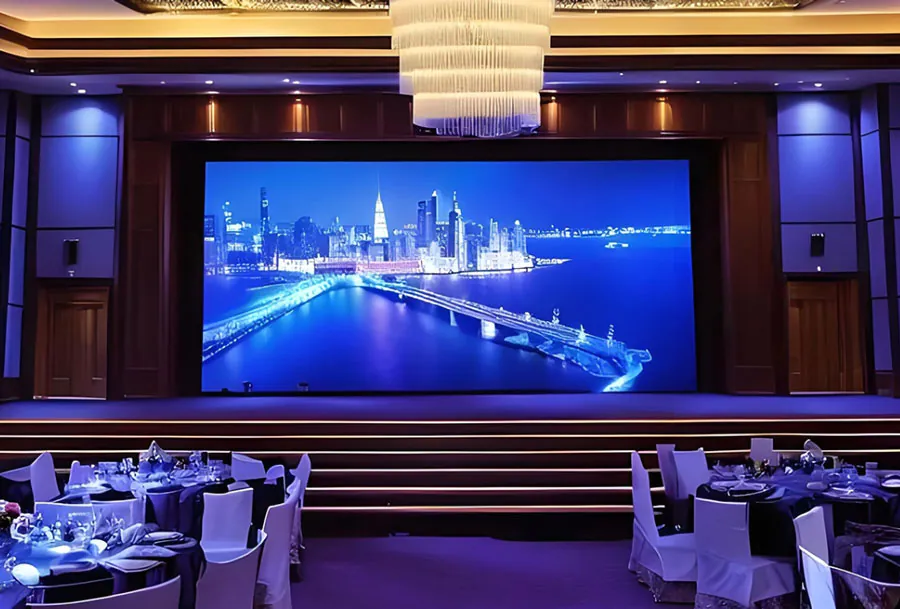
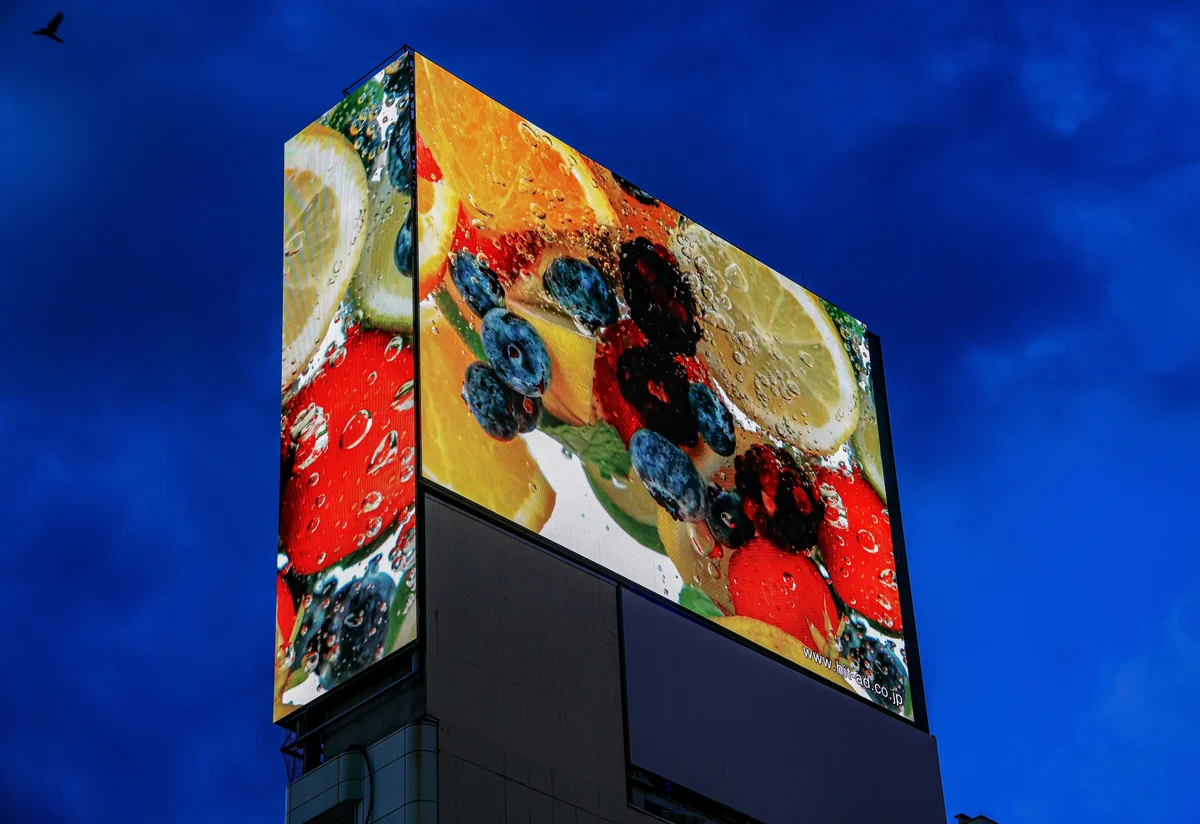
A giant display has become one of the most powerful tools for communication in modern environments. From retail storefronts and stadium scoreboards to trade shows, command centers, and smart cities, large-format screens help brands and organizations capture attention instantly. A well-designed LED display does more than show content—it creates an experience, improves visibility, and supports real-time information sharing on a dramatic scale.
Table of Contents
- Understanding Giant LED Display Technology
- Giant LED Display: Types by Pixel Pitch and Viewing Distance
- Types of Giant LED Displays Compared
- Indoor and Outdoor SMD Panels
- Transparent, Flexible, and COB Panels
- Primary Applications for Giant LED Displays
- Technical Specifications to Evaluate Before Buying
- Giant LED vs LCD
- Buying Guide: Budget, Suppliers, and Installation Steps
- What is the difference between SMD and COB LED displays?
- How do I calculate the right pixel pitch for my viewing distance?
- Can a giant LED display overheat in direct sunlight?
- What is the typical lifespan of a giant LED display?
- Do indoor giant LED displays need special electrical or network setup?
- Conclusion
Department of Energy reports that LED lighting uses at least 75% less energy and lasts up to 25 times longer than incandescent lighting. The challenge is that pixel pitch, nits, and IP ratings can hide costly mismatches between indoor and outdoor use. This guide explains display types, application fit, technical specifications, and a practical purchase process you can use immediately.
Understanding Giant LED Display Technology
A giant LED display is a large-format video surface assembled from modular LED cabinets that lock together to create one seamless image. In this giant LED display: types applications & complete buying guide, the most useful mental model is modularity: each cabinet contains thousands of red, green, and blue diodes driven by a receiving card.
Common cabinet sizes include 500×500 mm and 500×1000 mm, which lets installers scale a wall to almost any dimension without visible bezels.
The LED semiconductor itself also explains why these screens can be efficient. Because LED light emission is directional, the screen can concentrate brightness where viewers stand instead of wasting light in all directions. That means a giant LED display: types applications & complete buying guide should evaluate total system cost, not just module price.
A single square meter of a fine-pitch P3.9 panel contains roughly 65,000 pixels, so every module and processor matters.
How to apply this: Draw your viewing area and note the closest viewer distance before contacting suppliers.
Giant LED Display: Types by Pixel Pitch and Viewing Distance
Pixel pitch is the most practical way to sort Giant LED Display: Types because it directly sets the minimum viewing distance. Pixel pitch is the center-to-center distance between adjacent LED clusters, usually listed in millimeters such as P1.5 or P4.
Indoor fine-pitch Giant LED Display: Types commonly range from P0.9 to P2.5, while outdoor and large-venue displays often run from P4 to P16 or higher.
A P2.5 panel works well around 2.5 to 3.75 meters away, while a P10 billboard is better for 10 meters or more.
How to apply this: measure the nearest viewer position before requesting quotes, then ask each supplier to confirm pixel pitch and native resolution.
| Pixel pitch | Typical viewing distance | Best use | Action to take |
|---|---|---|---|
| P0.9–P1.5 | 1–2 m | Control rooms, retail close-ups | Request anti-glare coating |
| P1.8–P2.5 | 2–4 m | Conference rooms, studios | Verify processor support |
| P3–P4 | 3–6 m | Houses of worship, lobbies | Check refresh rate |
| P5–P8 | 5–10 m | Stage backdrops, outdoor retail | Confirm brightness |
| P10–P16 | 10–25 m | Billboards, stadium fascia | Validate IP rating |
Types of Giant LED Displays Compared
The main types are indoor SMD, outdoor SMD, outdoor DIP, transparent, flexible, and COB fine-pitch panels, and each one solves a different environment problem. This giant LED display: types applications & complete buying guide sorts the options by opacity, brightness, and mounting method.
| Display Type | Best Environment | Typical Pixel Pitch | What to Check |
|---|---|---|---|
| Indoor SMD | Retail, lobbies, control rooms | P1.5–P3.9 | Viewing distance and ambient light |
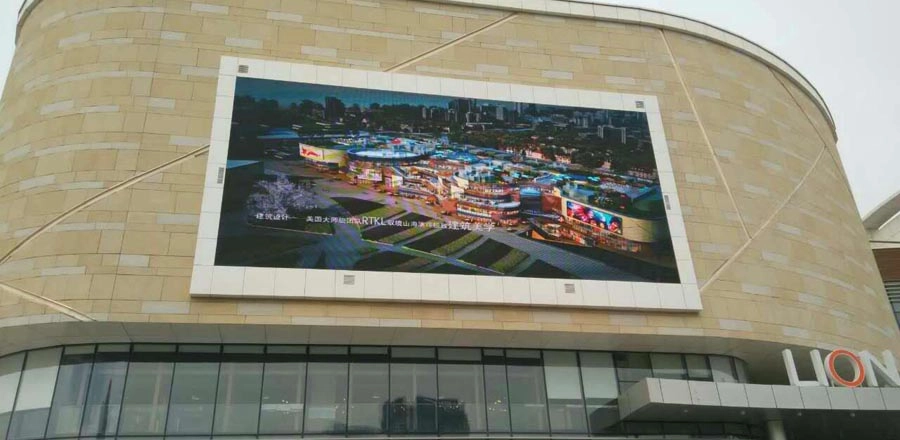
| Outdoor SMD | Storefronts, stadium gates | P3.9–P10 | Brightness nits and front IP rating |
| Outdoor DIP | Highway billboards | P6–P16 | Lamp spacing and rear IP rating |
| Transparent LED | Glass facades, stage sets | P3.9–P10 | Transparency rate and structural load |
| Flexible LED | Curved brand walls, events | P2.5–P10 | Bend radius and module reliability |
| COB LED | Broadcast, luxury retail | P0.9–P2.5 | Repairability and heat dissipation |
Indoor and Outdoor SMD Panels
Indoor SMD panels use surface-mounted diodes behind a black mask, delivering higher contrast and wider viewing angles. Outdoor SMD adds weatherproofing and higher brightness. Outdoor DIP uses lamp-type diodes for punchy sunlight visibility at longer distances, especially on large billboards.
Transparent, Flexible, and COB Panels
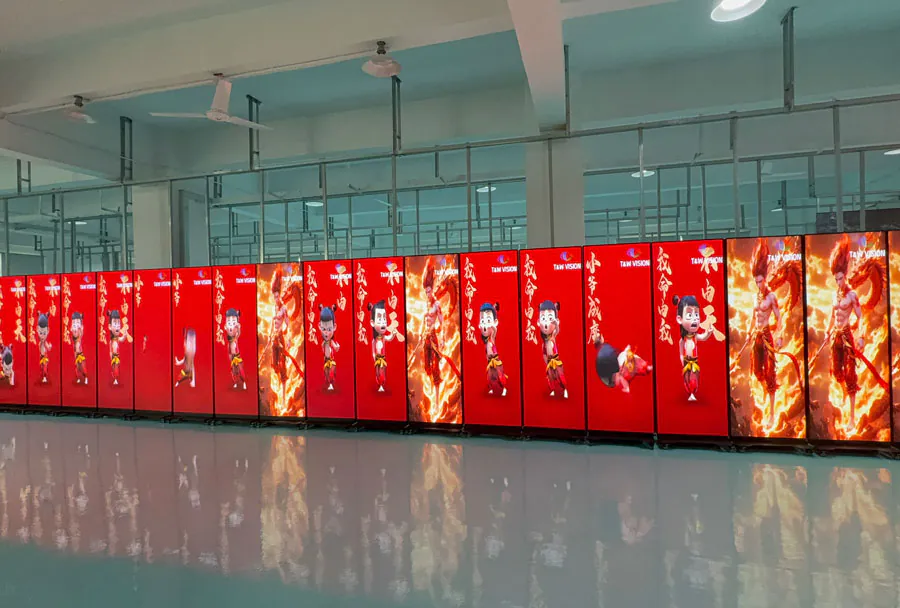
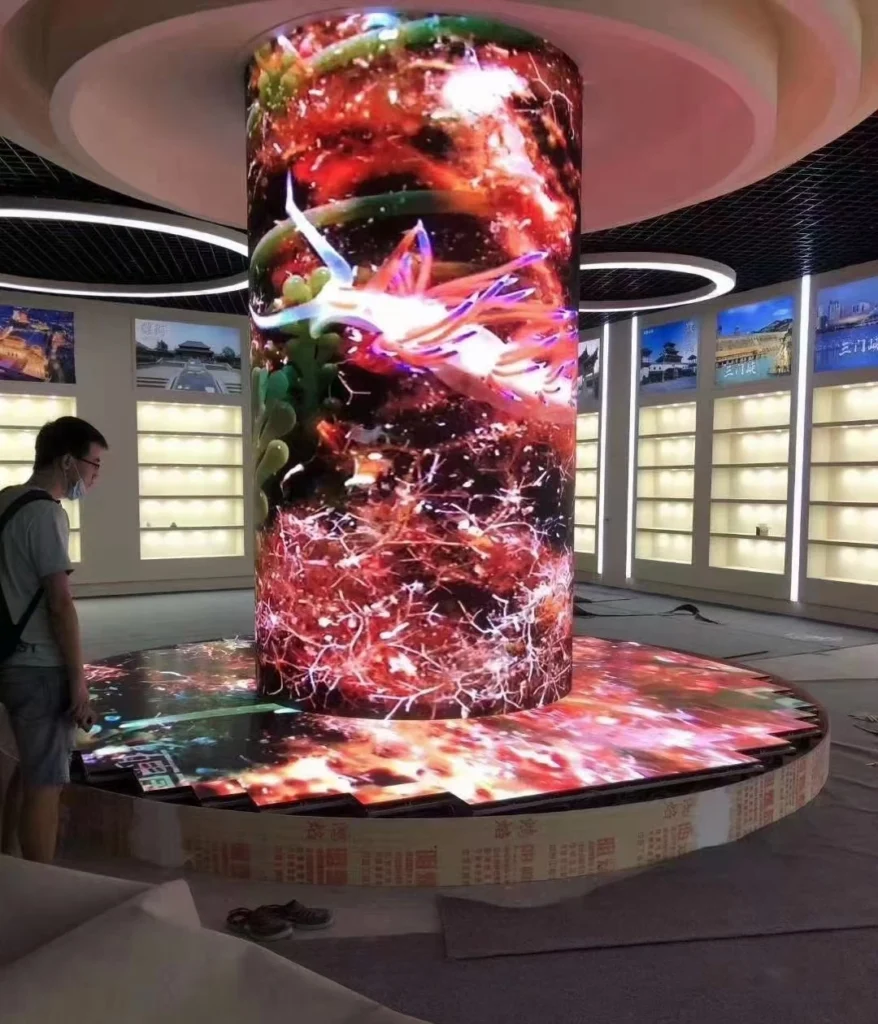
Transparent LED keeps glass visibility for storefronts and stage design, while flexible modules bend to curved facades. COB technology packs diodes under a protective resin layer, which reduces dot damage and suits fine-pitch broadcast or control-room screens. A follow-up giant LED display: types applications & complete buying guide step is to ask for a physical sample before ordering.
How to apply this: Match the display type to the site’s light and mounting constraints, then request a short pilot test.
Primary Applications for Giant LED Displays
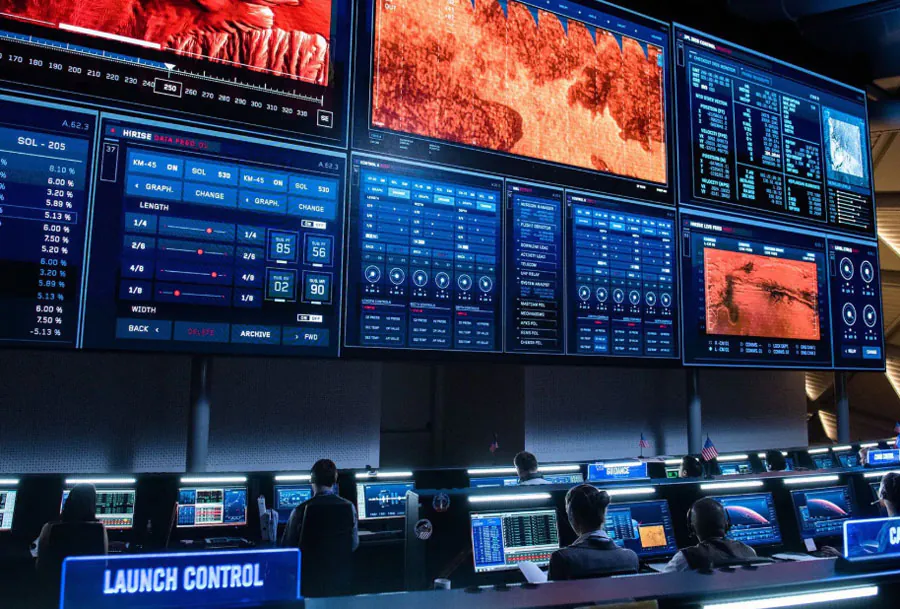
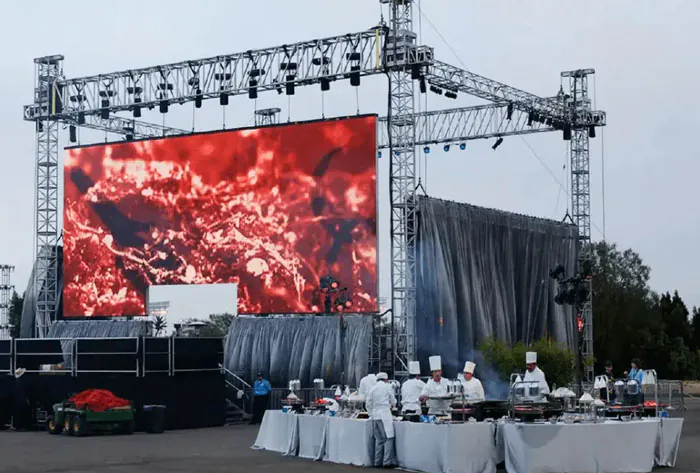
Giant LED displays serve three main roles: advertising, live events, and control-room visualization, and each role changes the priority specifications. Any giant LED display: types applications & complete buying guide must separate indoor and outdoor use because brightness needs differ sharply.
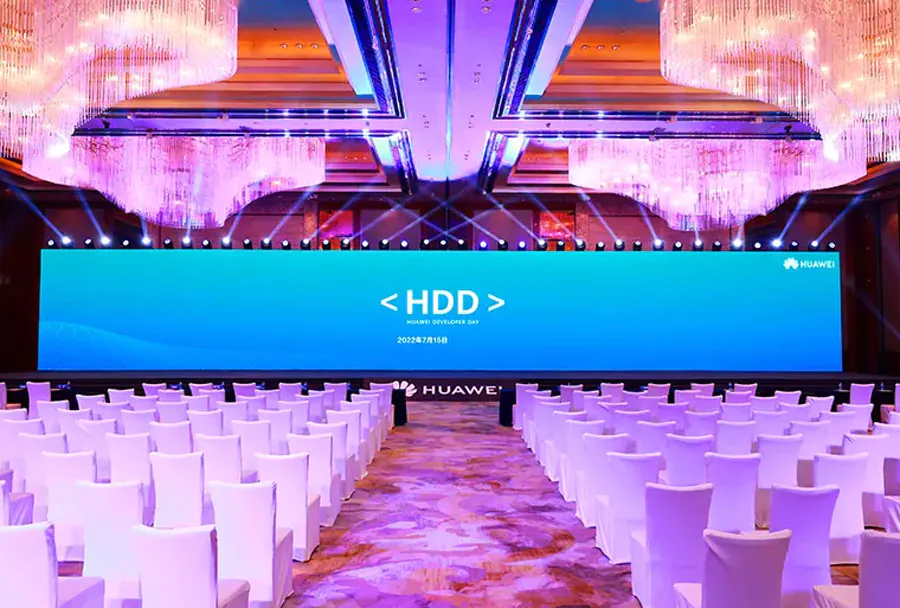
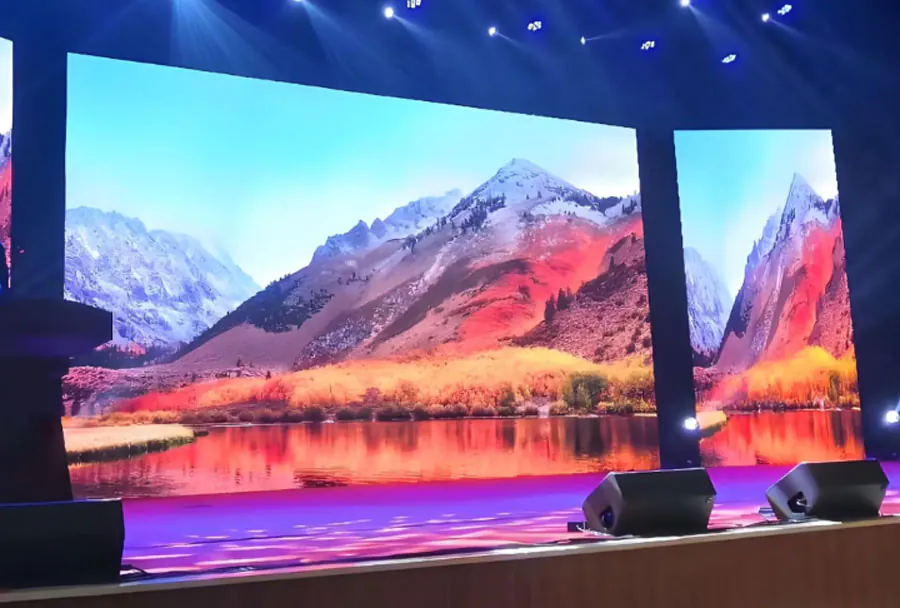
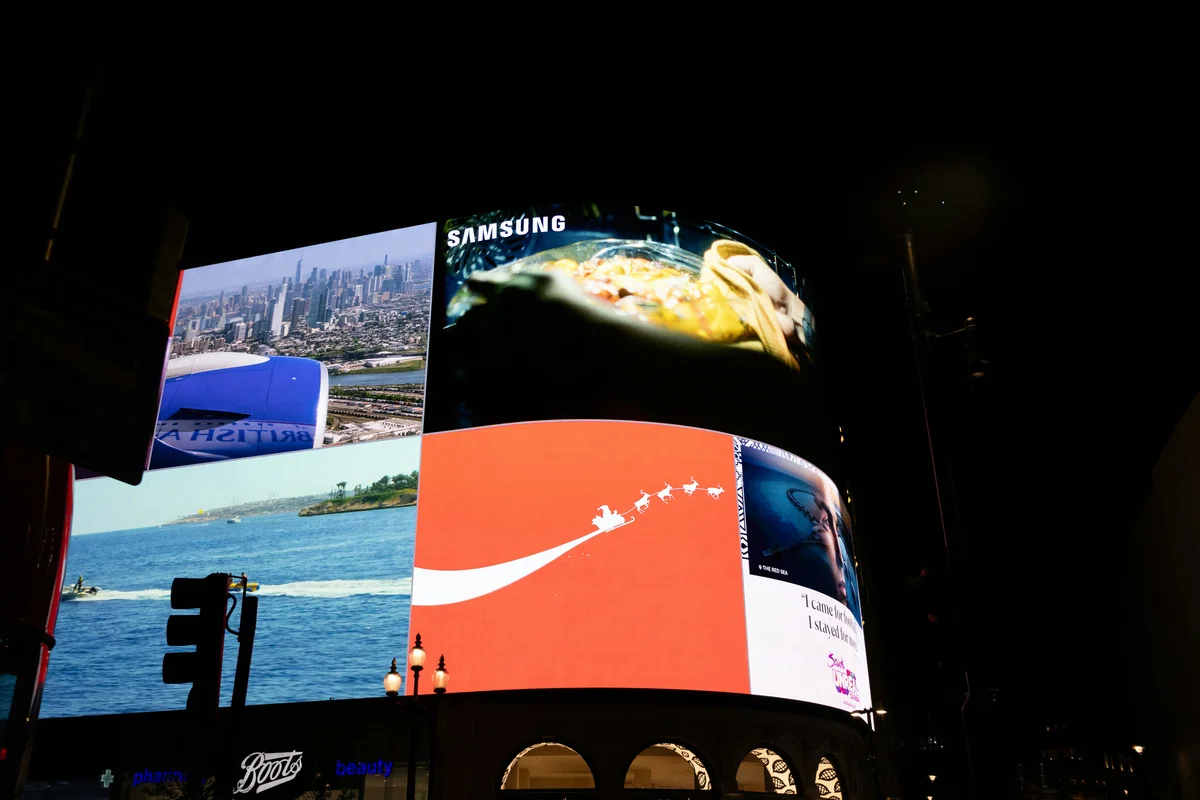
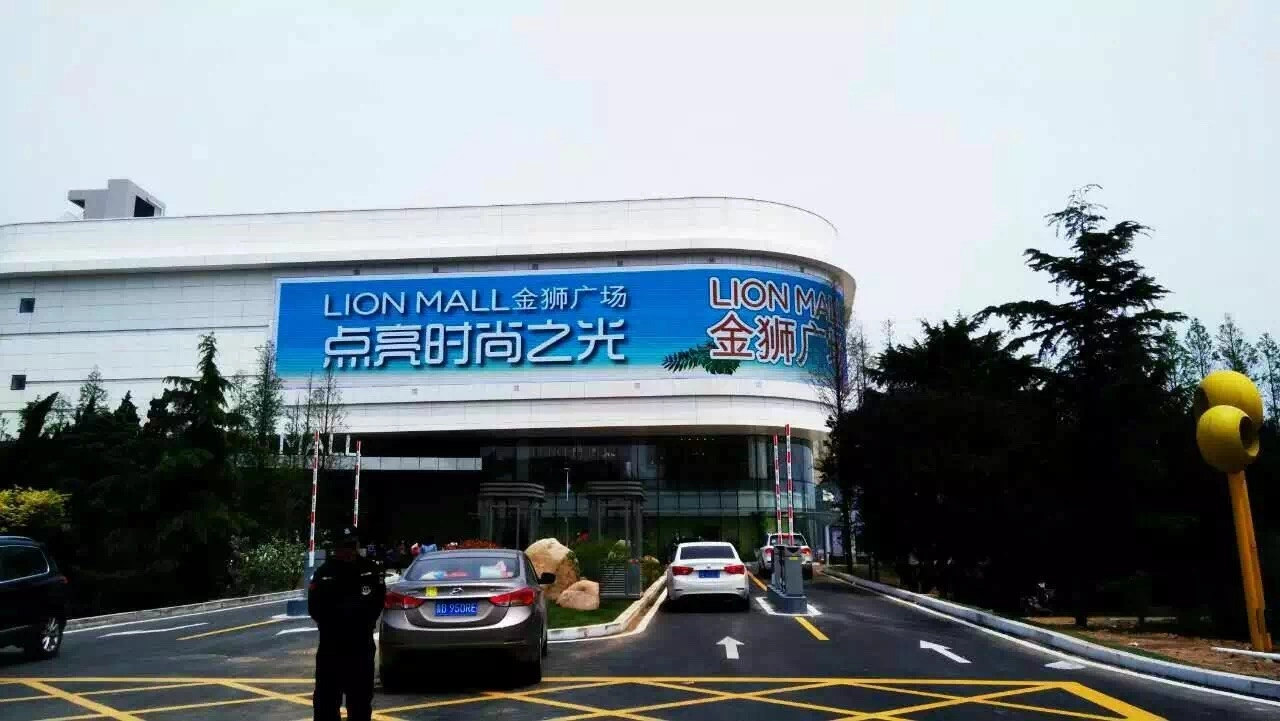
Outdoor advertising screens often run between 5,000 and 10,000 nits to stay visible in sunlight, while broadcast studios may work well at 1,500 nits or less. In high-ambient-light locations like Times Square, outdoor walls frequently use high-brightness modules and remote monitoring to avoid service interruptions. For live events, the priority shifts to refresh rate and camera compatibility.
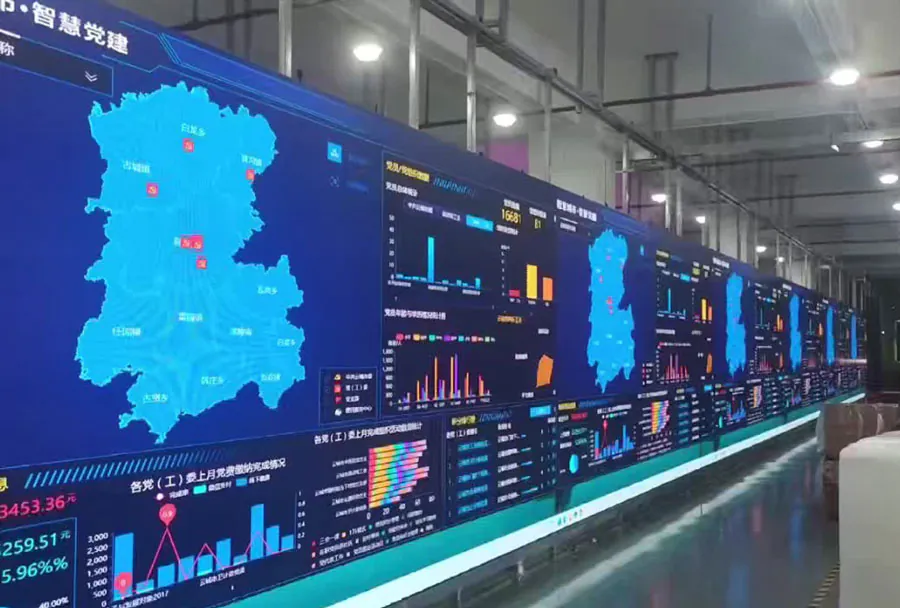
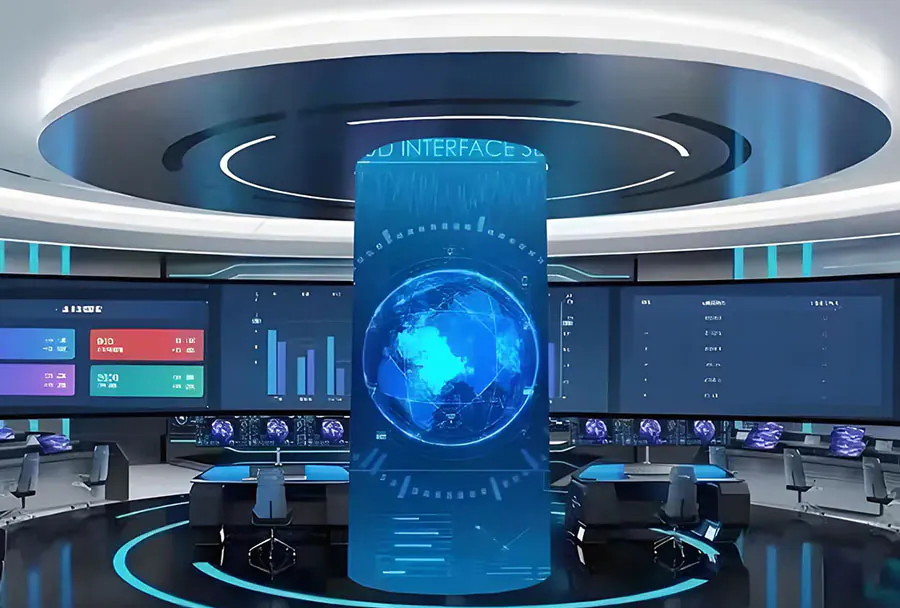
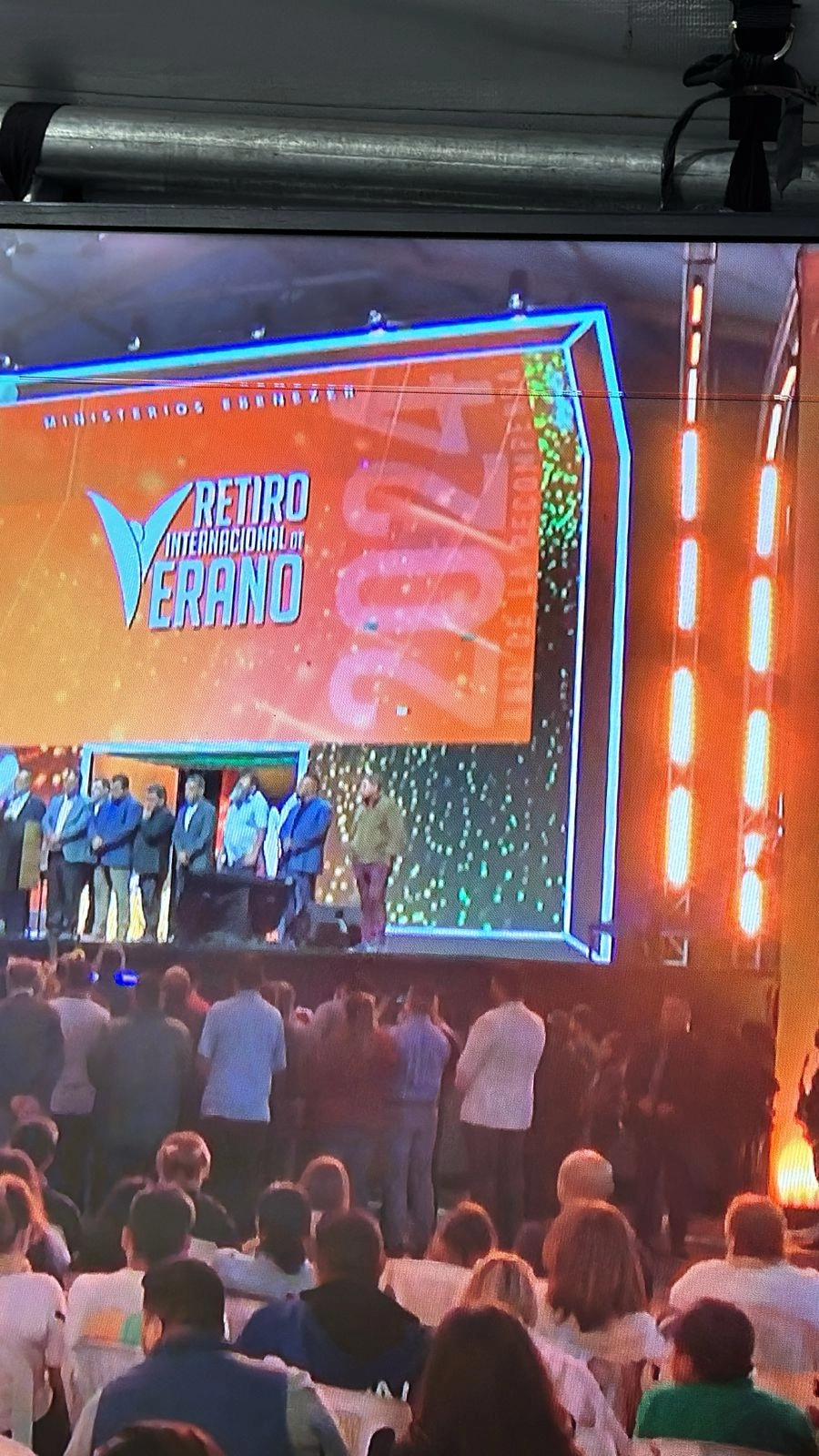
Screens below 1,920 Hz can show scan lines on broadcast cameras, so production teams often specify 3,840 Hz. Control rooms prioritize pixel pitch and reliability because operators sit close and read small data for hours. Media servers such as Resolume help map show content across irregular LED panels.
How to apply this: Write down your primary use case, then note the farthest and closest viewer positions for filtering display types.
Technical Specifications to Evaluate Before Buying
The four specifications that most affect a giant LED display purchase are pixel pitch, brightness, refresh rate, and ingress protection. This giant LED display: types applications & complete buying guide uses those numbers because they predict real-world performance before installation.
Pixel pitch, measured in millimeters, is the distance between LED centers. A smaller pitch delivers sharper images at close range, while a larger pitch works for highway billboards or stadium walls seen from far away.
A common viewing-distance rule is that the minimum comfortable viewing distance in meters roughly equals the pixel pitch number, though content type and ambient light shift that result. Brightness is measured in nits: indoor screens typically need 600–1,500 nits, while direct-sun outdoor screens require 5,000 nits or more.
Ingress protection, such as IP65 front and IP54 rear, tells you whether the cabinet can survive rain, dust, and humidity. LED processing products from Novastar and Brompton Technology control color, brightness, and HDR output across modules. The giant LED display: types applications & complete buying guide approach is to evaluate these specs as one system, not as isolated values.
How to apply this: Create a one-page spec sheet with pixel pitch, nits, refresh rate, IP rating, and processor model and talk to TW VISION sales.
Buying Guide: Budget, Suppliers, and Installation Steps
Approach a giant LED display purchase in five steps: define the viewing scenario, set a realistic total budget, shortlist suppliers, request a live demo, and verify installation support. A complete giant LED display: types applications & complete buying guide must include more than panel cost.
Consider processing, power distribution, data cabling, rigging or ground support, content management, and structural engineering. Outdoor projects also require ventilation or climate control in hot climates, which changes lifetime cost. Request at least three quotes and compare the same pixel pitch, brightness, and service terms side by side. Ask suppliers for reference installations with similar viewing distances and lighting.
A live demo on a physical panel—not just a specification sheet—shows color shift, dead pixels, and viewing-angle limits before you commit. Using this giant LED display: types applications & complete buying guide method also makes it easier to compare bids without being distracted by marketing language.
How to apply this: Build a scoring sheet with pixel pitch, nits, IP rating, processing, warranty, and total installed cost, then rate each quote.
Giant LED vs LCD
How the Light Path Differs
Direct-view giant LED displays build an image from thousands of self-emitting diodes, while LCD video walls block or pass a backlight through liquid crystal. When you compare Giant LED vs LCD at the component level, LED gives per-pixel light control; LCD gives a proven, dense image from fewer light sources.
Direct-view LED: each pixel is its own light
LED cabinets combine modules with red, green, and blue diodes per pixel. Because there is no shared backlight, a dark pixel can turn off independently, improving contrast. Pixel pitch, measured in millimeters, controls sharpness at a given distance. Sub-1 mm pitches approach LCD sharpness but cost more.
LCD: backlight and liquid crystal
LCD video walls use liquid crystal cells in front of an LED backlight. Ultra-narrow bezel panels still create visible seams between tiles. Manufacturer datasheets from LG and Samsung usually specify bezel-to-bezel width because that gap is the first thing viewers notice.
| Factor | Giant LED | LCD video wall | What to check |
|---|---|---|---|
| Pixel control | Self-emitting diodes | Backlight plus liquid crystal | Pixel pitch vs bezel width |
| Brightness | Often 1,000+ nits indoor | Typically 500–700 nits | Demo in ambient light |
| Seams | None when tiled | Visible ultra-narrow gaps | Viewing distance |
| Resolution density | Depends on pitch | Native HD/4K per panel | Content font size |
| Upfront cost | Higher per m² | Lower per m² | Total cost of ownership |
| Service | Module-level repair | Panel swap | Parts availability |
A common scenario: a university atrium asks for “the sharpest screen.” Without checking the light path, a buyer might pay for an ultra-narrow LCD wall when a P1.5 LED wall would remove seams and handle sun reflections better. That is the first practical fork in Giant LED vs LCD buying.
How to apply this: request both pixel pitch and bezel width on the same drawing before comparing resolution.
Frequently Asked Questions About Giant LED Display: Types Applications & Complete Buying Guide
What is the difference between SMD and COB LED displays?
SMD mounts individual red, green, and blue diodes on the board, leaving tiny gaps; COB encapsulates diodes under resin. In a giant LED display: types applications & complete buying guide context, COB usually offers better impact resistance and closer viewing, but it often costs more and can be harder to repair.
Exception: if the screen sits behind barriers or travels frequently, SMD’s replaceable modules may be easier to service.
How do I calculate the right pixel pitch for my viewing distance?
Start with the nearest viewer in meters. Choose a pixel pitch in millimeters roughly equal to or smaller than that distance—for example, a P2.5 panel suits viewing from about 2.5 meters or farther. Your giant LED display: types applications & complete buying guide should treat this as a starting point, not a fixed rule.
Exception: if most content is large text or logos, you can often use a wider pitch than you would for video or data dashboards.
Can a giant LED display overheat in direct sunlight?
Yes, if thermal management is undersized. Outdoor screens need sealed cabinets, adequate ventilation, and sometimes active cooling. The giant LED display: types applications & complete buying guide recommendation is to verify front-facing heat load with the supplier and ask about high-temperature shutdown behavior.
Exception: some cabinets use rear ventilation and low-power common-cathode drivers to reduce heat, which helps in desert or tropical climates where daytime temperatures stay high for hours.
What is the typical lifespan of a giant LED display?
LED diodes gradually dim rather than failing suddenly. Many manufacturers rate outdoor panels for tens of thousands of hours to half brightness, but heat, humidity, and constant maximum brightness shorten that. The giant LED display: types applications & complete buying guide approach is to ask for a brightness warranty and a realistic half-life estimate under your exact operating hours.
Exception: rental screens used weekends may outlast permanent billboards run 24/7 at peak nits.
Do indoor giant LED displays need special electrical or network setup?
Most panels run on standard single-phase power, but large walls may need multiple circuits because many cabinets together draw significant current. The giant LED display: types applications & complete buying guide step to take is to request a power and data plan from the supplier.
Exception: if you integrate a media server or live broadcast feed, you need dedicated network bandwidth and low-latency processing—not just an outlet near the wall.
Conclusion
– Match display type and pixel pitch to your nearest viewer and ambient light.
– Verify brightness, refresh rate, IP rating, and processing before comparing quotes.
– Budget for installation, power, data, content, and service, not just panels.
Use this giant LED display: types applications & complete buying guide as your supplier-ready checklist. Copy the scoring sheet from the previous section, send it to three qualified LED integrators this week, and ask each one for a physical demo under lighting that matches your site.
Related Articles
- home thearter LED Screen manufacture TW VISION: 12 Guide
- led display led display: 3 : Complete Buyer’s Guide
- portable LED display: 3 Best : Buyer’s Guide & Benefits