How to reduce LED display failure rate: 6 effectively

Introduction
LED displays are widely used in advertising, transportation, retail, events, and control rooms because they offer high brightness, vivid color, and strong visual impact. However, even the best systems can suffer from dead pixels, power issues, signal instability, overheating, or environmental damage over time. For operators, manufacturers, and maintenance teams, understanding it is essential for protecting investment, improving uptime, and ensuring consistent performance. A lower failure rate not only reduces repair costs but also extends service life and improves user satisfaction. This guide explains the most important strategies, from component selection and thermal control to installation standards, preventive maintenance, and troubleshooting practices, so you can build a more reliable LED display system from the start.
Table of Contents
- Introduction
- Choose High-Quality Components and Design Standards
- Select reliable LED chips and driver ICs
- Use high-quality power supplies
- Improve PCB and structural design
- Standardize manufacturing processes
- Control Temperature, Moisture, and Environmental Stress
- Manage heat effectively
- Protect against moisture and corrosion
- Reduce dust and contamination
- Account for weather and site conditions
- Install Correctly and Maintain Stable Power and Signal Systems
- Ensure proper grounding and surge protection
- Maintain power quality
- Secure data and signal transmission
- Follow commissioning and acceptance procedures
- Build a Preventive Maintenance and Failure Analysis Program
- Create a maintenance schedule
- Monitor operating data
- Train technicians and operators
- Perform root cause analysis after failures
- FAQ
- What is the most important factor in how to reduce LED display failure rate?
- Does temperature really affect how to reduce LED display failure rate?
- Can preventive maintenance help how to reduce LED display failure rate?
- Why does power quality matter in how to reduce LED display failure rate?
- Is installation quality related to how to reduce LED display failure rate?
- Conclusion
Choose High-Quality Components and Design Standards
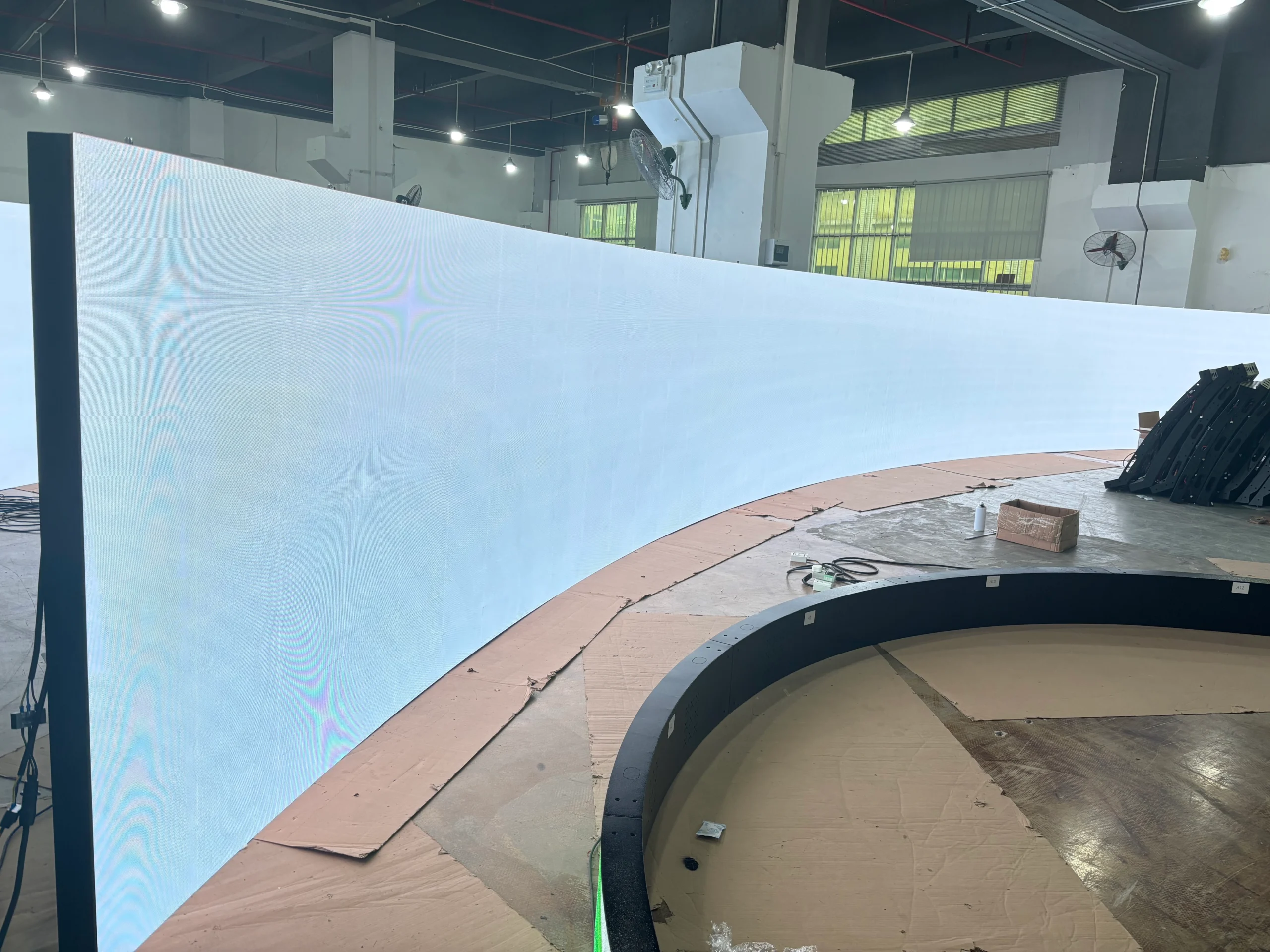
The first step in learning it is to focus on product quality before installation even begins. Many recurring problems can be traced back to poor component selection, weak circuit design, or inconsistent manufacturing processes. If reliability is the goal, every major subsystem should be evaluated carefully.
Select reliable LED chips and driver ICs
The LED chip is the core of the display. Low-grade chips may show faster brightness decay, color inconsistency, and higher dead-pixel risk. Premium chips usually perform better in temperature cycling, humidity exposure, and long-term operation. The same is true for driver ICs. Stable driver ICs reduce flicker, improve grayscale performance, and help prevent current-related failures.
Use high-quality power supplies
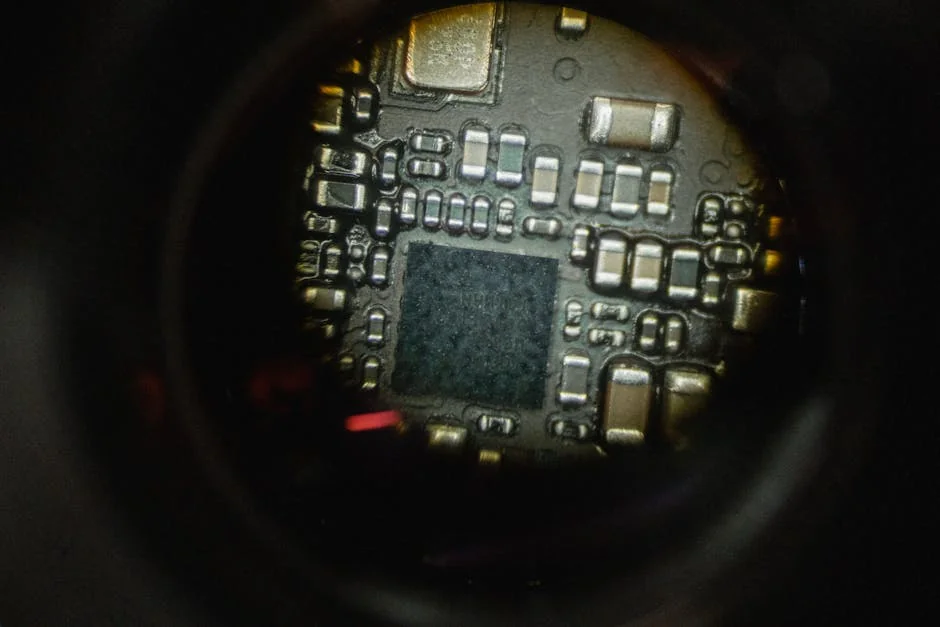
Power supply instability is one of the biggest contributors to display faults. Voltage fluctuations, overload, and poor efficiency can damage modules and shorten component lifespan. If you want to understand these, start by choosing certified(CE, UL and all other certifications locally) power supplies with protection features such as overvoltage, overload, and short-circuit protection.
Improve PCB and structural design
A good PCB layout minimizes heat buildup, electromagnetic interference, and solder stress. Reliable structural design also matters. Cabinets should support ventilation, moisture protection, and easy maintenance access. Strong mechanical design reduces vibration damage during transport and installation. 4 layers PCB is stronger than 2 layers, as well as the thickness of the PCB.
Standardize manufacturing processes
Even excellent components can fail if assembly quality is poor. Manufacturers should enforce strict soldering standards, ESD protection, aging tests, and quality inspection procedures. Batch consistency is a major factor in reliability. In practice, one of the best answers to they is to eliminate defects before products ever leave the factory.
Control Temperature, Moisture, and Environmental Stress
Environmental conditions have a direct impact on LED display reliability. Heat, humidity, dust, salt spray, UV exposure, and vibration can all accelerate failure. That is why a practical approach to the concept must include environmental management.
Manage heat effectively
Heat is a major enemy of electronic systems. Excessive operating temperatures can degrade LEDs, driver ICs, capacitors, and power supplies. For indoor displays, adequate spacing, ventilation, and ambient cooling are important. For outdoor displays, thermal design becomes even more critical because of direct sun exposure and enclosed cabinet conditions.
To improve heat control:
– Use efficient power supplies with lower heat generation
– Design proper airflow paths within cabinets
– Add fans or intelligent cooling systems when needed
– Monitor internal cabinet temperature continuously
– Avoid installing displays in locations with trapped heat
Temperature control is one of the most practical methods for teams asking the approach in demanding environments.
Protect against moisture and corrosion
Outdoor and semi-outdoor displays face serious risks from rain, condensation, and humidity. Moisture can cause short circuits, corrosion, and signal instability. In coastal or industrial regions, salt and chemical pollutants make corrosion even worse.
Useful moisture protection measures include:
– Choosing cabinets with suitable IP ratings
– Applying conformal coating where appropriate
– Sealing cable entries and connection points
– Using anti-corrosion materials and fasteners
– Running regular inspections for water ingress
Reduce dust and contamination
Dust buildup can block airflow, increase operating temperature, and interfere with connectors. In industrial environments, oil vapor and chemical particles can create additional electrical risk. Cleaning schedules and filter maintenance are simple but effective reliability tools.
Account for weather and site conditions
Wind load, sunlight, ambient temperature swings, and unstable mounting surfaces all influence service life. Site evaluation should be part of the planning stage. When companies evaluate it, they often overlook the physical location, even though it can determine long-term reliability.
Install Correctly and Maintain Stable Power and Signal Systems
Improper installation is one of the most preventable causes of display failure. Even a high-quality product can develop issues quickly if wiring, grounding, and configuration are handled poorly. A major part of this is making sure installation follows technical standards from day one.
Followed video showed you how the outdoor led video wall installaed and mounted on the wall.
Ensure proper grounding and surge protection
Grounding protects both people and equipment. Poor grounding increases the risk of electrical noise, communication errors, and lightning-related damage. Surge protection devices are especially important for outdoor displays and regions with unstable utility power.
Best practices include:
– Use a dedicated grounding system
– Install surge protection for power and signal lines
– Verify grounding resistance during commissioning
– Inspect grounding periodically after installation
Maintain power quality
Voltage instability and sudden outages can damage modules and control systems. To improve reliability, use voltage regulators, UPS systems, or power conditioning equipment where needed. Separate high-interference loads from display circuits whenever possible.
Power distribution should also be balanced correctly across cabinets. Overloaded lines and undersized cables can create overheating and fire hazards. For anyone researching how to reduce LED display failure rate, stable power infrastructure is not optional.
Secure data and signal transmission
Signal problems may look like screen failure even when the modules themselves are healthy. Loose connectors, poor shielding, excessive transmission distance, and electromagnetic interference can all cause display abnormalities such as flicker, black screens, color shifts, or partial image loss.
Signal reliability can be improved by:
– Using high-quality cables and connectors
– Keeping cable runs within recommended limits
– Shielding against electromagnetic interference
– Testing receiving cards, sending cards, and control software
– Labeling and organizing all wiring clearly
Follow commissioning and acceptance procedures
A proper commissioning process includes full-brightness testing, grayscale testing, thermal observation, calibration, communication checks, and burn-in operation. Skipping these steps often means hidden defects appear later during real use. Careful acceptance testing is a direct and proven method of how to reduce LED display failure rate after deployment.
Build a Preventive Maintenance and Failure Analysis Program
Long-term reliability depends on regular maintenance, not just good design and installation. Preventive maintenance helps identify small issues before they become major failures. If your organization wants a sustainable strategy for how to reduce LED display failure rate, maintenance planning should be systematic, documented, and data-driven.
Create a maintenance schedule
Routine inspections should include module condition, cabinet sealing, cable connections, fan operation, brightness uniformity, and power supply health. The maintenance frequency depends on the environment and usage intensity. Outdoor, rental, and 24/7 operation displays usually require more frequent checks.
A solid schedule may include:
– Weekly visual inspections
– Monthly cleaning and connector checks
– Quarterly thermal and electrical testing
– Semiannual calibration and system review
– Annual replacement planning for aging components
Monitor operating data
Modern control systems can provide real-time information on temperature, voltage, fan status, and communication errors. Monitoring tools help technicians detect patterns that indicate future failure. For example, repeated overheating in one cabinet may reveal blocked airflow or a weakening power supply.
Data analysis makes how to reduce LED display failure rate more scientific and less reactive. Instead of waiting for visible faults, teams can act on early warning signs.
Train technicians and operators
Human error remains a major cause of damage. Incorrect cleaning methods, unsafe handling, poor wiring changes, or improper brightness settings can all reduce display life. Training should cover installation practices, safety procedures, software use, troubleshooting basics, and emergency response.
Perform root cause analysis after failures
When a display problem occurs, it should not just be repaired quickly and forgotten. Root cause analysis can reveal whether the issue came from power instability, environmental stress, manufacturing defects, operator error, or design weakness. Over time, these findings create a stronger reliability program.
A professional maintenance culture is central to how to reduce LED display failure rate because it turns each failure into a lesson that prevents future downtime.
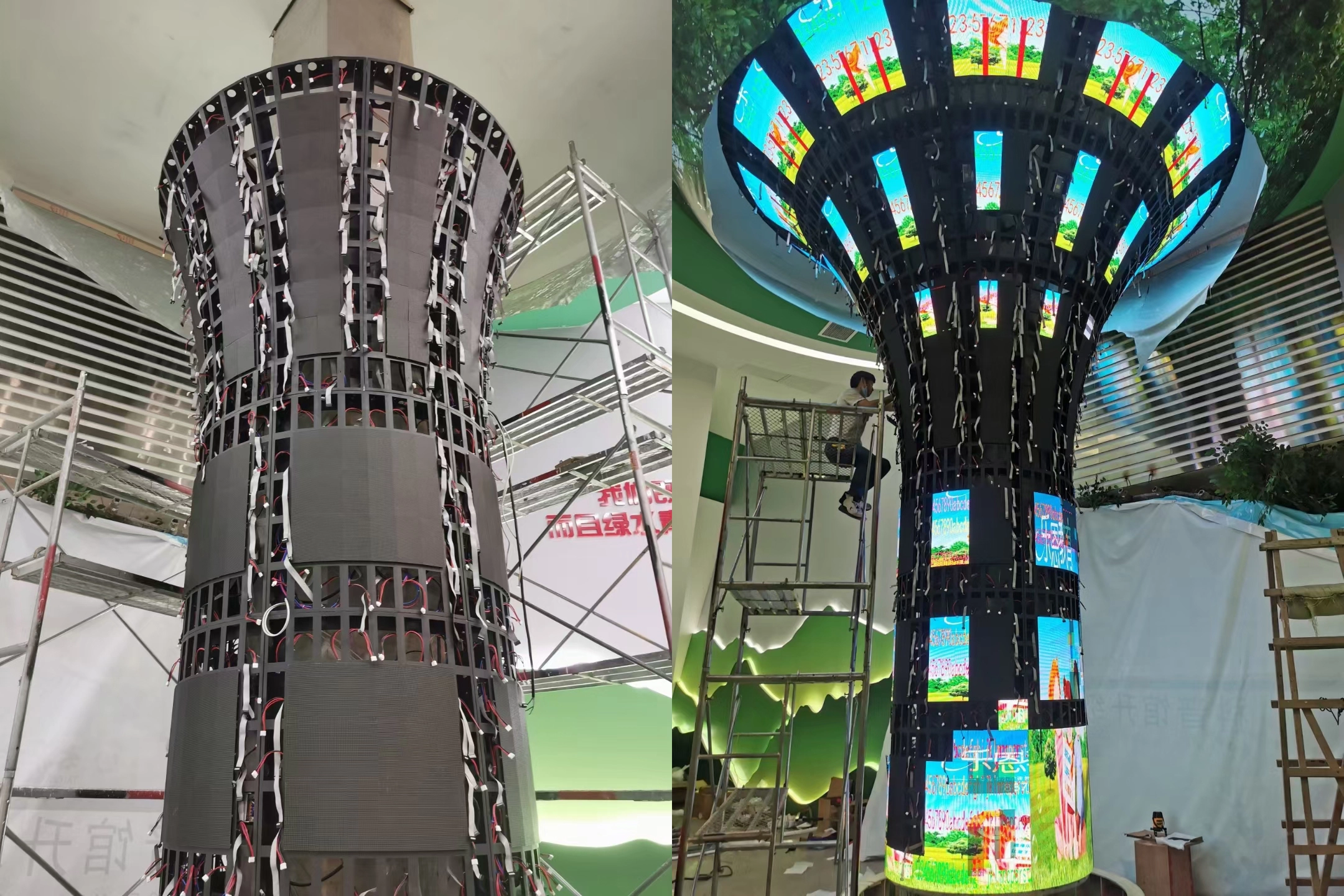
FAQ
What is the most important factor in how to reduce LED display failure rate?
The most important factor in how to reduce LED display failure rate is overall system quality. That includes reliable LED chips, stable power supplies, proper thermal management, correct installation, and regular maintenance. No single measure works alone; reliability comes from controlling the entire lifecycle.
Does temperature really affect how to reduce LED display failure rate?
Yes. Temperature has a major effect on how to reduce LED display failure rate because excessive heat accelerates aging in LEDs, power supplies, driver ICs, and capacitors. Better ventilation, cooling design, and temperature monitoring can significantly reduce failures.
Can preventive maintenance help how to reduce LED display failure rate?
Absolutely. Preventive maintenance is one of the best methods for how to reduce LED display failure rate because it catches loose connections, moisture problems, dust buildup, and early component wear before they lead to serious downtime or expensive repairs.
Why does power quality matter in how to reduce LED display failure rate?
Power quality matters in how to reduce LED display failure rate because voltage fluctuations, overloads, surges, and poor grounding can damage sensitive components and disrupt display performance. Stable electrical infrastructure greatly improves reliability.
Is installation quality related to how to reduce LED display failure rate?
Yes. Installation quality is directly related to how to reduce LED display failure rate because improper wiring, weak grounding, poor sealing, and bad cable management can create failures even in high-end display systems. Correct installation standards are essential.
Conclusion
Understanding how to reduce LED display failure rate requires a full-lifecycle approach. Reliability begins with high-quality components, sound PCB and cabinet design, and standardized manufacturing. It continues through proper environmental protection, effective heat dissipation, stable power distribution, secure signal transmission, and professional installation. Most importantly, long-term success depends on preventive maintenance, technician training, and root cause analysis. Companies that treat reliability as a system rather than a one-time purchase decision will reduce downtime, lower repair costs, and extend display lifespan. By applying these best practices consistently, any organization can make meaningful progress in how to reduce LED display failure rate and achieve better LED display performance over the long term.