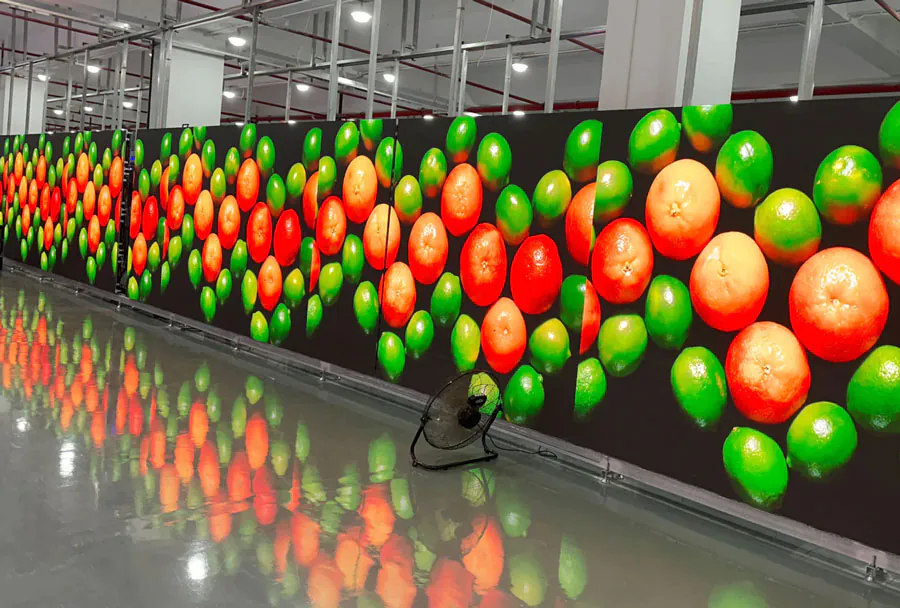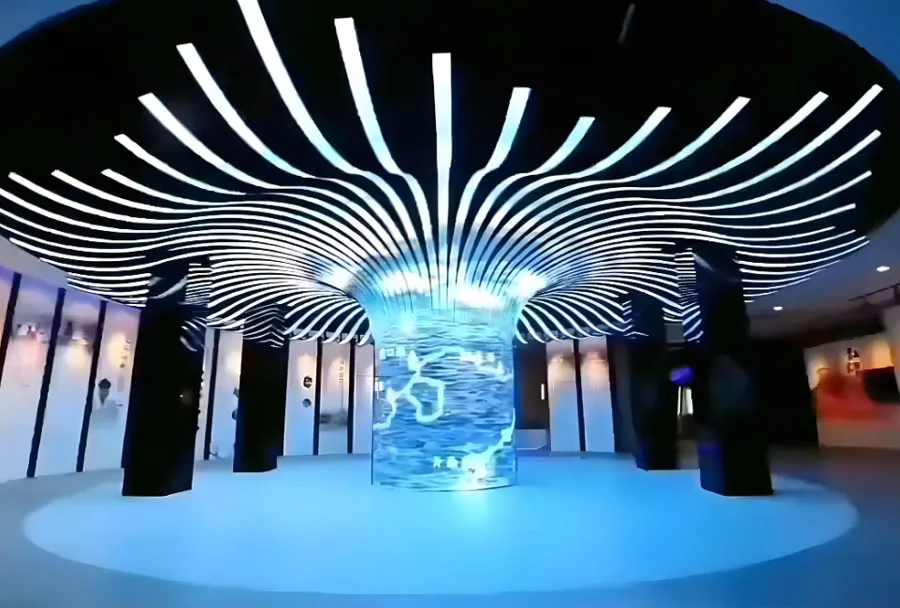
Indoor and outdoor led screen rental services from TW VISION

Introduction: Why Choose TW VISION for LED Screen Rentals
TW VISION has positioned itself as a reliable provider of both indoor and outdoor LED screen rental services tailored for events, marketing activations, corporate productions, and public displays. Whether you are staging a concert, launching a product, running a trade show booth, or broadcasting live content at an outdoor festival, selecting the right LED screen rental partner is critical to delivering an engaging visual experience. This article provides a professional, comprehensive guide to the indoor and outdoor LED screen rental services offered by TW VISION — including technical comparisons, practical considerations, event planning tips, cost factors, and post-rental support — so you can make an informed decision that aligns with your creative and logistical goals.
Understanding LED Screen Types: Indoor vs Outdoor
Core differences
LED screens for indoor and outdoor use share the same basic technology — arrays of light-emitting diodes that form pixels — but they differ significantly in construction, performance, and environmental resilience:
– Pixel pitch: Indoor LED screens typically have finer pixel pitches (e.g., P1.2 to P4) to deliver crisp images at close viewing distances. Outdoor LED screens often have coarser pixel pitches (P4 to P10+) because audiences view them from farther away.
– Brightness: Outdoor displays require much higher brightness (measured in nits) to maintain visibility in daylight. Typical outdoor modules exceed 5,000 nits; indoor modules often range from 800 to 1,500 nits.
– Weatherproofing: Outdoor cabinets include IP65/IP66 ratings to resist rain, dust, and temperature variations. Indoor modules prioritize thin form factors and light weight.
– Structural considerations: Outdoor screens need robust mounting, wind loading analysis, and often protective housings. Indoor screens focus on aesthetics, slim seams, and ease of rigging in constrained spaces.
Why rental matters
Renting LED screens from a specialist like TW VISION provides flexibility, cost efficiency, and access to the latest technology without the capital expense and maintenance burden of ownership. Rentals are ideal when:
– You require short-term use for a single event or campaign.
– You want to test different screen sizes and pixel pitches before investing.
– You need professional installation, technical crew, and reliable content playback support.
Service Offerings from TW VISION
Indoor LED screen rental services
TW VISION’s indoor rental inventory typically includes:
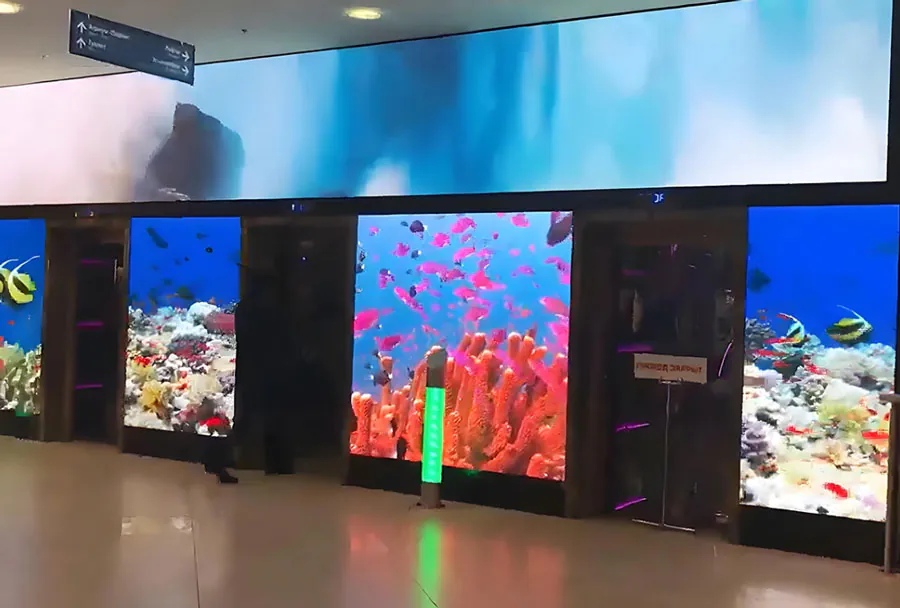
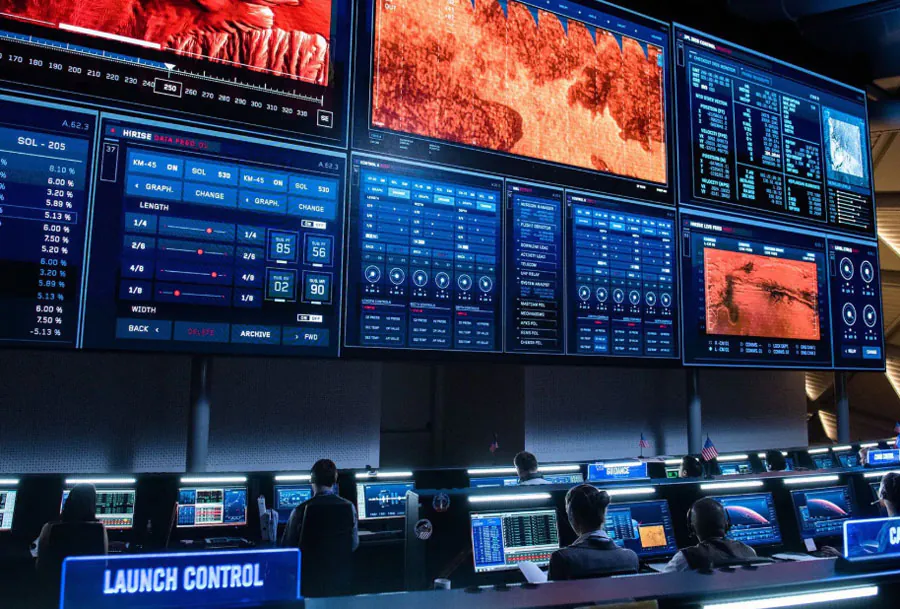
– High-resolution fine-pitch LED panels (P1.2–P3.9) for live production, control rooms, broadcast backdrops, and trade show booths.
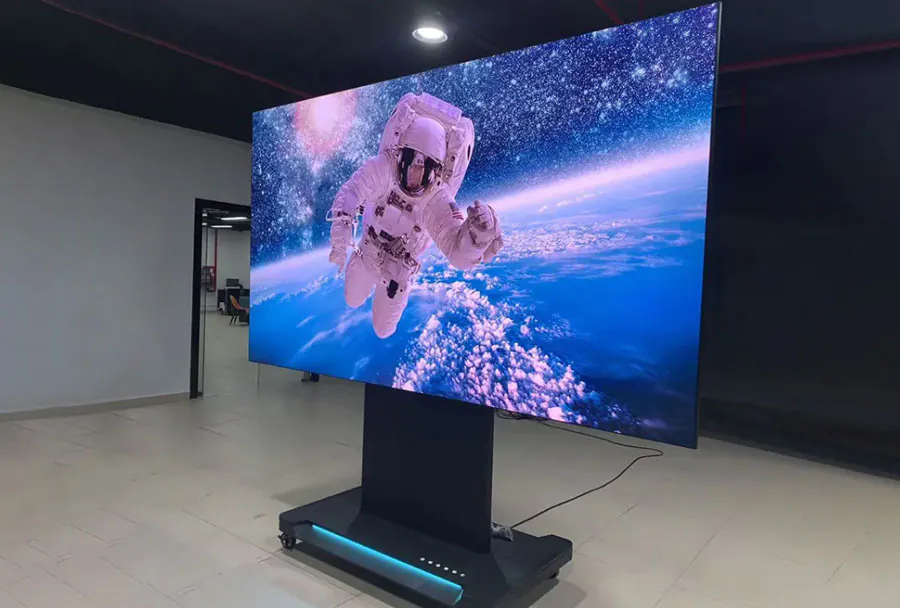
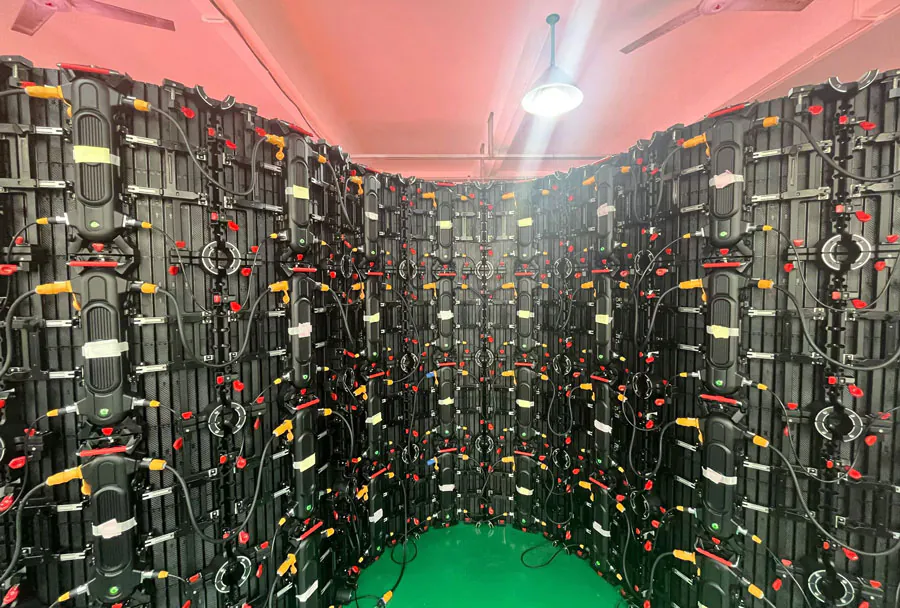
– Lightweight, snap-fit cabinets designed for fast assembly and tight seams for seamless video walls.
– Flexible solutions such as curved, concave/convex configurations, and transparent LED for retail or architectural installations.
– Integrated control systems supporting multiple inputs (SDI, HDMI, DVI, media players), multi-screen mapping, and pixel-level calibration.
Indoor service highlights:
– Quick onsite assembly and alignment
– Custom content mapping and preview
– Ambient light calibration
– Onsite technical operator and redundant playback systems
Outdoor LED screen rental services
For outdoor events, TW VISION provides:
– Weatherproof LED cabinets with high IP ratings for rain and dust resistance.
– High-brightness modules (5,500–10,000 nits) to ensure daytime visibility.
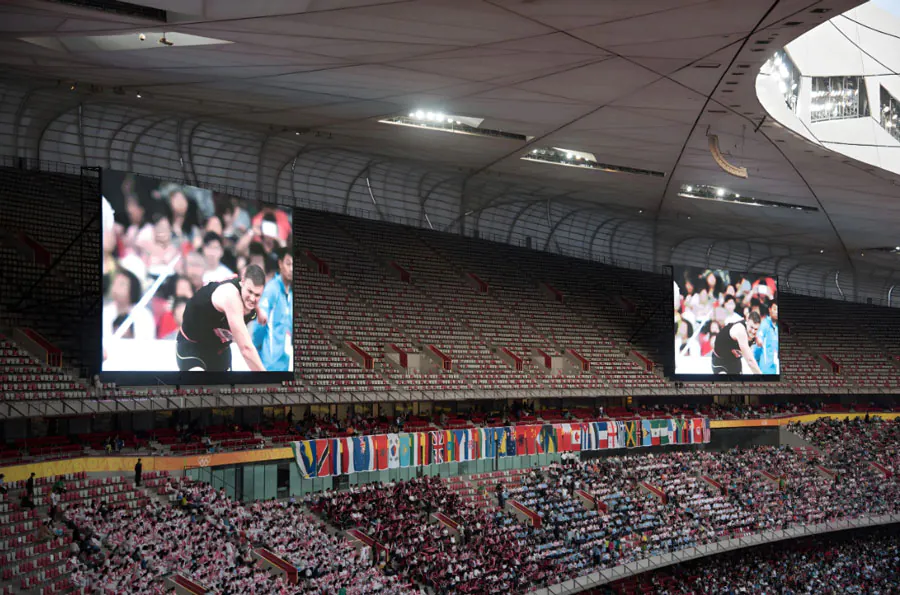
– Large-format configurations: stadium screens, festival backdrops, building wraps, and roadside advertising.
– Structural rigging services: trussing, scaffold builds, ground supports, and wind bracing calculations.
Outdoor service highlights:
– Site surveys and structural analysis
– Full permitting support and compliance guidance
– Redundant power and signal paths
– Weather contingency planning and emergency response
Technical Specifications and Selection Guide
Key specs to evaluate
When selecting an LED rental solution, pay attention to:
– Pixel pitch: Determines perceived resolution; choose based on viewing distance. Closer viewing distances demand smaller pitch values.

– Brightness (nits): Indoor typical: 800–1,500 nits; outdoor typical: 5,000–10,000+ nits.
– Refresh rate: Higher refresh rates (≥3,000 Hz) reduce flicker and improve camera capture—important for broadcast and livestream.
– Contrast ratio and color accuracy: Look for panels with good grayscale tracking and color calibration tools.
– IP rating: For outdoor use, IP65/66 protects against dust and water ingress.
– Module and cabinet size: Determines ease of transport and assembly. Lightweight cabinets speed installation.
– Viewing angle: Wide viewing angles maintain image quality across audience spread.
– Power consumption and heat handling: Larger displays require careful power planning and ventilation.
How TW VISION advises clients
TW VISION typically recommends:
– Matching pixel pitch to the closest viewing distance: For example, P2 for 2–4 meters; P4 for 4–8 meters; P6 or P8 for stadium/backdrop viewing.
– Selecting higher refresh rates (≥6,000 Hz) for events with heavy camera usage to avoid flicker in recordings.
– Choosing conservative brightness ratings for unpredictable weather; select a screen with adjustable brightness to adapt to conditions.
– Considering logistics early: access routes, loading dock dimensions, crane availability, and power sources.
Operational Workflow: From Inquiry to Event Close
1. Initial consultation and site survey
TW VISION begins with a needs assessment: goals, audience size, site photos, rigging points, and power availability. For complex builds, technicians perform an on-site structural survey to confirm mounting options and to determine permits.
2. Proposal and technical drawings
The proposal includes:
– Recommended screen type and pixel pitch
– Screen dimensions and aspect ratio
– Rack and control system requirements
– Rigging plans, wind load calculations (for outdoor), and power plans
– Itemized rental fees and crew costs
3. Pre-event preparation
TW VISION handles:
– Content ingestion and testing (playback, scaling, color calibration)
– Pre-assembled modules and lab testing to reduce onsite time
– Logistics planning for transport, staging, and crew assignments
4. Installation and show support
During the event, TW VISION provides:
– Certified riggers and electricians
– Screen mounting and alignment
– Real-time technical operation, monitoring, and redundancy
– Onsite troubleshooting and backup playback systems
5. Strike and debrief
After the event:
– TW VISION performs professional strike and pack-down
– Equipment is tested, cleaned, and returned to rental inventory
– A debrief covers lessons learned, damage reports, and feedback
Cost Factors and Pricing Considerations
What influences rental pricing?
Rental price depends on a combination of equipment, crew, logistics, and event complexity:
– Screen size and pixel pitch: Larger dimensions and finer pitches generally cost more.
– Brightness and specialized modules: High-nit outdoor modules add cost.
– Installation complexity: Crane lifts, roof mounts, or custom structures increase labor and insurance costs.
– Duration: Longer rental periods often provide daily or weekly rate breaks.
– Location and mobilization: Travel time, freight, customs (for international events), and site access fees affect pricing.
– Technical crew: Onsite technicians, operators, and riggers are billed separately.
– Power and infrastructure: Generators, distribution, and backup power add to costs.
– Permitting and insurance: Fees for permits, traffic control, or liability insurance may be necessary for outdoor installs.
Sample pricing framework (estimates)
Note: These are illustrative ranges. Actual quotes from TW VISION will vary by market and project specifics:
– Small indoor video wall (6–12 sqm, P2–P3): $1,200–$3,500 per day
– Medium indoor LED wall (12–30 sqm, P2–P4): $3,500–$8,000 per day
– Large outdoor LED screen (20–60 sqm, P4–P8, high brightness): $7,000–$25,000+ per day
– Full-service (transport, rigging, crew, content playback): add 30%–80% depending on complexity
Analysis Table: Indoor vs Outdoor LED Rental Comparison
FeatureIndoor ScreensOutdoor ScreensTypical Rental Cost ImpactRecommended EventsPixel Pitch Fine (P1.2–P3.9)Coarser (P4–P10+)Finer pitch increases cost significantlyConferences, broadcast backdrops; Outdoor concerts, stadiumsBrightness800–1,500 nits5,000–10,000+ nitsHigh brightness adds to module and power costInterior trade shows; Daylight-visible advertisementsWeather ResistanceNot required; indoor-ratedIP65/66, sealed cabinetsOutdoor-rated hardware cost and insurance increase priceIndoor product launches; Outdoor festivals and signageRigging/Structural NeedsLight truss or wall mountHeavy-duty truss, wind analysis, ground supportsComplex rigging raises labor and permit costsPlenary rooms, theaters; Sports arenas, concertsOperational ComplexityLower (controlled environment)Higher (weather, power, permits)Higher complexity leads to higher service feesShowrooms and galleries; City events, large-scale activations
Practical Use Cases and Case Examples
Live concert and festivals
Outdoor LED screens are essential for large concerts and festivals to deliver live camera feeds, sponsor messaging, and dynamic graphics. TW VISION’s outdoor fleet can be configured as side screens, stage backdrops, or stadium Jumbotrons. Key considerations include camera-friendly refresh rates, wind loading for high stands, and redundant power runs to minimize downtime.
Corporate events and product launches
For product launches, indoor LED walls create immersive environments that reflect brand identity with high color fidelity. TW VISION offers curated content playback services and tight seam fine-pitch displays to ensure product visuals look flawless in photos and broadcast.
Trade shows and experiential marketing
Trade show booths benefit from custom-shaped video walls, transparent LED for storefronts, and interactive touch-enabled LED surfaces. TW VISION supports booth integration, onsite content changes, and overnight swaps to keep campaigns fresh across multi-day shows.
Sporting events and public broadcasts
Large-format outdoor screens deliver scoreboard functions, instant replays, and sponsor ads. TW VISION provides scalable solutions for arenas and temporary outdoor venues with attention to spectator sightlines and broadcast feed synchronization.
Maintenance, Reliability, and Support
Preventive measures
TW VISION emphasizes preventive maintenance to minimize failures:
– Pre-rental testing of all modules and power supplies
– Firmware updates and color calibration
– Redundant video sources and playback servers
– Spare parts on site (modules, power supplies, data cables)
Onsite support
Rental packages commonly include technicians who:
– Monitor display health in real time
– Troubleshoot pixel or module issues and swap replacements quickly
– Manage live content switching and feed synchronization
Post-event care
After strike, TW VISION inspects and refurbishes modules, updates records, and reports any incidents. This ensures consistent reliability across their rental fleet.
Measuring Impact and Return on Investment (ROI)
How to quantify value
To assess ROI for LED screen rentals, consider:
– Audience reach and dwell time increases: Engaging visuals can extend visitor dwell time and boost conversions.
– Brand impressions: Count impressions from attendees and livestream viewers; multiply by CPM benchmarks to estimate advertising value.
– Lead generation uplift: Correlate booth traffic and lead capture rates before and after adding high-impact screens.
– Sponsorship revenue: Large LED screens can be monetized by selling ad slots or sponsor exposure.
Simple ROI example
Example assumptions for a two-day outdoor festival:
– Rental and services: $18,000
– Event attendance: 10,000 unique attendees
– Average dwell/impression multiplier: 1.5 impressions/attendee
– Estimated ad CPM value per impression: $0.02
Impression value: 10,000 1.5 = 15,000 impressions; 15,000 $0.02 = $300 ad value — this simple model does not capture brand lift, media pickup, or sponsor fees, which often represent the majority of measurable value. For sponsorships, a single brand slot might command $5,000–$20,000 depending on exposure. Therefore, monetization and media amplification are key parts of the ROI story for large LED deployments.

Common Questions and TW VISION Best Practices
How early should we book?
Book as early as possible, ideally 8–16 weeks for large or seasonal events. High-demand periods (holiday, festival season) require earlier reservations. Early booking secures desired pixel pitch and availability of crew.
What about content formatting?
TW VISION provides content templates and offers content services. Provide files in high-resolution formats (H.264/HEVC, ProRes for high-quality fills) and ensure aspect ratio matches the screen layout. For complex multi-panel setups, TW VISION will handle mapping and playback configuration.
Can we use LED screens for live broadcasts?
Yes. Ensure panels have high refresh rates and low scan line issues. TW VISION recommends testing with camera systems in advance and using camera-friendly refresh settings to prevent flicker.
What safety and permitting should we expect for outdoor installs?
Expect to coordinate with local authorities for permits related to public assembly, noise, and road closures. TW VISION assists with documentation, structural calculations, and certified riggers to meet municipal requirements.
How to Engage with TW VISION: Steps to Get Started
1. Prepare your event brief
Include:
– Venue address and photos
– Expected audience size and viewing distances
– Desired screen size and placement
– Content types (video, live camera, social wall)
– Power availability and access details
2. Request a site survey and proposal
Contact TW VISION to schedule a site visit or virtual assessment. A detailed technical proposal and quotation will follow.
3. Finalize logistics and production schedule
Confirm installation windows, strike windows, access for trucks and cranes, and on-site staffing requirements.
4. Rehearsal and technical run-through
Plan at least one full technical rehearsal to test content playback, lighting interplay, camera capture, and redundancy systems.
Conclusion: Maximizing Event Impact with TW VISION
TW VISION’s indoor and outdoor LED screen rental services offer event professionals the flexibility and technical expertise needed to create memorable visual experiences. By understanding the differences between indoor and outdoor LED technologies, aligning pixel pitch and brightness with viewing distances, and planning for rigging, power, and content workflows, you can ensure your event delivers on creative ambitions and practical constraints. Whether you’re staging an intimate product reveal or a multi-day outdoor festival, partnering with a full-service rental provider like TW VISION minimizes risks, accelerates production timelines, and amplifies audience engagement.
If you’re planning your next event, gather your venue details and content brief, and reach out to TW VISION for a tailored quote and technical consultation to explore the LED options that best fit your goals.