Outdoor Digital Display for Retail and Commercial Advertising


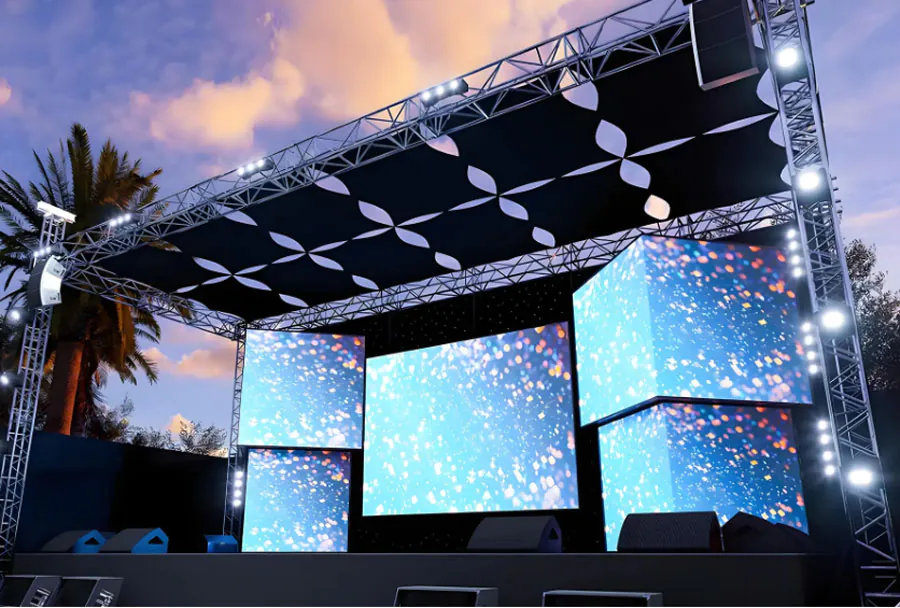
In today’s competitive retail and commercial landscape, attention is the most valuable currency. Foot traffic is harder to convert, customer expectations are higher, and brand messages are competing with countless visual distractions. This is precisely why the Outdoor Digital Display for Retail and Commercial Advertising has become one of the most effective tools for modern businesses: it transforms storefronts, plazas, transport hubs, and commercial streets into dynamic brand stages that communicate in real time.
Unlike static posters that quickly fade into the background, outdoor digital displays deliver vivid visuals, motion, and time-sensitive messaging that can be updated instantly. For retailers, shopping centers, restaurants, and commercial property operators, outdoor LED and digital signage systems are not simply “screens”—they are revenue drivers, brand amplifiers, and operational tools. As a professional service provider, TW VISION supports businesses in designing, deploying, and maintaining outdoor digital display solutions that match real-world commercial goals: attract, inform, convert, and retain.
Why Outdoor Digital Displays Are Redefining Retail Visibility
Outdoor environments are naturally noisy: traffic, architecture, crowds, weather, and competing signage all fight for attention. Traditional advertising can struggle in these conditions, especially during peak daylight hours. Outdoor digital displays solve this by combining high brightness, high contrast, and dynamic content that naturally pulls the eye.
For retail and commercial advertising, that visibility translates into measurable benefits:
– Stronger first impression: A sharp, bright storefront screen communicates modernity and professionalism instantly.
– Higher message retention: Motion and changing visuals help customers remember promotions and brand identity more effectively than printed media.
– Better campaign flexibility: Seasonal promotions, flash sales, event announcements, and menu updates can be scheduled and changed without printing costs.
– Audience targeting by time: Different content can run in the morning, afternoon, evening, weekends, or during specific events—automatically.
For businesses located in high-footfall zones, the ability to continuously refresh messaging is crucial. A single outdoor display can function like an always-on digital salesperson—communicating offers, guiding customers, and reinforcing brand presence all day long.
Retail Use Cases: From Storefront Attraction to In-Store Conversion
Retailers often think of outdoor displays as “big advertising.” But the true value lies in the practical, daily impact across the customer journey.
1) Storefront and window-facing displays
A storefront is a retailer’s most important physical marketing asset. Outdoor-facing digital displays can highlight bestsellers, new arrivals, limited-time discounts, or brand storytelling. This encourages passersby to slow down, look, and step inside.
2) Shopping mall and commercial complex screens
For mall operators, outdoor digital displays can promote the complex itself, guide visitors to entrances, announce events, and offer rentable ad inventory to tenants and external brands. This creates an additional revenue stream while improving visitor experience.
3) Quick-service restaurants and cafes
Outdoor menu boards and promotional screens can instantly update combos, pricing, or featured items. During peak hours, rotating content can reduce customer decision time and influence higher-margin purchases.
4) Automotive, electronics, and premium retail
High-value retail benefits from storytelling. Outdoor led displays can deliver lifestyle visuals that communicate brand positioning—especially effective for premium products where emotion and perception matter.
TW VISION supports these use cases with solutions tailored to site constraints, viewing distance, and brand objectives—ensuring the display isn’t just installed, but strategically deployed.
Commercial Advertising Advantages: A Media Platform You Control
Outdoor digital displays don’t only advertise a business—they can become a media platform.
For commercial districts, property owners, and large retailers, this means:
– Selling ad slots to partners: Nearby brands, event organizers, and service providers may pay for exposure.
– Cross-promotions: Retailers can cooperate with neighboring businesses to promote shared campaigns.
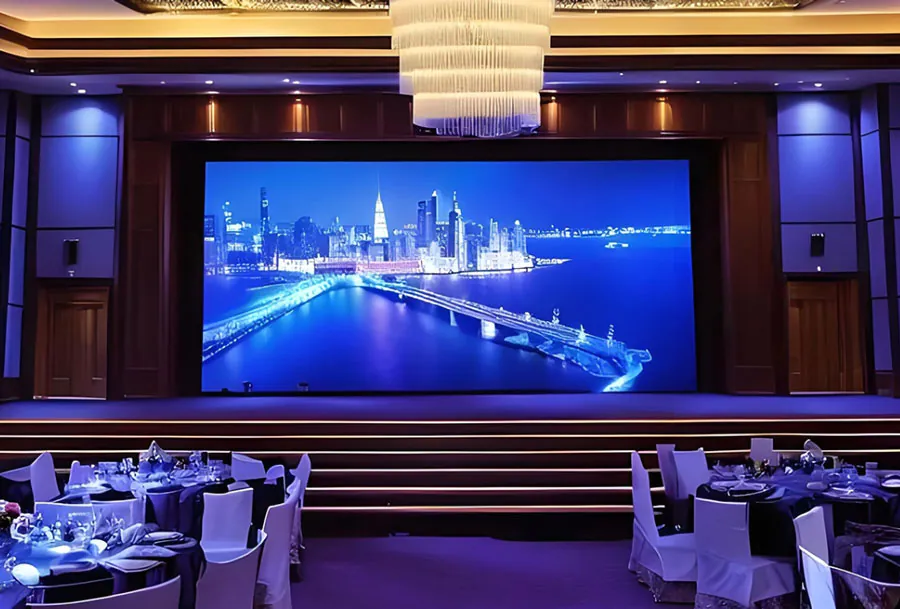
– Community messaging: Public announcements, holiday greetings, and safety information strengthen local brand goodwill.
– Event-driven revenue: Festivals, sports events, and seasonal peaks can dramatically raise ad value.
Instead of paying continually for third-party media placements, brands can invest in an asset that delivers ongoing exposure under their direct control—content, schedule, and creative direction included.
Key Technical Requirements for Outdoor Digital Display Success
An outdoor digital display is only as effective as its performance in real conditions. Retailers need screens that look great in sunlight, remain stable in weather, and operate reliably for long hours.
Key factors to get right include:
High brightness and anti-glare visibility
Outdoor advertising must be readable in direct daylight. High-nit brightness and proper contrast ensure content remains impactful from morning to late afternoon.
Weather resistance and durability
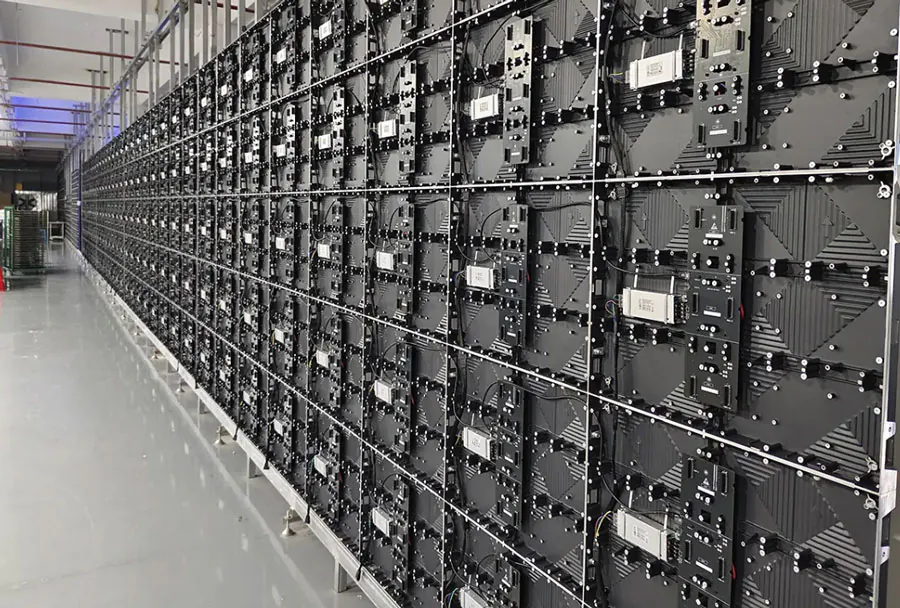
Outdoor equipment faces rain, dust, humidity, heat, and temperature swings. Enclosures, sealing, corrosion-resistant materials, and thermal management are critical for long-term stability.
Content clarity: pixel pitch and viewing distance
Choosing the right pixel pitch determines how crisp the content appears at typical viewing distances. A busy street, a mall entrance, and a roadside billboard all require different configurations.
System reliability and maintenance access
Commercial screens should support stable long-hour operation with maintenance-friendly design to reduce downtime. This matters particularly for businesses running daily promotions.
Energy efficiency and operational cost
Outdoor displays run many hours per day. Efficient power usage, intelligent brightness adjustment, and robust components help manage long-term operating expenses.
TW VISION approaches these requirements with a practical, deployment-first mindset: selecting specifications that fit the environment, the audience distance, and the commercial purpose—rather than overspending on features that don’t improve real performance.
Content Strategy: The Difference Between “A Screen” and “A Sales Tool”
Hardware catches attention, but content converts attention into action. Many outdoor screens underperform because businesses treat them like digital posters. The most effective outdoor digital display strategies focus on short, clear, repeatable messages designed for real viewing behavior—people walking, driving, or glancing quickly.
Best practices for retail and commercial advertising include:
– One message per scene: Promotions should be instantly understandable within seconds.
– Strong contrast and large typography: Outdoor readability must beat environmental visual noise.
– Motion with purpose: Subtle motion draws attention; excessive effects reduce comprehension.
– Clear call-to-action: “Enter now,” “Limited today,” “2F new arrivals,” “Scan for coupon” can increase conversion.
– Scheduled campaigns: Breakfast content in the morning, family offers on weekends, clearance after peak hours.
With TW VISION, outdoor digital displays are not positioned as standalone hardware, but as part of a campaign system—supporting brand rhythm, seasonal shifts, and operational needs.
Integration and Smart Operations: Real-Time Control for Modern Retail
Retailers and commercial operators increasingly need displays that integrate with daily operations. Outdoor digital signage can support centralized control, allowing marketing teams to update content across multiple locations quickly.
Examples of high-value operational capabilities include:
– Multi-site content management: Launch a promotion across multiple stores simultaneously.
– Remote scheduling and approvals: Reduce the time and labor required to keep content accurate.
– Emergency messaging: In case of safety issues or urgent updates, screens can switch to priority content.
– Data-driven optimization: Campaign performance can be tested and adjusted—different creatives, different times, different offers.
Outdoor digital displays work best when they reduce friction, not add complexity. TW VISION’s service approach emphasizes stability, usability, and scalable management—especially for brands expanding across regions.
Why TW VISION Is a Reliable Service Partner for Outdoor Digital Display Projects
Outdoor digital display projects involve more than selecting a screen size. They require site assessment, structural planning, power considerations, content workflows, and long-term service. A reliable service provider helps avoid common risks such as poor visibility, overheating, unexpected downtime, or mismatch between display type and location.
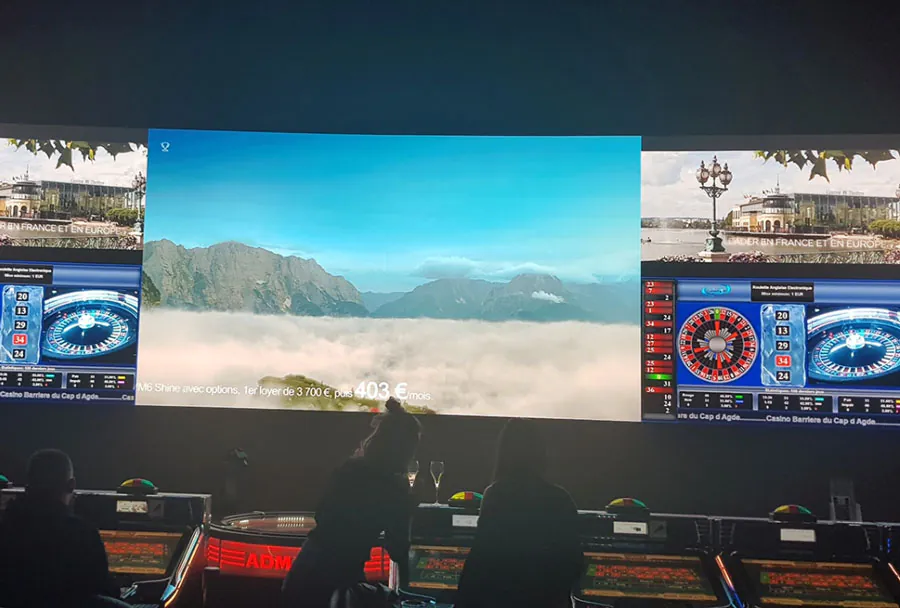
TW VISION supports retail and commercial clients by focusing on:
– Solution planning based on real scenarios: location type, traffic flow, viewing angles, and branding goals.
– Professional deployment support: ensuring stable installation and long-term operational safety.
– Performance-oriented configuration: brightness, pixel pitch, weather protection, and thermal strategy aligned with environment.
– Service continuity: minimizing downtime through practical maintenance planning and support.
For businesses, the real return comes from consistent performance day after day. A screen that fails, dims, or becomes unreadable in sunlight quickly turns into a cost rather than an asset. TW VISION’s value is in helping clients build a dependable outdoor advertising system—not a one-time installation.
Measuring ROI: What Retailers Should Track
To evaluate the impact of an outdoor digital display, retail and commercial operators should track both direct and indirect metrics:
– Foot traffic lift: compare traffic before and after installation; measure peak-hour changes during campaigns.
– Promotion conversion rate: track QR scans, coupon redemptions, or featured product sales.
– Brand recall: assess customer awareness of new product launches or seasonal events.
– Ad revenue (for commercial property): occupancy and pricing of ad slots sold to partners.
– Operational savings: reduced printing and installation cost of static signage.
Outdoor digital display ROI is often strongest when the screen is treated as a long-term communication channel—continuously optimized rather than “set and forget.”
The Future of Outdoor Digital Display for Retail and Commercial Advertising
Outdoor digital displays will continue evolving from “display hardware” into intelligent communication infrastructure. The next stage will emphasize smarter scheduling, more responsive content, and tighter integration with retail operations. As competition rises and customer attention becomes more expensive, brands will lean increasingly on dynamic, high-visibility outdoor media to stay relevant.
For retailers and commercial advertisers, the core advantage remains clear: outdoor digital displays bring speed, flexibility, and impact to the most important moment—when potential customers are physically near the point of sale.
Build a Stronger Retail Presence with TW VISION
The Outdoor Digital Display for Retail and Commercial Advertising is no longer optional for brands that want to compete in high-traffic commercial environments. It enables real-time marketing, stronger brand perception, and more efficient promotion cycles—while opening new monetization opportunities for property operators and commercial spaces.
With TW VISION as a service partner, businesses can implement outdoor digital display solutions that are not only visually impressive, but also reliable, measurable, and aligned with real commercial outcomes. In a world where attention is the gateway to sales, an outdoor digital display is one of the most direct ways to turn visibility into growth.