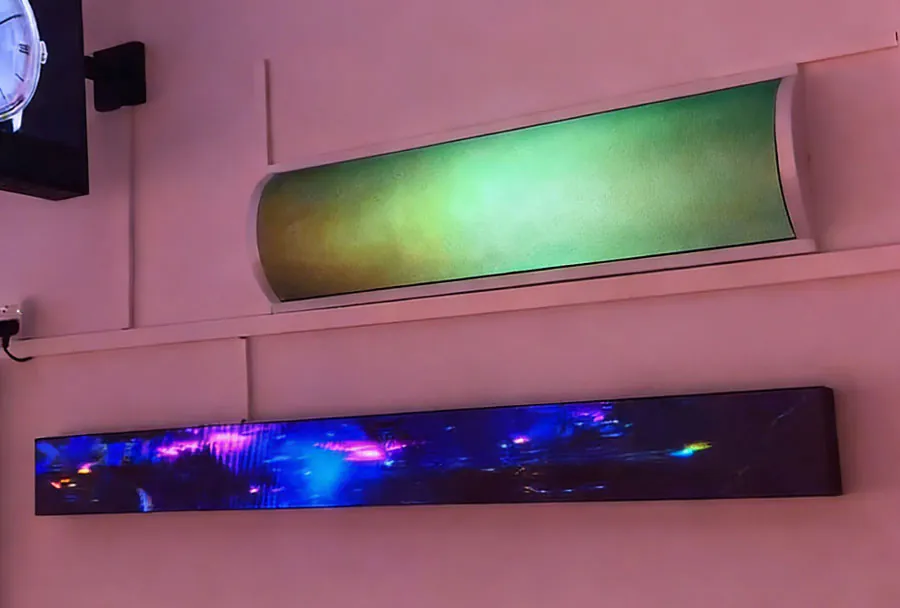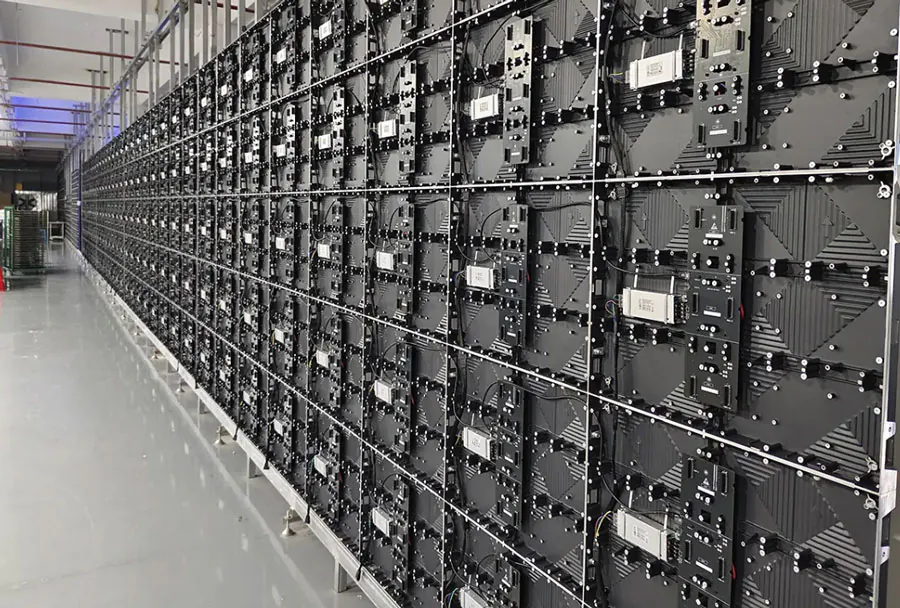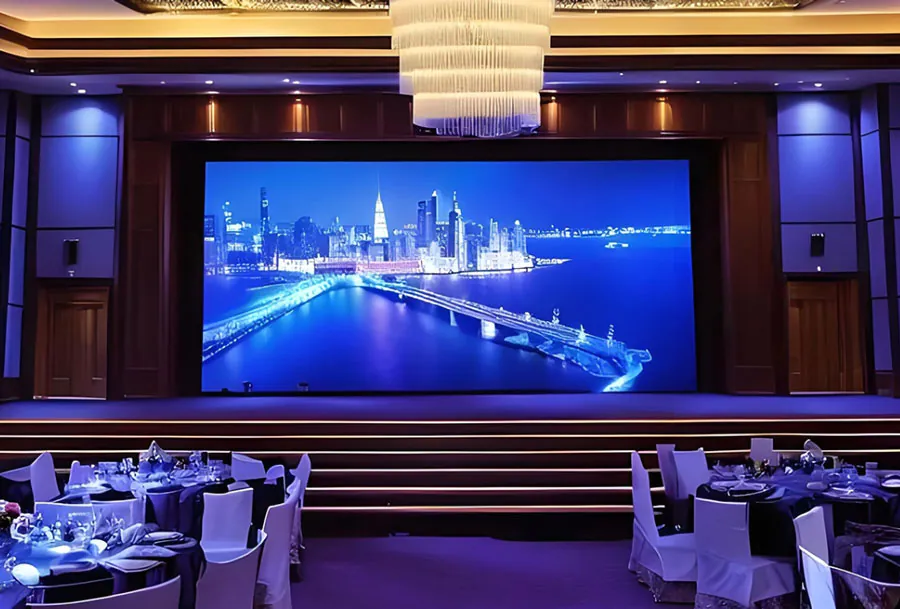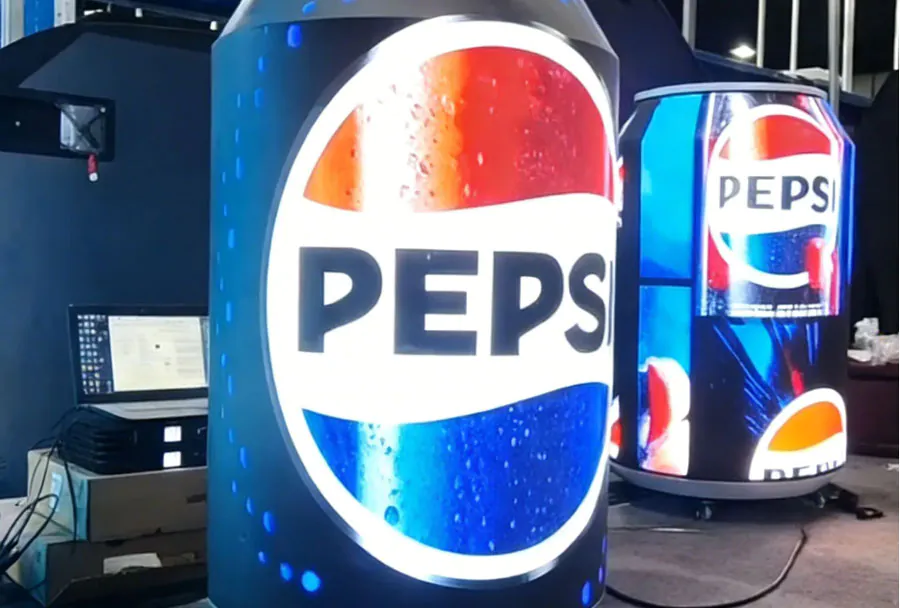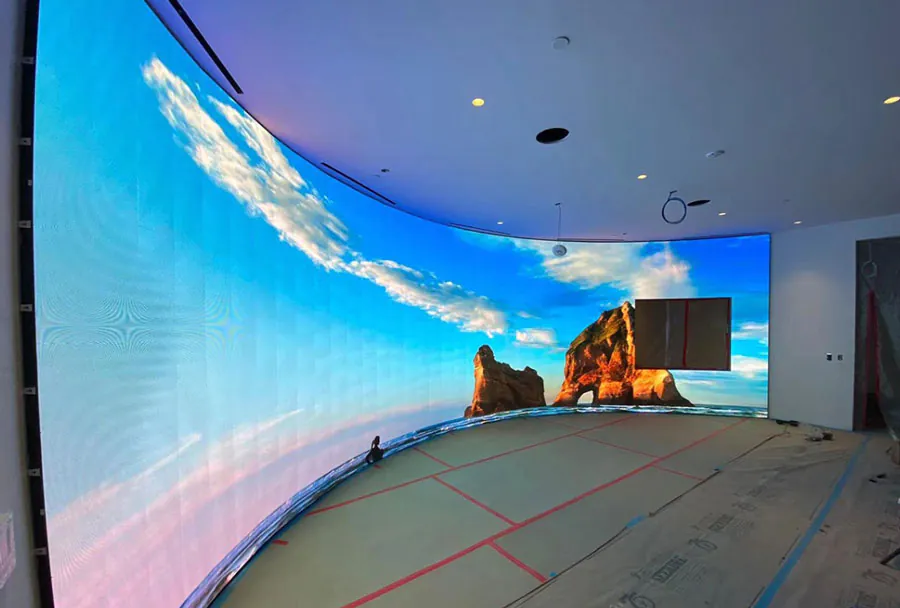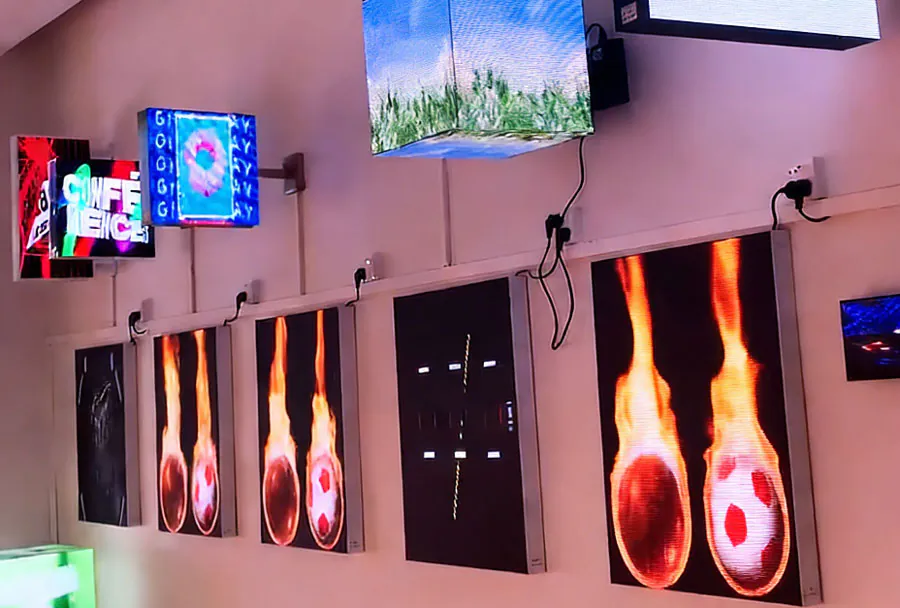
Wall-Mounted Digital Signage Monitor for Space-Saving Displays

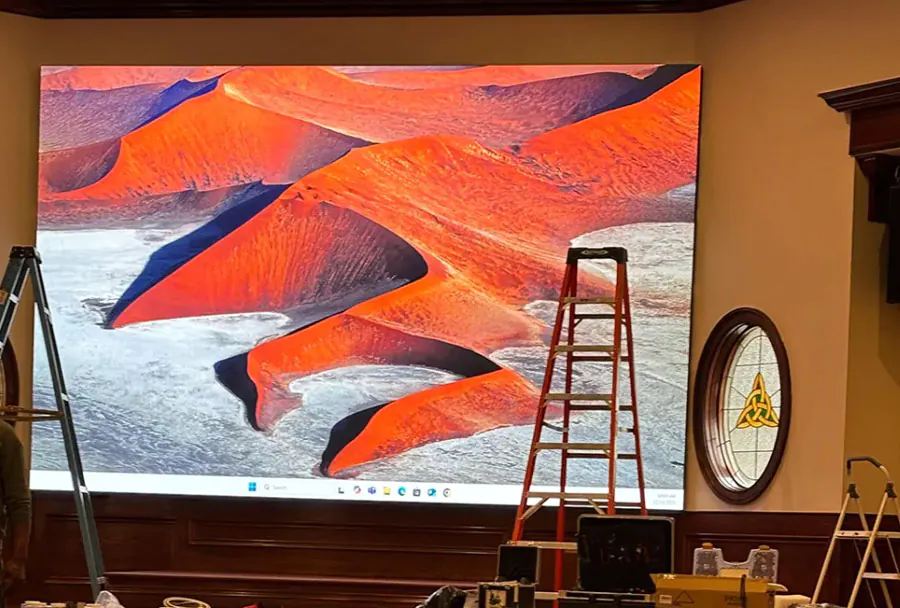
In an era where every square meter matters, businesses are rethinking how to communicate with customers without sacrificing valuable floor space. A Wall-Mounted Digital Signage Monitor for Space-Saving Displays has become one of the most effective ways to deliver dynamic messaging while keeping environments clean, open, and visually organized. From retail aisles to hospital corridors, wall-mounted signage offers a sleek, professional look and a measurable boost in communication efficiency.
As a service provider, TW VISION supports organizations in selecting, deploying, and managing wall-mounted digital signage systems that fit real operational needs—balancing aesthetics, durability, content performance, and cost. This article explores why wall-mounted digital signage is the smart solution for space-saving displays, what to consider when choosing hardware, and how to build a content strategy that actually drives results.
Why Wall-Mounted Digital Signage Is the Go-To Choice for Space Saving
Floor-standing displays can be effective, but they often create obstacles: they consume space, interrupt traffic flow, and require additional safety considerations. Wall-mounted solutions solve these problems by relocating communication to underused vertical space.
Key space-saving benefits include:
– Maximized floor area: freeing room for merchandise, seating, or smoother movement.
– Cleaner layouts: reducing clutter from stands, cables, and temporary signage.
– Improved safety: fewer trip hazards and less risk of accidental tipping.
– Better visibility: positioning screens at optimal eye level or above crowds.
In compact stores, cafés, clinics, and reception areas, this shift from “occupied floor” to “activated wall” often transforms the customer experience. A wall-mounted digital signage monitor communicates more efficiently while maintaining a premium, minimalist environment.
Where Wall-Mounted Displays Deliver the Most Impact
A wall-mounted digital signage monitor is not limited to one industry. Its value increases wherever messaging must be visible, frequently updated, and presented professionally—especially in limited spaces.
Common high-impact scenarios include:
– Retail: promotions, seasonal campaigns, pricing highlights, product education, and brand storytelling.
– Restaurants & cafés: digital menu boards, queue guidance, upselling combos, time-based offers.
– Corporate offices: welcome screens, room schedules, internal announcements, KPI dashboards.
– Healthcare: wayfinding, patient info, queue status, health education, service notices.
– Education: campus announcements, event schedules, emergency alerts, navigation.
– Transportation & public venues: directions, timetables, advisories, advertising panels.
TW VISION typically helps clients match placement strategies to customer flow. For example, screens near entry points work best for orientation and branding, while screens near checkout excel at promoting add-ons and limited-time offers.
Choosing the Right Monitor: What Matters Beyond Screen Size
Many buyers start by asking, “What size should we install?” Size matters, but wall-mounted digital signage performance depends on a broader set of hardware and environmental factors.
Consider the following:
1) Brightness and ambient light
A bright retail storefront needs higher nits than a dim hallway. If content looks washed out, the screen becomes invisible. Matching brightness to the environment is critical for legibility.
2) Viewing angle and panel quality
For spaces where customers approach from the side (aisles, corridors), wide viewing angles help preserve color and contrast. Quality panels reduce distortion and improve readability.
3) Resolution and readability
4K is useful for large displays or close viewing distances, but “effective readability” is about typography, contrast, and layout. TW VISION often advises designing content for clarity first, then selecting resolution accordingly.
4) Commercial-grade reliability
Digital signage frequently runs 12–24 hours per day. Consumer TVs may fail faster or lack management features. Commercial signage monitors are built for continuous operation and better heat management.
5) Orientation flexibility (landscape/portrait)
Portrait screens can be ideal for narrow walls and directory-style content. Landscape works well for menus, videos, and wide promotional layouts.
6) Connectivity and control
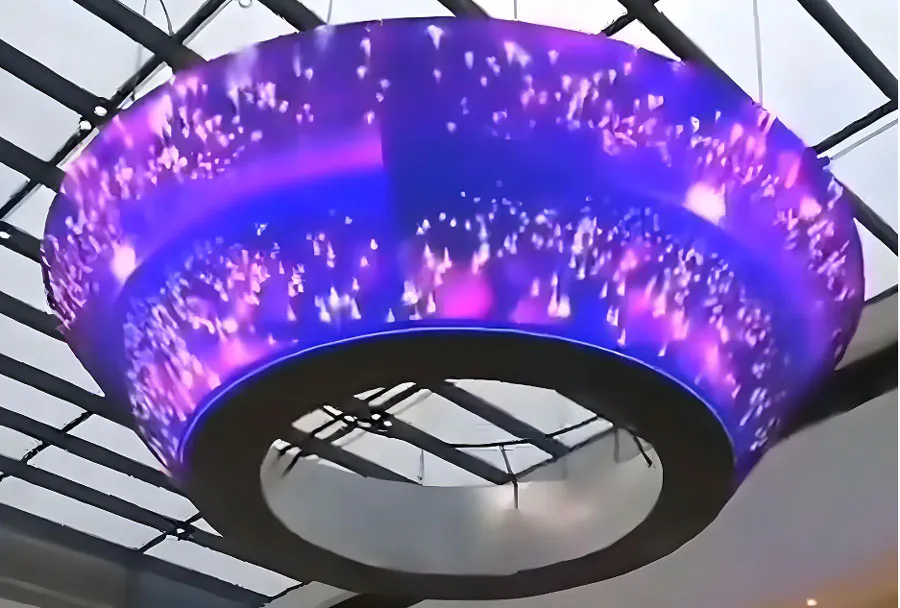
HDMI, USB, Wi-Fi, LAN, and compatibility with media players or CMS platforms all matter. A solid connectivity plan prevents downtime and simplifies updates.
7) Audio needs (or avoiding them)
Many public spaces don’t need sound. In noise-sensitive environments, silent visuals are cleaner and more professional. Where audio is useful (events, exhibitions), placement and volume control must be planned carefully.
Mounting and Installation: Making Space-Saving Displays Truly Seamless
The promise of “space-saving” only becomes real when installation is executed properly. Poor cable routing, misaligned mounts, or unsafe wall conditions can undermine both aesthetics and safety.
Important installation considerations:
– Wall structure: verifying load-bearing capability (concrete, brick, drywall with studs).
– Mount type: fixed mounts for slim profiles; tilt mounts to reduce glare; full-motion mounts for flexible angles and maintenance access.
– Cable management: concealed wiring, trunking, or in-wall routing for a clean finish.
– Power access: safe, compliant power placement to avoid exposed cords.
– Ventilation: ensuring airflow around the monitor to protect lifespan.
– Maintenance planning: easy access for service without disrupting operations.
As a service provider, TW VISION typically supports end-to-end execution—from mount selection and positioning recommendations to installation coordination—so the final result looks integrated rather than “added on.”
Content Strategy for Wall-Mounted Signage: Clarity Wins
A wall-mounted digital signage monitor is only as effective as the content it displays. In space-constrained environments, customers often glance at screens briefly. That means content must communicate value quickly.
High-performing content principles:
Keep messages short and bold
Use one key message per screen at a time. If viewers must “study” the screen, the opportunity is lost.
Design for distance
Text size should match viewing distance. Prioritize large headlines, strong contrast, and minimal clutter.
Use motion wisely
Subtle animation draws attention; excessive motion creates fatigue. In professional spaces (clinics, banks), calm transitions often perform better than flashy effects.
Schedule by time and context
Morning, lunchtime, and evening audiences differ. So do weekdays vs weekends. Scheduling promotions by time improves relevance and conversion.
Measure and refine
Track what content correlates with sales spikes, longer dwell times, or increased inquiries. TW VISION can help build a practical content cycle: plan → publish → measure → optimize.
Centralized Management: The Real Advantage of Digital Signage
One of the biggest benefits of digital signage—especially across multiple locations—is centralized control. Instead of printing posters and sending updates manually, managers can push new content in minutes.
Centralized management supports:
– Instant updates: pricing changes, promotions, service notices, emergency alerts.
– Brand consistency: uniform templates and approved visuals across branches.
– Localized messaging: adjusting content by region, store size, or customer profile.
– Reduced labor: less time spent replacing posters or updating static displays.
– Better governance: permission control and content approval workflows.
For growing businesses, TW VISION’s service approach is especially valuable: it helps clients maintain consistent presentation while still allowing each branch to display the right information at the right time.
Designing for Space Constraints: Smart Placement Ideas
Space-saving displays require space-aware thinking. The best placements are often overlooked because they don’t feel “obvious” at first.
Effective placement ideas include:
– Above counters or service desks: ideal for offers, wait-time info, and FAQs.
– Endcaps and aisle headers: perfect for product education or cross-selling.
– Near entryways: highlight the day’s key promotions or brand story.
– Along queue lines: entertain, inform, and reduce perceived wait time.
– Corridors and transitional areas: deliver wayfinding, updates, or safety notices.
The goal is to place the screen where people naturally pause or look forward—without obstructing movement. When done well, wall-mounted signage becomes part of the architecture rather than an object competing for space.
Cost Considerations and ROI: Where the Value Comes From
A wall-mounted digital signage monitor is an investment, but the return is often clearer than expected. Savings and gains typically come from multiple directions:
– Reduced printing costs: fewer posters, menus, and promotional boards.
– Higher promotional agility: respond instantly to inventory, seasonality, or competitor actions.
– Improved customer experience: better wayfinding and clearer information reduces confusion.
– Increased upsell opportunities: targeted messaging at decision points (checkout, queue, menu).
– Brand uplift: polished visuals strengthen trust and perceived quality.
TW VISION often recommends starting with a small pilot installation in high-traffic areas, then scaling based on performance and operational feedback.
Why TW VISION for Wall-Mounted Digital Signage Monitor Projects
Choosing the right partner matters because digital signage touches multiple areas: hardware selection, placement strategy, installation, content workflow, and ongoing support. TW VISION provides structured guidance so clients avoid common pitfalls like mismatched brightness, poor mounting choices, cluttered content, or difficult maintenance.
What businesses typically seek from TW VISION includes:
– Needs assessment based on venue type, lighting, traffic flow, and goals
– Recommendations on screen specifications and mounting configurations
– Deployment support with a focus on aesthetics and safety
– Content planning guidance for clear, conversion-driven messaging
– Ongoing optimization for multi-location consistency and performance
The result is a wall-mounted signage system that saves space, communicates better, and remains manageable long after installation day.
The Space-Saving Display That Elevates Communication
A Wall-Mounted Digital Signage Monitor for Space-Saving Displays is more than a screen on a wall—it is a strategic communication tool that uses vertical space to deliver high-impact messaging without clutter. Whether your environment is compact, high-traffic, design-sensitive, or all of the above, wall-mounted digital signage helps modernize the customer experience while keeping spaces open and efficient.
With TW VISION as your service provider, you can move beyond “just installing displays” and build a signage solution that fits your space, strengthens your brand, and supports measurable business outcomes.