Discover the Durability of TW VISION Weatherproof Mobile LED Screen Rentals

Weatherproof mobile LED screens have become essential tools for outdoor events, emergency communications, and touring activations. Among the options on the market, TW VISION’s weatherproof mobile LED screen rentals stand out for their engineered resilience. This article examines the construction, testing, field performance, and operational best practices that reveal why these units deliver dependable performance in challenging outdoor environments. We’ll also provide a concise analysis table to summarize key durability metrics and what they mean for event planners and rental operators.
Discover the Durability of TW VISION Weatherproof Mobile LED Screen Rentals
Built for the Elements: Core Design Principles
TW VISION approaches durability with a system-level mindset. Rather than focusing only on the display panels, their weatherproof mobile LED units integrate enclosure design, mechanical suspension, power protection, and climate management to create a cohesive product that withstands rain, wind, dust, and temperature swings.
Key design principles include:
– Sealed enclosures with appropriate ingress protection (IP) ratings to prevent water and dust entry.
– Corrosion-resistant materials and coatings (e.g., powder-coated steel, anodized aluminum) for chassis and structural components.
– Shock-mitigating mounts and reinforced frames to endure transport and setup stresses.
– Redundant and isolated power systems to protect electronics from surges, voltage drops, and moisture-induced faults.
– Active and passive thermal management (forced-air with filters, heat sinks, and thermal cutoffs) to maintain stable operating temperatures.
These design choices reduce single points of failure and extend usable life in rental cycles where repeated transport and varied climates accelerate wear.
Materials and Mechanical Engineering
Materials selection is critical in a mobile rental environment. TW VISION primarily uses marine-grade or industrial-grade materials for exterior surfaces and fasteners to resist rust in humid or coastal conditions. Key mechanical features include sealed connector interfaces, double-lip gaskets on access panels, and stainless hardware in load-bearing points.
The mobile aspect requires robust stabilization and towing components. Telescoping lifts, hydraulic stabilization legs, and locking mechanisms undergo fatigue-resistant treatments and are often rated well above expected static loads. That means screens can remain locked and secure during wind gusts and crowds while being able to compact safely for transport.
Environmental Testing and Certifications
Robustness claims are only believable when supported by testing and certification. TW VISION units typically undergo:
– Ingress testing (IP65 or higher target) to validate water jet and dust resistance.
– Salt fog and corrosion testing for coastal deployment readiness.
– Vibration and shock testing per IEC 60068 or similar standards to mimic transport conditions.
– Thermal cycle testing to ensure electronics operate across a wide temperature band (-20°C to 55°C or specific ranges based on model).
– EMC/EMI testing to ensure display electronics won’t be disrupted by or cause interference with other systems.
These tests help rental operators reduce on-site failures and ensure compliance with local safety regulations when deploying in public spaces.
Field Performance: Case Studies and Real-World Evidence
Real-world use is the ultimate durability test. Fleet units from TW VISION have logged thousands of hours across festivals, sporting events, roadshows, and emergency response operations. Common field performance highlights include:
– Continuous 24/7 operation in multi-day festivals with only routine filter cleaning and software rebooting.
– Withstanding unforeseen downpours with no water ingress into sensitive electronics due to redundant seals and positive drainage design.
– Rapid redeployment across urban routes with minimal mechanical wear thanks to reinforced transport frames and shock-absorbing mounts.
Anecdotal operator reports point to lower-than-average failure rates for pixel modules and power supplies when compared to cheaper, non-weatherized alternatives.
Maintenance, Repairability, and Lifecycle Management
Durability isn’t just resistance—it’s also ease of maintenance. TW VISION designs their mobile screens with rental operations in mind:
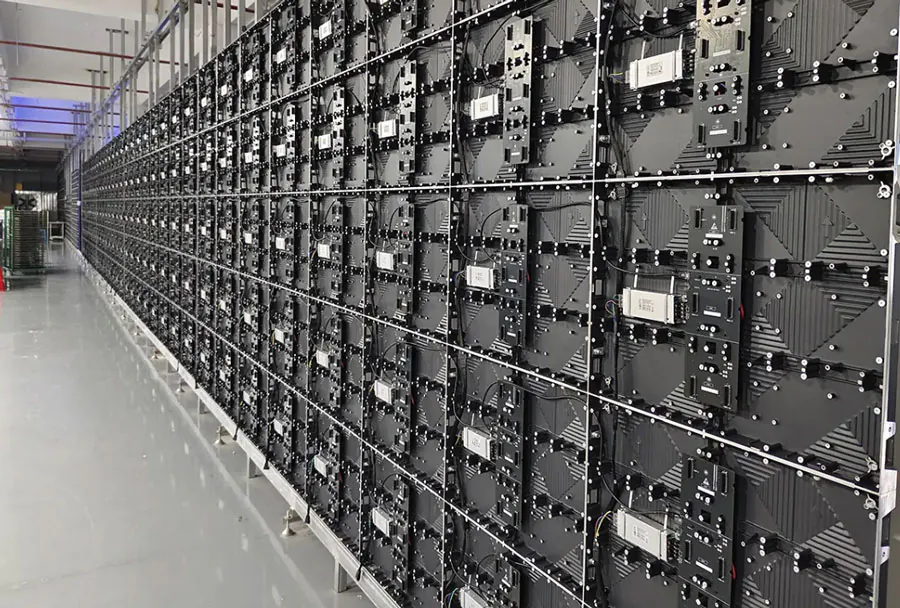
– Modular LED panels for quick field replacements (swap a module without dismantling the whole screen).
– Accessible filters and replaceable fan packs for thermal maintenance.
– Clear diagnostics and remote monitoring to detect failing power supplies or LED drivers before total failure.
– Spare parts kits and repair manuals optimized for quick turnaround.
These features reduce mean time to repair (MTTR) and improve fleet availability, which is essential for rental ROI.
Analytical Summary Table
| Feature | Specification | Test Standard | Typical Performance Result | Rental Operator Recommendation |
|---|---|---|---|---|
| Ingress Protection | IP65 (front), IP54 (rear) or better | IEC 60529 | No water ingress during heavy rain; dust-reduced component wear | Confirm seals monthly; replace gaskets seasonally in dusty/sandy venues |
| Operating Temperature | -20°C to 55°C (-4°F to 131°F) typical | Thermal cycling (IEC 60068-2-1/2/14) | Stable brightness and color; thermal protection triggers at extremes | Use rated heaters/coolers in extreme climates; monitor thermal alarms |
| Shock & Vibration | IEC 60068 vibration and shock profiles | IEC 60068-2-6 / 60068-2-27 | No structural failures after transport simulations; connectors remain secure | Use shock mounts and secure during transport; inspect fasteners after long hauls |
| Corrosion Resistance | Powder coat + stainless hardware; salt fog tested | ASTM B117 Salt Fog | Minimal surface corrosion after coastal exposure cycles | Rinse units after coastal deployments and apply touch-up coatings as needed |
| Power System | Redundant PSUs, surge protection, UPS options | IEC/UL power standards; surge tests | Low downtime from electrical faults; graceful shutdown on failures | Include inline surge protection in rental packages; perform load testing before events |
Comparing Weatherproofed vs. Non-Weatherproofed Rentals
There’s a clear trade-off when choosing between weatherproof mobile LED screens and generic outdoor units:
– Upfront cost: Weatherproofed mobile units cost more to manufacture and rent, but they reduce risk and service calls.
– Deployment speed: Mobile units are optimized for quick setup and teardown, often featuring integrated trailers or quick-lift systems.
– Durability: Purpose-built weatherproof units deliver longer service life under outdoor conditions, lowering lifecycle cost.
– Flexibility: Some non-weatherproof units may offer higher brightness or different pixel pitches at lower cost, but their use is limited to covered or fair-weather events.
For rental houses that serve unpredictable environments, the weatherproof option is generally more cost-effective over time.
Operational Best Practices for Maximizing Durability
To extract the most value from TW VISION weatherproof mobile LED rentals, follow these best practices:
– Pre-deployment checklist: Verify seals, hardware torque, filter cleanliness, and software/firmware versions.
– Environmental assessment: Check wind forecasts, precipitation probability, and salt exposure to decide on extra precautions.
– Secure anchoring: Use rated ballast or ground anchors to meet local wind-load requirements.
– Power conditioning: Provide stable, conditioned power; use UPS or generator-rated surge protection for critical content.
– Routine inspections: Document and inspect units between jobs to catch wear early—especially gaskets, fan filters, and stabilization points.
– Training: Ensure crews know the modular replacement steps for LED panels and how to interpret diagnostic alerts.
These operational steps significantly reduce field failures and ensure event continuity.
Choosing the Right Model and Rental Plan
Not all events demand the same level of durability. When selecting a TW VISION weatherproof mobile LED screen rental, consider:
– Pixel pitch and viewing distance: Smaller pitches for close audiences, larger pitches for long-range visibility.
– Brightness and contrast: High-nit brightness is essential in direct sunlight; HDR-capable drivers improve legibility.
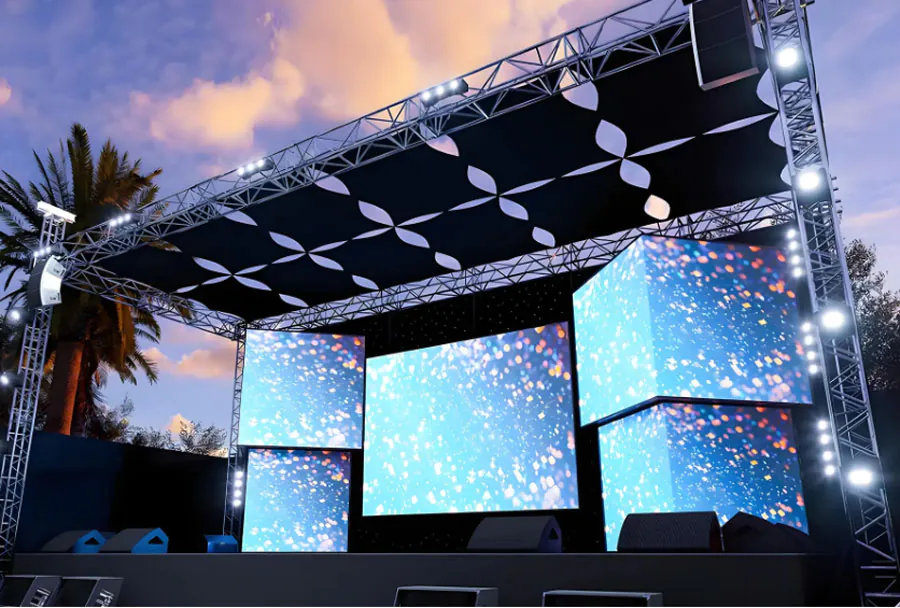
– Mobility needs: Trailer-mounted systems are ideal for roadshows; skid or towable units suit temporary installs.
– Service level agreements: Choose options that include technician on-site support, spare module kits, and expedited replacement windows.
– Budget vs. risk tolerance: If an event can’t tolerate outages (e.g., emergency messaging, ticketed concerts), invest in redundancy and higher service tiers.
Communicate these needs with the rental provider to ensure the selected unit aligns with risk, budget, and environmental demands.
Durability as a Practical Investment
Durability in mobile LED rental screens is more than a marketing point—it’s a practical investment in reliability, safety, and total cost of ownership. TW VISION’s weatherproof mobile LED screen rentals demonstrate how integrated engineering, rigorous testing, and operator-focused design translate into real-world resilience. For event producers and rental operators, choosing a weatherproof, field-hardened solution reduces downtime, simplifies logistics, and protects revenue and reputation.
When planning an outdoor activation, use the analytical metrics highlighted here—IP rating, thermal range, transport resilience, corrosion resistance, and power redundancy—to compare offerings and make an informed choice. With proper maintenance and operational discipline, weatherproof mobile LED screens become dependable assets that perform reliably in the unpredictable conditions that define outdoor events.