Flexible Outdoor LED Screen Rental Packages (Short & Long Term)

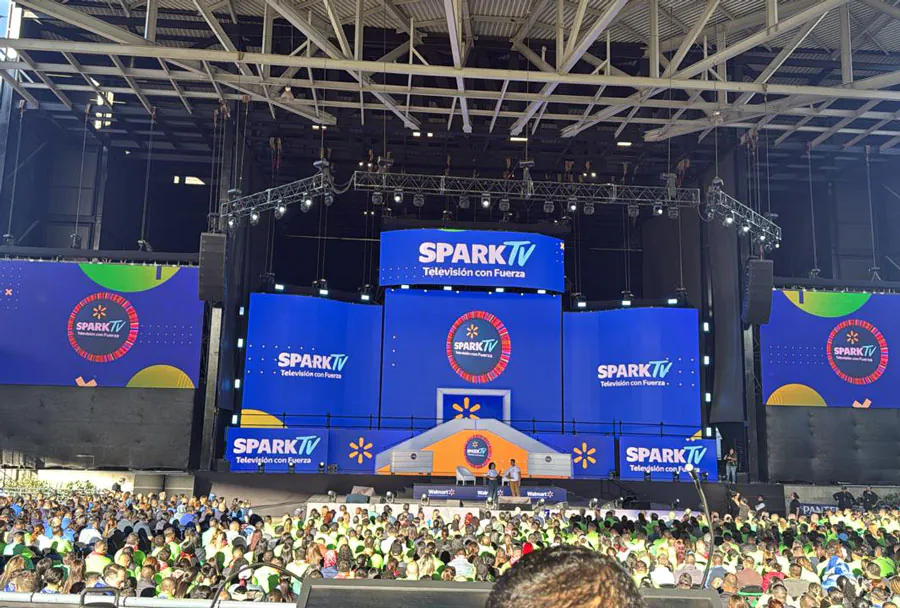
Flexible Outdoor LED Screen Rental Packages help brands, event planners, venues, and production teams deliver high-impact visuals in changing outdoor environments. From music festivals and sports fan zones to corporate launches and community gatherings, outdoor LED screens have become a practical way to improve visibility, audience engagement, and sponsor value. The right rental package does more than provide a screen. It combines display quality, technical support, installation planning, and budget control into one reliable service.
Table of Contents
- Why Flexible Outdoor LED Screen Rental Packages Matter for Events
- What Is Usually Included in Flexible Outdoor LED Screen Rental Packages
- How to Choose Flexible Outdoor LED Screen Rental Packages for Your Event
- Cost Factors Behind Flexible Outdoor LED Screen Rental Packages
- Best Practices for Getting Results From Flexible Outdoor LED Screen Rental Packages
- FAQ
- What events are best suited for Flexible Outdoor LED Screen Rental Packages?
- How far in advance should I book Flexible Outdoor LED Screen Rental Packages?
- Are Flexible Outdoor LED Screen Rental Packages weatherproof?
- How do I know what screen size I need?
- Conclusion
Choosing among it requires a clear understanding of event goals, audience size, weather exposure, content needs, and operational constraints. A well-matched package can reduce risk, improve setup efficiency, and ensure the screen performs consistently throughout the event. This guide explains how these rental solutions work, what features matter most, how pricing is usually structured, and how to select a package that fits your event without overspending.
Why Flexible Outdoor LED Screen Rental Packages Matter for Events
Flexible Outdoor LED Screen Rental Packages are designed to meet the realities of outdoor production, where no two sites or schedules are exactly the same. A fixed display solution may work in a permanent venue, but temporary events need adaptable systems that can scale up or down, fit irregular spaces, and operate under varied weather and lighting conditions. That flexibility is the main reason rental packages have become a preferred option for organizers who need professional visual performance without the cost of ownership.
One of the biggest advantages is scalability. A small local activation may only need a compact display near a stage or product demo area, while a citywide festival may require multiple large-format screens across different zones. Rental providers can configure screen size, pixel pitch, support structure, and brightness levels based on the audience and the physical environment. This makes it easier to align the screen system with the event objective rather than forcing the event to fit a standard product.
Another key benefit is financial efficiency. Buying a high-quality outdoor LED system involves major capital expense, maintenance responsibility, storage, transport logistics, and skilled operation. Rental shifts those concerns to the provider. Event teams can access current display technology for a defined period, often with setup, content testing, live support, and dismantling included. This keeps budgeting more predictable and allows resources to be directed toward programming, promotion, or audience experience.
Operational reliability also matters. Outdoor events face risks such as wind, rain, heat, dust, and direct sunlight. Professional rental providers typically supply weather-rated panels, redundant power planning, and technicians who understand how to maintain stable performance during live operations. For organizers, this reduces the chance of visual failure at critical moments such as keynote speeches, live broadcasts, sponsor reels, or performance backdrops.
Finally, these packages support stronger audience engagement. Clear, bright visuals help people farther from the stage follow what is happening. They also create more opportunities for branded messaging, schedules, social content, real-time updates, and interactive media. In practical terms, this improve both communication and experience, which is why they are widely used across entertainment, sports, civic, and corporate events.
What Is Usually Included in Flexible Outdoor LED Screen Rental Packages
When comparing these, it is important to look beyond the screen itself. Providers often bundle a range of services and technical components into one offer, and the full package can vary significantly depending on event complexity. Understanding what is included helps prevent gaps in planning and avoids unexpected costs later.
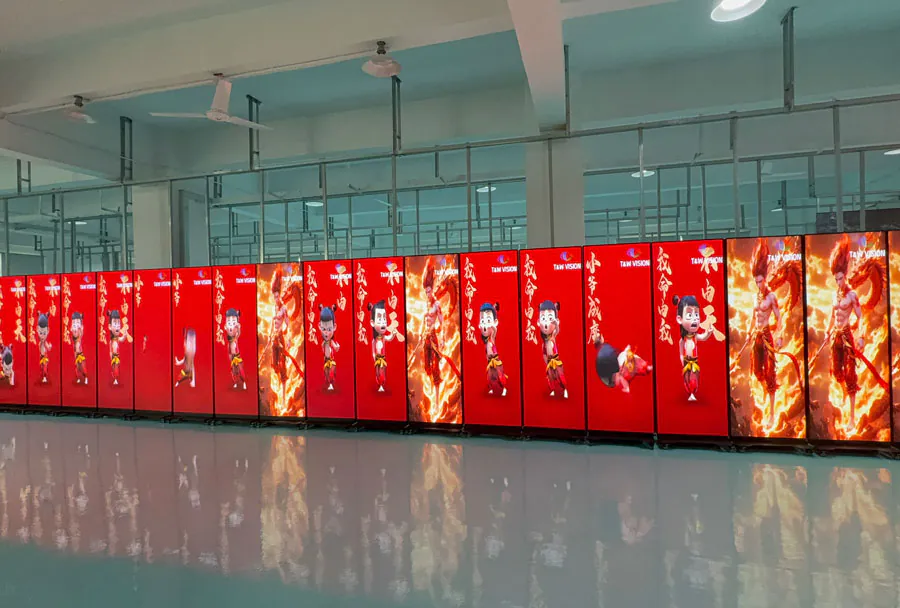
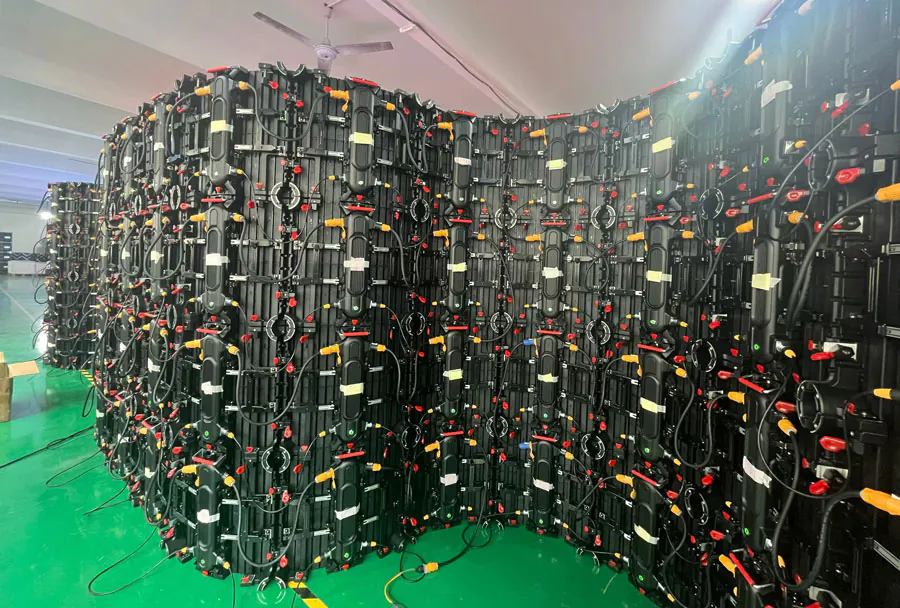
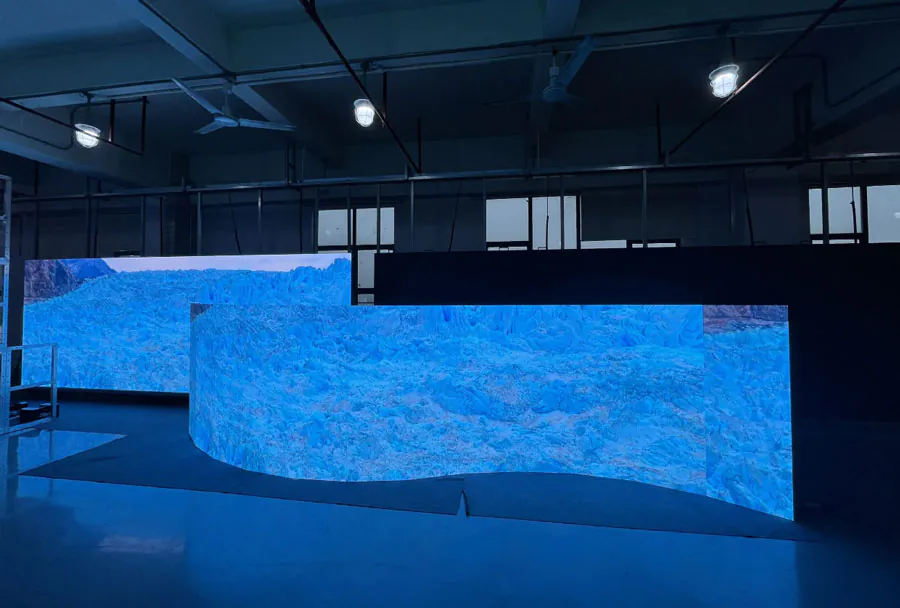
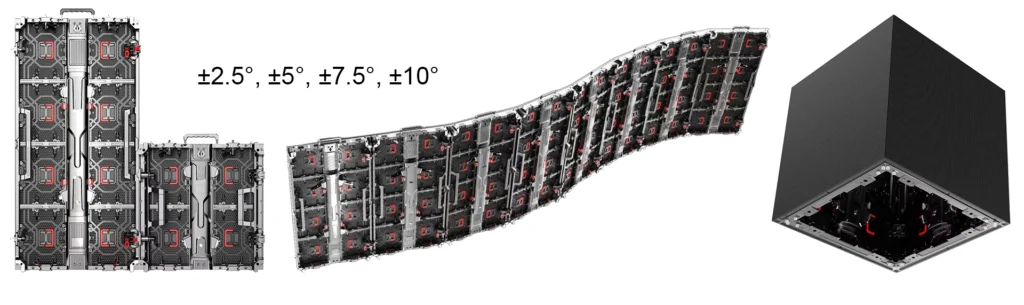
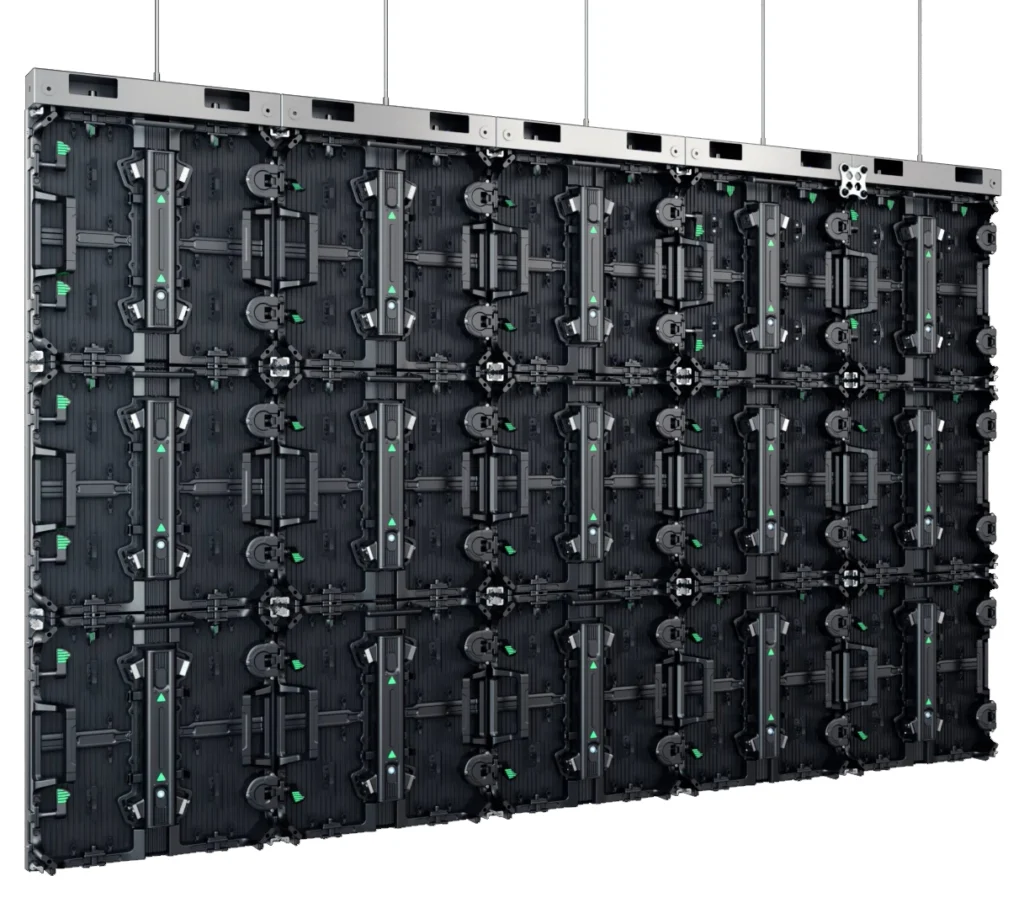
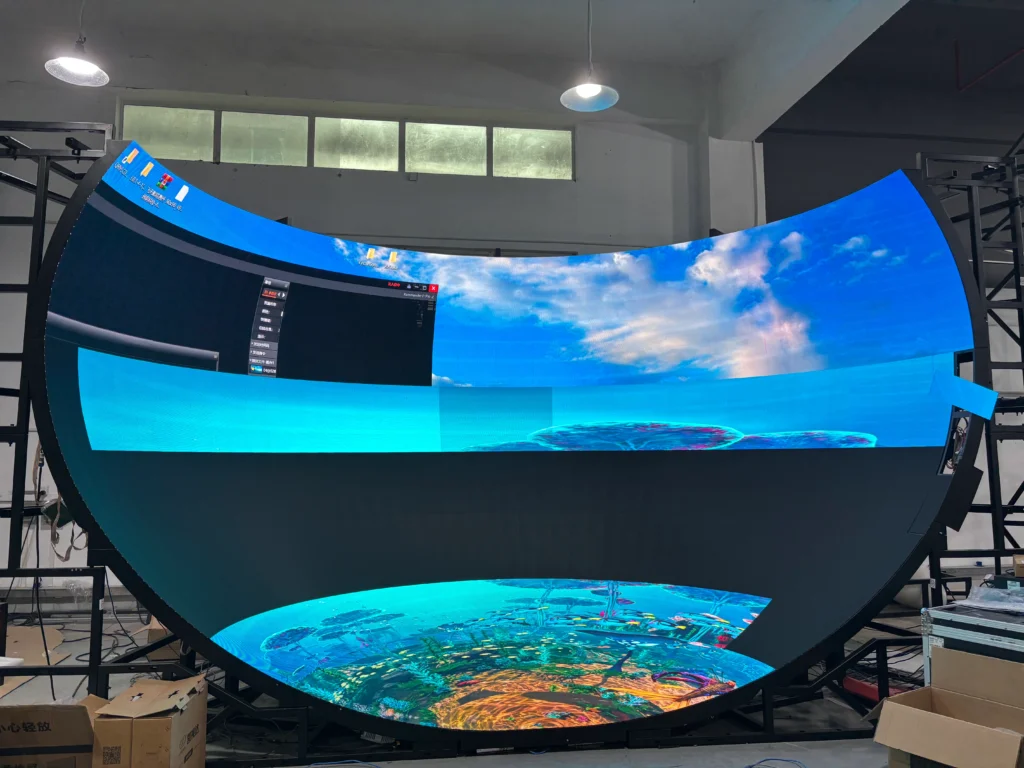
The core element is the LED display system. This includes modular panels that can be assembled into different screen sizes and shapes. Modular construction is one of the reasons these packages are considered flexible. It allows providers to adapt the display to stage dimensions, viewing distances, and site restrictions. Depending on the event, the screen may be mounted on a ground support frame, flown from a truss system, or installed on a mobile trailer.
Brightness and pixel pitch are also central package specifications. Outdoor screens need high brightness to remain visible in daylight, and pixel pitch affects image clarity at different viewing distances. A provider should recommend a configuration based on how close the audience will be and what type of content will be shown. Detailed graphics, live camera feeds, and sponsor videos may require different setup choices than basic text announcements.
Most professional packages also include media processing equipment, such as video processors, signal converters, and control systems. These components ensure the content displays correctly and can switch smoothly between sources like presentation laptops, broadcast feeds, cameras, or playback servers. Some events also require scaling, layering, or split-screen content management, which should be clarified in advance.
Installation and technical labor are usually major parts of the service. This may include site inspection, logistics coordination, load-in, rigging, structural setup, calibration, testing, live operation, monitoring, and teardown. Skilled technicians are especially important outdoors, where environmental conditions and safety requirements are more demanding than in indoor venues.
Power distribution and cabling may or may not be included, so this should always be confirmed. Some they cover basic cabling and electrical integration, while others treat generators, backup power, and long cable runs as separate line items. Weather protection, transportation, and insurance coverage can also vary between providers.
A strong rental proposal should clearly define every included component, service hour, support level, and contingency measure. That transparency makes it easier to compare vendors fairly and determine which package delivers real value rather than just a lower headline price.
How to Choose Flexible Outdoor LED Screen Rental Packages for Your Event
Selecting the concept starts with a precise understanding of your event requirements. Many rental decisions go wrong because buyers focus only on screen size or price while ignoring audience behavior, site limitations, and content demands. A more disciplined approach leads to better performance and fewer production issues.
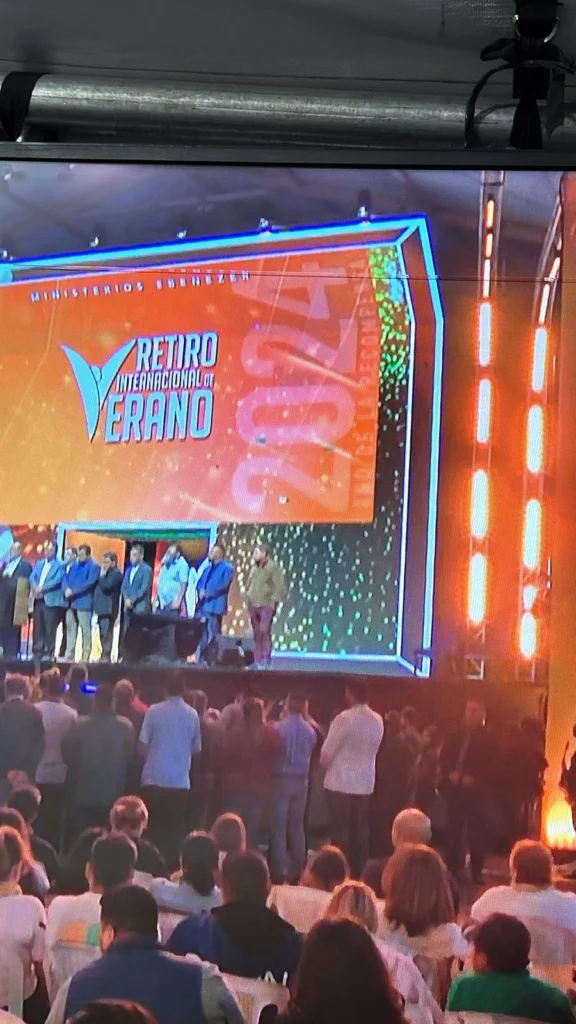
Begin with audience and viewing distance. The further the audience is from the screen, the larger the display generally needs to be. If attendees are spread across a broad open area, multiple screens may be more effective than one oversized screen. Viewing angles also matter. A package that looks excellent from the center may be less effective if side visibility is poor. This is particularly important for festivals, sporting events, and public gatherings with fluid crowd movement.
Next, evaluate the site conditions. Outdoor events introduce challenges related to wind load, surface stability, sunlight direction, weather exposure, and access for transport vehicles or lifting equipment. A qualified provider should ask detailed questions about the ground plan, staging layout, entry timing, local regulations, and emergency procedures. If those questions never come up, that is a warning sign about the provider’s planning standards.
Content strategy should also shape the rental decision. Live IMAG, sponsor loops, branded animations, scoreboards, menus, schedules, and public information displays all place different demands on the system.If your event requires seamless source switching or synchronized playback across multiple screens, design the control setup accordingly. Flexible Outdoor LED Screen Rental Packages are most effective when the technical design matches the communication plan.
Support level is another major factor. Some events only need installation and basic testing, while others require technicians on-site throughout the program. High-stakes events such as political rallies, corporate announcements, or headline performances usually justify live technical supervision. That added support can prevent minor issues from turning into visible failures.
Finally, compare proposals carefully. Ask for exact screen dimensions, panel model, brightness rating, pixel pitch, structural method, weather rating, setup schedule, crew count, and operating support. Make sure the quote distinguishes between included services and optional add-ons. The best the approach are not simply the cheapest. They are the ones that fit the event operationally, visually, and financially.
Cost Factors Behind Rental Packages
Pricing for it depends on several variables, and understanding them helps buyers build realistic budgets. Rates can vary widely between providers, regions, and event types, so it is important to break the quote into its underlying components rather than treating it as a single number.
Screen size is usually the first major cost driver. Larger screens require more LED panels, more structural support, more transport capacity, and more labor for installation. However, size alone does not determine the price. Pixel pitch can significantly affect cost as well. Finer pixel pitch generally means higher image resolution at closer viewing distances, but it also tends to increase rental rates.
Brightness and weather resistance also influence pricing. Outdoor screens need stronger brightness output than indoor displays, and high-quality weatherproof systems are built to withstand moisture, dust, and temperature shifts. These engineering requirements make outdoor rentals more specialized and often more expensive than comparable indoor solutions.
Labor is another large factor. Complex builds may require riggers, LED technicians, electricians, show operators, and production managers. Costs increase further if the event schedule involves overnight access, split shifts, long standby periods, or a fast turnaround between events. Transportation can also be substantial, especially for remote sites or urban venues with restricted access and tight delivery windows.
Duration matters too. Rental providers price a one-day rental, a weekend activation, and a multi-week campaign differently. Some providers offer discounted daily averages for longer bookings, while short-duration rentals may carry higher minimum charges because setup and teardown work remains largely the same regardless of event length.
Additional features can also affect the total. These may include camera packages for live relay, content management systems, backup processors, generator rental, custom structures, mobile screen trailers, or branded scenic integration. Providers customize pricing around these variables, which often makes direct apples-to-apples comparisons between quotes difficult.
The most effective way to control cost is to define requirements accurately from the start. Over-specifying a package leads to wasted spend, while under-specifying creates performance risk and last-minute upgrades. A detailed event brief gives suppliers the information they need to recommend a balanced solution that meets both technical and budget goals.
Best Practices for Getting Results
Booking these is only part of the job. To get strong results, organizers need to treat the screen as an integrated part of the event experience rather than a standalone hardware item. Good planning before show day often determines whether the screen becomes a powerful communication asset or just an expensive background element.
Start with content optimization. Design outdoor LED screen content for brightness, viewing distance, and fast comprehension. Limit text, maximize contrast, and keep motion graphics clean, simple, and readable. Content that looks acceptable on a laptop can fail badly on a large outdoor display under daylight conditions. Testing in advance is essential.
Coordinate the screen plan with stage design, camera placement, and audience flow. A screen positioned too low, too far off-axis, or too close to competing structures will not deliver its full value. Involve your LED screen rental provider early so they can advise on placement, sightlines, and support needs before you finalize the site layout.
Redundancy planning is another best practice. Important events should account for backup signal paths, spare receiving cards, reserve power options, and contingency workflows for content playback. You need technical resilience most when you use the screen for mission-critical communication, such as public safety messaging, investor presentations, or one-time live entertainment moments.
Clear communication between stakeholders also improves outcomes. The event producer, screen vendor, stage manager, content team, and AV crew should all work from the same show schedule and source list. Cueing problems, aspect ratio errors, and last-minute laptop swaps are common avoidable issues when teams operate in isolation.
It is also worth measuring performance after the event. Review whether the screen improved visibility, sponsor exposure, audience response, and operational communication. That feedback helps refine future bookings and identify which package features actually delivered value. Over time, repeat clients often build better supplier relationships and secure more efficient terms because their requirements become clearer.
Used well, the concept do more than display images. They support message clarity, production quality, sponsor monetization, and audience immersion. The difference comes from planning, execution, and selecting a provider that can adapt the package to real event conditions rather than offering a generic setup.
FAQ
Which Events Benefit Most from Flexible Outdoor LED Screen Rental Packages?
Flexible Outdoor LED Screen Rental Packages work well for concerts, festivals, sporting events, trade activations, corporate launches, public celebrations, outdoor cinema nights, and community events. They are especially useful when large audiences need clear visibility and the event layout requires temporary or custom screen configurations.
How far in advance should I book Flexible Outdoor LED Screen Rental Packages?
It is best to book Flexible Outdoor LED Screen Rental Packages as early as possible, especially during peak event seasons. Complex productions may need several weeks or months of planning to secure the right inventory, crew, transport, and site approvals. Early booking also gives more time for content testing and technical coordination.
Are Flexible Outdoor LED Screen Rental Packages weatherproof?
Most professional Flexible Outdoor LED Screen Rental Packages use outdoor-rated LED panels designed to handle rain, dust, sunlight, and temperature variation. However, weather tolerance depends on the equipment model and installation method. Buyers should always confirm IP rating, wind-loading limits, and the provider’s weather contingency plan.
How do I know what screen size I need?
The right size depends on audience distance, crowd size, content type, and site layout. Providers of Flexible Outdoor LED Screen Rental Packages typically assess viewing zones and recommend dimensions and pixel pitch that balance readability, image quality, and budget. A proper site review is the most reliable way to determine the correct configuration.
Conclusion
Flexible Outdoor LED Screen Rental Packages give event organizers a practical way to deliver professional outdoor visuals without the cost and complexity of owning permanent display systems. Their value comes from adaptability, technical support, scalable design, and the ability to perform in demanding live environments. Whether the goal is audience engagement, sponsor visibility, live relay, or public communication, the right package can make a measurable difference.
We build the strongest flexible outdoor LED screen rental packages around real event requirements, not generic assumptions.Evaluate specifications, support, content, and pricing carefully to choose a reliable LED screen rental package that enhances every event.