how to buy LED Screen in Houston: 3 : Complete Buying Guide

Introduction
Learning how to buy an LED Screen in Houston requires more than comparing prices online. An LED screen is a long-term investment that affects visibility, customer engagement, branding, and daily operations. Houston businesses use LED displays in retail stores, restaurants, churches, schools, corporate buildings, stadiums, event venues, and outdoor advertising locations. Each application requires different specifications, including brightness, pixel pitch, screen size, weather resistance, viewing distance, installation method, and maintenance access.
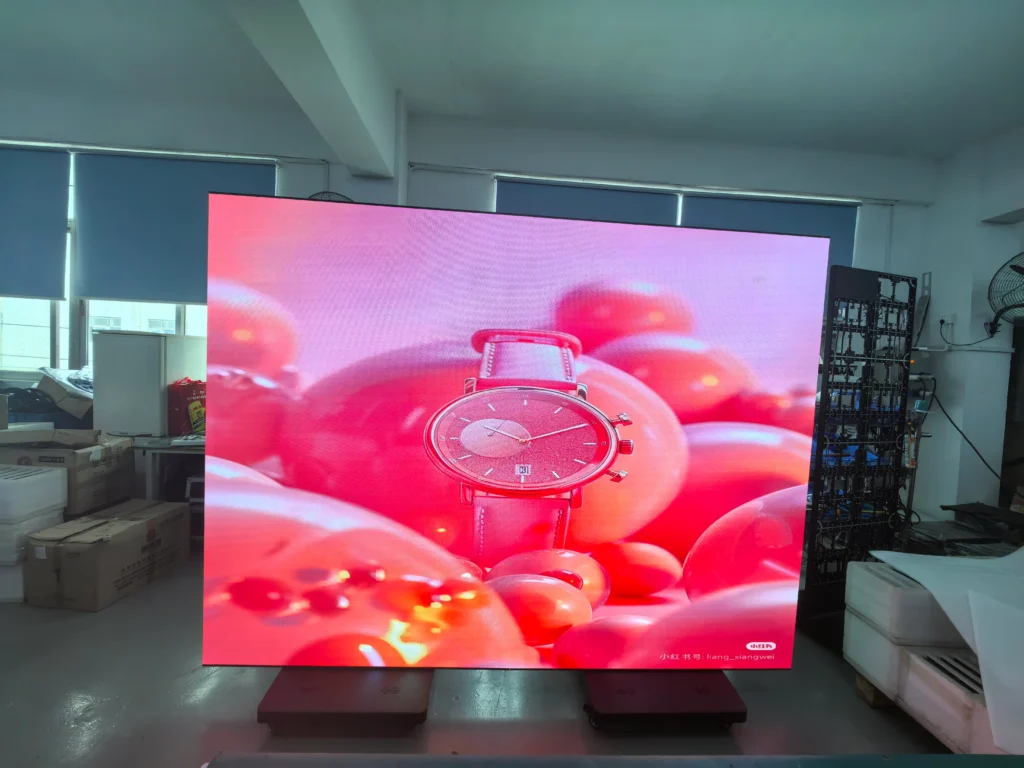
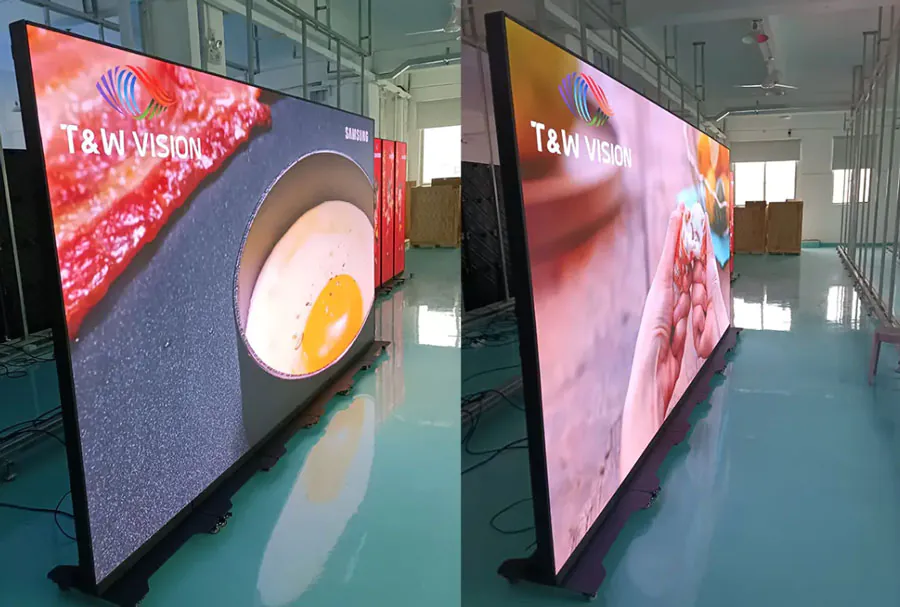
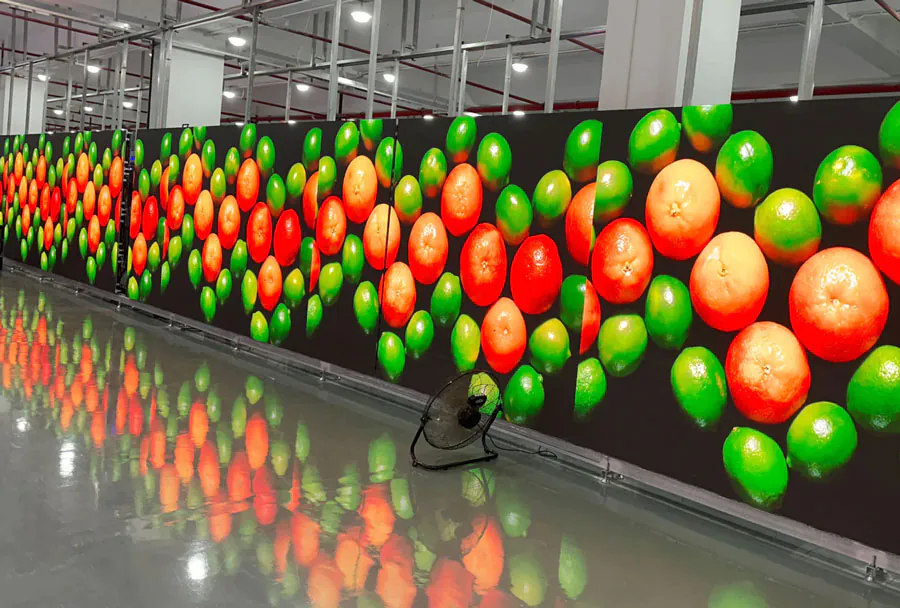
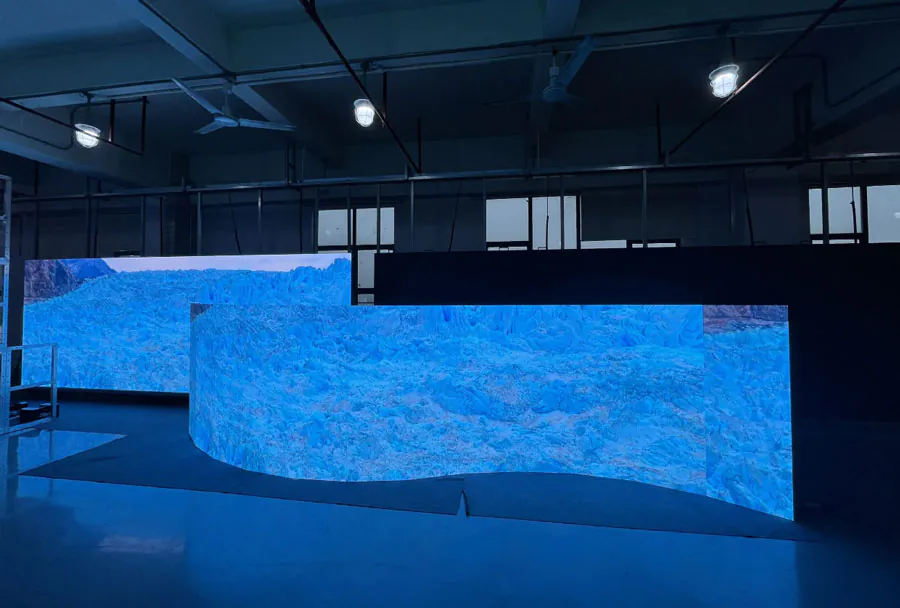
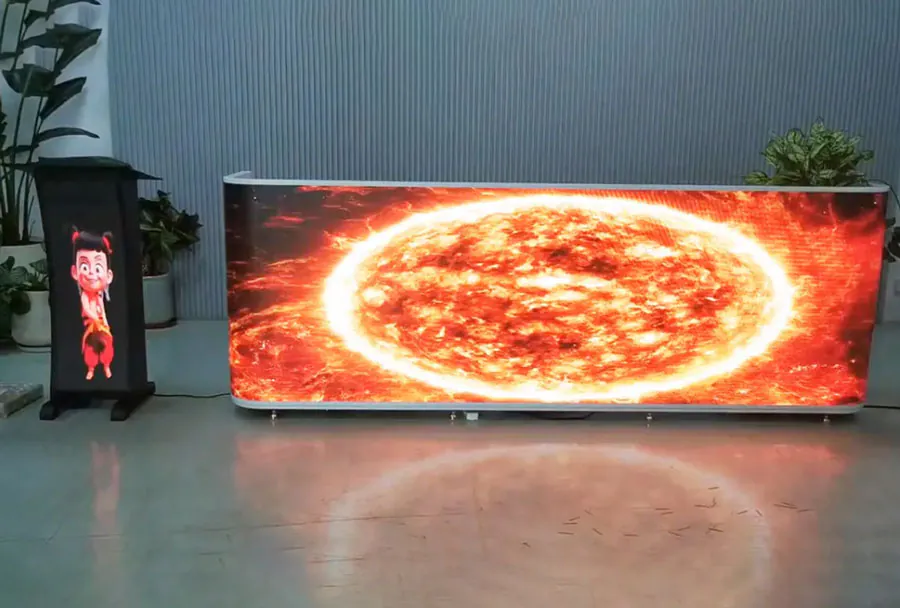
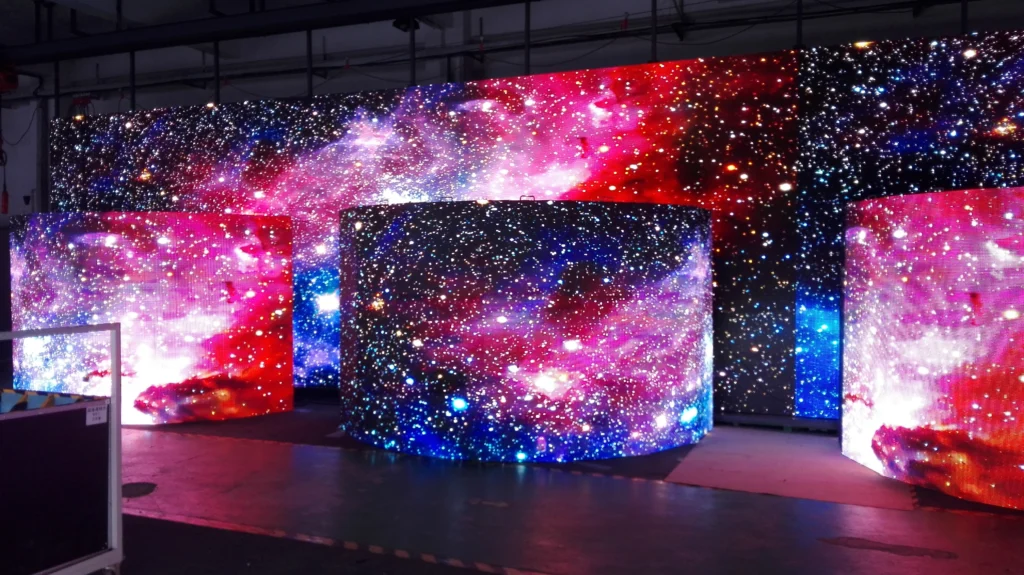
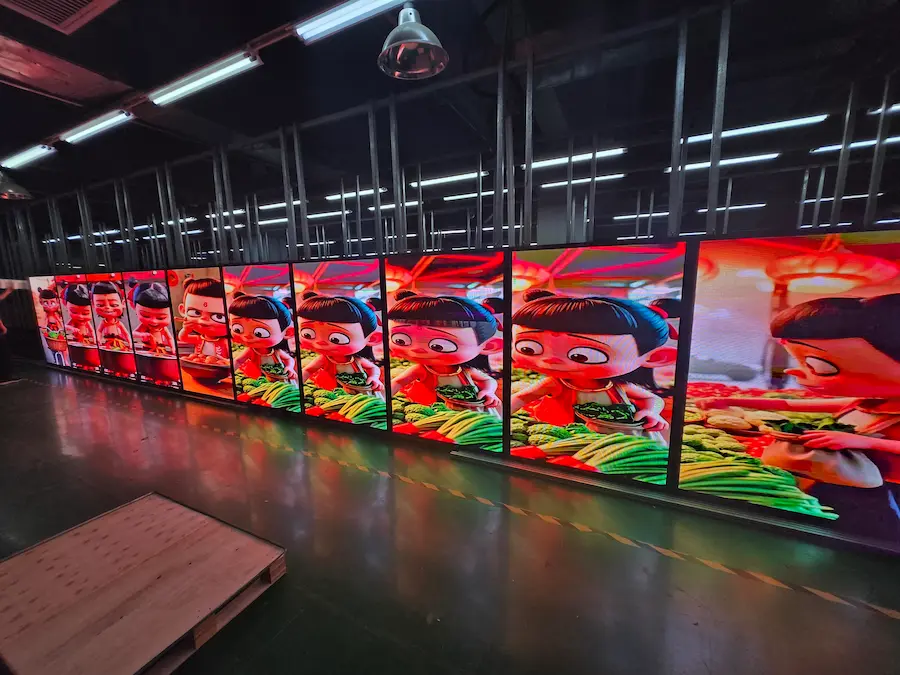
Following is TW VISION’s P1.9 flexible LED wall. TW VISION has rental usage panel stock in the USA. Welcome to inquire.
Table of Contents
- Introduction
- 1. Define Your LED Screen Requirements
- Indoor or Outdoor Installation
- Determine the Viewing Distance
- Identify Content Types
- Review Available Space
- 2. Compare LED Screen Specifications and Quality
- Brightness
- Contrast and Color Performance
- Refresh Rate
- Viewing Angle
- Energy Efficiency
- Front-Service and Rear-Service Access
- Reliability and Component Quality
- 3. Evaluate Houston Suppliers, Installation, and Permits
- Choose a Supplier With Local Experience
- Request a Site Survey
- Understand Installation Responsibilities
- Assess Software and Content Management
- Plan for Training
- 4. Calculate the Total Cost of Ownership
- Equipment Costs
- Installation and Construction Costs
- Operating Costs
- Maintenance and Repairs
- Warranty Terms
- Financing and Return on Investment
- 5. Avoid Common LED Screen Buying Mistakes
- Choosing Based Only on Price
- Selecting the Wrong Pixel Pitch
- Ignoring Sunlight
- Overlooking Heat Management
- Failing to Verify Structural Requirements
- Buying Without Spare Parts
- Neglecting Network Security
- Accepting Unclear Content Rights
- Skipping Acceptance Testing
- FAQ
- How do I start learning how to buy LED Screen in Houston?
- What specifications matter most when purchasing an LED screen?
- How much does an LED screen cost in Houston?
- Do I need a permit for an outdoor LED display?
- Is a fine-pitch LED screen always better?
- How long do LED screens typically last?
- Can LED screens operate during Houston weather?
- Should I buy or lease an LED screen?
- What should be included in an LED screen quote?
- How often does an LED screen need maintenance?
- Conclusion
The Houston climate also matters. High heat, humidity, strong sunlight, storms, and occasional flooding can affect outdoor display performance. A screen that works well indoors may fail prematurely when exposed to local weather conditions. This guide explains how to evaluate LED screen suppliers, choose the correct display technology, estimate the total cost, prepare for installation, and avoid common purchasing mistakes.
1. Define Your LED Screen Requirements
The first step in how to buy LED Screen in Houston is to identify exactly how and where the display will be used. Many buyers begin by searching for the largest or cheapest screen available, but size and price alone do not determine whether a display will perform effectively.
Start by answering several practical questions:
– Will the screen be installed indoors or outdoors?
– How far away will most viewers be?
– Will the display show text, video, advertisements, presentations, or live events?
– How many hours per day will it operate?
– Will it be mounted permanently or transported between locations?
– What content management system will control the screen?
– Is the display exposed to direct sunlight, rain, dust, or extreme temperatures?
– Does the building have structural or electrical limitations?
Your answers will determine the type of LED technology and specifications you need.
Indoor or Outdoor Installation
Indoor LED screens are designed for controlled environments. They typically require lower brightness because there is less ambient sunlight. They may have finer pixel pitches, lighter cabinets, and more compact designs. Common indoor applications include:
– Retail advertising displays
– Corporate reception areas
– Church and worship spaces
– Conference rooms
– School auditoriums
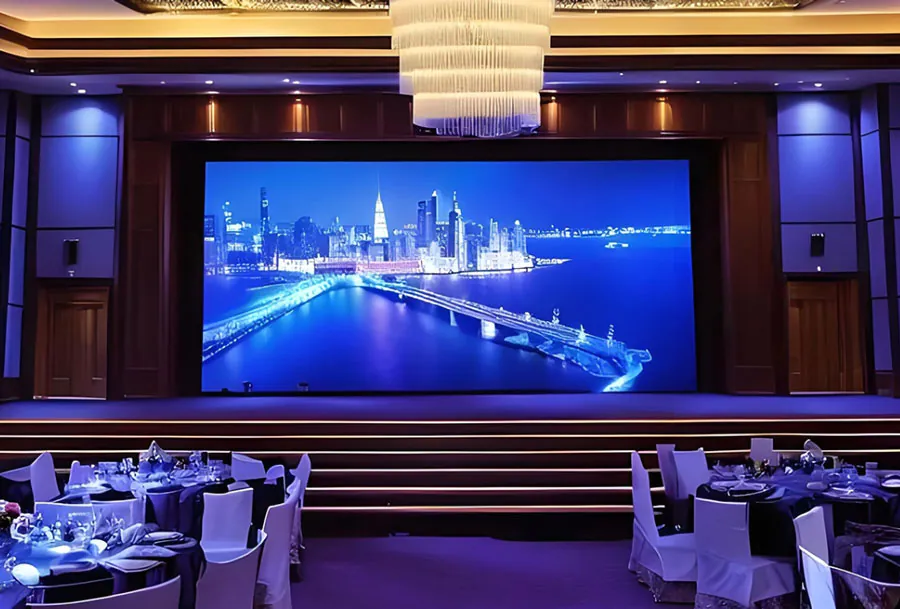
– Hotel ballrooms
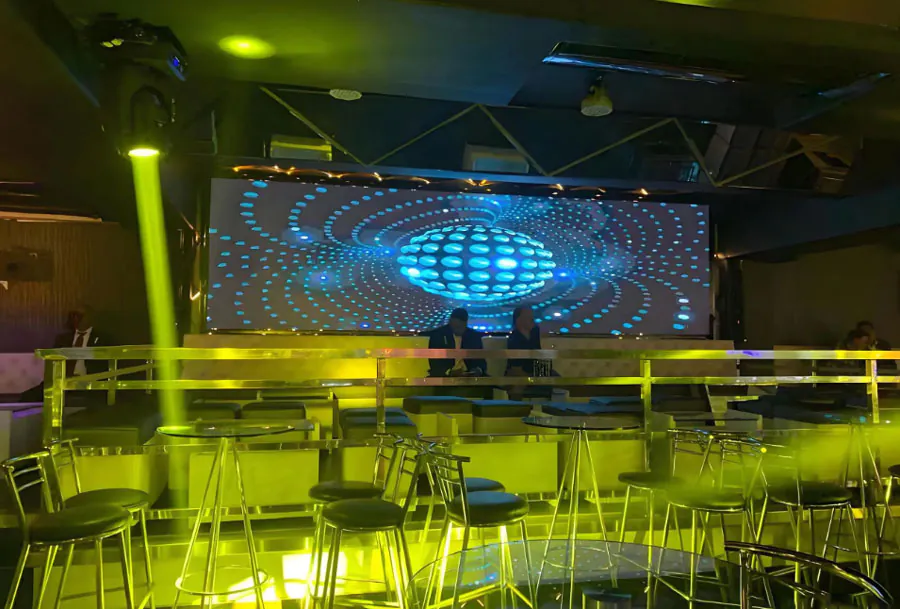
– Restaurants and entertainment venues
Outdoor LED screens must withstand weather and changing environmental conditions. They need higher brightness, weather-resistant cabinets, reliable ventilation, and protection against moisture and dust. Outdoor applications include:
– Shopping center signs
– Building-mounted advertising
– Sports facilities
– Drive-thru menu boards
– Gas station displays
– Outdoor event stages
– School and municipal signage
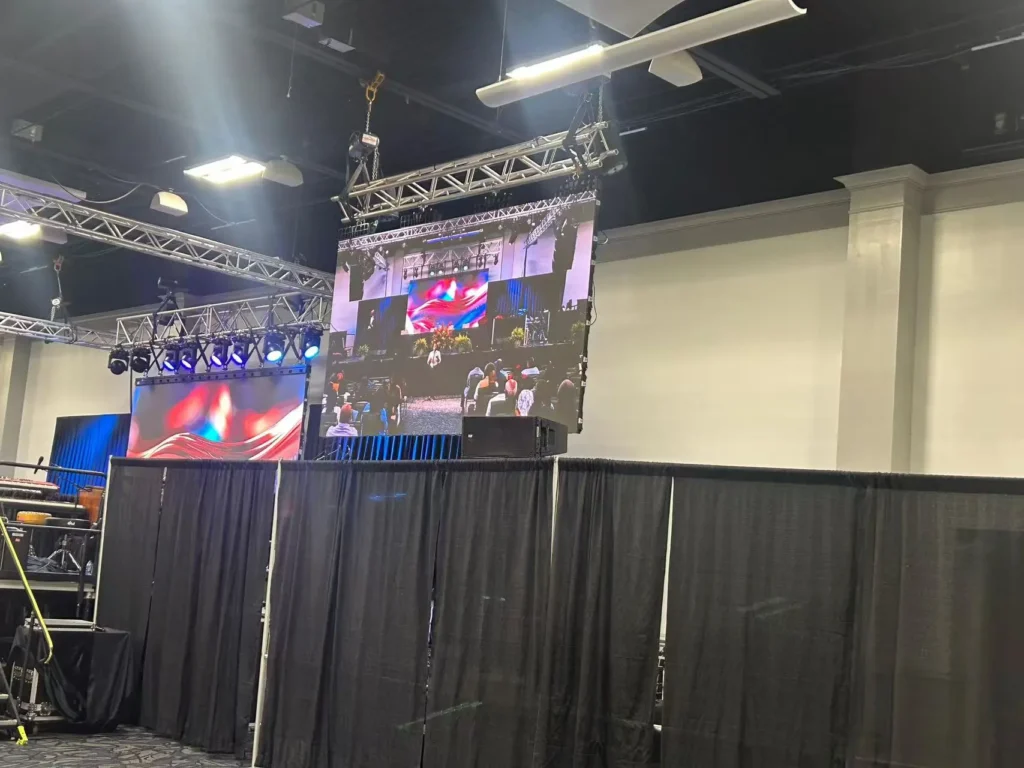
An outdoor-rated display should have a suitable IP rating. The first number generally indicates protection against solid objects and dust, while the second refers to water resistance. The correct rating depends on the installation location, cabinet design, and local exposure.
Determine the Viewing Distance
Pixel pitch is one of the most important technical specifications. It refers to the distance between individual LED pixels, usually measured in millimeters. A smaller pixel pitch creates a denser image with greater detail, while a larger pitch is often more cost-effective for long-distance viewing.
For example:
– Fine-pitch displays may be appropriate for close viewing in boardrooms, control rooms, and retail interiors.
– Medium-pitch displays can work well in churches, conference venues, and indoor public spaces.
– Larger-pitch displays are commonly used for outdoor signs viewed from roads, parking lots, and large venues.
A screen with a pixel pitch that is too large may look blurry when viewed nearby. A screen with an unnecessarily small pixel pitch may increase the purchase cost without providing a meaningful improvement for distant viewers. Ask a supplier to provide viewing-distance recommendations and, when possible, review a working sample.
Identify Content Types
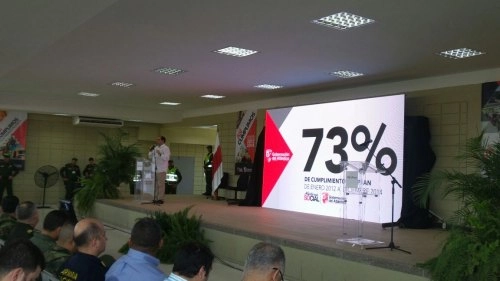
The content you plan to show should influence your screen choice. Simple text and static graphics do not require the same performance as high-definition video, live sports, or camera feeds.
Consider whether your screen will display:
– Text announcements
– Promotional graphics
– Social media content
– Product videos
– Live camera feeds
– Sports broadcasts
– Presentations
– Animated advertisements
– Multiple content sources at once
For video and live production, ask about refresh rate, color processing, grayscale performance, and compatibility with your video sources. A low-quality display may show flicker, poor color transitions, or visible scan lines when recorded by cameras.
Review Available Space
Measure the proposed installation area carefully. Record the width, height, depth, ceiling clearance, access points, and nearby power sources. Also check whether doors, elevators, stairways, or loading areas can accommodate the cabinets.
For wall-mounted installations, confirm that the wall can support the total weight. For freestanding or monument displays, review foundation requirements, wind loading, permitting, and utility connections. An experienced local installer should inspect the site before finalizing the order.
2. Compare LED Screen Specifications and Quality
When researching how to buy LED Screen in Houston, technical specifications should be evaluated as a complete package. One impressive number does not guarantee a high-performing display. Contrast, brightness, refresh rate, viewing angle, color accuracy, energy use, and serviceability all affect the final result.
Brightness
Brightness is measured in nits. Indoor screens typically need less brightness than outdoor displays, while outdoor screens facing direct sunlight require substantially higher output.
Too little brightness makes content difficult to read during the day. Too much brightness can waste energy, cause visual discomfort, and create local compliance concerns. A quality outdoor system should offer automatic brightness adjustment based on time of day or ambient light conditions.
Ask whether brightness is measured using a realistic operating mode. Some specifications may reflect maximum output rather than normal, long-term performance. A supplier should explain the recommended brightness range for your specific location.
Contrast and Color Performance
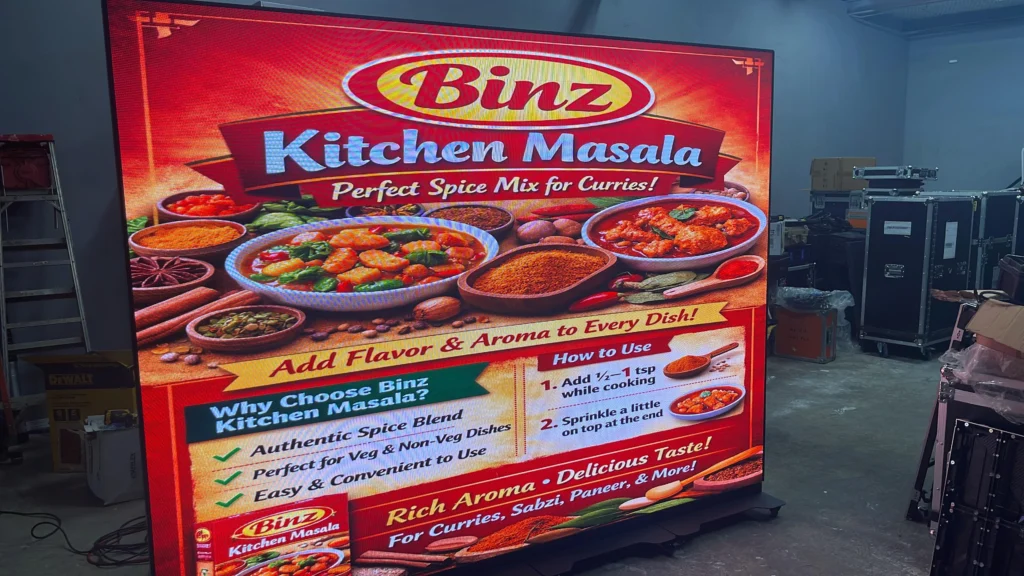
Contrast affects how clearly dark and bright areas appear. Good contrast helps text remain readable and makes video look more natural. Outdoor screens must maintain acceptable contrast even when sunlight reflects on the surface.
Color quality depends on LED components, processing hardware, calibration, and module consistency. Look for:
– Consistent color across the entire screen
– Smooth gradients
– Natural skin tones
– Reliable white balance
– Minimal variation between modules
– Stable performance at different brightness levels
Ask whether the display is factory calibrated and whether calibration tools or services are included after installation.
Refresh Rate
Refresh rate indicates how often the display updates the image. Higher refresh rates are especially important for live video, camera recordings, concerts, sports venues, and broadcast applications.
A screen may look acceptable to the human eye but show flicker or dark bands when filmed. If your business creates video content or the screen will appear in online broadcasts, request camera-testing evidence before purchase.
Viewing Angle
A wide viewing angle allows people to see readable content from the sides rather than only directly in front of the display. This matters in retail environments, busy corridors, public venues, and roadside locations.
However, viewing-angle claims should be evaluated carefully. Ask to view the screen from different positions and distances. Check whether brightness, color, or contrast changes significantly when you move away from the center.
Energy Efficiency
Large LED displays can consume significant electricity, particularly when operated for long periods at high brightness. Energy-efficient components and brightness controls can reduce operating expenses.
Ask suppliers for estimated power consumption under:
– Maximum brightness
– Typical content
– Daytime operation
– Nighttime operation
– Standby or inactive conditions
The electrical system should be designed for the display’s actual load. A professional installer can determine whether dedicated circuits, surge protection, cooling, or upgraded distribution equipment are required.
Front-Service and Rear-Service Access
Maintenance access affects installation design and long-term labor costs. Front-service displays allow technicians to remove modules from the front, which is useful when the screen is mounted tightly against a wall. Rear-service systems may require access behind the display but can be convenient for certain freestanding structures.
Before choosing a cabinet style, determine whether technicians will have adequate working space. A lower-priced screen can become expensive if every repair requires scaffolding, lifts, or partial dismantling.
Reliability and Component Quality
LED modules, power supplies, receiving cards, control systems, cabinets, and cables all affect reliability. Ask about the brands and expected service life of major components. Review the supplier’s warranty terms, replacement-part availability, and response time.
A reliable vendor should provide documentation covering:
– Product specifications
– Warranty duration
– Exclusions and limitations
– Recommended maintenance
– Replacement module procedures
– Software support
– Emergency service options
– Expected lead times for parts
For Houston installations, also ask how the system is protected against heat, humidity, storms, and power fluctuations.
3. Evaluate Houston Suppliers, Installation, and Permits
Choosing the right supplier is central to how to buy LED Screen in Houston because the display is only one part of the project. Design, engineering, installation, programming, training, and maintenance determine whether the system delivers value.
Choose a Supplier With Local Experience
A supplier familiar with Houston can help account for regional conditions and local project requirements. Look for experience with the type of installation you need rather than relying only on general years in business.
Useful questions include:
– How many comparable installations have you completed?
– Can you provide references from Houston-area customers?
– Do you perform site surveys?
– Do you manage engineering and permits?
– Who handles installation and commissioning?
– Do you stock replacement parts locally or regionally?
– What is the typical response time for service calls?
– Can you provide training for staff?
Review completed projects in person if possible. A live installation can reveal image quality, cabinet alignment, brightness behavior, and overall workmanship better than a brochure.
Request a Site Survey
A site survey should cover more than measurements. The installer should evaluate:
– Mounting surfaces
– Structural capacity
– Wind exposure
– Electrical service
– Cable routes
– Network connectivity
– Drainage and water exposure
– Sunlight direction
– Viewing angles
– Maintenance access
– Safety and lift requirements
For exterior displays, the project may require structural calculations, engineered drawings, permitting, or approvals from a property owner, landlord, municipality, or homeowners association. Requirements vary by location and installation type, so confirm them before ordering equipment.
Understand Installation Responsibilities
A written proposal should clearly identify who is responsible for each part of the project. Possible responsibilities include:
– Structural steel or mounting frame
– Concrete foundation
– Electrical work
– Network cabling
– Internet service
– Control-room equipment
– Content management software
– Lift rental
– Traffic control
– Permit fees
– Final inspection
– Staff training
– Disposal of packaging and old equipment
Unclear responsibilities can result in unexpected expenses and project delays. Ask the supplier to separate equipment, labor, engineering, freight, taxes, permits, and optional services in the quote.
Assess Software and Content Management
A screen is only useful if your team can update it efficiently. Ask how content is uploaded, scheduled, approved, and monitored. Some systems use cloud-based software, while others rely on local media players or dedicated control computers.
Important software features may include:
– Remote content updates
– Scheduling by date and time
– Playlist management
– Multiple user accounts
– Permission controls
– Emergency messaging
– Proof-of-play reporting
– Screen health monitoring
– Automatic restart
– Offline playback
– Multi-screen management
Confirm that the software works with your operating systems and network policies. If your organization has strict cybersecurity requirements, ask whether the platform supports secure authentication, encrypted communication, software updates, and audit logs.
Plan for Training
Staff should know how to create or upload content, schedule campaigns, troubleshoot basic problems, and contact support. A supplier should provide training appropriate to the people who will operate the display.
Training should cover:
– Turning the system on and off safely
– Updating content
– Adjusting schedules
– Managing access permissions
– Checking system status
– Handling connection failures
– Reporting module or cabinet problems
– Performing routine cleaning
Documentation should remain available after installation. Without proper training, businesses often depend on the installer for simple content changes or routine tasks.
4. Calculate the Total Cost of Ownership
Understanding how to buy LED Screen in Houston also means looking beyond the equipment price. The purchase cost may represent only part of the overall investment.
Equipment Costs
The equipment quote may include:
– LED modules
– Cabinets
– Power supplies
– Receiving cards
– Video processors
– Control computers
– Sending cards
– Data cables
– Mounting hardware
– Protective coverings
– Spare parts
Check whether the quote includes all components required for a working system. Some proposals list the LED cabinets but exclude the processor, installation frame, content player, or software subscription.
Installation and Construction Costs
Installation costs vary based on screen size, location, height, access, structural conditions, and local requirements. A small indoor display may require basic mounting and electrical work. A large outdoor sign may require engineering, foundations, steel fabrication, cranes, lifts, traffic management, and inspections.
The proposal should state whether freight, rigging, lift equipment, travel, disposal, and final testing are included.
Operating Costs
Operating expenses can include electricity, software subscriptions, internet connectivity, cleaning, calibration, replacement modules, technician visits, and insurance. Outdoor displays may require more frequent inspections because of weather exposure.
Compare estimated annual operating costs among different models. A slightly more expensive display may be more economical if it uses less energy, offers better heat management, and has readily available replacement components.
Maintenance and Repairs
LED screens are modular, which allows individual modules or components to be replaced. However, the cost and availability of those parts matter. Ask how long replacement parts will remain available and whether the supplier recommends keeping spare modules, power supplies, receiving cards, or control components onsite.
A maintenance agreement may include:
– Remote monitoring
– Preventive inspections
– Cleaning
– Calibration
– Priority response
– Labor discounts
– Firmware updates
– Emergency repairs
Read the service agreement carefully. Confirm response times, after-hours coverage, travel charges, and exclusions.
Warranty Terms
Compare warranties based on what they actually cover. A longer warranty is not necessarily better if it excludes labor, shipping, brightness degradation, power supplies, or environmental damage.
Clarify:
– Coverage period
– Parts coverage
– Labor coverage
– Shipping responsibilities
– Onsite service availability
– Brightness or color guarantees
– Exclusions for storms or power surges
– Procedure for submitting claims
– Expected replacement time
For commercial displays, downtime can affect revenue and customer communication. A supplier that offers clear service procedures may provide greater value than one offering the lowest initial price.
Financing and Return on Investment
Businesses may finance an LED display through equipment financing, leasing, vendor programs, or traditional lending. Compare the total amount paid rather than focusing only on the monthly payment.
Estimate potential returns through:
– Increased foot traffic
– More frequent promotions
– Advertising revenue
– Improved event attendance
– Reduced printing costs
– Better internal communication
– Higher tenant or venue value
– Improved brand visibility
A realistic return-on-investment estimate should include conservative assumptions. Avoid projections based on maximum occupancy, constant advertising demand, or uninterrupted operation.
5. Avoid Common LED Screen Buying Mistakes
The final stage of how to buy LED Screen in Houston is checking the details that are frequently overlooked. These mistakes can lead to poor image quality, excessive costs, or early equipment failure.
Choosing Based Only on Price
The lowest quote may exclude installation, engineering, software, spare parts, warranty labor, or long-term support. Compare complete project costs and specifications instead of comparing headline prices.
Selecting the Wrong Pixel Pitch
A display designed for distant viewing may look coarse when installed near viewers. Conversely, an extremely fine-pitch display may provide little practical benefit outdoors. Base the decision on the real viewing distance and content type.
Ignoring Sunlight
Outdoor brightness must be selected according to the direction and intensity of sunlight. A display that looks excellent in a showroom may be difficult to read on a bright Houston afternoon. Request a daytime demonstration or review a comparable installation in direct sunlight.
Overlooking Heat Management
High temperatures can shorten component life. Confirm that the cabinet design provides adequate ventilation, thermal monitoring, and power-supply protection. Ask how the display performs during extended summer operation.
Failing to Verify Structural Requirements
A large outdoor screen can create substantial wind loads. The mounting structure and foundation must be designed for the site. Skipping structural review creates safety risks and may cause permitting problems.
Buying Without Spare Parts
Waiting for an overseas shipment can extend downtime. Ask what parts are kept in stock and consider purchasing a practical spare-parts package with the original system.
Neglecting Network Security
Cloud-connected displays can introduce security concerns if accounts, passwords, and remote access are not managed properly. Use strong authentication, limit permissions, update software, and connect the system according to your organization’s security policies.
Accepting Unclear Content Rights
If your display shows music, sports footage, films, photographs, or advertising from third parties, verify that you have the necessary rights. The screen supplier may provide hardware but is generally not responsible for the licensing of your content.
Skipping Acceptance Testing
Before final payment, test the display under realistic conditions. Verify brightness, color consistency, content scheduling, network access, audio or video inputs, emergency procedures, and remote monitoring. Document any defects and confirm that they are resolved.
FAQ
How do I start learning how to buy LED Screen in Houston?
To begin understanding how to buy LED Screen in Houston, define the intended location, viewing distance, content type, operating schedule, and budget. Then request site surveys and itemized proposals from several qualified suppliers. Comparing complete systems will help you identify differences in installation, warranty, software, and support.
What specifications matter most when purchasing an LED screen?
When evaluating how to buy LED Screen in Houston, focus on pixel pitch, brightness, refresh rate, contrast, viewing angle, weather protection, energy consumption, service access, and component quality. The most important specification depends on whether the screen is indoor or outdoor and how close viewers will be.
How much does an LED screen cost in Houston?
The cost involved in how to buy LED Screen in Houston varies widely according to screen dimensions, pixel pitch, cabinet type, brightness, mounting structure, engineering, installation, software, and permits. Request a full project quote instead of estimating from the screen area alone. The total budget should also include maintenance and electricity.
Do I need a permit for an outdoor LED display?
A permit may be required depending on the city, property type, sign dimensions, mounting method, zoning rules, and whether the display is visible from a public road. As part of how to buy LED Screen in Houston, ask your supplier to identify applicable permit and engineering requirements before you sign a purchase agreement.
Is a fine-pitch LED screen always better?
A fine-pitch display is not automatically the best option when considering how to buy LED Screen in Houston. It offers greater detail at close distances but may cost more than necessary for a roadside sign or large outdoor display. Select pixel pitch according to viewing distance and content requirements.
How long do LED screens typically last?
The useful life of an LED screen depends on component quality, operating hours, brightness settings, heat management, maintenance, and environmental exposure. A well-designed commercial display can operate for many years, but individual modules and power supplies may require replacement during that period. Ask suppliers for realistic lifecycle expectations rather than relying solely on a marketing claim.
Can LED screens operate during Houston weather?
Outdoor LED screens can operate in Houston weather when they are properly rated, installed, sealed, grounded, and maintained. Buyers should ask about water resistance, wind loading, temperature limits, surge protection, drainage, and storm procedures. A local site inspection is important because exposure differs from one property to another.
Should I buy or lease an LED screen?
The choice between buying and leasing depends on cash flow, expected usage, tax considerations, upgrade plans, and the length of the project. Buying may provide more control and lower long-term costs, while leasing can reduce the initial payment and simplify budgeting. Compare the total financial commitment, maintenance responsibilities, and end-of-term conditions.
What should be included in an LED screen quote?
A complete quote should list the display model, pixel pitch, dimensions, brightness, processor, control software, mounting structure, electrical work, installation, freight, engineering, permits, training, warranty, spare parts, taxes, and maintenance options. Clear documentation is an essential part of how to buy LED Screen in Houston because it allows you to compare proposals accurately.
How often does an LED screen need maintenance?
Maintenance frequency depends on the installation environment, operating hours, cabinet design, and manufacturer recommendations. Outdoor screens may need regular inspections for dust, moisture, loose connections, ventilation problems, and structural issues. Schedule preventive service before problems become visible to the audience.
Conclusion
The most reliable approach to how to buy LED Screen in Houston is to treat the purchase as a complete technology and installation project. Define the audience and viewing distance, select the correct indoor or outdoor design, compare pixel pitch and brightness, verify structural and electrical requirements, and evaluate software, warranty, service, and replacement parts.
Houston’s heat, humidity, sunlight, storms, and permitting environment make local experience especially valuable. Obtain detailed site surveys and itemized proposals from qualified suppliers. Test comparable displays in realistic conditions, confirm every responsibility in writing, and calculate total ownership costs before making a decision. With careful planning, an LED screen can provide dependable communication, stronger branding, advertising flexibility, and long-term value for your business or organization.