Creative LED Display Solutions: How TW VISION Transforms Spaces into Immersive Visual Experiences

In today’s experience-driven market, design is no longer just about how a place looks; it is about how it feels, moves, and communicates. How TW VISION Transforms Spaces into Immersive Visual Experiences is a powerful example of how visual innovation can reshape environments into memorable, high-impact destinations. Whether the goal is to elevate a retail store, energize a corporate lobby, or create a show-stopping event installation, the right blend of technology, storytelling, and spatial design can completely change audience perception. This article explores the methods, technologies, and strategy behind these transformations, showing how immersive visuals can increase engagement, strengthen brand identity, and turn ordinary spaces into experiences people remember.
Table of Contents
- Designing for Emotion and Engagement
- The Technology Behind the Transformation
- Applications Across Industries and Environments
- Strategy, Measurement, and Long-Term Value
- What makes this approach different from standard digital signage?
- Can immersive visual experiences work in smaller spaces?
- How do you keep the experience from feeling too busy?
- Is this type of investment worth it for brands?
- Conclusion
Designing for Emotion and Engagement
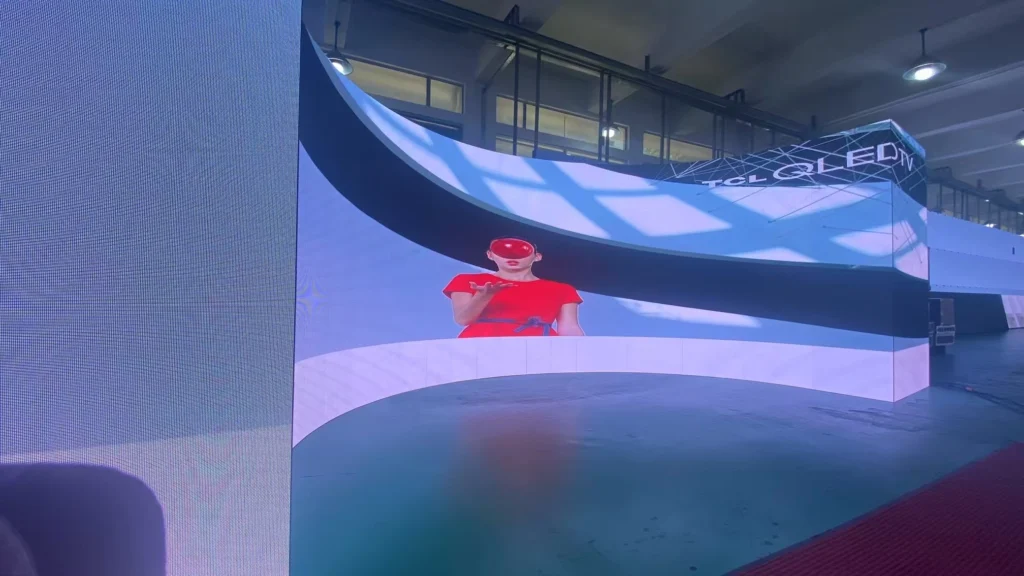
How TW VISION Transforms Spaces into Immersive Visual Experiences begins with a simple but essential idea: people connect with spaces emotionally before they analyze them logically. That is why the most effective visual environments are designed not only to inform, but to immerse. A blank wall becomes a storytelling surface. A lobby becomes a branded welcome moment. A corridor becomes a journey. This shift happens when design decisions are guided by audience psychology, movement patterns, and the desired emotional response.
The first step is understanding the purpose of the space. A retail environment may need to drive discovery and dwell time, while a museum might aim to deepen curiosity and learning. A hospitality venue may want to create a luxurious atmosphere, while a corporate headquarters may seek to communicate innovation and credibility. The point is not to cover every surface with visuals; the point is to create the right visual tension, rhythm, and narrative.
Color, motion, scale, and contrast all shape that experience. Warm tones can make a space feel inviting, while high-contrast digital elements can create energy and focus. Large-format visuals can establish presence, but subtle transitions often make the experience feel more sophisticated. Immersion comes from balance: enough stimulation to capture attention, but enough restraint to keep the environment elegant and coherent.
A strong concept also considers how people move through the space. Visual experiences are more memorable when they unfold in sequence. For example, a visitor may first encounter a dramatic entrance display, then a secondary content zone, and finally a personalized interaction point. That progression creates anticipation and discovery. In this sense, How TW VISION Transforms Spaces into Immersive Visual Experiences is not only about what viewers see, but about how they journey through the space.
Another critical element is brand alignment. Every visual decision should reinforce the story the organization wants to tell. If the brand stands for precision, the installation should feel clean, controlled, and technologically refined. If the brand emphasizes creativity, the experience may be more dynamic and expressive. The strongest immersive spaces feel intentional because every layer of design supports a single message.
This is why immersive visual environments often outperform static signage. They invite participation rather than passive observation. They make audiences pause, look closer, and remember the brand long after they leave. When design is rooted in emotion and engagement, the space becomes more than a container; it becomes part of the message.
The Technology Behind the Transformation
At the heart of How TW VISION Transforms Spaces into Immersive Visual Experiences is a smart integration of display technology, content delivery, and system control. The technology is not the goal by itself, but it is the engine that makes the experience possible. When properly selected and orchestrated, hardware and software work together to create fluid, reliable, and visually rich environments.
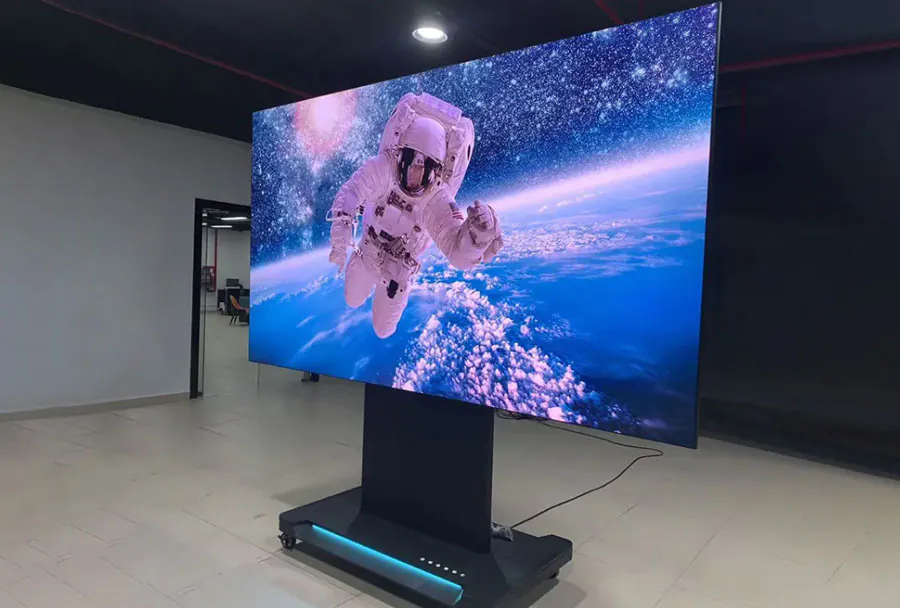
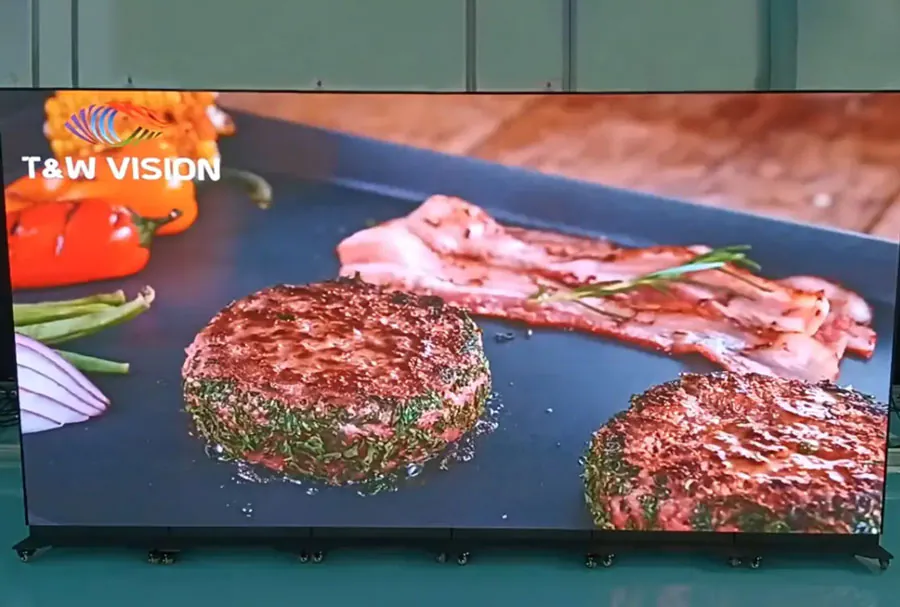
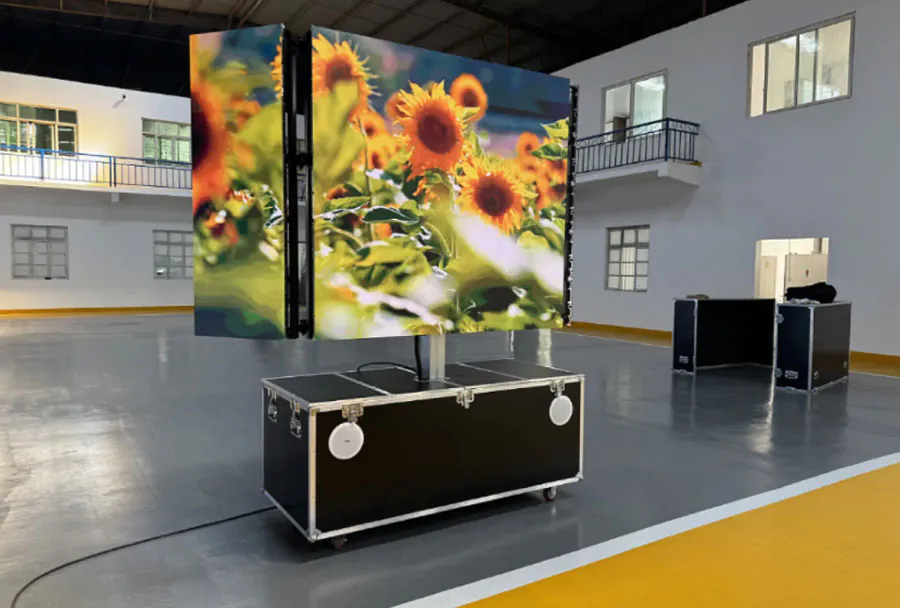
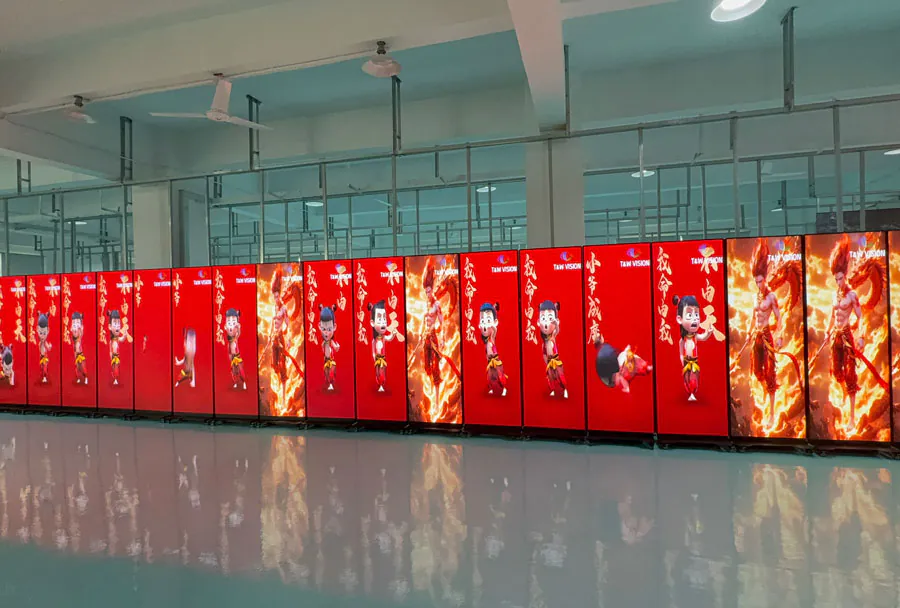
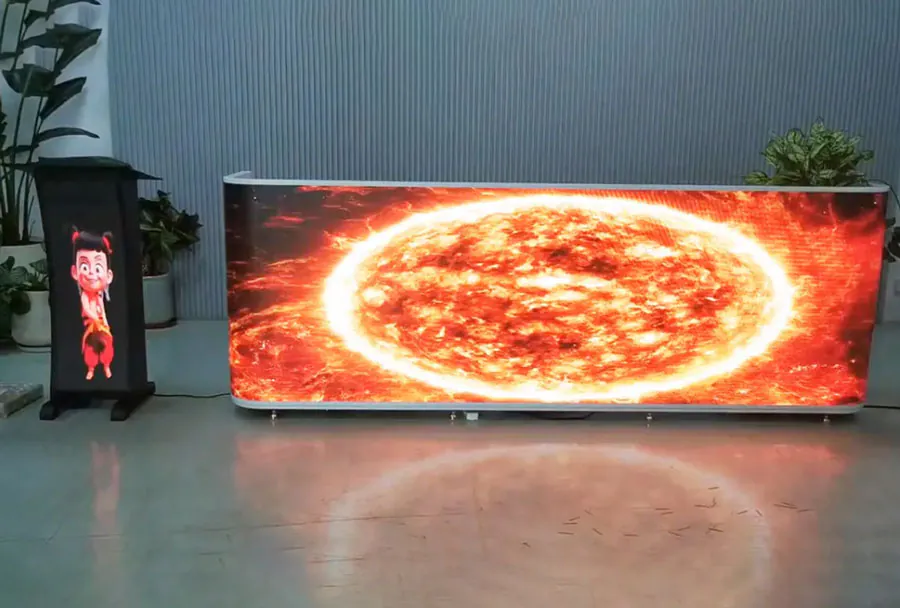
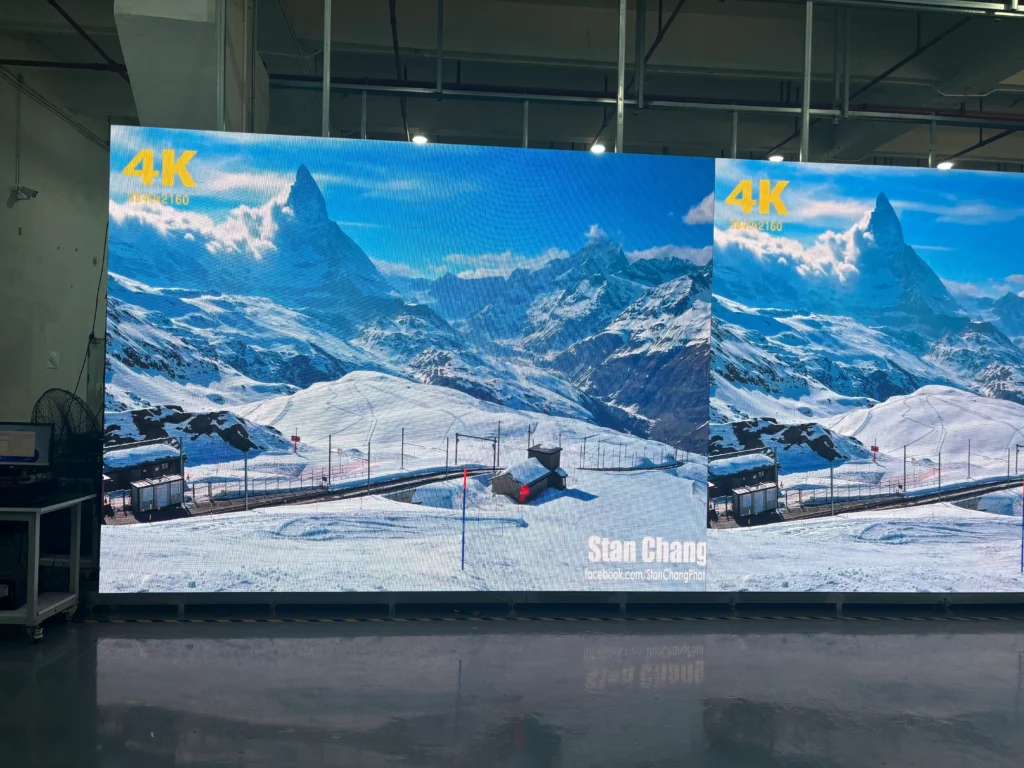
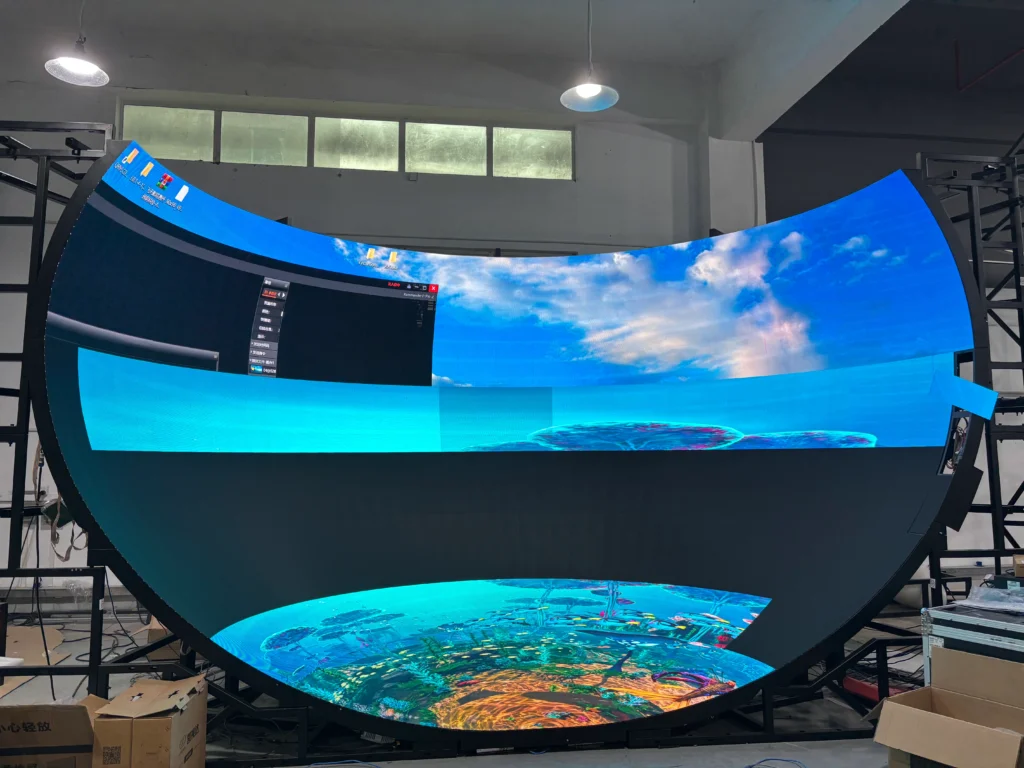
LED display systems are often the foundation of these installations. Their brightness, flexibility, and scalability make them ideal for everything from large atriums to compact experiential zones. Fine-pitch LED can deliver sharp imagery at close viewing distances, while curved or custom-shaped panels can adapt to architectural features that traditional screens cannot address. This allows visual content to become part of the physical structure rather than an add-on.
Projection mapping is another key tool. It can transform irregular surfaces into animated canvases, adding movement and depth to walls, objects, facades, or sculptural elements. When used well, projection mapping creates a sense of magic because the visual content appears to interact with the architecture itself. The result is a more theatrical and memorable environment. In many projects, the best outcome comes from combining projection with LED, using each medium where it performs best.
Interactive technologies can increase the sense of immersion even further. Sensors, touch interfaces, motion triggers, and responsive content systems invite visitors to become participants. Instead of simply watching, people influence what happens next. That interaction makes the experience personal, and personalization is a major driver of engagement in modern environments. How TW VISION Transforms Spaces into Immersive Visual Experiences often depends on this ability to turn viewers into contributors.
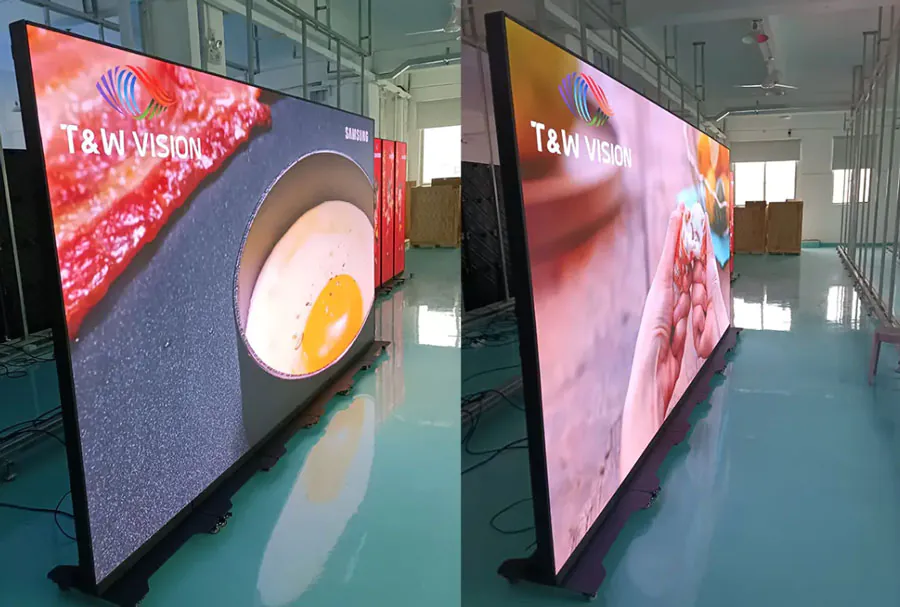
Content management also plays a major role. A beautiful display system loses impact if the content is poorly timed, low resolution, or disconnected from the environment. Dynamic content needs to be designed for the specific viewing distance, ambient light, and user flow of the space. It also needs to be easy to update. Flexible control systems let teams schedule campaigns, adapt messaging for different audiences, and maintain consistency across multiple locations.
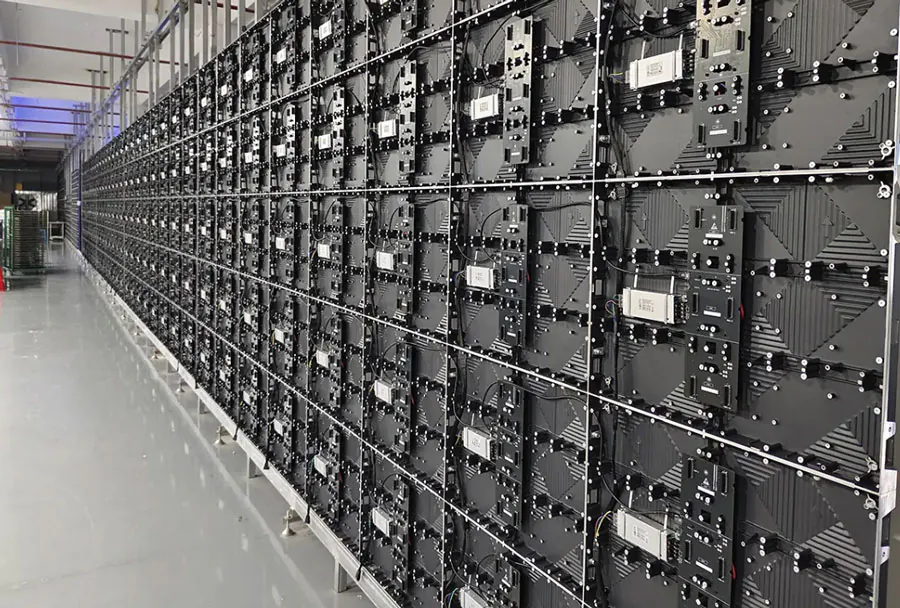
Reliability matters just as much as spectacle. Immersive spaces are often used in public, high-traffic settings, which means uptime, thermal management, brightness consistency, and maintenance access all matter. A great experience should feel effortless to the audience, but behind the scenes, it must be engineered for durability. That combination of visual impact and technical discipline is what gives an installation long-term value.
The best technology strategy is therefore not about choosing the most advanced tool available. It is about assembling the right ecosystem for the specific space, audience, and objective. When the system architecture supports the story, the whole experience becomes seamless.
Applications Across Industries and Environments
One reason How TW VISION Transforms Spaces into Immersive Visual Experiences is such a relevant concept is that it applies across many industries. Immersive design is no longer limited to entertainment venues or flagship exhibitions. It now influences retail, corporate, hospitality, education, healthcare, public spaces, and live events. The common thread is the need to create environments that people notice, understand, and remember.
In retail, immersive visuals can shape brand perception and influence buying behavior. A storefront with compelling digital storytelling can draw people inside, while in-store displays can guide discovery and highlight product narratives. Seasonal campaigns become more engaging when they are integrated into the architecture rather than layered on top of it. The store feels dynamic, and customers feel like they are entering a branded world rather than a simple sales floor.
Corporate environments also benefit from this approach. Lobbies, meeting areas, and executive spaces can communicate innovation, culture, and credibility in a matter of seconds. For visiting clients or new employees, the physical environment often forms the first impression of the organization. Immersive installations can reinforce company values, showcase milestones, and create a sense of pride. In that setting, How TW VISION Transforms Spaces into Immersive Visual Experiences becomes a tool for internal culture as much as external branding.
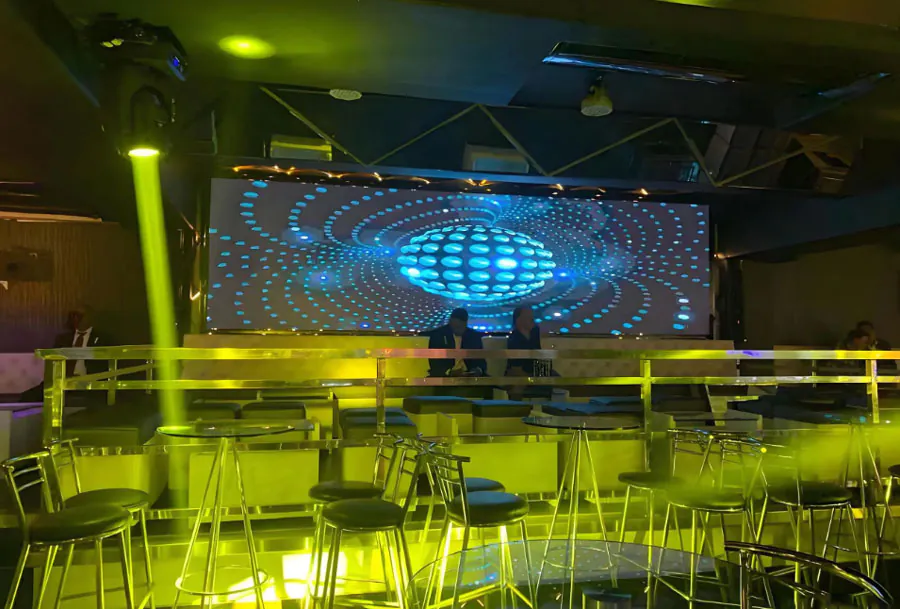
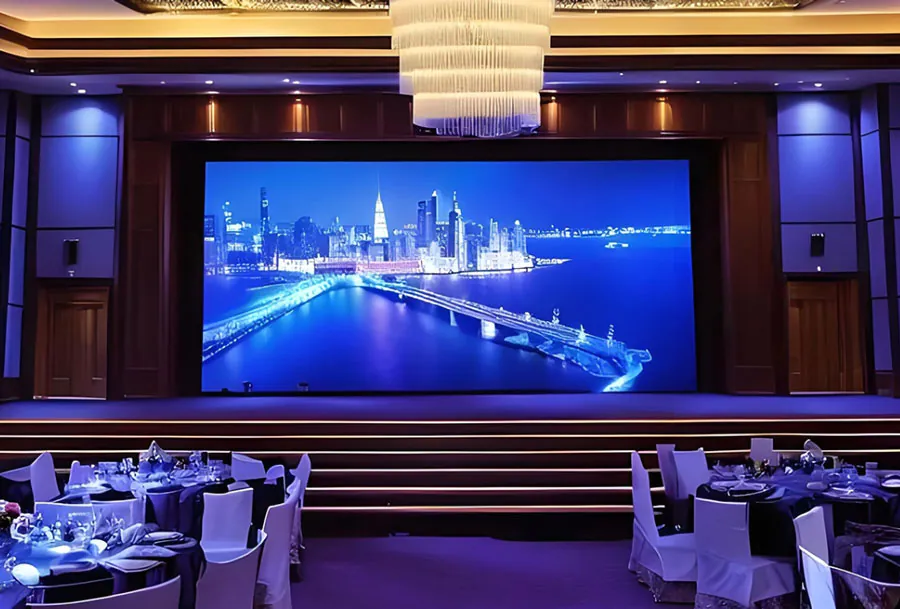
In hospitality, visual experiences contribute to atmosphere and guest satisfaction. Hotels, restaurants, and entertainment venues can use light, motion, and large-scale content to create a distinctive sense of place. A well-designed visual environment can make a lobby feel more luxurious, a dining area feel more intimate, or a venue entrance feel more exclusive. The emotional result matters because hospitality is built on memory as much as service.
Museums, galleries, and educational spaces use immersive visuals to deepen understanding. Instead of relying solely on static panels, they can present information through motion graphics, interactive layers, and narrative sequences. This helps visitors engage with complex topics in a more intuitive way. The goal is not to replace content depth, but to make that depth more accessible and engaging.
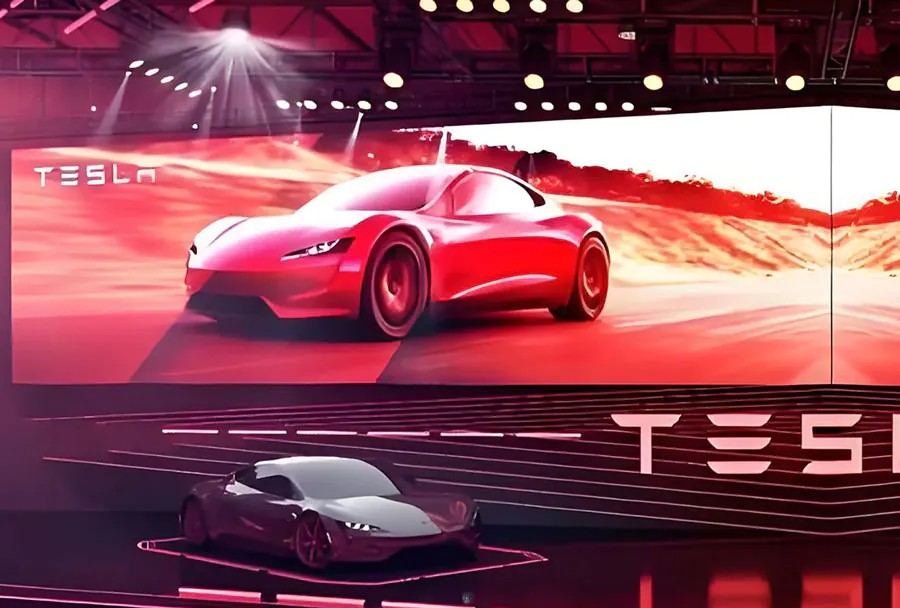
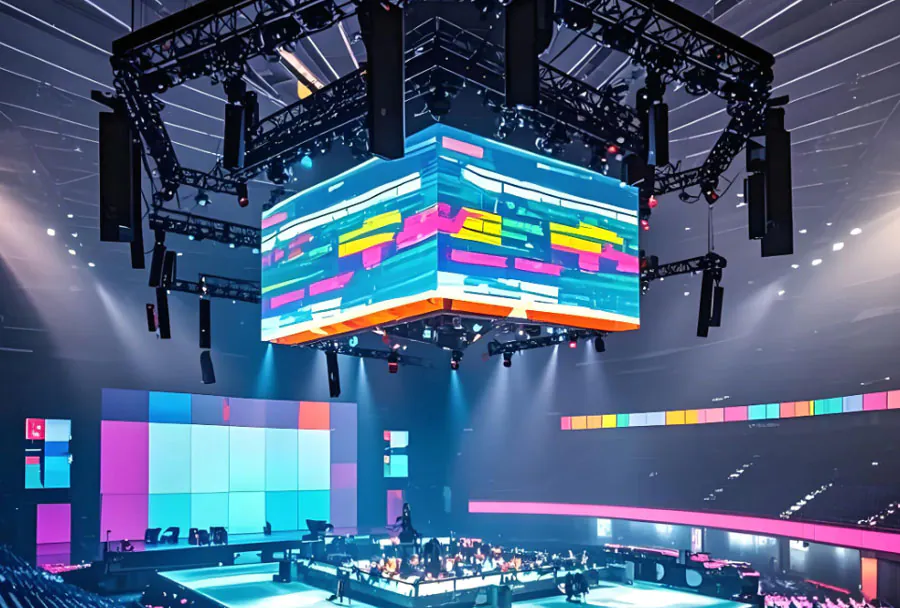
Events and temporary installations may be the most obvious use case. Product launches, conferences, trade shows, concerts, and brand activations all benefit from a visual environment that captures attention quickly. In these settings, immersion helps organizers stand out in crowded markets and create social-media-worthy moments. The environment becomes part of the event’s marketing engine.
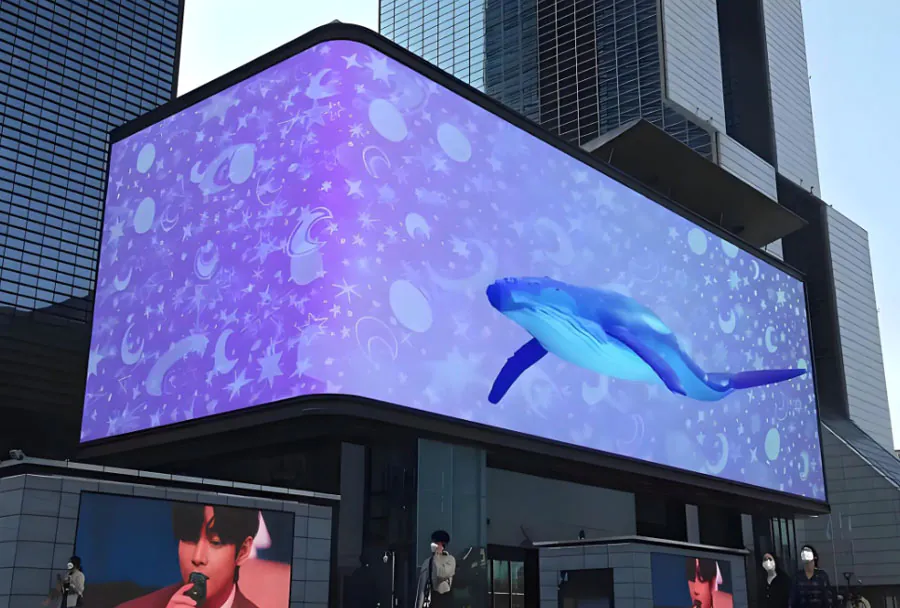
Even public spaces can be transformed. Transportation hubs, city centers, and cultural districts are increasingly using digital displays and creative visual systems to improve orientation, strengthen identity, and enhance the user experience. When done thoughtfully, these installations can make a space feel more welcoming and more human, not more crowded or noisy.
Across all of these settings, the core principle remains the same: the space should support the story, not compete with it. That is why strategic planning is so important.
Strategy, Measurement, and Long-Term Value
The most successful projects do more than impress on day one. TW VISION designs creative LED display solutions to deliver long-term value, making immersive visual experiences a strategic investment rather than a one-time design trend. Long-term value comes from aligning creative direction, operational practicality, and measurable business goals.
A strong strategy starts with clear objectives. Is the space meant to increase dwell time, improve brand recall, generate leads, support wayfinding, or elevate guest satisfaction? Without a measurable goal, it is difficult to determine whether an installation is effective. Once the purpose is defined, the design, content, and technical stack can be chosen to support it. This keeps the project focused and prevents visual features from becoming decorative noise.
Measurement is essential. Engagement can be tracked through foot traffic, dwell time, social sharing, lead generation, repeat visits, or direct feedback. Retail environments benefit from visually compelling zones that encourage shoppers to stay longer. Corporate spaces can use branded LED installations to enhance visitor perception and foster employee pride. Hospitality venues rely on immersive visual experiences to reinforce premium positioning and increase guest loyalty.How TW VISION Transforms Spaces into Immersive Visual Experiences becomes even more valuable when those outcomes can be measured and refined.
Content strategy also affects long-term performance. Visual systems should not be static unless the environment demands it. Content can evolve with seasons, campaigns, events, product launches, or audience segments. That flexibility helps keep the space fresh and relevant. It also extends the lifespan of the installation because the audience experiences the environment as dynamic, not repetitive.
Maintenance and support should be part of the planning process from the beginning. Displays, processors, media servers, and control systems all require monitoring and occasional updates. Access for servicing, cable management, thermal design, and replacement planning matter because they protect uptime. A visually stunning installation loses credibility if it is unreliable. Long-term success comes from choosing solutions that can perform consistently under real-world conditions.
There is also a sustainability dimension. Energy-efficient displays, modular systems, and content-driven refreshes can reduce waste compared with frequent physical rebuilds. When a space can evolve digitally, the organization gains more flexibility while limiting unnecessary material use. This is increasingly important for brands that want to combine innovation with responsibility.
Ultimately, strategy is what turns an impressive installation into an asset. It ensures the experience is not just visually strong, but operationally sound, brand-relevant, and financially justified. That is the difference between a one-time spectacle and a durable spatial experience.
Frequently Asked Questions
What makes this approach different from standard digital signage?
The main difference is the level of integration. Standard signage usually presents information, while How TW VISION Transforms Spaces into Immersive Visual Experiences focuses on shaping the entire environment around a narrative. That means the visuals, architecture, movement, and interactivity all work together to create a more emotional and memorable result.
Can immersive visual experiences work in smaller spaces?
Yes. Size is not the deciding factor; design intent is. TW VISION transforms compact environments into immersive visual experiences through carefully placed LED elements, projection, motion graphics, and interactive touchpoints. In smaller spaces, the key is to maximize impact without overwhelming the viewer.
How do you keep the experience from feeling too busy?
The best immersive designs use restraint. How TW VISION Transforms Spaces into Immersive Visual Experiences works because each element serves a purpose, whether that is guiding attention, reinforcing the brand, or creating emotional flow. Clean composition, thoughtful pacing, and coordinated content help prevent visual clutter.
Is this type of investment worth it for brands?
For many organizations, yes. When planned correctly, How TW VISION Transforms Spaces into Immersive Visual Experiences can support brand awareness, customer engagement, employee culture, and event impact at the same time. The return comes from stronger perception, longer interaction, and a more distinctive identity in the market.
Conclusion
As audiences become more selective and experience-driven, spaces need to do more than function well; they need to communicate, inspire, and stay memorable. How TW VISION Transforms Spaces into Immersive Visual Experiences shows how thoughtful design, advanced technology, and strategic storytelling can turn ordinary environments into powerful brand moments. From retail and hospitality to corporate and cultural settings, the opportunity is the same: create a space that people want to enter, explore, and remember. When creativity is aligned with purpose and performance, the result is not just a visual installation, but a lasting experience.