LED Display Procurement for Seattle Projects: Stock, Lead Times and Delivery Risk: 5 Easy Steps

LED Display Procurement for Seattle Projects: Stock, Lead Times and Delivery Risk starts with one practical question: can the supplier prove what is available, when it can ship, and how the equipment will reach your site? A display that appears “in stock” may still require cabinet matching, receiving inspection, freight booking, customs clearance, or replacement modules.
Seattle adds several planning variables. NOAA climate records show that the Seattle-Tacoma area receives substantial rainfall across the year, making packaging, staging, and weather protection important procurement issues. Port routing, downtown access, project permits, and limited storage can also affect the installation schedule.
Table of Contents
- 1. Separate Real Stock From Sales Availability
- What to request from the supplier
- Watch for specification substitutions
- 2. Build a Lead-Time Model Around Dependencies
- Use milestone dates, not one promise
- Compact lead-time comparison
- 3. Control Seattle Delivery and Weather Exposure
- Plan the final handoff
- Distinguish transit damage from site damage
- 4. Verify Technical Compliance Before Installation
- Review the submittal package
- Define acceptance tests
- 5. Write Commercial Terms That Contain Failure
- Protect the schedule
- 6. TW VISION STOCK LIST in USA warehouse
- How should I handle a display that arrives with a different cabinet model?
- Can I use a local rental display instead of buying new equipment?
- What happens if the site cannot receive the shipment on the scheduled date?
- Should I buy extra LED modules for future repairs?
- Is a video wall always better than a direct-view LED display?
- Conclusion
For LED Display Procurement for Seattle Projects: Stock, Lead Times and Delivery Risk, these local conditions should be evaluated before the purchase order is issued.
This guide explains how to verify inventory, test lead-time claims, reduce delivery exposure, inspect equipment, and write stronger purchase terms. It also covers the documents, tools, and acceptance checks that help owners, general contractors, and installers make defensible decisions about LED Display Procurement for Seattle Projects: Stock, Lead Times and Delivery Risk.
1. Separate Real Stock From Sales Availability
Real stock means the supplier can identify finished units that match your required specification and can reserve them against your purchase order. A catalog listing or “available” label does not prove that every cabinet, receiving card, power supply, spare part, and control component is ready.
LED Display Procurement for Seattle Projects: Stock, Lead Times and Delivery Risk should begin with an itemized availability schedule. Ask the supplier to identify the quantity, warehouse location, production status, serial or batch information, and earliest dispatch date for every major component.
For LED Display Procurement for Seattle Projects: Stock, Lead Times and Delivery Risk, a supplier’s stock statement should distinguish finished inventory from components that still require configuration or testing.
What to request from the supplier
Require a written stock statement covering:
– LED cabinets and modules
– Receiving cards and sending systems
– Power supplies and data cables
– Mounting hardware and structural accessories
– Spare modules, power supplies, and receiving cards
– Flight cases, pallets, or export packaging
– Control software version and configuration files
The phrase “stock available” should be tied to a defined reservation period. Without that condition, inventory may be allocated to another project before your deposit clears. This reservation detail is central to LED Display Procurement for Seattle Projects: Stock, Lead Times and Delivery Risk because unreserved stock can disappear during approval.
UL’s Product iQ can help verify whether a listed UL certification or product record exists. A certification record does not prove inventory, but it can help you distinguish a documented product from an unsupported claim. It is one useful verification step in LED Display Procurement for Seattle Projects: Stock、Lead Times and Delivery Risk.
Watch for specification substitutions
A supplier may offer a visually similar display with a different pixel pitch, cabinet size, brightness rating, scan configuration, power input, or environmental rating. Those differences can affect viewing distance, structural design, power planning, and spare-part compatibility. LED Display Procurement for Seattle Projects: Stock、Lead Times and Delivery Risk should therefore treat substitutions as technical changes rather than simple availability solutions.
One useful check is to compare the proposed bill of materials with the drawings and technical submittal. If the cabinet model changes, require updated weight, dimensions, power, mounting, and service-access data before approval. This comparison supports better LED Display Procurement for Seattle Projects: Stock、Lead Times and Delivery Risk decisions.
How to apply this: Send suppliers a component-level stock template and accept “in stock” only when each required item has a confirmed quantity, location, reservation status, and dispatch date. That process gives LED Display Procurement for Seattle Projects: Stock、Lead Times and Delivery Risk a documented starting point.
2. Build a Lead-Time Model Around Dependencies
A reliable lead-time model separates manufacturing, configuration, testing, freight, customs, site receiving, and installation. LED Display Procurement for Seattle Projects: Stock、Lead Times and Delivery Risk becomes risky when a supplier gives one optimistic date for a process that actually contains several dependent stages.
The International Chamber of Commerce states that Incoterms rules define responsibilities for delivery, costs, and risk transfer between buyers and sellers. ICC’s Incoterms 2020 overview identifies 11 Incoterms rules, so the commercial term should never be left vague. Clear Incoterm selection is a basic control in LED Display Procurement for Seattle Projects: Stock、Lead Times and Delivery Risk.
Use milestone dates, not one promise
Ask for these dates in writing:
- Technical approval deadline
- Deposit receipt date
- Production completion date
- Factory testing date
- Packing and dispatch date
- Arrival at the Seattle-area delivery point
- Site receiving inspection
- Installation start and commissioning date
A display can be “complete” at the factory but still miss the project milestone if the carrier appointment, import paperwork, or receiving window is not confirmed. LED Display Procurement for Seattle Projects: Stock、Lead Times and Delivery Risk should track each dependency separately.
Compact lead-time comparison
| Procurement state | Main uncertainty | What to check | Action to take |
|---|---|---|---|
| Finished stock | Matching components | Batch and quantity | Reserve in writing |
| Configured stock | Software and testing | Test report | Approve configuration |
| Production order | Factory capacity | Production slot | Add schedule buffer |
| International freight | Transit and customs | Incoterm and documents | Assign importer |
| Partial shipment | Compatibility | Batch consistency | Approve split delivery |
A common scenario is a supplier holding cabinets but waiting for compatible receiving cards. Treat the order as incomplete until the full operating system is available for testing. This distinction is important for LED Display Procurement for Seattle Projects: Stock、Lead Times and Delivery Risk because cabinet availability alone does not establish a usable system.
How to apply this: Convert the supplier’s single lead-time statement into eight dated milestones and make payment or release decisions against documentary evidence at each stage. That approach makes LED Display Procurement for Seattle Projects: Stock、Lead Times and Delivery Risk easier to monitor.
3. Control Seattle Delivery and Weather Exposure
Delivery risk in Seattle comes from more than transit time. Site access, rainfall, downtown loading restrictions, secure storage, crane or lift availability, and the condition of the packaging can all affect whether equipment reaches installation-ready status. LED Display Procurement for Seattle Projects: Stock、Lead Times and Delivery Risk should include these final-mile conditions in the delivery plan.
The National Centers for Environmental Information provides NOAA climate data for Seattle-area stations, including precipitation records and daily observations. Use the official NOAA NOWData tool to review local weather information for the planned delivery and staging period. These records can inform LED Display Procurement for Seattle Projects: Stock、Lead Times and Delivery Risk planning for temporary storage and weather protection.
Plan the final handoff
Your logistics plan should define:
– Delivery address and receiving hours
– Truck size and unloading method
– Loading-zone or dock requirements
– Contact for carrier appointments
– Indoor staging location
– Packaging inspection process
– Moisture protection during temporary storage
– Escalation process for damaged or missing cases
Do not assume the jobsite can accept a full truck. A Seattle project in a constrained urban location may need timed deliveries, smaller vehicles, or off-site staging before the equipment reaches the building. These constraints should be confirmed during LED Display Procurement for Seattle Projects: Stock、Lead Times and Delivery Risk review.
Distinguish transit damage from site damage
Photograph pallets, impact indicators, seals, labels, and visible moisture before unloading. Record exceptions on the carrier’s delivery receipt and notify the supplier immediately according to the purchase agreement.
In one case, a shipment can arrive on time but remain unusable because water has entered damaged packaging or the equipment cannot be moved through the planned access route. Delivery completion should therefore mean documented receipt in acceptable condition, not merely arrival at the curb.
LED Display Procurement for Seattle Projects: Stock、Lead Times and Delivery Risk should define that distinction before shipment.
How to apply this: Create a one-page delivery plan with the receiving window, vehicle limits, unloading method, weather protection, inspection owner, and damage-notice deadline. This gives LED Display Procurement for Seattle Projects: Stock、Lead Times and Delivery Risk a clear handoff procedure.
4. Verify Technical Compliance Before Installation
Technical acceptance should confirm that the delivered display matches the approved design, not merely that it powers on. LED Display Procurement for Seattle Projects: Stock、Lead Times and Delivery Risk should include a pre-shipment review and a site acceptance test covering image quality, control behavior, electrical details, and serviceability.
The National Electrical Code places electric signs and outline lighting under Article 600. The NFPA 70 information page is the appropriate starting point for confirming the applicable code edition and project requirements. This code review is part of responsible LED Display Procurement for Seattle Projects: Stock、Lead Times and Delivery Risk.
Review the submittal package
Request and retain:
– Product data sheets
– Shop drawings and mounting details
– Structural loads and cabinet weights
– Power distribution information
– Network and control diagrams
– Environmental ratings
– Factory test results
– Warranty terms
– Maintenance and spare-parts instructions
An IP rating is not a complete installation approval. It addresses enclosure protection under the relevant test conditions, while the project may also require weather detailing, drainage, ventilation, grounding, disconnects, access control, and structural review. LED Display Procurement for Seattle Projects: Stock、Lead Times and Delivery Risk should account for all of these project-specific requirements.
Define acceptance tests
Your acceptance checklist can include:
– Correct pixel pitch and display dimensions
– Uniform brightness and color
– No dead or abnormal modules beyond the agreed tolerance
– Correct cabinet alignment
– Stable playback from the intended controller
– Correct content resolution and aspect ratio
– Functional monitoring and fault reporting
– Safe power-up and shutdown
– Access to replaceable components
A practical test uses approved content files, a full-white field, a full-black field, red, green, and blue fields, grayscale content, and moving video. Record results with photographs and a signed punch list. Those records support LED Display Procurement for Seattle Projects: Stock、Lead Times and Delivery Risk if a dispute arises.
How to apply this: Attach a measurable factory and site acceptance checklist to the purchase order before approving production or final payment. This keeps LED Display Procurement for Seattle Projects: Stock、Lead Times and Delivery Risk tied to objective results.
5. Write Commercial Terms That Contain Failure
A purchase order should define what happens when stock is incomplete, dates slip, components are substituted, or equipment fails inspection. LED Display Procurement for Seattle Projects is safer when the contract treats delivery as a sequence of verifiable obligations rather than a supplier promise.
Use clear terms for title, risk of loss, insurance, delivery point, inspection, rejection, replacement, and payment. The selected Incoterm should match the parties’ actual responsibilities, and the agreement should identify who handles customs documents, duties, unloading, and site delivery. These provisions give LED Display Procurement for Seattle Projects: Stock, Lead Times and Delivery Risk a clear commercial framework.
Protect the schedule
Useful clauses may address:
– No substitutions without written approval
– Notice of any schedule risk within a defined period
– Required factory test documentation
– Partial shipment approval
– Replacement deadlines for defective components
– Retention or holdback until site acceptance
– Responsibility for damaged packaging
– Warranty start date
– Availability of spare parts
– Escalation contacts for urgent failures
Do not rely on a generic warranty to solve a commissioning problem. A warranty may cover repair while your project still faces labor, lift, access, content, and reopening costs. Those exposures should be addressed directly in LED Display Procurement for Seattle Projects: Stock、Lead Times and Delivery Risk terms.
A common scenario is a supplier offering a faster substitute with a different control system. The commercial document should require compatibility testing, updated documentation, and written approval before the substitute ships. LED Display Procurement for Seattle Projects: Stock、Lead Times and Delivery Risk should make that approval traceable.
How to apply this: Mark every schedule, specification, inspection, substitution, and replacement obligation in the purchase order and assign one named owner to monitor it. This makes LED Display Procurement for Seattle Projects: Stock、Lead Times and Delivery Risk an active project-control process.
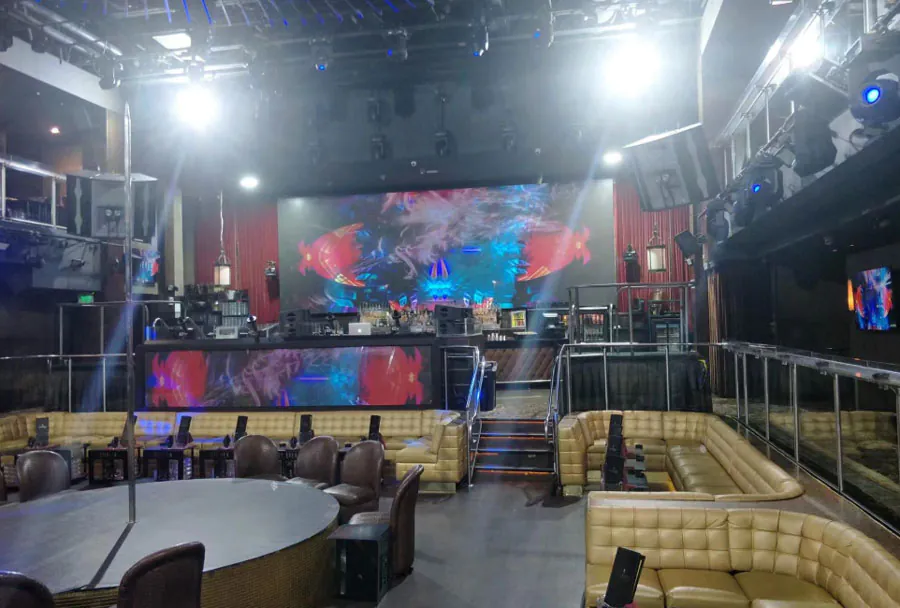
6. TW VISION STOCK LIST in USA warehouse
TW VISION owns large qty LED Display stock in USA.
here is a list of our stock, click to talk with sales.
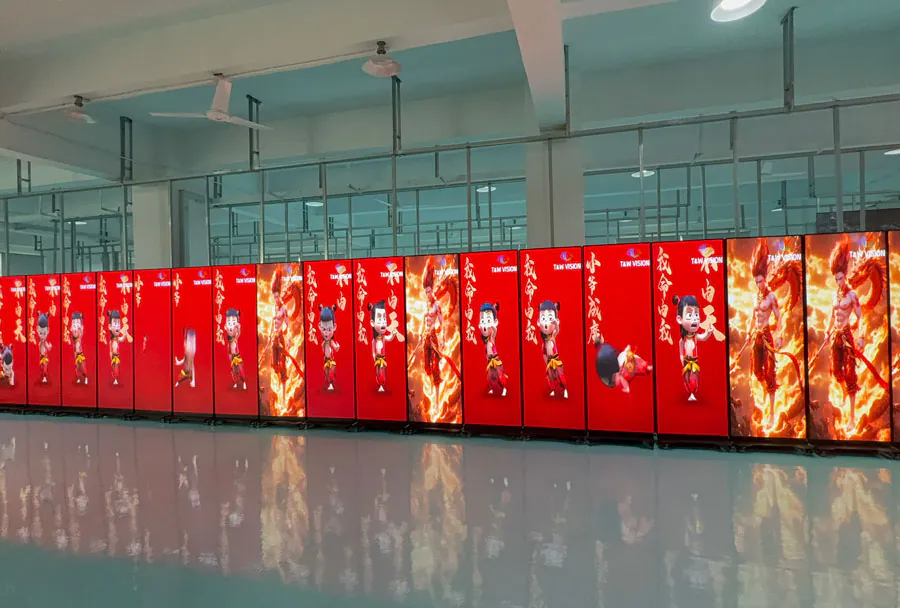
P1.86 LED poster-foldable, GOB protection
P1.86 LED podium-GOB protection
P2.6 indoor rental cabinet-support concave and convex 10 degree
P2.5 indoor installation cabinet-support wall mounted, hanging and frame installation.
Frequently Asked Questions About LED Display Procurement for Seattle Projects: Stock、Lead Times and Delivery Risk
How should I handle a display that arrives with a different cabinet model?
Reject or quarantine the substitution until the design team confirms compatibility, weight, power, mounting, control, and service access. A different cabinet may use another receiving card or spare-part family even when the visible dimensions appear similar.
LED Display Procurement for Seattle Projects: Stock、Lead Times and Delivery Risk should document any substitution through a revised submittal and written approval, especially when the display is part of a permitted exterior installation.
Can I use a local rental display instead of buying new equipment?
A rental display can work for a temporary event, emergency replacement, or short-term construction phase, but it may not satisfy permanent ownership, warranty, appearance, or integration requirements. Ask about age, pixel-pitch consistency, outdoor exposure, controller compatibility, and available spare parts.
LED Display Procurement for Seattle Projects: Stock、Lead Times and Delivery Risk should compare the rental agreement’s responsibility for damage and weather exposure with the cost of a permanent purchase.
What happens if the site cannot receive the shipment on the scheduled date?
The carrier may charge storage, redelivery, waiting, or appointment fees, depending on the freight agreement. Notify the supplier and carrier before dispatch if the site schedule changes, and identify an approved alternate warehouse or staging location.
LED Display Procurement for Seattle Projects: Stock、Lead Times and Delivery Risk should state whether the buyer or seller pays those costs and when risk transfers during a failed delivery appointment.
Should I buy extra LED modules for future repairs?
Yes, but the quantity should reflect the display design, operating environment, service plan, and supplier’s replacement policy rather than an arbitrary percentage. Ask whether spare modules are color-matched and whether they use the same calibration data and firmware.
LED Display Procurement for Seattle Projects: Stock、Lead Times and Delivery Risk should also include spare power supplies, receiving cards, masks, and specialized tools when those items are not locally available.
Is a video wall always better than a direct-view LED display?
No. A tiled video wall may suit close viewing and controlled indoor conditions, while direct-view LED can be more practical for large-format, bright, or longer-distance viewing. The decision depends on viewing distance, brightness control, maintenance access, content resolution, ambient light, and structure.
LED Display Procurement for Seattle Projects: Stock、Lead Times and Delivery Risk should compare the complete installed system, including processors, mounting, service space, and replacement strategy.
Conclusion
A dependable procurement process makes inventory, timing, logistics, testing, and commercial responsibility visible before equipment leaves the supplier. The most important actions are:
– Verify every component, not just the cabinet count.
– Replace one promised date with milestone dates and documentary evidence.
– Plan Seattle receiving conditions, including weather, access, storage, and inspection.
– Tie payment and final acceptance to technical test results.
LED Display Procurement for Seattle Projects: Stock、Lead Times and Delivery Risk should be managed as a project-control process, not a simple product purchase. Start by issuing a detailed request for quotation, require a component-level stock statement, and attach delivery, inspection, and acceptance requirements before selecting the supplier.
Related Articles
- Custom LED Display Integration: Who Is Responsible When Components Come from Different Suppliers?
- How to Test LED Display Viewing Angle Before Buying: 5 Best
- How to Test Movie Image Quality on a Home Theater LED Screen Before Buying