Top Outdoor Digital Signage Trends to Watch in 2026

The future of out-of-home media is being shaped by data, automation, and environmental pressure, and Top Outdoor Digital Signage Trends to Watch in 2026 is the lens many brands will use to separate hype from practical investment. As cities modernize and audiences expect more relevant messaging, outdoor screens are becoming smarter, greener, and easier to manage. Businesses that plan now will be better positioned to reach people with timely, useful content instead of static promotions that fade into the background. In 2026, success will depend on more than having a bright display in a busy location. It will depend on choosing the right technology, creating context-aware content, and measuring results in ways that support real business goals.
Table of Contents
1. Smarter Screens and Context-Aware Content
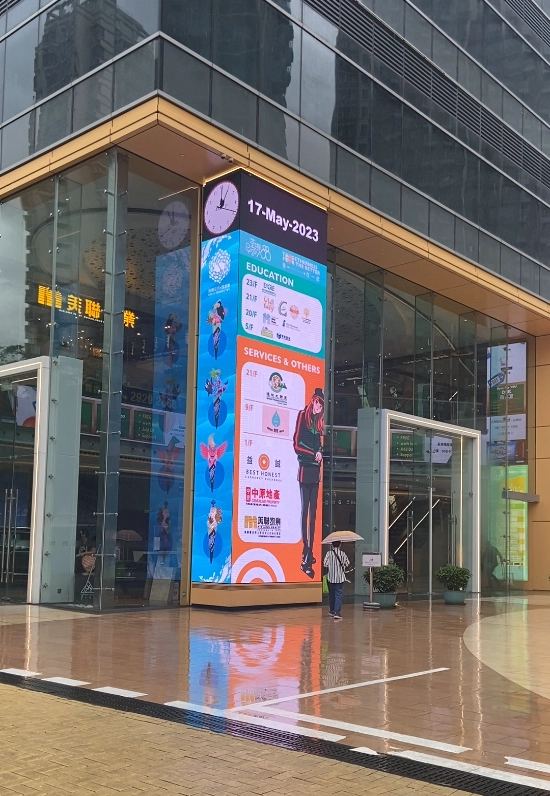
Top Outdoor Digital Signage Trends to Watch in 2026 start with displays that can react to their surroundings. The era of one-message-fits-all advertising is fading fast. In its place is a more intelligent model powered by AI, environmental sensors, traffic data, and scheduling systems that adjust creative based on time, weather, location, and audience flow. A screen in a shopping district does not need the same message at 8 a.m. as it does at 6 p.m., and a display near a transit hub should not show the same offer during a rainstorm as it does on a sunny weekend. Context is becoming the new creative advantage.
This shift is important because outdoor advertising is most effective when it feels useful rather than intrusive. Brands that use dynamic content can tailor messages to the real-world conditions around the display. For example, a restaurant can highlight hot drinks during a cold morning, then switch to lunch specials at noon, and finally promote dinner offers during the evening commute. A retail brand can surface inventory tied to nearby store traffic, while a travel company can highlight last-minute deals when regional weather disrupts normal plans. These are not gimmicks; they are practical ways to make outdoor media more relevant. Top Outdoor Digital Signage Trends to Watch in 2026.
The technology behind this shift is also becoming more accessible. Modern content management platforms are easier to use, cloud-connected, and capable of integrating with APIs, weather feeds, and audience analytics tools. That means marketers no longer need to manually update every screen throughout the day. Instead, they can build rules that automate content changes at scale. For multi-location campaigns, this dramatically reduces operational overhead and makes creative optimization more realistic. Top Outdoor Digital Signage Trends to Watch in 2026.
Another major theme within Top Outdoor Digital Signage Trends to Watch in 2026 is visual simplicity. As screens become more advanced, the best-performing creative often becomes cleaner, bolder, and easier to read from a distance. Outdoor viewers rarely have time to decode a cluttered message. Large typography, high contrast, short copy, and motion used with restraint tend to outperform overloaded designs. In other words, smarter screens do not justify more complicated ads; they reward clearer ones.
For operators comparing vendors, Top Outdoor Digital Signage Trends to Watch in 2026 make one thing clear: a screen is only valuable when it can deliver the right message at the right moment. The winning strategy is not just better hardware. It is a combination of responsive content, automated workflows, and message discipline that respects the speed of outdoor attention.
2. Programmatic Buying and Real-Time Media
Top Outdoor Digital Signage Trends to Watch in 2026 also point to the growing maturity of programmatic digital out-of-home. Programmatic buying has already changed online media, and outdoor signage is following the same path with more precision and less friction. Instead of purchasing fixed static placements months in advance and hoping the timing still makes sense, advertisers can increasingly buy impressions, audience segments, and contextual opportunities in real time. This gives brands more flexibility, better inventory access, and the ability to react to market changes faster.
The biggest appeal of programmatic outdoor is efficiency. Campaigns can be launched, adjusted, or paused quickly, which matters when consumer behavior shifts from week to week. For example, a sports brand can increase spend around major events, a beverage company can prioritize warm-weather regions as temperatures rise, and a quick-service restaurant can amplify offers near high-traffic corridors during lunch hours. The idea is not just to automate buying. It is to align delivery with live demand signals. Top Outdoor Digital Signage Trends to Watch in 2026.
Measurement is becoming more sophisticated as well. Top Outdoor Digital Signage Trends to Watch in 2026 also highlight the pressure on marketers to prove that outdoor media contributes to business outcomes. That means using better reporting on impressions, dwell time, audience estimates, location lift, store visitation, and cross-channel engagement. Some brands will rely on matched market testing, while others will use mobile location data or brand lift studies to evaluate performance. The exact method matters less than having a consistent framework that connects screen exposure to action.
Real-time media is especially powerful when integrated with external triggers. Weather can automatically change the messaging from summer travel offers to indoor entertainment promotions. Local events can shift ad priorities toward food, drink, and rideshare. Inventory levels can trigger dynamic promotions that move product faster when stock is high. In this environment, creative teams and media buyers need to work closely together so the messaging system is ready to respond without losing brand consistency. Top Outdoor Digital Signage Trends to Watch in 2026.
At the same time, Top Outdoor Digital Signage Trends to Watch in 2026 suggest that transparency will become more important. Advertisers will want clearer proof of where their content ran, who it reached, and how often it changed. Platforms that provide clean logs, detailed reporting, and easy attribution will have an advantage over those that only offer broad estimates. This will push the industry toward more accountable buying models and better planning discipline.
There is also a strategic reason to care about programmatic outdoor now: it allows brands to test more ideas with less risk. A marketer can compare creative variants across different regions, evaluate which messages drive stronger engagement, and reallocate budget toward the best-performing placements quickly. That learning loop is hard to match with traditional static buys. Top Outdoor Digital Signage Trends to Watch in 2026.
Ultimately, Top Outdoor Digital Signage Trends to Watch in 2026 show that real-time media is no longer a niche capability. It is becoming the operating standard for brands that want agility, measurement, and stronger alignment between outdoor visibility and business performance.

3. Sustainability, Reliability, and Lower Total Cost
Top Outdoor Digital Signage Trends to Watch in 2026 are not just about innovation; they are also about efficiency and durability. As more organizations make sustainability a core procurement criterion, outdoor digital signage is being judged on energy consumption, component lifespan, serviceability, and environmental impact. Buyers are looking beyond purchase price and asking how a display will perform over years of outdoor exposure, maintenance cycles, and power usage. The result is a stronger focus on total cost of ownership.
Energy-efficient displays are one of the clearest examples. LED technology continues to improve, offering brighter output with lower power draw and better thermal performance. Automatic brightness controls can reduce energy use by adjusting the display to surrounding light conditions, while smarter scheduling ensures screens are not running at full intensity when foot traffic is low. In some markets, solar-assisted systems and renewable energy integration are also becoming more common, especially for transit, municipal, and campus deployments. Top Outdoor Digital Signage Trends to Watch in 2026.
Weather resistance matters just as much. Outdoor displays must handle heat, cold, humidity, dust, rain, and direct sunlight without sacrificing visibility or reliability. Better sealing, stronger enclosures, anti-glare coatings, and temperature control systems help reduce downtime and maintenance costs. For advertisers, reliability is not a technical detail; it is a revenue issue. A screen that fails during peak traffic loses impressions, weakens campaign continuity, and creates avoidable service expenses. Top Outdoor Digital Signage Trends to Watch in 2026.
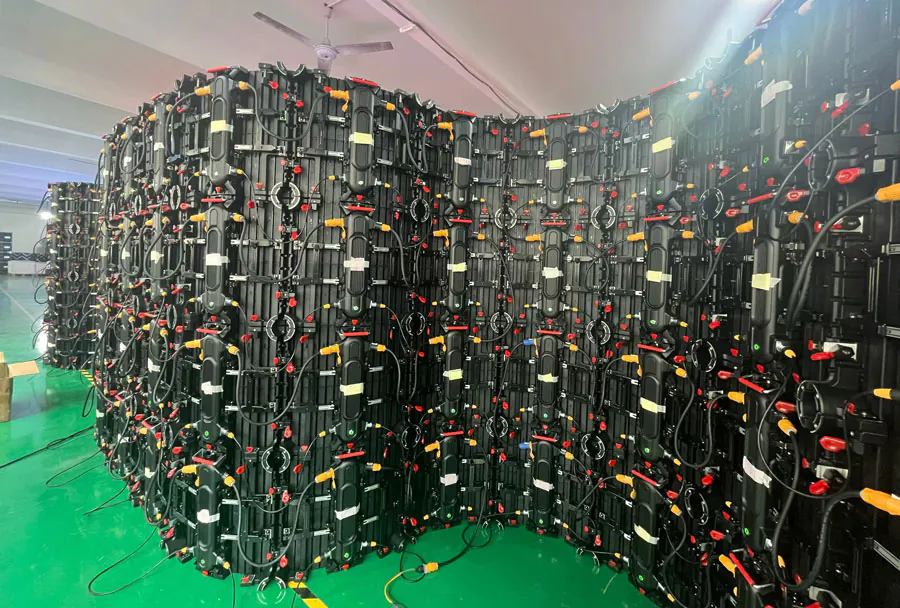
Modular design is another important shift. When a display can be serviced in parts rather than replaced as a whole, maintenance becomes faster and less expensive. Swappable components, remote diagnostics, and predictive maintenance tools reduce the operational burden on teams that manage multiple locations. This is especially valuable for public spaces, retail networks, and transportation environments where uptime matters every hour of the day.
Top Outdoor Digital Signage Trends to Watch in 2026 also reflect a broader buyer preference for responsible sourcing. Organizations are increasingly asking where materials come from, how products
Analysis Table: Top Trends Overview
| Trend | Business Impact | Primary Drivers | Key Challenges | Time to Maturity |
|---|---|---|---|---|
| Edge AI & Contextual Content | High | Low-latency content delivery, AI-powered personalization, lower cloud computing costs | AI model management, hardware compatibility, content governance | Short (1–2 years) |
| 5G & Private Networks | High | Higher bandwidth, real-time content updates, mobile connectivity | Network coverage gaps, spectrum costs, infrastructure investment | Medium (2–4 years) |
| Sustainability & Energy Efficiency | High | Environmental regulations, lower operating costs, demand for energy-efficient LED displays | Higher upfront investment, verifying sustainability claims, component availability | Medium (2–3 years) |
| Privacy-First Measurement & Programmatic DOOH | High | Privacy regulations, demand for audience measurement, growth of programmatic advertising | Balancing accurate analytics with user privacy, data quality, regulatory compliance | Medium (2–3 years) |
| Modular Hardware & Serviceability | Medium | Lower total cost of ownership (TCO), easier maintenance, longer product lifespan | Cross-vendor compatibility, retrofit complexity, lack of standardization | Short–Medium (1–3 years) |