Outdoor Jumbotron Screen: Brightness, Weatherproofing and Cost Guide

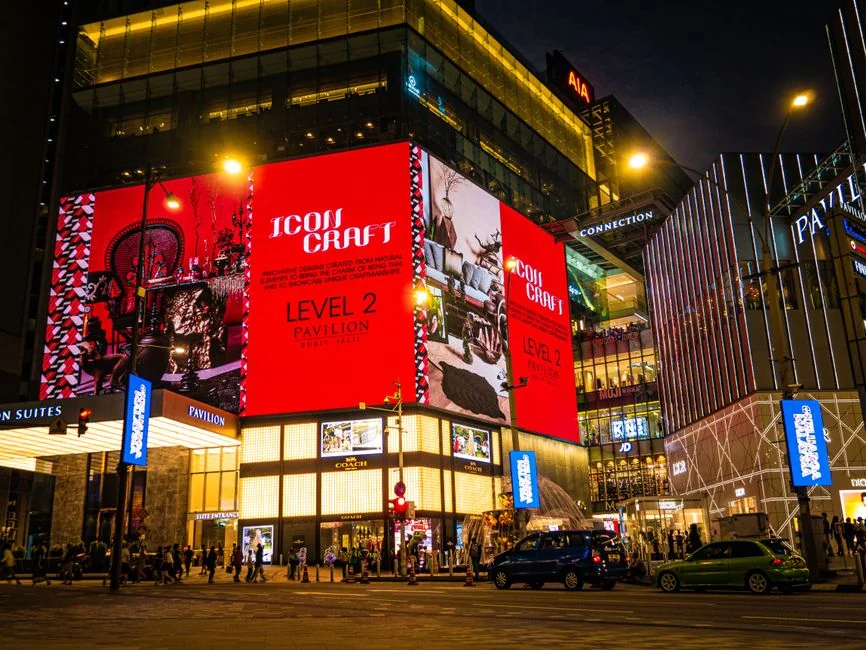
An outdoor jumbotron screen is a complete, weather-sealed LED video system built for direct daylight, and it usually becomes the most visible asset a stadium, racetrack, arena, or roadside plaza owns. Buyers describe the same system as a large view jumbotron for sports or a custom jumbotron screen for a mixed event calendar, and the engineering answers overlap more than the labels suggest. However, most buyers compare cabinet price first and discover the real cost drivers later: pixel pitch, brightness, sealing, power load, and service access. Therefore, this guide walks through the specifications that decide whether a screen stays sharp and reliable for a decade or turns into an expensive repair list.
Table of Contents
- What Makes an Outdoor Jumbotron Screen Different
- Four Business Outcomes That Justify the Budget
- Choosing Pixel Pitch for Real Viewing Distances
- Brightness and Weather Sealing: The Deciding Specifications
- Power, Cooling and Site Load
- Heavy-Duty Protection in Stadium and City Conditions
- Running Live Video and Dynamic Ads on One Screen
- Maintenance, Spare Parts and Remote Monitoring
- Delivery, Stock and Support from Atlanta
- Frequently Asked Questions
- Conclusion
What Makes an Outdoor Jumbotron Screen Different
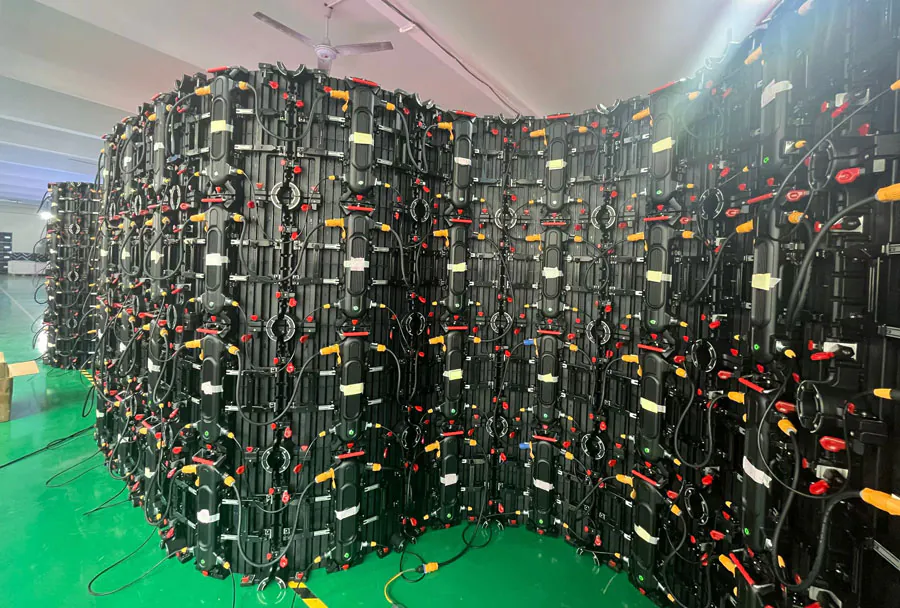
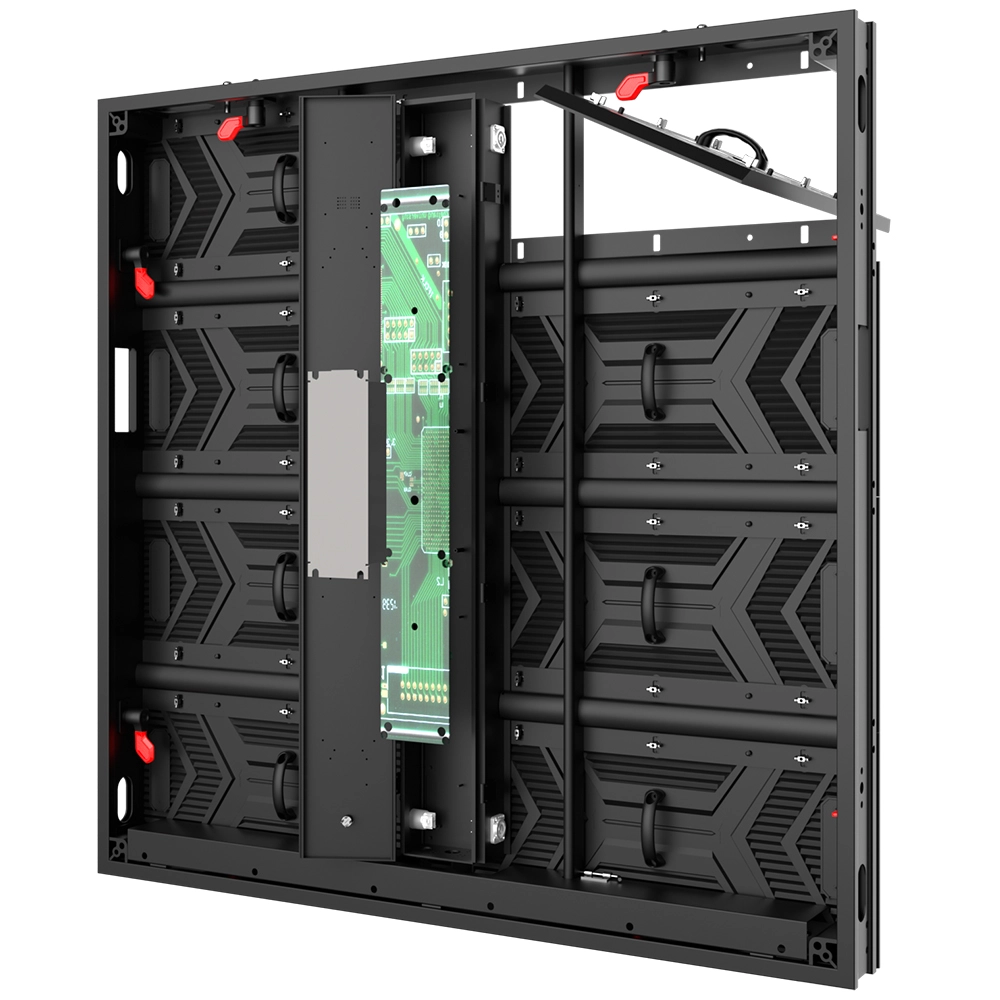
An outdoor jumbotron screen is a complete video system rather than a single monitor. It combines LED modules, sealed cabinets, power supplies, receiving cards, a video processor, cooling hardware, and a mounting interface. Because every part must survive rain, dust, heat, and vibration, the cabinet is the component buyers should specify first.
In practice, a 1,000 × 1,000 mm steel cabinet with front and rear service access gives technicians two repair paths, which matters when the screen sits above a seating deck or a roadway. TW VISION builds outdoor cabinets such as the 1000 × 1000 mm PO-T series for this kind of duty. Because cabinets are modular, the same system can follow a flat facade, a curved corner, a ribbon, a ring, a center-hung cube, an end-zone wall, or a multi-sided cube, so settle the geometry before you quote cabinet quantities.
However, the screen is only part of the project. The mounting steel, foundation, electrical feed, and sign permit belong to the venue owner and its contractors. Therefore, a complete quotation should separate display hardware from site work, so nobody assumes the other party covers it.
Four Business Outcomes That Justify the Budget
A large outdoor jumbotron screen earns its budget through four outcomes, not through picture quality alone.
- Engagement. Key action becomes visible from upper tiers and side angles that cannot see the field directly.
- Rhythm. Pre-game hype, halftime content, and transitions keep energy high between plays.
- Revenue. Sponsorship packages, dynamic advertising, and premium placements turn the screen into a commercial platform.
- Safety. Announcements, wayfinding, and emergency alerts reach the whole crowd at once.
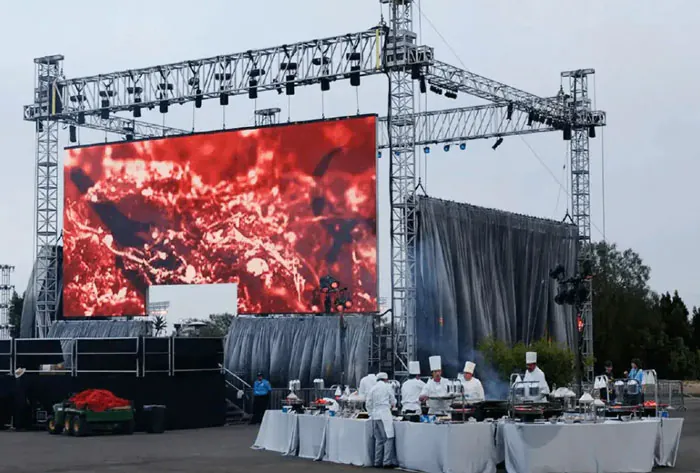
Sports venues use the screen for instant replay, multi-angle looks, slow motion and zoom sequences, live stats, crowd prompts, fan cam moments, highlight packages, and social-ready clips, while concerts, festivals, ceremonies, corporate shows, esports, and conferences reuse the same surface for live image magnification, sponsor loops, and wayfinding. That range explains why the screen must be specified for the busiest event on the calendar, not the average one.
Even so, the financial case depends on programming. Venues that treat the display as a content channel, with a schedule and measured objectives, sell tiered packages such as replay bumpers, halftime takeovers, and sponsored fan segments. For example, a sponsored “Replay of the Game” segment carries more value than a static logo loop. As a result, the specification should protect wide viewing angles, edge brightness, and color uniformity, because sponsor value collapses when a logo looks gray from the upper tier.
Choosing Pixel Pitch for Real Viewing Distances
Pixel pitch is the distance in millimeters between adjacent LED pixels. It controls image clarity, minimum viewing distance, LED count, power draw, and cost. A practical rule of thumb multiplies pitch by roughly eight to estimate the minimum comfortable viewing distance in feet. Therefore, a 10 mm screen looks sharp from about 80 feet, while a 4 mm screen suits a patio audience at 20 feet.
| Viewer distance | Typical pitch |
|---|---|
| 6–10 ft | 2–3 mm |
| 20–40 ft | 4–5 mm |
| 50–100 ft | 8–10 mm |
| 100+ ft | 12 mm or larger |
In practice, pitch should follow effective resolution: the detail an audience can actually perceive from the seats. Because overspecifying pitch adds LEDs without adding visible detail, venues should study seat maps, ceiling heights, sightlines, ambient light, and audience behavior first. After that, ask for a sample cabinet viewed at the real distance, not in a showroom.
Brightness and Weather Sealing: The Deciding Specifications
Brightness and sealing decide whether the screen works at noon and survives the next storm. Indoor signage typically runs at 500–1,000 nits, yet direct-sun outdoor viewing generally needs 5,000 nits or more, and stadium faces often exceed 6,000 nits. However, peak brightness alone is not enough; contrast, black level, and color consistency keep replay and sponsor graphics readable.
A sunlight-visible jumbotron screen therefore starts with 5,000 to 6,000 nits, then adds high refresh, stable color temperature, and motion handling that keeps fast replays clean. At night, the same system must dim smoothly, because excessive light spill annoys neighbors and can breach municipal brightness codes.
Sealing is equally binary. IEC 60529 defines IP65 as dust-tight and resistant to water jets, which is the usual minimum for an outdoor LED face. Therefore, buyers should request the rating in writing for both the module face and the rear cabinet, because rear access doors often carry a lower rating.
Auto-brightness sensors adjust output as daylight changes, and that adjustment protects LED life while cutting power. Meanwhile, the same efficiency work supports the goals in our energy-efficient LED display guide. In practice, match brightness and IP figures to the site’s sun exposure, wind-driven rain, and coastal salt, not to a generic datasheet headline.

Power, Cooling and Site Load
Power planning is where budgets slip. A large outdoor jumbotron screen can draw tens of kilowatts, so the site usually needs a dedicated circuit, a disconnect switch, surge protection, and correctly sized grounding. In the United States, 29 CFR 1910.303 sets the general installation requirements that a licensed electrician must follow.
Adaptive brightness and efficient LED drivers also lower total cost of ownership, because power draw follows content and daylight instead of running flat out all day.
Cooling matters because heat shortens LED life. Most outdoor cabinets therefore use sealed enclosures with air conditioning, heat exchangers, or filtered forced air, and the design must hold internal temperatures inside the manufacturer’s range at the site’s highest recorded summer temperature.
Structural load is a separate discipline. The frame must carry cabinet weight plus wind and snow load, and a licensed engineer should confirm the attachment to a pole, roof, or building facade. TW VISION supplies the display, cabinets, and internal electronics; the owner’s contractors handle the steel structure, foundation, and electrical work. Because local rules and inspections vary by city, confirm the sign code before you place the order, not after.
Heavy-Duty Protection in Stadium and City Conditions
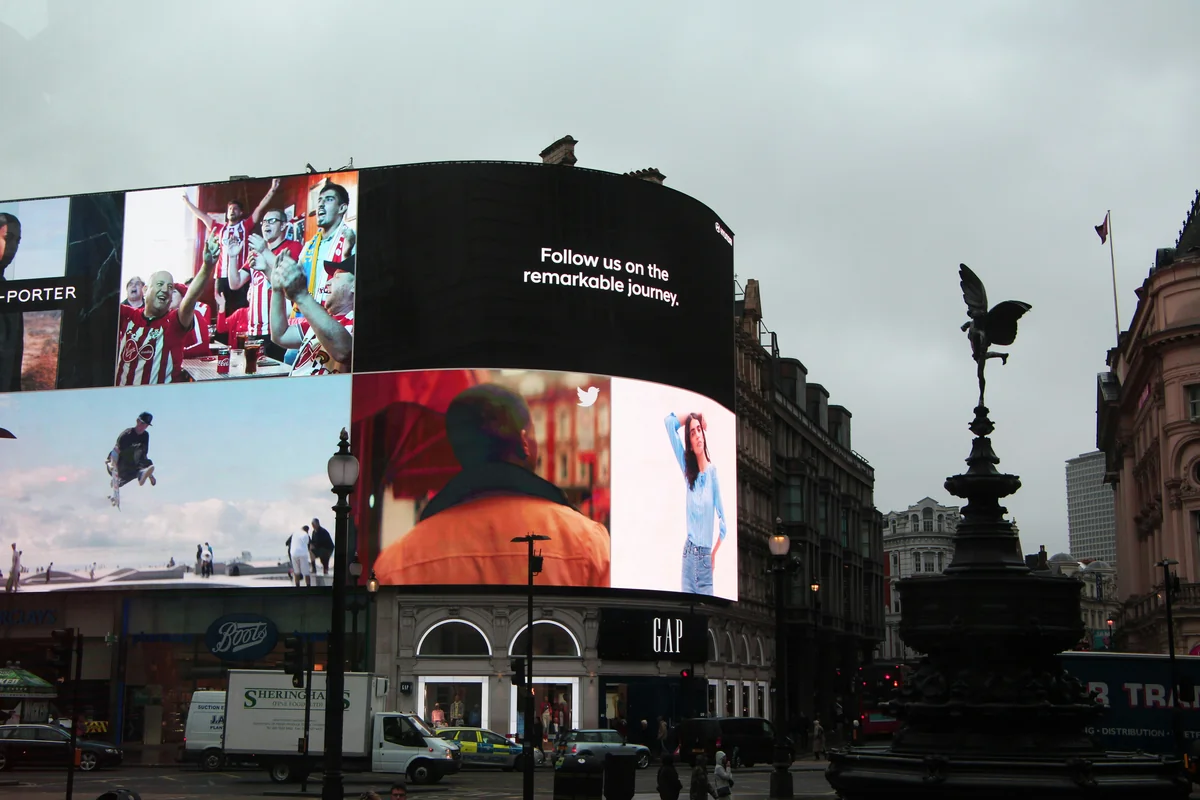
A heavy-duty jumbotron screen is a design philosophy, not a brightness number. In stadiums, an outdoor jumbotron screen absorbs vibration, rapid content switching, and strict safety expectations. In city centers, the pressure shifts to pollution, heat islands, wind between buildings, and municipal brightness rules.
Urban billboards face a different mix: brand campaigns, public service announcements, wayfinding, and landmark signage, all under municipal brightness and operating-hour rules. In both settings, uniform color temperature and clean motion handling matter as much as raw nits, because a screen that shifts color between cabinets looks cheap from a distance.
Protection works in layers. Sealed modules and cabinets block water and dust, corrosion-resistant coatings protect structural parts, locking connectors resist vibration, and deliberate airflow keeps heat away from power supplies. Coastal sites add salt to the list, and long heat exposure degrades electronics faster than operating hours alone. Therefore, ask for the enclosure rating on both faces, the corrosion treatment on steel, and the thermal margin at the site’s peak temperature.
Serviceability belongs in the same conversation. Front-service modules let a technician replace a tile from the audience side, while rear access suits screens with a maintenance walkway. Even so, the fastest repair is the one planned before delivery: label every cabinet, keep a module map, and store spares on site.
Running Live Video and Dynamic Ads on One Screen
One screen usually carries two jobs at once: flawless live video and rotating sponsor inventory. That combination changes the control design, because replay feeds, score graphics, sponsor playlists, and emergency messages arrive from different sources and must switch without a visible delay.
A custom jumbotron screen often mixes replay, scoreboard data, sponsor inventory, and emergency messages on one canvas, so the control room needs low latency, a media server, and clean handover between sources. Broadcast and scoreboard feeds should lock to the same clock, and templates should separate live windows from ad windows.
Therefore, confirm the input count, the number of simultaneous windows, and the handover process between live production and scheduled advertising before signing. A player such as the Novastar TB30/TB50/TB60 multimedia player can handle playback and scheduling, while a separate video processor manages scaling and multi-window layouts.

Content zones are the practical answer. For example, a venue can reserve the center for live action, a side band for score and stats, and a lower strip for sponsor rotation, so advertising feels integrated rather than intrusive. Meanwhile, redundancy on power and signal protects the moments that matter most. Because a blackout during a sold-out event costs far more than a spare card, plan that redundancy from the start. Our LED video wall guide explains how processors, sending cards, and cabinets fit together.
Dynamic advertising works best when the schedule follows the event: daypart slots, localized promotions, animated creatives, countdowns, and QR calls to action. Proof-of-play logging then shows sponsors exactly when each spot ran, which protects renewal conversations.
Maintenance, Spare Parts and Remote Monitoring
A well-planned outdoor jumbotron screen succeeds on day one and then has to survive a decade of use. Choose cabinets with front-service modules so a technician can swap a failing tile without dismantling the screen. In addition, ask for monitoring software that reports panel faults, cabinet temperature, fan status, and signal health in real time.
In practice, schedule a monthly visual inspection, a quarterly check of seals and fans, and an annual electrical inspection of connections and grounding. Coastal or dusty sites need shorter intervals. Because a failed module may be invisible from the main seating distance yet obvious on a broadcast close-up, camera-facing venues should inspect more often.
Spares decide how fast a repair happens. Order at least two percent of the total module count, plus power supplies and receiving cards, and keep them on site with a labeled cabinet map. After that, log every fault so recurring patterns surface before they become outages. Our LED display modules guide covers module-level service in more detail.
Specify a system with spare capacity and a documented service path, because a scalable design lets a venue add cabinets or upgrade the processor later without replacing the whole face.
Delivery, Stock and Support from Atlanta
TW VISION holds stock in Atlanta, GA for US customers. Portable and poster displays, indoor modules and cabinets, and spare parts such as power supplies and receiving cards can ship from that warehouse, and buyers can arrange local pickup in Atlanta or nationwide freight. However, we build outdoor cabinets to order, so an outdoor jumbotron screen follows the production schedule rather than the stock list.
Because delivery timing depends on cabinet configuration and quantity, we quote it per project instead of publishing a fixed number of days. Therefore, confirm the cabinet type, pitch, and spare-parts list early, and we can lock the logistics plan before production ends.
Frequently Asked Questions
Do I need a permit?
In most municipalities, yes. A screen mounted on a building, pole, or pylon usually needs a sign permit, an electrical permit, and sometimes a structural review. Because local rules govern size, brightness, and operating hours, the owner should contact the planning department before ordering. TW VISION can supply drawings and weight data, yet the permit stays with the owner and its contractors.
Can an outdoor jumbotron screen run in extreme cold or heat?
Yes, when the cabinet carries a rating for the climate. Commercial outdoor panels commonly list operating ranges that cover freezing nights and desert afternoons, but the exact limits vary by manufacturer. In heat, auto-brightness and cooling protect the LEDs; in severe cold, some systems need preheating. Therefore, request the environmental datasheet for your site before you buy.
How long does an outdoor jumbotron screen last?
LED modules in a maintained screen often run 50,000 to 100,000 hours before brightness drops noticeably, which is a typical range rather than a guarantee. Power supplies and receiving cards usually fail sooner than the LEDs. Therefore, ask about module life and power-supply warranty separately, and budget for spares instead of one lifespan figure.
Can I use a consumer TV outside instead?
No. A consumer TV lacks sealing against rain, dust, and temperature swings, and its panel typically stays below 1,000 nits, so daylight washes it out. A purpose-built outdoor jumbotron screen uses sealed cabinets and high-brightness LEDs rated for continuous exposure. Even so, an outdoor TV enclosure can suit a small patio, but it cannot match the size or viewing distance of a venue display.
Conclusion
Choosing an outdoor jumbotron screen comes down to five decisions: the system package, the pixel pitch your audience can resolve, the brightness and IP rating the site demands, the power and structural support the owner must provide, and the maintenance plan that keeps the screen running.
- Compare complete system quotes, not cabinet prices alone.
- Match pitch to measured viewing distance.
- Require 5,000+ nits and IP65 front sealing for direct sun.
- Confirm power, permits, and spares before production.
Next, measure your primary viewing distance and collect the local sign code, then request a sample cabinet from at least two suppliers that offer front-service modules and remote monitoring.