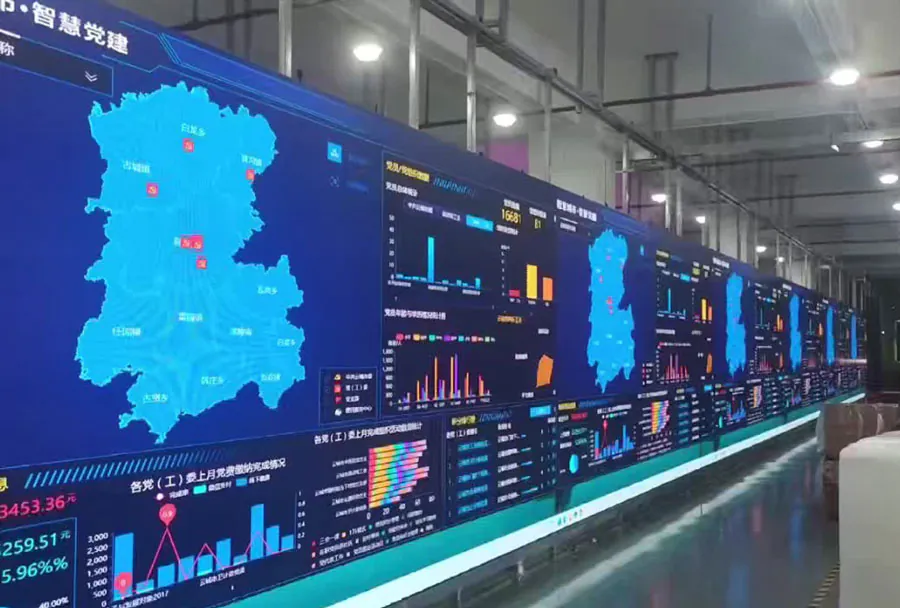
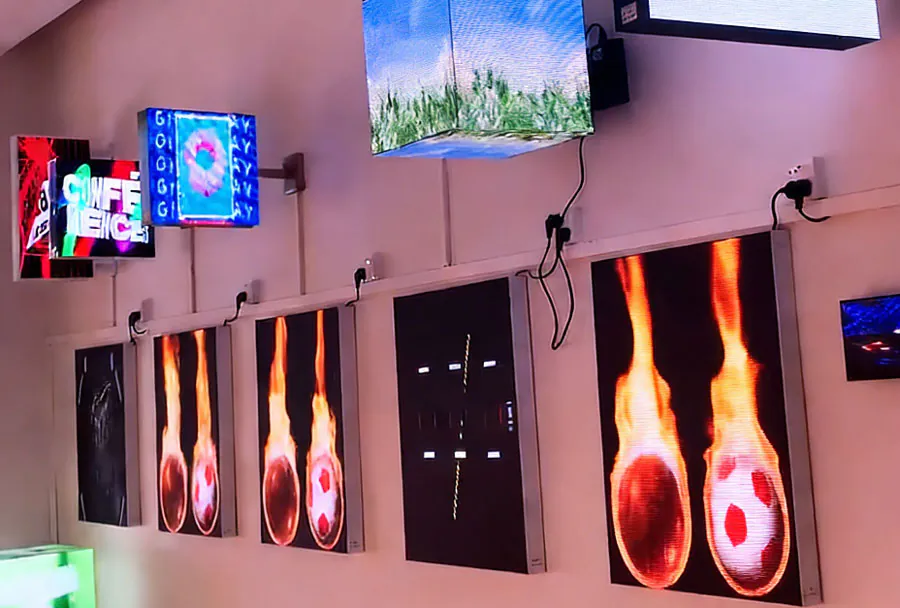
Waterproof Outdoor Digital Signage for Reliable All-Weather Performance


Waterproof Outdoor Digital Signage has become an essential communication tool for retail, transportation hubs, public spaces, and advertising. But unlike indoor displays, outdoor systems must perform reliably in an unpredictable environment: rain, snow, humidity, dust, temperature swings, wind-driven debris, and even intentional vandalism. Designing and deploying weatherproof, reliable outdoor digital signage requires a systems-level approach that considers rugged displays, certified enclosures, thermal management, power resilience, secure connectivity, and practical maintenance plans. This article examines the key technical and operational considerations for modern outdoor signage systems and offers a comparative analysis to guide procurement and deployment decisions.
Table of Contents
- Introduction
- Why Businesses Are Investing in Waterproof Outdoor Digital Signage
- Key Features to Look for in Waterproof Outdoor Digital Signage
- Best Use Cases for Waterproof Outdoor Digital Signage
- How to Choose, Install, and Maintain Waterproof Outdoor Digital Signage
- Case studies and practical recommendations
- FAQ About Waterproof Outdoor Digital Signage
- What is Waterproof Outdoor Digital Signage?
- Is Waterproof Outdoor Digital Signage really waterproof?
- How bright should Waterproof Outdoor Digital Signage be?
- Where is Waterproof Outdoor Digital Signage used most often?
- How long does Waterproof Outdoor Digital Signage last?
- Conclusion
Why Businesses Are Investing in Waterproof Outdoor Digital Signage
The shift toward digital communication in outdoor environments is driven by visibility, flexibility, and operational efficiency. outdoor digital signage allows organizations to update content instantly without replacing printed materials, which reduces recurring production costs and shortens campaign turnaround time.
Outdoor audiences are also highly dynamic. People walking past a storefront, waiting at a bus stop, entering an entertainment venue, or moving through a campus do not spend much time looking for information. A bright, well-placed digital display captures attention faster than many traditional signs because it can combine motion, scheduling, and timely messaging. This makes outdoor digital signage especially useful for promotions, event announcements, safety notices, menus, and directional information.
Another major advantage is content control. Businesses can tailor messages by time of day, season, audience segment, or local conditions. A restaurant can promote breakfast in the morning and dinner specials at night. A shopping center can display event schedules, tenant promotions, and parking updates from a centralized platform. A municipality can publish public information quickly when conditions change. With the concept, that level of responsiveness becomes part of normal operations rather than an exception.
Brand presence is another factor. Outdoor screens often sit at key decision points where customers choose whether to enter a location, make a purchase, or continue walking. A polished display helps present the business as modern, organized, and attentive. In competitive commercial areas, the ability to communicate clearly and consistently can influence foot traffic and conversion rates.
There is also a revenue dimension. Some businesses install outdoor displays for their own messaging first, then monetize unused screen time through third-party advertising or local partnerships. In high-traffic areas, one display can serve both operational and commercial purposes. That makes the approach not just a communication tool, but potentially a media asset.
Key Features to Look for in Waterproof Outdoor Digital Signage
Not all outdoor displays are built for the same conditions. When evaluating it, the most important issue is whether the system is designed for continuous operation in real-world weather, not just occasional outdoor use.
A core specification is the enclosure rating. Buyers should look closely at IP ratings, especially protection against water and dust. A properly engineered outdoor display needs a sealed housing that can handle rain, humidity, airborne particles, and temperature shifts. This is one of the basic technical foundations of dependable outdoor signage.
Brightness is equally important. Outdoor environments have high ambient light, and direct sunlight can wash out standard commercial screens. For that reason, outdoor displays usually require much higher nit levels than indoor displays. Anti-glare glass and optical bonding can further improve legibility. If viewers cannot read the message in bright daylight, the display fails regardless of other features.
Temperature management matters just as much. Heat, cold, and internal moisture can shorten screen life or trigger performance issues. Quality systems include thermal management features such as internal fans, heaters, ventilation control, and temperature monitoring. These components help maintain stable performance across seasons and climates.
Durability should also be assessed from a physical security standpoint. Outdoor installations may face accidental impact, vandalism, or prolonged UV exposure. Protective glass, corrosion-resistant materials, sturdy mounting systems, and tamper-resistant enclosures all contribute to a longer service life. Businesses installing these in unsupervised or high-traffic public spaces should prioritize rugged construction over cosmetic design alone.
Connectivity and content management are another major area. A display is only as useful as the system behind it. Most buyers should evaluate whether the signage integrates with a cloud-based CMS, supports remote monitoring, allows scheduled content publishing, and provides status alerts for uptime or failures. These capabilities reduce manual intervention and improve operational consistency.
Power efficiency is often overlooked during procurement. Outdoor displays can run for long hours every day, so energy consumption affects total ownership cost. Features such as auto-brightness adjustment, sleep scheduling, and efficient panel technology can help reduce expenses over time.
Finally, think about serviceability. The best outdoor solution is not simply one that looks impressive on installation day. It should also be straightforward to maintain, troubleshoot, and repair. Easy component access, warranty support, and reliable vendor documentation are practical considerations that affect downtime and long-term value.
Best Use Cases for Waterproof Outdoor Digital Signage
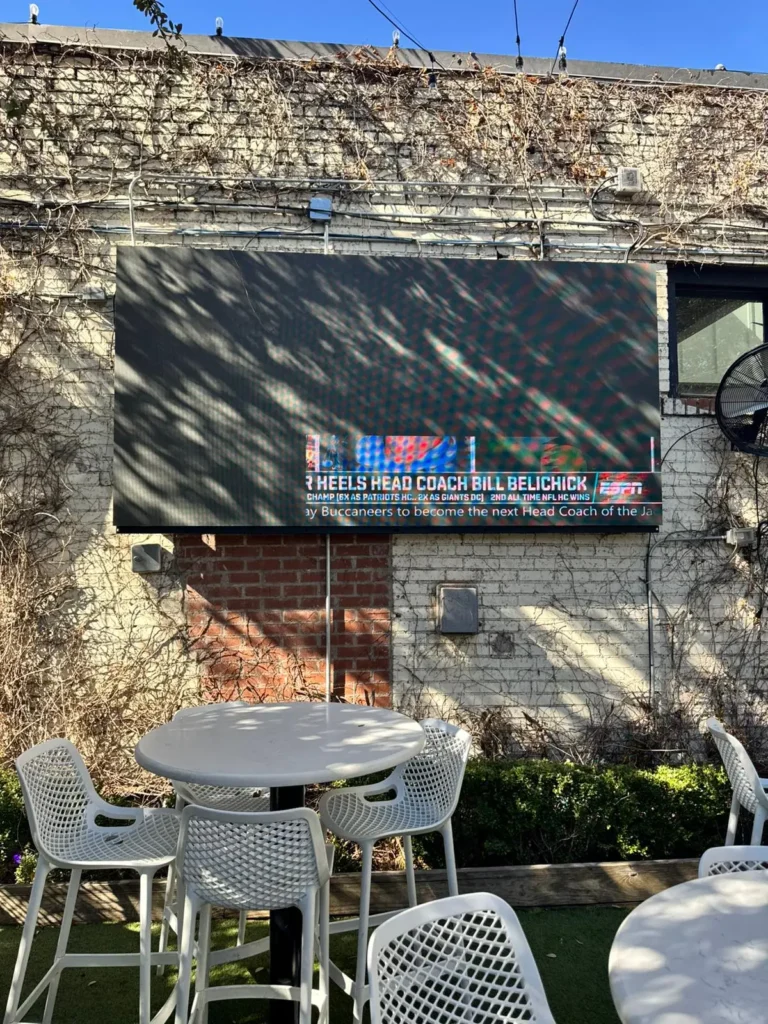
The value of the concept becomes clearest when matched to specific operational settings. Different industries use outdoor displays in different ways, but the underlying goal is the same: deliver clear information in exposed environments where attention is limited and conditions are unpredictable.
Retail is one of the strongest use cases. Storefront displays can highlight promotions, new arrivals, seasonal sales, loyalty offers, and store hours. Because content can be updated instantly, retailers can align screen messaging with inventory, weather, local events, or daypart campaigns. In busy shopping districts, outdoor digital screens can act as the first point of customer engagement.
Restaurants, especially quick-service brands, rely heavily on drive-thru and exterior menu communication. In these environments, the approach supports menu boards, combo promotions, limited-time offers, and order guidance. It also allows operators to update pricing and item availability across multiple locations from one system, which is operationally cleaner than managing printed signage.
Transportation and public infrastructure are another major category. Airports, train stations, bus shelters, and parking areas use outdoor displays for route updates, timetable information, wayfinding, and emergency communication. Reliability is critical here because the audience depends on current information. The ability to update content in real time makes digital signage significantly more useful than fixed signs in fast-changing transit environments.
Education and corporate campuses also benefit from outdoor displays. Schools and universities can use them for event notices, campus maps, visitor instructions, safety alerts, and department announcements. Corporate sites often deploy them at entrances and parking zones to guide visitors, reinforce branding, and communicate company updates.
Entertainment venues and sports facilities use outdoor screens to manage crowd movement, promote concessions, advertise sponsors, and display event messaging. Large venues need communication systems that remain visible and durable through weather shifts, heavy foot traffic, and extended operating hours. In this context, it supports both fan experience and commercial revenue goals.
Municipalities, healthcare facilities, hotels, and real estate developments also use outdoor signage for public notices, arrivals information, neighborhood promotions, and directional assistance. The flexibility of the medium makes it suitable for nearly any setting where people need timely, visible, and professionally presented information outdoors.
How to Choose, Install, and Maintain Waterproof Outdoor Digital Signage
Buying waterproof outdoor digital signage should begin with the environment, not the screen. Start by assessing exposure conditions: rainfall levels, direct sunlight, wind, dust, temperature range, salt air, foot traffic, and vandalism risk. A display installed under a covered entrance has different requirements from one placed in an open parking lot or roadside location.
Next, define the purpose of the display clearly. Is it meant for advertising, navigation, menu presentation, public information, or brand awareness? The answer affects screen size, orientation, brightness, viewing distance, software needs, and refresh frequency. Many procurement mistakes happen when organizations buy hardware first and use case second.
Location planning matters. Screen placement influences visibility more than many buyers expect. Consider viewing angles, line of sight, typical pedestrian or vehicle movement, and nearby light sources. A high-brightness display placed at the wrong height or orientation can still underperform. Installation should account for both content readability and structural safety.
Content strategy is also part of successful deployment. Businesses often invest in hardware but underestimate the importance of message design. Outdoor content must be short, legible, and easy to understand at a glance. Large text, strong contrast, simple layouts, and scheduled relevance usually perform better than cluttered designs. For these, content discipline is as important as display engineering.
During installation, power and network reliability should be treated as critical infrastructure. Outdoor equipment may require dedicated electrical planning, surge protection, weather-protected cabling, and strong connectivity options. In some deployments, cellular backup or remote monitoring is worth the extra cost because it reduces the risk of prolonged outages.
Maintenance planning should be proactive rather than reactive. Screens exposed to outdoor conditions benefit from regular inspection for seal integrity, glass cleanliness, temperature performance, mounting stability, and software health. Dirt, moisture intrusion, and unnoticed component strain can gradually reduce display quality or lead to preventable failure.
Vendor support deserves careful scrutiny before purchase. Ask about warranty terms, replacement timelines, remote diagnostics, spare parts availability, software updates, and service response expectations. A lower initial price can become expensive if support is weak or repairs are slow. The long-term value of they depends heavily on lifecycle management, not just acquisition cost.
Finally, calculate ROI using more than immediate sales lift. Include savings on printing, labor reduction for manual sign replacement, revenue from ad inventory, improved customer flow, and brand impact in high-traffic areas. A disciplined evaluation framework helps buyers choose systems that fit both current needs and future scale.
Case studies and practical recommendations
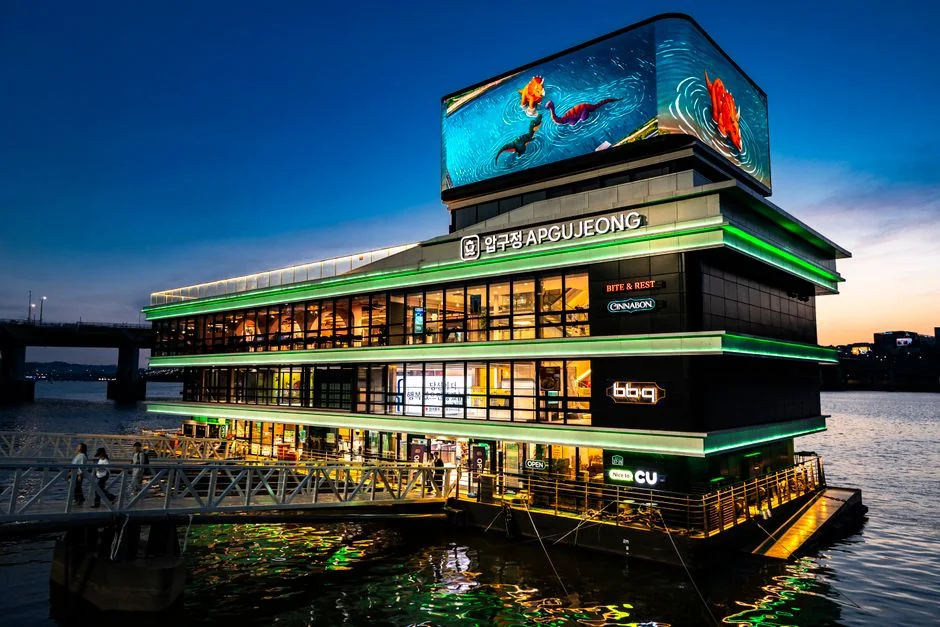
Successful deployments share several characteristics: specifying above-baseline environmental ratings, integrating remote management, designing for serviceability, and validating end-to-end power and network reliability. For example, a transit authority reduced downtime by 70% after retrofitting older enclosures with sealed IP66 cabinets, adding thermal control, and implementing cellular failover. A retail chain standardized on modular enclosures that allowed front service, reducing mean-time-to-repair and lowering service costs.
When selecting vendors, require field-proven references in similar climates, ask for detailed environmental test reports (thermal cycling, salt spray for coastal sites, UV exposure testing), and include SLA terms for response times and firmware security patches.
Modern outdoor digital signage delivers high-impact messaging but demands purposeful engineering to withstand the elements and ensure continuous operation. Focus on the system rather than isolated components: robust enclosures, appropriate IP/IK ratings, active thermal management, layered power protection, resilient connectivity, and remote monitoring form the backbone of reliable deployments. With thoughtful specifications, quality installation, and proactive maintenance, outdoor digital signage can deliver long-term performance and measurable returns while keeping operational risk and lifecycle costs under control.
FAQ About Waterproof Outdoor Digital Signage
What is Waterproof Outdoor Digital Signage?
Waterproof Outdoor Digital Signage refers to digital display systems designed specifically for outdoor use in environments exposed to rain, humidity, dust, sunlight, and temperature changes. These systems typically include weather-resistant enclosures, high-brightness screens, thermal management, and durable construction to support reliable operation outside.
Is Waterproof Outdoor Digital Signage really waterproof?
In practice, Waterproof Outdoor Digital Signage is built to resist water exposure rather than function like a submerged device. The level of protection depends on the enclosure’s IP rating and overall engineering. Buyers should review the exact specification and intended installation conditions instead of assuming all outdoor displays offer the same protection level.
How bright should Waterproof Outdoor Digital Signage be?
The required brightness for Waterproof Outdoor Digital Signage depends on placement and ambient light. Screens in shaded locations may need less brightness than those facing direct sunlight. For most commercial outdoor settings, readability in daytime conditions is one of the most important purchase criteria, so brightness should be evaluated alongside anti-glare and optical performance.
Where is Waterproof Outdoor Digital Signage used most often?
Common applications for Waterproof Outdoor Digital Signage include retail storefronts, drive-thru menu boards, transit stations, campuses, stadiums, hotel entrances, healthcare facilities, municipal information points, and real estate developments. It works best anywhere organizations need visible, updateable messaging in open-air environments.
How long does Waterproof Outdoor Digital Signage last?
The lifespan of Waterproof Outdoor Digital Signage depends on build quality, usage hours, environmental conditions, and maintenance practices. Commercial-grade systems designed for outdoor duty generally last significantly longer than indoor displays repurposed for exterior use. Consistent cleaning, proper installation, and vendor-backed servicing all support longer operational life.

Conclusion
Waterproof Outdoor Digital Signage is no longer a niche investment reserved for large public venues. It has become a practical communication platform for businesses and institutions that need flexible, high-visibility messaging outdoors. The strongest results come from matching the display to actual environmental conditions, selecting the right brightness and enclosure protection, and treating software, content, and maintenance as part of the same system.
For buyers evaluating outdoor display solutions, the real decision is not whether digital signage can work outside. It can. The right engineering, professional installation, and proactive management enable Waterproof Outdoor Digital Signage to deliver reliable long-term performance. When businesses meet these standards, they can improve visibility, streamline communication, support revenue growth, and achieve a stronger long-term return than static outdoor signage.