Waterproof Outdoor LED Stage Screens for Music Festivals and Live Events

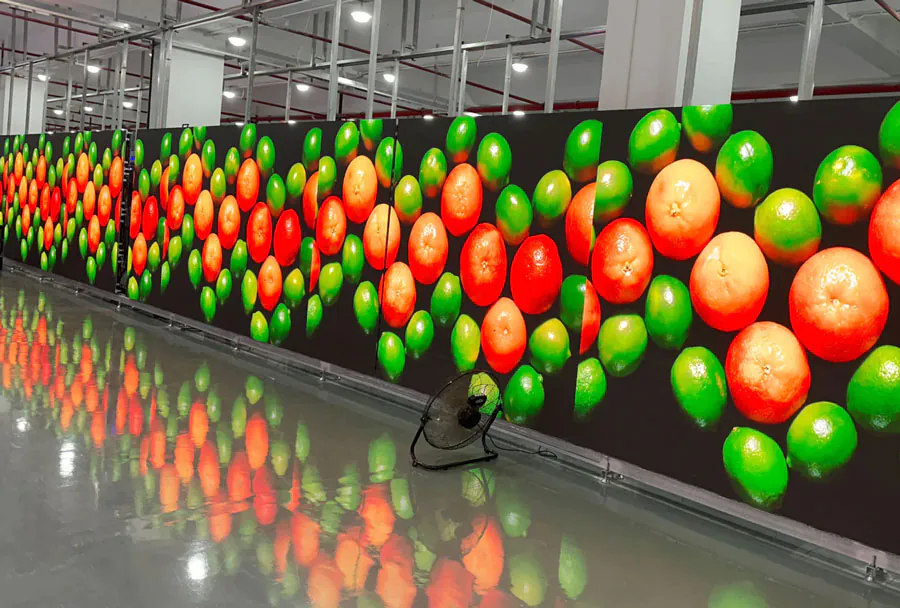
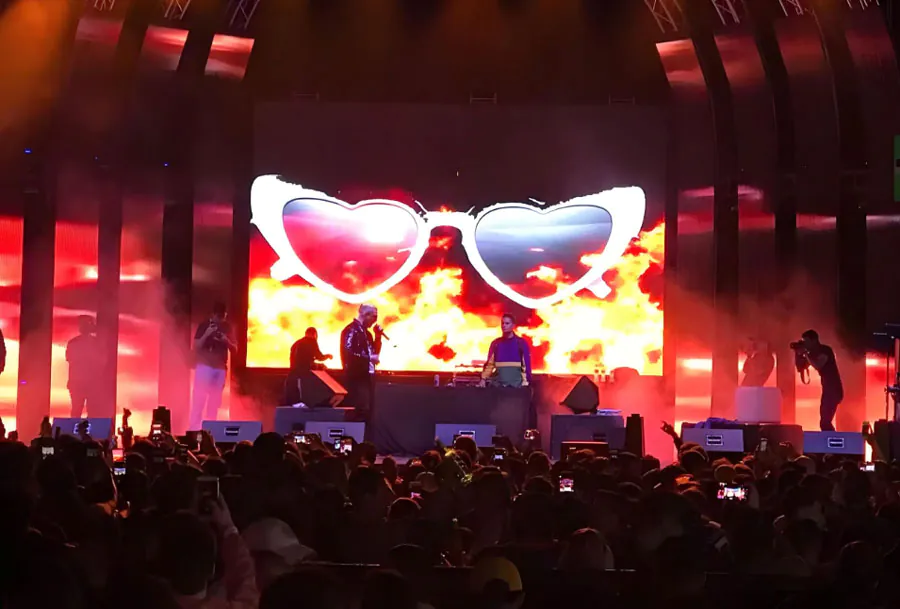
Live production teams need displays that keep working when the weather changes, the crowd grows, and the show must remain flawless. That is why Waterproof Outdoor LED Stage Screens for Music Festivals and Live Events have become a core investment for organizers, rental houses, and touring promoters. These screens do far more than show visuals; they shape the audience experience, support artist branding, and help keep the entire production synchronized. When you choose the right system, you get bright imagery, dependable operation, and strong performance in rain, heat, humidity, dust, and long hours of continuous use. In this guide, we will break down what matters most, from weather protection and image quality to installation, maintenance, and ROI.
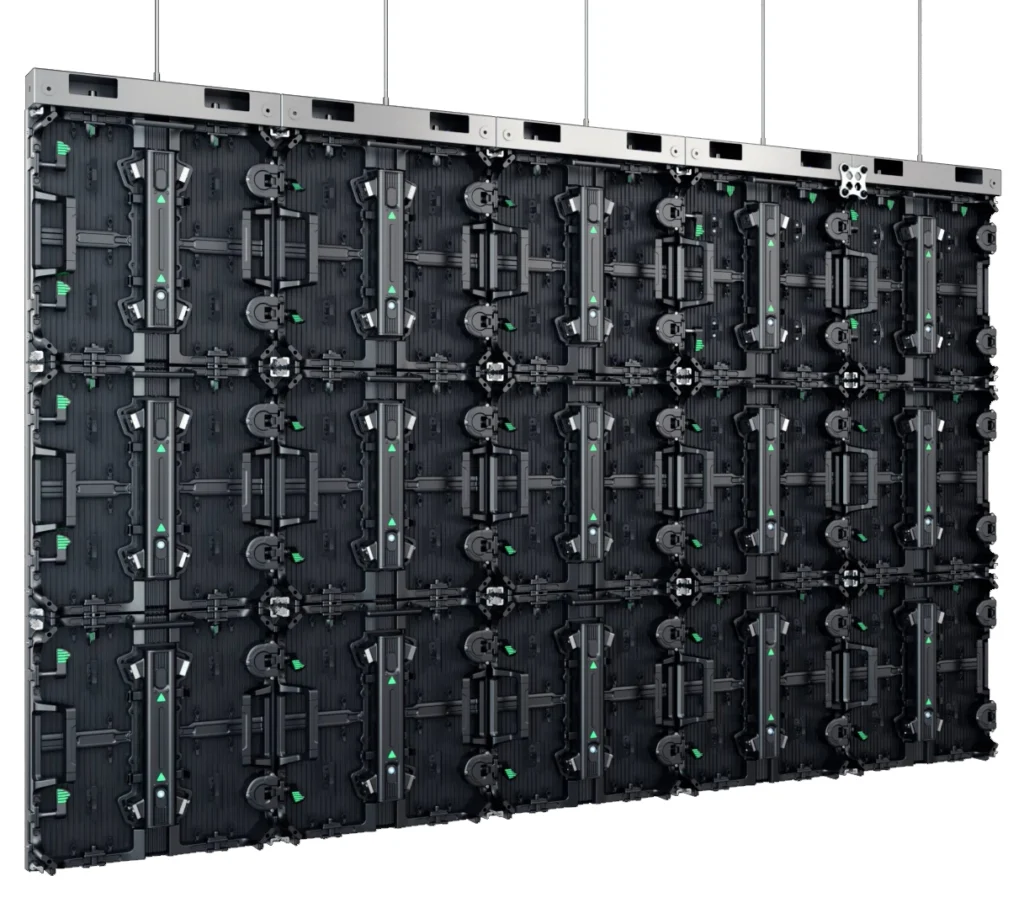
Waterproof Outdoor LED Stage Screens for Music Festivals and Live Events
Weatherproofing and Durability
Outdoor festival environments challenge equipment with moisture, temperature swings, and particulate ingress. Waterproof LED screens designed for outdoor use typically carry IP65 or IP66 ratings, meaning they are dust-tight and protected against water jets or powerful water sprays. This level of ingress protection is critical when a sudden downpour could otherwise render electronics inoperative.
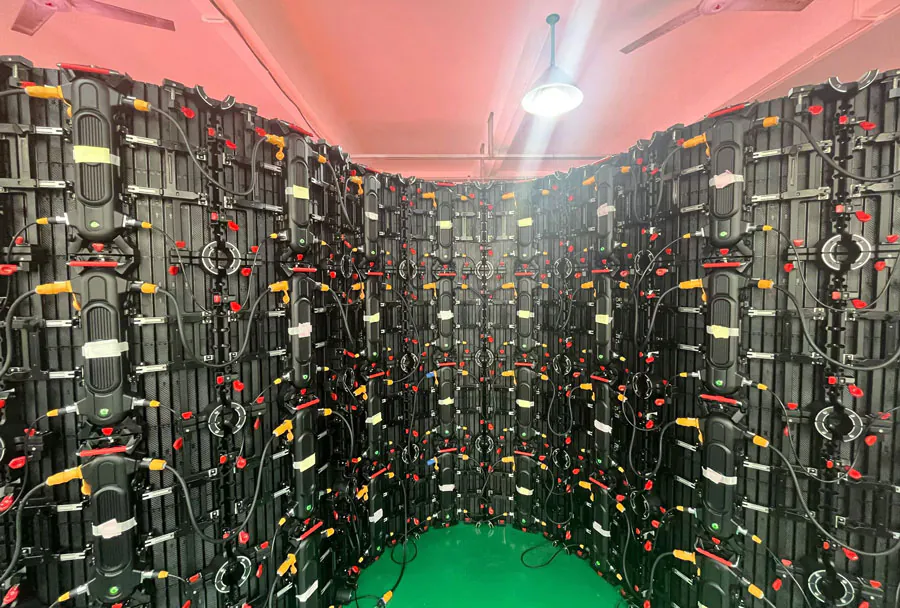
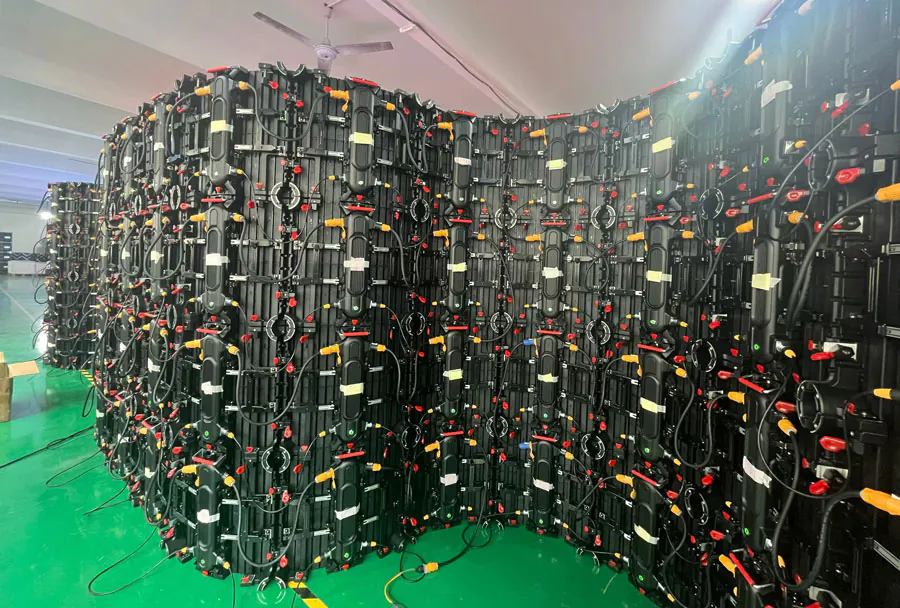
Beyond the IP rating, rugged construction matters: reinforced cabinets, corrosion-resistant fasteners, and protective coatings extend operational life. Designers also incorporate gasketed seams and sealed power and data connections to ensure that joints and seams don’t become failure points. On top of hardware protection, dealers and rental houses often treat modules with hydrophobic coatings and use marine-grade cables for additional resilience. When selecting systems for a festival, prioritize manufacturers with proven field performance and accessible spare-part supply chains.
Brightness and Visibility
High ambient light is one of the primary challenges at daytime festivals. Standard indoor LED screens (commonly 800–1,200 nits) become washed out in sunlight. For outdoor festival use, screens rated at 5,000 to 8,000 nits or more are recommended to maintain image contrast and readability. High-brightness panels also improve the perceived quality of live camera feeds, graphics, and sponsor content.
However, brightness alone isn’t enough. Contrast ratio, color accuracy, and anti-glare surface treatments contribute to legibility. Optical design that minimizes reflection and optimizes viewing angles ensures the screen looks good from various audience positions. Because extreme brightness increases heat load, the thermal management strategies built into the modules—heat sinks, forced-air channels, and efficient LED drivers—are crucial to long-term reliability.
Modular Design, Mounting, and Rigging
Modularity is a hallmark of stage LED systems. Panels should be lightweight, quick-locking, and stackable so technicians can assemble large screens rapidly and securely. Integration with standard truss systems and stage decks facilitates safe rigging and allows flexible stage configurations—from front-of-house backdrops to wraparound stage enclosures.
Wind loading is a critical structural consideration. Solid LED walls present significant surface area to wind; systems often include wind vents, mesh options, or perforated screen variants to reduce wind force. When full solid screens are necessary, proper engineering calculations must establish the rigging points, anchoring, and guy-line strategies. Ground-stacked screens require ballast solutions and certified ground supports to prevent tipping.
Power, Cooling, and Redundancy
Outdoor festivals may face limited power availability and fluctuating supply quality. Efficient LED modules help reduce overall power draw, but planners should specify redundant power feeds, UPS systems, and distribution boards capable of handling peak loads. Intelligent power monitoring provides real-time data to avoid overloads.
Thermal management becomes more complex under high ambient temperatures and direct sun exposure. Passive heat-sinking combined with ventilation and, where necessary, active cooling ensures the LEDs and drivers remain within safe operating ranges. Critical events should also plan for component redundancy—duplicate video processors and backup control servers—so a single hardware failure doesn’t interrupt the main screen. Quick-swap module designs and on-site spare parts are vital for rapid repairs.
Control Systems and Content Management
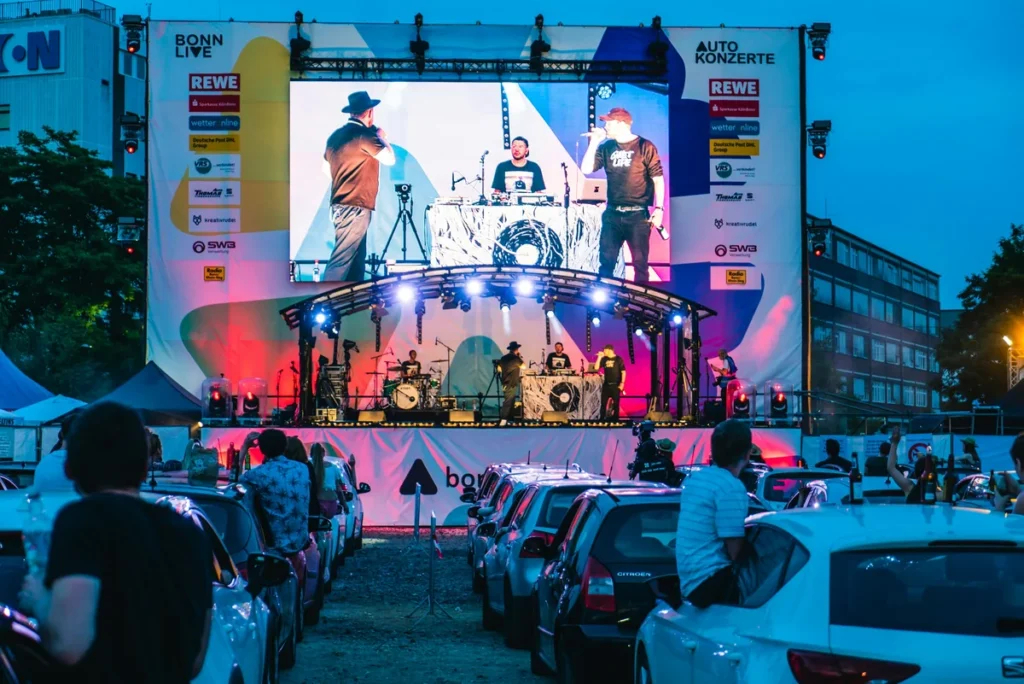
The value of a bright waterproof LED stage increases with how well content can be managed and tailored to the festival environment. Robust media servers, networked control systems, and scalable pixel-mapping solutions allow seamless integration of live cameras, pre-rendered visuals, sponsor logos, and lighting cues.
Latency and refresh rate matter in live performance settings. High refresh rates (≥3,840 Hz for broadcast compatibility and flicker-free camera capture) prevent banding and strobing in recorded footage and live streams. Additionally, color calibration tools and LUTs help maintain consistent color reproduction across multiple screens and stages. For multi-stage festivals, networked content systems enable synchronized visuals and centralized monitoring.
Operational Considerations and Safety
Installation and operation protocols must be rigorous. Technicians need clear procedures for assembly, waterproofing connectors, and securing modules. Weather contingency plans should define thresholds for wind speed and lightning that trigger partial or full shutdowns. Emergency evacuation routes and on-stage safe zones should be coordinated with screen placement to avoid obstructing egress.
Regular maintenance checks—sealing condition, connector integrity, and thermal performance—reduce the risk of failures during peak usage. Training for local crew on quick module replacement, basic diagnostics, and content system failovers accelerates recovery time if issues arise mid-event.
Cost, Sustainability, and Rental Models
High-brightness outdoor LED systems represent a meaningful capital investment. For many festivals, renting is more cost-effective than purchasing, particularly for mid-sized or one-off events. Rental houses can provide the latest technology with support staff, but long-term festivals may benefit from owning core components and maintaining a managed inventory of spares.
Sustainability is increasingly a factor. Energy-efficient LEDs, intelligent dimming, and solar augmentation for auxiliary systems reduce operational carbon footprints and running costs. Reusable modular infrastructure that can be deployed across multiple events lowers lifecycle environmental impact compared to disposable or single-use setups.
Analysis Table: Comparing Outdoor LED Stage Features
FeatureTypical SpecificationAdvantageLimitationBest Use CaseBrightness5,000–8,000 nitsDaylight readability; strong contrastHigher power consumption and heatDaytime main-stage backdropsIngress ProtectionIP65–IP66Water and dust resistance for outdoor useSealed units can trap heat if poorly designedRain-prone open-air festivalsPixel PitchP2.6–P6.9 (mm)Balance between resolution and viewing distanceTighter pitch increases cost and weightClose audience areas vs. large distant crowdsRefresh Rate3,840 Hz or higherCamera-friendly, flicker-free visualsHigher specification increases controller costEvents with heavy live broadcastingWeight / Module≤ 45 kg / m2 (varies)Easier rigging and safer handlingLightweight materials may be costlierLarge screens requiring quick assembly
Checklist for Festival Planners
– Confirm brightness specification (nits) appropriate for sunlight conditions and camera capture requirements.
– Verify IP rating and sealing details for all modules, connectors, and power supplies.
– Request wind-load calculations and certified rigging plans for staged screens.
– Ensure power distribution plans incorporate redundancy, surge protection, and monitoring.
– Specify refresh rates compatible with broadcast cameras to avoid flicker.
– Arrange for on-site spare modules, trained technicians, and a rapid replacement protocol.
– Factor in transportation, assembly time, and local labor costs in the budget.
– Coordinate screen placement with sightlines, speaker arrays, and emergency access.
– Evaluate rental versus purchase options based on event frequency and long-term needs.
– Incorporate sustainability measures such as energy-efficient drivers and potential solar integration.
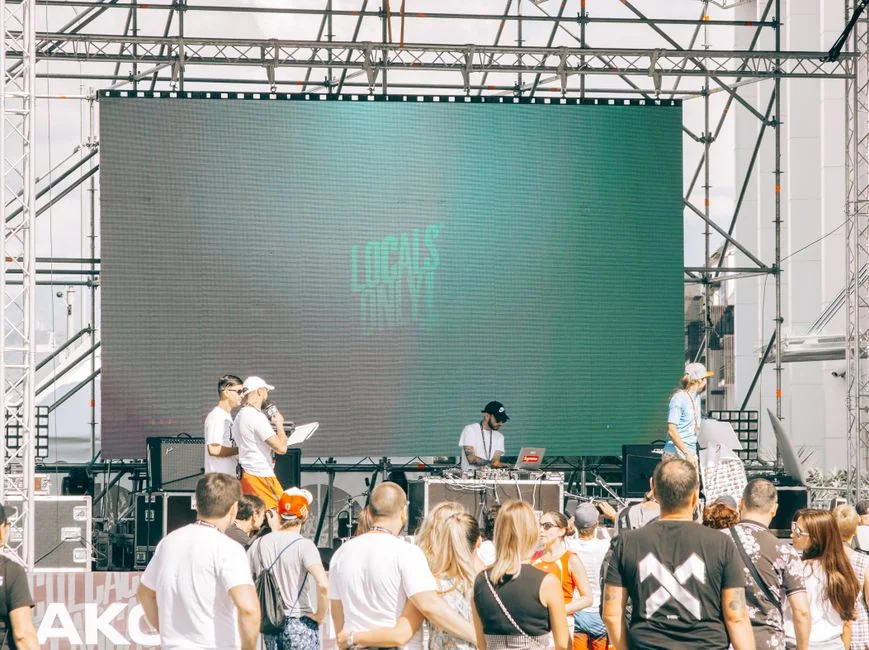
High-performance waterproof LED stages deliver more than just visuals; they provide a level of event resilience that empowers creative teams and reduces operational risk. For outdoor festivals, where weather is an ever-present variable, choosing the right LED system enhances audience satisfaction, protects technical investments, and supports uninterrupted broadcasting. The right combination of brightness, ruggedness, modularity, and intelligent control systems transforms the stage into a reliable centerpiece, enabling spectacular performances regardless of the forecast.
Investing in all-weather LED solutions is an investment in the festival’s reputation and safety. By specifying systems that match the environmental demands, planning for redundancy and maintenance, and working with experienced rental or manufacturing partners, organizers can create memorable, weather-proof experiences that keep artists and audiences focused on the music.
FAQ
What weather conditions can these screens handle?
Manufacturers design waterproof outdoor LED stage screens for music festivals and live events to withstand rain, dust, humidity, and frequent temperature changes. The exact protection level depends on the cabinet design, sealing quality, and installation method, so buyers should confirm both front and rear environmental ratings before deployment.
How do I choose the right pixel pitch?
Choose the best pixel pitch based on audience viewing distance, screen size, and whether you plan to display live video or broadcast content. Waterproof Outdoor LED Stage Screens for Music Festivals and Live Events used at large festivals often prioritize a balance between sharpness and cost, while closer viewing areas may justify a finer pitch.
Are these screens difficult to install?
Modern modular waterproof outdoor LED stage screens speed up assembly, but successful installation still requires careful planning. Plan the structure, power distribution, and signal paths in advance, and train the crew on the deployment workflow to ensure efficient setup.
What maintenance should I expect after each event?
After each use, inspect seals, connectors, locks, and cabinet surfaces, then clean off dust or residue. Perform routine inspections during load-out and keep spare parts on hand to extend the lifespan of waterproof outdoor LED stage screens for music festivals and live events.
Conclusion
When the show depends on image quality and reliability, Waterproof Outdoor LED Stage Screens for Music Festivals and Live Events stand out as one of the most important tools in the production chain. They support storytelling, sponsor visibility, camera-ready visuals, and audience engagement while also withstanding the environmental demands of outdoor entertainment. The best choice is not just the brightest or most affordable screen. It is the one that combines weather protection, technical performance, easy installation, and long-term serviceability. If you plan carefully and evaluate the full lifecycle of the system, your screen can become a dependable centerpiece for memorable live experiences.