Best Outdoor LED Screen Rental Services in Florida

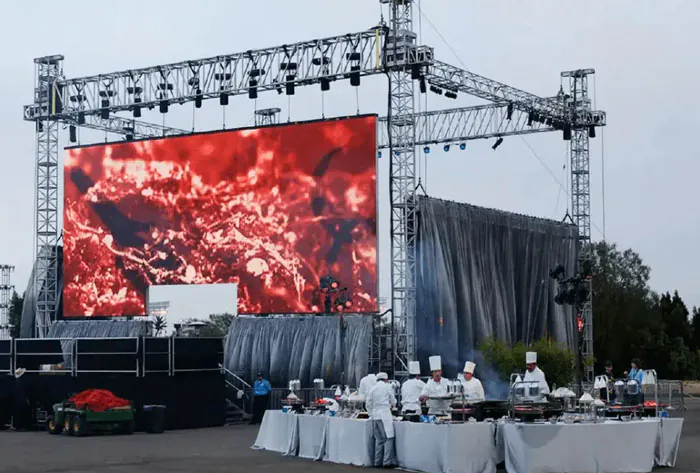
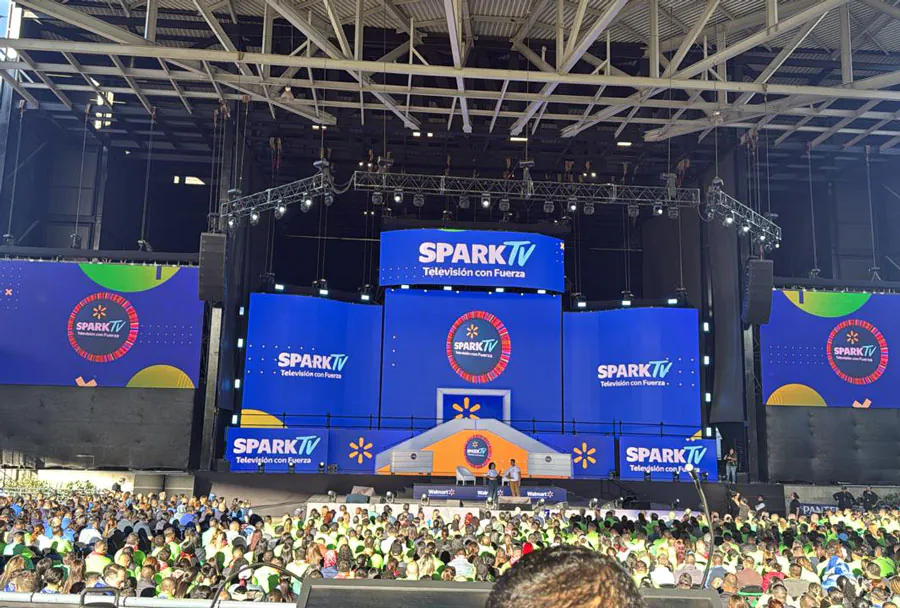
Florida is one of the busiest outdoor-event markets in the United States. From beach festivals and college football tailgates to county fairs, outdoor concerts, movie nights, and corporate activations, high-quality outdoor LED screens can be the difference between a forgettable event and a memorable one. Outdoor LED screens provide excellent visibility in bright daylight, flexible sizing and configuration, and weatherized hardware that stands up to Florida’s heat, humidity, and occasional heavy rain.
Selecting the best outdoor LED screen rental service in Florida isn’t only about screen resolution or price. It requires evaluating technical capability, logistics, local permitting knowledge, weatherproofing and wind-rating standards, experienced crews, and redundancy planning suited to Florida’s unique climate and regulatory landscape.
Key Factors to Evaluate When Choosing a Rental Service
1. Brightness and Pixel Pitch
Outdoor screens must be bright enough to overcome direct sunlight. Brightness is measured in nits; for daytime outdoor events, look for panels rated 5,000 nits or higher. Pixel pitch (the distance between LED pixels) determines perceived resolution: smaller pixel pitch (e.g., P2.9–P4.8) is appropriate for close-viewing areas, while P6–P10 is adequate for large venue viewing distances. A knowledgeable rental provider will recommend pixel pitch based on viewing distance, desired image crispness, and budget.
2. Weatherproofing and Durability
Florida’s humidity, UV exposure, and coastal salt air accelerate wear. Ensure the rental provider uses IP65 (or higher) rated cabinets for protection against rain and dust, and materials with UV-stable finishes. Ask about anti-corrosion treatments for coastal events and whether they offer desiccant systems and sealed connectors to prevent moisture intrusion.
3. Wind Rating, Rigging and Structural Safety
Outdoor installations must meet wind-load requirements. Reliable providers will supply wind-rated truss, ballasts, or ground-stacking systems and calculate anchor and rigging needs per screen footprint. For elevated or suspended screens, confirm that structural engineers or experienced rigging techs sign off on the design when necessary. Florida’s hurricane season requires contingency planning and daily weather monitoring.
4. Power, Signal, and Backup Systems
Power consumption for LED screens can be significant. Confirm whether your venue has adequate power or whether the provider supplies generators sized for peak load, including redundancy (N+1) where needed. For live events, low-latency signal transmission and redundancy of video inputs and media servers reduce risk of interruptions. Ask about backup power, redundant signal paths, and on-site technicians.
5. Local Permits and Inspections
Many Florida municipalities require permits for temporary structures, amplified sound, and roadside signage. Top rental services will assist with permit applications, provide required engineering documents, and schedule municipal inspections. Choosing a provider familiar with local counties and cities shortens approval time and minimizes regulatory surprises.
6. Logistics, Installation, and Crew Experience
The best rental companies provide turnkey solutions: pre-event site surveys, CAD layouts, load-in/load-out plans, crew with certified riggers and A/V techs, and rehearsal time for live feeds. Evaluate crew size, certifications, and whether the provider coordinates with other event vendors (staging, lighting, audio) to ensure integrated production.
7. Content Management and On-Site Support
Modern LED rentals often include media servers, video processors, and live-switching capabilities. Check whether the provider offers content formatting, scaling, and color calibration. On-site technicians should handle signal routing, color match between multiple screens, and live switching for cameras or presentation feeds.
8. Insurance and Liability
Verify the rental company carries general liability insurance as well as equipment insurance. For large, public events, request additional insured certificates and ensure contract terms clearly define responsibilities for weather-related damage, theft, or third-party claims.
Representative Analysis Table of Rental Options
Below is a comparative, analytical table illustrating typical rental provider types and the screening characteristics an event planner should consider. This table is representative — use it to guide vendor discussions rather than as a list of specific companies.
| Provider Type | Typical Screen Sizes | Common Pixel Pitch | Brightness (Nits) | Best Use Cases / Strengths |
|---|---|---|---|---|
| Large Venue Supplier | 20’–60′ wide modular walls | P4–P6 | 6,000–8,000 nits | Stadiums, big concerts, sports venues; robust rigging & staging support |
| Mobile Trailer Rental | 10’–30′ fixed screen on trailer | P6–P10 | 5,000–7,000 nits | Roadshows, outdoor movie nights, quick deployments with self-powered trailers |
| Event Production Firm | Custom builds 8’–50′ walls | P3–P8 | 5,500–7,500 nits | Integrated A/V packages, content management, live-switching and production crews |
| Local AV/Rental Company | 6’–30′ panels for community events | P4–P10 | 4,000–6,500 nits | Cost-effective for fairs, parades, small concerts; good local knowledge & permits |
| Specialty Sports/Concert Provider | 30’–120′ modular mega walls | P2.9–P5 | 8,000+ nits | High-end concerts, arena rentals, broadcast-grade image quality and redundancy |
Florida-Specific Considerations
Florida’s environment and regulatory context make certain considerations particularly important:
– Weather and Hurricane Season: Florida’s rainy season and hurricane period (June–November) demand a contingency plan. Choose vendors who monitor forecasts, have evacuation/mothball plans for screens, and provide safe removal or secure anchoring if storms approach.
– Coastal Corrosion: For beach or waterfront events, ask about anti-corrosion hardware and regular maintenance schedules. Salt spray requires freshwater rinsing post-event and possibly upgraded seals.
– Sun Angles and Brightness: High midday sun can wash out low-brightness displays. Discuss sightlines and orientation to minimize glare and use higher-nit panels or anti-glare overlays when necessary.
– Local Permitting: Counties and city parks often have strict requirements for temporary signs, structures, and amplified sound. A vendor familiar with Miami-Dade, Broward, Tampa, Orlando, and smaller municipalities will streamline approvals.
– Traffic and Load-In: Many Florida venues have limited access and strict load-in windows. Confirm the provider’s fleet size and staging plan to avoid delays and overtime charges.
Typical Scope of Services Included with a Quality Rental
– Pre-event site survey and CAD layout
– Engineering documents and permit support
– Delivery, rigging/mounting, and power distribution
– Video processing, media server, and signal routing
– On-site technicians and a run-of-show crew
– Redundant power and signal options
– Post-event teardown, transport, and equipment inspection
Cost Considerations and Budgeting
Costs vary widely based on screen size, pixel pitch, setup complexity, location, and duration. Typical pricing components include:
– Daily rental rate for the LED panels (often quoted per square meter or per panel)
– Labor and crew (riggers, technicians, truck drivers)
– Transportation and logistics (distance-based fees)
– Power and generator rental (if venue power is insufficient)
– Engineering and permitting fees
– Content management and operator fees
– Insurance and damage waiver
Ballpark figures (illustrative only):
– Small mobile trailer screen for a weekend: $2,000–$8,000
– Mid-size modular wall (200–400 sq ft) for a day: $6,000–$20,000
– Large stadium wall (1,000+ sq ft) with full production: $25,000–$100,000+
Always request detailed line-item quotes and confirm whether setup/breakdown time is included in the rental window. Ask about overtime rates and late removal penalties.
Checklist: Questions to Ask Any LED Rental Vendor
– What is the panel’s IP rating and coastal suitability?
– What is the panel’s maximum brightness, and can it be dialed up for direct sunlight?
– What pixel pitches are available for my viewing distance?
– Do you provide engineering calculations and lift/rigging plans?
– What is the rated wind limit for the proposed configuration?
– Are there redundancies for power and video signal?
– What are the crew’s certifications (riggers, electricians)?
– Do you assist with local permits and inspections?
– Who provides on-site technical support during the event?
– What is the insurance coverage and liability split in the contract?
– Do you offer content formatting, media playback, and live-switching services?
Operational Best Practices for Event Planners
– Schedule a site walk-through with the vendor well before the event. Discuss power access, exact screen location, sightlines, access routes, and CCTV or security needs.
– Test content on a similar panel or request a calibration session to confirm color and scaling looks correct outdoors.
– Build a simple redundancy plan: spare cable runs, extra media server, on-site spare modules or a repair kit.
– Coordinate with audio: make sure video is synchronized with PA systems and confirm latency for live camera feeds.
– Factor weather contingencies: have a storm plan, tarp solutions, or an option to lower screen power and mothball if high winds arrive.
– Confirm load-in/out windows with the venue to prevent fines and schedule sufficient crew for fast and safe rigging.
How to Pick the Best Outdoor LED Screen Rental in Florida
Choosing the best outdoor LED screen rental service in Florida requires matching technical specifications, logistics capability, local knowledge, and production support to your event’s priorities. Start by defining viewing distance, peak daylight needs, and whether you need a turnkey production partner. Then vet vendors on brightness, pixel pitch, IP rating, wind and rigging safety, crew credentials, and their experience handling Florida-specific challenges like coastal corrosion and hurricane contingencies.
A high-quality rental partner will act as an extension of your production team: helping with permits, providing engineering documentation, supplying redundant power and signal paths, and being on-site to execute a flawless show. Prioritize vendor transparency, detailed line-item estimates, and demonstrable experience with similar events in Florida. With the right partner, outdoor LED screens can elevate audience experience and ensure your event looks spectacular under the Florida sun.