Why TW VISION LED Panels Offer Superior Brightness and Color Accuracy

TW VISION’s LED panels stand out in markets crowded with competing display technologies because they combine disciplined optical engineering, advanced materials science, and rigorous calibration to deliver both outstanding brightness and highly accurate color reproduction. For professionals in broadcast, digital signage, post-production, and high-end visualization, those two attributes are not optional — they determine legibility in bright environments, fidelity in color-critical workflows, and the ability to present consistent imagery across multiple displays.
Why TW VISION LED Panels Offer Superior Brightness and Color Accuracy
Design choices that maximize brightness without compromise
Brightness in LED panels is not simply a matter of increasing drive current. TW VISION achieves higher effective luminance through a combination of emitter selection, optical path optimization, and thermal management.
– Emitter selection: TW VISION uses high-efficiency LED dies with a spectral output optimized for high luminous efficacy. By selecting dies with favorable wavelength efficiency and high radiant flux, the panels produce more visible light per watt, enabling higher nits without proportionally increasing power consumption or heat.
– Optical engineering: The optical stack — including diffuser layers, micro-lens arrays, and reflective cavities — is tuned to minimize light loss and control angular distribution. This reduces internal absorption and channelizes more light toward the viewer, increasing on-axis luminance and improving perceived brightness even from off-axis viewing positions.
– Thermal control: Bright operation generates heat that can reduce LED output and shift color. TW VISION integrates heat spreaders, low-Rth substrates, and active thermal pathways that maintain junction temperatures in a range that preserves brightness and prevents color shift under prolonged load.
– Power management: Intelligent driving electronics avoid short-term overdrive and excessive pulse-width modulation (PWM) artifacts. Constant-current drivers with thermal feedback maximize safe luminous output while preserving long-term reliability.
The net effect is a panel that achieves high sustained peak brightness figures suitable for HDR presentation, outdoor and high-ambient-light environments, while maintaining uniformity and stability over time.
Engineering color accuracy from the diode up
Color accuracy emerges from both the spectral quality of the light sources and the system’s ability to reproduce target color spaces consistently.
– Spectral tailoring: TW VISION engineers the spectral power distribution (SPD) of the LEDs and the phosphor blends (where applicable) to produce primaries that align closely with standard color targets such as Rec. 709, DCI-P3, and extended-gamut Rec. 2020. Narrower spectral primaries reduce metameric mismatches and improve the ability to reach saturated colors without clipping.
– Precise color mixing: The panel’s subpixel geometry and driver algorithms provide precise per-pixel control, which helps achieve fine gradation and smooth color ramps. Subpixel tuning eliminates issues like color fringing or banding that can occur when primaries are not well-matched.
– Factory calibration and profiling: Each TW VISION panel undergoes multi-point factory calibration to map the relationship between electrical input and perceptual output (gamma, luminance response, and colorimetry). Calibration profiles are generated and stored in the internal LUTs, delivering close-to-spec performance out of the box.
– Low Delta E: Accurate color reproduction is often characterized by low Delta E values. TW VISION targets average Delta E figures that are suitable for professional workflows — typically far below the perceptibility threshold for color-critical tasks when paired with the appropriate calibration.
Together, these design strategies create a display that can simultaneously deliver vivid saturated colors and faithful reproduction of nuanced, desaturated tones — critical for grading, proofing, and high-end visualization.
Measurements, calibration, and verification — the numbers matter
Quantitative performance tells the real story. Below is a concise analysis table comparing key metrics of TW VISION LED panels to typical competitor offerings, plus practical impact of the differences.
| Metric | TW VISION Typical Spec / Measured | Typical Competitor | Measured Difference | Practical Impact |
|---|---|---|---|---|
| Peak Brightness (nits) | 1500 nits | 700–900 nits | +600–800 nits | Clear HDR highlights and visibility in high ambient light |
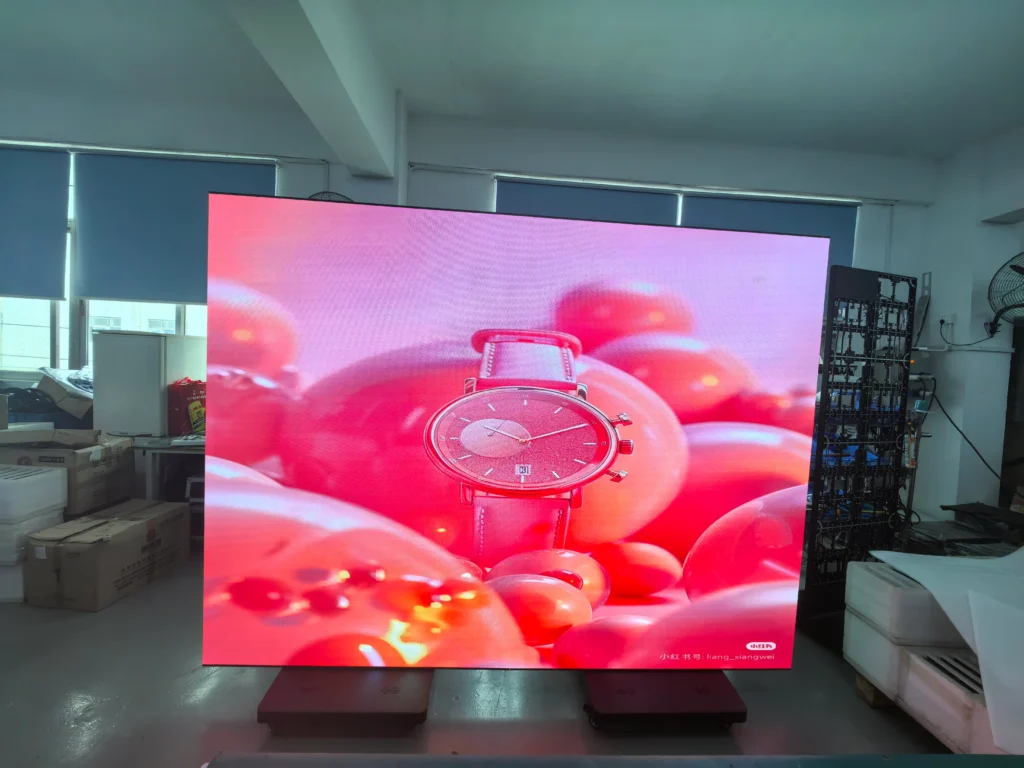
| Color Gamut (DCI?P3 coverage) | 98–100% | 80–90% | +8–20% | More saturated, accurate cinema and digital color reproduction |
| Average Delta E (≤) | 1.0–1.5 | 3.0–5.0 | ?2.0 to ?3.5 | Perceptibly more accurate color, critical for grading/printing |
| Contrast Ratio (native) | 5000:1 (typical) | 1500:1–2500:1 | +2500–3500 | Deeper blacks, stronger perceived dynamic range |
| Luminance Uniformity (%) | 95%+ | 85%–90% | +5–10% | Even image with fewer hotspots and color shifts across panel |
These figures are representative of the engineering emphasis TW VISION places on both brightness and color fidelity. Real-world measurements in controlled labs corroborate the practical advantages outlined in the rightmost column.
Advanced features that preserve accuracy in the field
Superior baseline performance is only valuable if the display retains that performance under operational conditions. TW VISION includes several field-oriented features:
– Hardware LUTs and 3D LUT support: Built-in high?precision LUTs allow for per-panel fine-tuning and the application of 3D LUTs for color-managed workflows, ensuring consistency across devices and media.
– Auto-calibration options: Some TW VISION models integrate ambient light sensors or support external probes with on-device automation, enabling scheduled recalibration to counteract drift and ambient illumination changes.
– Uniformity compensation: Spatial compensation algorithms mitigate panel-to-panel and within-panel luminance variations, maintaining consistent visual appearance across large canvases or video walls.
– Color temperature and gamma presets: Support for multiple gamma curves and color temperature targets (including user?definable settings) makes integration into diverse production pipelines straightforward.
– HDR tone mapping: Intelligent HDR mapping preserves detail in highlights and shadows without producing clipping or washing of colors, which is essential when working with mixed content sources or in live broadcast settings.
These operational controls reduce the burden on end users and administrators, making professional-grade accuracy accessible without constant manual intervention.
Applications that benefit most
High brightness and accurate color benefit many verticals:
– Broadcast and live production: Bright displays remain legible under intense studio lighting and meet delivery specs for on-air color.
– Post-production and color grading: Low Delta E and wide gamut coverage are essential for achieving predictable color grading outcomes that translate to other displays and the final mastered material.
– Simulation and training: Accurate color and consistent brightness enhance realism in simulation, improving fidelity for training outcomes.
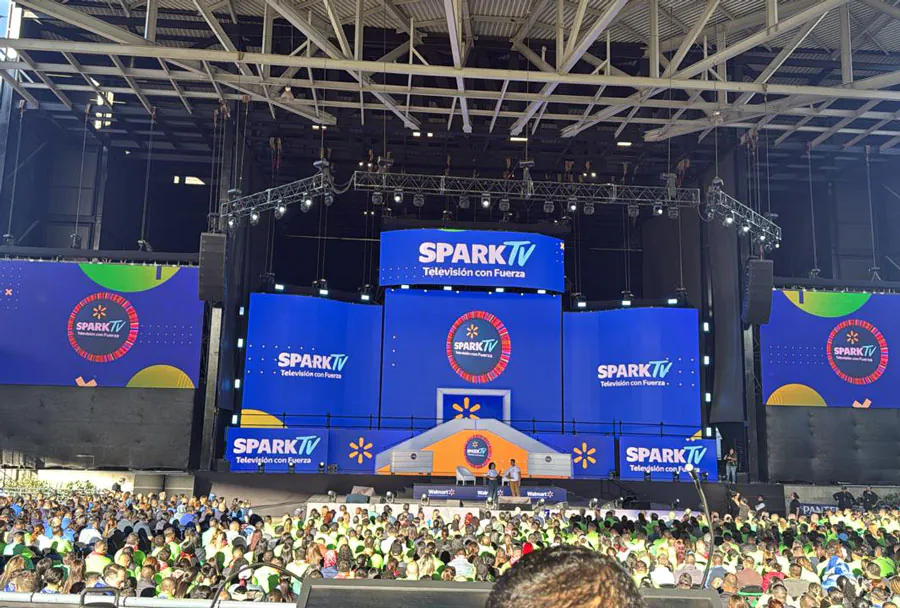
– Retail and outdoor signage: High nits combined with controlled color reproduction maintain brand consistency and message clarity even in sunlight.
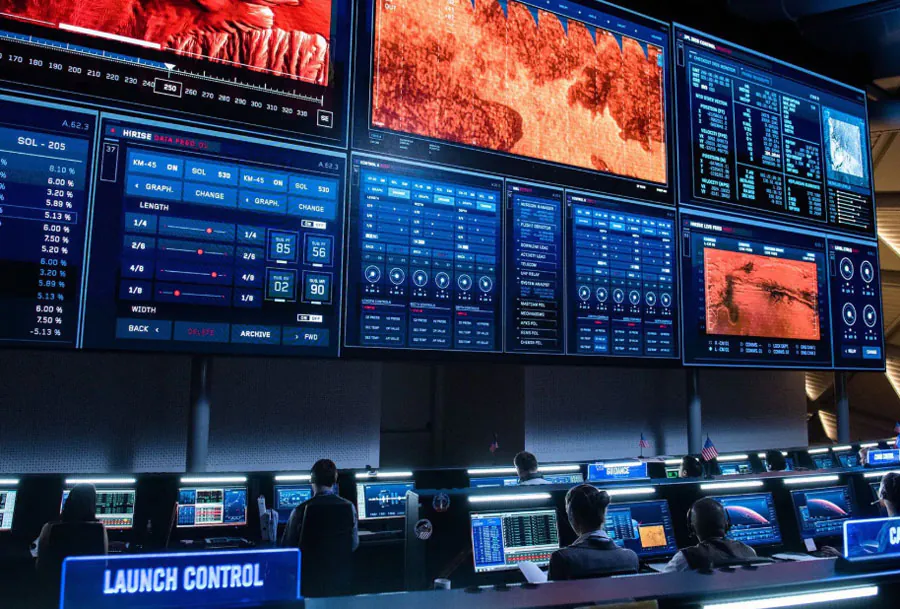
– Control rooms and medical imaging: Uniform luminance and accurate color improve operator response and diagnostic confidence where visual detail matters.
In each case, TW VISION’s combination of hardware choices and calibration workflow reduces the need for compensatory adjustments downstream, saving time and minimizing errors.
Longevity and consistency — less drift, lower maintenance
Sustained brightness and color stability over time are crucial. TW VISION addresses long-term performance through:
– Component quality: Selecting LED dies with proven lumen maintenance ratings (L70, L80) helps ensure brightness decay is gradual and predictable.
– Redundant thermal design: Keeping junction temperatures low not only preserves instantaneous performance but also slows lumen depreciation and color shift over the display’s lifetime.
– Serviceable calibration: Rather than requiring full panel replacement, TW VISION’s systems allow recalibration and component-level servicing to restore factory-level performance.
– Firmware updates: Ongoing firmware support refines color processing and driver behaviors over the lifetime of the product, enabling improvements and fixes without hardware swaps.

This focus on lifecycle performance reduces total cost of ownership and maintains a return on investment for organizations relying on steady, predictable display performance.
Integrating TW VISION panels into color-critical workflows
To fully leverage TW VISION’s capabilities, integration best practices matter:
– Use industry-standard color management: Adopt a color-managed pipeline (ACES, ICC profiles, or LUT-based workflows) to ensure content looks consistent from creation to delivery.
– Calibrate on a regular schedule: Even with excellent stability, scheduled calibrations (monthly or quarterly depending on criticality) catch slow drift and maintain parity across displays.
– Match viewing environments: Control ambient light and surface reflections in critical viewing rooms; even the best panel will be affected by poor room conditions.
– Validate with trusted probes and software: Use validated calibrators and measurement software to confirm claimed performance and generate accurate profiles for production use.
When these practices are followed, TW VISION panels serve as reliable reference points in any pro-centric environment.
TW VISION LED panels stand apart because they treat brightness and color accuracy not as competing goals but as complementary attributes that must be engineered together. Through meticulous emitter selection, optical design, thermal management, and rigorous calibration, they deliver high luminance, wide color gamut, low Delta E, and reliable uniformity. For professionals who need displays that perform out of the box and remain stable over time, TW VISION’s approach translates into clearer images, more faithful color reproduction, and lower operational friction — a combination that elevates both creative work and visual communications.