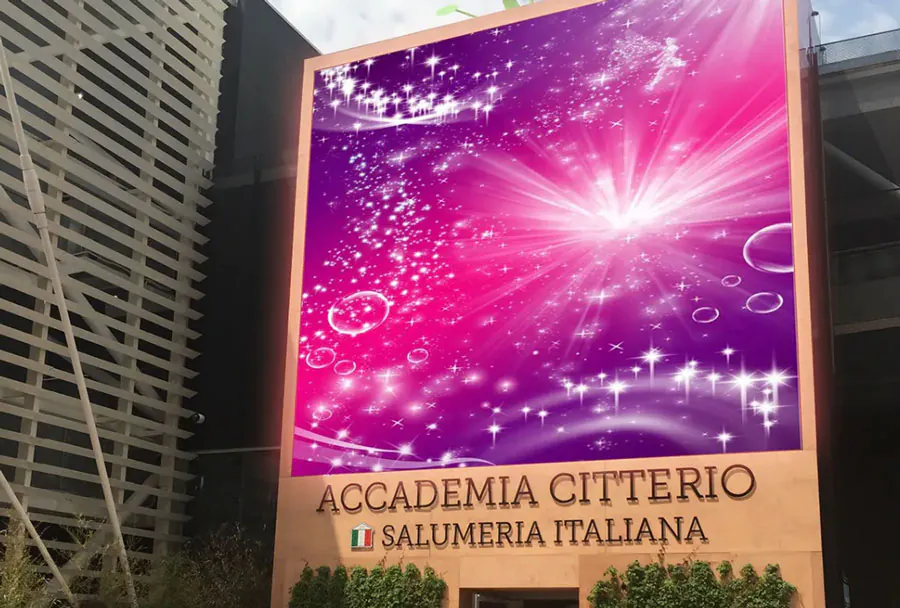
Upgrade Your Business Presence with Advanced TW VISION Outdoor Digital Display Systems

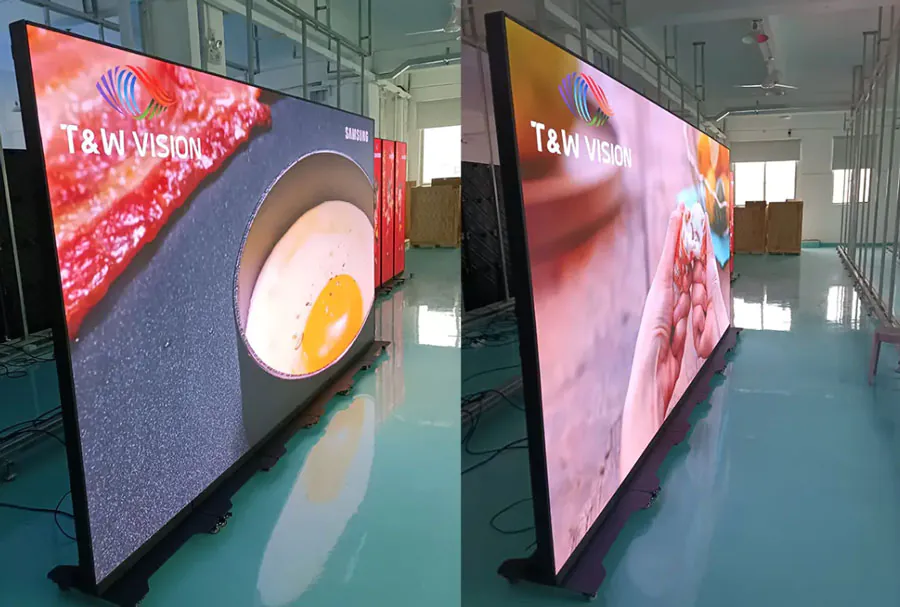
Businesses that want to stand out in crowded public spaces need more than a static sign or social media post. Modern consumers respond to vivid imagery, dynamic content, and real-time information. Upgrading to advanced outdoor digital display systems can deliver that engagement and measurable results. Below is a professional exploration of how TW VISION outdoor led displays can elevate your brand presence, improve customer experience, and drive revenue — along with practical guidance for selecting, deploying, and measuring success.
Upgrade Your Business Presence with Advanced TW VISION Outdoor Digital Display Systems
Why Outdoor Digital Displays Matter Now More Than Ever
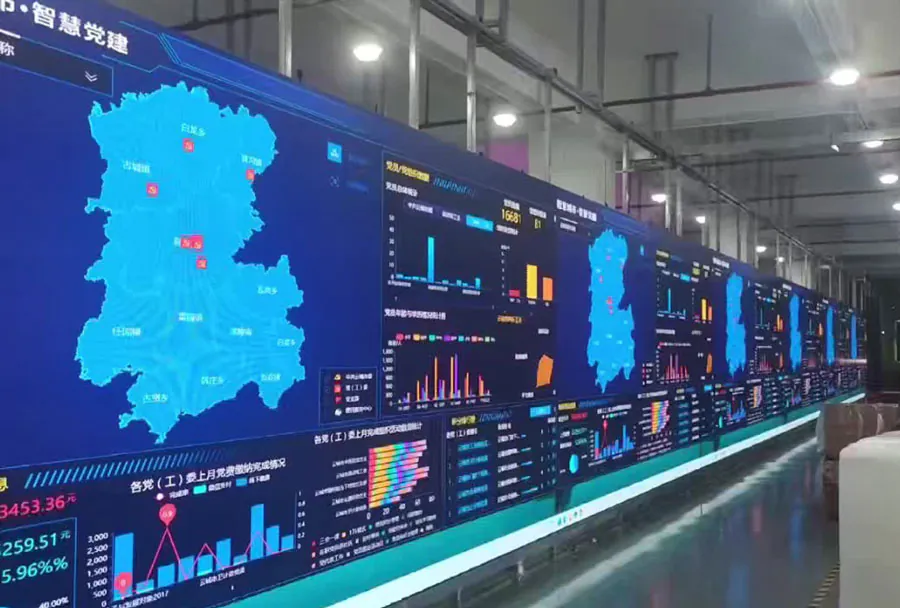
Footfall, dwell time, and conversion rates are influenced by how businesses communicate visually in public spaces. Outdoor digital signage replaces static advertising with dynamic, context-aware content that can change by time of day, weather, or audience demographics. TW VISION’s outdoor LED systems combine high brightness, durability, and flexible control features, making them especially well-suited for environments like retail facades, transportation hubs, stadiums, and corporate campuses.
Key benefits include:
– Visibility in daylight: High-brightness LEDs ensure messages remain clear even under strong sunlight.
– Dynamic messaging: Schedules and triggers let you adapt promotions or safety messaging in real time.
– Enhanced brand perception: Modern digital installations convey investment and professionalism.
– Data-driven optimization: Integration with analytics and content-management platforms enables continuous improvement of messaging.
Core Technical Advantages of TW VISION Outdoor LED Systems
TW VISION outdoor displays are engineered to perform in demanding conditions. Here are technical highlights that impact real-world effectiveness:
– Brightness and contrast: Outdoor LEDs typically offer 5000 to 10,000 nits or more of peak brightness, ensuring readability in direct sunlight while maintaining deep contrast for vivid visuals.
– Weather resistance: IP65 and higher enclosures protect against dust and water ingress, critical for long lifespans in outdoor installations.
– Thermal management: Efficient heat dissipation and temperature control reduce risk of component failure in extreme heat or cold.
– Pixel pitch options: From larger pixel pitches for long-view installations to finer pitches for close-up viewing, the right pitch optimizes visual fidelity and cost.
– Control and connectivity: Robust content management systems (CMS) with remote diagnostics and scheduling simplify operations and reduce maintenance overhead.
Practical Deployment Scenarios and Use Cases
Understanding where and how to deploy outdoor displays helps maximize ROI. Below are practical scenarios where TW VISION systems shine:
– Retail exteriors and windows: Promote flash sales, seasonal campaigns, and brand stories. Motion and video content capture attention and increase foot traffic.
– Transit stations and bus shelters: Provide schedule updates, wayfinding, and context-relevant advertising, improving passenger experience.
– Quick-service restaurants (QSRs): Digital menu boards and exterior promotions encourage upsells and promote time-sensitive deals.
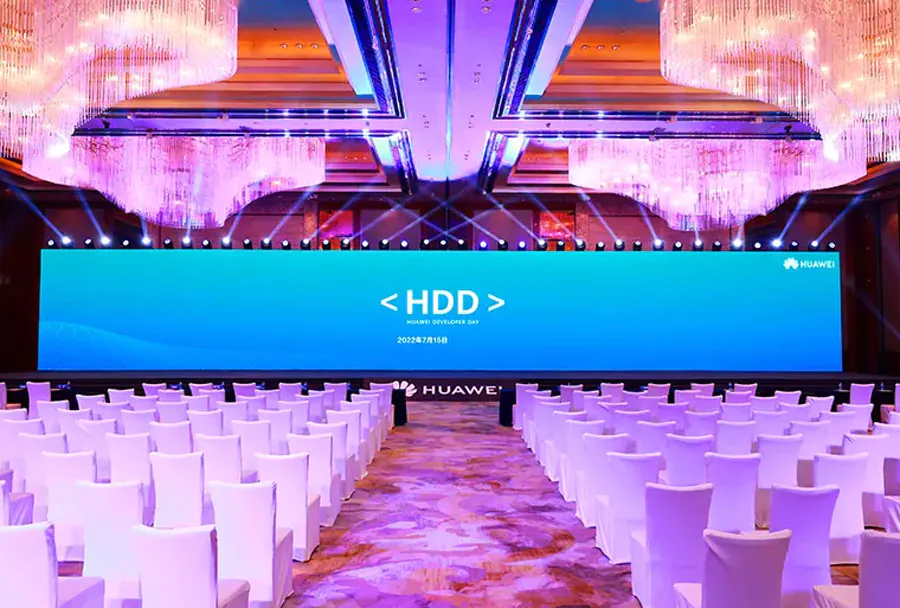
– Sports venues and entertainment districts: Large-format displays engage crowds, show live feeds, and enhance sponsorship value.
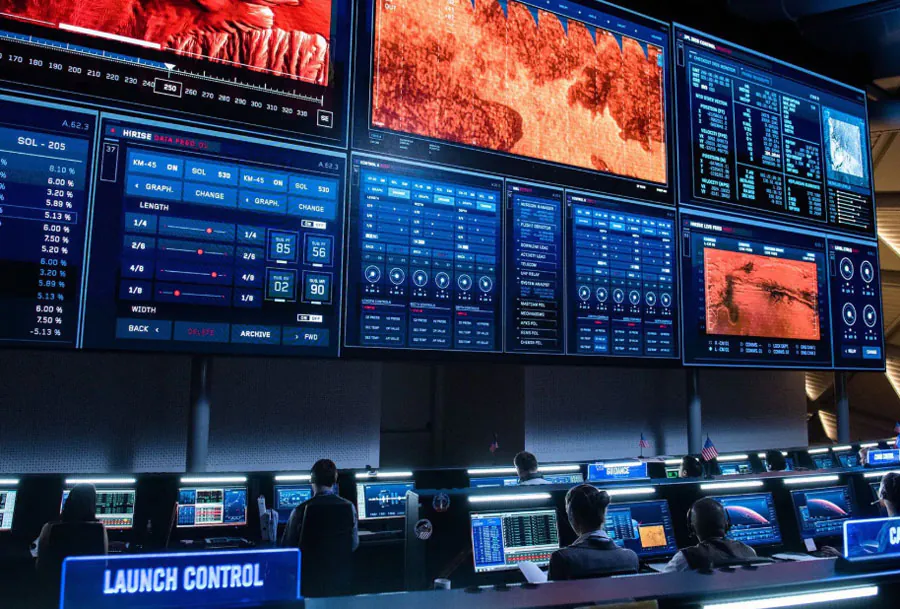
– Corporate campuses and public spaces: Announce events, showcase achievements, and reinforce corporate identity.
Each scenario benefits from tailoring brightness, pixel pitch, and mounting solutions to viewing distance and audience behavior.
Measuring Impact: Key Metrics and Expected Outcomes
Before deployment, define measurable objectives so ROI can be quantified. Useful metrics include:
– Foot traffic change: Compare baseline and post-installation pedestrian counts.
– Dwell time: Time spent near the display often correlates with view-through rates for promotions.
– Conversion lift: Track sales during promoted campaigns versus control periods.
– Engagement: Use QR codes, NFC, or mobile links to measure click-throughs from on-screen calls-to-action.
– Operational savings: Reduced print costs and faster content updates compared to static signage.
A well-executed TW VISION installation can yield double-digit improvements in attention and engagement metrics, with faster payback relative to traditional billboard replacements when you account for dynamic advertising opportunities and reduced recurring costs.
Installation, Maintenance, and Total Cost of Ownership
Selecting the correct hardware is only part of the solution. Consider installation logistics and ongoing maintenance:
– Structural assessment: Ensure building facades and mounts are rated for the display’s weight and wind loading.
– Power and connectivity: Plan for reliable power feeds and network redundancy for remote updates.
– Access for service: Modular front or rear access panels speed up repairs and minimize downtime.
– Preventive maintenance: Scheduled inspections, cleaning, and firmware updates extend lifespan and maintain brightness uniformity.
– Warranty and support: TW VISION typically provides service packages; confirm response times and spare-part policies.
When evaluating total cost of ownership (TCO), include initial capital expense, installation, energy consumption, replacement modules over the system life, and potential revenue from advertising or increased sales.
Analysis Table: Comparing Typical TW VISION Outdoor Display Options
| Model/Series | Typical Brightness (nits) | Common Pixel Pitch | IP Rating / Durability | Best Use Case |
|---|---|---|---|---|
| Outdoor Basic Series | 5,000 – 6,500 | P6.25 – P10 | IP65, anti-corrosion | Bus shelters, basic billboard replacements |
| High-Brightness Facade Series | 8,000 – 12,000 | P10 – P16 | IP65+, enhanced cooling | Large building exteriors, long-distance visibility |
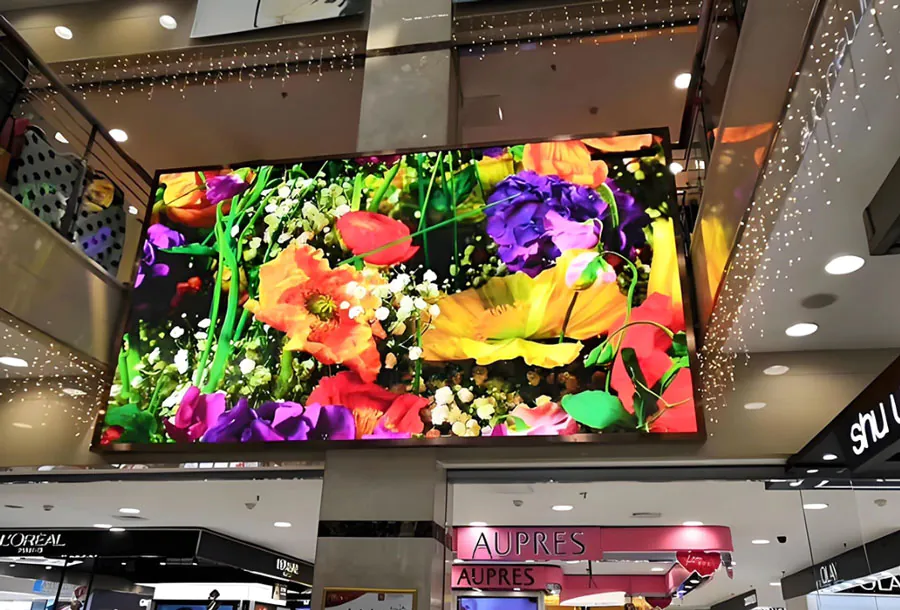
| Fine-Pitch Outdoor Series | 4,000 – 8,000 | P2.5 – P4 | IP54 – IP65 (model dependent) | Shopping plazas, close-view brand displays |
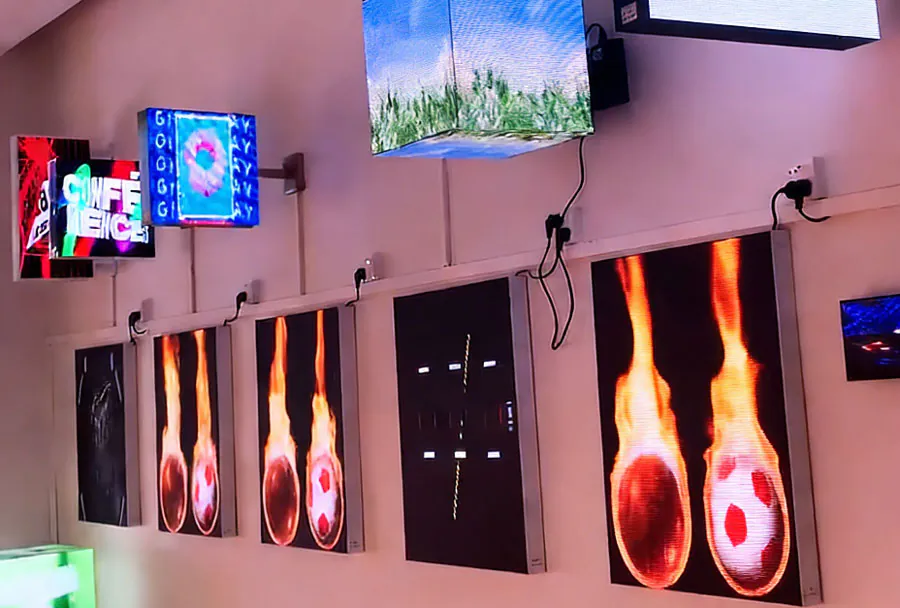
| Transparent/Curved Series | 3,500 – 8,000 | P3.9 – P8 | IP54 – IP65 | Storefront windows, architectural integrations |
| Advertising Network Series | 6,000 – 10,000 | P6 – P10 | IP65, vandal-resistant | Transit hubs, multi-site ad networks |
Note: Values in the table reflect typical ranges for outdoor LED systems and representative TW VISION product families. Specific models and exact specs vary by region and product release.
Content Strategy: Getting the Most from Your Investment
Hardware alone won’t deliver results — content strategy is essential. Follow these principles:
– Keep it short and scannable: Outdoor viewers often have seconds to process your message; prioritize concise visuals and strong headlines.
– Use motion intelligently: Subtle motion draws attention; overuse can distract or fatigue viewers.
– Time and location targeting: Schedule content for peak audience segments, such as morning commuters or evening shoppers.
– Integrate interactive elements: QR codes, short URLs, or location-based offers encourage immediate engagement.
– Maintain brand consistency: Use your brand’s visual language to build recognition across different locations.
A centralized CMS that supports playlists, scheduling, and analytics will make it easier to manage content across multiple screens and adapt quickly based on performance data.
Selecting the Right Partner and Ensuring a Smooth Rollout
Choosing a supplier and installer is as important as selecting the product. Consider vendors that offer:
– End-to-end services from site survey and structural engineering to content rollout and post-installation support.
– Strong references and case studies in your industry.
– Training for your in-house team on CMS use and routine maintenance.
– Flexible financing or advertising-revenue models to reduce upfront costs.
A phased rollout often works best: pilot one or two locations to validate creative, measure impact, and refine operations before expanding.
Real-World Impact: What to Expect After Installation
Well-executed TW VISION outdoor installations typically lead to:
– Increased visibility and brand awareness in local markets.
– Higher traffic to nearby stores or points of service, particularly when promotions are updated in real time.
– New revenue streams from digital advertising for high-footfall locations.
– Greater agility in marketing campaigns, enabling rapid response to competitor activity and local events.
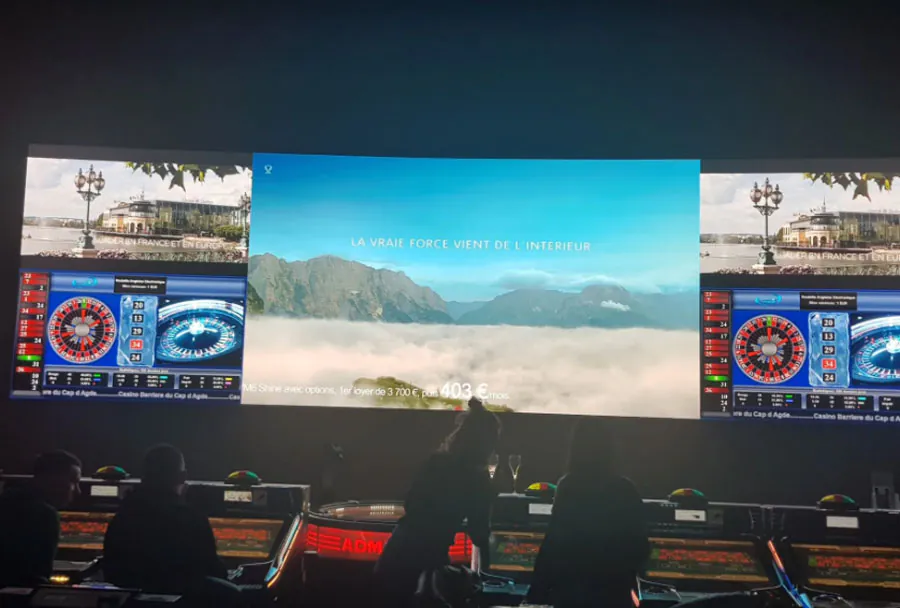
Document learnings from each campaign and use A/B testing to refine creative and scheduling for sustained improvement.
Invest Strategically to Transform Presence
Upgrading your business presence with TW VISION outdoor digital display systems is more than a technology purchase — it’s a strategic investment in attention, engagement, and flexibility. By selecting the right display series, planning thoughtful content, and partnering with experienced integrators, companies can create powerful outdoor experiences that boost brand stature and measurable business outcomes. Start with clear objectives, run a pilot that captures the right metrics, and scale the approach as you validate results. The right outdoor digital display system turns static space into a high-impact communication channel that works 24/7.