Upgrade Your Visual Experience with the Latest TW VISION Curved LED Panels

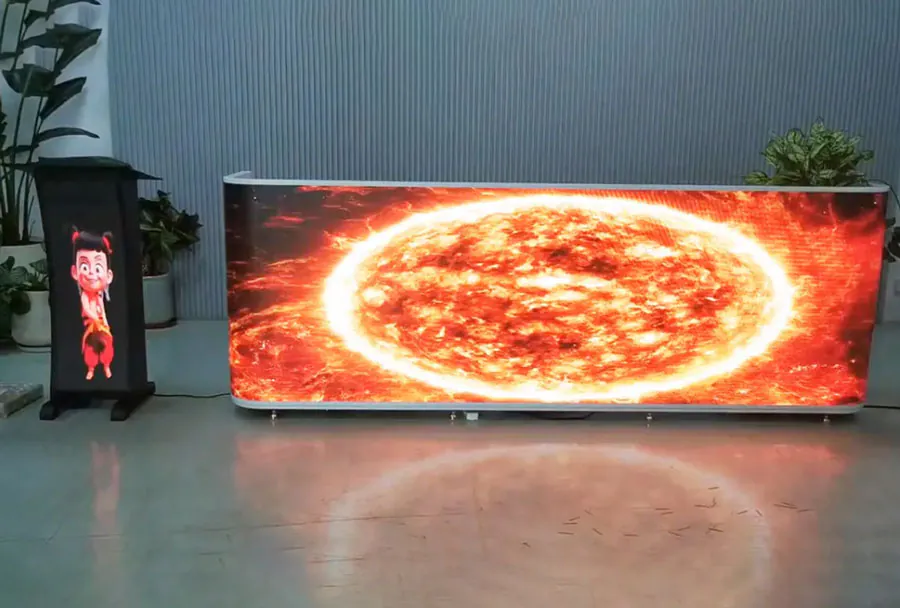
The way we perceive digital content is undergoing a significant shift as display technologies advance. Curved LED panels, long prized in niche markets for immersive appeal, are now stepping into mainstream professional and commercial spaces thanks to manufacturers like TW VISION. The latest TW VISION Curved LED Panels combine higher pixel density, refined curvature engineering, and smarter processing engines to produce visuals that are not only more engaging but also more accurate and easier to integrate. For designers, AV integrators, retailers, and corporate environments looking to elevate visual impact, these panels offer a compelling blend of performance, flexibility, and long-term value.
Upgrade Your Visual Experience with the Latest TW VISION Curved LED Panels
What sets TW VISION curved LED panels apart?
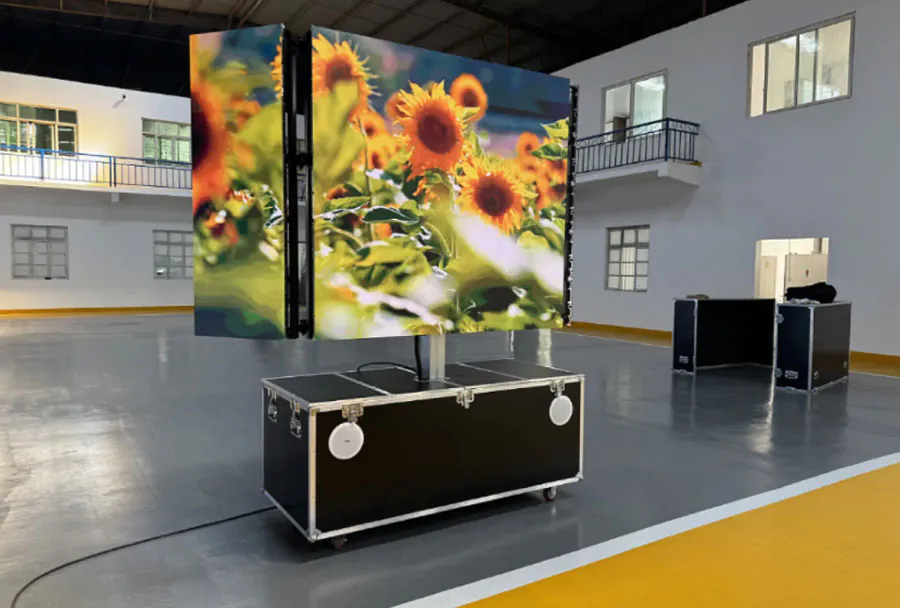
TW VISION’s newest curved panels address several historical limitations of LED walls: visible seam lines, distortion at edges, and limited viewing uniformity. The company has refined mechanical tolerances to ensure micro-seam alignment, developed advanced calibration routines for color uniformity across large arrays, and implemented curvature-specific image processing to keep geometry and text crisp even on tight radii. These improvements translate to clearer signage in retail, more immersive meeting rooms, and more natural-looking broadcast backdrops. Additionally, TW VISION emphasizes modularity and serviceability—front-access modules and standardized power/control units reduce downtime and simplify maintenance.
Key performance dimensions and benefits
– Immersion and viewer engagement: Curved displays wrap field of view, enhancing depth perception and reducing eye fatigue for viewers located near the screen’s centerline. This is beneficial in showrooms, control rooms, and simulation environments.
– Improved contrast and brightness: TW VISION panels deliver higher peak brightness and deeper blacks than many LCD alternatives, maintaining legibility in high-ambient-light environments and producing vivid colors for branding.
– Seamless scaling: The modular architecture allows designers to create large curved canvases without compromising image continuity, enabling striking visual installations from compact kiosks to multi-panel video walls.
– Energy efficiency and lifetime: Modern LEDs and intelligent power management extend run times and reduce operating costs relative to older-generation LED arrays, improving total cost of ownership (TCO).
Technical highlights
TW VISION’s lineup offers multiple pixel pitches suited to various viewing distances—from fine-pitch 0.9–1.5 mm for close-view control rooms and corporate lobbies to 2.5–4 mm for larger public displays. Typical features include 3840 Hz+ refresh rates for flicker-free broadcast environments, 16-bit color processing for smooth gradients, and high refresh synchronization to reduce motion artifacts. Curvature options are engineered around standard radii (e.g., R1000–R3000) but can be customized for architectural projects. The panels typically support HDR-like color mapping and have integrated temperature and power monitoring for preventive maintenance.
Installation and integration considerations
Successful deployment of curved LED walls requires attention to structural, electrical, and content pipelines:
– Mechanical supports: Because curvature imposes non-linear loading, use prefabricated curved frames or modular mounts specified by TW VISION. Verify building codes and load-bearing capacities for larger installations.
– Power and heat management: Calculate power budgets with redundancy. TW VISION panels include efficient heat dissipation designs, but densely packed installations still need adequate ventilation.
– Signal routing and controllers: Use TW VISION-recommended controllers and cabling to preserve color accuracy and synchronization. For multi-source environments, choose processors that handle warping and blending with low latency.
– Content preparation: Design content with curvature in mind—avoid critical information or UI elements at extreme edges where viewer angle may distort perception. Use TW VISION’s calibration tools to map content precisely.
Use cases and vertical markets
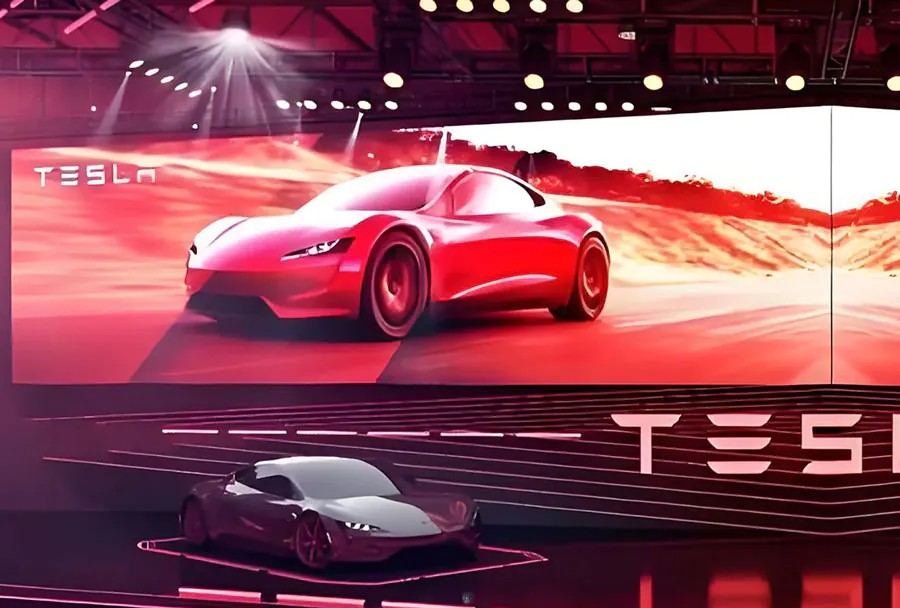
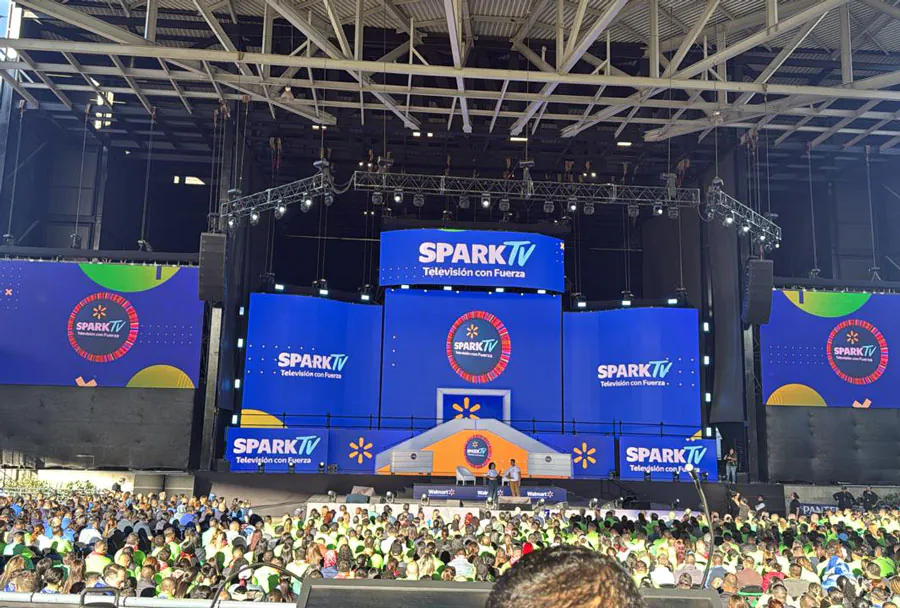
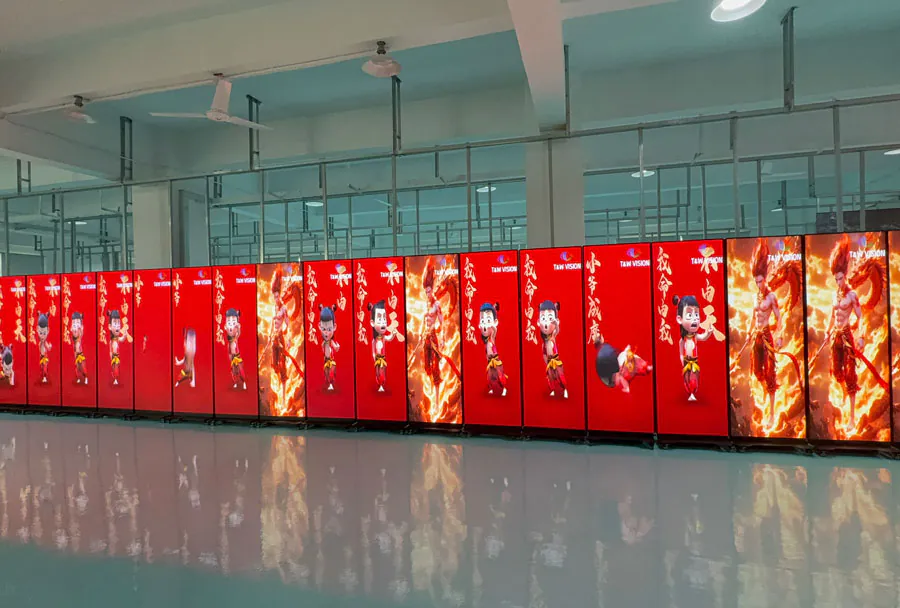
– Retail and experiential marketing: Curved panels in flagship stores attract attention and create memorable brand narratives. Dynamic content, seasonal campaigns, and interactive experiences become more impactful on a curved surface.
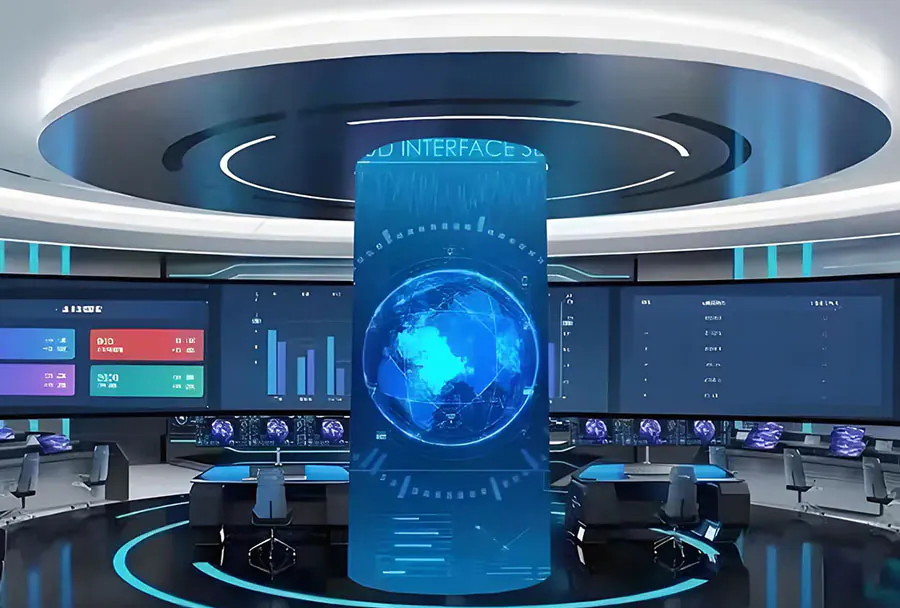
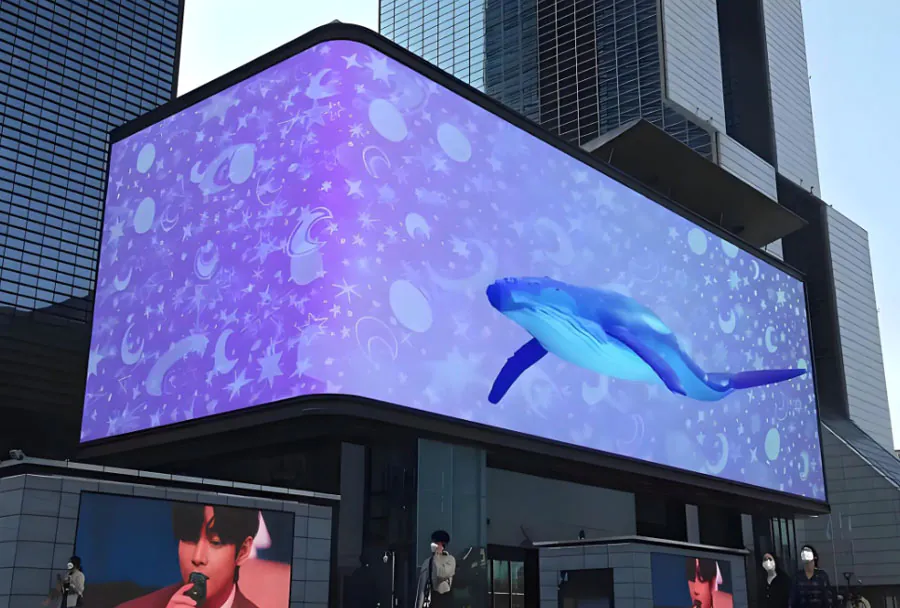
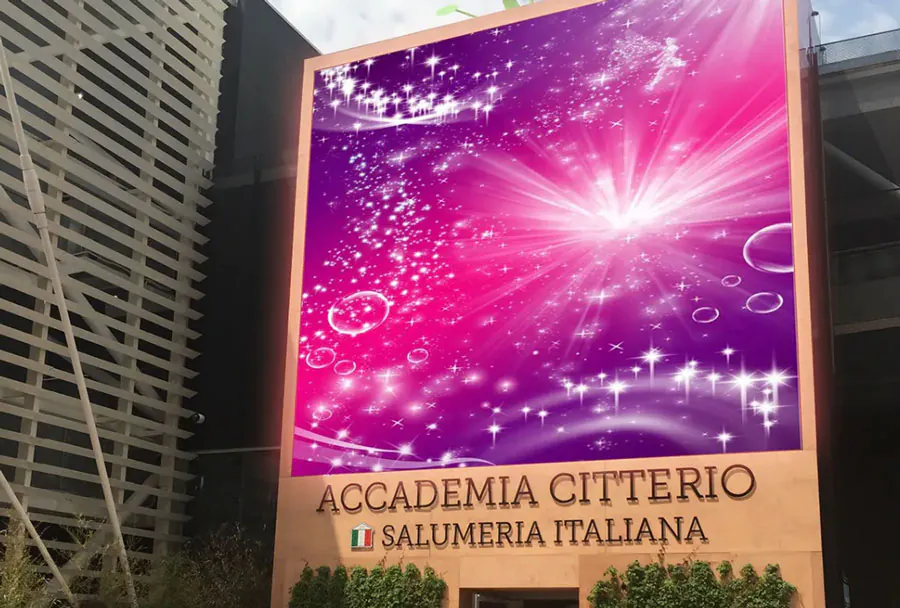
– Corporate lobbies and public spaces: A curved LED wall can function as an architectural centerpiece, conveying brand identity through high-quality motion graphics and environmental content.
– Broadcast and production studios: The natural wrap of a curved backdrop reduces the need for complex camera setups and creates immersive horizons for presenters.
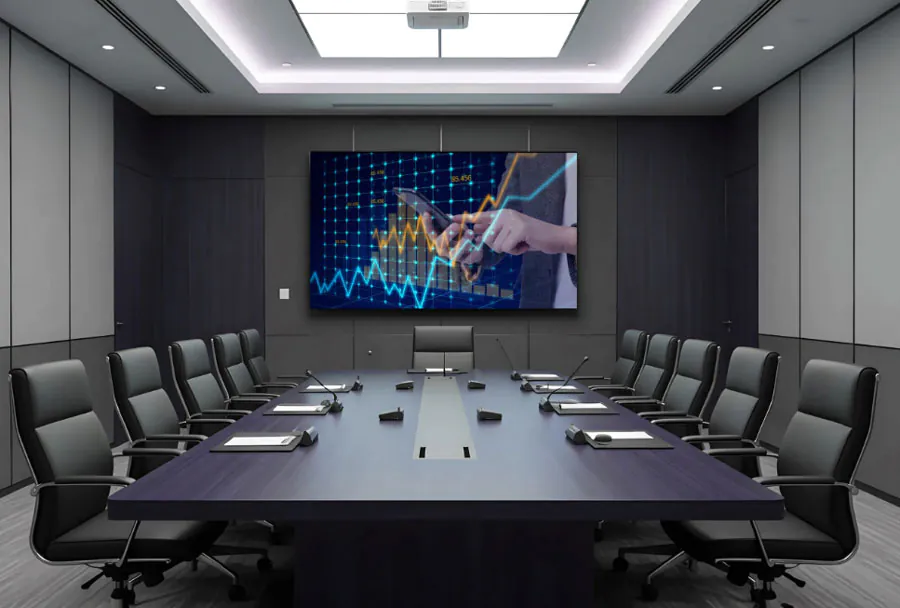
– Control rooms and simulation: Fine-pitch curved displays enhance situational awareness by providing a contiguous, immersive workspace with minimal bezel distraction.
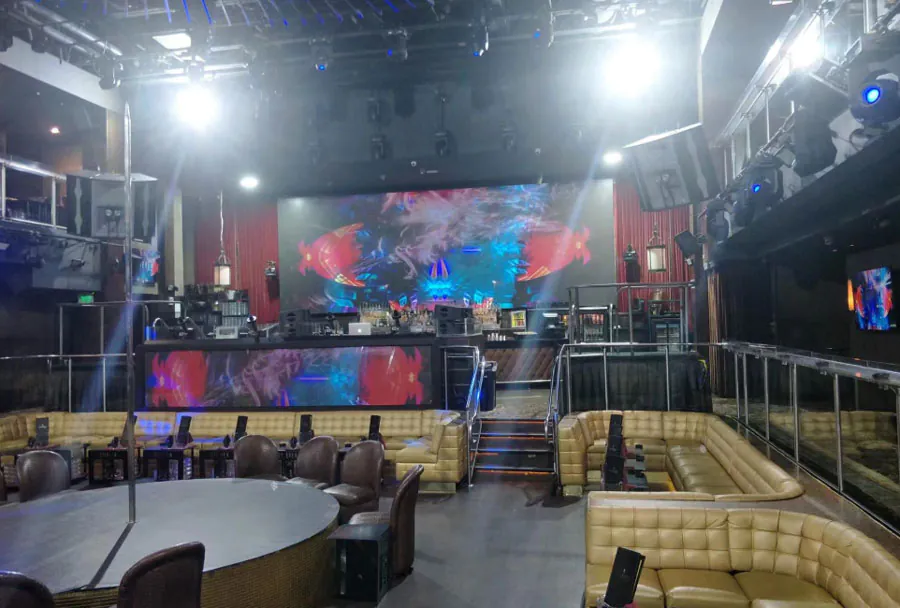
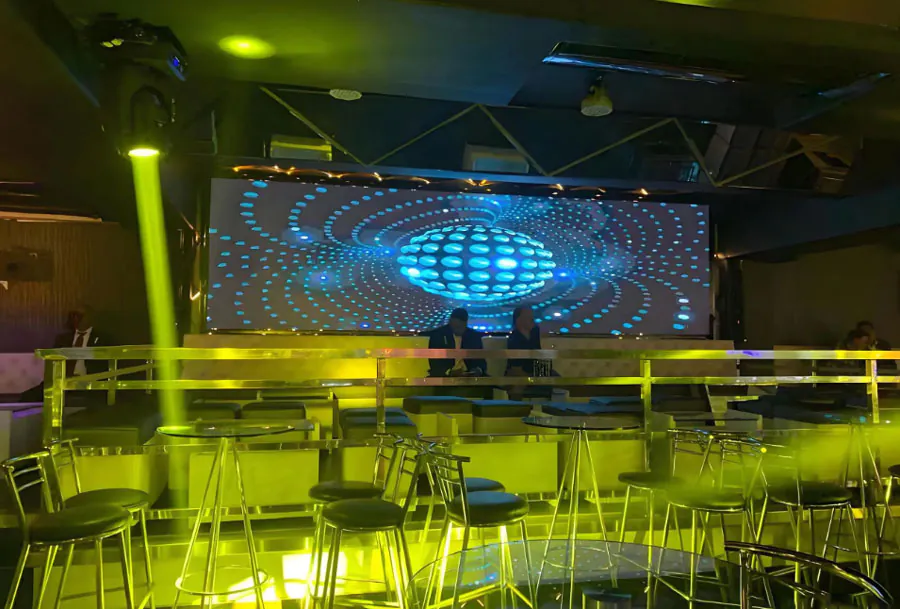
– Hospitality and entertainment: Theaters, casinos, and leisure venues use curved installations for wayfinding, immersive shows, and ambient environment-building.
| Model | Pixel Pitch | Typical Use Case | Brightness (nits) | Recommended Curvature (R) |
|---|---|---|---|---|
| TW-CLF-0.9 | 0.9 mm | Broadcast studios, control rooms | 800–1000 | R1000–R2000 |
| TW-CLF-1.5 | 1.5 mm | Corporate lobbies, high-end retail | 1000–1400 | R1500–R2500 |
| TW-CLF-2.5 | 2.5 mm | Large public displays, venues | 2000–3000 | R2000–R3000 |
| TW-CLF-3.9 | 3.9 mm | Outdoor/indoor signage where viewing distance is greater | 3000+ | R2500–R4000 |
Performance analysis and ROI
When evaluating the ROI for TW VISION curved panels, consider both quantifiable and qualitative benefits. Quantifiable items include reduced installation and maintenance costs from modular front-access designs, lower energy consumption compared to legacy LEDs, and potential revenue uplifts from higher engagement in retail or advertising. Qualitative benefits revolve around brand impact, customer dwell time, and improved decision-making in control-room contexts. Integrators should model lifecycle costs: initial capital expense, installation, annual maintenance, content production, and expected service life (often 100,000+ hours). Factor in periodic calibration and potential module replacements—TW VISION’s standardized modules typically make targeted repairs more cost-effective than replacing entire panels.
Content best practices for curved surfaces
Curved screens change how viewers perceive geometry and motion. Content creators should:
– Design for depth: Use parallax layers and subtle curvature-aware perspective cues to enhance natural depth without overstretching text or UI elements.
– Centralize critical content: Place navigation, product information, or call-to-action elements near the vertical center where viewing angles are most uniform.
– Mind aspect ratio and resolution: Match assets to the LED array’s native resolution. Upscaling or heavy warping can introduce artifacts on tight curvature.
– Use dynamic calibration profiles: Create multiple content profiles for day/night brightness and different ambient conditions, synchronized with TW VISION’s control software.
Maintenance, calibration, and lifecycle
A proactive maintenance schedule keeps curved LED walls performing at top levels. TW VISION supports remote diagnostics, allowing integrators to monitor temperature, power draw, and pixel health. Routine steps include:
– Monthly visual inspections and cleaning of front panels with non-abrasive materials.
– Quarterly color and brightness calibration to ensure uniformity across modules.
– Annual firmware updates and inspection of cable management and power supplies.
– Training on front-service module replacement to minimize downtime.
Choosing the right partner and support model
A successful curved LED installation depends not only on hardware but also on the ecosystem: certified integrators, quality content producers, and reliable service agreements. TW VISION provides partner programs and certification for installers who meet mechanical and electrical standards. When selecting partners, verify:
– Experience with curved installations and similar pixel pitches.
– References demonstrating post-installation performance and maintenance responsiveness.
– Availability of local spares and service contracts to meet uptime guarantees.
Final considerations and recommendations
TW VISION Curved LED Panels are an advanced option for organizations prioritizing immersive visuals, brand prominence, and long-term reliability. To maximize value:
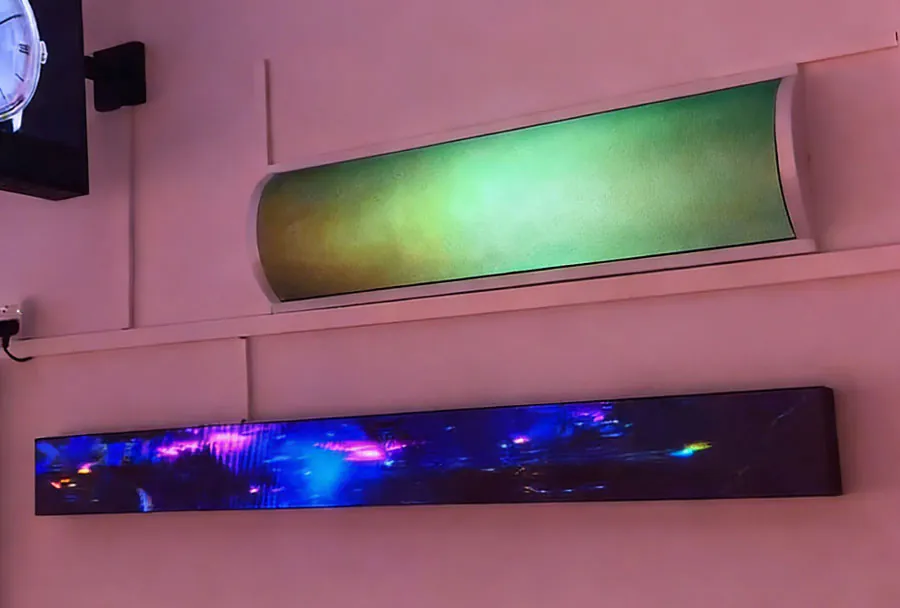
– Match pixel pitch to expected viewing distance to avoid overspec’ing and unnecessary cost.
– Plan for content pipeline changes; high-resolution curved walls often require upgraded media servers and storage.
– Build a maintenance and calibration budget into the TCO calculation.
– Pilot smaller curved installations when possible to validate content strategies and viewer reactions before scaling.
In sum, adopting the latest TW VISION curved LED panels can substantially upgrade the visual experience across multiple environments. They combine engineering refinements that address previous pain points—alignment, color uniformity, and seamless scalability—with practical serviceability and modern control features. For organizations looking to stand out visually while maintaining operational efficiency, these panels represent a strategic investment in both aesthetics and performance.