Guide to Using TW VISION Flexible LED in Dining Spaces to Create Viral Hotspots

In today’s hyper-competitive restaurant and hospitality landscape, simply serving great food is no longer enough. To thrive, establishments must create immersive, memorable experiences that customers are eager to share. This is where the strategic integration of innovative technology like TW VISION Flexible LED transforms from a decorative afterthought into a core business strategy. This guide explores how to leverage this cutting-edge display technology to craft dining environments that are not only visually stunning but are engineered to become viral social media hotspots, driving unprecedented brand awareness and foot traffic.
Understanding TW VISION Flexible LED: The Foundation of Flexibility
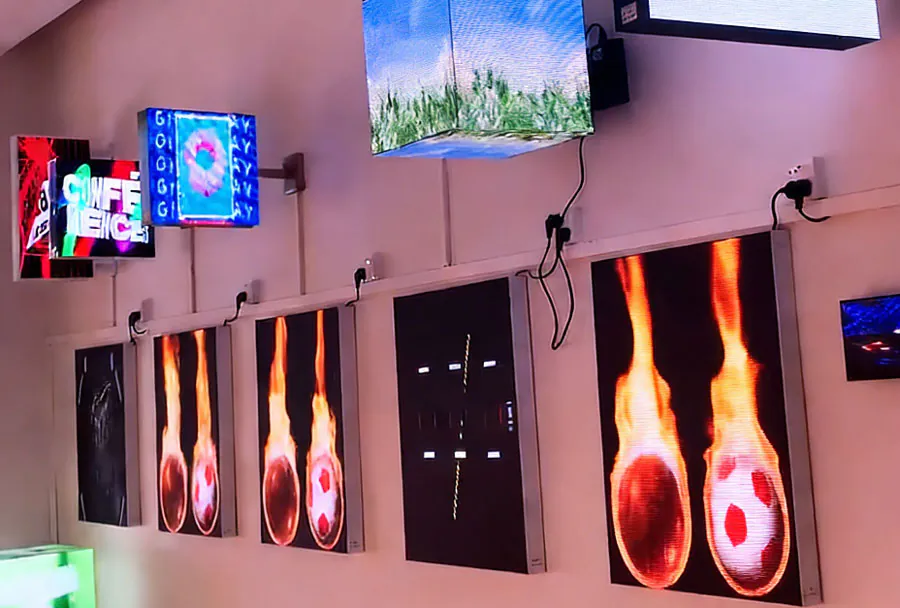
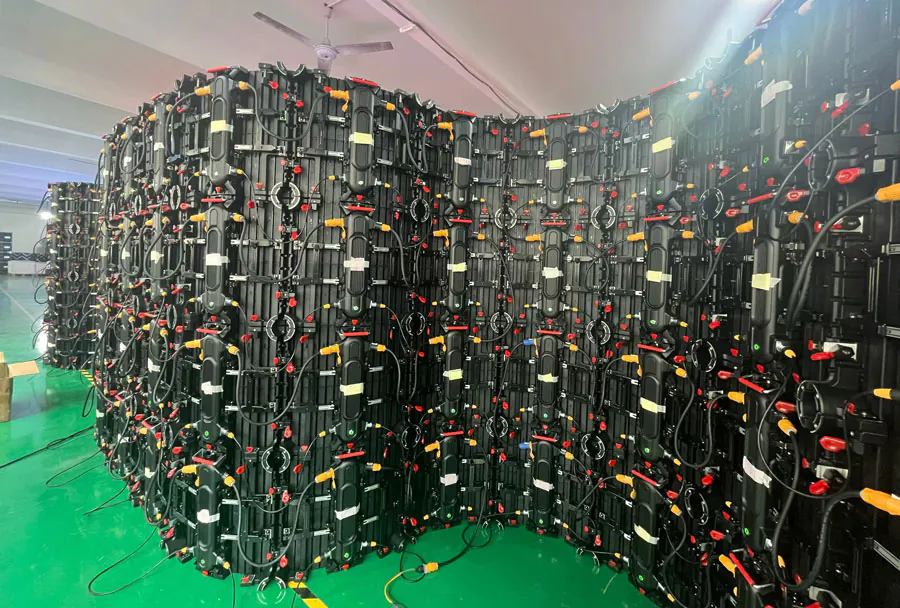
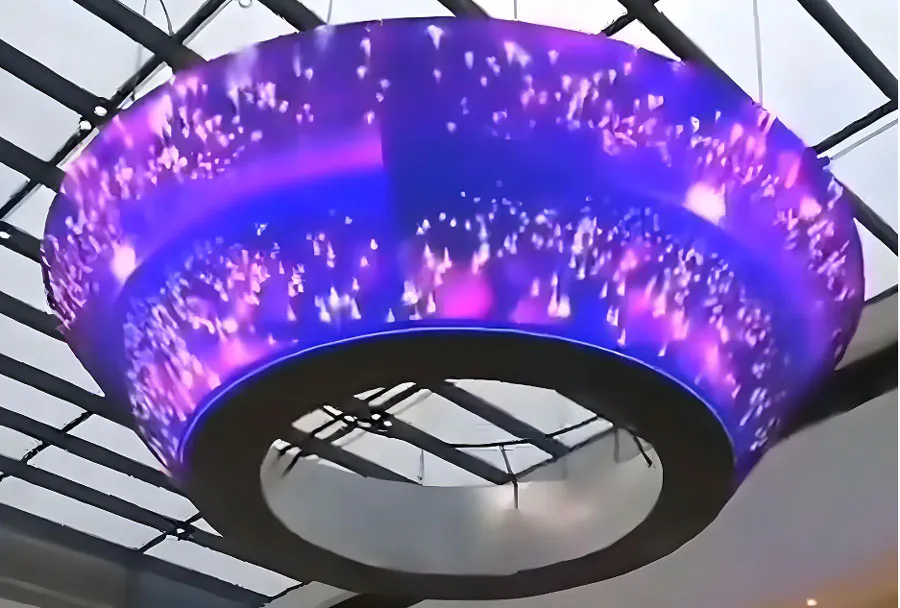
Before diving into application, it’s crucial to understand what sets this technology apart. Unlike traditional rigid LED screens, TW VISION Flexible LED features a lightweight, bendable design. This core characteristic of flexibility and adaptability unlocks limitless creative potential. The panels can be curved around columns, shaped into waves, embedded into architectural features, or even hung as dynamic, flowing curtains. This allows for seamless integration into any dining space aesthetic, from futuristic fine dining to cozy, eclectic cafes. The high resolution, vibrant color gamut, and excellent brightness uniformity ensure content is displayed with breathtaking clarity, whether it’s a subtle ambient pattern or a high-energy visual spectacle.
The Psychology of Share-Worthy Spaces: Why Visuals Drive Virality
The modern diner is a content creator. A meal is not just consumed; it’s documented. The psychology behind viral spaces hinges on FOMO (Fear Of Missing Out) and the desire for social capital. Patrons seek unique backdrops that elevate their social media presence. A static wall is ignored; a wall that comes alive with mesmerizing, interactive, or beautifully thematic visuals becomes a mandatory photo-op. TW VISION Flexible LED taps directly into this by providing a constantly refreshable canvas. It creates an “Instagrammable moment” that is inherently dynamic and unique, encouraging patrons to tag the location, thus providing free, authentic marketing to their entire network.
Strategic Applications in Dining Environments
The application of flexible LED should be intentional, enhancing the theme and customer journey.
The Immersive Thematic Backdrop: This is the most powerful use case. Transform an entire wall or ceiling into a living scene. A seafood restaurant can simulate a serene, undersea world with swimming fish and gentle light filtering through water. A rooftop bar can display a breathtaking, real-time sunset or a starry night sky, regardless of the weather or time of day. This level of immersion is unforgettable and guarantees shares.
Dynamic Menu and Art Displays: Replace static print menus and artwork. Use curved LED columns or strips to showcase beautifully animated menu items, highlight daily specials with flair, or display rotating digital art from local artists. This not only modernizes the space but also allows for real-time updates, promoting sustainability by reducing printed waste.
Interactive Engagement Zones: Create zones where customer interaction drives the visual content. For instance, a flexible LED installation near a waiting area or bar could react to sound (music or clapping), display live social media feeds using a branded hashtag, or feature simple touch-games. This interaction directly increases engagement time and shareability.
Architectural Enhancement: Use the flexibility to highlight the restaurant’s architecture. Wrap LED ribbons around central columns, line the edges of unique ceilings, or create a luminous, curved bar front. This subtle, integrated approach adds a layer of sophisticated tech without being overwhelming, appealing to a clientele that appreciates refined design.
Content Strategy: The Key to Sustained Virality
The technology is only as good as the content it displays. A haphazard content strategy can cheapen the experience.
Brand Alignment: All visuals must reinforce the brand identity. A high-end steakhouse should use elegant, slow-moving textures and premium color palettes (golds, deep reds), not cartoonish graphics.
Variety and Scheduling: Program content loops that change with the time of day. Calm, ambient visuals for brunch, energetic and colorful for happy hour, and sophisticated, moody for dinner service. Schedule special thematic content for holidays or events.
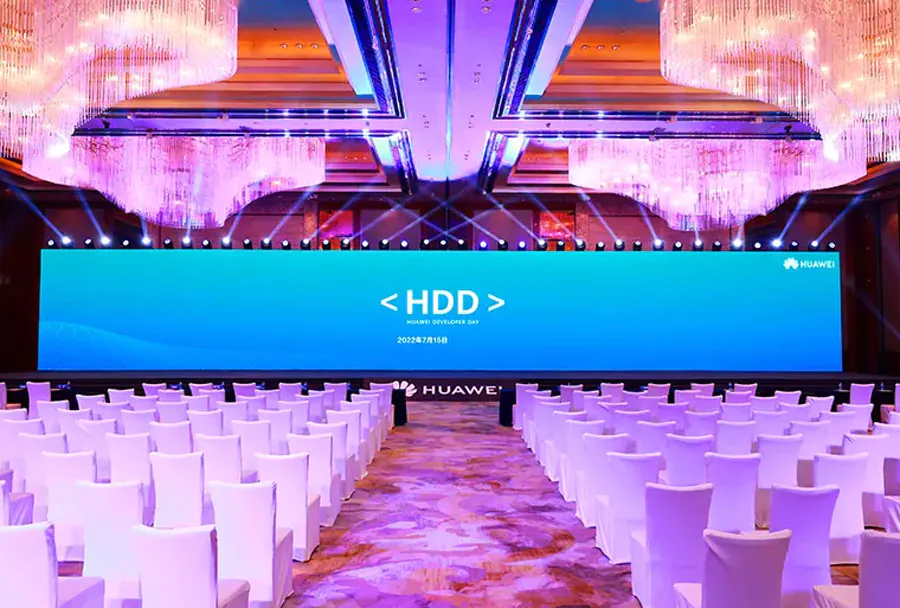
Encouraging User-Generated Content (UGC): Design specific “moments” for sharing. This could be a 60-second spectacular animation on the hour, a dedicated “selfie wall” mode with flattering lighting effects, or on-screen prompts to use your branded hashtag. Make sharing easy and rewarding.
Practical Considerations for Implementation
Success requires careful planning.
Professional Integration: Work with experienced AV integrators familiar with flexible LED. They will ensure proper structural support, power management, heat dissipation, and content management system (CMS) setup.
Viewing Angles and Brightness: In dining spaces, ensure brightness is appropriate—sufficiently vivid to be engaging but not glaring for seated guests. The wide viewing angles of quality flexible LED ensure visibility from anywhere in the room.
Sound and Synergy: Pair the visual experience with a curated soundscape. Syncing light animations to music during specific events can create powerful, multi-sensory moments that are highly viral.
Budget and ROI: View this as a capital investment in marketing and customer experience. The ROI comes from increased social media mentions, longer dwell times, higher table turnover rates (from pre-dinner engagement), and the ability to command premium pricing for an experiential offering.
Lighting the Future of Dining
TW VISION Flexible LED is more than a lighting solution; it is a storytelling platform. By transforming the very surfaces of a dining space into dynamic, interactive canvases, restaurateurs can craft unique narratives that resonate deeply with the digital-native consumer. The goal is to move beyond mere illumination to create emotional connection and shareable spectacle. When implemented strategically—with thoughtful design, compelling content, and a focus on the customer journey—this technology doesn’t just light up a room; it ignites social media feeds, turning every guest into a brand ambassador and solidifying the restaurant’s status as a must-visit viral hotspot. In the experience economy, the future of dining is flexible, immersive, and brilliantly illuminated.